Scientists have found that intestinal viruses such as rotavirus can remain infectious for up to three days.
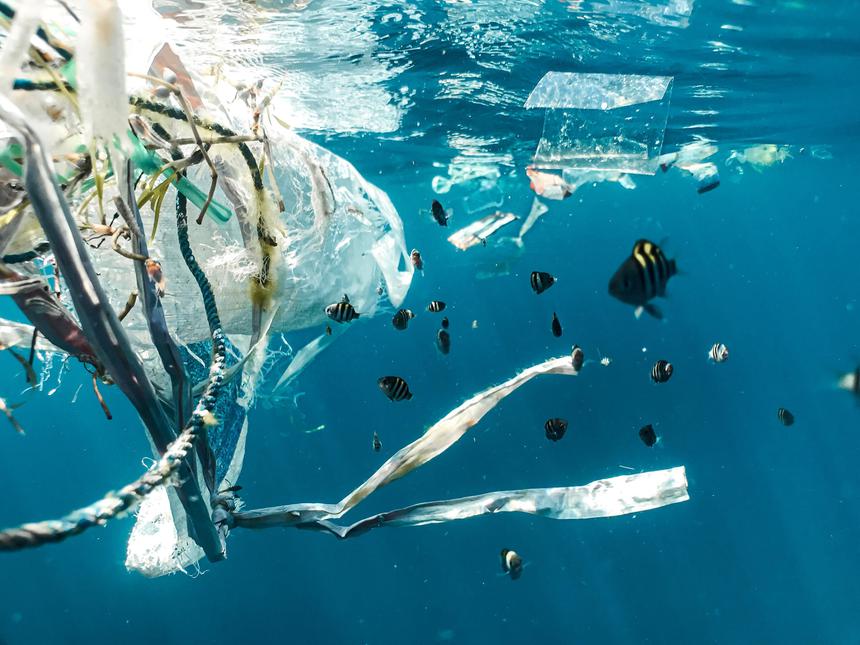
Researchers have seen that viruses that causediarrhea and indigestion, survive in water by clinging to microplastics, tiny particles less than 5mm long. This way they remain contagious longer, which poses a potential threat to public health.
The scientists explained that previous studieswere carried out under sterile conditions, and this is the first study in the environment. Experts noted that the contagiousness for three days is enough to get from the treatment plant or to the public beach. Worse, wastewater treatment plants cannot capture microplastics.
Previously, scientists have found that wet wipes and cotton swabs thrown on the beach have too high levels of fecal bacteria.