Scientists have recreated in the laboratory the weather that is typical for planets such as Jupiter and Saturn. Using
The atmospheres of gas giants such as Jupiter andSaturn are composed primarily of hydrogen and helium. Previously, scientists predicted that under such conditions, helium should form liquid droplets and fall, but this has not been experimentally confirmed. Up to this day.
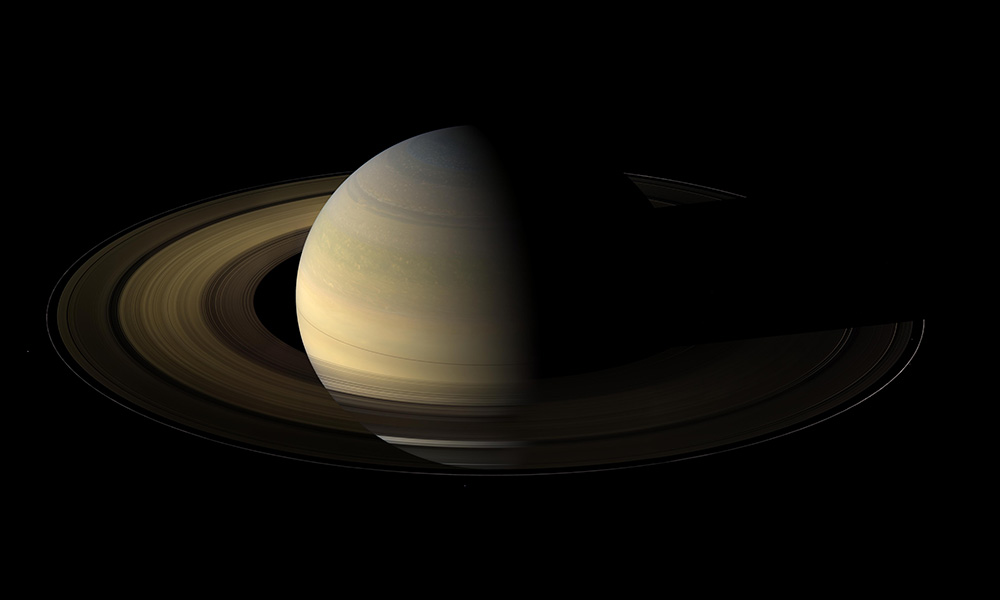 Image by NASA / JPL / Space Research Institute
French and American scientists have recreated the weather conditions typical of the gas giants in the laboratory, and as a result, helium rain did indeed form.
To do this, the researchers squeezed a mixture of hydrogen andгелия примерно в 40 000 раз выше давления атмосферы Земли. Затем ученые ударили лазером по газам, создав таким образом сильные ударные волны. Они сжали водород и гелий еще сильнее, а также нагрели до температуры от 4 425 °C до 9 925 °C.
Helium is not the only unusual substancewhich falls in the form of rain in the atmosphere of other planets. Astronomers have previously found evidence of extraterrestrial rain composed of rocks, diamonds, rubies, and iron.
Read more
A combat drone for the first time without a human order tracked down the enemy and attacked
New exoskeleton reduces human stress while walking
A mathematical model of the brain will allow AI to think like a human