In a new study published in the journal Nature Communications, an international team of scientists that includesand
“We have considered six of the most numerousfamilies of dinosaurs throughout the Cretaceous period, from 150 to 66 million years ago, and found that they all evolved and reproduced. Then, 76 million years ago, there was a sudden decline. The rate of extinction has increased, and in some cases the rate of emergence of new species has decreased, ”the scientists note.
The team used Bayesian methodssimulations to account for several types of uncertainties, such as incomplete fossil records, gaps in the age of fossils, and in evolutionary models. Models have been run millions of times to account for all possible sources of error and to determine if analyzes converge with the most likely results.
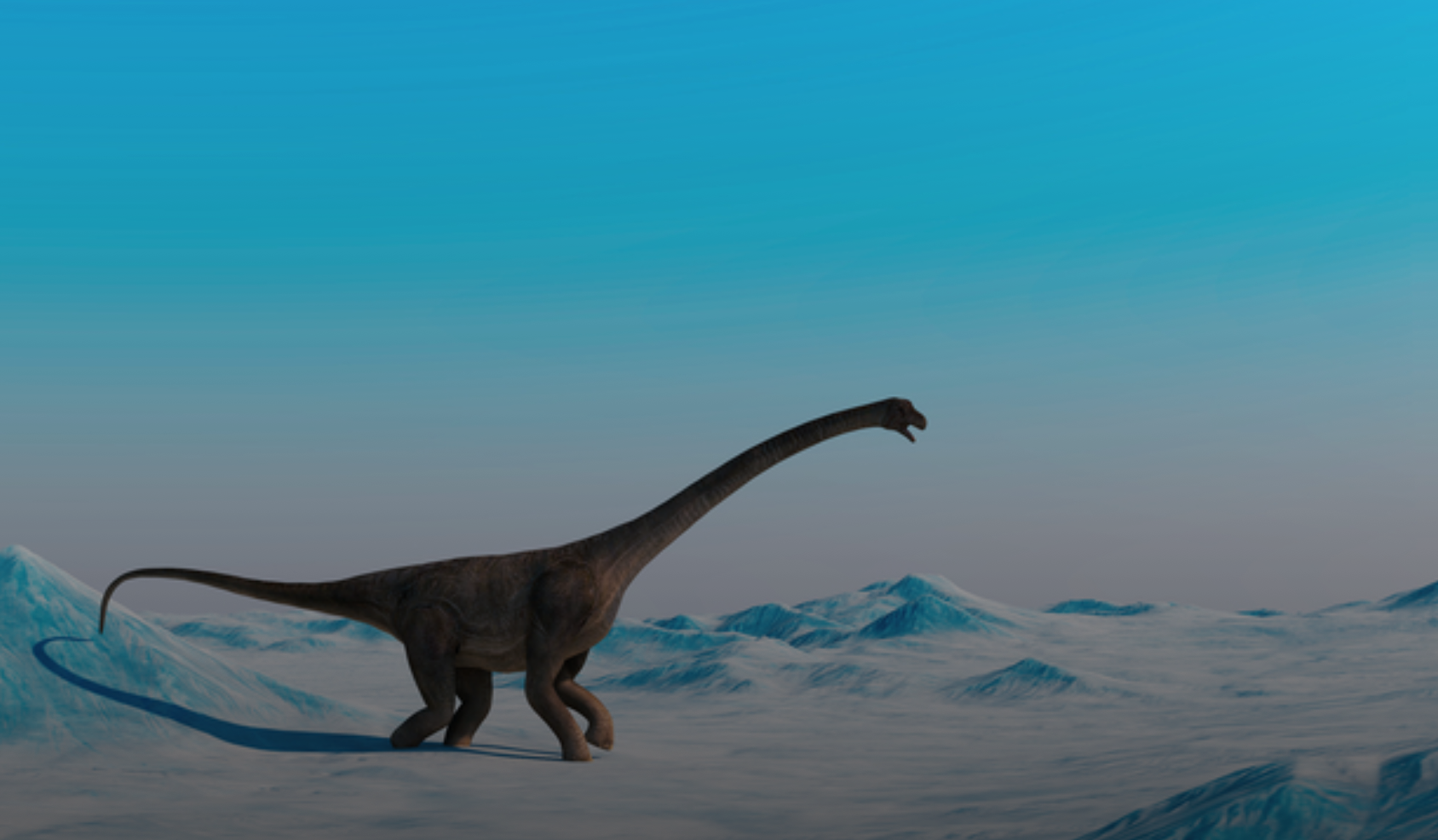
Dinosaurs lived in the Arctic all year round, despite the cold
Their data was confirmed, after which the researchersmoved on to the possible reasons for the decline in the dinosaur population. They identified two factors: the cooling of the earth's climate, which made the existence of dinosaurs accustomed to warm temperatures more difficult.
At the same time, the loss of herbivores madeecosystems are unstable and prone to cascading extinction. Scientists also found that long-lived dinosaur species were more prone to extinction, possibly indicating that they could not adapt to new conditions on Earth.
“Dinosaurs were basically so hugewhich, probably, hardly knew about the existence of small furry mammals. But mammals began to increase the number of species even before the extinction of dinosaurs, and after the impact they had a chance to create new types of ecosystems that we see today, ”added the scientists.
Read more
The NiV virus is active again: there is no vaccine for it and the mortality rate is up to 75%
Mutated coronavirus can learn to enter cells in a new way
The largest comet in history is seen in the solar system: it is almost a planet