Researchers from the National Institute of Anthropology and History of Mexico have found a previously unknown settlement
The discovery was made by accident duringresearch work in the state of Campeche. A significant part of it is still covered with dense thickets of the jungle and has not been practically studied. The researchers used aircraft-mounted LiDAR laser scanning technology to map the area and search for potential antiquities.
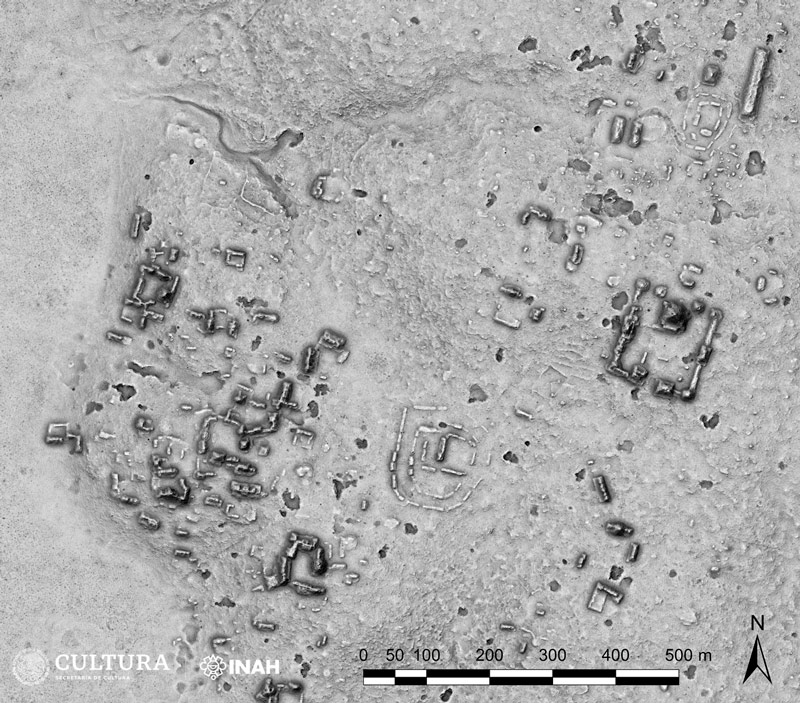 Results of scanning the area using lidar. Photo: Ivan Ṡprajc, INAH
The researchers identifieduplands surrounded by vast wetlands. Further analysis showed that this is an abandoned settlement associated with the Mayan culture. Archaeologists have been able to identify the ruins of many buildings of the pre-Hispanic period of the country's development. The new city was named Okomtun, which means "stone column" in the Mayan language.
Some ruins resemble 50-meter pyramids,known for the Maya civilization. Archaeologists have been able to identify the remains of pyramidal buildings, many stone columns, several squares, and a number of other buildings standing on the streets forming concentric circles.
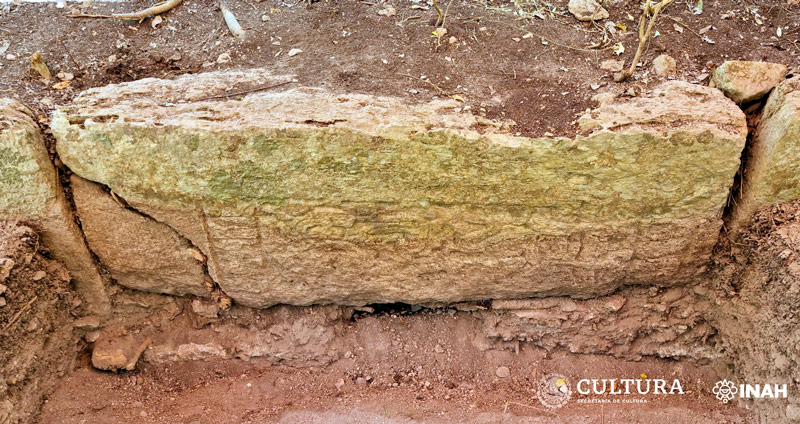
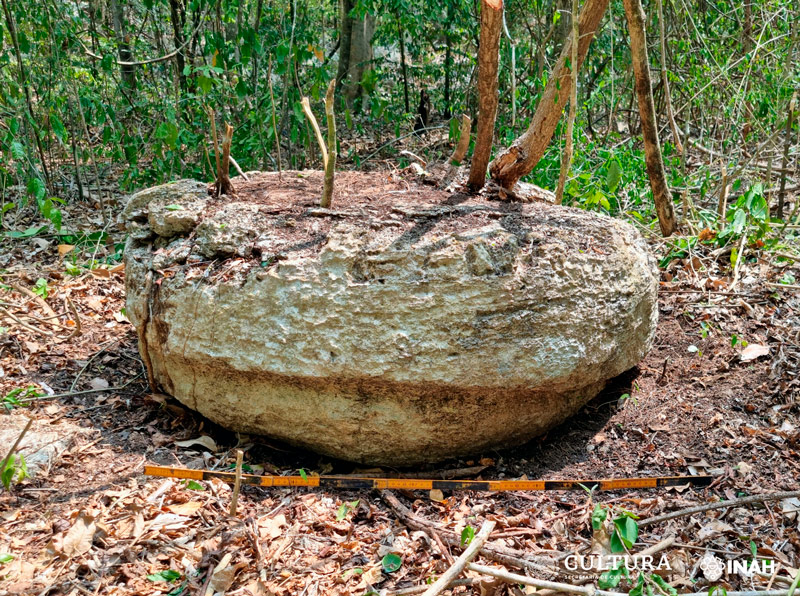
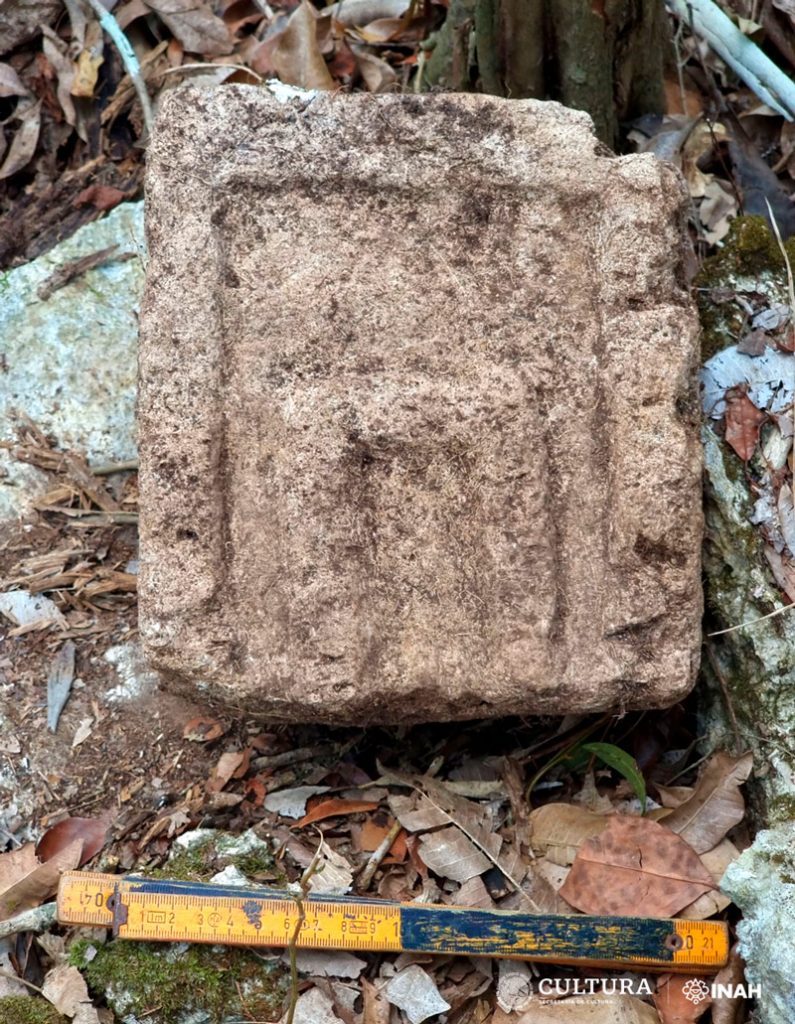
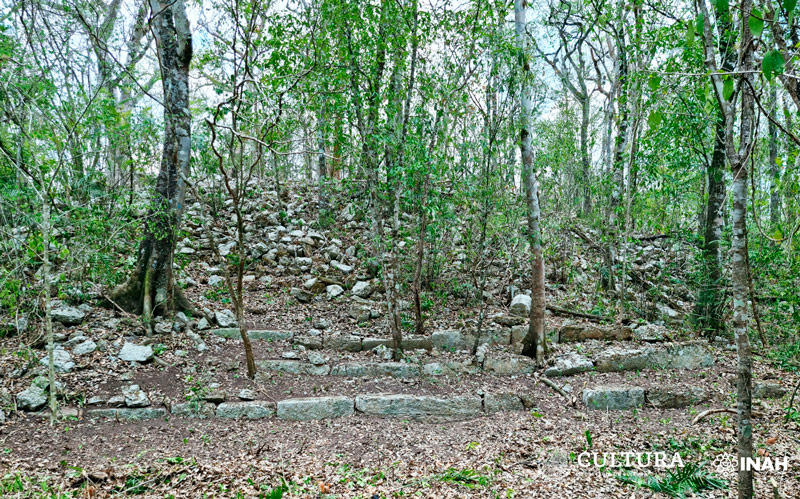
Ruins of a settlement found at the research site. Photo: Ivan Ṡprajc, INAH
In the center of the city, researchers believethere was a ball court - tlachtli. It was popular in the region associated with the Mayan civilization, and is believed to have served both a recreational and a religious function. On the river bank in the excavation area, the researchers found the remains of altars. Their purpose has not yet been fully determined, but they were probably used during public holidays.
Researchers believe that people left the city,which had previously been a major regional center, around the 10th century. Probably, this was facilitated by the general decline of the region, associated with "ideological and demographic changes." Further excavations will help to learn more about the history of the development of the region and the Maya civilization.
Read more:
See 100 lightning bolts that hit the ground and water during a thunderstorm in Turkey
An artifact resembling a phallus was found in Mongolia: it is about 42,000 years old
Found the tallest tree in Asia: show how it looks
On the cover: results of scanning the area using lidar. Photo: Ivan Ṡprajc, INAH