What is the bubonic plague?
It is a disease caused by bacteria (Yersinia pestis). Common vectors
 Flea Xenopsylla cheopis infected with plague bacteria (visible as dark mass)
Bubonic plague develops if the pathogenpenetrated under the skin, for example, through the bite of an infected flea or rat. The patient typically swollen lymph nodes and form "buboes", characteristic inflammation on the skin that appear in the inguinal, less often axillary zones. An infected person may also develop fever with severe intoxication. The incubation period is 2-6, less often from 1 to 12 days.
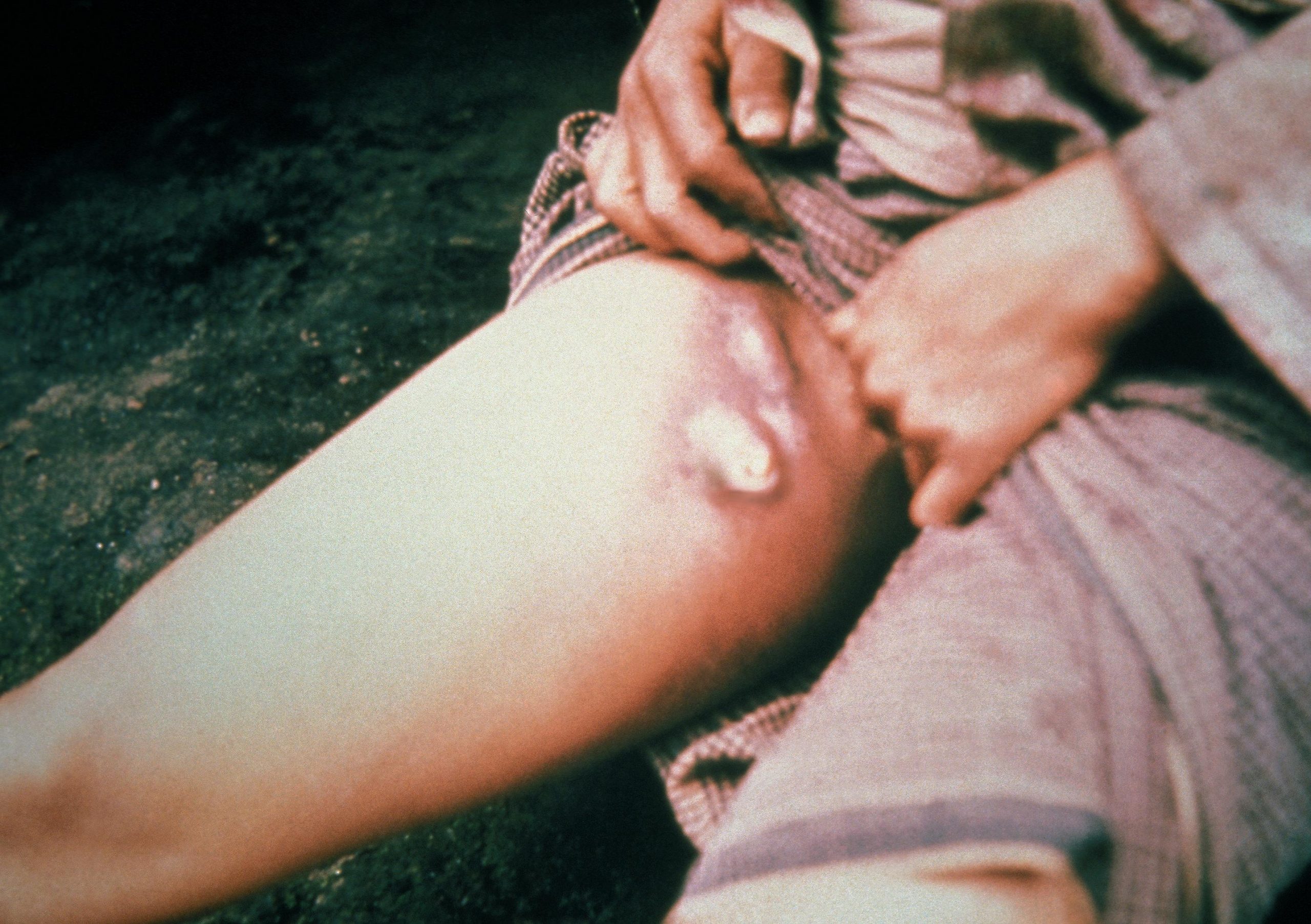 Patient with inguinal buboes
Plague pneumonia can complicate bubonic plague, which leads to the development of pneumonic plague and the possibility of further spread of infection by airborne droplets.According to the World Health Organization (WHO), the disease can kill an adult in less than 24 hours if not treated in time.
Historically, the bubonic plague became the first formtreatable plague. The first cured patients appeared with the invention of anti-plague vaccines and serums, and with the introduction of streptomycin and other antibiotics into medical practice, almost all patients recover if treatment is started on time.
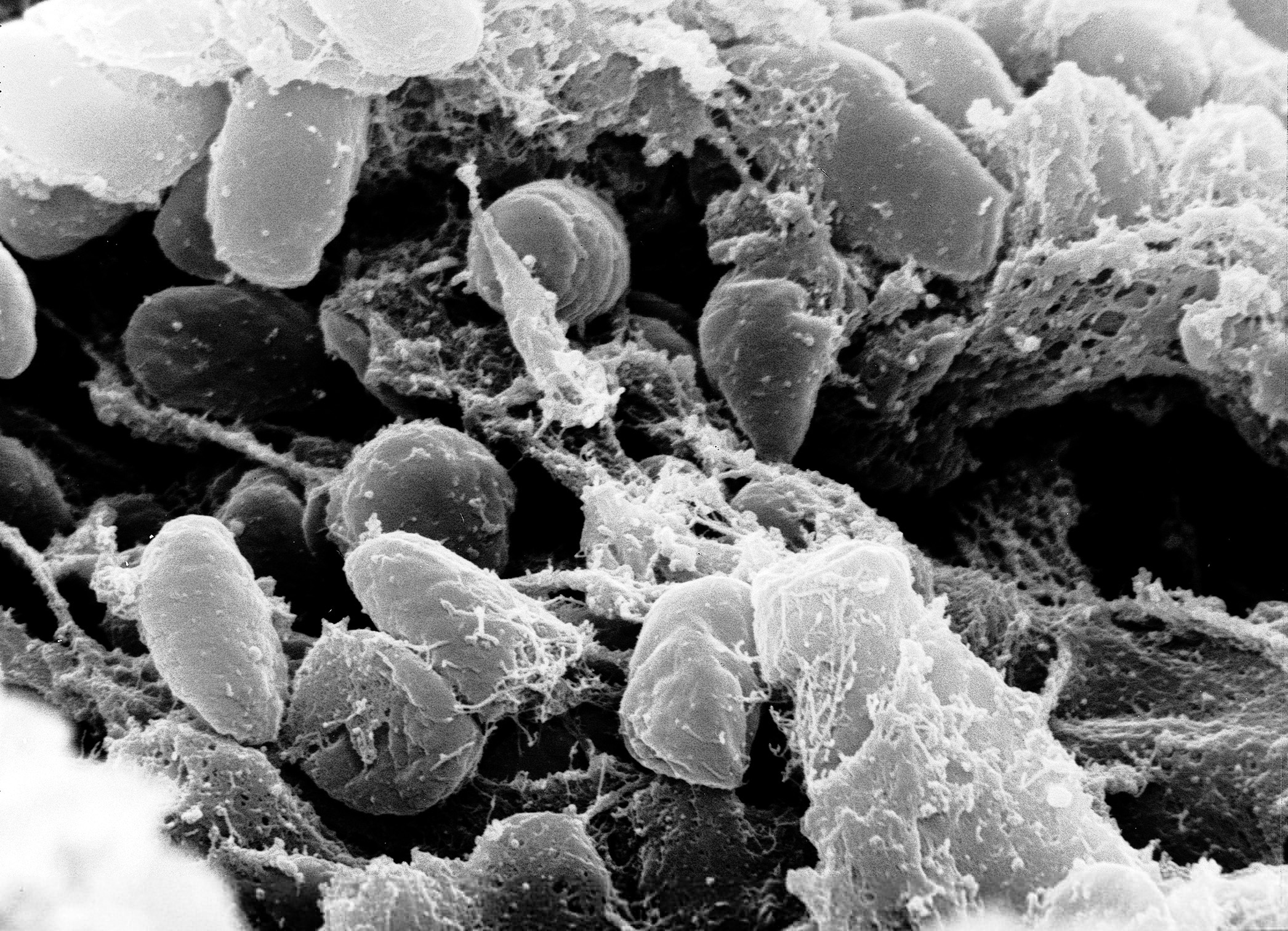 Plague wand
Who got sick in Mongolia?
The outbreak occurred in the aimag, which is an administrative-territorial unit as a province. On June 28, a 27-year-old man and a girl of their age were taken to the hospitalAt the beginning of the disease, 60 people were in direct contact with her and 400 indirectly.
It is known that the cause of infection was the fact that both residents of Mongolia ate raw groundhog meat.
How did the local authorities react?
Quarantine, entry introduced on the territory of aimakvehicles to the region, as well as the exit are temporarily suspended. The local epidemiological service began to check to identify possible additional cases of plague and curb the risk of its spread.
Note that this is not the first case of an outbreak of bubonic plague in the country. In May 2019, two locals died after eating the meat of the marmots caught during the hunt.