What is Geoengineering?
Traditionally, geoengineering involves two very different things: how
With the first method, known as "removal"carbon" or "negative emissions technologies" scientists now largely agree. Such techniques will have to be used to avoid dangerous levels of planetary warming. Most researchers no longer even classify this method as geoengineering. Unlike the second, more controversial method, known assolar geoengineering.
This is a general term that includes suchideas like installing sunscreens in space or scattering microscopic particles into the air in various ways to make coastal clouds more reflective, dispersing heat-trapping cirrus clouds, or scattering sunlight into the stratosphere.

The very word “geoengineering” impliestechnology on a planetary scale. But some researchers have been considering conducting similar experiments and technologies in localized ways, exploring different methods that could protect coral reefs, forests and ice sheets.
Where did the idea for geoengineering come from?
In general, this is not the newest idea. In 1965, President Lyndon Johnson's scientific advisory committee warned that the Earth's reflectivity may need to be increased to offset the rise in greenhouse gas emissions. Significantly, in this first-ever presidential report on the threat of climate change, the idea of reducing emissions did not seem worth mentioning, as author Jeff Goodell notes in his book How to Cool the Planet.
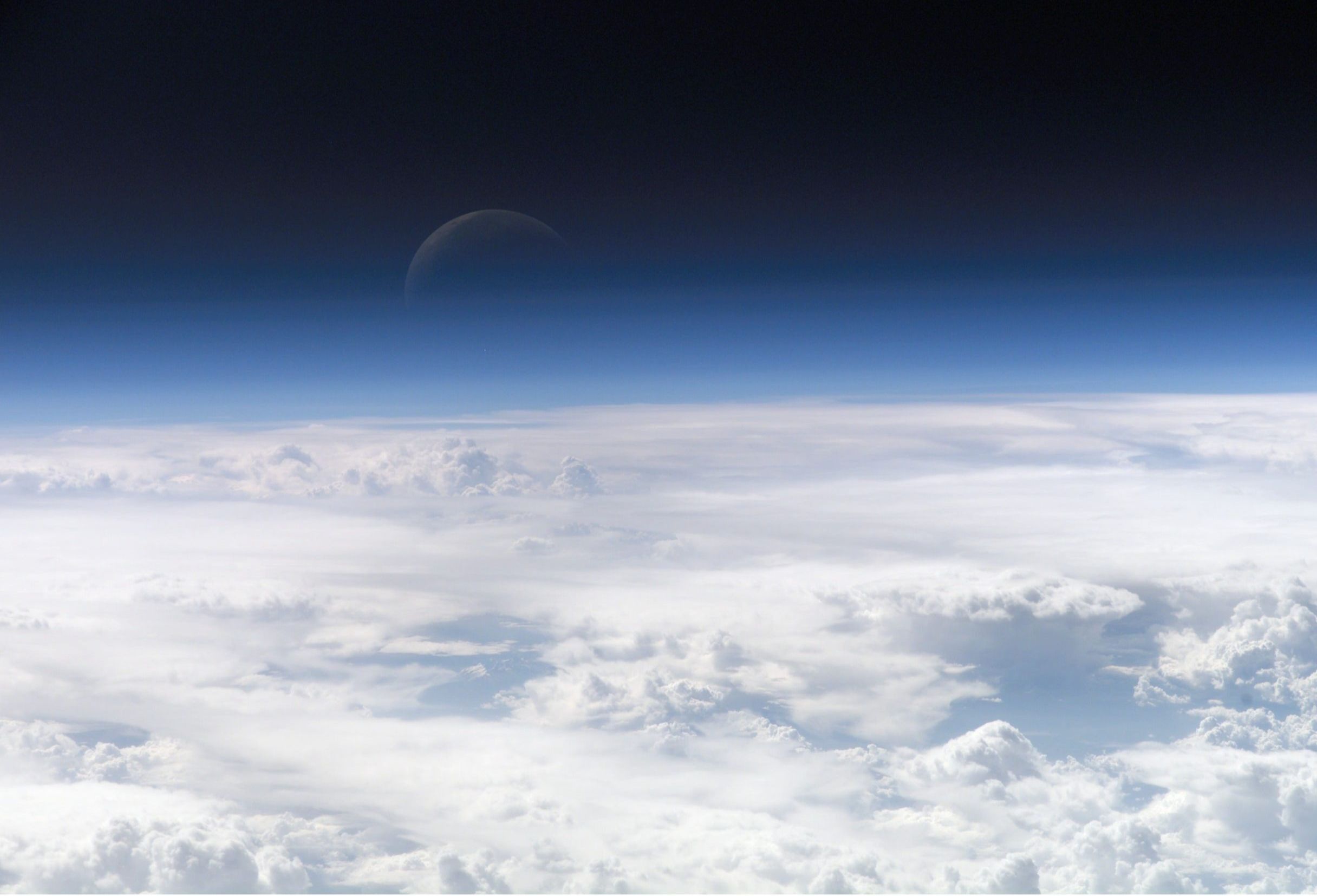
But the most famous form of solar geoengineeringinvolves spraying particles into the stratosphere. It is sometimes called "stratospheric injection" or "stratospheric aerosol dispersal." Partly because nature has already demonstrated that this is possible.
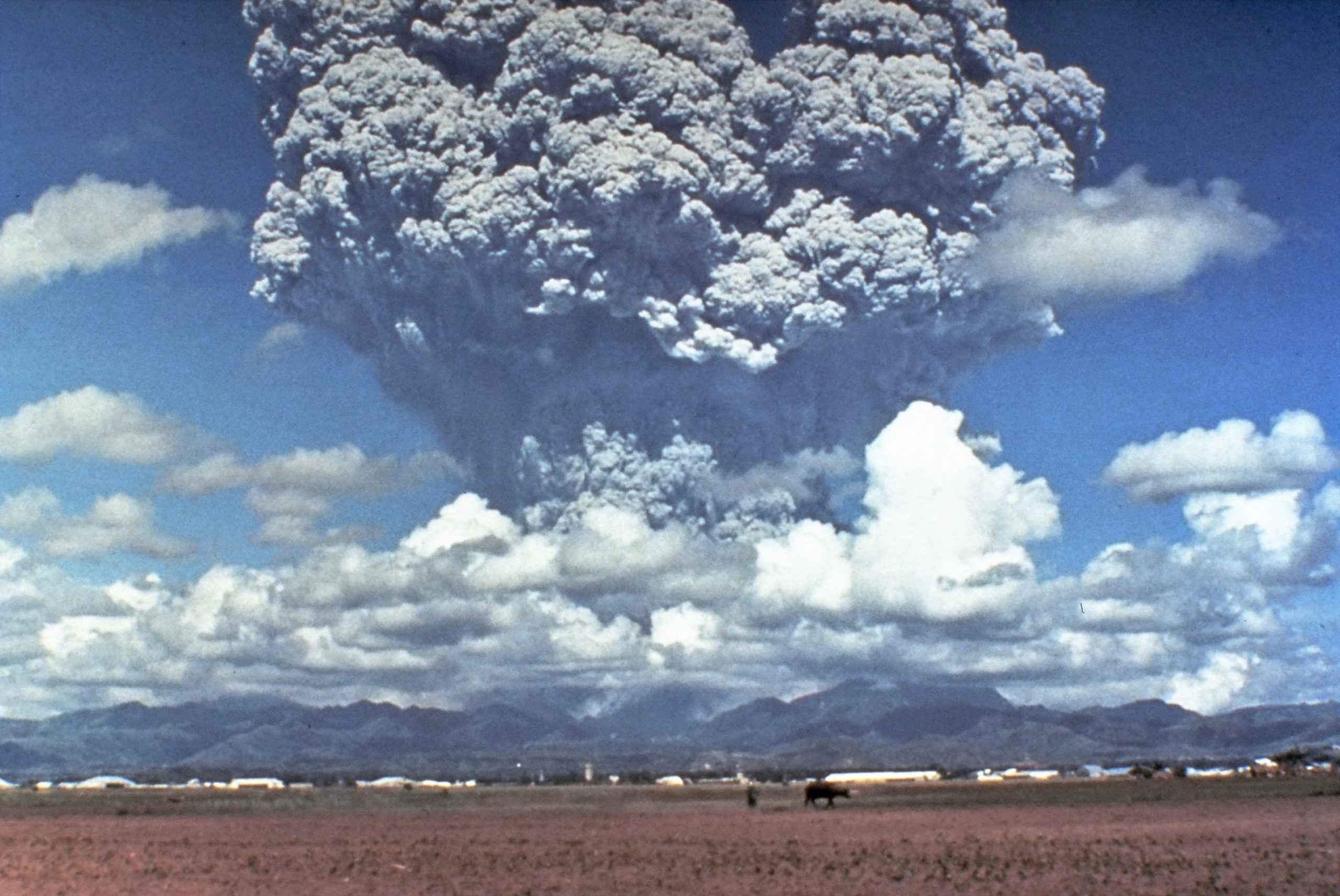
The most famous example of natural solarGeoengineering was the eruption of Mount Pinatubo in the Philippines in the summer of 1991. Then, about 20 million tons of sulfur dioxide were released into the atmosphere. By reflecting sunlight back into space, particles in the stratosphere helped reduce global temperature by about 0.5 ° C over the next two years.
And, although scientists do not have exact data, hugeVolcanic eruptions in the distant past had similar consequences. It is known that the explosion of Mount Tambora in Indonesia in 1815 was followed by the "Year Without a Summer" in 1816, a dark period that may have helped inspire the creation of two of the most famous and dark creatures in literature - vampires and Frankenstein's monster.
Советского климатолога Михаила Будыко обычно considered the first to suggest that we can counter climate change by simulating this volcanic phenomenon. He raised the issue of the possibility of burning sulfur in the stratosphere in his 1974 publication.
In subsequent decades, this concept was from time to timehas appeared in research articles and at scientific conferences over time. However, it did not receive much attention until the late summer of 2006, when Paul Crutzen, a Nobel Prize winner in atmospheric chemistry, called for geoengineering research in an article in the journal Climatic Change. This became a widely discussed event as Crutzen received the Nobel Prize for his research into the dangers of the growing ozone hole, and one of the known effects of sulfur dioxide is ozone depletion.
In other words, he believed that climate change was such a threat that it was worth "exploring a cure" for what he considered "poison."
What are the side effects of geoengineering strategies?
Scientists have come up with all sorts of solutions to combat climate change, including a number of controversial geoengineering strategies.
Among the many, several can be distinguished.
-
Afforestation</ p>
Method essence: it will allow the irrigation of deserts, for example in Australia and North Africa, to plant millions of trees that can absorb carbon dioxide.
Disadvantage: This vegetation will also attract additional sunlight.
- Artificial Ocean Upwelling
Method essence: Engineers will use long pipes to pump cold, nutrient-rich water upward to cool ocean surface waters.
Disadvantage: If this process ever stops, it could lead to a shift in heat balance in the oceans and rapid climate change.
- Alkalinizing the ocean
Method essence: The process involves dumping lime into the ocean to chemically increase the absorption of carbon dioxide.
Disadvantage: Research shows that it is of little use in reducing global temperatures.
- Fertilizing the oceans with iron
Method essence: It involves dumping iron into the oceans to improve the growth of photosynthetic organisms that can absorb carbon dioxide.
Disadvantage: Research shows that it is of little use in reducing global temperatures.
- Solar control
Method essence: This will reduce the amount of sunlight received by the Earth through the release of reflective sulphate aerosols into the atmosphere.
Disadvantage: Carbon dioxide will still accumulate in the atmosphere.
Geoengineering will solve the problem of using fossil fuels?
No, although the idea that it is possible is definitelyis the reason some energy company executives are interested in geoengineering. But even if it works, it will provide, at best, a temporary respite in the uneven fight against climate change.
In addition, this method does not help much inelimination of other climatic hazards. For example, when it comes to ocean acidification or huge environmental damage from the extraction and combustion of fossil fuels. The proliferation of geoengineering may worsen other disturbances in the climate system. Therefore, it cannot completely solve the problem of constantly increasing emissions.
How is geoengineering researched?
Over the years since the publication of the articleCrutzen, more and more researchers have studied geoengineering, mostly using computer simulations or small laboratory experiments to find out if it actually works, how it can be done, what kinds of particles can be used, and what environmental side effects it can produce.
Computer simulation sequentiallyshows that this will lead to a decrease in global temperature, sea level rise and some other climatic impacts. But some studies have shown that high doses of certain particles can also damage the protective ozone layer, alter the global rainfall pattern, and reduce crop growth in certain areas.

Other researchers have found that these risks can be reduced, if not eliminated, by using particles other than sulfur dioxide and by limiting the scope of geoengineering.
For example, chemists from Harvard believe thatit can be calcium carbonate - chalk, limestone, marble and shells. This may be less harmful to the ozone and does not pose much of a health hazard. Keutsch's research group is studying how this substance affects chlorine and nitrogen oxides, which also exist in the stratosphere - mainly due to man-made emissions - and accelerate ozone depletion. Scientists believe that calcium carbonate may help reduce levels of these gases.
And, nevertheless, the head of HarvardPlanet-cooling aerosol research group Professor Frank Keutsch is keen to make clear that even if they can "remove all the uncertainties of the geoengineering project" and it is successful, this does not mean climate change will be solved.
The reason is obvious, Koich said.
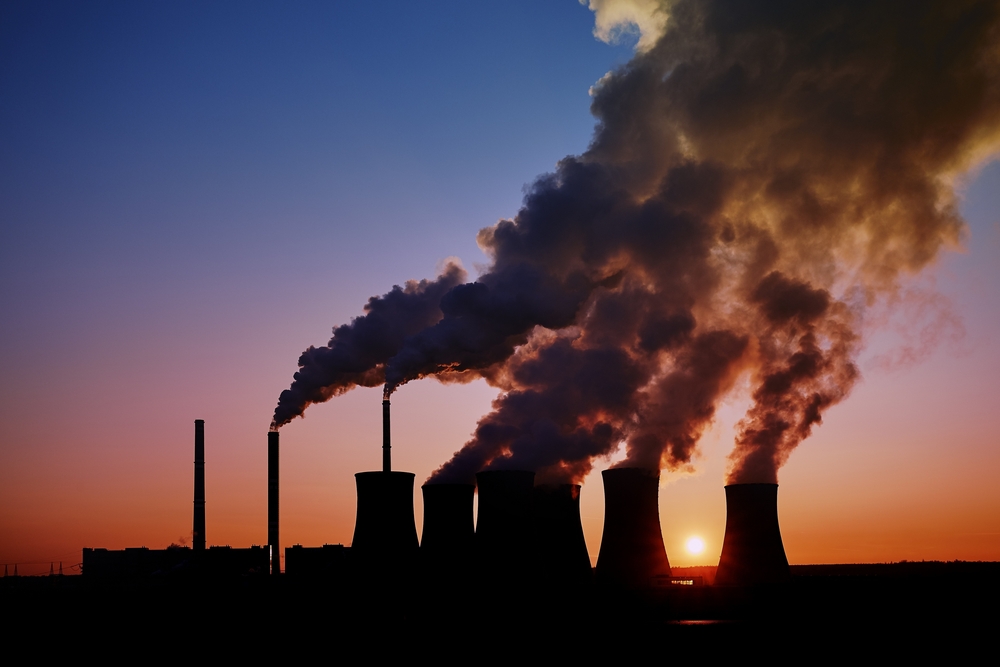
“It doesn't solve the reason,” he said. "So as we do all of this and continue to emit CO2, we have to put more and more particles into the atmosphere, and at some point it just becomes a crazy scenario, right?"
At the end of the day, the only stable and truethe solution for people is to change their attitudes and behavior. “In any case, we must reduce the number of 'remissions' of the climate,” he said. “I think there are no questions here. And this is the basis, the starting point: we must reduce emissions. "
But no one will claim that we have come tothe definitive answer to most of these questions. The researchers believe that we need to do much more modeling work to study these issues in more detail. Also, it is obvious that there is not much that simulation can tell us, so some suggest small outdoor experiments.
Has anyone done real geoengineering experiments?
- In 2009, Russian scientists carried out howconsidered the first open geoengineering experiment. They installed aerosol generators on a helicopter and a car and sprayed particles up to 200 meters high. In an article published in the Russian journal Meteorology and Hydrology, the scientists stated that the experiment reduced the amount of sunlight reaching the surface. It is worth noting, however, that Yuri Izrael, a renowned climate skeptic, was the study's lead author as well as editor of the journal.
- One of the first attempts at conducting an experiment,which had been openly advertised in advance as related to geoengineering, known as the SPICE project, was ultimately rejected. The idea was to pump the particles through a pipe onto a balloon that would scatter them into the stratosphere. But the proposal drew a strong public reaction, especially after it emerged that some researchers had already applied for patents on the technology.
- Harvard scientists (Koich group) suggestedthe next and most formal geoengineering experiment to date. They hope to launch a balloon, equipped with propellers and sensors, that will spray tiny amounts of calcium carbonate into the stratosphere. The plane would then fly through the plume and try to measure things such as how much particles are scattered, how they interact with other gases, and how much they are reflected. The team has already raised funds, created an advisory committee, contracted with a balloon company, and started developing the necessary equipment.
- Meanwhile, researchers from WashingtonThe university, in collaboration with the Xerox Research Center in Palo Alto and other groups, proposed small experiments as part of a larger research program to learn more about the potential for "brightening sea clouds." The idea, pioneered by British physicist John Latham in 1990, is that spraying tiny particles of salt from seawater onto low-lying clouds above the sea can create additional droplets, increasing the surface area - and therefore reflectivity - of the clouds. The team is currently raising funds to develop a "cloud physics research tool" and test it by spraying a small amount of sea salt mist off the Pacific coast of the United States.
- According to Nature, there have also been attemptssome early attempts in other areas of geoengineering, including more than a dozen so-called open ocean iron fertilization experiments. The idea is that the release of iron into the water will stimulate phytoplankton growth, which will pull carbon dioxide out of the air. But scientists are wondering how well it works and what side effects it might have on the ocean's ecosystem. Environmental groups and other organizations have also criticized early attempts in this area, claiming that they were implemented without proper authorization or scientific oversight.
Does anyone actually do geoengineering?
The researchers emphasize that these experimentsare not true geoengineering: the amount of material involved is too small to change the global temperature. In fact, no one is doing geoengineering on a planetary scale today, despite various conspiracy theories on this score.
Of course, burning a huge amountFossil fuels are a form of geoengineering, but unintentional, stupid and dangerous. In addition, sulfur pollution from coal plants and ships has likely led to a decrease in global temperatures. And, yes, new UN rules requiring ships to emit less sulfur may actually raise temperatures slightly.
There is also a long and rich historyattempts by the US and China to seed clouds with particles to increase the amount of snow or precipitation. But the results are very mixed, and changing local weather is a step too far from trying to change the entire climate system.
How much controversy is geoengineering?
Lots of. The scientific community has real concerns about conducting, researching, or even discussing geoengineering.
Critics argue that open conversation aboutthe potential for a technological “solution” to climate change will ease the pressure to tackle the root cause of the problem: rising greenhouse gas emissions. Some people think that outdoor experimentation is a slippery slope. This could create incentives for even larger experiments, while a collective decision on the safety of geoengineering has yet to be made.
Technology that knows no national boundaries alsoposes difficult, if not insurmountable, geopolitical questions. Who should decide, and who might have a say, whether it is worth continuing to study geoengineering? How to choose a single global average temperature to strive for, because it will affect different countries in different ways? And, if humanity cannot come to a consensus, can such a global work with many questions and variables provoke conflicts and even wars?
Some would argue that messing with sucha complex system, like the climate, is not a concern of man. Or that it is simply stupid to counteract one polluter against another, or trying to fix a technocratic failure with a technocratic solution.
Why are these ideas being discussed at all?
Few serious scientists would describe themselves as advocates of geoengineering.
The researchers studying it professambivalence and openly admit that this is not the best solution to the problem of climate change. But they are also worried that society is ignoring dangerous levels of warming and extreme weather as they continue to build power plants, cars and cities that will produce greenhouse gases for decades. Thus, a growing number of scientists are saying that it would be simply irresponsible not to investigate what could potentially save many, many lives, as well as species and ecosystems. But on condition that the work on reducing emissions is not forgotten.

Geo-engineering advocates recognize the danger, butare wondering - in comparison with what? Is geoengineering more dangerous than famine, floods, fires, extinctions and migration caused by climate change - phenomena we are already facing? As these effects worsen, the public and politicians may think tinkering with the planet's atmosphere is a risk worth taking.
The growing case for geoengineering
Change without decisive actionclimate could kill about half a million people annually by the middle of this century due to hunger, floods, heat stress and human conflict. Preventing temperatures up to 2 ° C above pre-industrial levels, long considered a hazardous area to be avoided at all costs, now seems nearly impossible. According to the United Nations Intergovernmental Panel on Climate Change, this would mean reducing greenhouse gas emissions by as much as 70 percent by 2050. This may well require the development of technologies that could suck billions of tons of carbon dioxide from the atmosphere.
According to a study by the London Committee onclimate change, a difference of one or even two degrees - this is another quarter of a billion people without reliable access to water, more than a hundred million people are vulnerable to flooding and a significant decrease in crop yields worldwide.
Read also
On day 3 of illness, most COVID-19 patients lose their sense of smell and often suffer from a runny nose
Found 24 planets more suitable for life than Earth
The Doomsday glacier turned out to be more dangerous than scientists thought. We tell the main thing