Creative destruction
Charles Darwin's opus, The Origin of Species, ends with an exposition of his
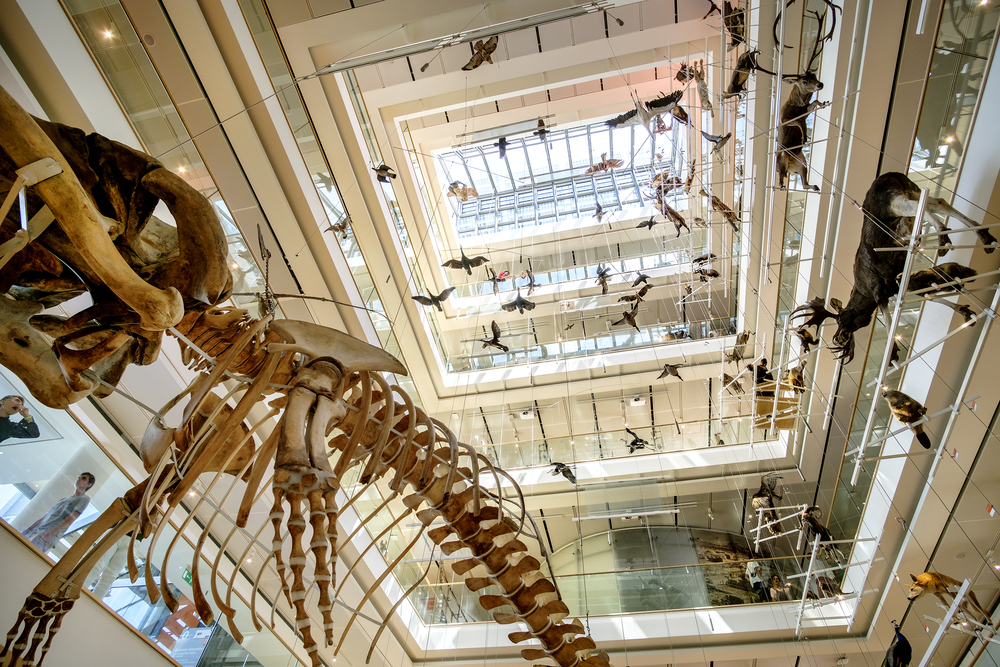
Paleontologists have identified several of the most serious, mass extinctions in the Phanerozoic fossil record. These mainly include the “big five” mass extinctions.
Five previous mass extinctions of the Earth
- End of the Ordovician period, 443 million years ago
A strong ice age caused sea levels to drop by 100 meters, wiping out 60-70% of all species that were visible ocean inhabitants at the time.Then, shortly after the ice melted, the oceans were left without oxygen. -
Late Devonian, 360 million years ago
Erratic prolonged climate change has once again hit life in shallow seas very hard, killing 70% of species, including almost all corals. -
Perm-Triassic (border of the Permian and Jurassic periods), about 250 million years ago
The largest —more than 95 percent of species have died, including trilobites and giant insects —is closely linked to massive volcanic eruptions in Siberia that triggered a violent episode of global warming. -
Triassic-Jurassic (border of the Triassic and Jurassic periods), about 200 million years ago
Three-quarters of the species were lost, again most likely due to another massive outbreak of volcanism.The land remained clean for the dinosaurs to thrive. -
Cretaceous-Tertiary, 65 million years ago
As a result of the fall of a giant asteroid on Mexico immediately after major volcanic eruptions on the territory of present-day India, dinosaurs and ammonites disappeared.Mammals took advantage of this, and eventually humans appeared.
By observing the fossil record, scientistsconcluded that the events of mass extinction create a particularly productive development of species. For example, in the case of the extinction of dinosaurs, it was assumed that wastelands were created that allowed mammals to evolve, which ultimately laid the foundation for the emergence of humans. In other words, if it hadn't been for the post-Cretaceous “creative destruction”, we might not have been here.
Or is it not so?
Destruction is not necessary?
New research that questionstraditional Darwin's theory began with two scientists discussing the original idea. The two authors of the article, evolutionary biologist Jennifer Hoyal Cathill and machine learning physicist / expert Nicholas Gutenberg discussed whether machine learning can be used to visualize and understand the fossil record. As a result, scientists began to study the correlation between extinction and evolutionary radiation. They quickly discovered that the evolutionary patterns identified by machine learning were largely different from traditional interpretations.
It turned out that the most comparable massevolutionary radiation and extinction are only occasionally linked in time, refuting the idea of a causal relationship between them. "The ecosystem is dynamic, nature does not have to destroy something for something new to appear," concludes study co-author Dr. Nicholas Gutenberg.
If that's the case, maybe the planet isn't in for another extinction?The so-called "sixth extinction" is happening right now.
What is the Sixth Extinction?
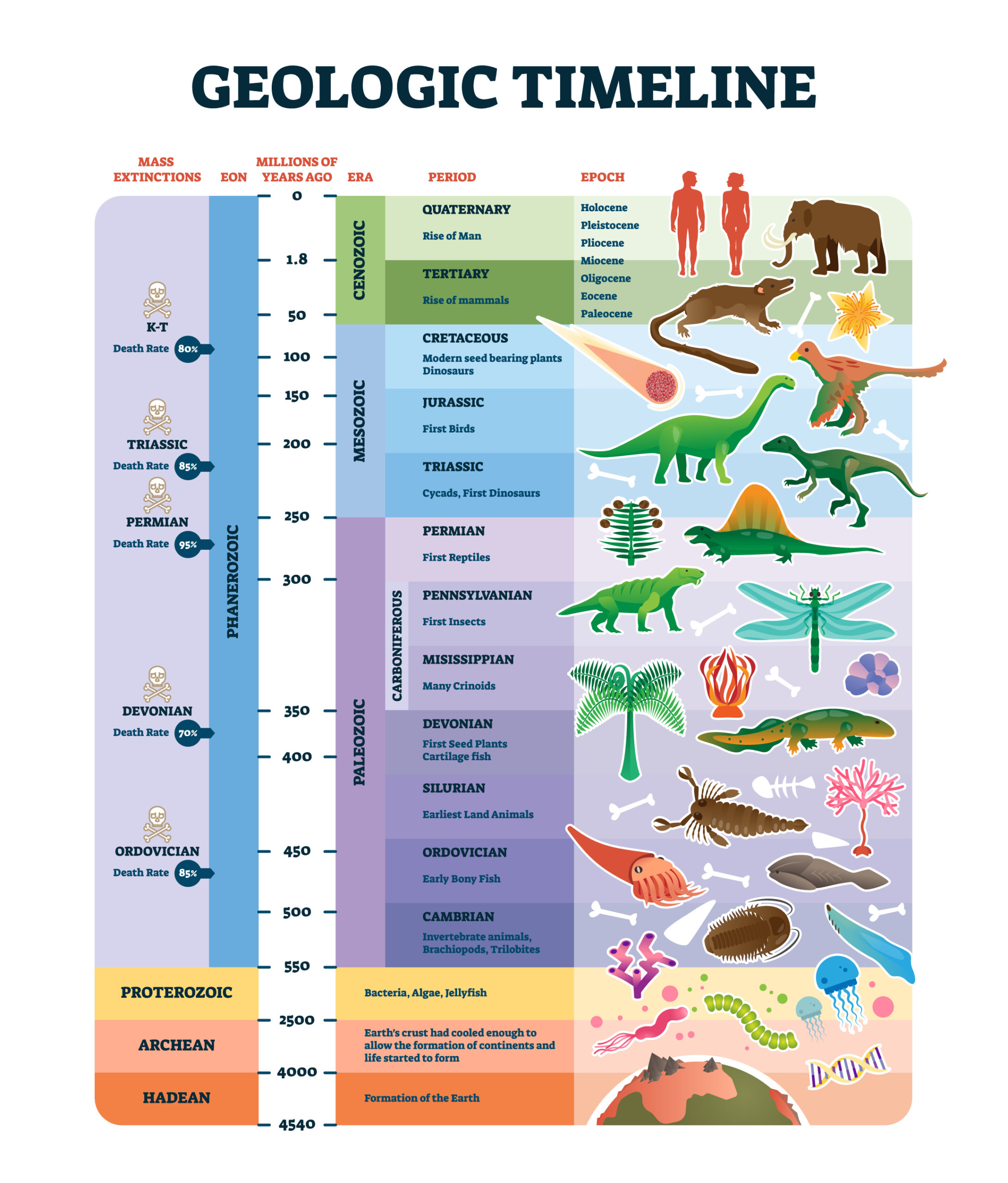
The Holocene Extinction, or Sixth Mass Extinction , is currently one of the most significant mass extinctions in Earth's history.This ongoing extinction coincides with the modern Holocene epoch and is largely the result of human activity.It encompasses numerous plant and animal families, including mammals, birds, amphibians, fish, reptiles, and arthropods.Over the past 500 years, almost 900 species of animals have disappeared from the face of the Earth.Currently, 40% of amphibian species and 25% of mammal species are threatened with extinction.Most species of wild animals, except for synanthropic ones, have sharply decreased in number over the past 100-200 years, due to the disappearance of their habitats as a result of human activities, as well as direct extermination by humans.
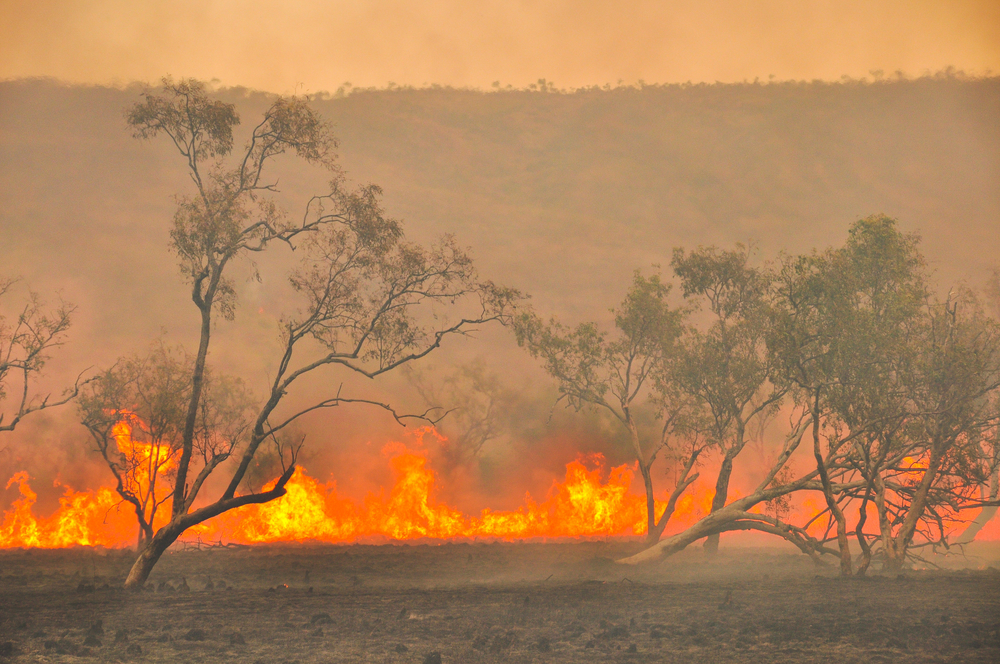
Due to the widespread degradation of habitatsspecies with the highest biodiversity, such as coral reefs and rainforests, and to a lesser extent elsewhere, the vast majority of species extinctions are considered undocumented because no one knows about their existence before they disappear, or no one else did not detect their disappearance. The current rate of extinction of species is estimated at 100-1000 times higher than natural background indicators.
INGlobal Biodiversity and Ecosystem Assessment Reportpublished by IPBES in 2019 states that about one million plant and animal species are currently disappearing due to anthropogenic impact.
What's happening right now?
According to research, the "biological destruction" of wildlife in recent decades means that this is the sixth mass extinction in Earth's history, and it is more serious than previously thought.
Scientists have analyzed both common and rarespecies and found that billions of regional or local populations were lost. They blame human overpopulation and overconsumption for the crisis and warn that it threatens the survival of human civilization with only a short window of time to act.
Research published in peer-reviewedThe journal Proceedings of the National Academy of Sciences calls the massive wildlife loss "biological destruction", which is "a terrifying assault on the foundations of human civilization."
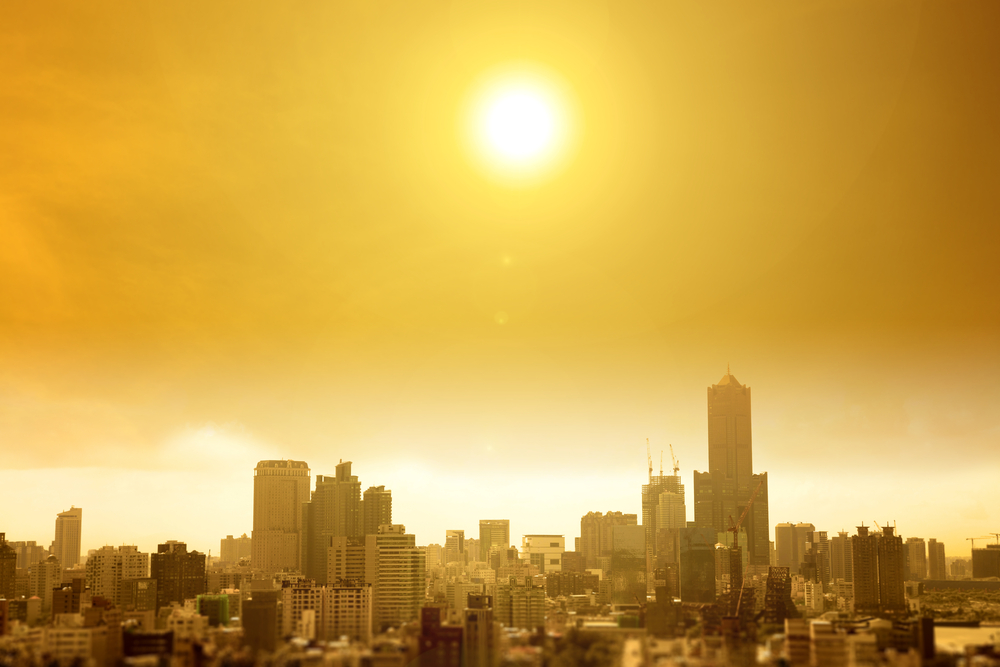
Professor Gerardo Ceballos of the Nationalthe autonomous university of Mexico, which was in charge of the work, said: "The situation has become so bad that it would be unethical not to use harsh language."
Previous research has shown that speciesare becoming extinct much faster than they did millions of years ago, but even so, extinction remains relatively rare, giving the impression of a gradual loss of biodiversity. The new work instead takes a broader view, assessing many common species that are losing populations around the world as their ranges decline, but remain elsewhere.
Scientists have found that a third of thousands of species,losing populations are not currently considered endangered, and that up to 50% of all individual animals have been lost in recent decades. Detailed data are available on land mammals, and almost half of them have lost 80% of their range over the past century. Scientists have found that billions of populations of mammals, birds, reptiles and amphibians have been lost across the planet, suggesting that the sixth mass extinction has already progressed further than anticipated.
Consequences for nature and humans
Scientists conclude:“The resulting biological destruction will have serious environmental, economic and social consequences. Humanity will ultimately pay a very high price for the destruction of the only cluster of life that we know about in the universe. "
Experts assure that although action to stop the recession remains possible, the prospects are not the most impressive: "All signs point toto even more powerful attacks on biodiversity in the next two decades, painting a bleak picture of the future of life, including that of humans.
Wildlife is dying out due to environmental destructionhabitat, overhunting, toxic pollution, invasion of alien species and climate change. But the main reason for all of these factors is "overpopulation and continued population growth, as well as overconsumption, especially by the rich," say scientists, including Professor Paul Ehrlich of Stanford University in the United States, whose 1968 book The Demographic Bomb is a prolific , albeit a very controversial work.
Will humans fall victim to their own mass extinction?
Elizabeth Colbert, author ofThe sixth extinction", received a Pulitzer Prize in the fieldpopular science literature, assures that there is a more fundamental question: can 7.6 billion, 8 billion, and then 9 billion people living on this planet with all the species that still exist? Or is humanity in danger due to overconsumption of resources that other creatures would also like to consume? The writer was unable to answer this question in an interview with National Geographic.
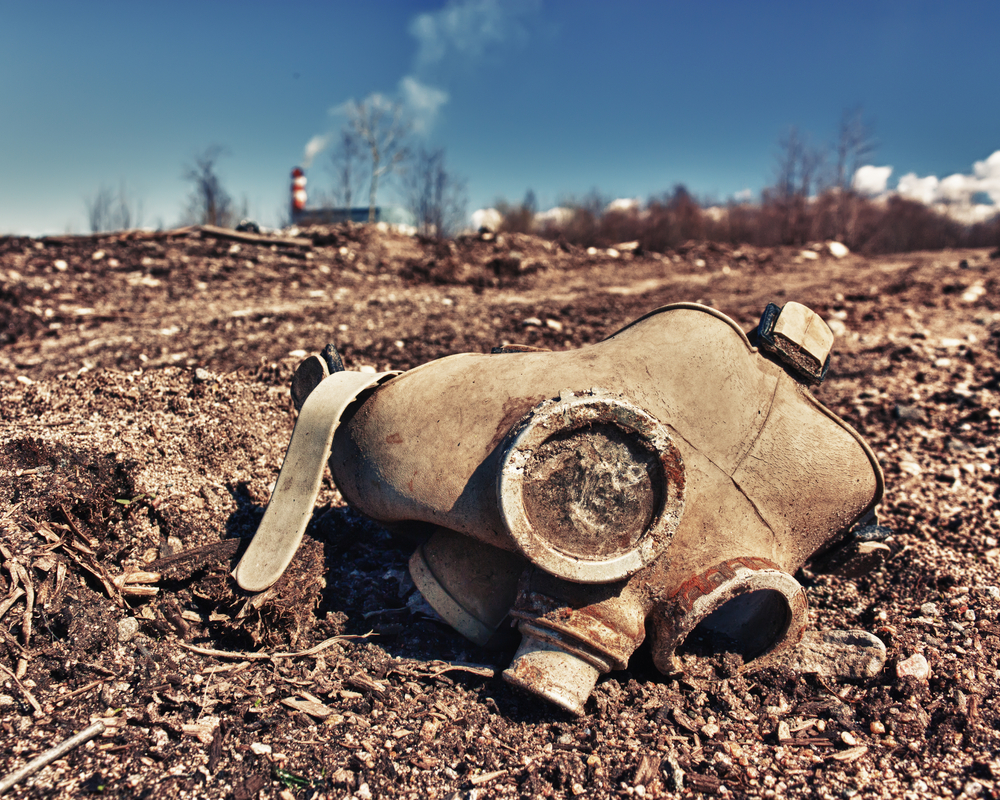
Looking at the previous five massiveextinctions, how long did it take for the planet to recover from them? It seems that it will take several million years to reach the same level of biodiversity.
So it is entirely possible that, from now on, humans may never live in a world that is not in some sort of recovery from a major extinction, if not in the midst of it.
“I would like to assert thatwe will not be able to survive the death of many species. We have already proven that we really can. We are very adaptable. But I think the point is that you don't want to know. But another question arises. Even if we can survive, is this the world we want to live in?” Elizabeth Colbert concludes.
Read also
Check out the most comprehensive catalog of billions of stars in the Milky Way
The Doomsday glacier turned out to be more dangerous than scientists thought. We tell the main thing
The largest magnetic storm will allow you to see the northern lights from Moscow