Scientists explained that modern telescopes are unusually powerful and engineers continue toFor example,
Much of the observational power of modernastronomical observatories is the result of advances in technology, especially the development of segmented mirrors and adaptive optics. Moreover, their location is chosen in such a way as to provide the best environmental conditions for technology.
Temperature is critical formost powerful telescopes. The primary mirrors are housed within giant domes that open at dusk to begin observation. The temperature inside the dome is controlled - it corresponds to the temperature at the time of observation.
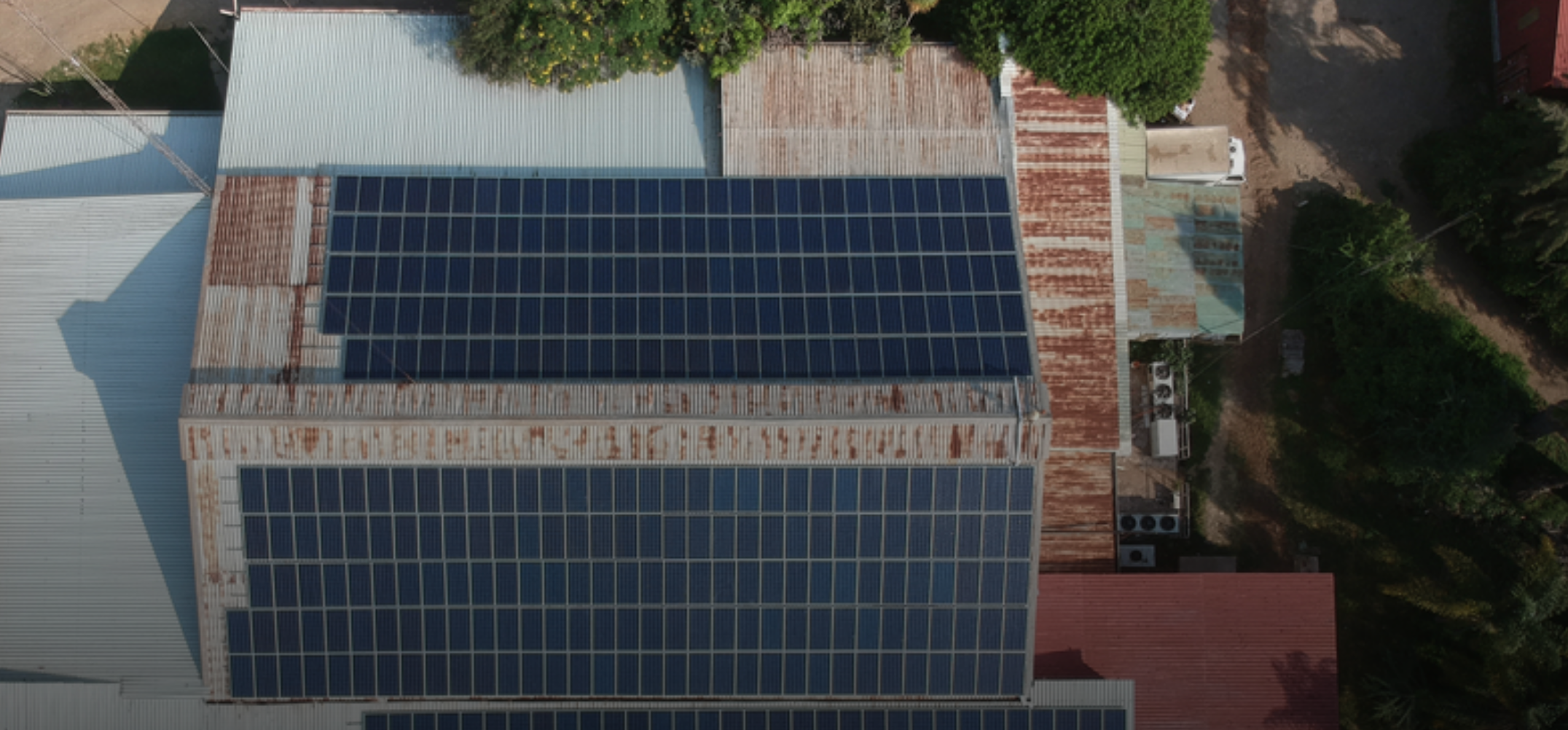
A scientist has created a paint that can replace expensive solar panels
Current temperature control system ontelescopes cannot rise above 16 degrees Celsius. But over the past decades, the planet's temperature has increased, and now there are more and more cases of temperatures exceeding the limits of the temperature control system. The problem is that the inner dome cannot equalize the temperature outside the dome and inside when the ambient temperature exceeds 16 degrees.
With a temperature difference between the primary mirror andthe surface temperature inside the dome creates turbulence. Astronomers call this a "dome view." This is a serious problem as it degrades the image quality of telescopes. It can impair the visibility of objects that are tens, hundreds, even thousands of light years away.
Read also
The Doomsday glacier turned out to be more dangerous than scientists thought. We tell the main thing
Study: cats can imitate humans
On day 3 of illness, most COVID-19 patients lose their sense of smell and often suffer from a runny nose