According to a study published in the journal Science, dark matter's gravitational fields cancreate
Scientists led by Massimo Meneghetti,a cosmologist at the Bologna Observatory for Astrophysics and Space Sciences, estimated the number of small-scale gravitational lensing events in galaxy clusters based on observations, and then compared it with the result of computer simulations. It turned out that simulations predict a lot more of these lenses.
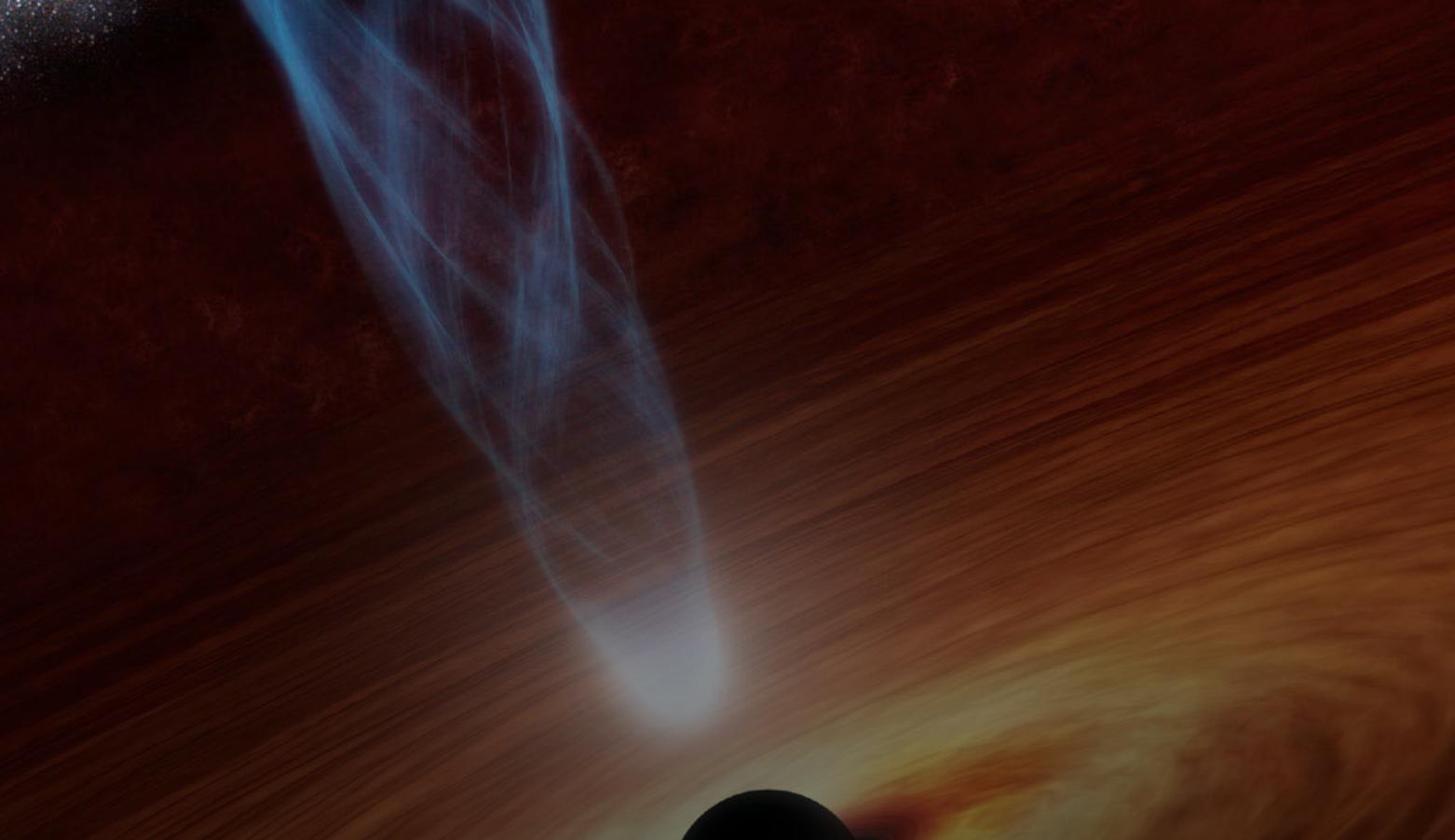
New method developed for detecting colliding supermassive black holes
If dark matter lenses are sufficient, thiswill help astronomers study the universe more fully. Lens phenomena occur when a gravitationally influencing object, perhaps a group of dark matter, aligns with a source of background light, for example, in a distant galaxy. As light passes through an object's gravitational field, it can become significantly brighter.
However, he noted that lenses tend todistort the image of background sources, which means that scientists must come up with a way to reverse-engineer the original shapes of objects from the deformed versions that the lens provides.
See also:
— The Russian vaccine against COVID-19 has entered civilian circulation, but there are many complaints about it
— On the 3rd day of illness, most patients with COVID-19 lose their sense of smell and often suffer from a runny nose
— Scientists have discovered why children are the most dangerous carriers of COVID-19