According to a new report from Australia's National Science Agency, in the deep ocean
Based on this data, they calculated how widely microplastics canbe abundant in ocean sediments around the world. Preliminary studies have shown that every yearmillions of tons of plastic.
Scientists recognize pollution is importantan environmental issue, but little is known about the accumulation of plastic on the ocean floor and how it might affect marine life and ecosystems. This is especially true for microplastics; according to the National Oceanic Survey, plastic particles are less than 5 millimeters in length.
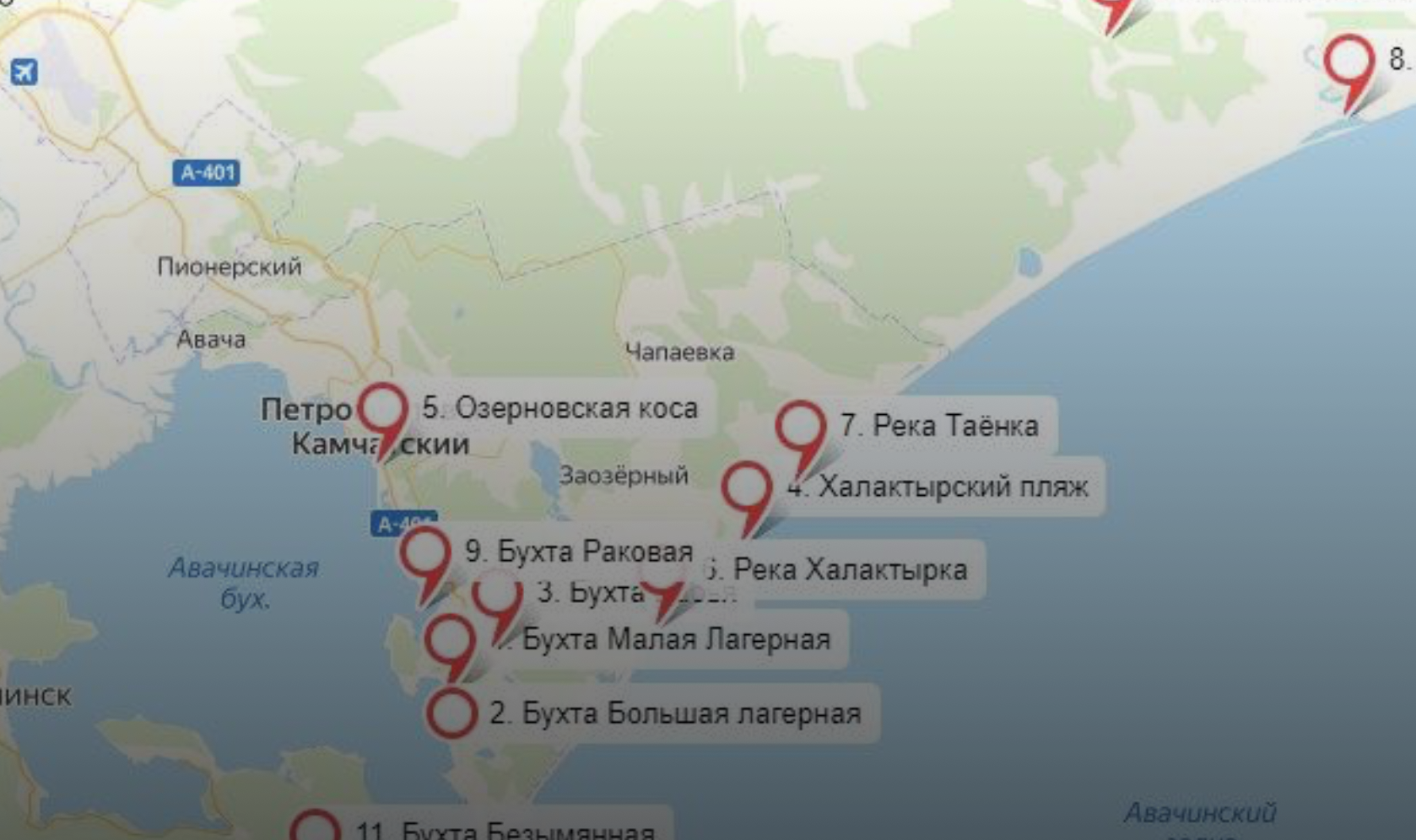
A map with the results of water sample analyzes was launched in Kamchatka
“The degree of microplastic pollution of the ocean flooris poorly known,” says study co-author Denise Hardesty, chief scientist at the Australian Scientific and Industrial Research Organization (CSIRO), the government body responsible for scientific research.
Scientists explain that such studies are verycomplex and expensive, so few scientists take samples at the depths of the oceans. However, understanding how much microplastics ends up on the seabed is essential to predict the distribution and potential impact of global pollution.
Read also
On day 3 of illness, most COVID-19 patients lose their sense of smell and often suffer from a runny nose
See the closest shots of the Sun's surface
The Doomsday glacier turned out to be more dangerous than scientists thought. We tell the main thing