In a new study published in The Planetary Science Journal, a team of researchers from the University
“These exoplanets are unlike anything in ourThe solar system, ”said lead author Harrison Allen-Sutter, who participated in the study. When stars and planets form, they do this from the same gas cloud, so their bulk compositions are similar. In a star with a lower carbon-to-oxygen ratio, planets like Earth will be composed of silicates and oxides with very low diamond content (the Earth's diamond content is about 0.001%). However, under other conditions, the ratios can be very different from the composition to which the researchers are accustomed.
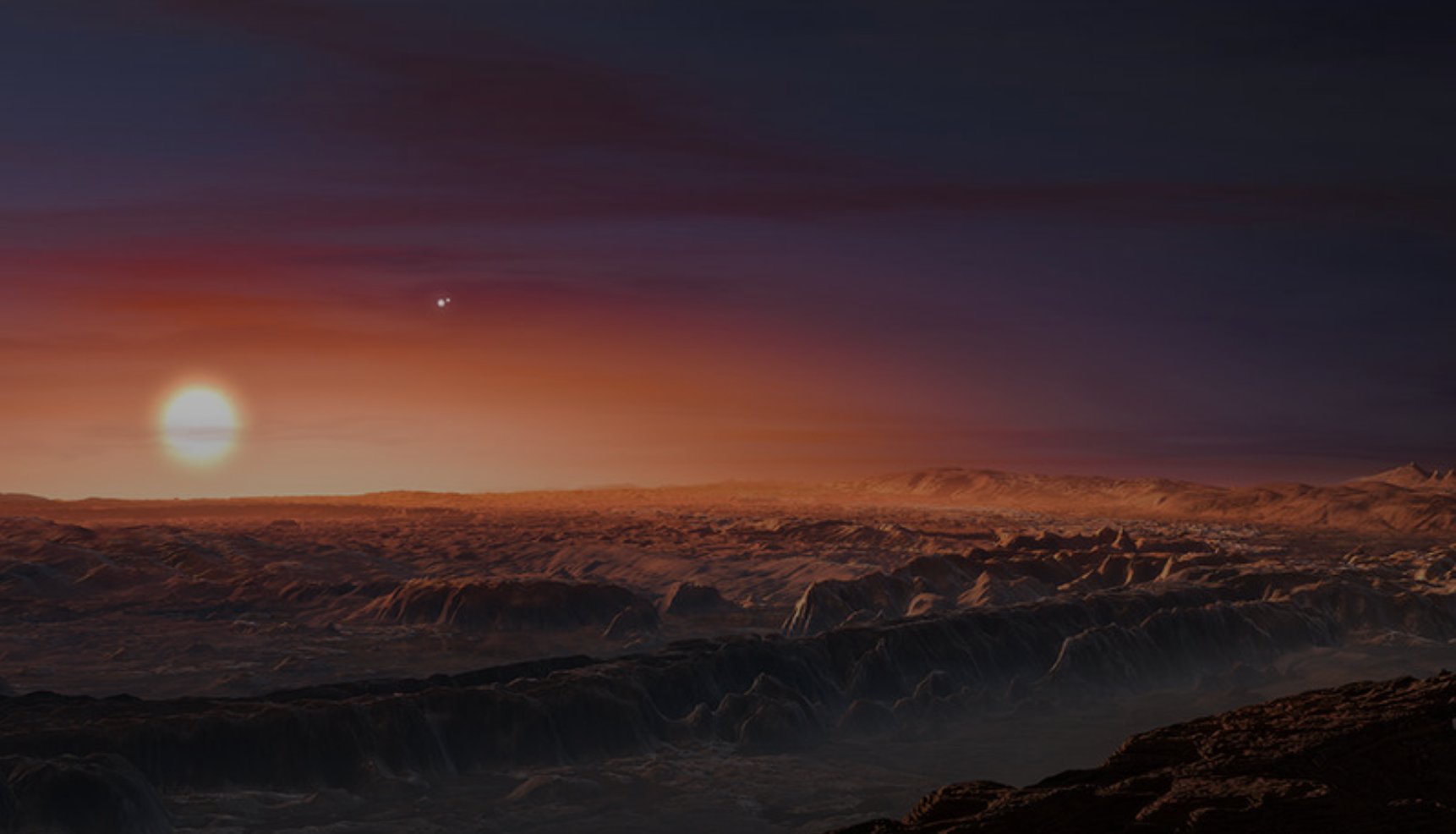
Take a look at what Proxima b. might look like.
In the presence of water, these planets can turn intodiamond. To test their theory, the scientists immersed silicon carbide in water and clamped the sample to a very high pressure, and then heated the sample to a very high temperature with a laser. Simultaneously, they took x-ray measurements of the sample.
As they predicted, at high temperature and pressure, silicon carbide reacted with water to form diamonds and silica (silicon dioxide). According to scientists, if diamond planets really exist, most likely they are absentconditions for the origin of life.
See also:
- The Russian vaccine against COVID-19 entered civilian circulation, but there are many claims to it
- On day 3 of illness, most patients with COVID-19 lose their sense of smell and often suffer from a runny nose
- Scientists have found out why children are the most dangerous carriers of COVID-19