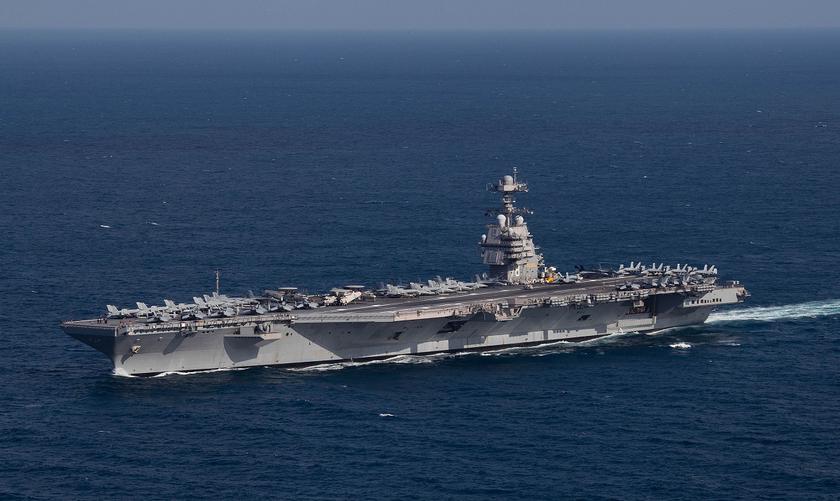
The Chinese military conducted a computer simulation of a battle against the American fleet. Modeling
What is known
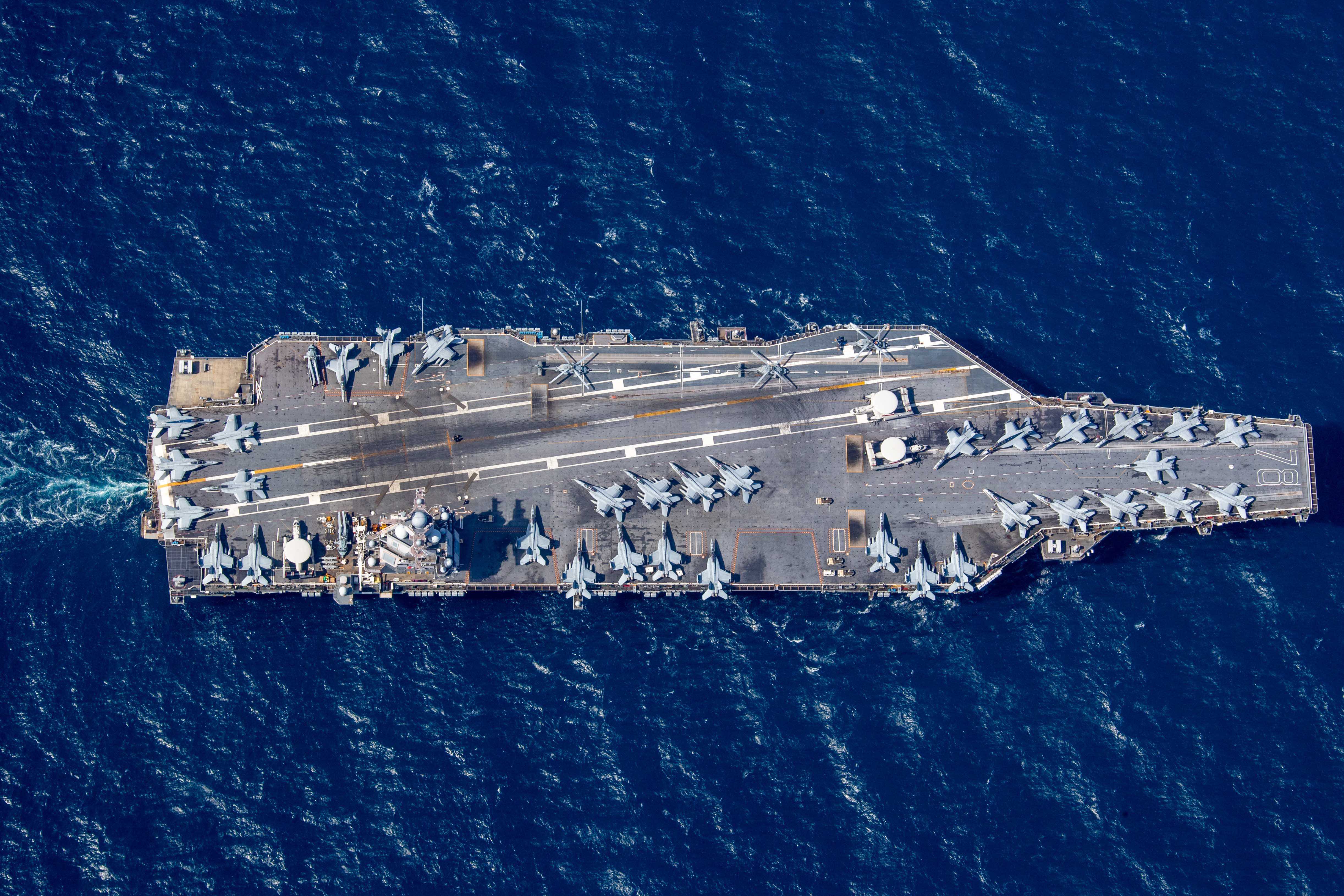
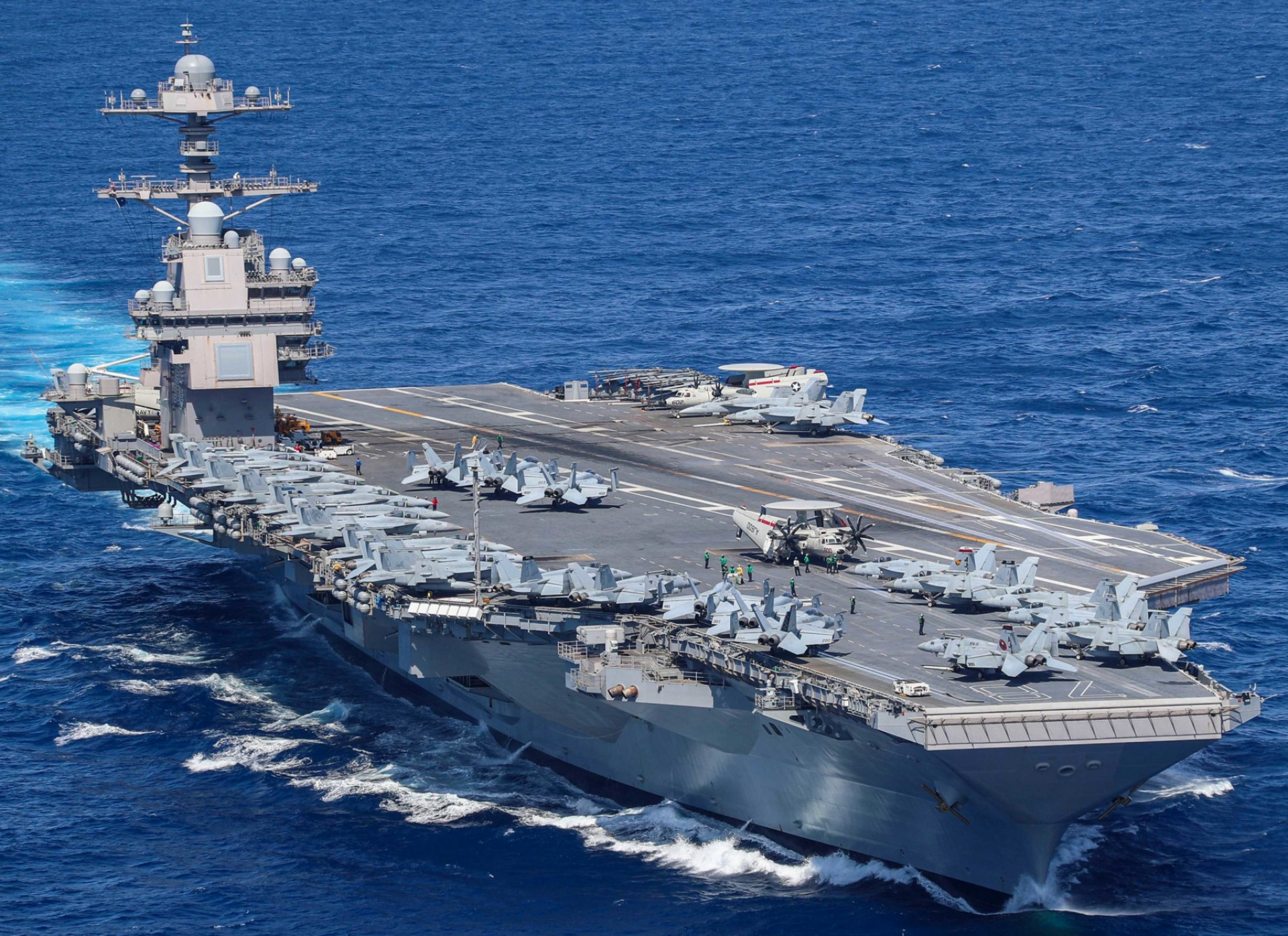
During more than two dozen intense battlesChinese troops sank the USS Gerald R. Ford strike group with a salvo of 24 hypersonic anti-ship missiles. According to the scenario, China will attack American ships after they approach the island in the South China Sea, which is claimed by the PRC. Interestingly, even within the simulation, he notes that at first the Chinese military issued "repeated warnings."
</ img>
The simulation was carried out by a team of specialists fromNorth University of China led by Cao Hongsong. He stated that almost all surface ships of the American fleet were destroyed as a result of the attack.
It was previously believed that the carrier strike groupThe US Navy was an unsinkable conventional weapon. Now scientists say that a relatively small number of hypersonic missiles are enough to "reliably destroy" the enemy.
</ img>
The simulation used two optionshypersonic missiles with different parameters. Some of them were launched from the Gobi Desert (at least 2000 km from Taiwan). The strike was delivered in three waves to deceive enemy air defense systems.
Military planners use complex simulationsto evaluate various scenarios and develop strategies. However, they cannot be completely relied upon. Experts warn that actual missile capabilities may differ from those shown in computer simulations due to terrain, weather and other unforeseen factors.
</ img>
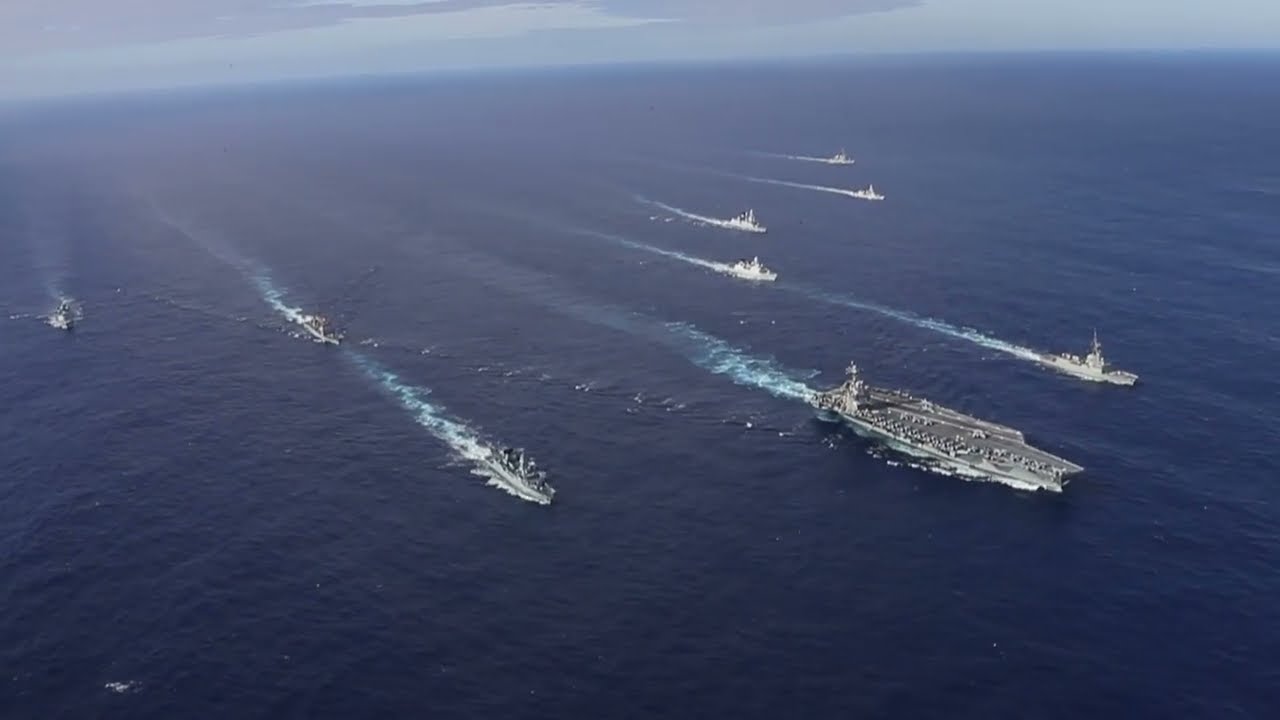
As for the strike aircraft carrier group, itsix ships entered. In addition to the aircraft carrier, in addition to USS Gerald R. Ford (CVN-78), these are the Ticonderoga-class cruiser USS San-Jacinto and four Arleigh Burke-class missile destroyers in the Flight IIA modification.