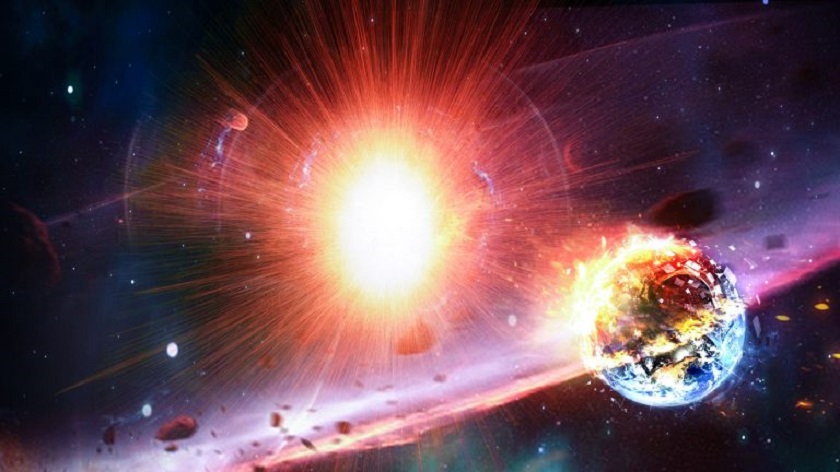
Scientists believe that the solar system exists due to a lucky coincidence. Flash
What is known
It is generally accepted that meteorites that fell to Earthallow scientists to study the evolution of the universe. At the dawn of the formation of the solar system, a star exploded next to it, which turned into a supernova. Scientists decided so after they studied the isotopes of elements from meteorites.
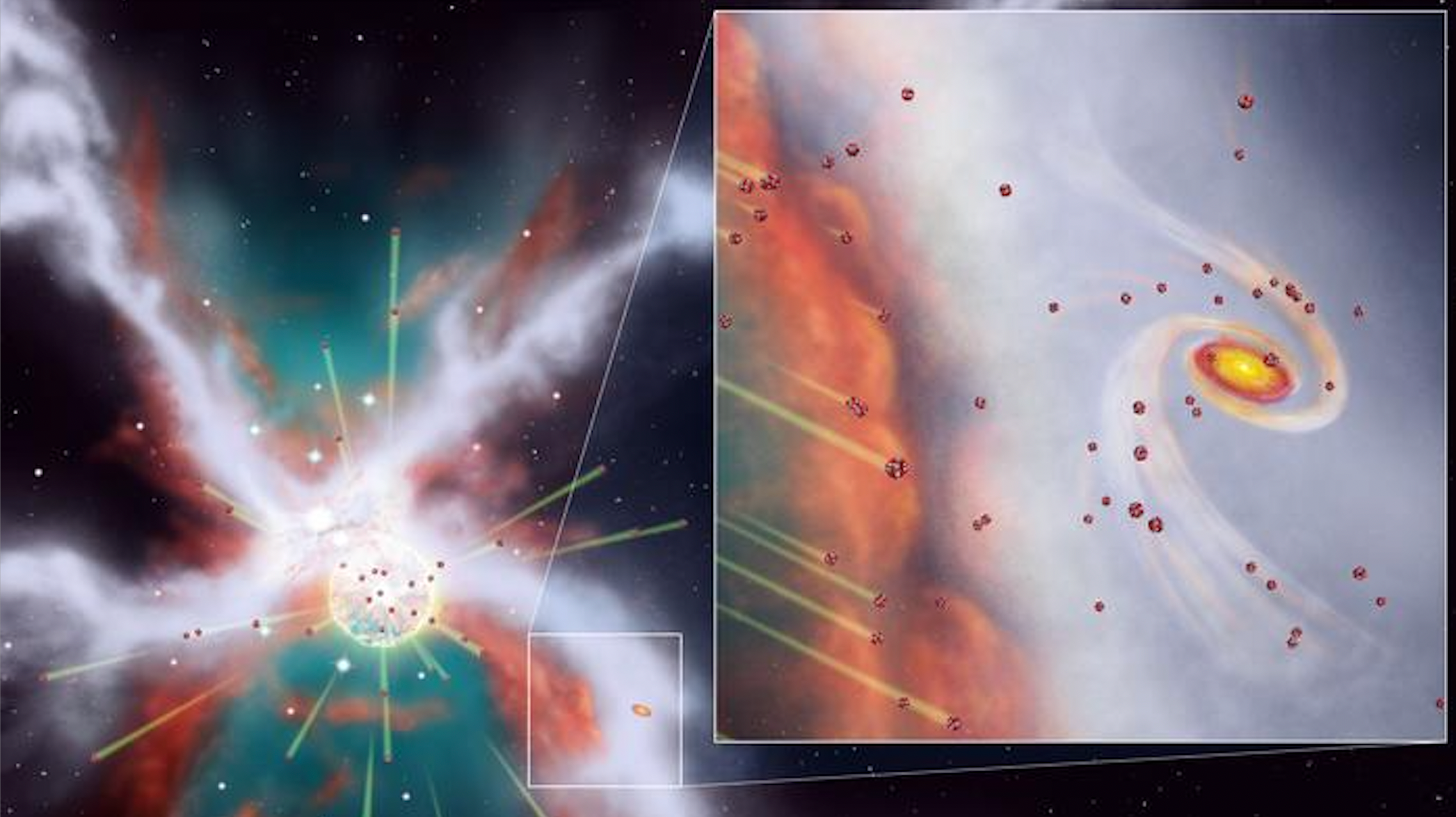
Assumption of a 4.6 billion year supernova explosionago is associated with the discovery of additional radioactive aluminum in the solar system. Scientists believe that our star system survived the explosion due to molecular gas, which took the hit and, by coincidence, became the shield thanks to which we exist.
</ img>
Stars go supernova when theyruns out of fuel. The explosion throws out into the Universe elements that have been accumulated during the life of a star, and radiation negatively affects the creation of planets such as Earth.
Star formation occurs in giantclouds of molecular gas that are made up of dense tendrils or filaments. Smaller stellar bodies, like the Sun, are born along these filaments, while larger objects appear at intersection points. The results of the study show that the thread could not only act as a shield, but also trap radioactive isotopes, removing them from the young Sun.