</ img>
In June, vivo introduced the new X50 line of smartphones, which included the vivo X50, vivo X50 Pro and vivo X50 Pro+. On
- What is it?
- What's interesting about the vivo X50?
- What is included?
- What does the vivo X50 look like?
- How good is the screen?
- What are the unlock methods?
- What about performance, memory, sound and autonomy?
- What about the interface?
- How good are the cameras?
- In the dry residue
What is it?
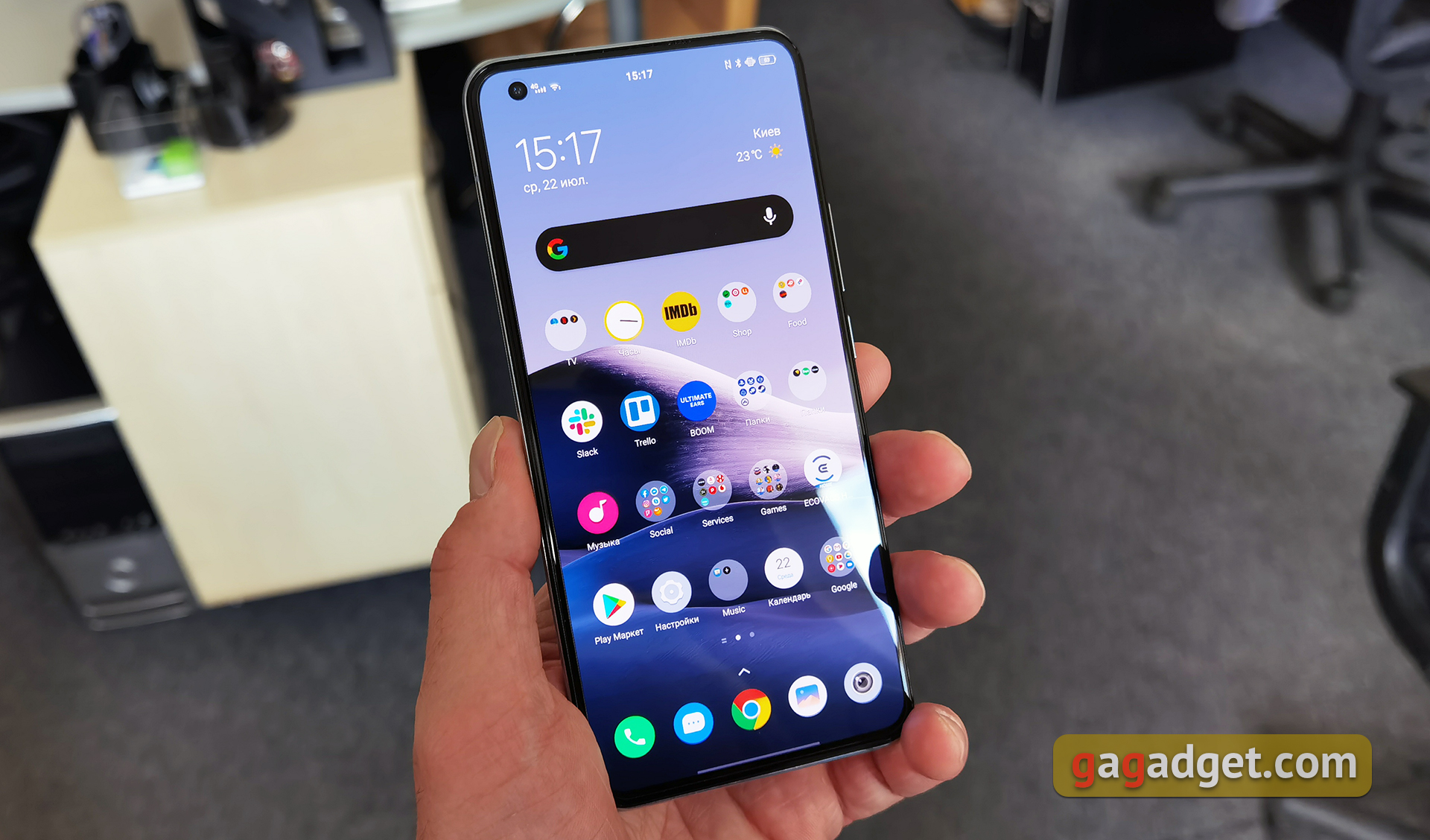
vivo X50 is an Android smartphone with a 6.56-inch diagonal AMOLED screen, a Qualcomm Snapdragon processor, 8 GB of RAM, a 48 MP main quad camera and an in-screen fingerprint scanner.
</ p>What is interesting about Vivo X50?

</ img>
Despite its more modest compared tovivo X50 Pro positioning, vivo X50 also received an interesting main camera, which includes four modules. The main 48 MP is equipped with high-aperture f/1.6 optics and optical stabilization. Not as advanced as in the older model, but still there. The main camera is supported by a 13-megapixel portrait module with 2x zoom, an 8-megapixel ultra-wide-angle camera with a 120° viewing angle, and a 5-megapixel macro camera (although the photos themselves are 2-megapixel). The front camera is 32 MP, it is made in the form of a hole in the corner of the screen. The screen itself is flat, has a diagonal of 6.56 inches and FullHD+ resolution. An AMOLED matrix with a refresh rate of 90 Hz, DCI-P3 color gamut and HDR10+ support is used. Performance is ensured by a mid-price Qualcomm Snapdragon 730 processor and 8 GB of RAM. There are all the necessary wireless modules, including NFC. The battery capacity is 4200 mAh and supports vivo FlashCharge 2.0 fast charging.
What is included?
</ img>
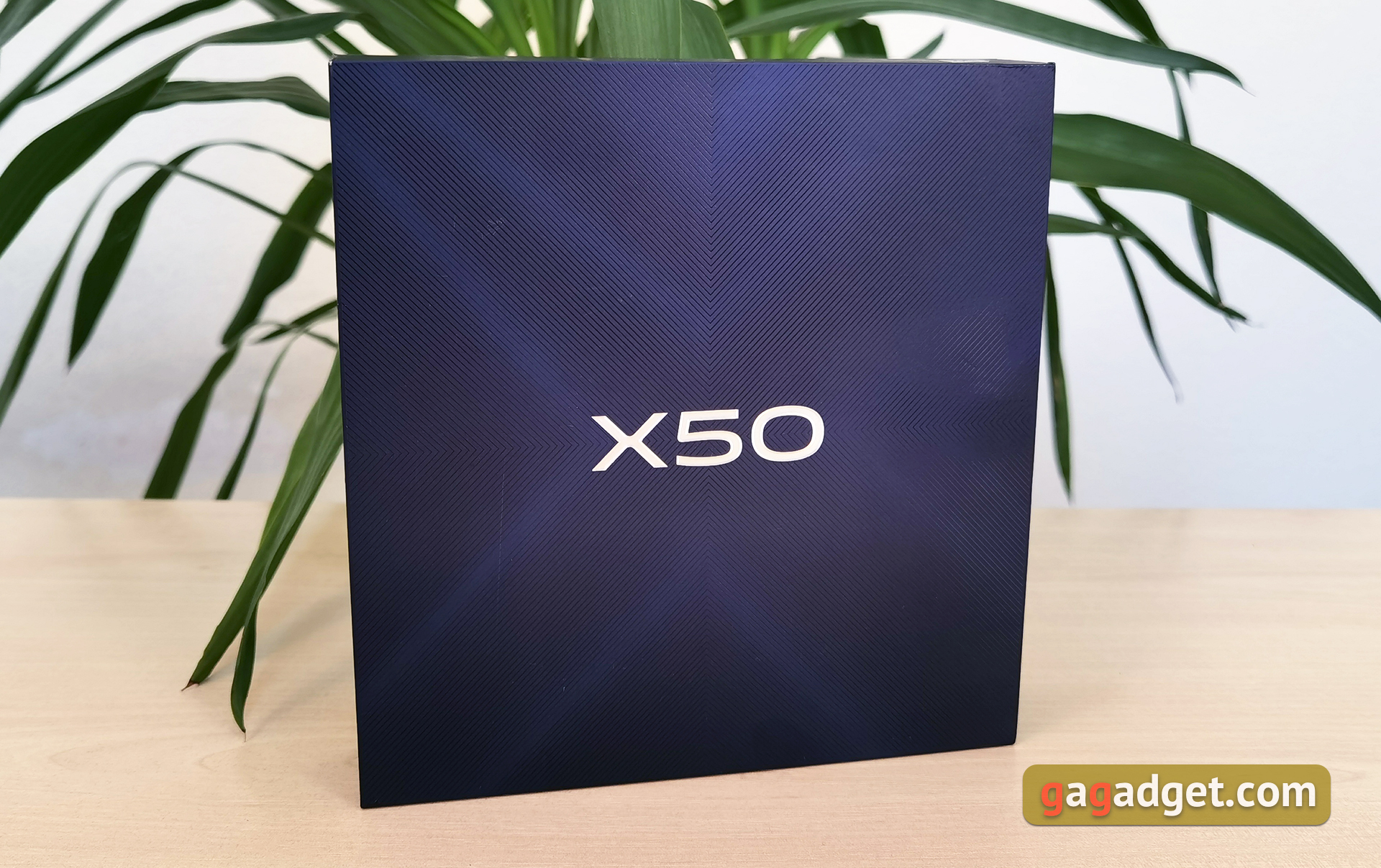
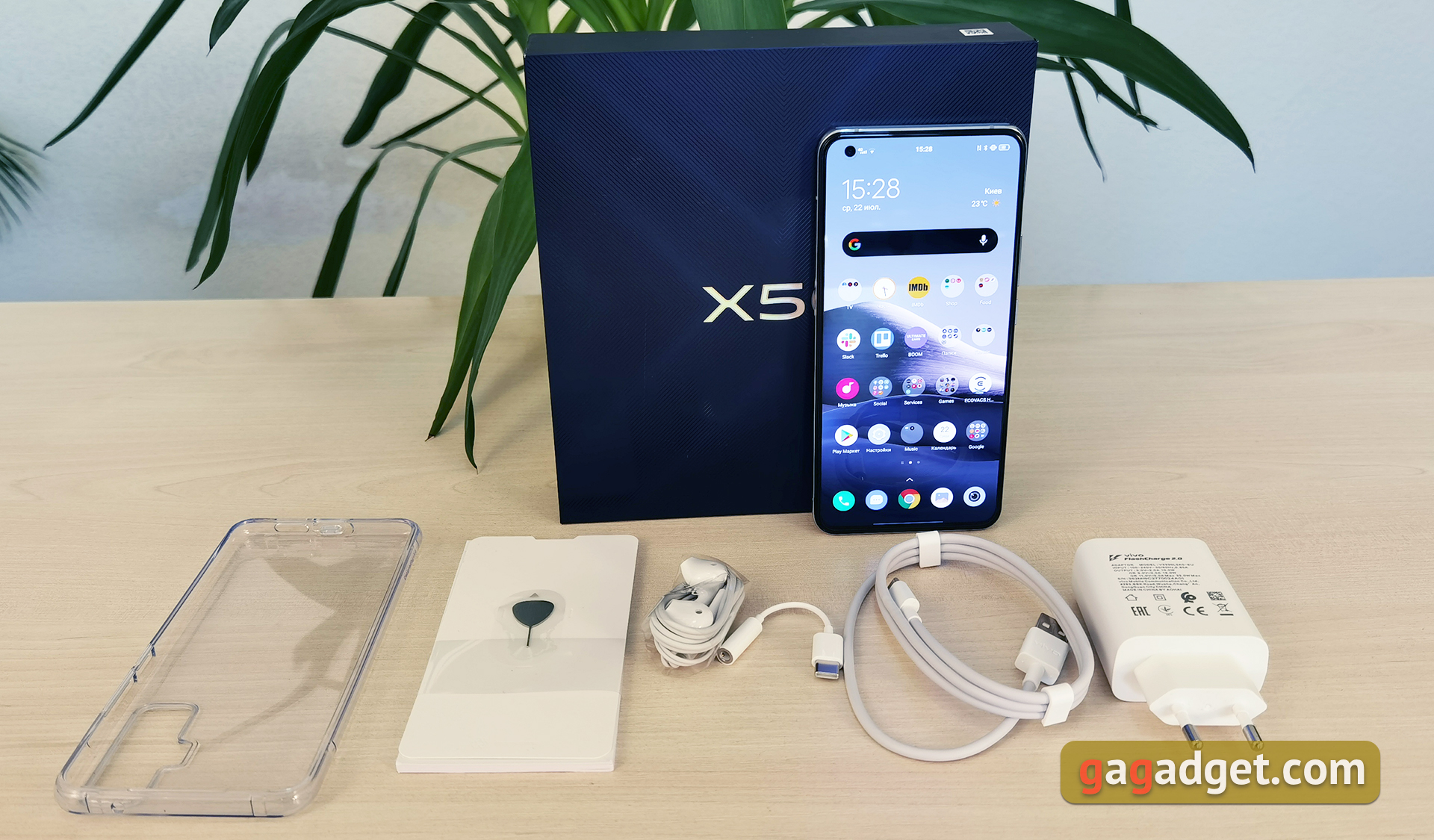
vivo X50 was packed in a flat square boxbeautiful dark blue color. Inside - the smartphone itself, a protective silicone bumper, an adapter from Type-C to a 3.5 mm jack, a wired headset (simple earbuds), Vivo FlashCharge 2.0 power supply at 33 W, a Type-C cable, a tool to remove the tray and documentation. The protective film is immediately on the screen.
</ img>
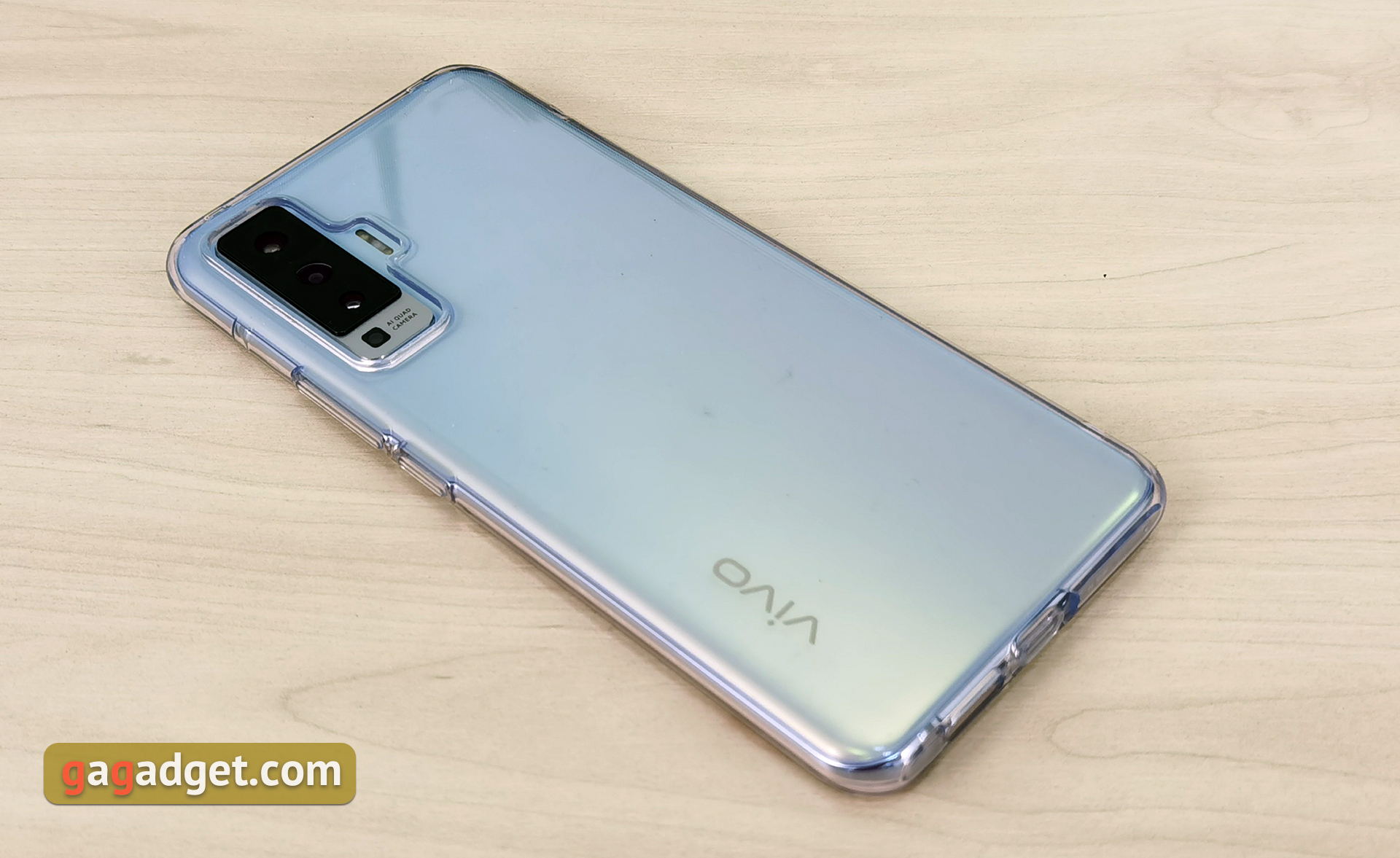
The bumper is simple, but has raised sides to protect the screen and camera, as well as a plug for Type-C.
</ img>
What does the vivo X50 look like?

</ img>
At first glance, vivo X50 looks like a typicalmodern smartphone of the middle/upper price segments. This is partly true, but there were also a couple of interesting points. Front and back are glass, metal frame. Unlike the older version, the screen is flat and has no bends on the sides. Which will definitely appeal to some of the audience. The frames around the perimeter are very small. There is a speaker above the screen, and in the left corner of the screen there is a hole for the front camera. The hole diameter is said to be 3.96 mm. In any case, it looks quite neat. And what's better: “bangs” (aka “unibrow” and “drop”) or such a neckline is a personal matter.

</ img>
The top and bottom ends are flat,“chopped”. In addition to this, on the upper end there is a decorative insert in the same color as the back of the case. In our case, blue. It has a subtle "Professional Photography" engraving on it. Among the more traditional elements on top there is an additional microphone.

</ img>

</ img>


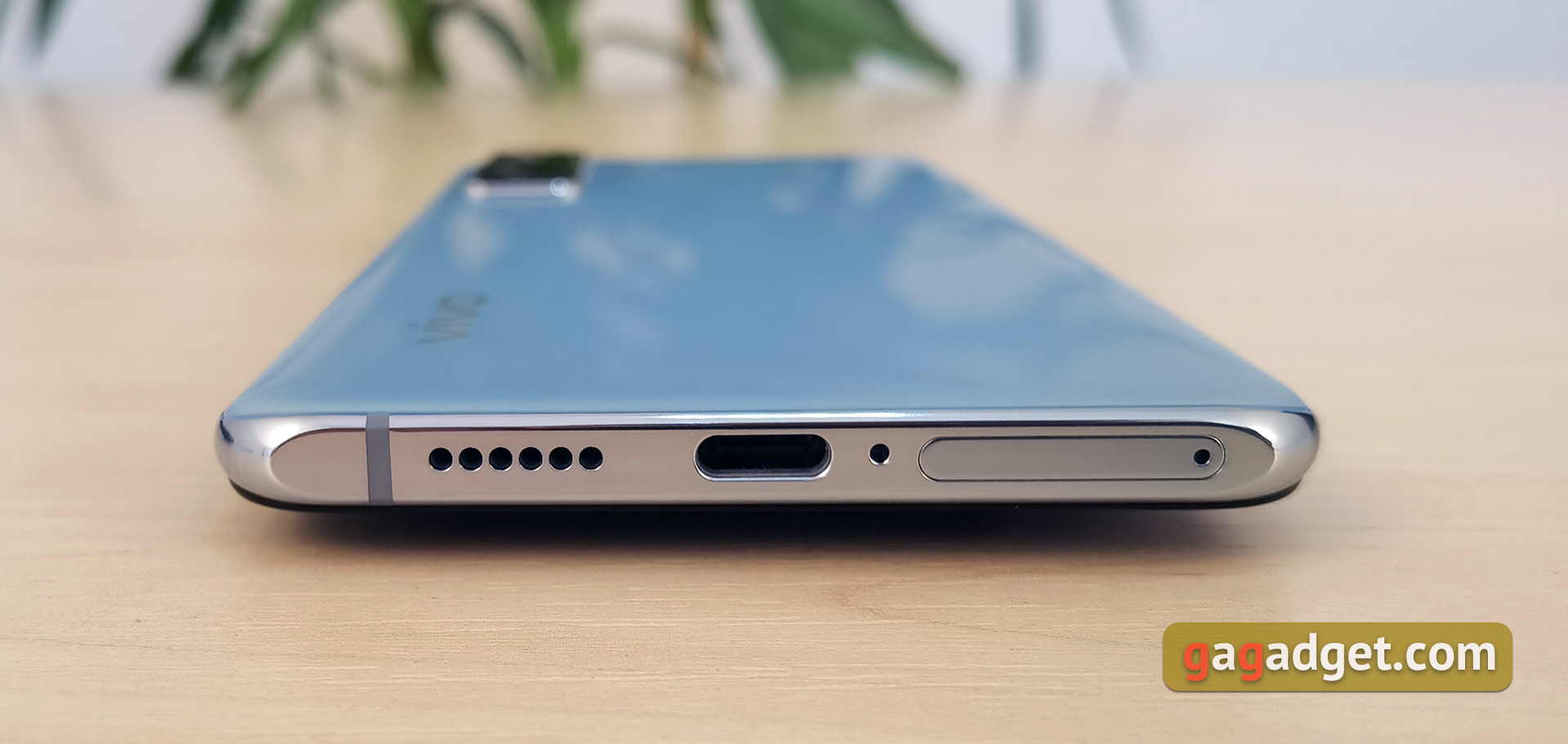
At the bottom, everything is more familiar: Type-C, microphone, external speaker and tray.
</ img>
Unfortunately, the company decided that 128 GB would be enough and only 2x SIM cards can be inserted into the tray.

</ img>
Everything is standard with the side edges. Power and volume control buttons are located on the right.

</ img>

</ img>


Another interesting feature of the smartphone is itsback panel. It is made of frosted glass. It looks interesting and practically does not collect fingerprints. Recently, manufacturers have begun to use similar frosted glass in flagships and smartphones in the upper mid-price segment. Although the thing itself is not new. The first company in my memory to use such glass was Sony in its flagship smartphone Xperia Z5 back in 2015. In any case, this option is more interesting and practical than the usual glossy glass. The color is called “sky blue” and it shimmers from different angles up to green shades. For lovers of the classics, there is a more standard glossy black version.

</ img>

</ img>


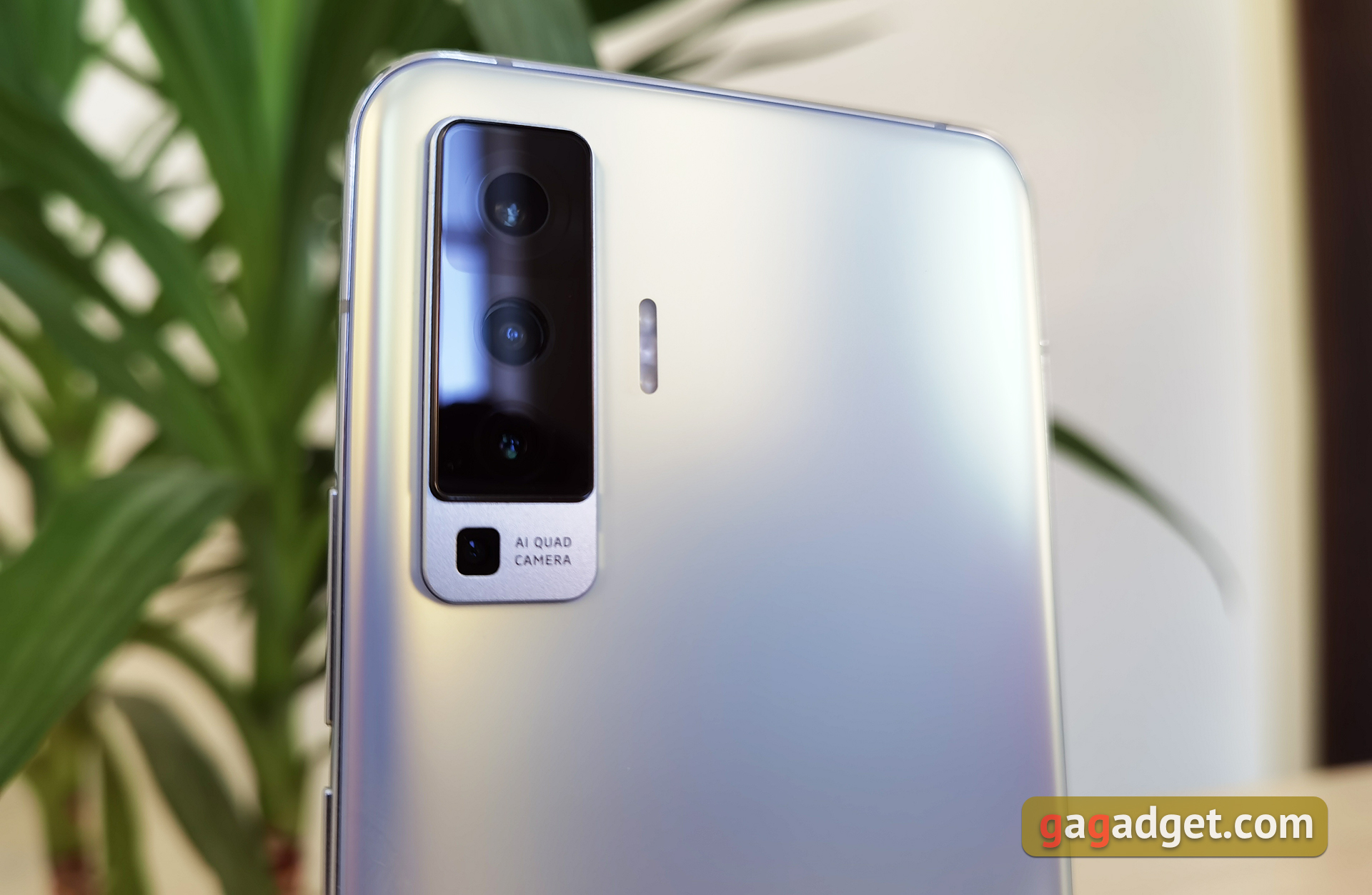
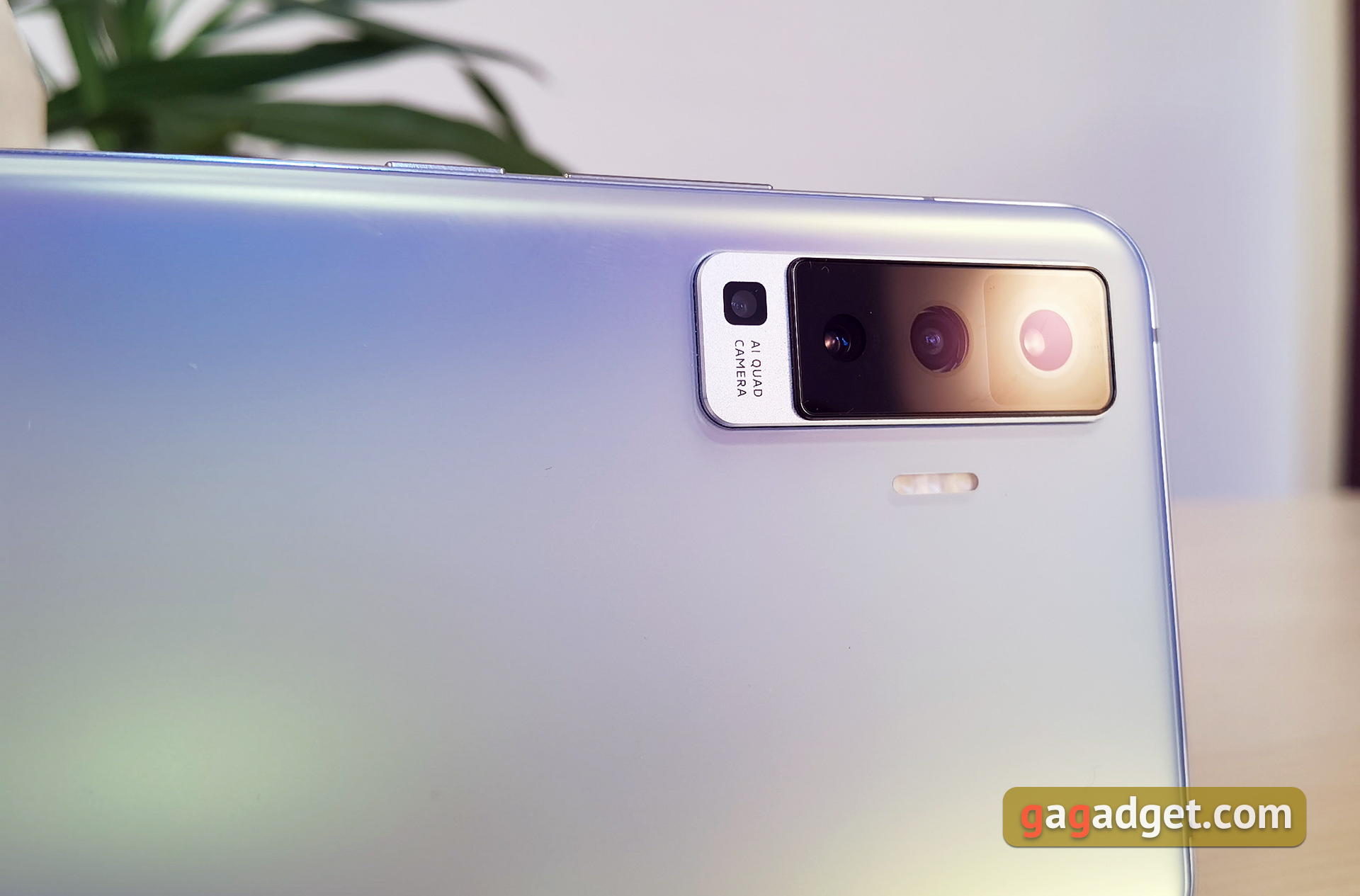
The main camera is made in the form of a largevertical rectangle in the upper left corner of the rear panel. The three main modules are placed in decreasing order under a common protective glass. An additional macro module is located a little lower on the metal chin. The camera, of course, protrudes above the body, although this cannot be said to be very critical. Especially if you use a protective bumper.
</ img>
The smartphone is not the most compact: its dimensions are 159.5x75.4x7.5 mm, and its weight is 173 g. But it feels quite small and comfortable in the hand. Basic operations can be done with one hand while on the go. There are no complaints about the assembly. Outwardly, I liked the smartphone: it looks soundly and modern. Special thanks for the frosted glass on the back, which not only looks good but is also very pleasant to the touch.
</ p>How good is the screen?

</ img>
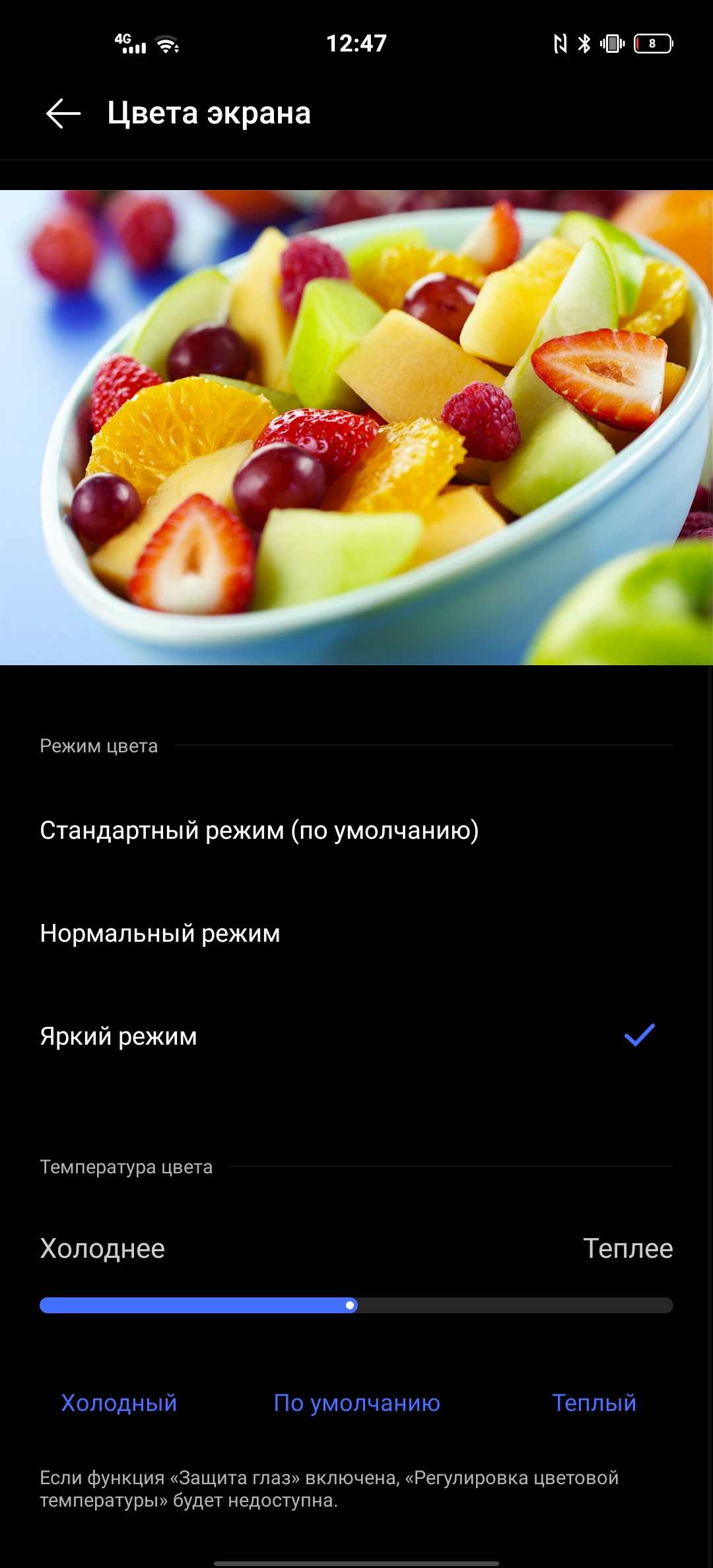
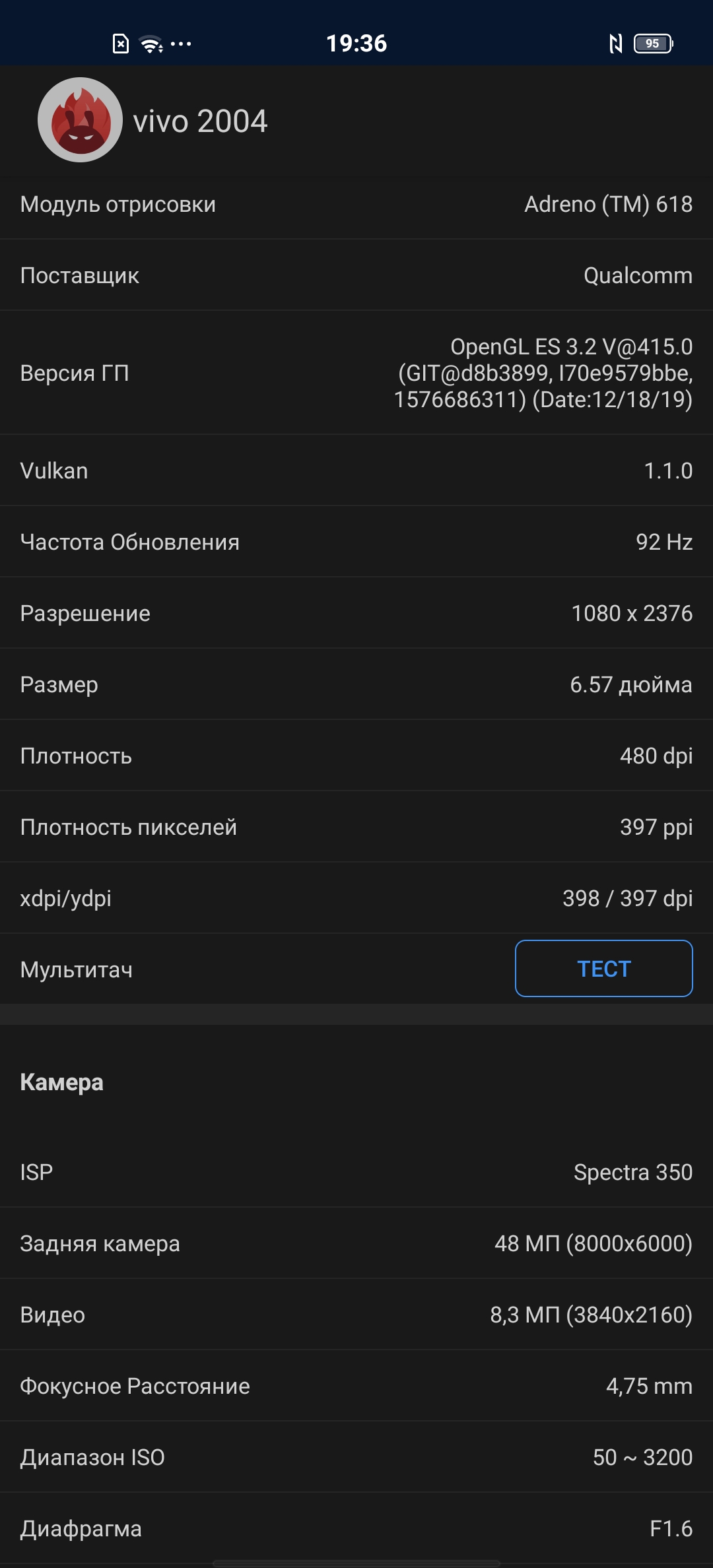
The smartphone has Flat 6 installed.56-inch AMOLED. The resolution is FullHD+, in this case it is 2376x1080, the pixel density is about 398 ppi. They promise DCI-P3 color gamut, there is support for HDR10+. The sensor polling rate is 180 Hz, and the image refresh rate is 90 Hz. The frequency can be selected between 60 and 90 Hz or enable adaptive mode. Although I don’t see much point in this: battery saving is minimal, so you can safely set it to 90 Hz and not worry. The set of settings is familiar. There is a dark interface theme with the ability to adjust the background from black to gray (a strange option, but it exists), an eye protection mode with the ability to be automatically activated according to a schedule, and a flicker reduction function (DC Dimming). There are three color display modes: “standard”, “normal” and “bright”, there is the ability to manually adjust the color temperature.

</ img>

</ img>

</ img>

</ img>

</ img>

</ img>
</ img>

</ img>

</ img>
</ img>










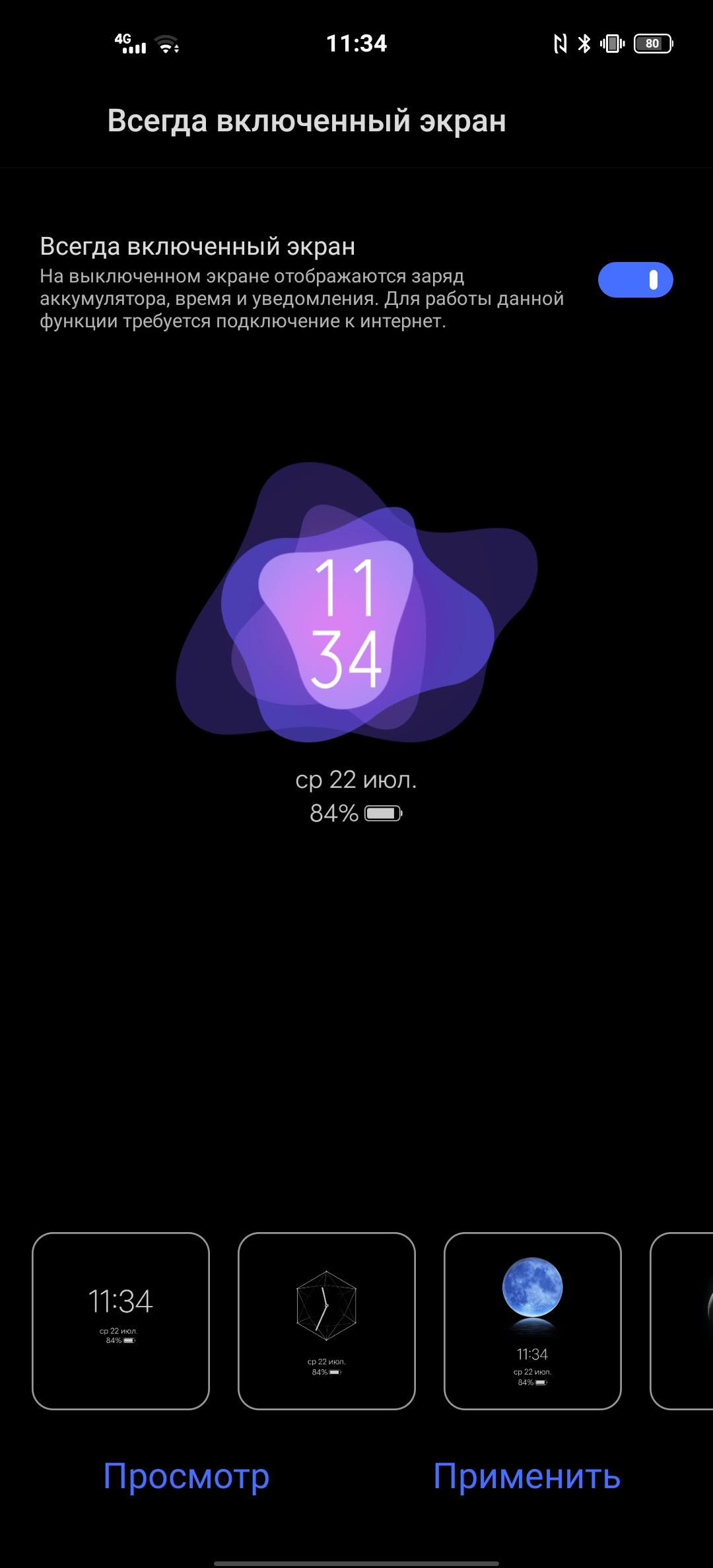
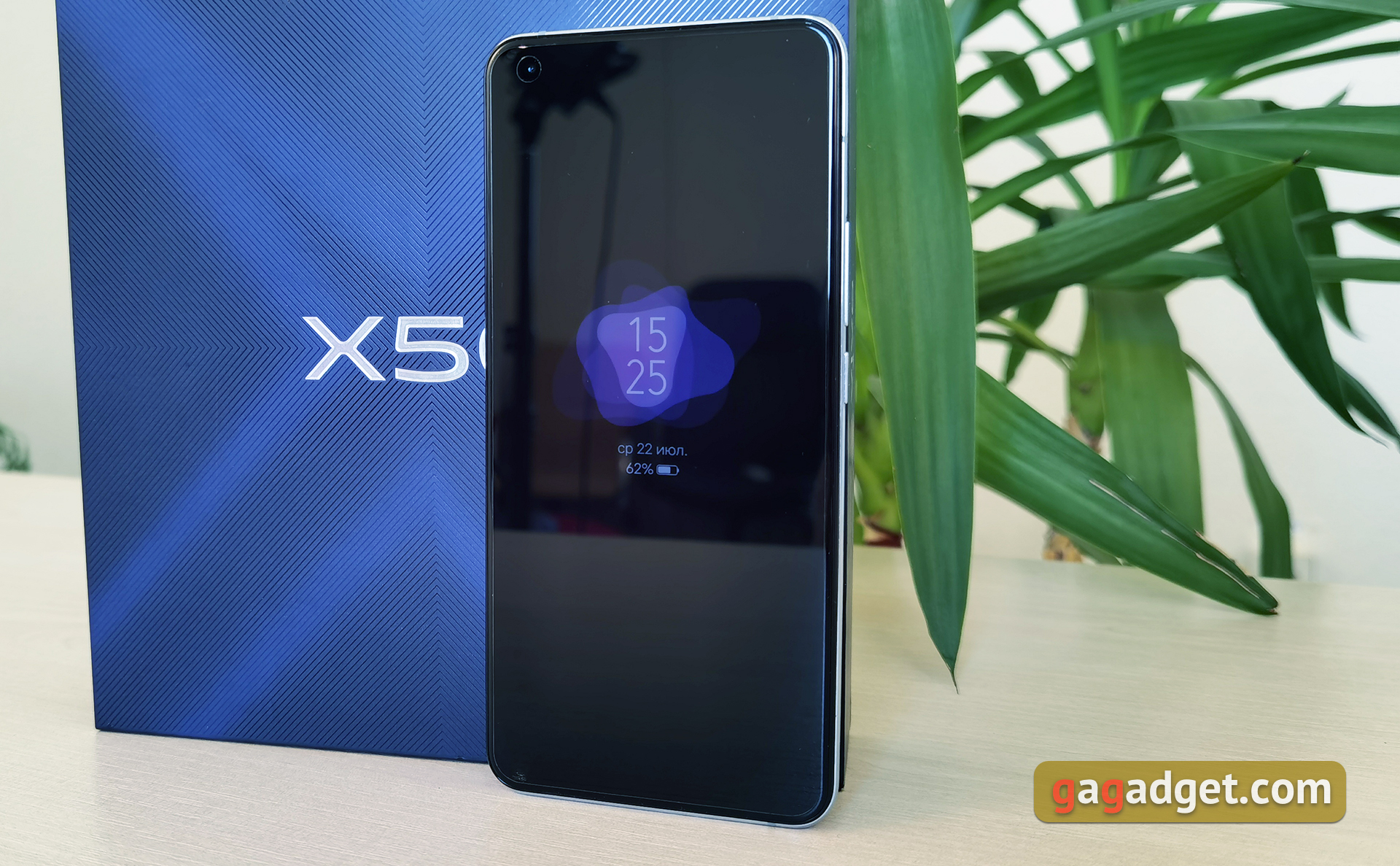
The Always on Display function is supported with various splash screen options:
</ img>
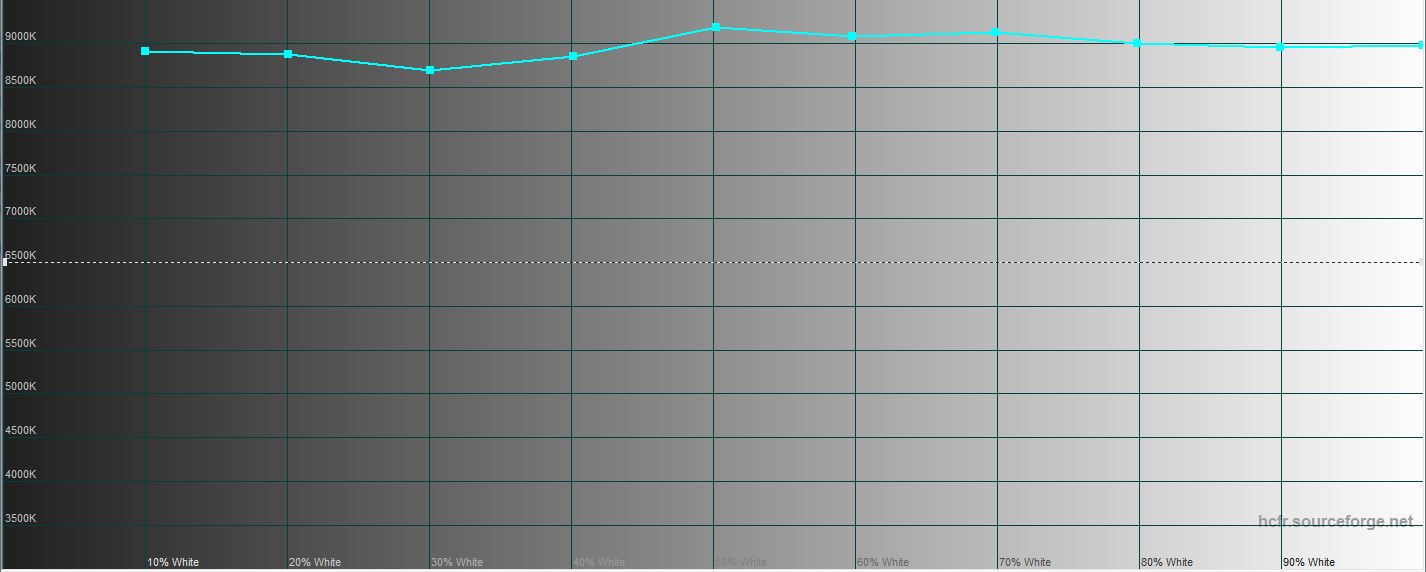
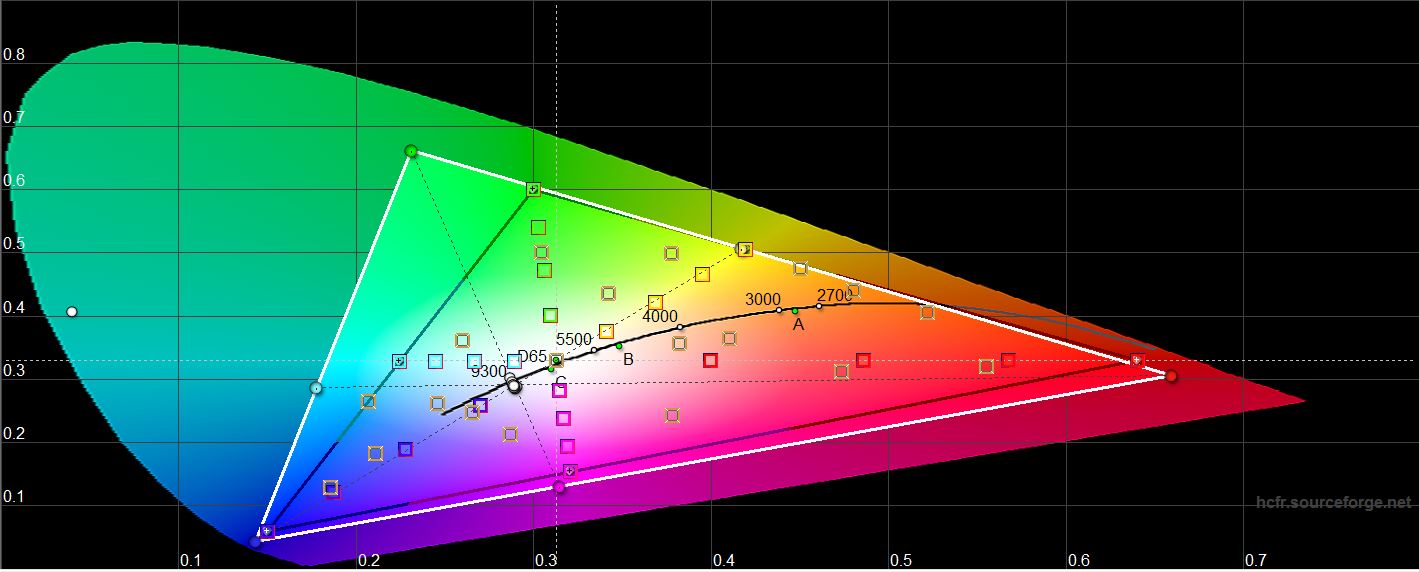
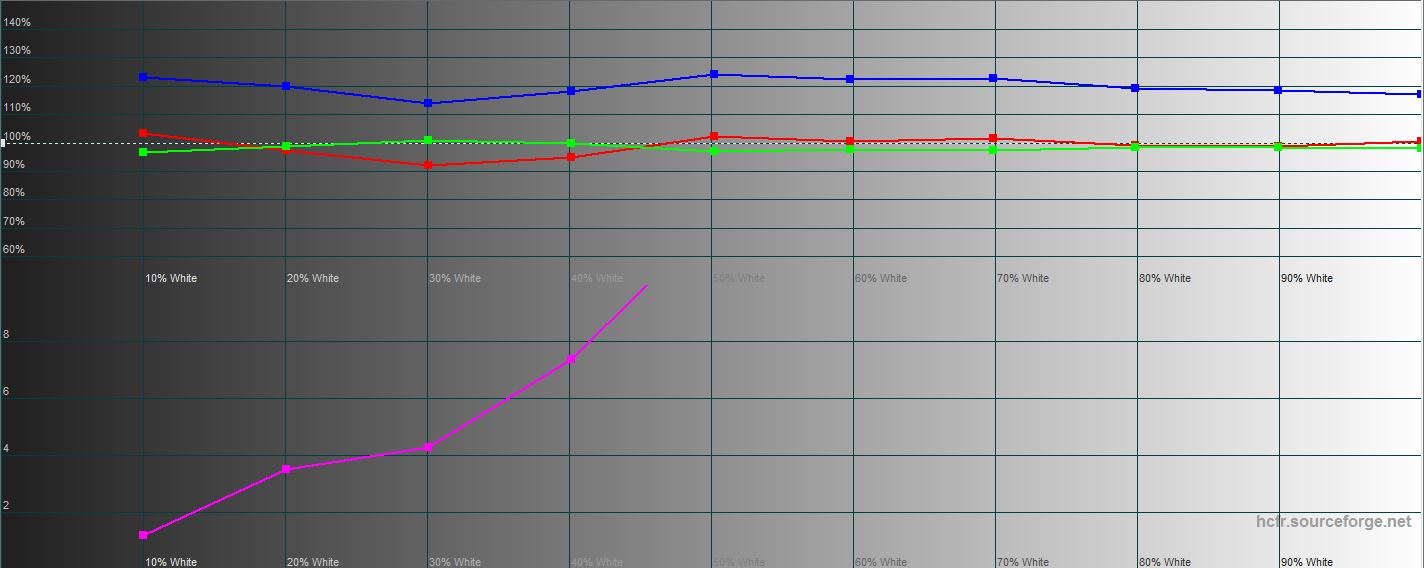
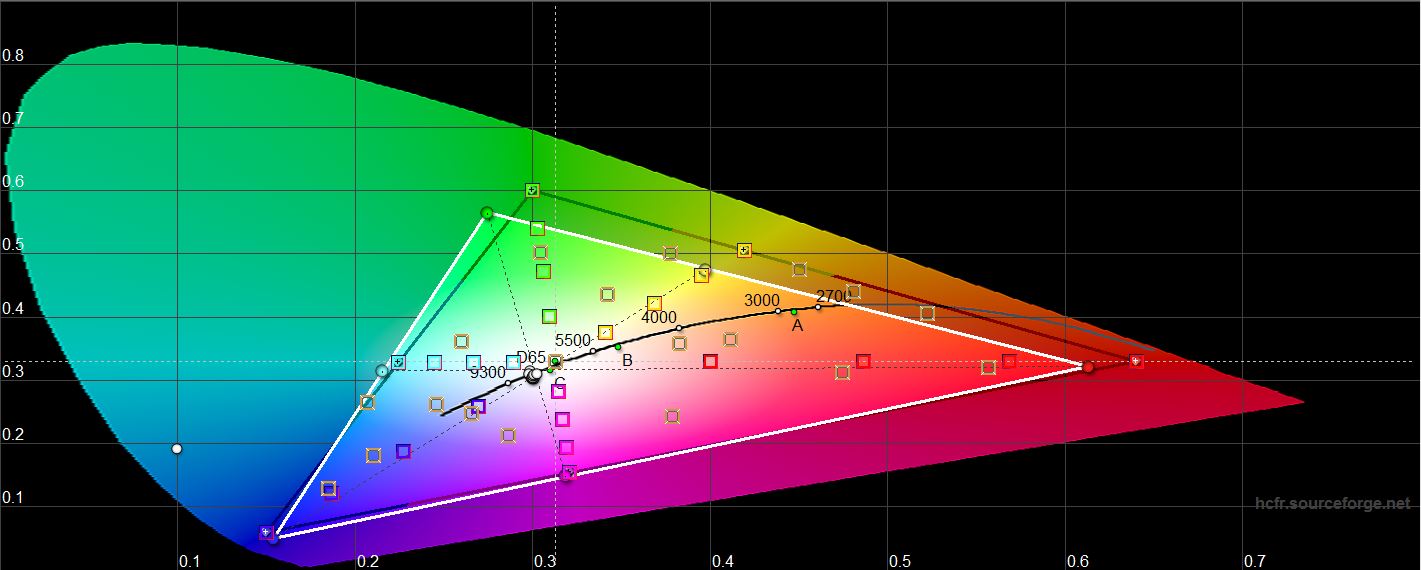
According to personal impressions, the screen is very good:the colors are very saturated, copes with the sun without problems, viewing angles are maximum. At the same time, there are practically no greenish tints typical for AMOLED screens at an angle. In “bright” mode, the maximum brightness was 464.169 cd/m². The color gamut is much wider than sRGB, similar to the promised DCI-P3. At the same time, the color temperature is noticeably higher than the reference one, the screen goes into cool shades. But you can adjust it manually in the settings. The screen demonstrates approximately similar indicators in “Standard” mode:

</ img>

</ img>

</ img>
</ img>
</ img>




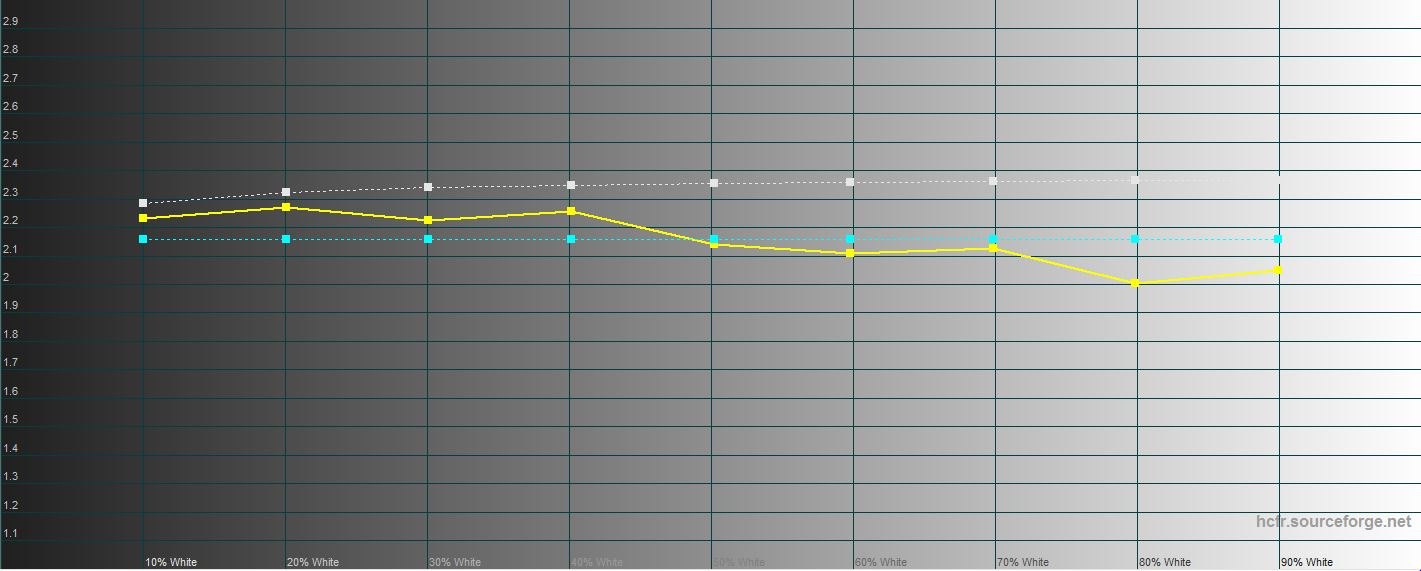
In “normal” mode, the excess of blue is much less, the picture is closer to natural. At the same time, the maximum brightness is practically the same: 459.067 cd/m².

</ img>
</ img>
</ img>

</ img>
</ img>


Comparison with other models:
Device name
White field brightness,
cd / m2
The brightness of the black field,
cd / m2
Contrast
vivo X50
464.169
0
∞
OPPO Reno3 Pro
511.439
0
∞
Huawei P40
428.732
0
∞
Samsung Galaxy A41
398.38
0
∞
realme X2 Pro
473.848
0
∞
What are the unlock methods?
</ img>
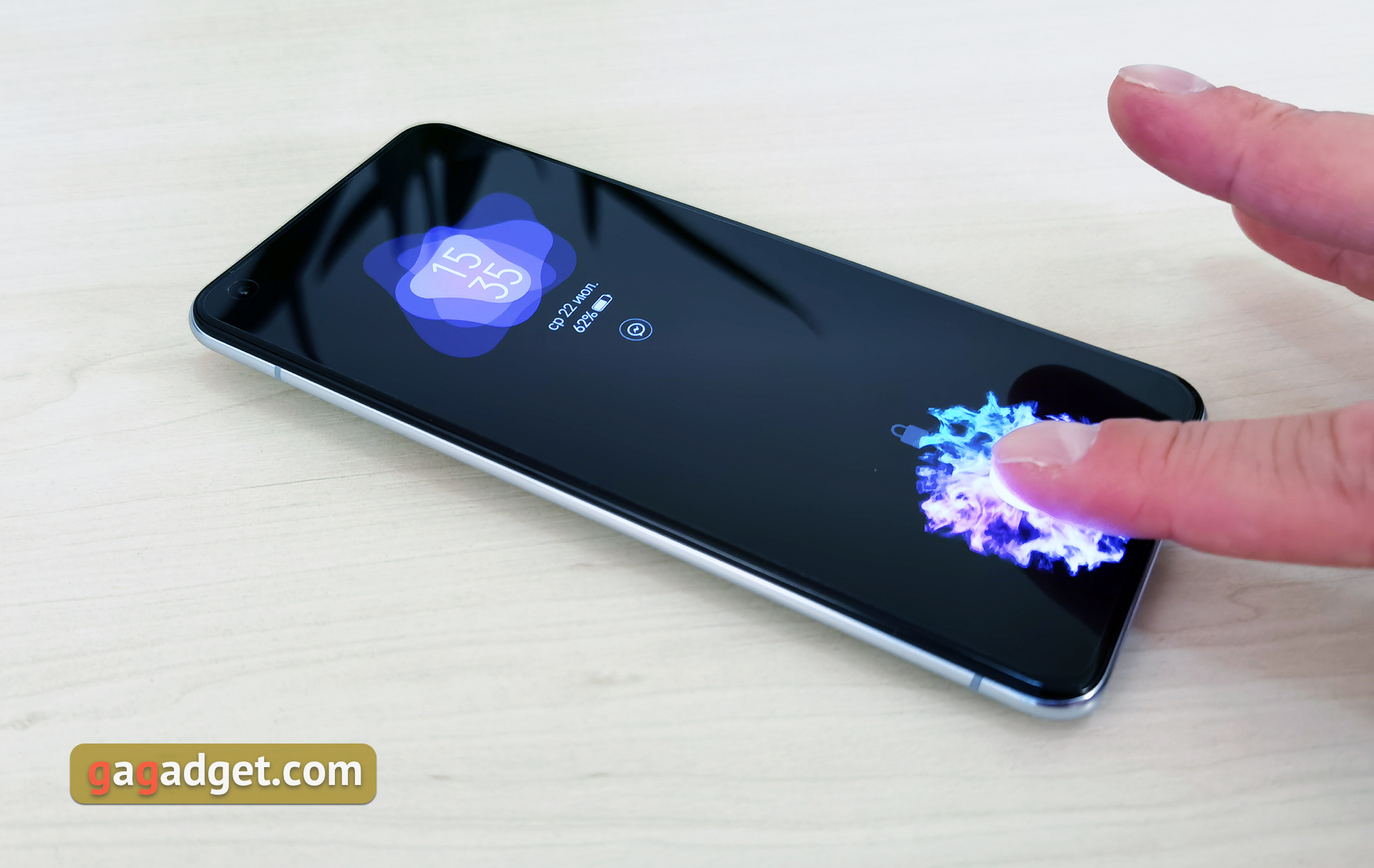
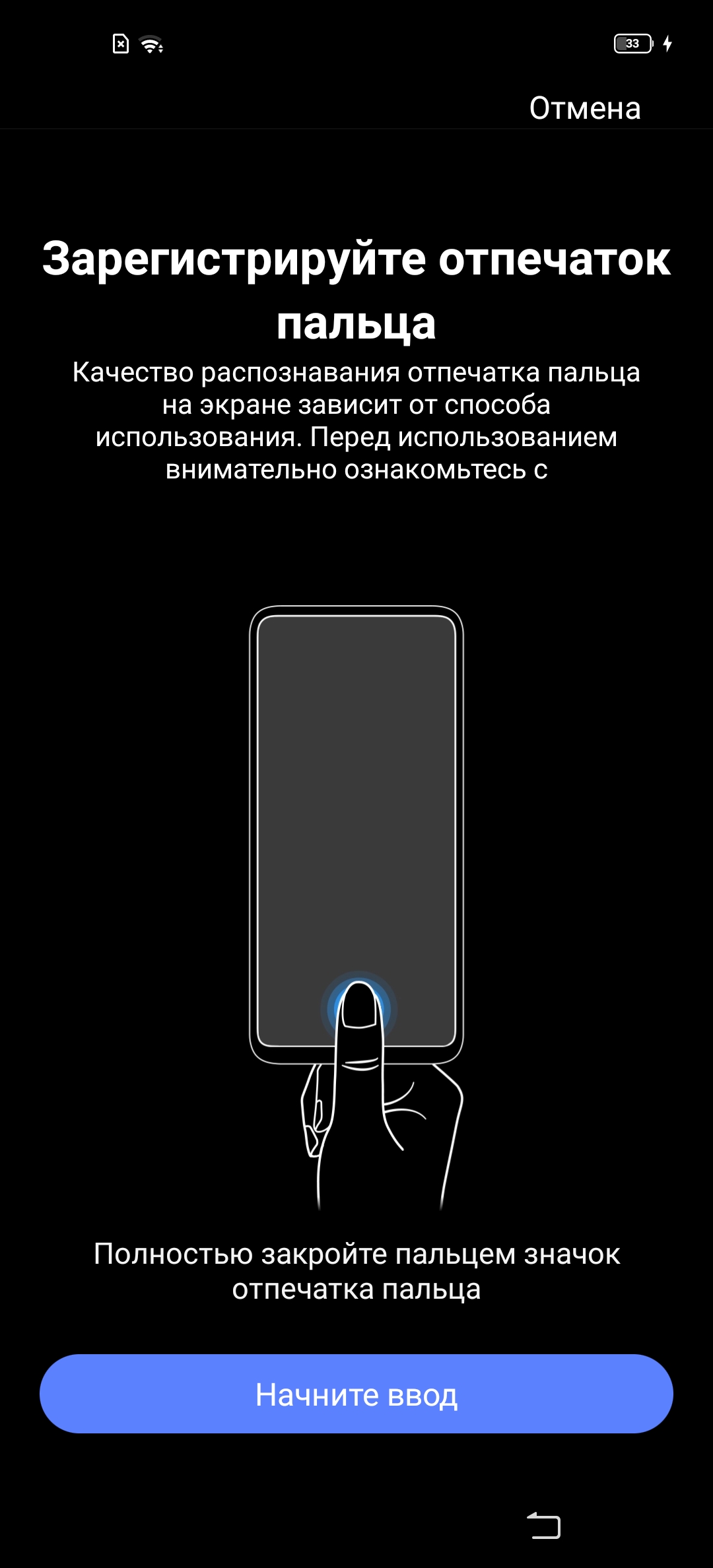
A kit is used to unlock the smartphonefrom facial recognition and a fingerprint scanner under the screen. The face is recognized by the front camera and works quite quickly. For recognition in low light, there is a “screen fill light” function. But the fingerprint scanner is still more reliable. And in this case it is more convenient. It is optical (that is, it is not friendly with wet fingers), it works with lightning speed and without errors. This is one of the fastest under-screen scanners we've come across recently.
</ img>

</ img>

</ img>

</ img>

</ img>

</ img>






What about performance, memory, sound and autonomy?
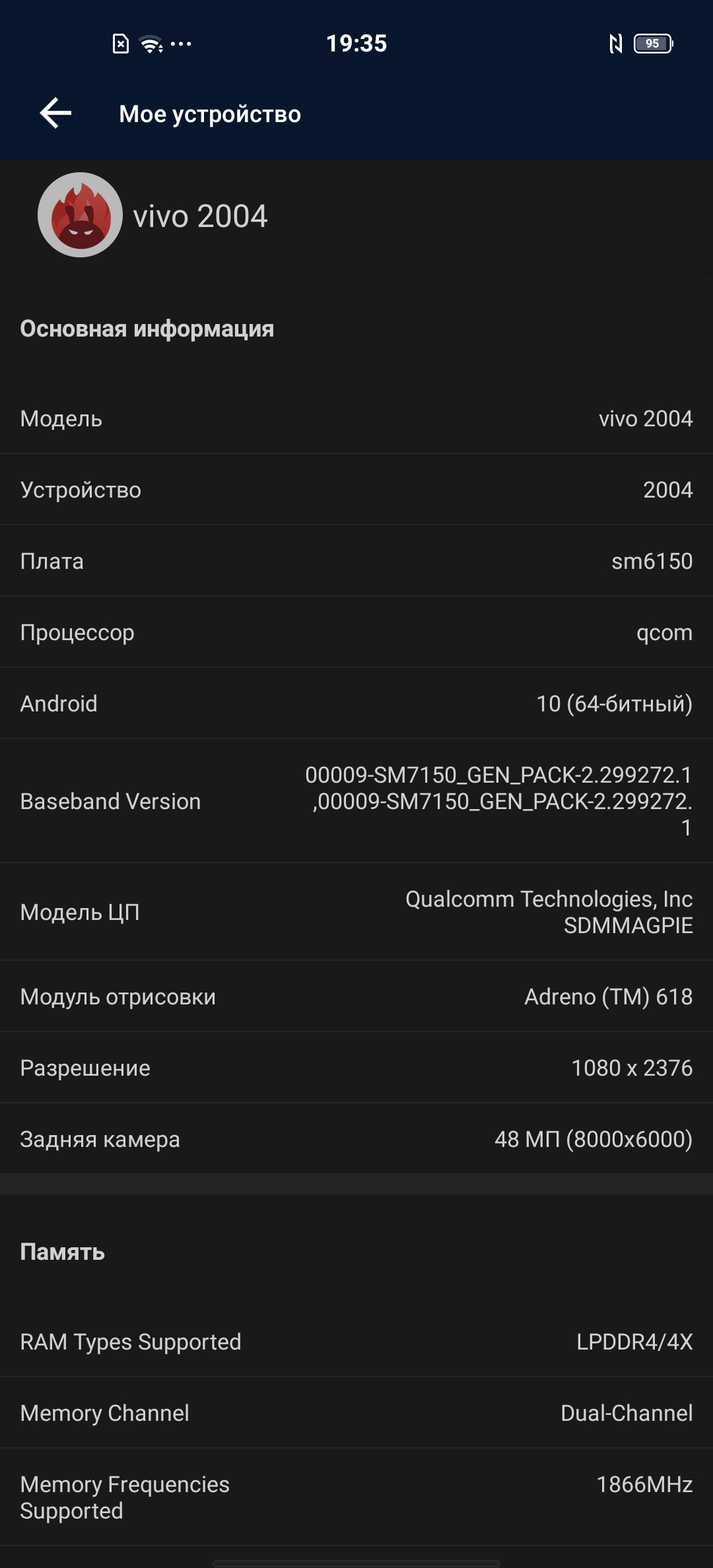
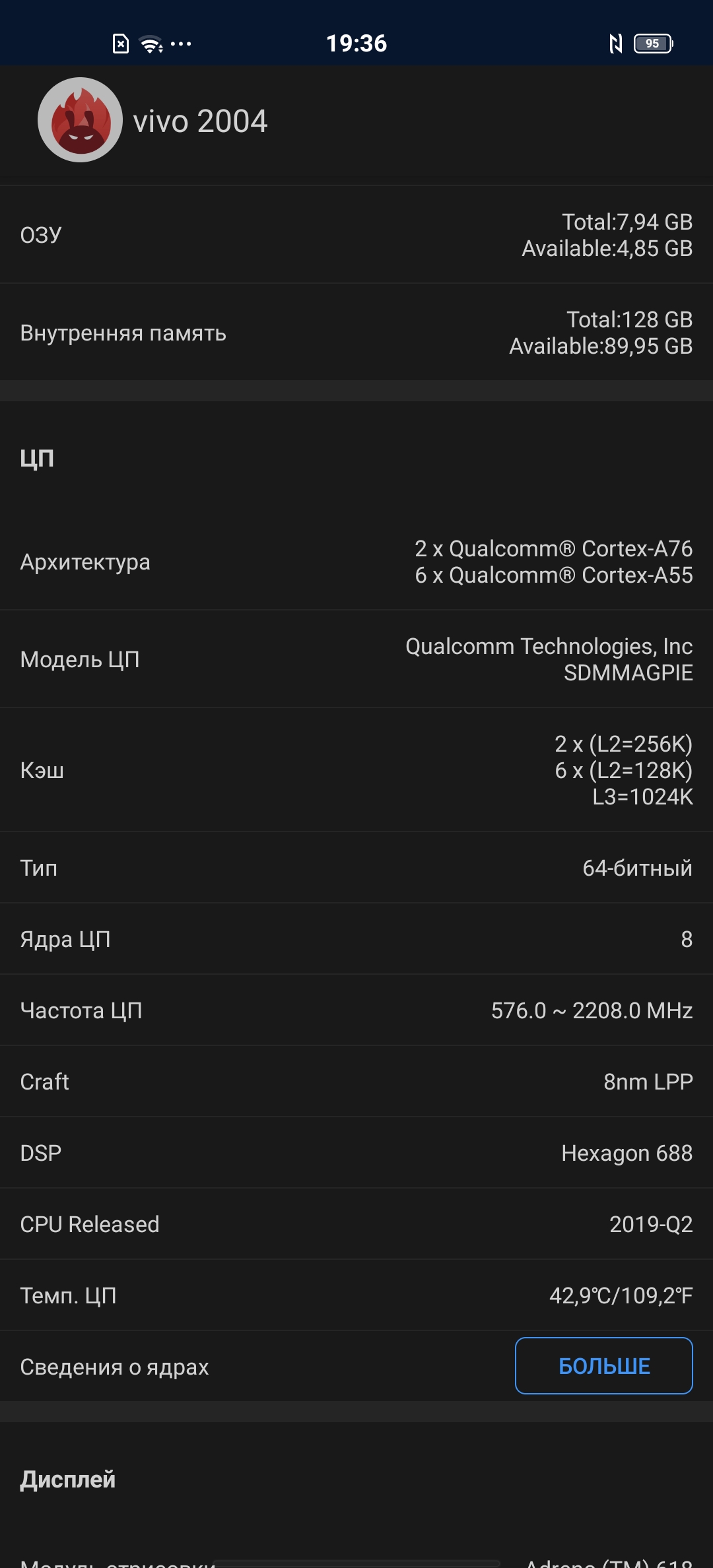
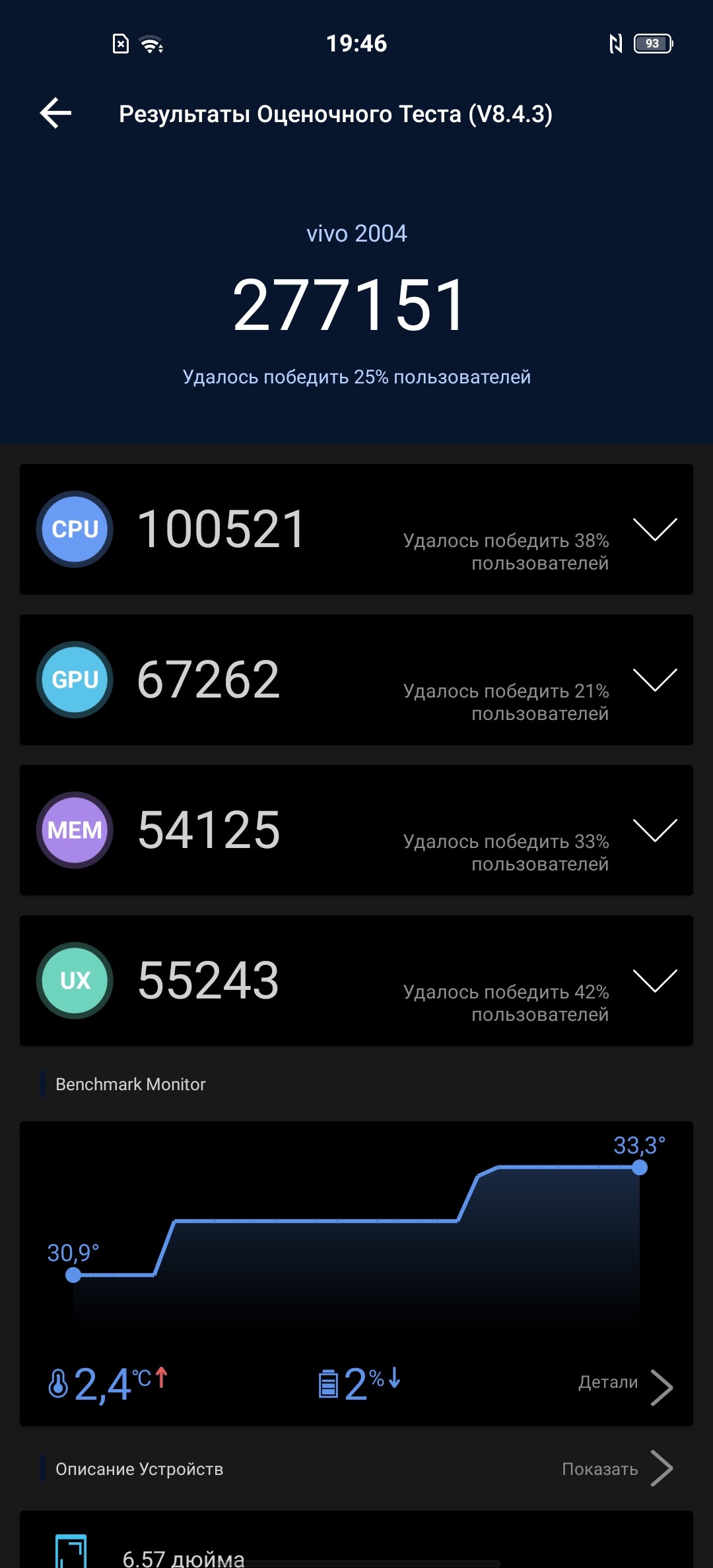
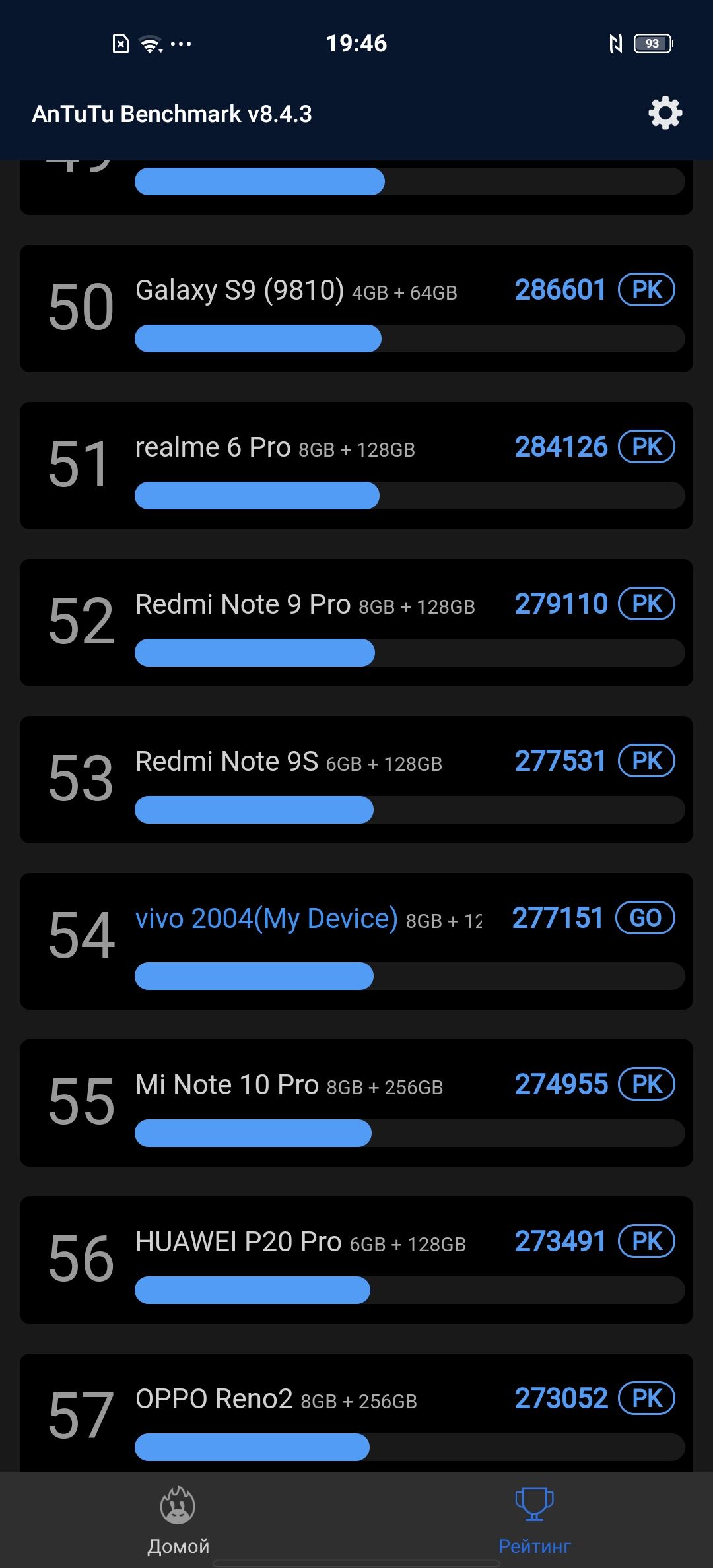
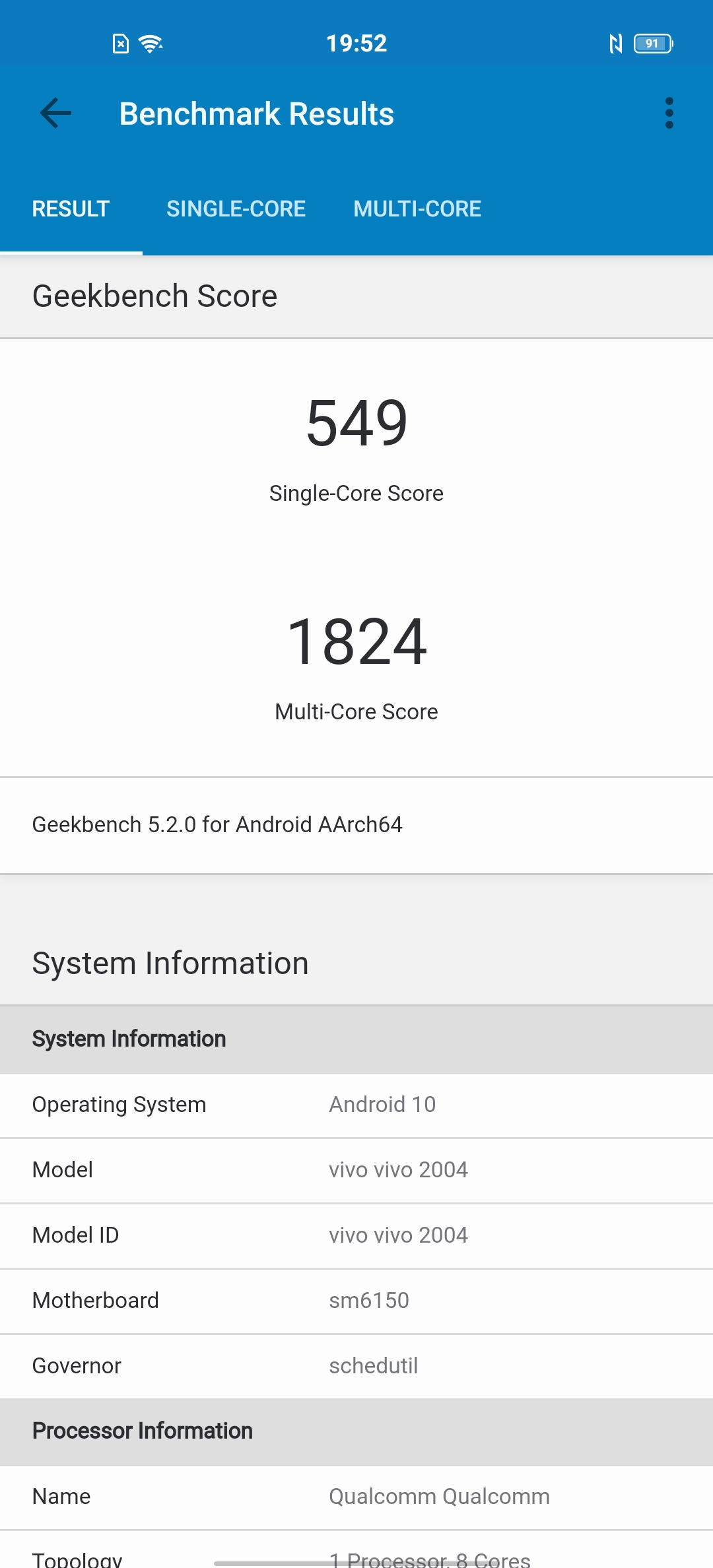
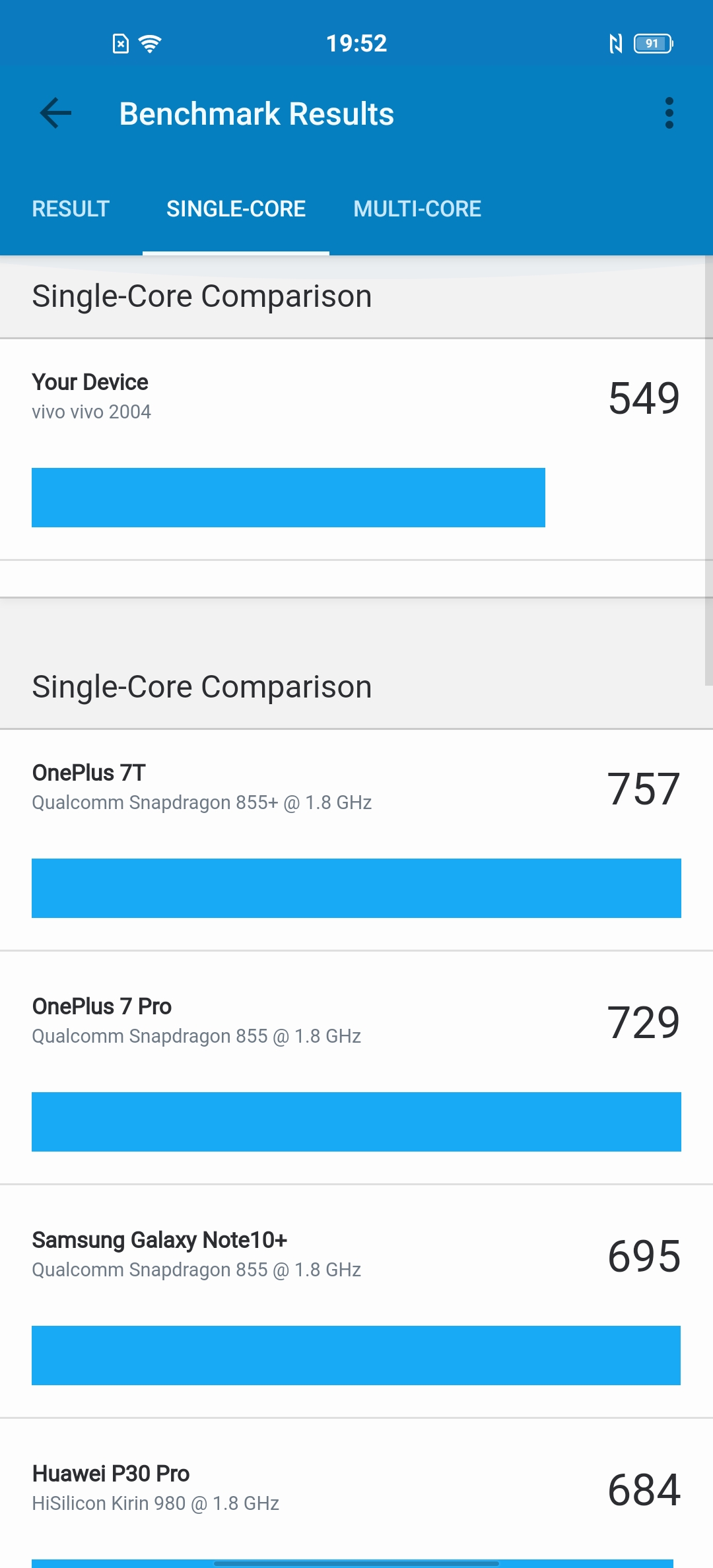
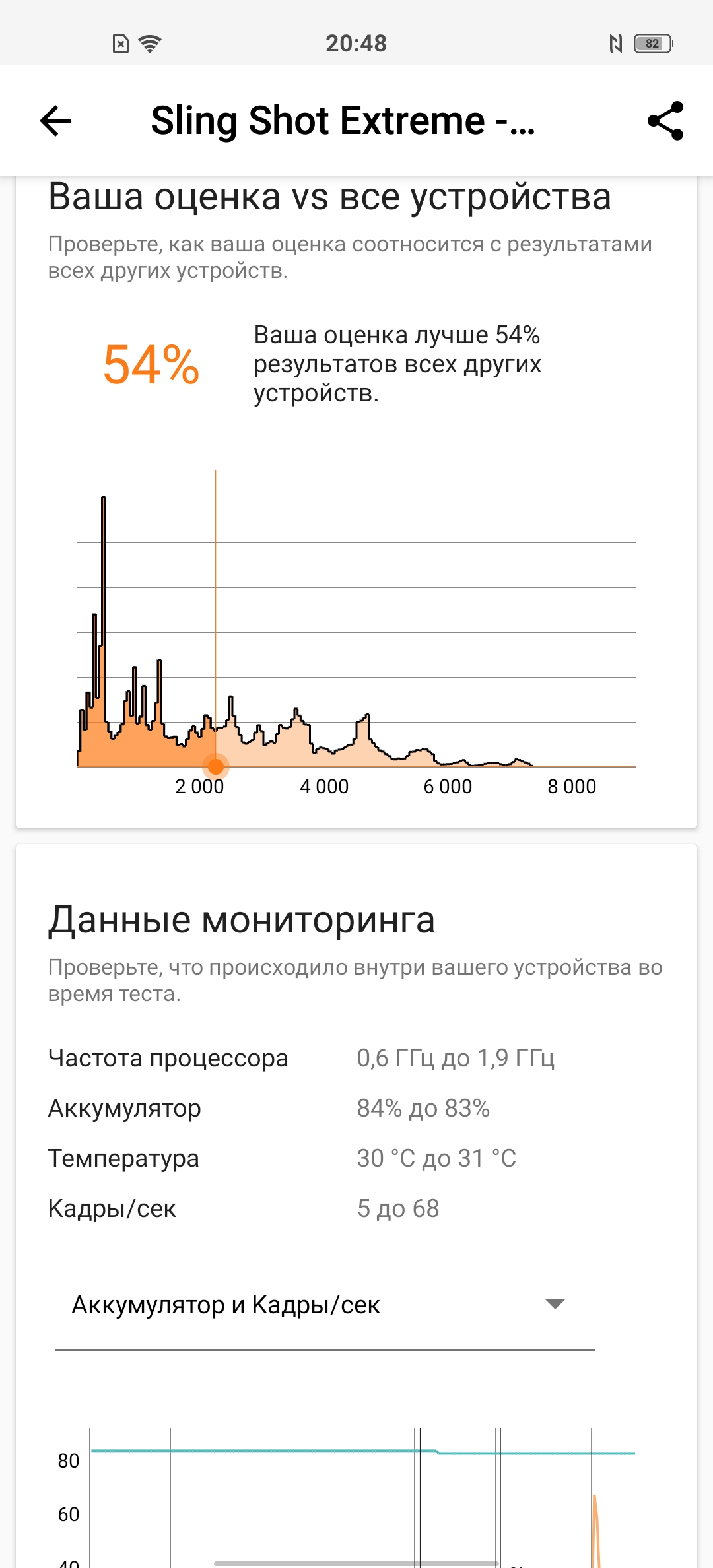
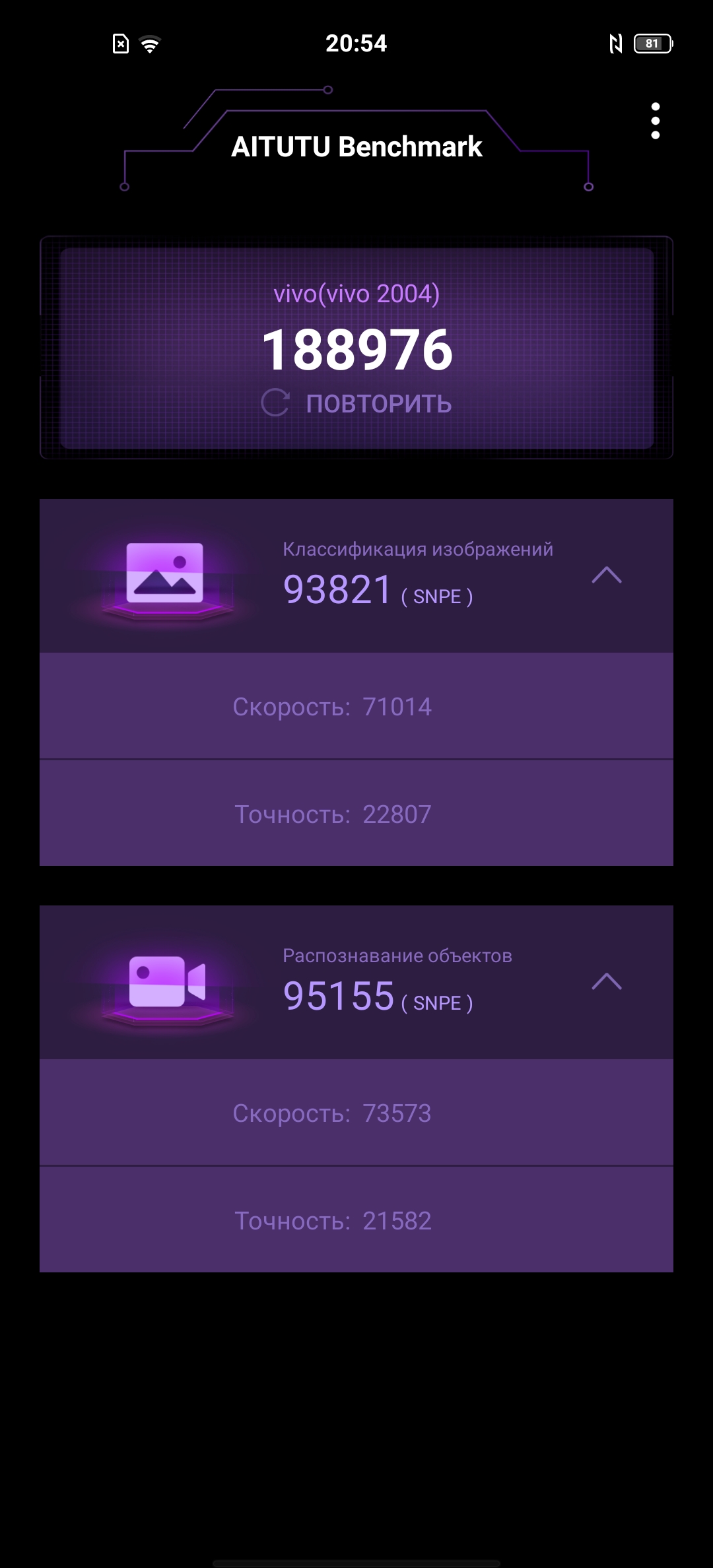
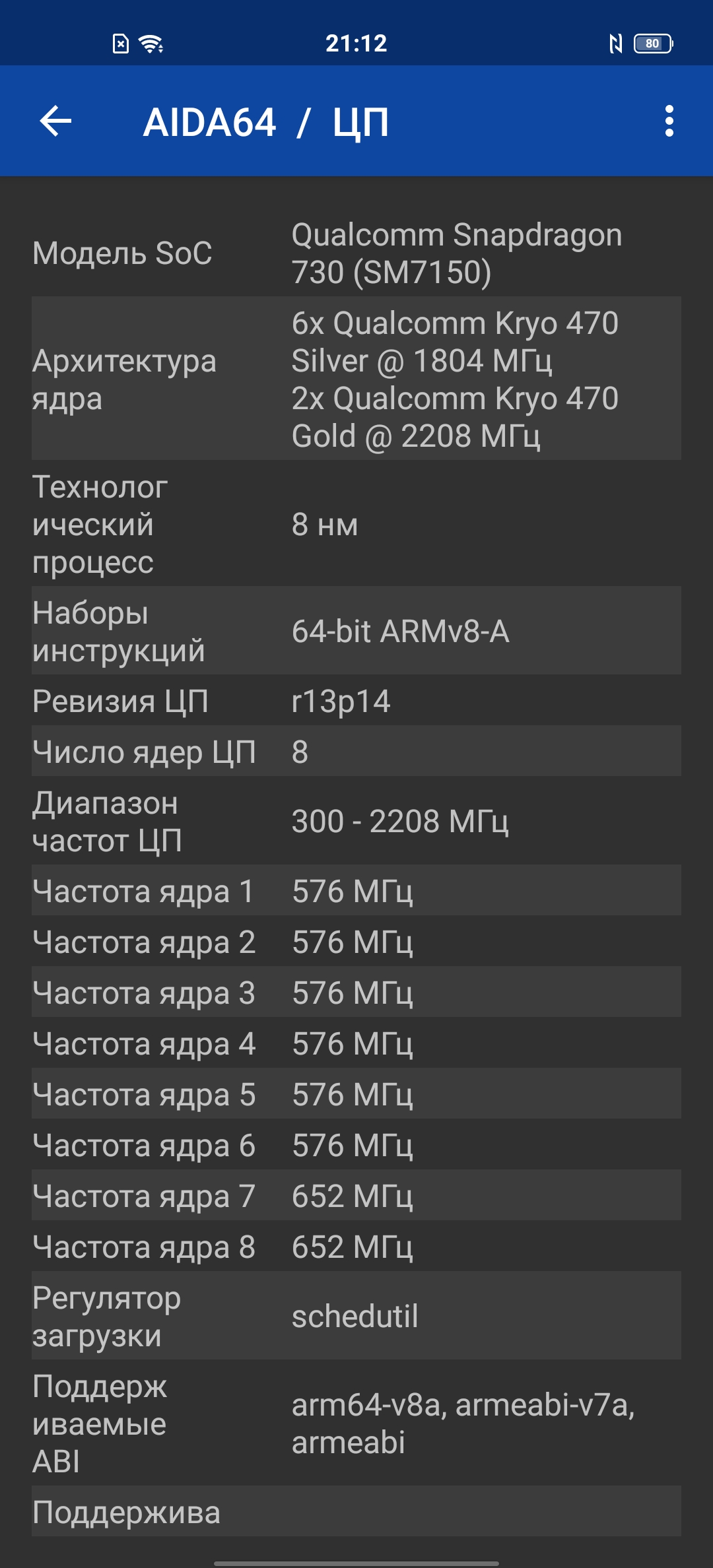
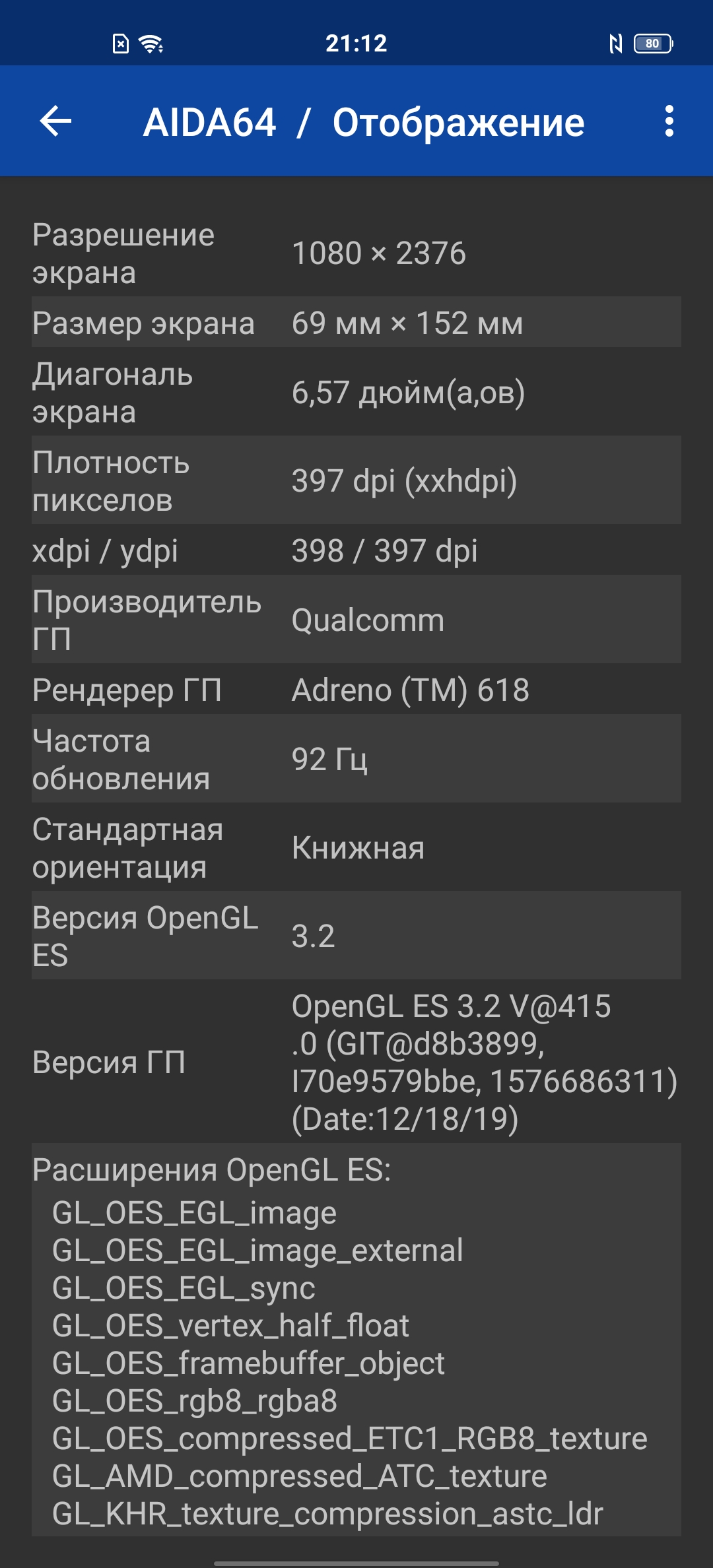
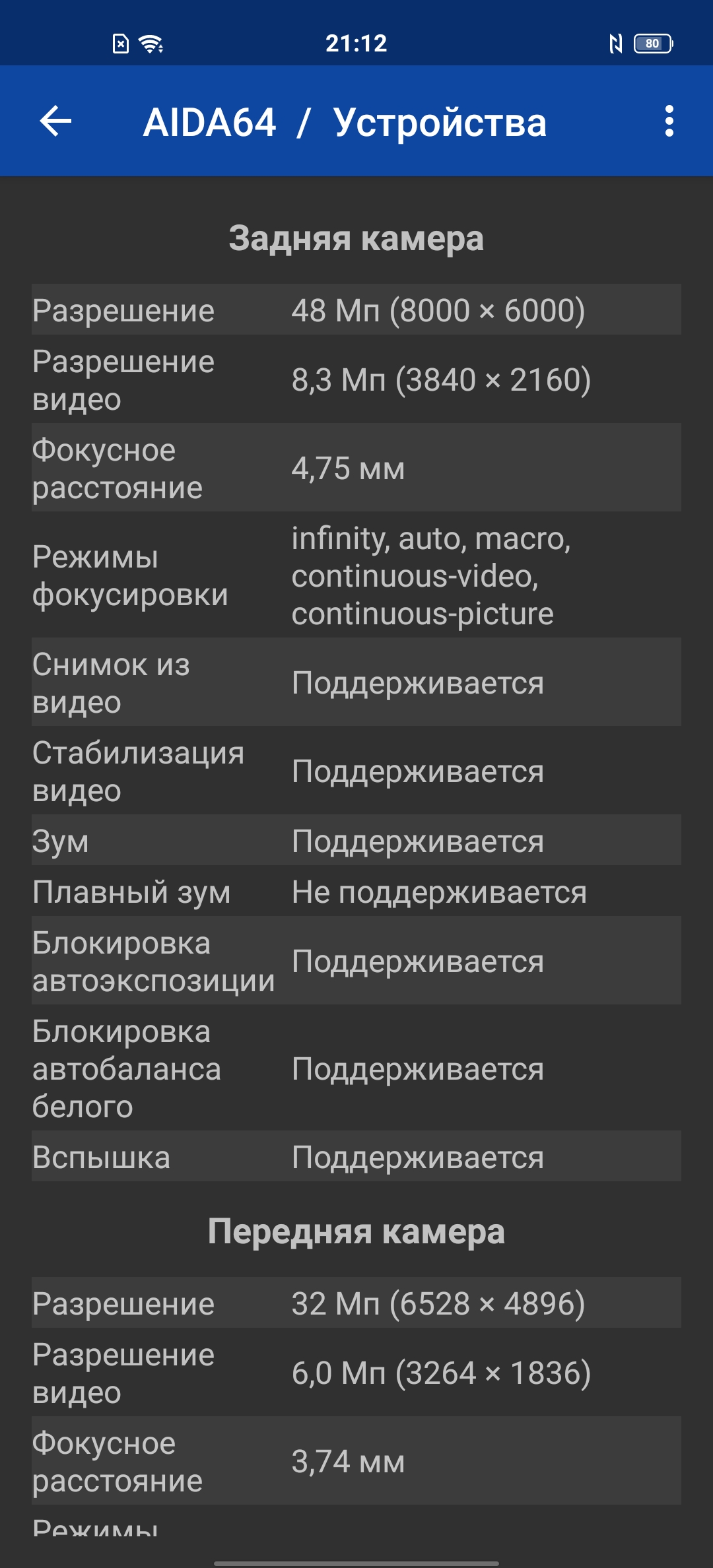
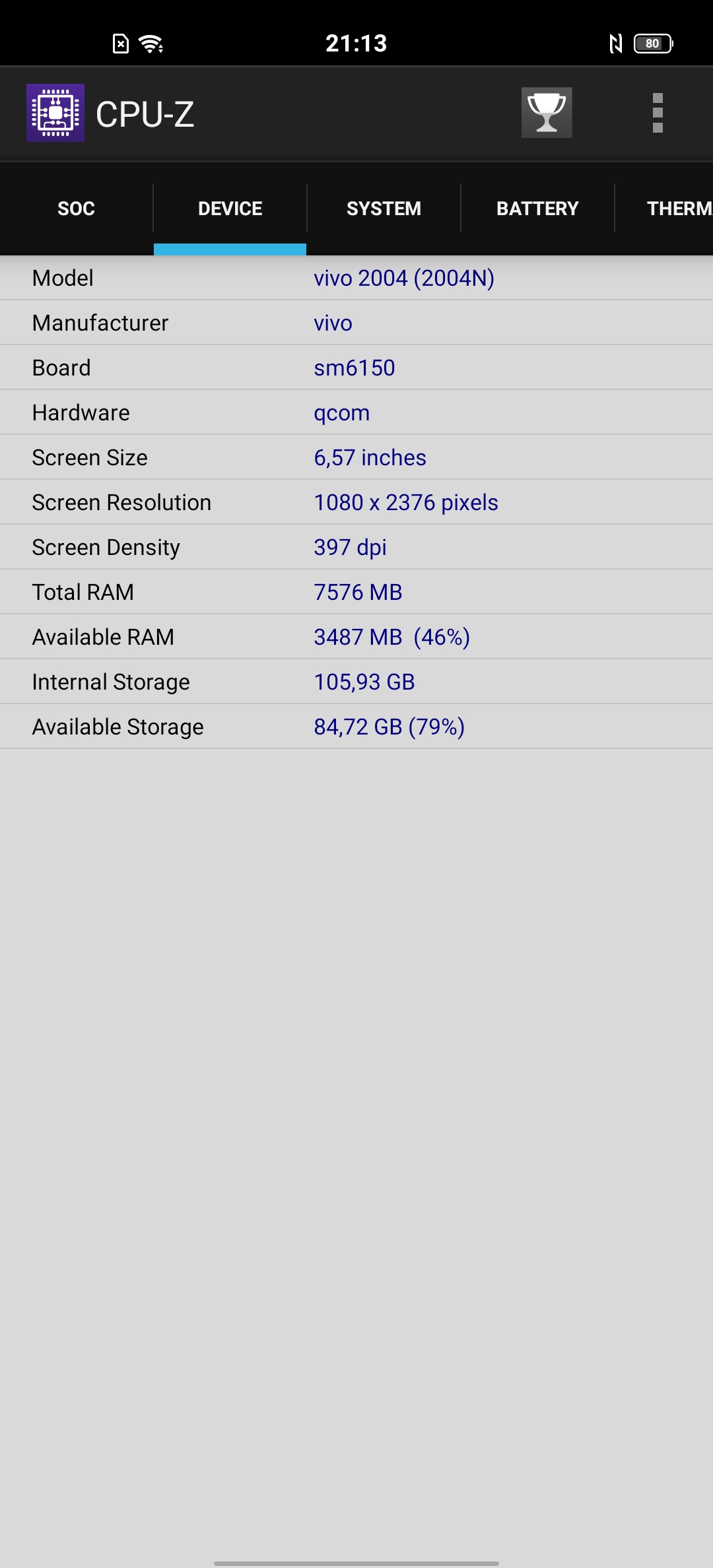
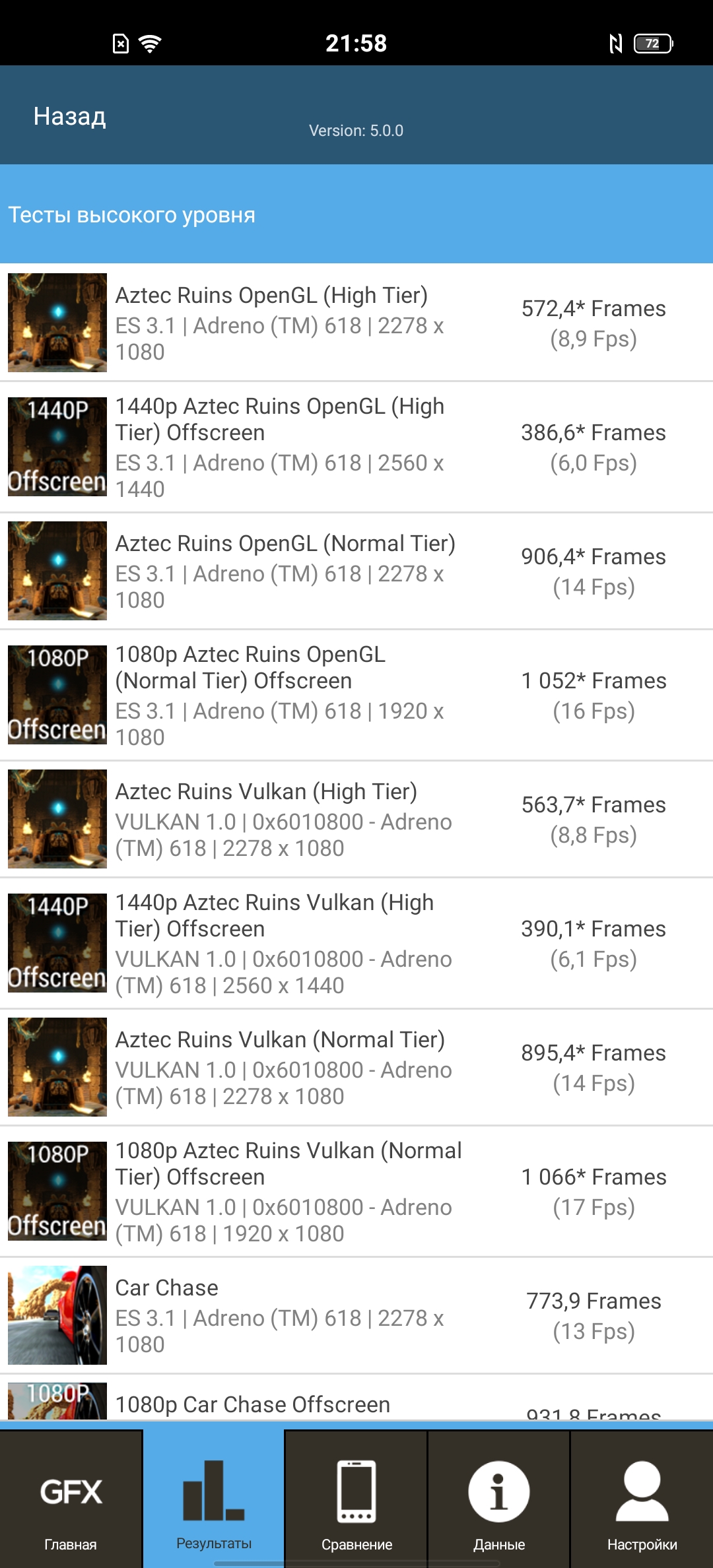
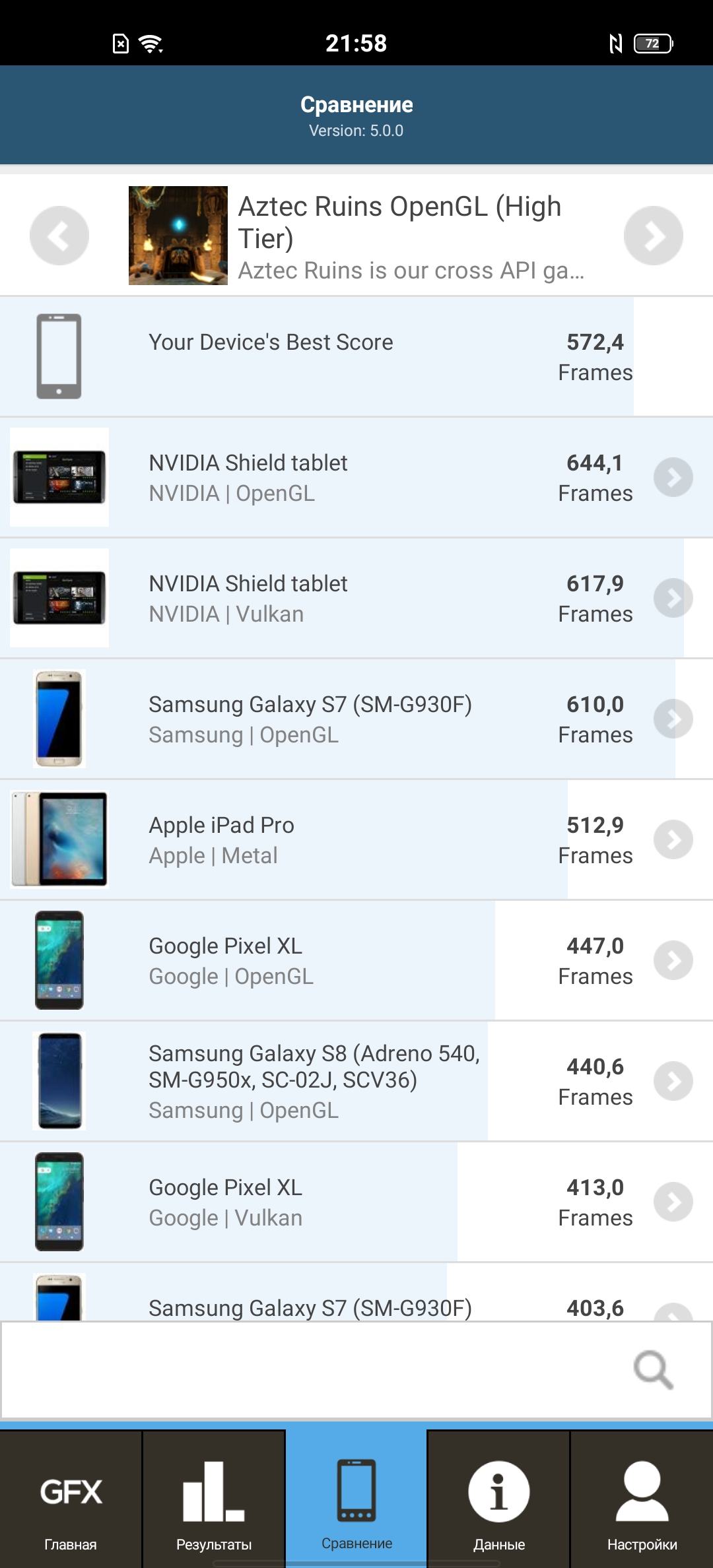
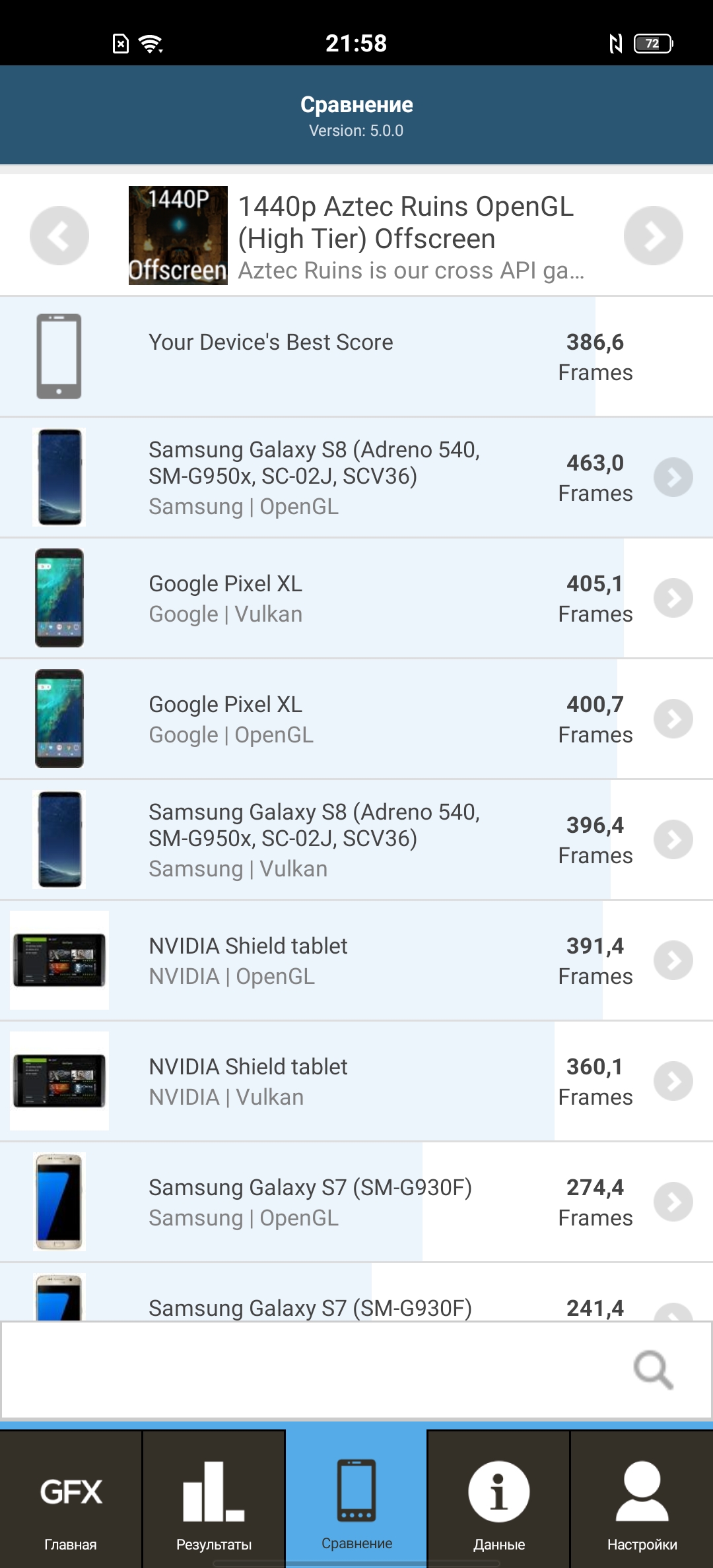
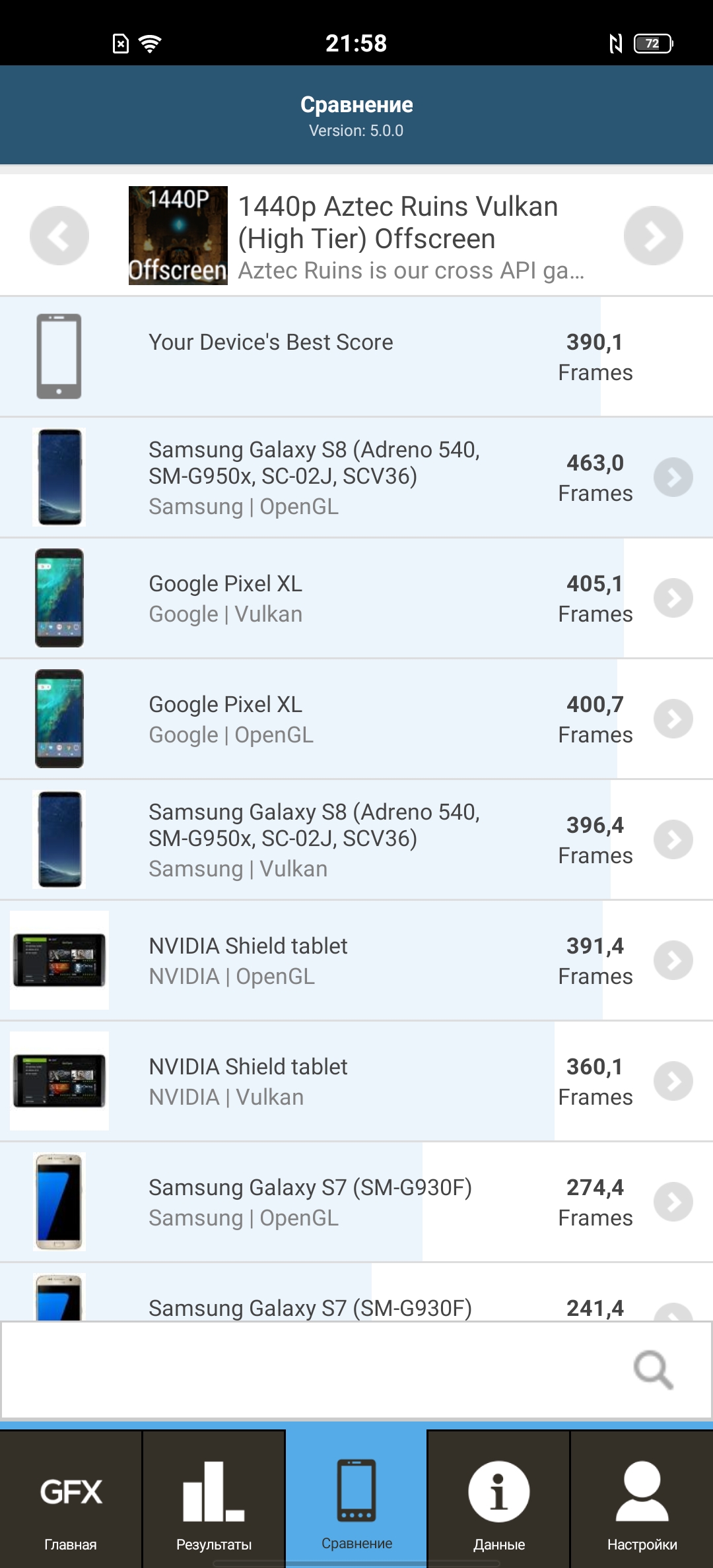
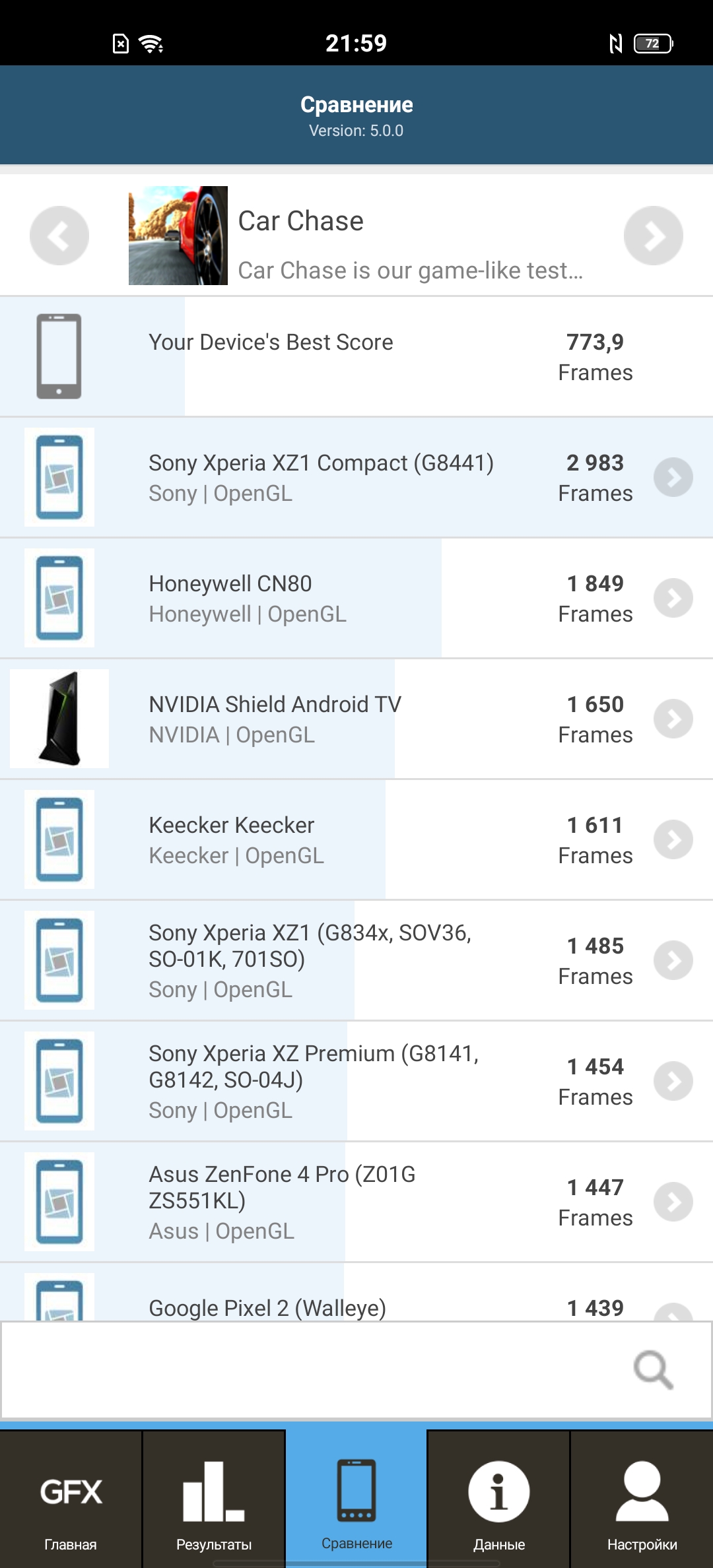
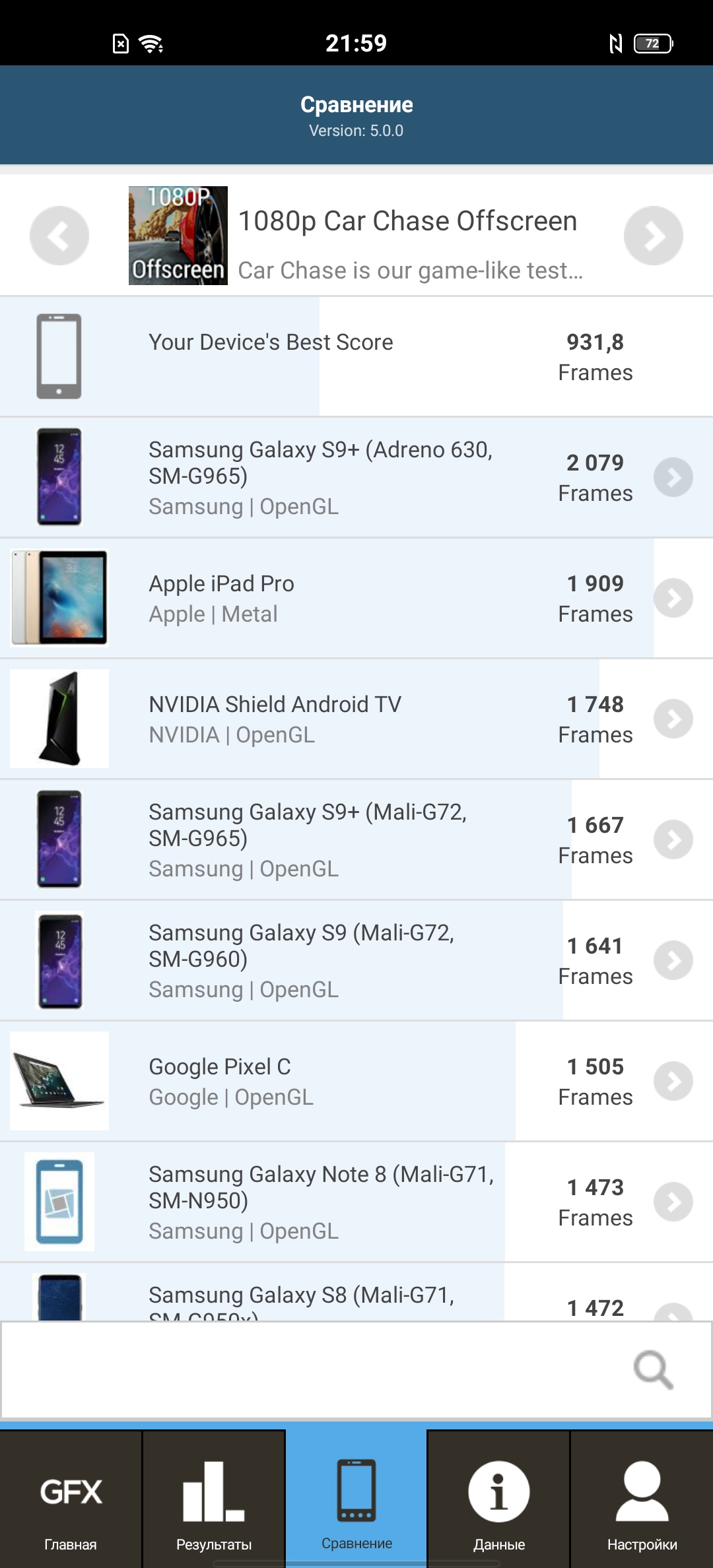
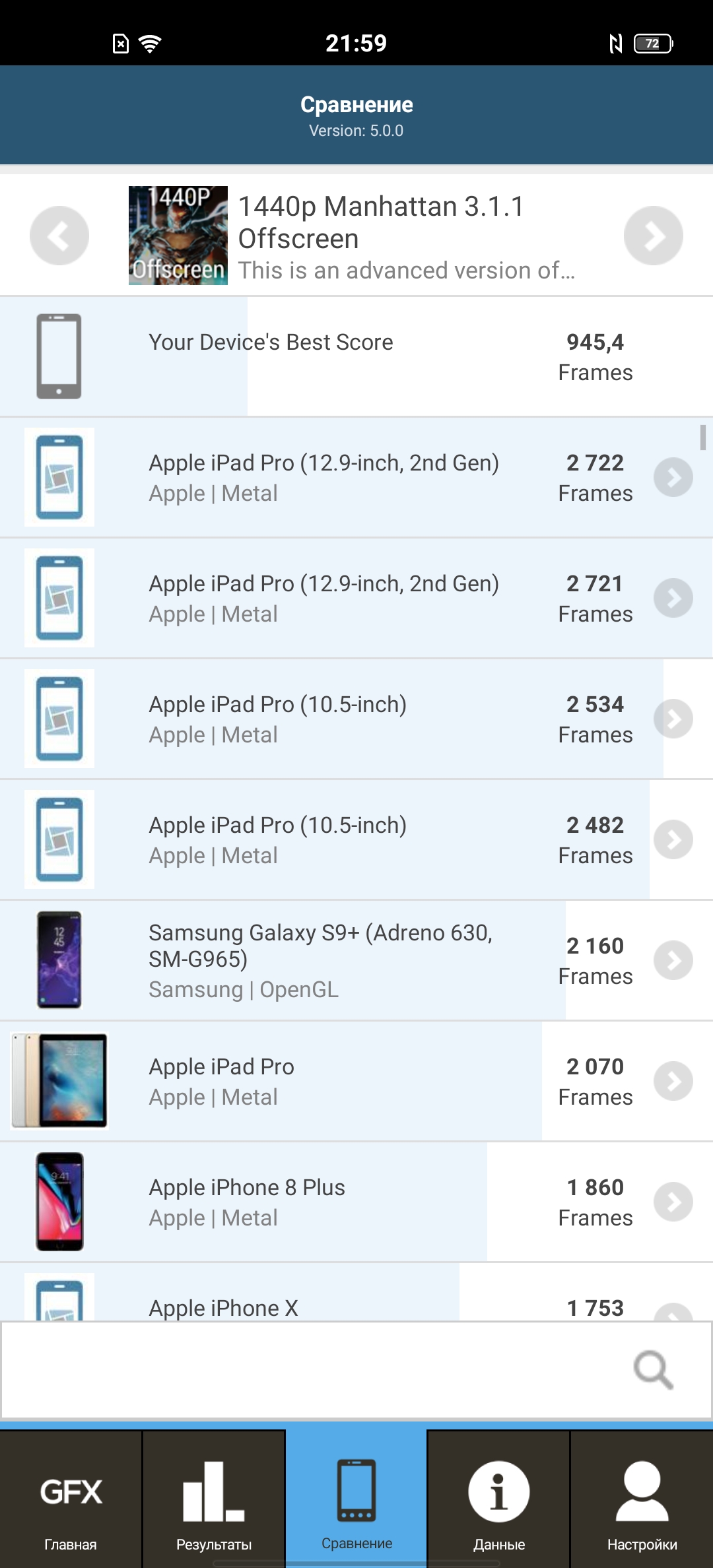
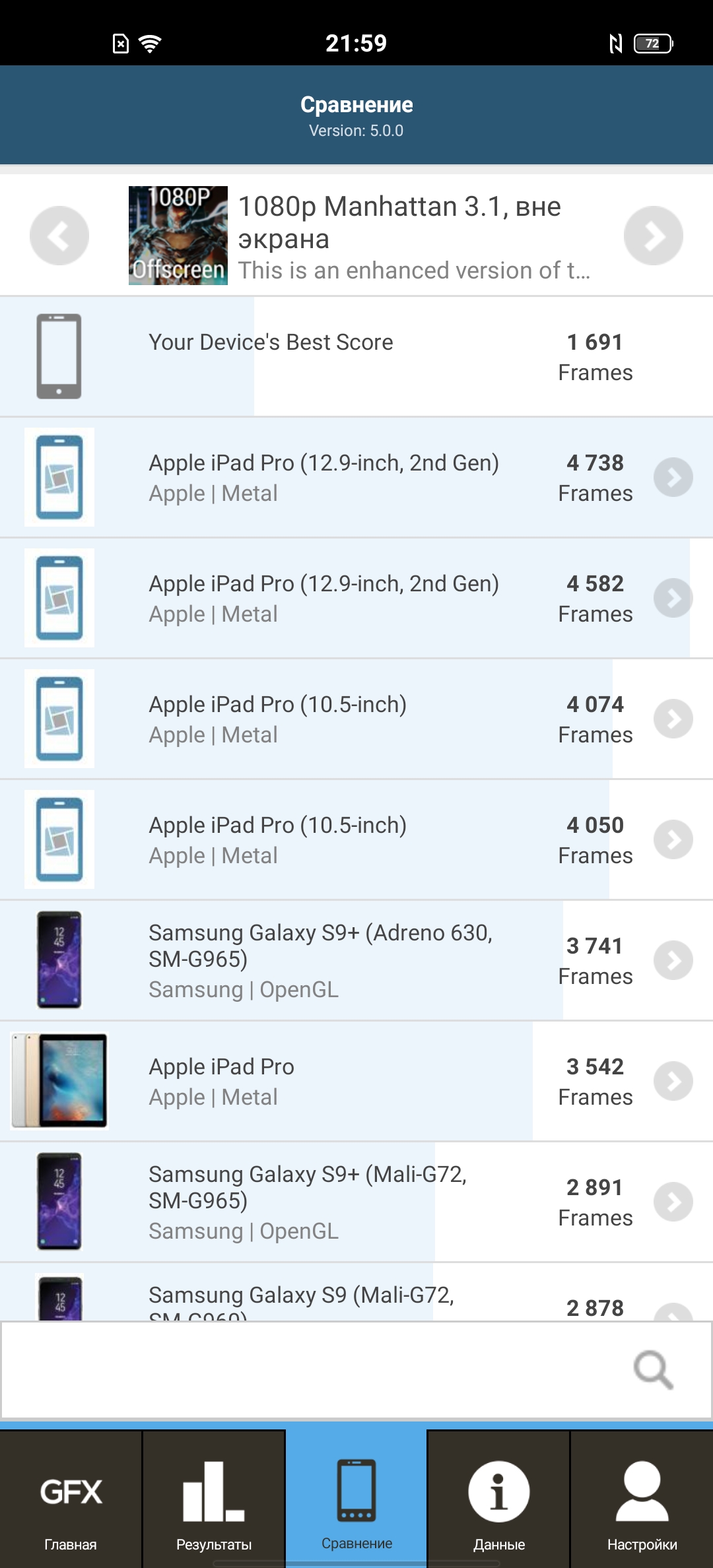
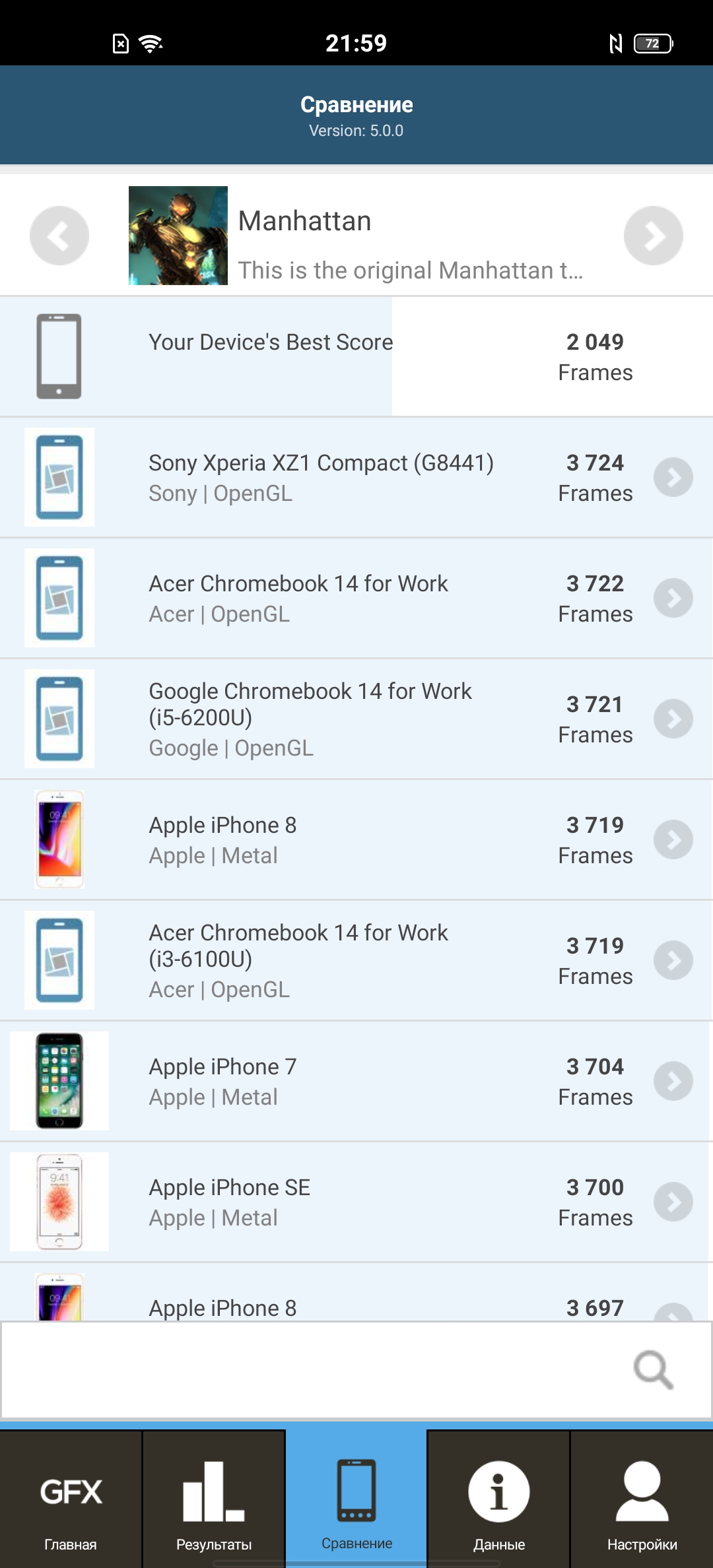
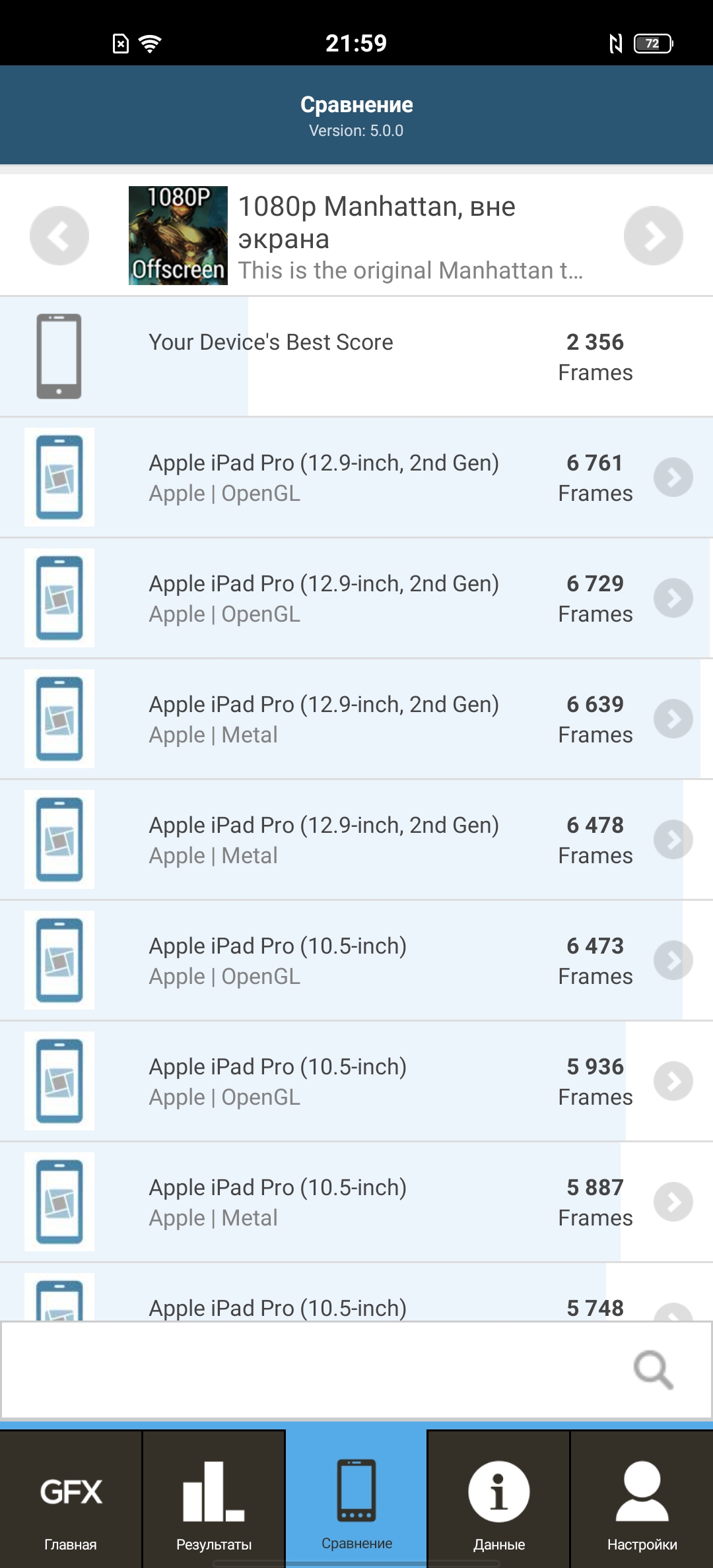
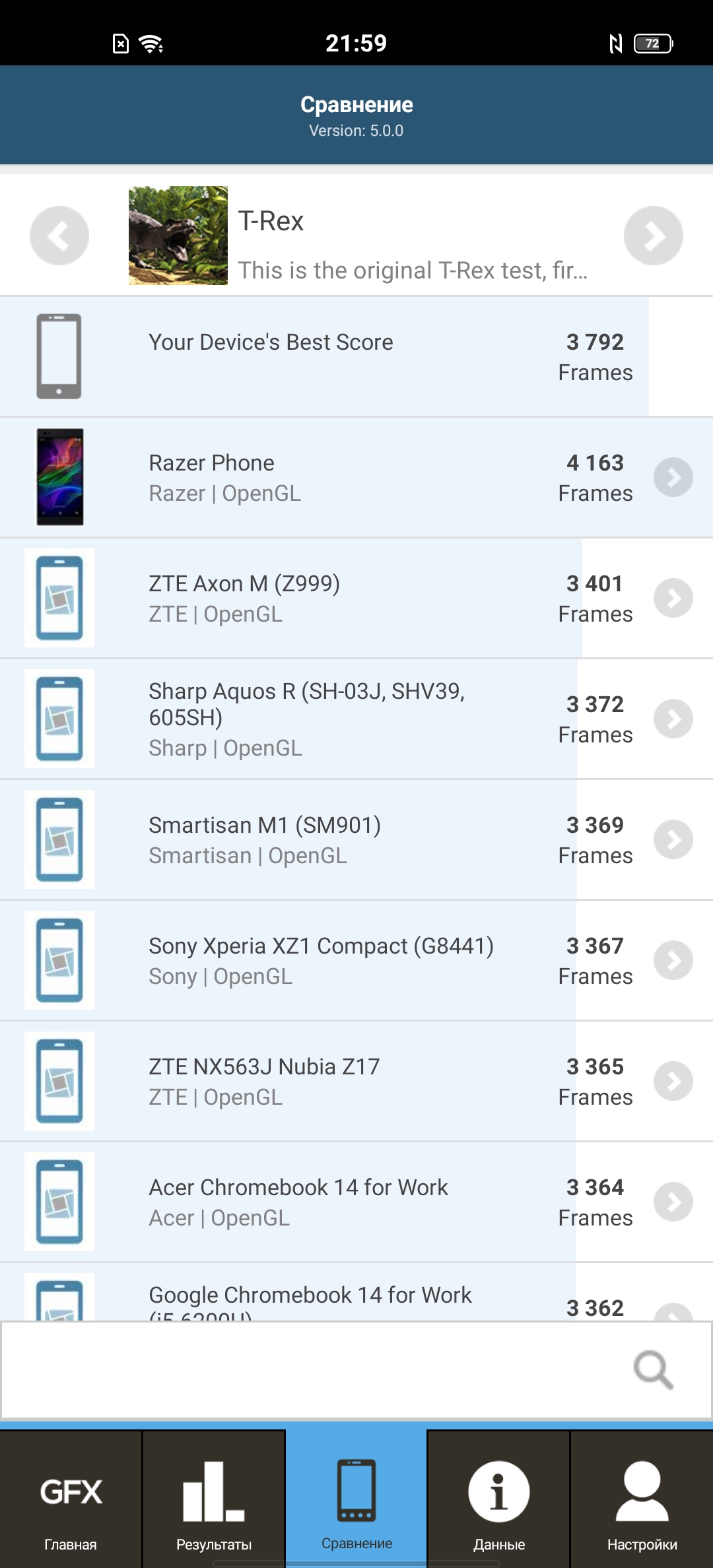
Vivo X50 has a very good andThe energy-efficient mid-price segment Qualcomm Snapdragon 730 processor is quite sufficient for fast running of applications/shells and any modern games. Although it is worth noting that in this price category there are models with Snapdragon 855/855+/865. But let's get back to the Vivo X50's internals. Qualcomm Snapdragon 730 is an 8nm processor with two high-performance Kryo 470 Gold cores clocked at 2.2 GHz and six energy-efficient Kryo 470 Silver cores clocked at 1.8 GHz. Graphics accelerator - Adreno 618 with a clock frequency of 825 MHz. The RAM in the smartphone is 8 GB LPDDR4X. The only unpleasant moment is 128 GB of internal memory without expandability. The results in synthetic tests are quite consistent with a modern mid-price smartphone.
</ img>
</ img>
</ img>
</ img>

</ img>

</ img>
</ img>

</ img>
</ img>
</ img>
</ img>

</ img>

</ img>

</ img>
</ img>

</ img>

</ img>
</ img>

</ img>
</ img>
</ img>
</ img>

</ img>
</ img>

</ img>
</ img>
</ img>
</ img>

</ img>

</ img>

</ img>
</ img>

</ img>

</ img>
</ img>
</ img>
</ img>

</ img>
</ img>
</ img>
</ img>
</ img>





































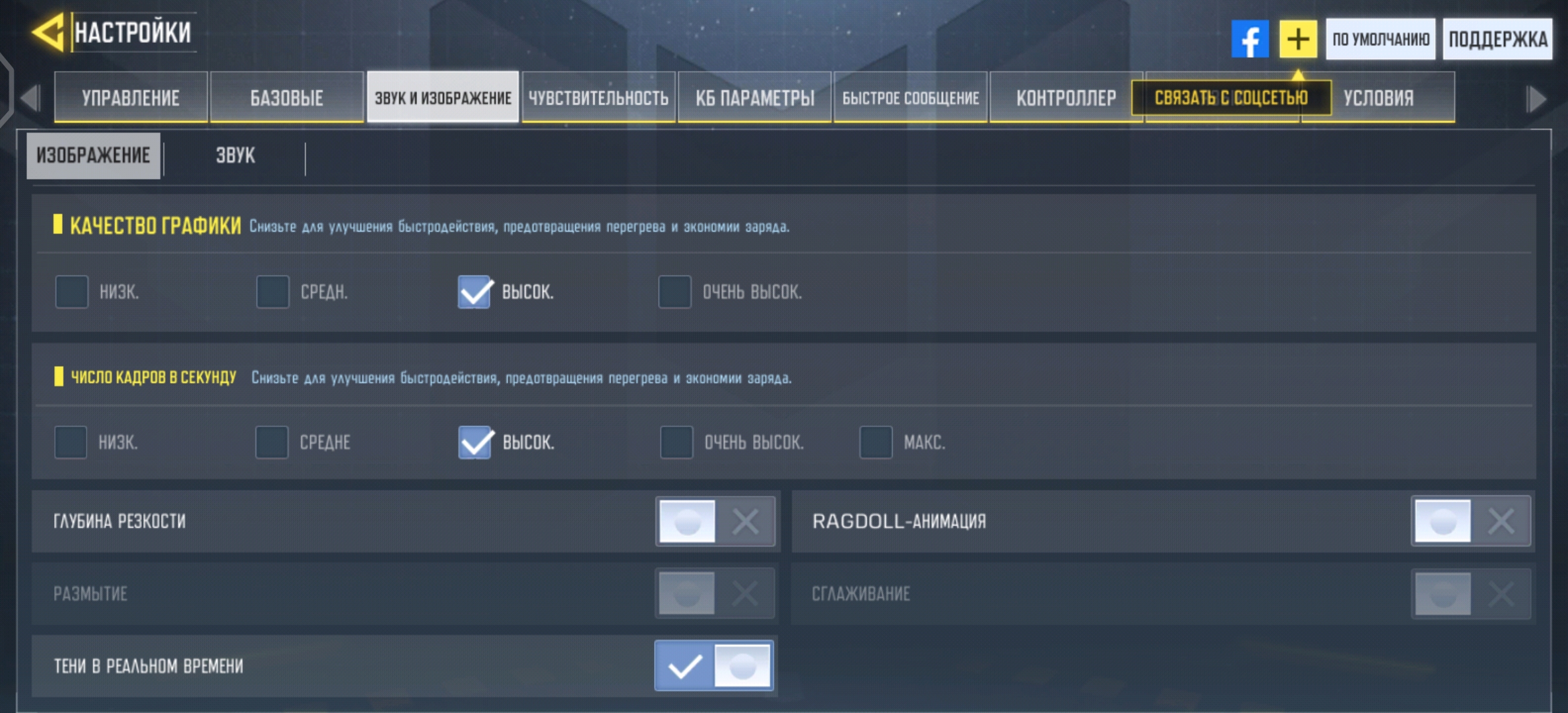
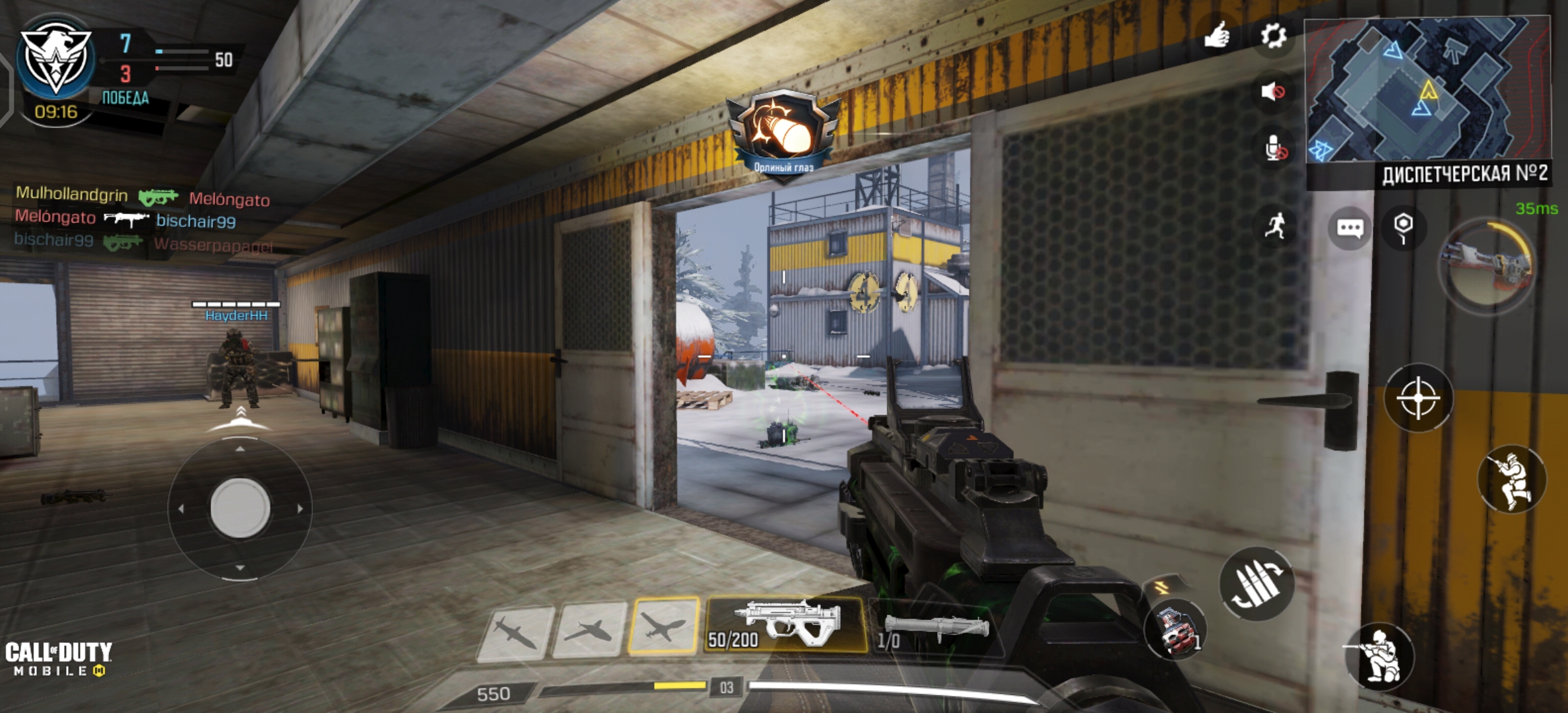
The smartphone handles games without any problems:Call of Duty Mobile and PUBG offer high graphics settings by default, although it is possible to set them higher. At the same time, Call of Duty Mobile runs as smoothly and stably as possible. In PUBG, there are sometimes slight drops in FPS at high speeds.

</ img>

</ img>

</ img>

</ img>
</ img>

</ img>

</ img>
</ img>

</ img>

</ img>

</ img>

</ img>

</ img>













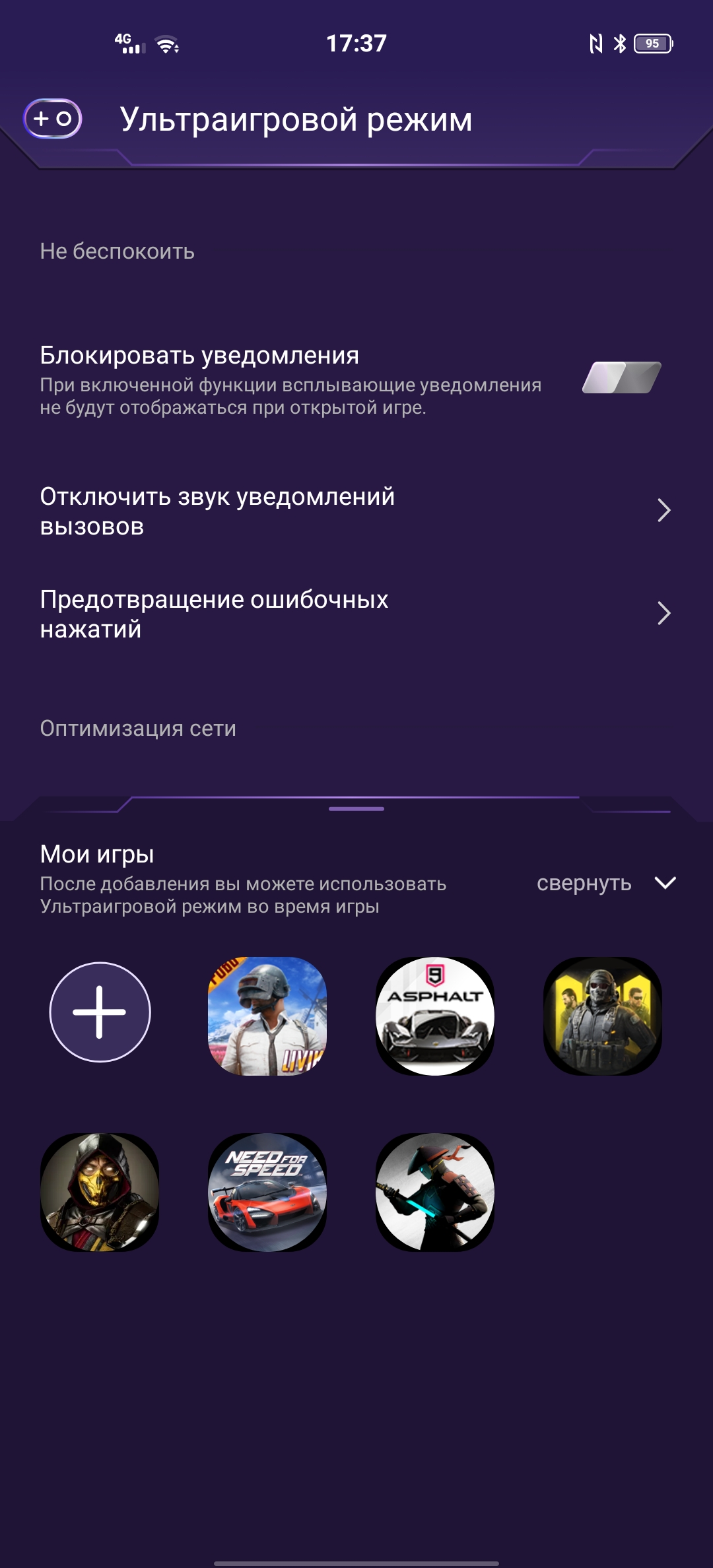
vivo also has a proprietary gaminga utility that generally has an almost standard set of capabilities. In particular, system optimization when launching games, disabling notifications, a hub with all installed games. Among the unusual functions there is a “bot” mode, in which the game continues to run when the screen is turned off, 4D vibration (I still haven’t understood in practice what it does), various sound modes and picture-in-picture mode.

</ img>

</ img>

</ img>

</ img>

</ img>
</ img>

</ img>

</ img>







Everything is in order with the stability of work. CPU Throttling Test has shown that the processor does not overheat and throttles under prolonged loads.

</ img>
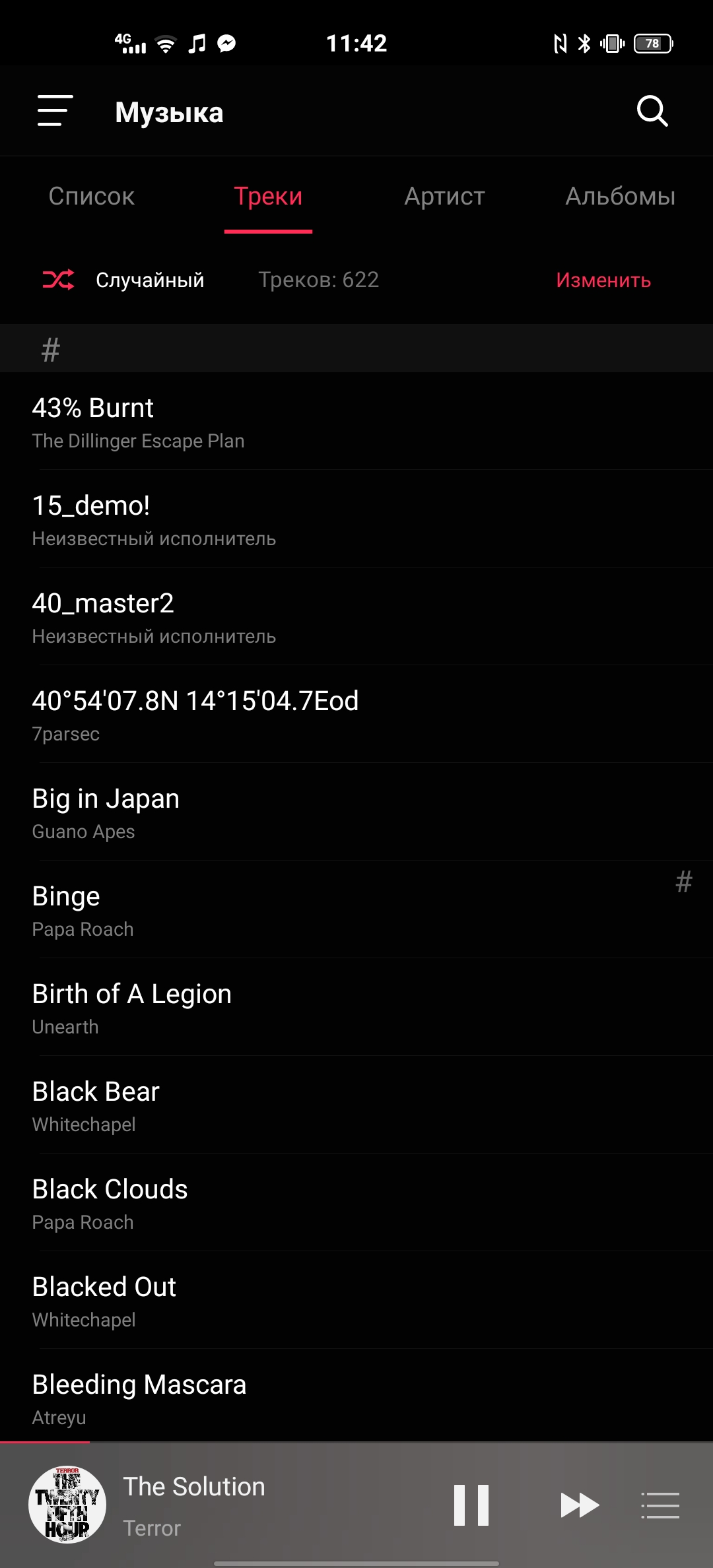
Interfaces: dual-band Wi-Fi 802.11 a/b/g/n/ac 2.4 GHz and 5 GHz, Bluetooth 5.1 LE with support for aptX HD and LDAC codecs, global positioning systems GPS, GLONASS, Beidou, Galileo. The smartphone cannot produce stereo sound, there is only one speaker. It sounds good, both in quality and volume. vivo X50 lacks the additional Asahi Kasei DAC (which is found in the older model). So, the stock DAC and amplifier integrated into the chipset are responsible for the sound quality over the wire. The sound in the headphones is very good, but nothing supernatural. The standard player has the usual set of functions, including equalizers and various sound effects.

</ img>
</ img>

</ img>

</ img>

</ img>





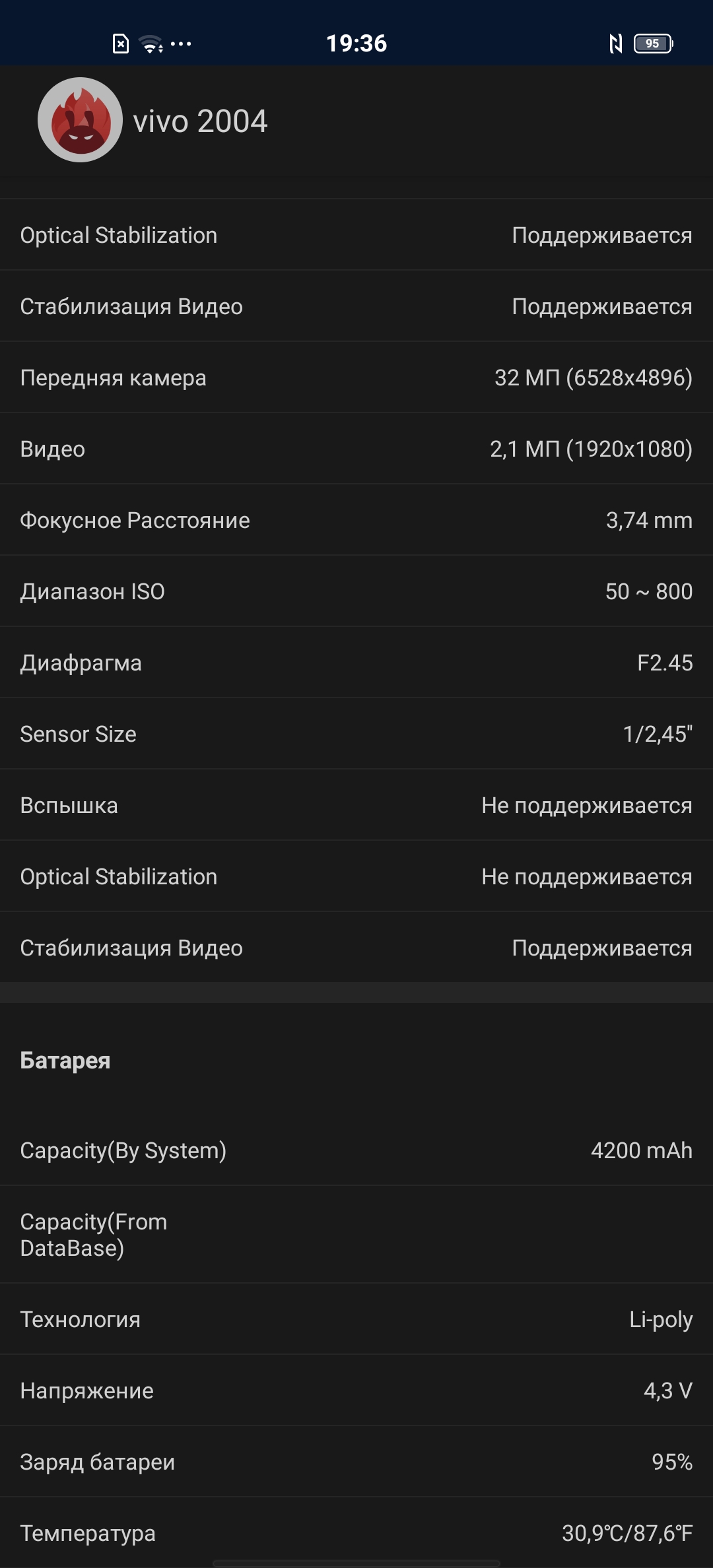
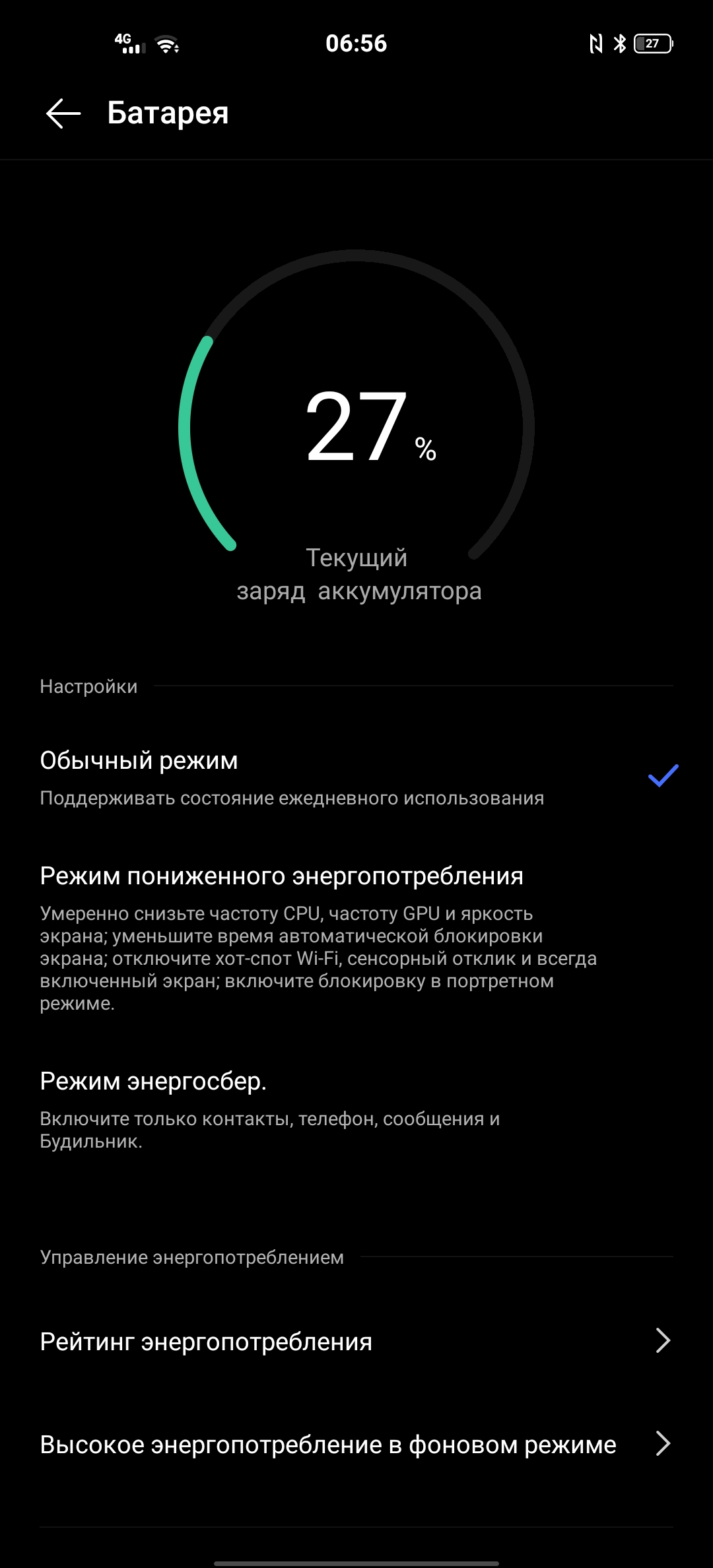
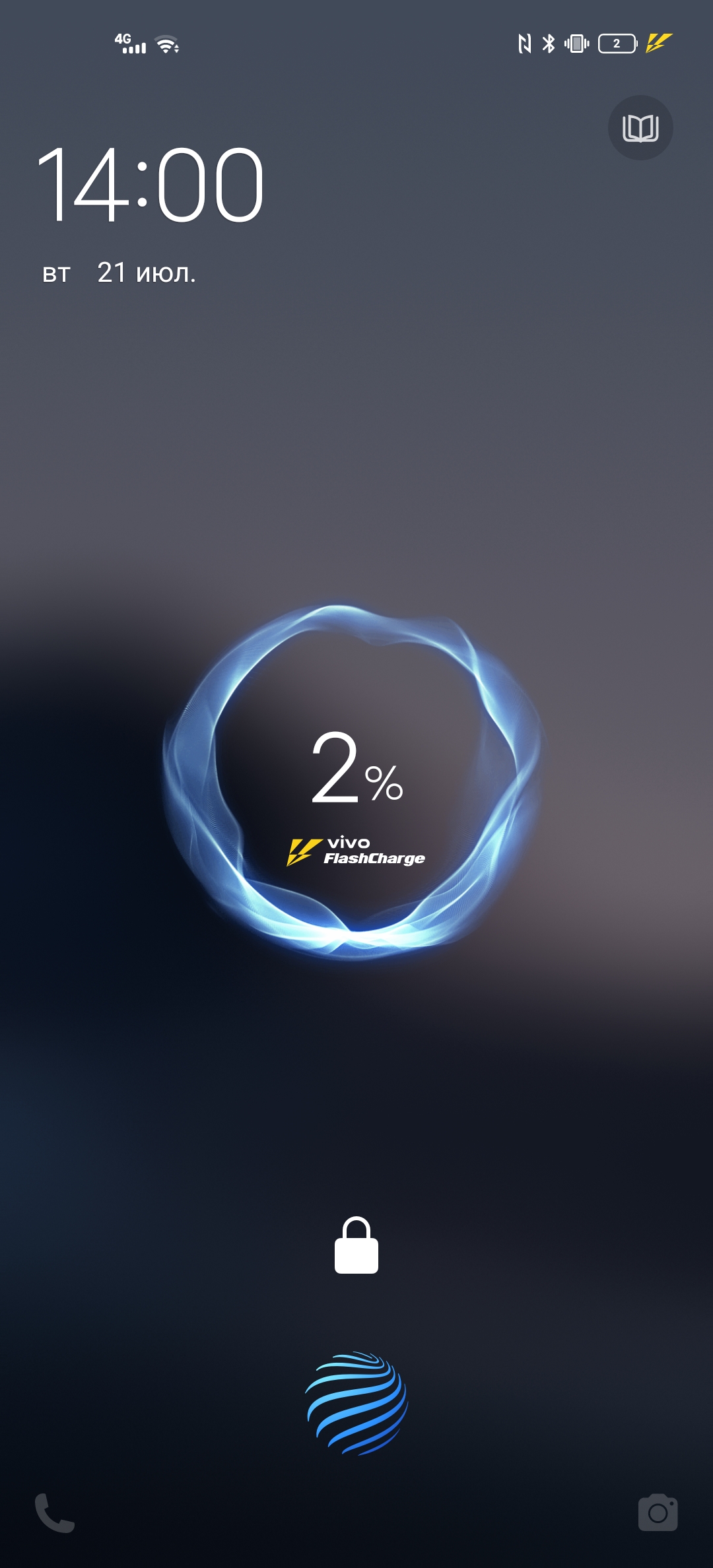
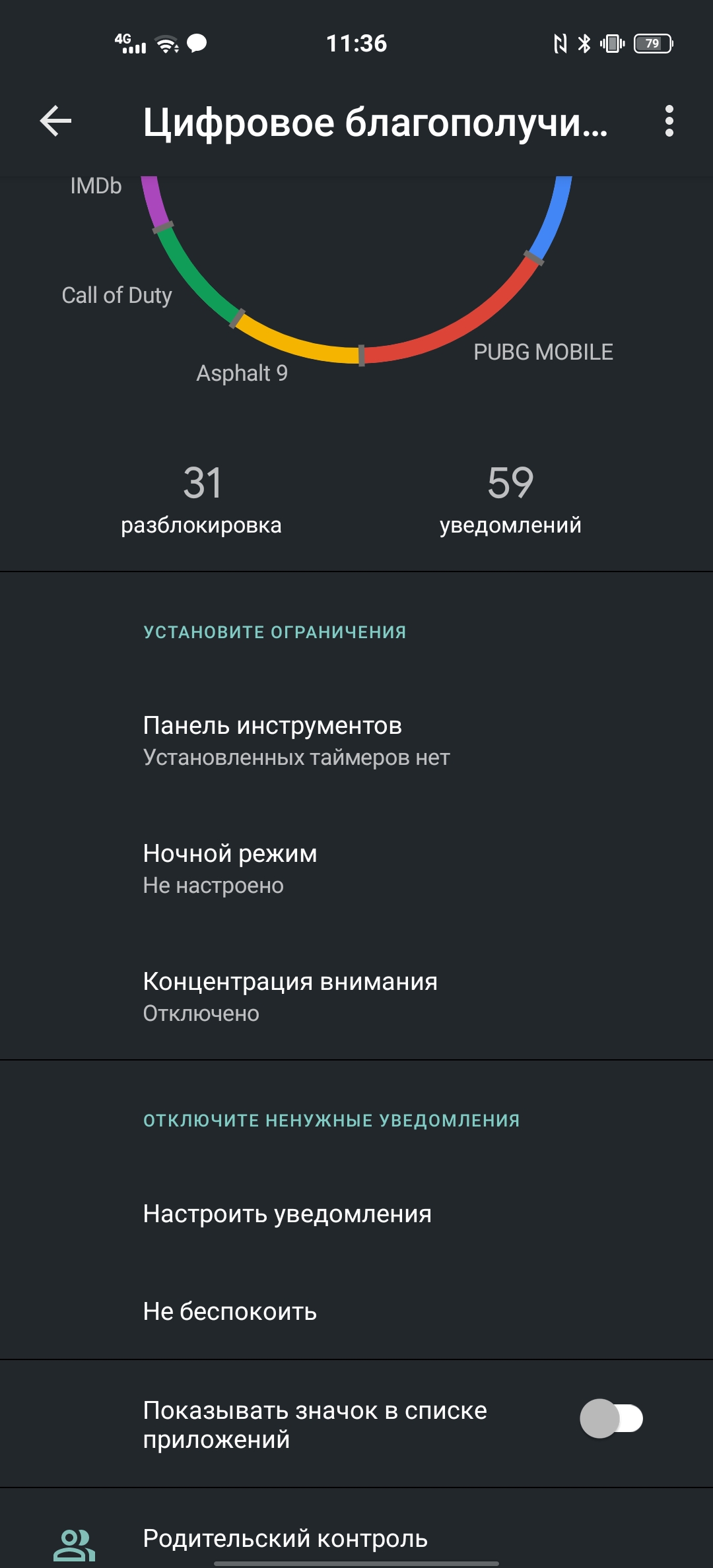
The smartphone is powered by a 4200 mAh battery.This turned out to be quite enough for the smartphone to last 1.5 days on a single charge. According to the mode of use - approximately like this: 15-20 minutes of conversations, about 40 photos, about half an hour of games, social. networks, mail, web surfing and YouTube in large quantities. The smartphone was taken off charge at midnight and the next time put on charge by lunchtime the next day. vivo X50 supports proprietary fast charging FlashCharge 2.0 at 33 W (corresponding power supply included). The company promises 58% in 30 minutes. In reality, the indicators practically correspond to the declared ones. In 15 minutes the battery was charged to 30%, in 30 minutes - 55%, and a full charge took just under 70 minutes. To extend battery life, you can use energy saving modes.
</ img>

</ img>
</ img>
</ img>



What about the interface?

</ img>
</ img>


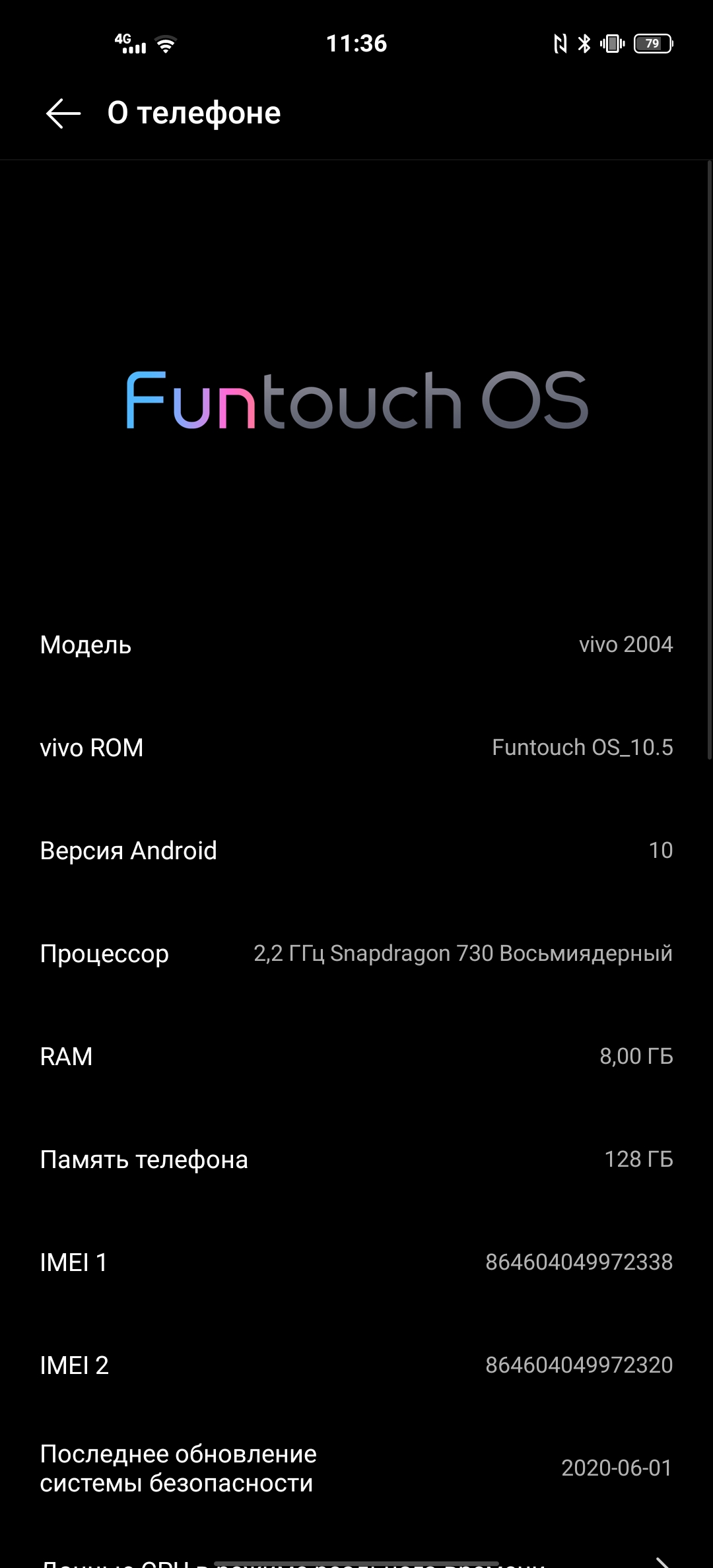
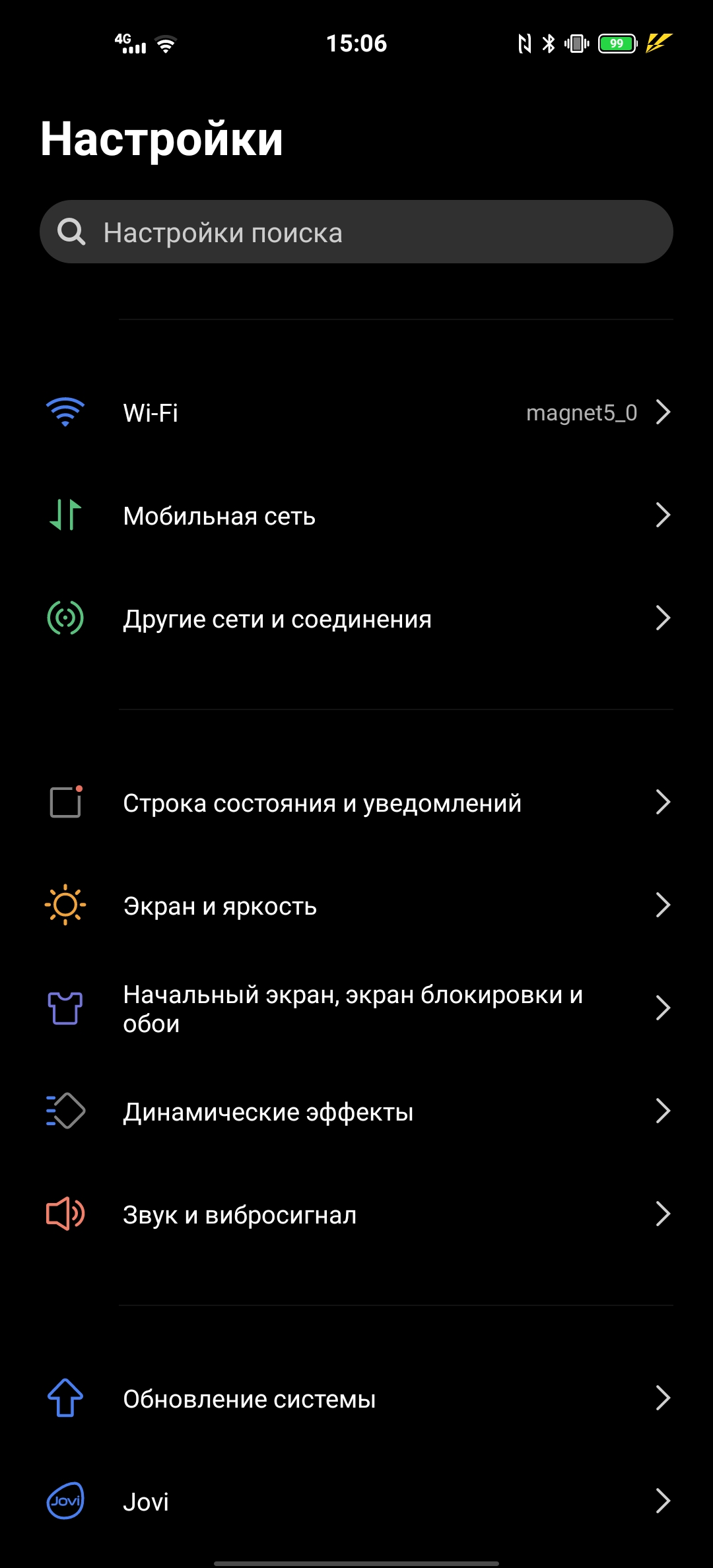
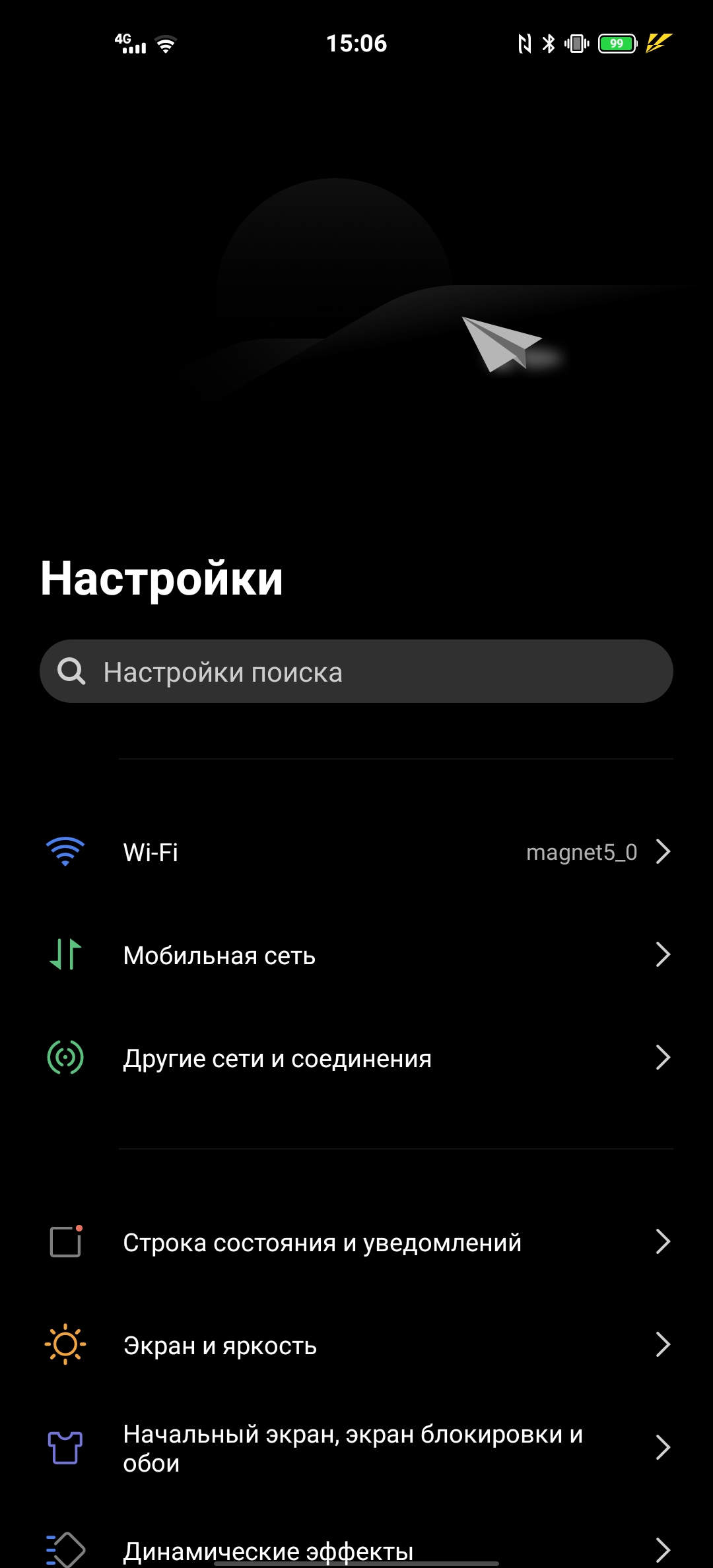
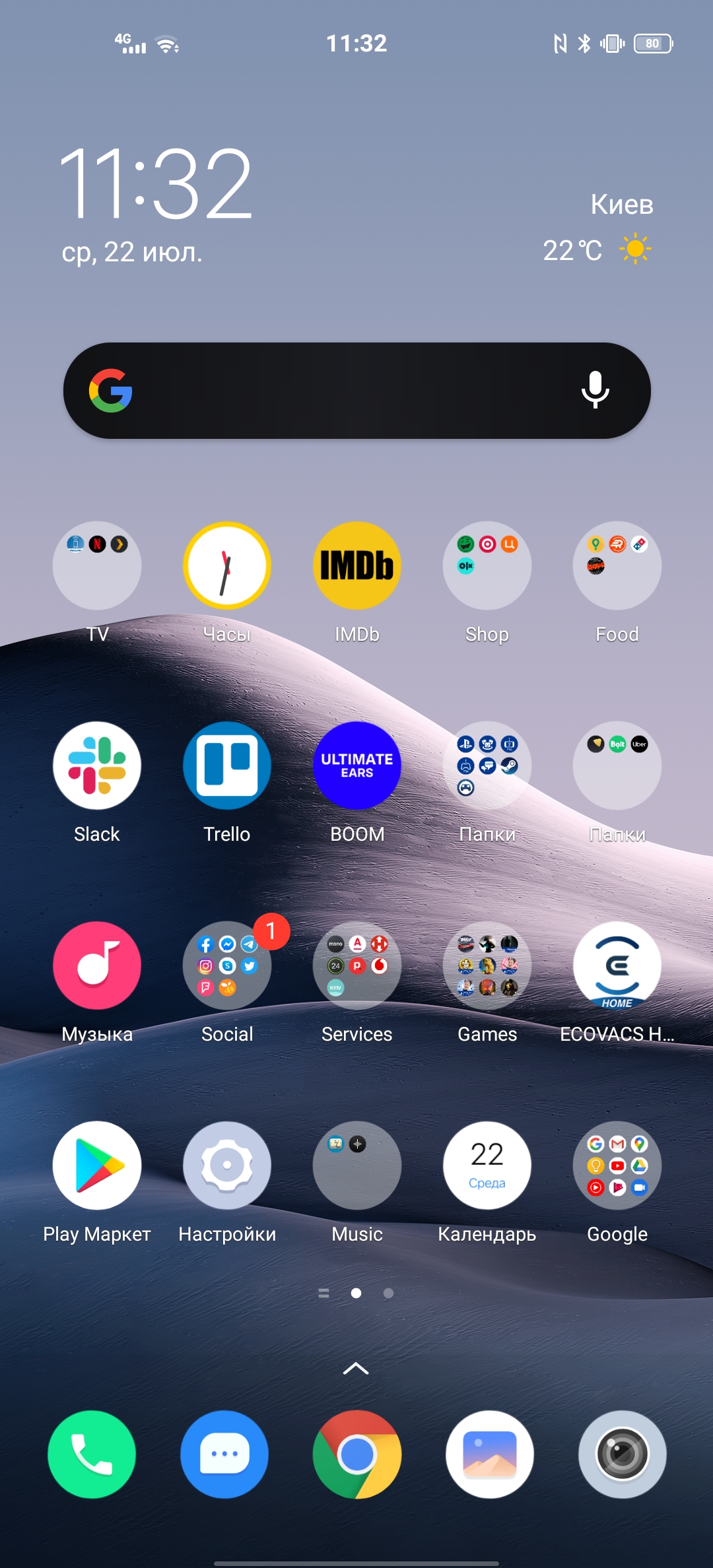
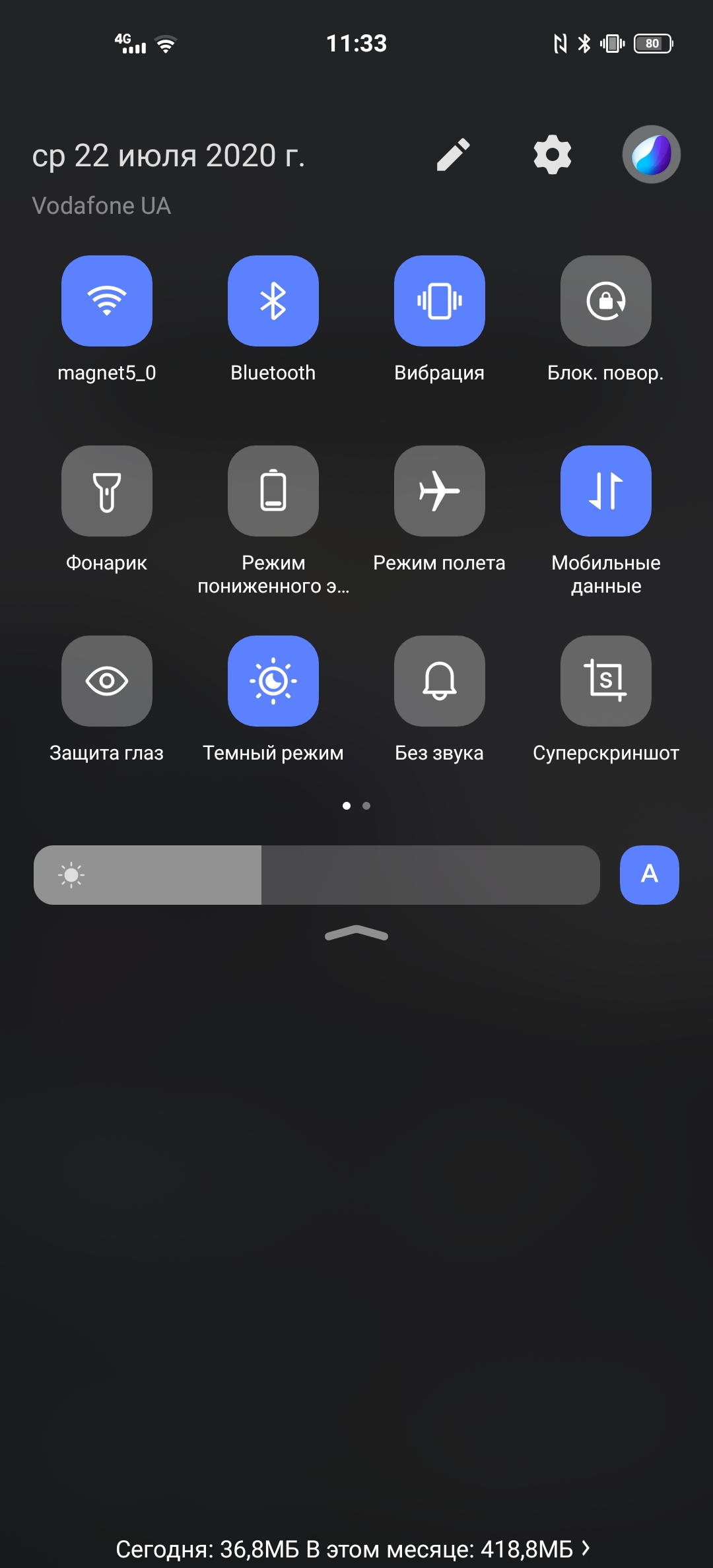
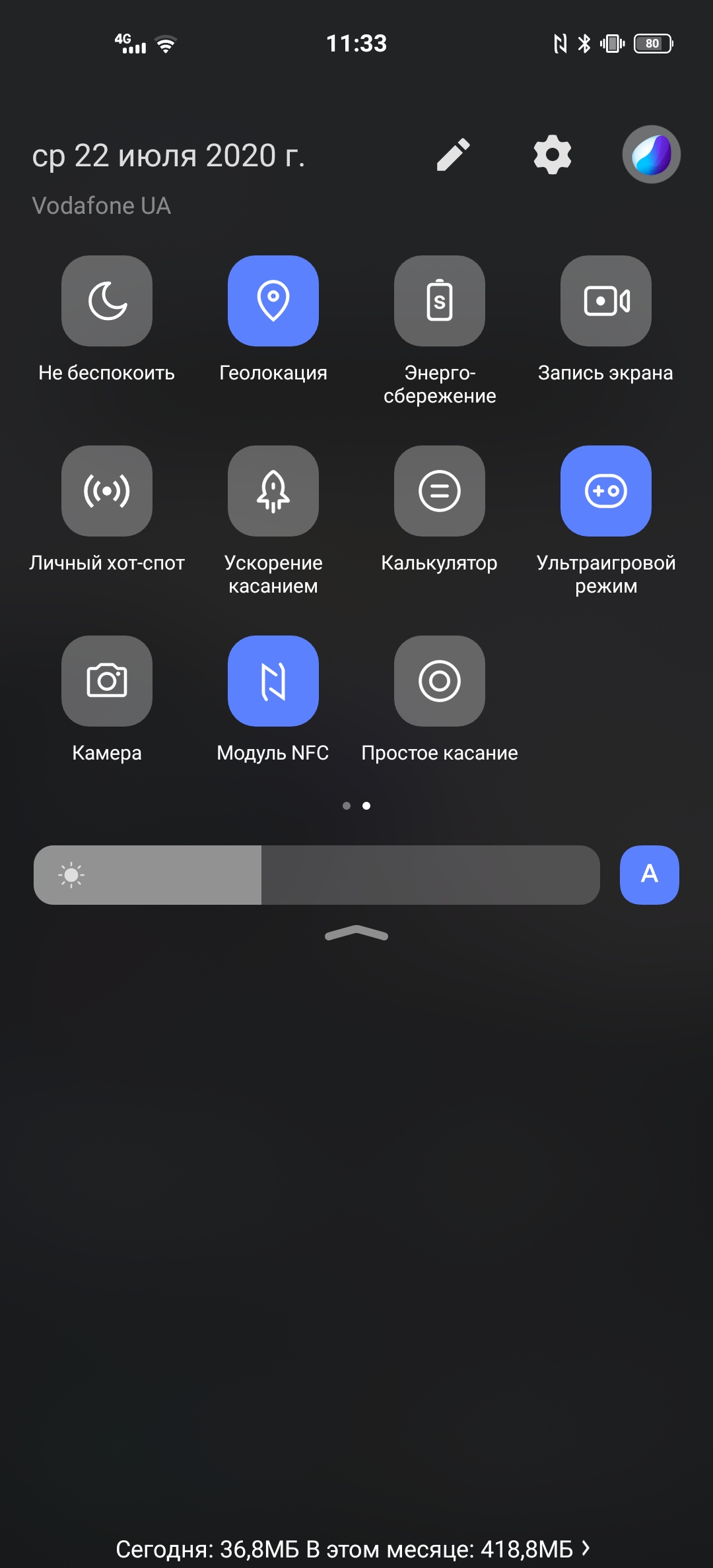
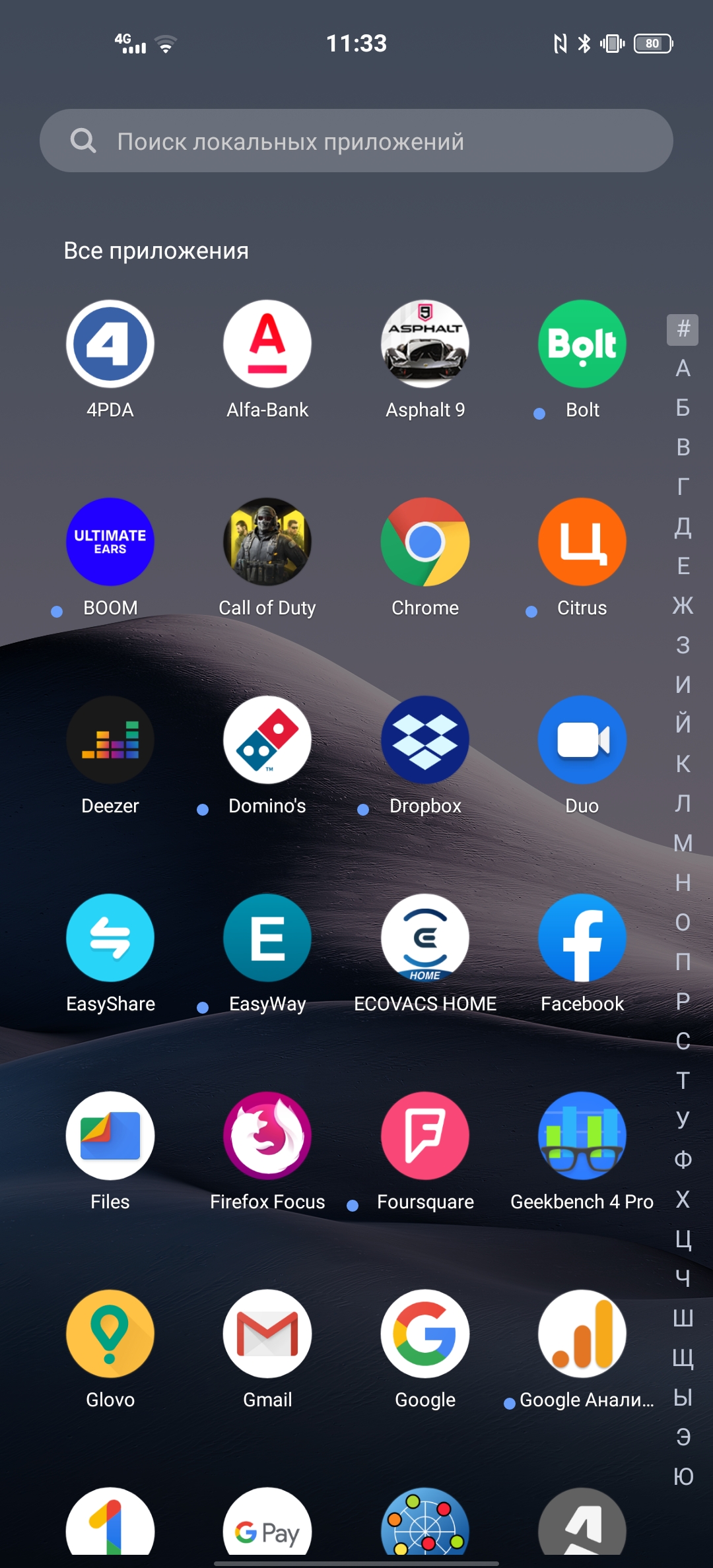
vivo X50 runs on Android 10 OS with proprietaryshell Funtouch OS 10.5. There are enough changes compared to version 9 and quite significant. At one time, we got to know Funtouch 9 in detail, which was based on Android 9 Pie. Funtouch OS 10.5 uses Android 10. The shell has become, in its logic, much closer to stock Android: there is an option to organize a workspace with desktops and a separate application menu (previously there were only desktops). But, more importantly, they removed one feature that really bugged me when using vivo smartphones. The lower curtain with switches and “quick actions” has been removed. Now both toggles and notifications are in the top curtain, as we are all used to.
</ img>
</ img>
</ img>

</ img>
</ img>
</ img>
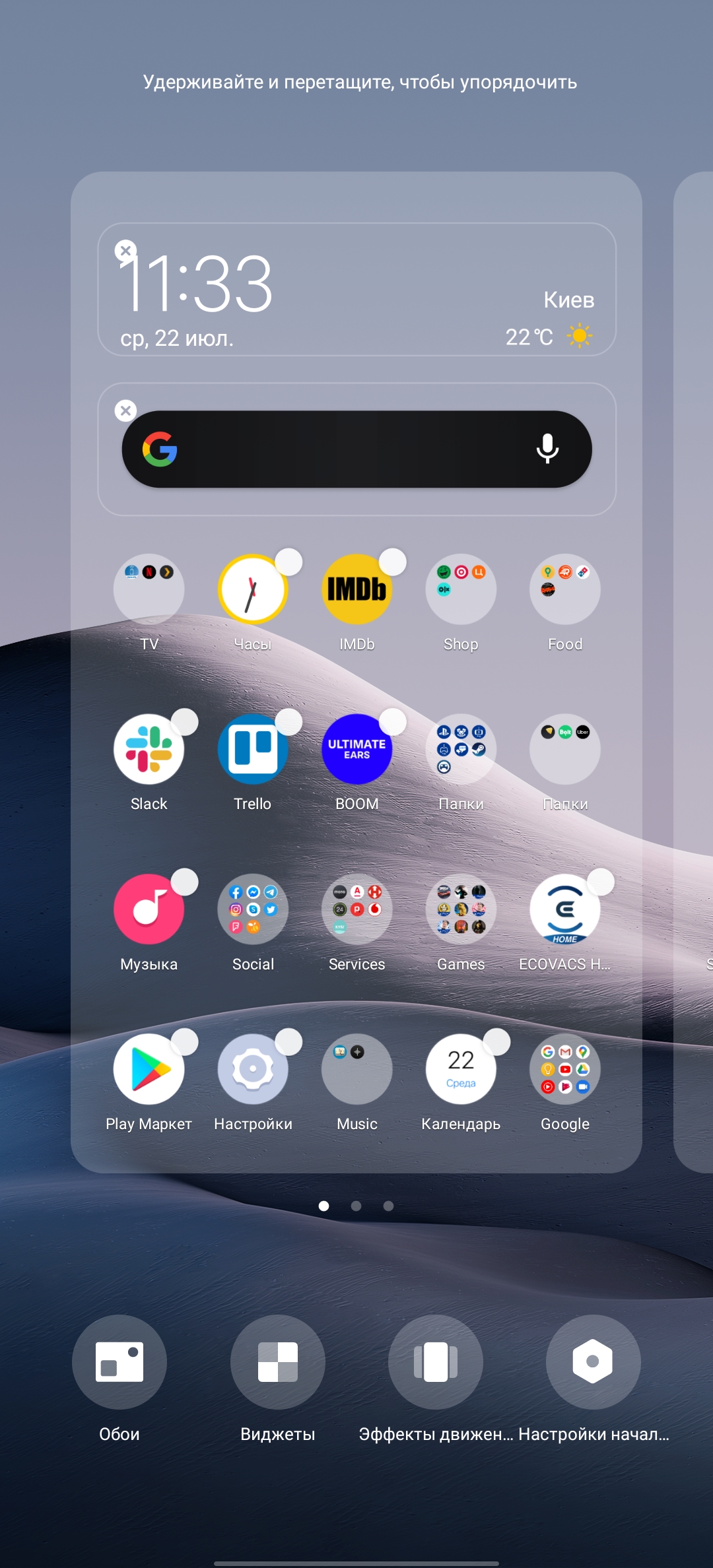
</ img>
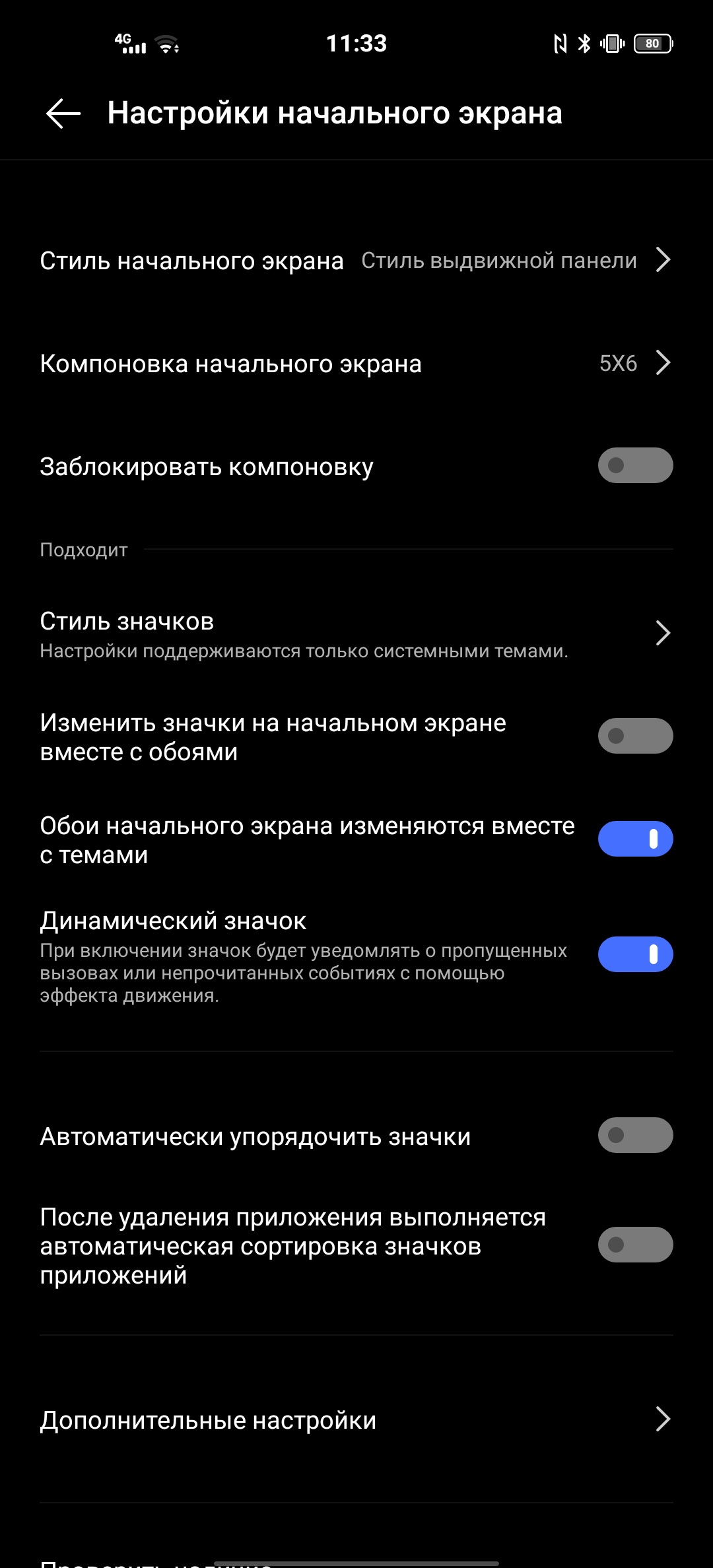
</ img>
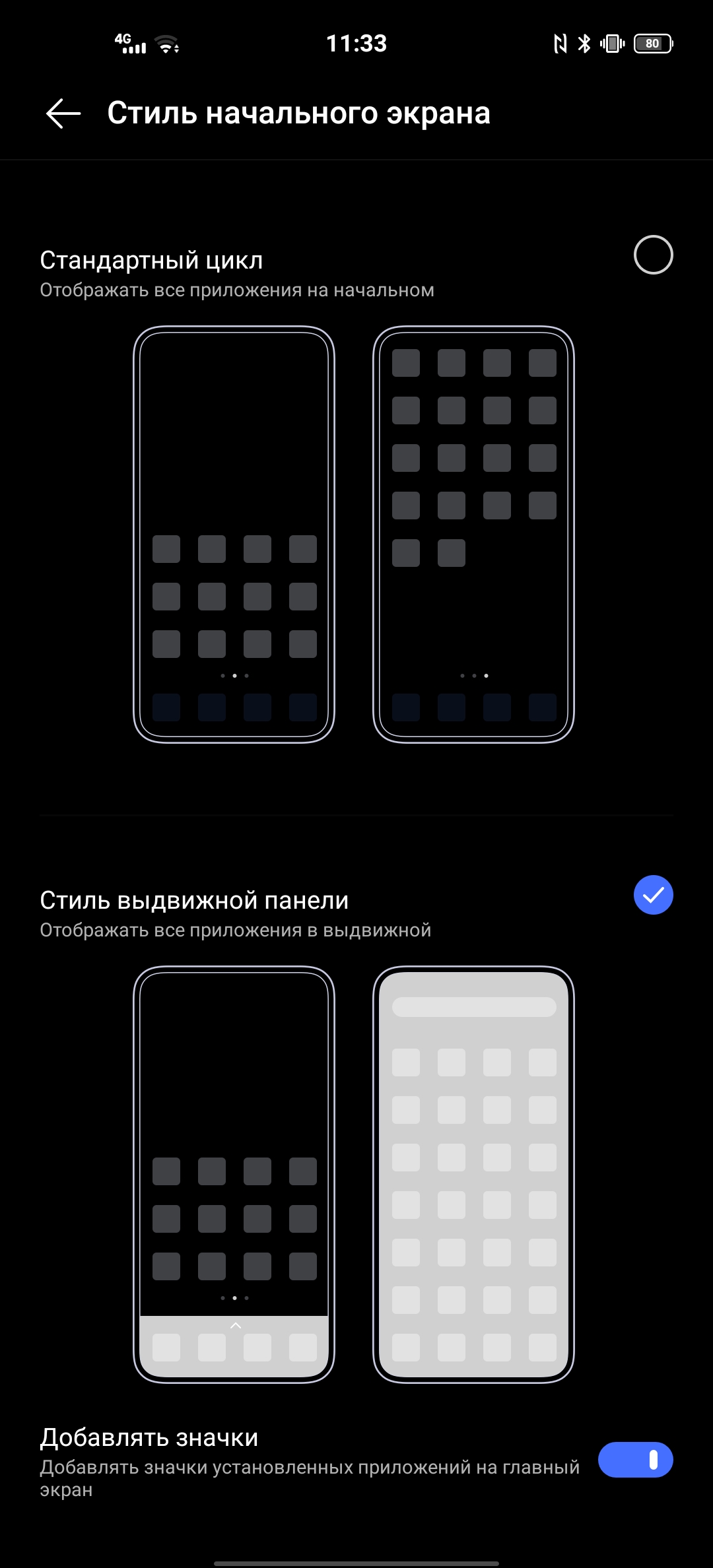
</ img>
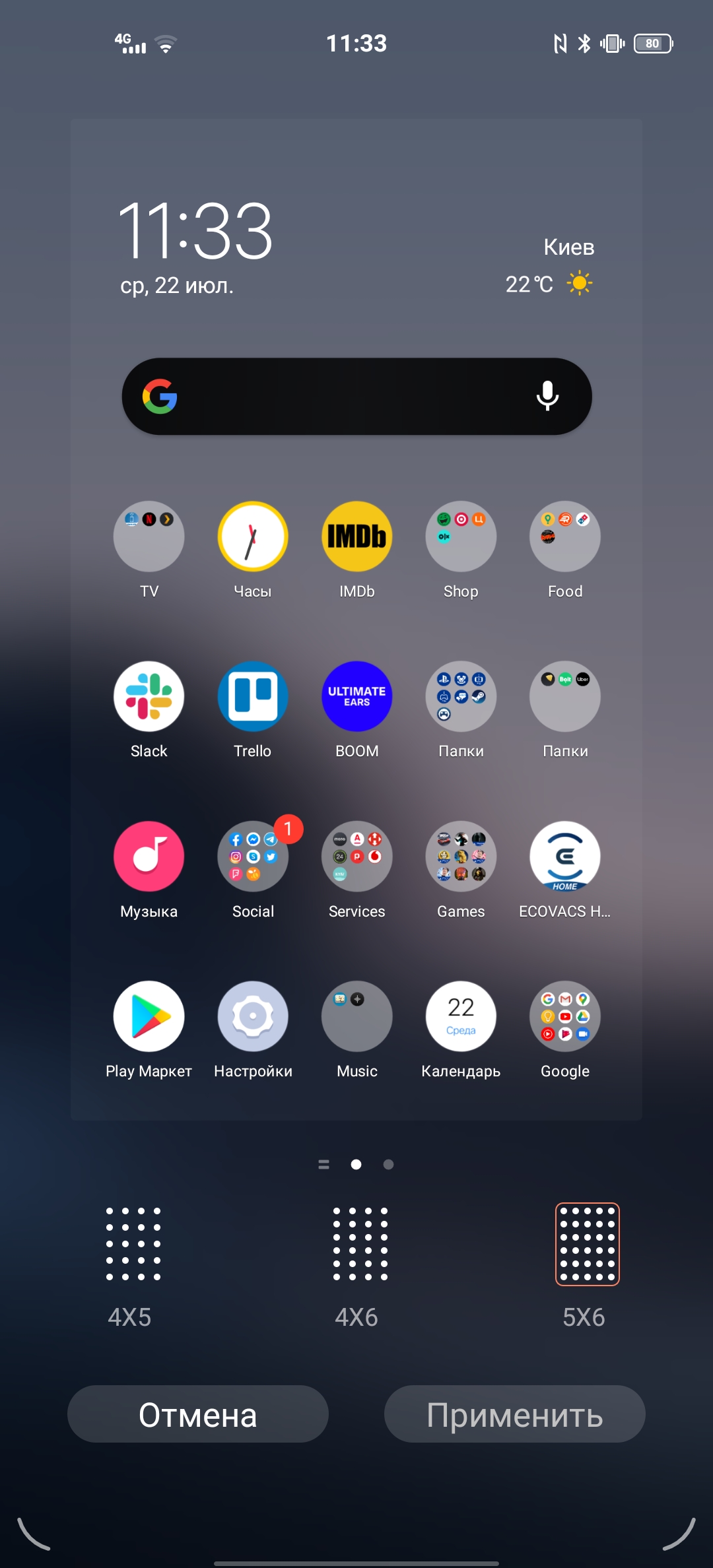
</ img>
</ img>











The shell provides two navigation optionsby system: a panel with buttons and gestures that have already become familiar. Of the interesting additional features - there is a quick launch bar for applications. It is launched if you hold your finger while gesturing from the side edge of the screen. The set of applications can be customized.

</ img>

</ img>

</ img>

</ img>

</ img>




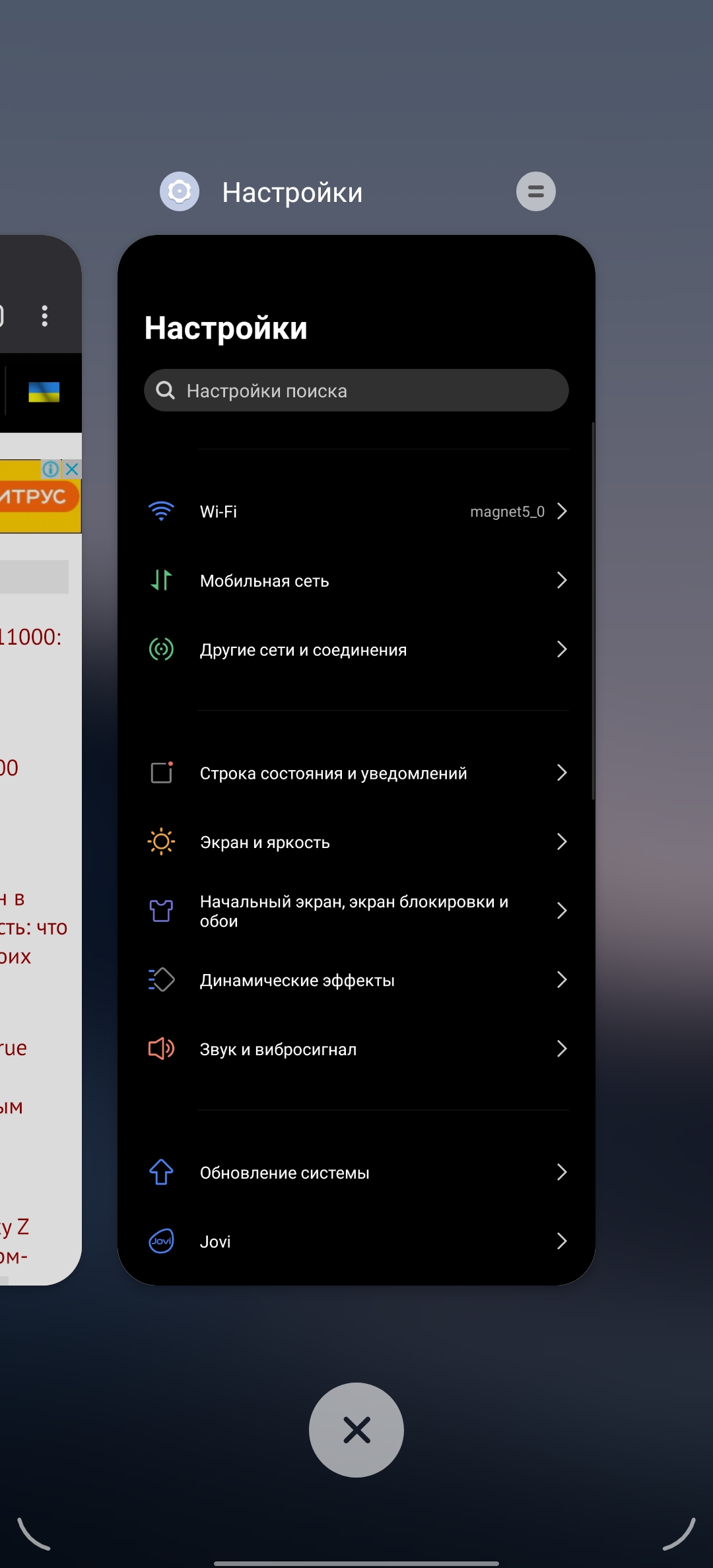
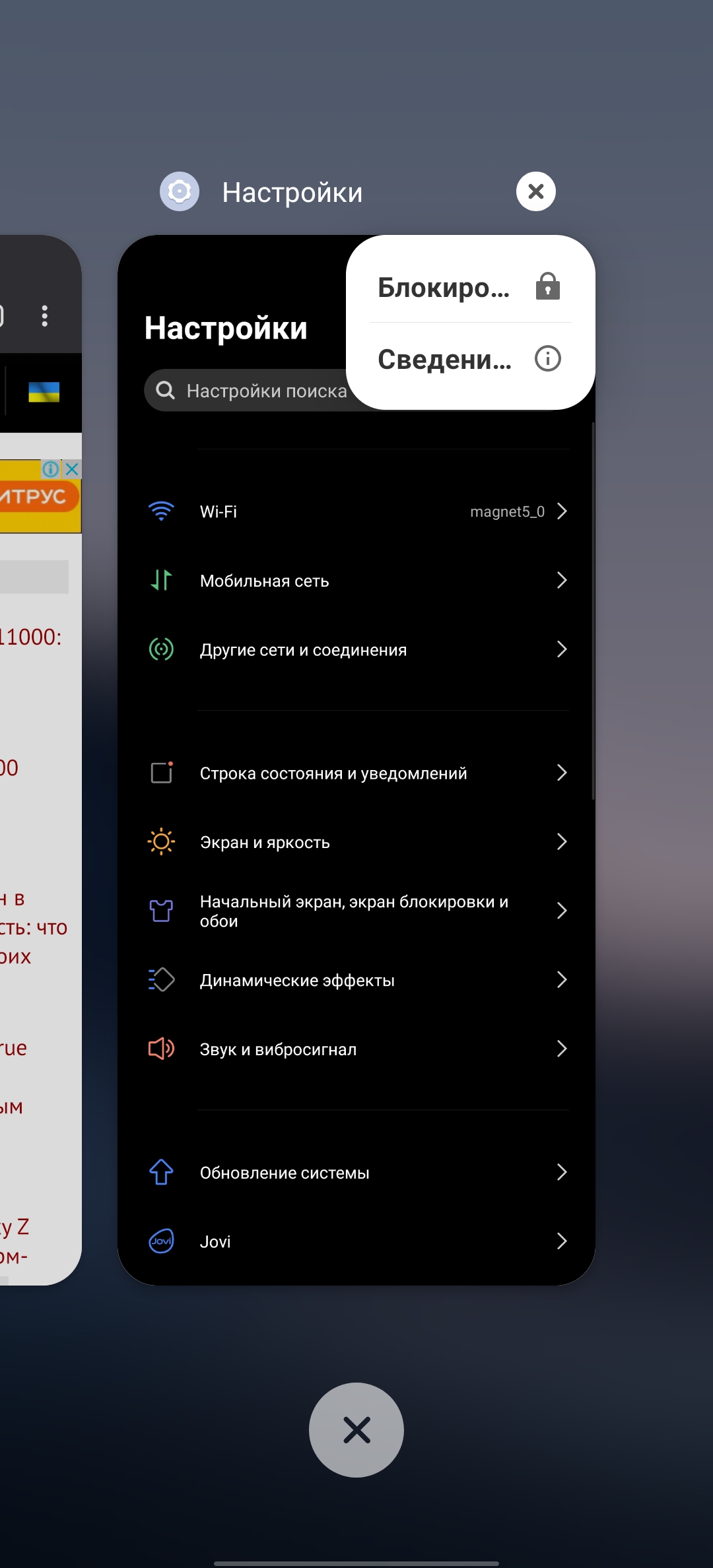
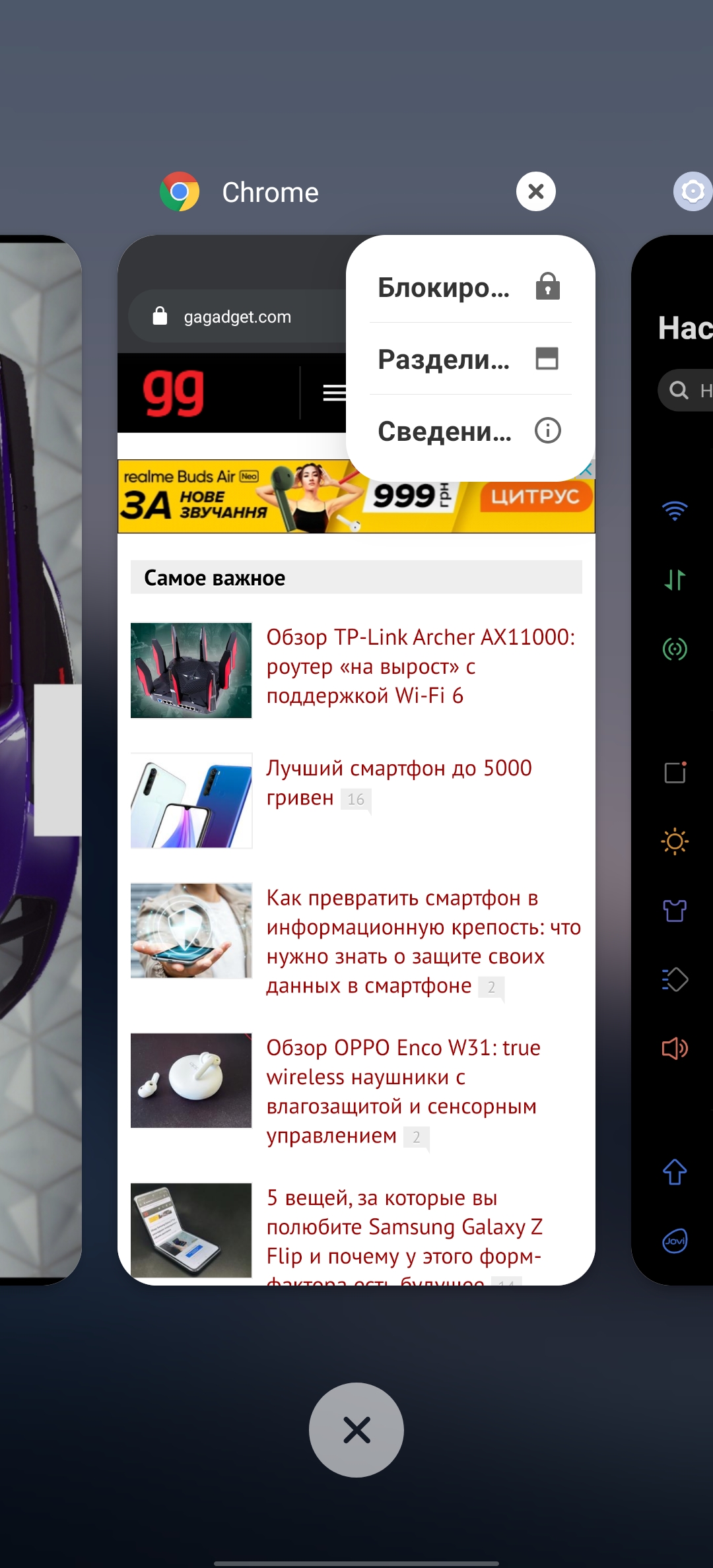
Application manager and split screen mode are implemented as standard:
</ img>
</ img>
</ img>

</ img>

</ img>





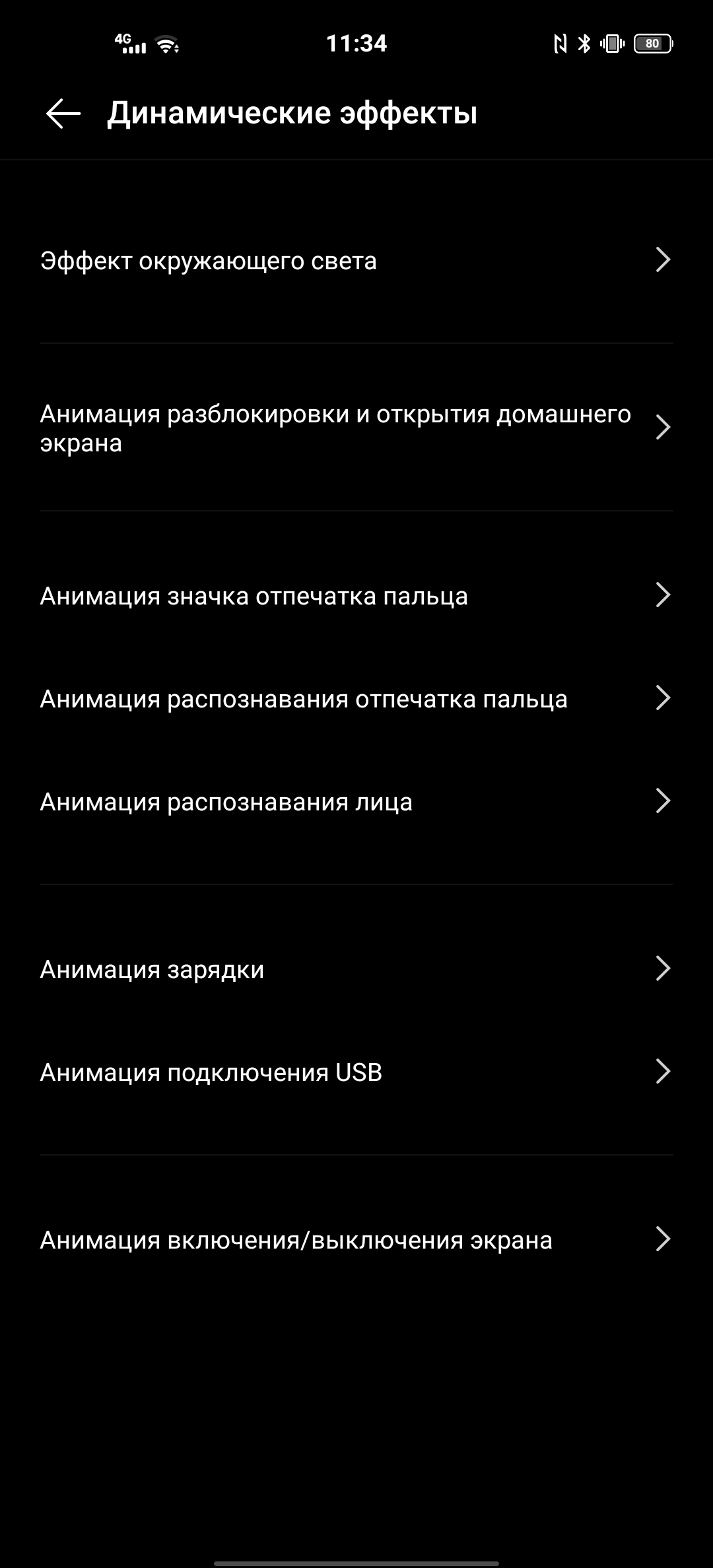
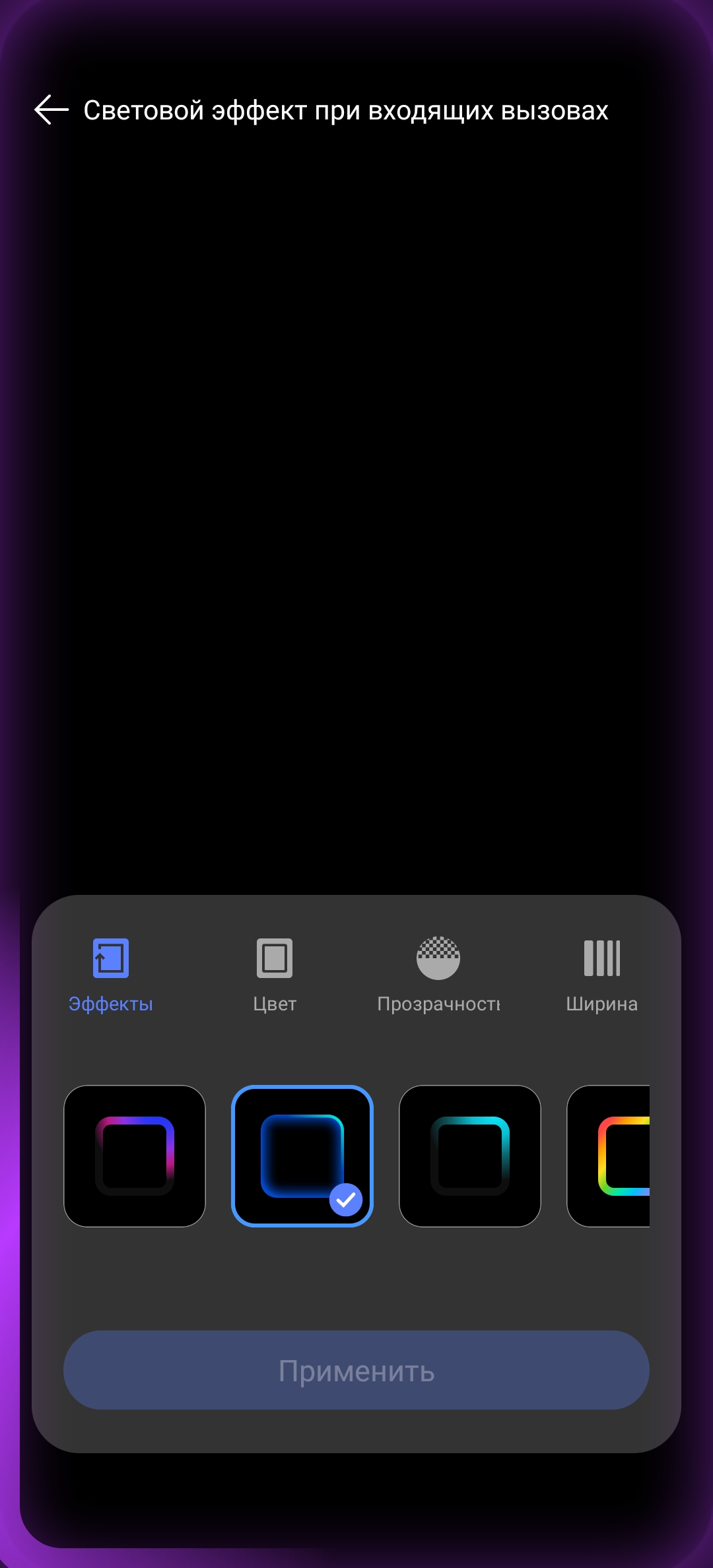
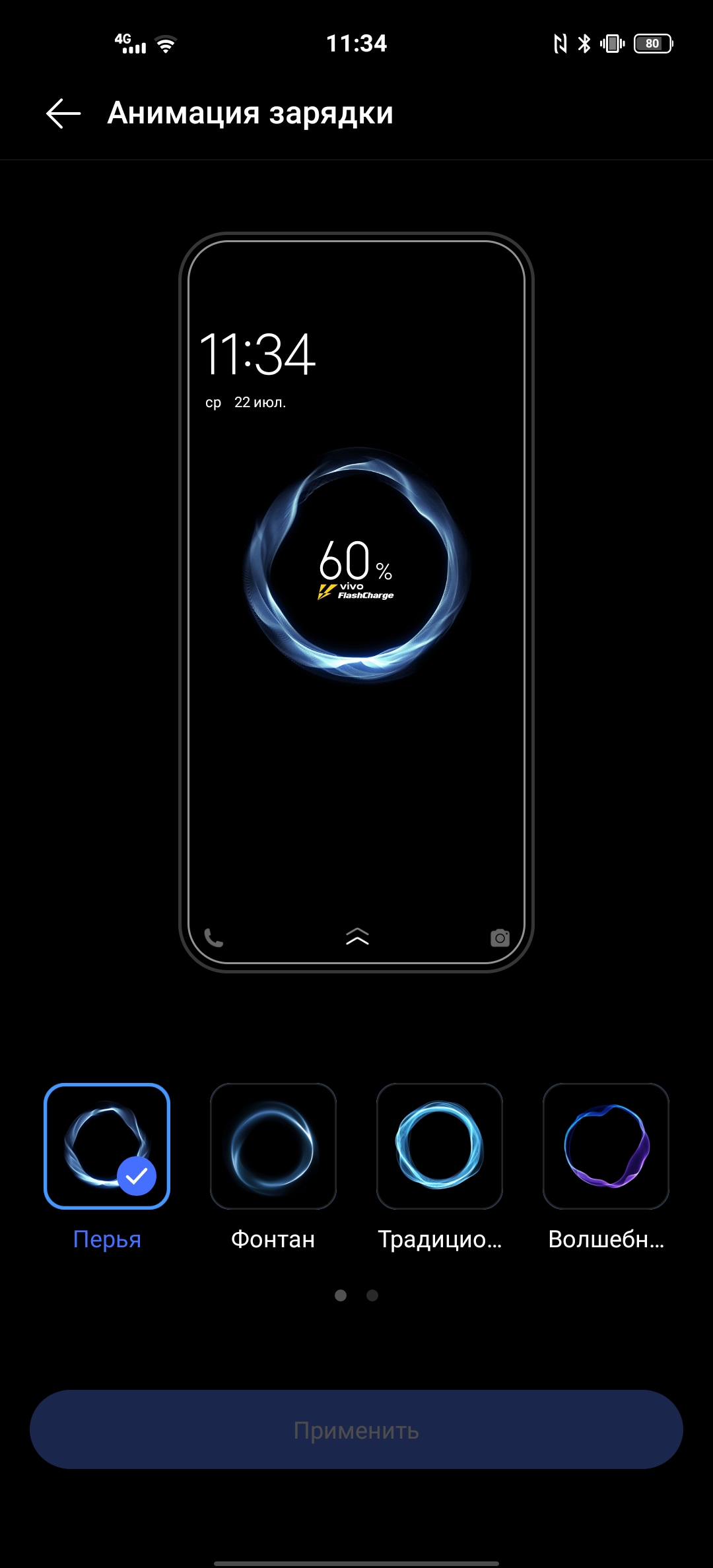
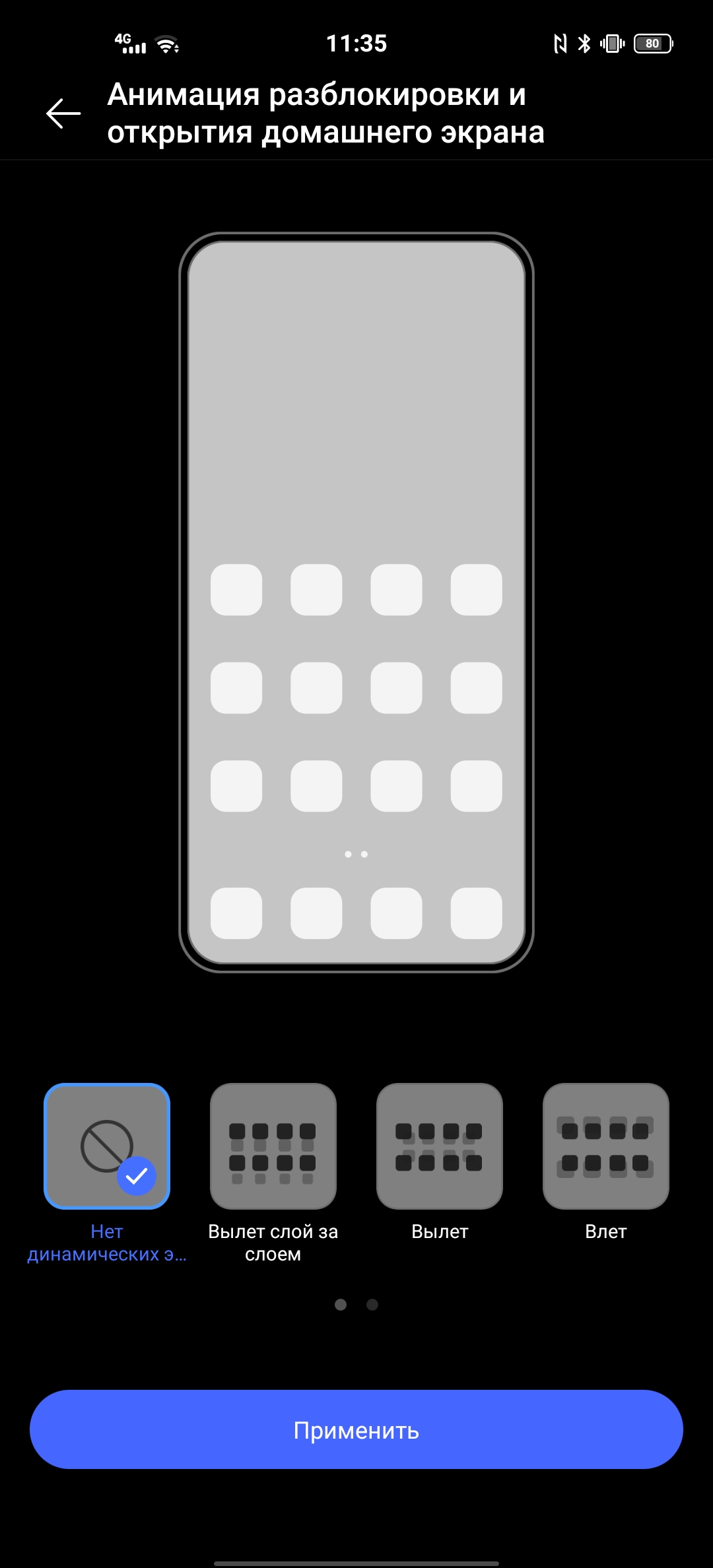
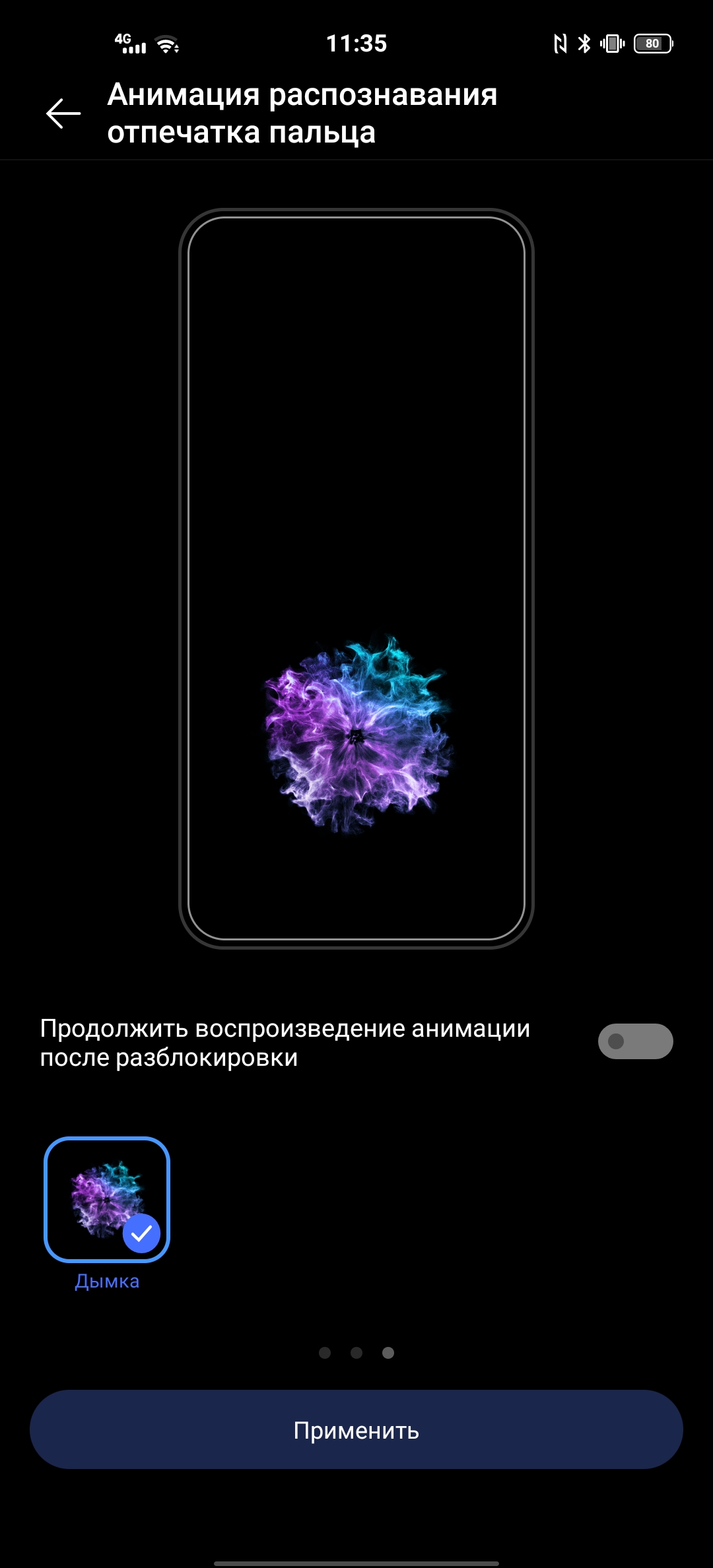
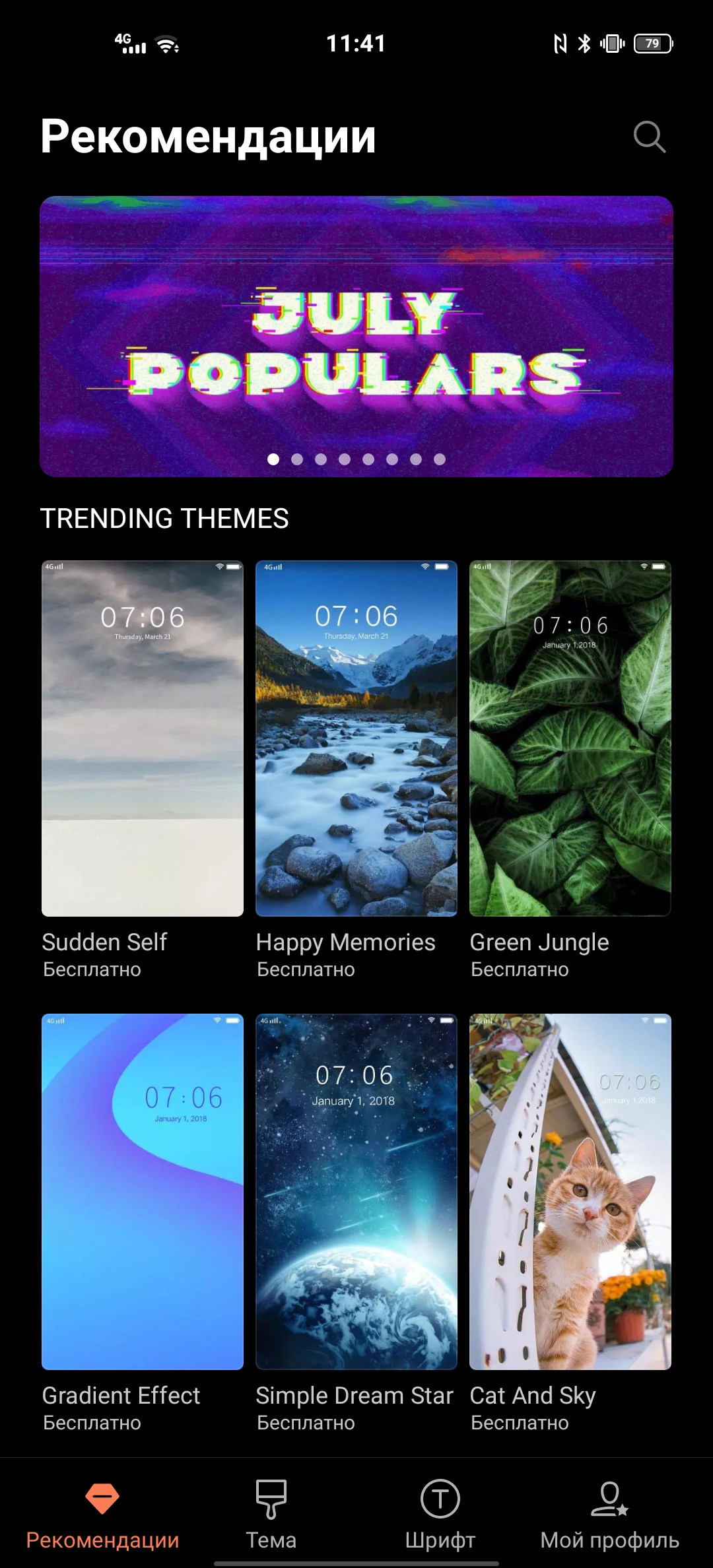
vivo believes that appearance is also very important,accordingly, the shell has an impressive amount of possibilities for visual customization. In addition to the standard themes, wallpapers and fonts, you can customize various animations. Including animation of the fingerprint scanner, unlocking the smartphone and lighting around the screen when receiving calls or notifications.
</ img>

</ img>
</ img>
</ img>
</ img>
</ img>
</ img>





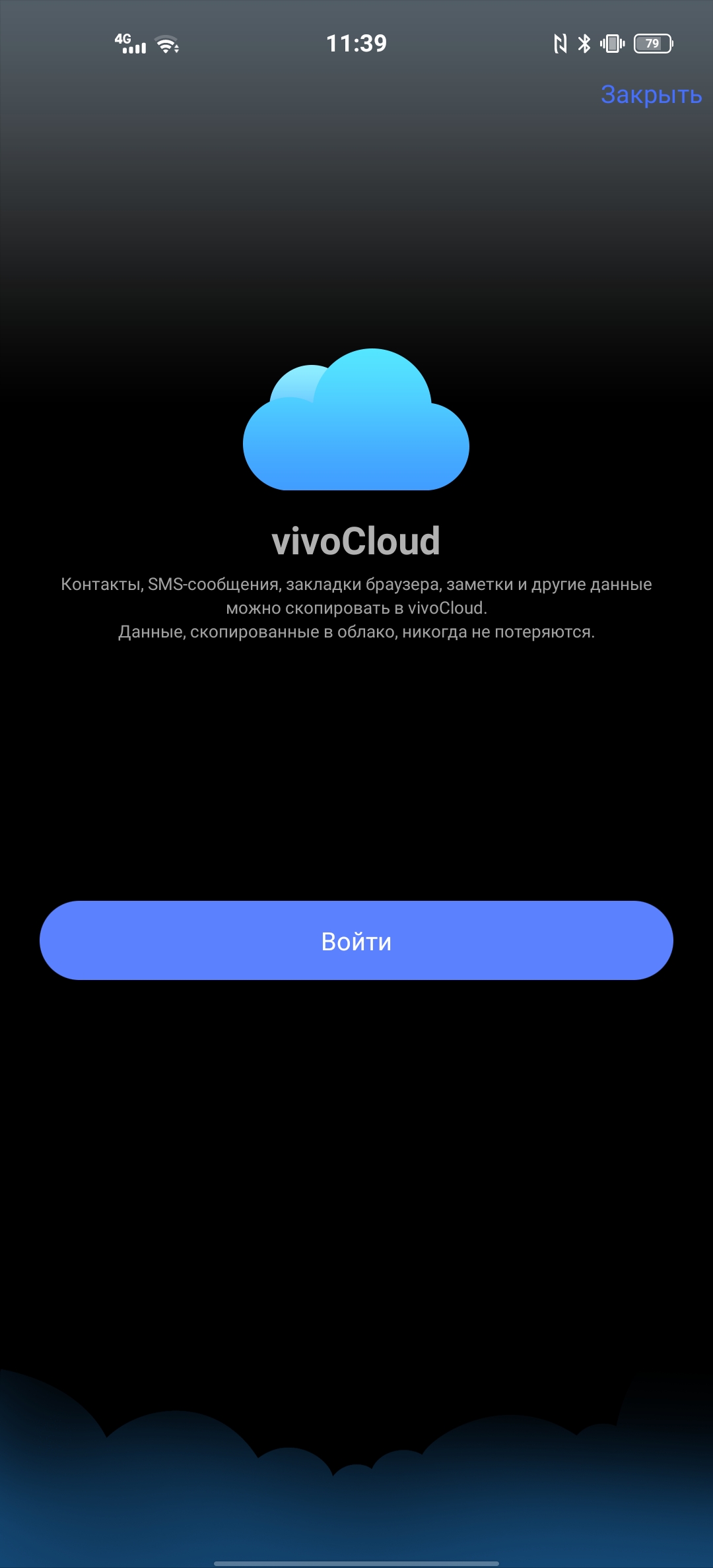
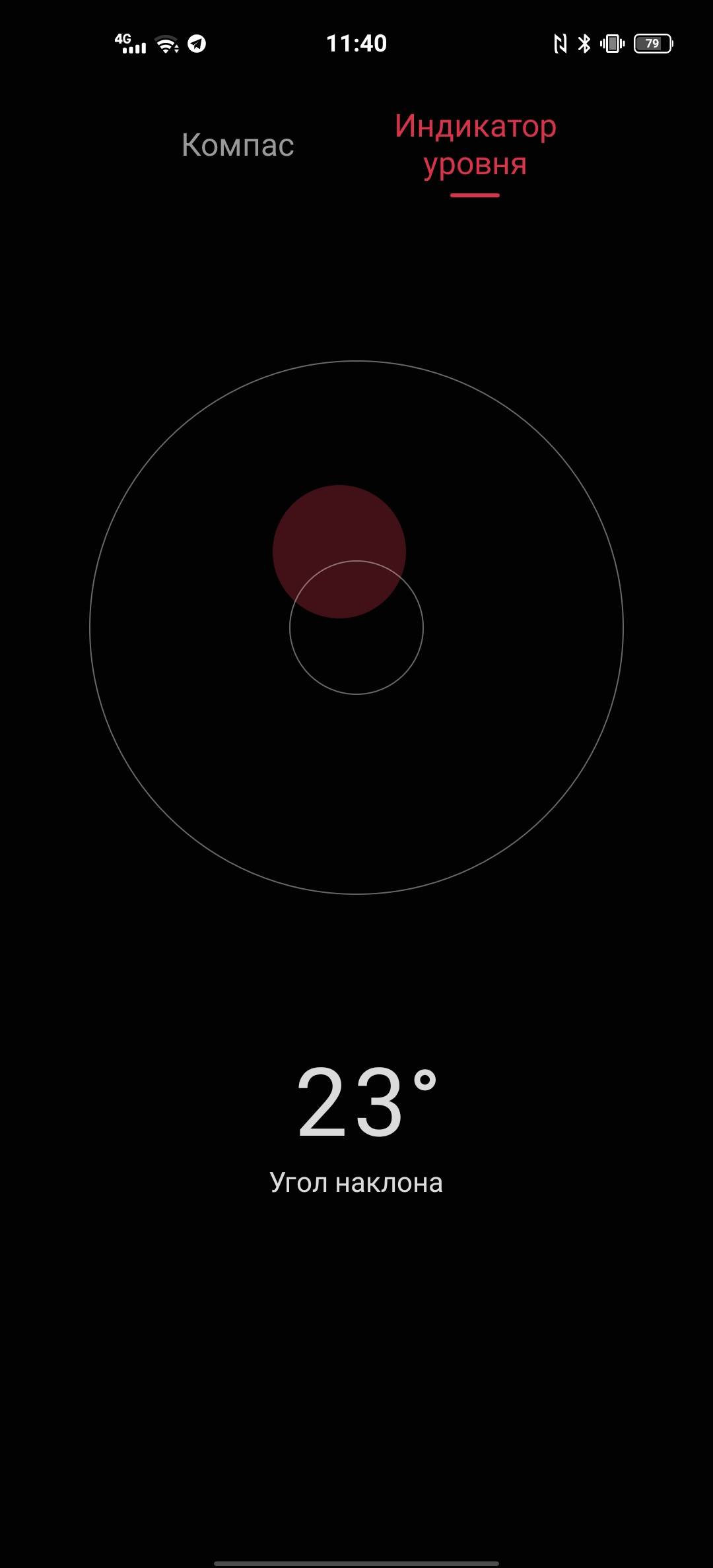
There is preinstalled software, but not much of it. In addition to standard calculators, there is a voice recorder, a smartphone manager (memory cleaning, data transfer control, and so on), vivoCloud, notes, kids mode, and vivo app. It is a kind of mobile version of the site with product information, manuals and the ability to register a smartphone online and track the warranty on it:

</ img>

</ img>
</ img>

</ img>

</ img>

</ img>

</ img>
</ img>




How good are the cameras?
</ img>
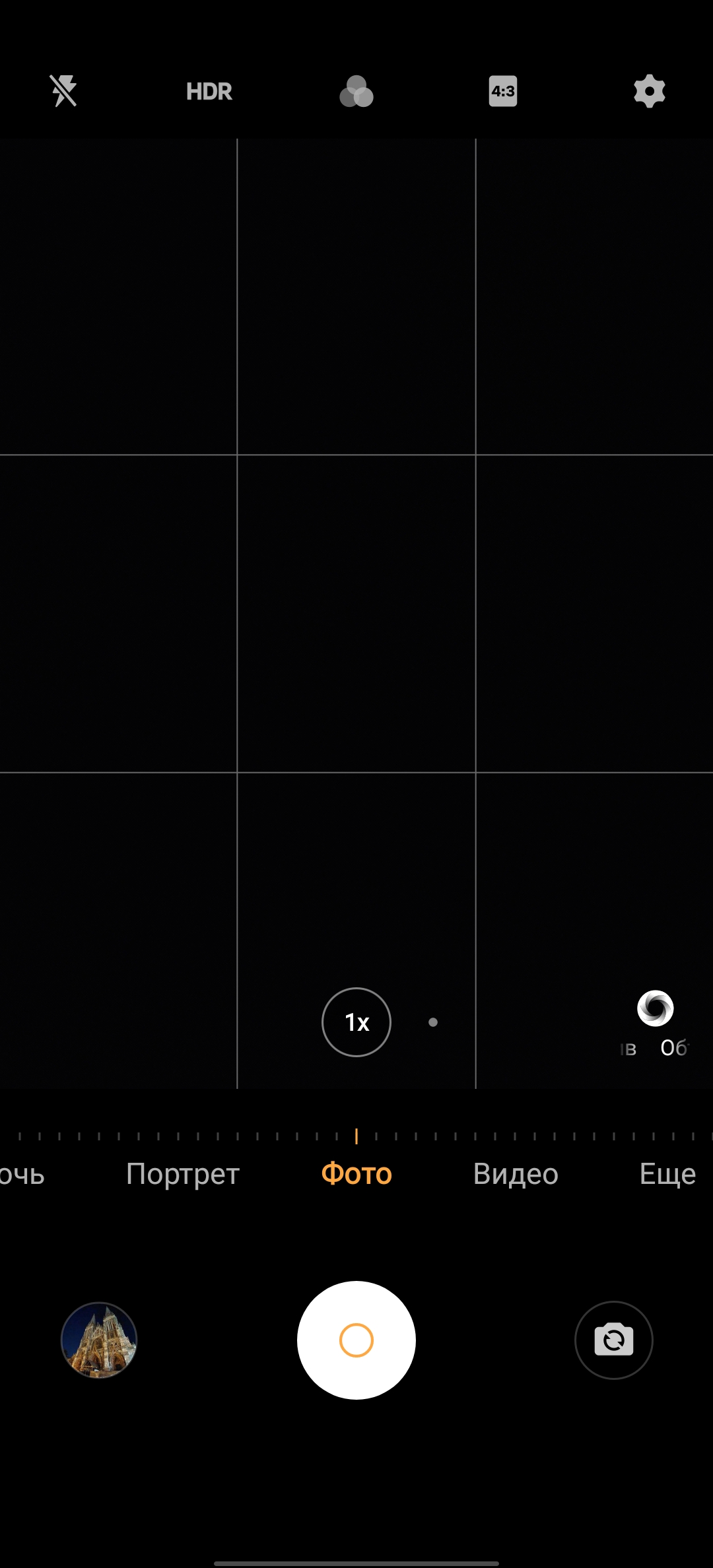
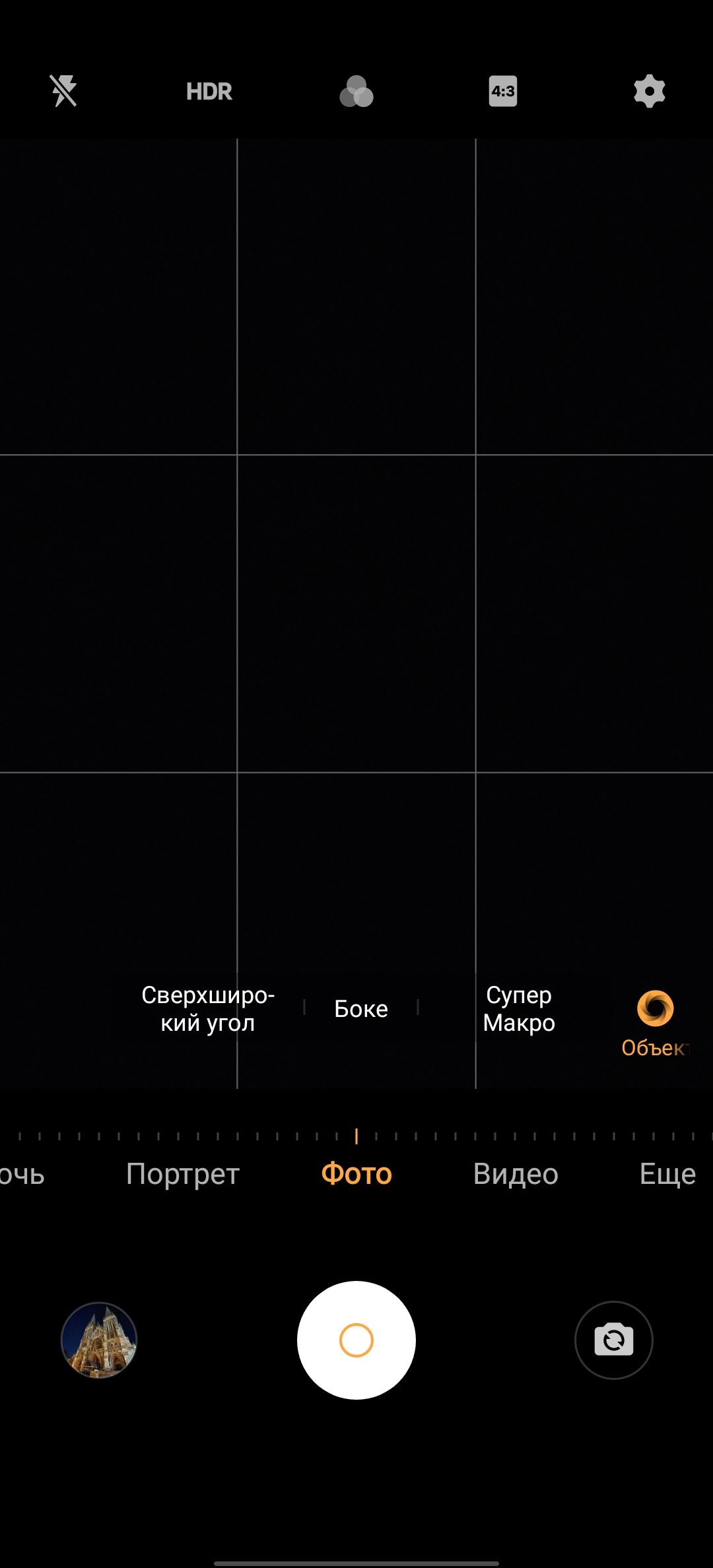
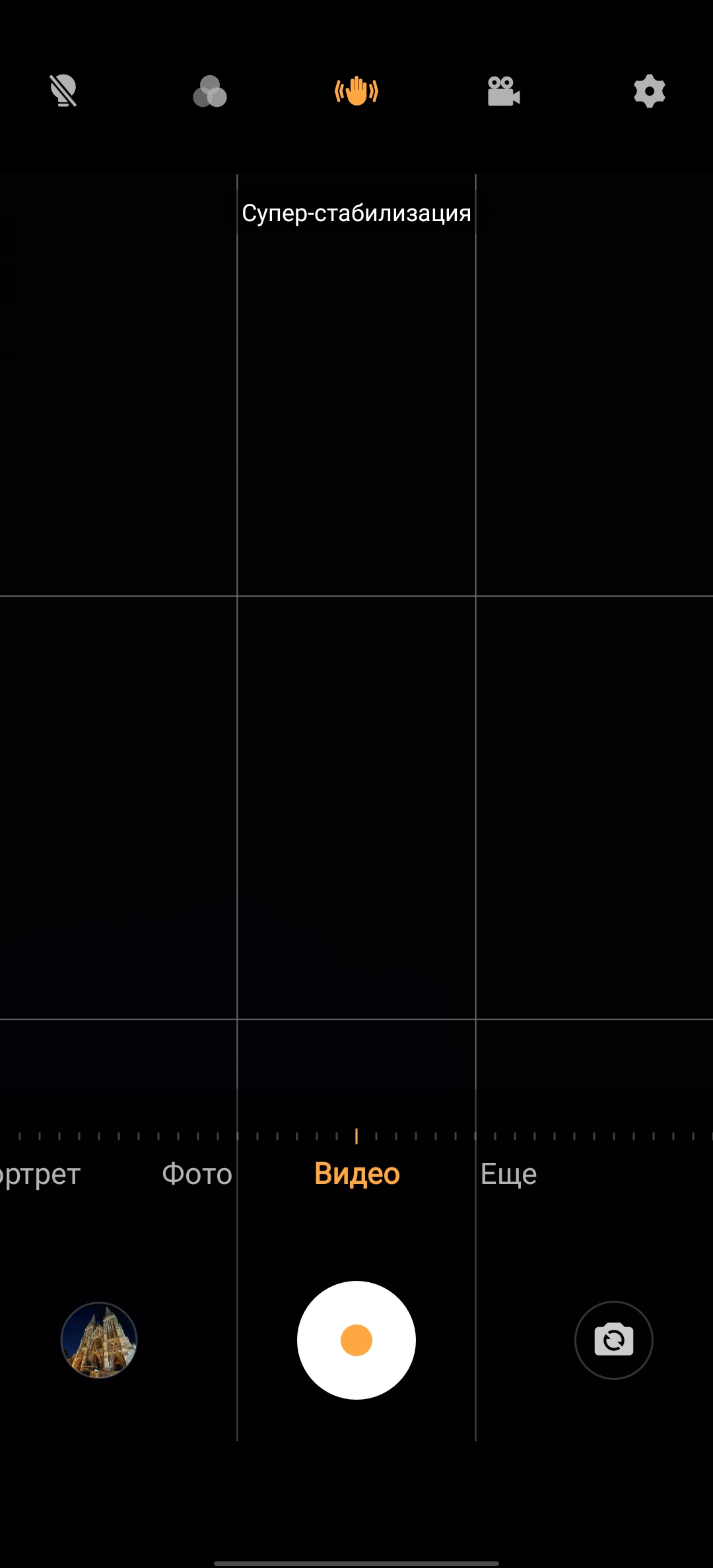
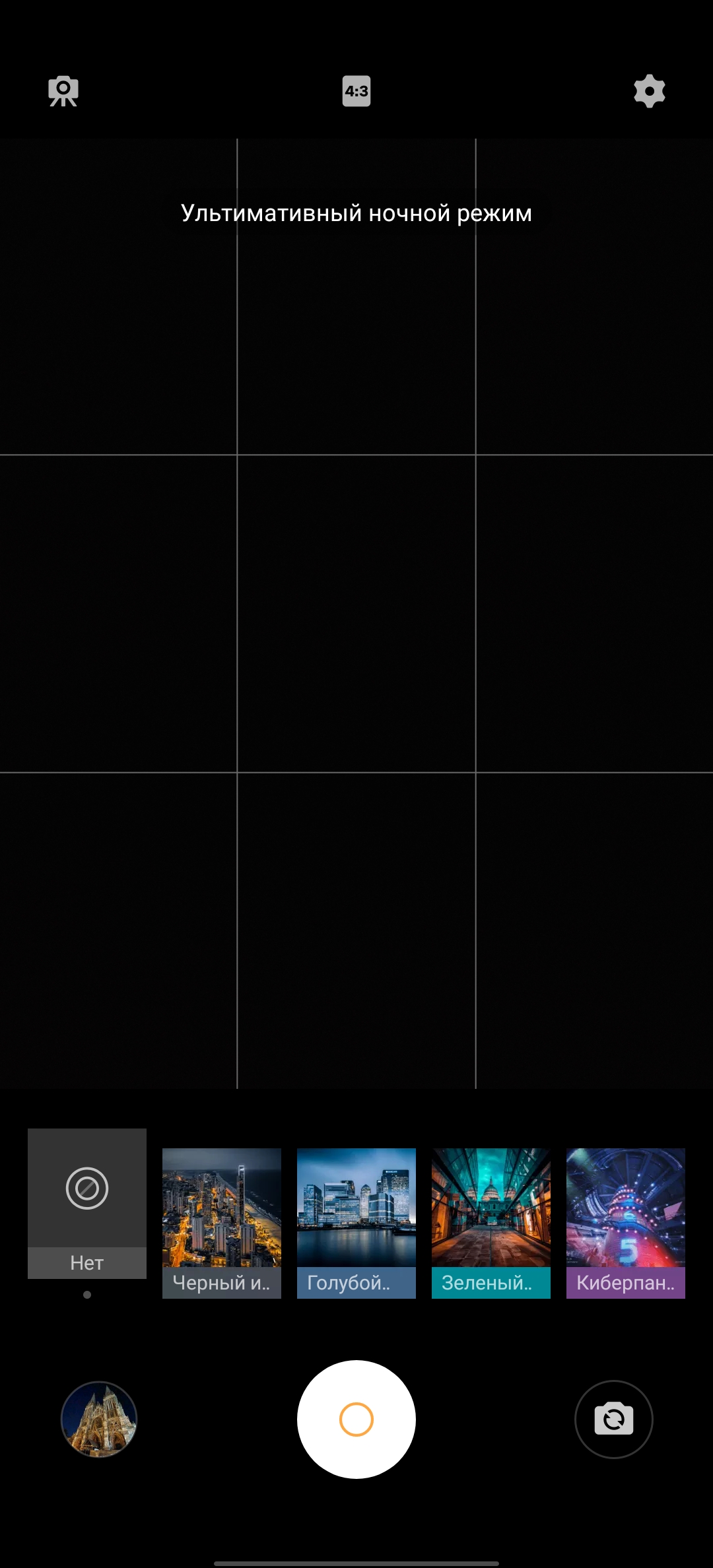
A set of cameras in “regular” Vivo X50 is notas interesting as the Pro version, but also quite good. The main module is 48 MP with f/1.6 aperture, phase detection autofocus and optical stabilization. The second module is a 13 MP portrait camera with f/2.46 aperture, 2x zoom and phase detection autofocus. The ultra-wide-angle camera has an 8MP resolution, 120˚ field of view, f/2.2 aperture and also has autofocus. The last module raises some questions. This is a marking camera. As stated on the official website, its resolution is 5 MP, but the resolution of photos is 2 MP. The aperture is f/2.48, there is no autofocus, the camera is designed to shoot objects at a distance of 1.5 cm. The first question is that with such characteristics the camera has an extremely limited scope. And the second - the camera has two macro modes: for the above-mentioned camera called “fix. macro” and a separate “super macro”. The latter is implemented (apparently) due to the width and has autofocus. Yes, the minimum focusing distance is no longer 1.5 cm, but otherwise this mode is much more functional. Front camera: 32 MP f/2.45. The camera app is generally user-friendly and intuitive. Modes are switched with horizontal movements; the main screen has settings for flash, filters, going to settings and HDR. The only thing that was a little confusing was the camera switch: there are only 2x next to the shutter button. And the wide-angle camera is activated in the pop-up menu if you press the “lens” button. The aforementioned super macro and bokeh are also located there. At the same time, there is a separate portrait mode.
</ img>

</ img>
</ img>
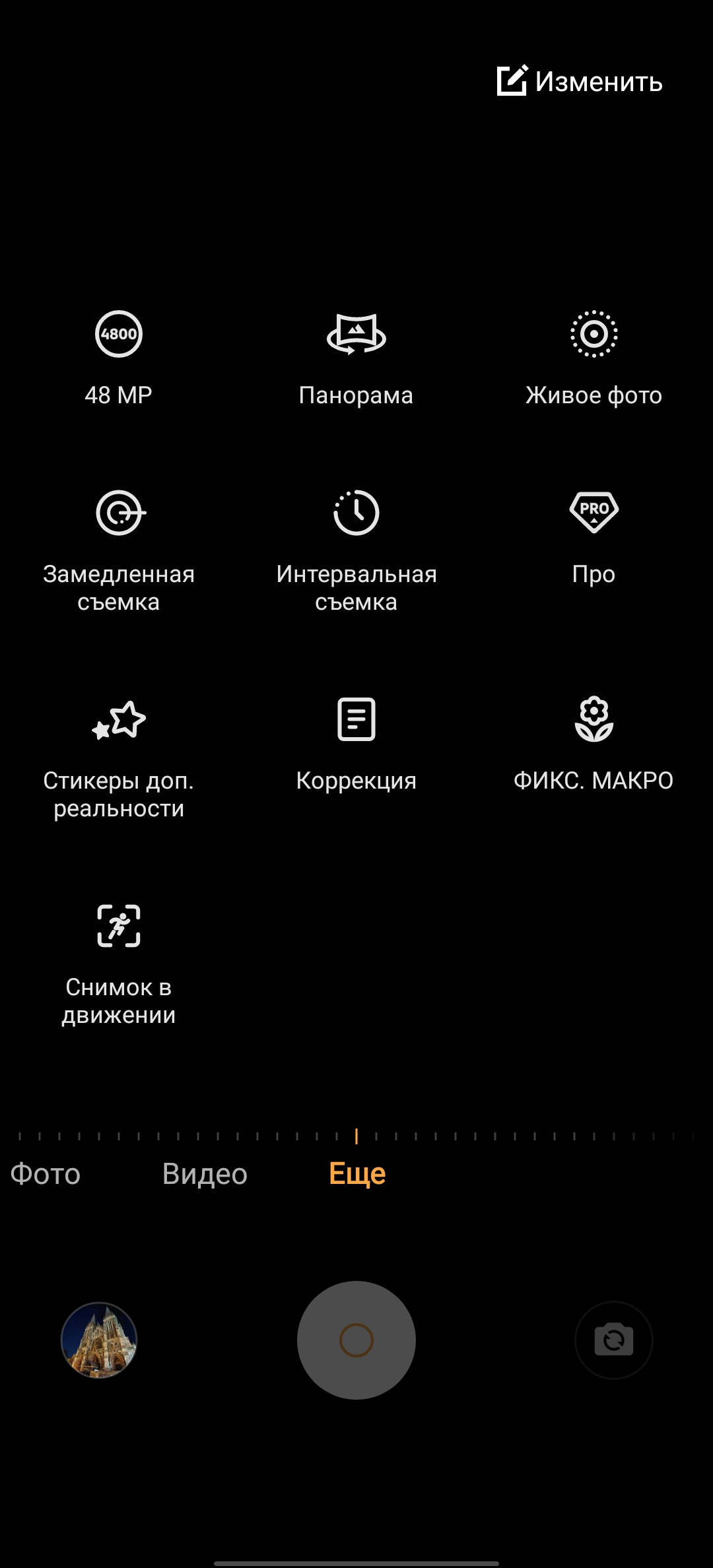
</ img>
</ img>
</ img>
</ img>







The main camera is very good and almost alwaysallows you to take good pictures in the “point and shoot” without any additional manipulations or manual settings. Automation works adequately in most cases. During the day, the colors turn out natural, with detailing everything is in perfect order. The camera also copes with low light conditions without much difficulty. The colors are no longer so realistic, but almost all modern smartphones suffer from this. The original photographs are available at the link.

</ img>

</ img>

</ img>

</ img>

</ img>

</ img>

</ img>

</ img>

</ img>

</ img>

</ img>

</ img>

</ img>

</ img>

</ img>

</ img>

</ img>

















The wide-angle camera is also very good, but in low light, noises are already visible and there are smears regularly:

</ img>

</ img>

</ img>

</ img>

</ img>

</ img>

</ img>

</ img>

</ img>

</ img>

</ img>

</ img>

</ img>













Zoom:

</ img>

</ img>

</ img>

</ img>

</ img>
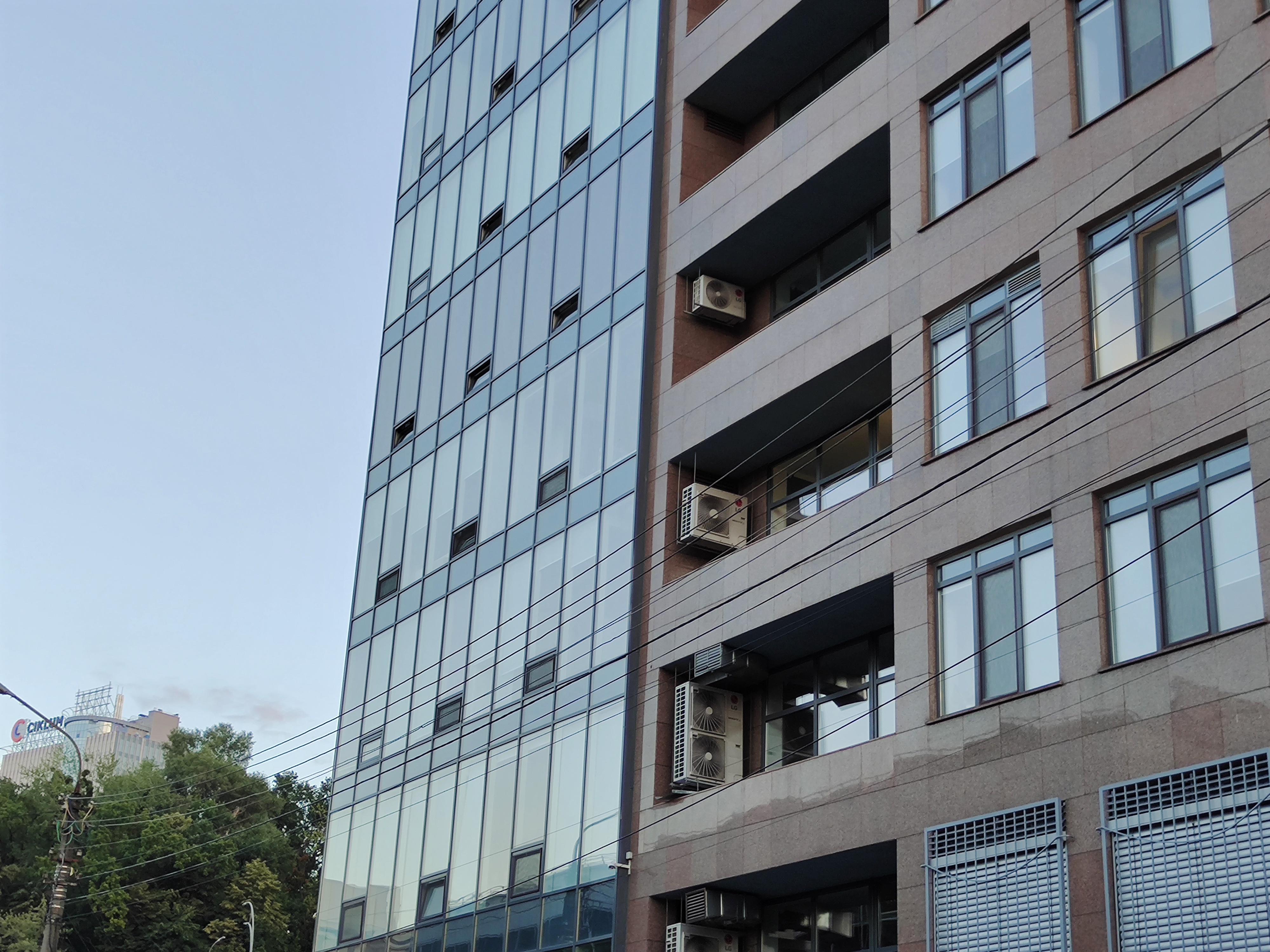
</ img>

</ img>

</ img>

</ img>

</ img>









Blur background:
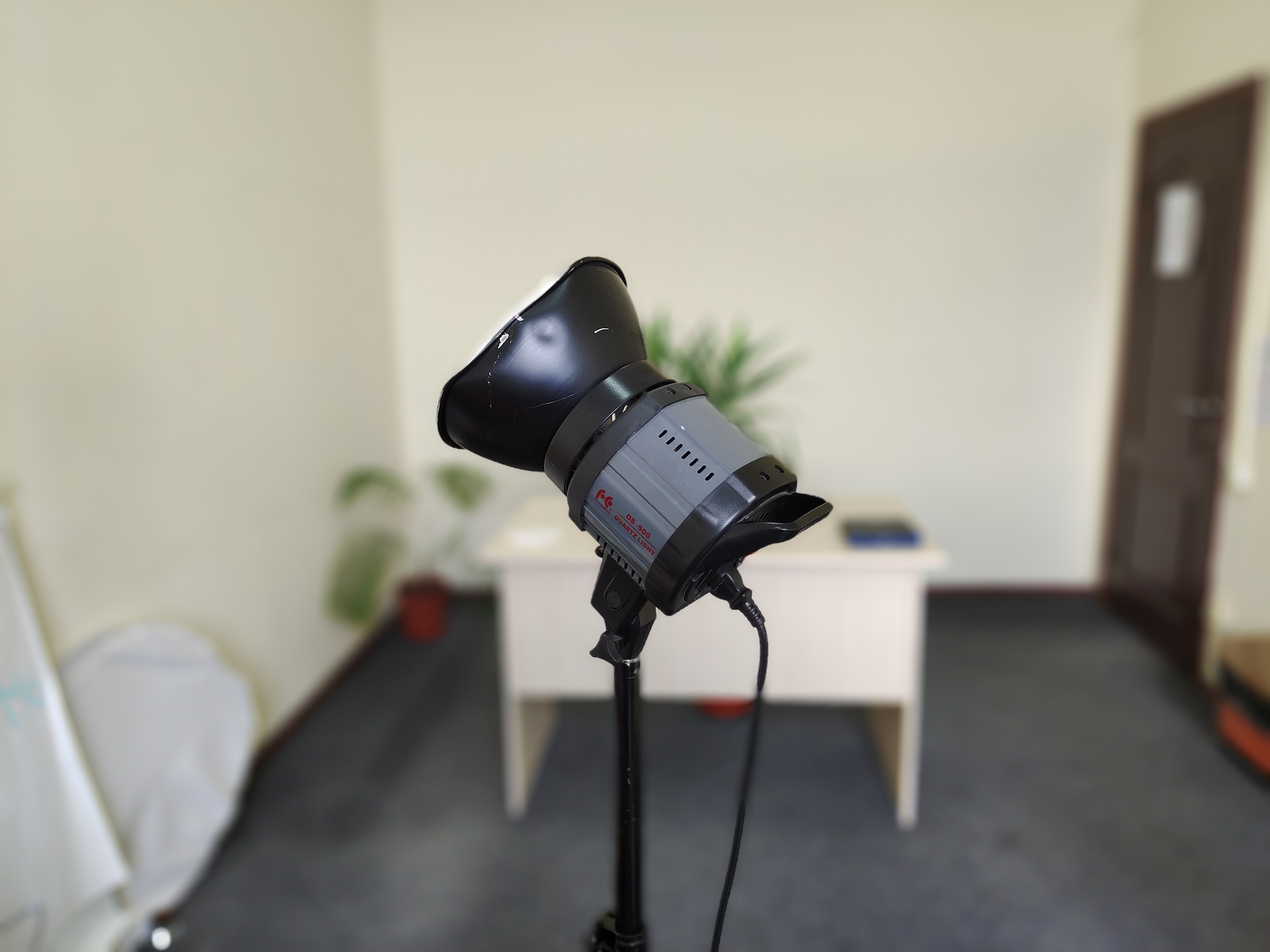
</ img>

</ img>


The macro camera is very “noisy” and to get a high-quality photo you need very good conditions. Including lighting and smartphone fixation.

</ img>
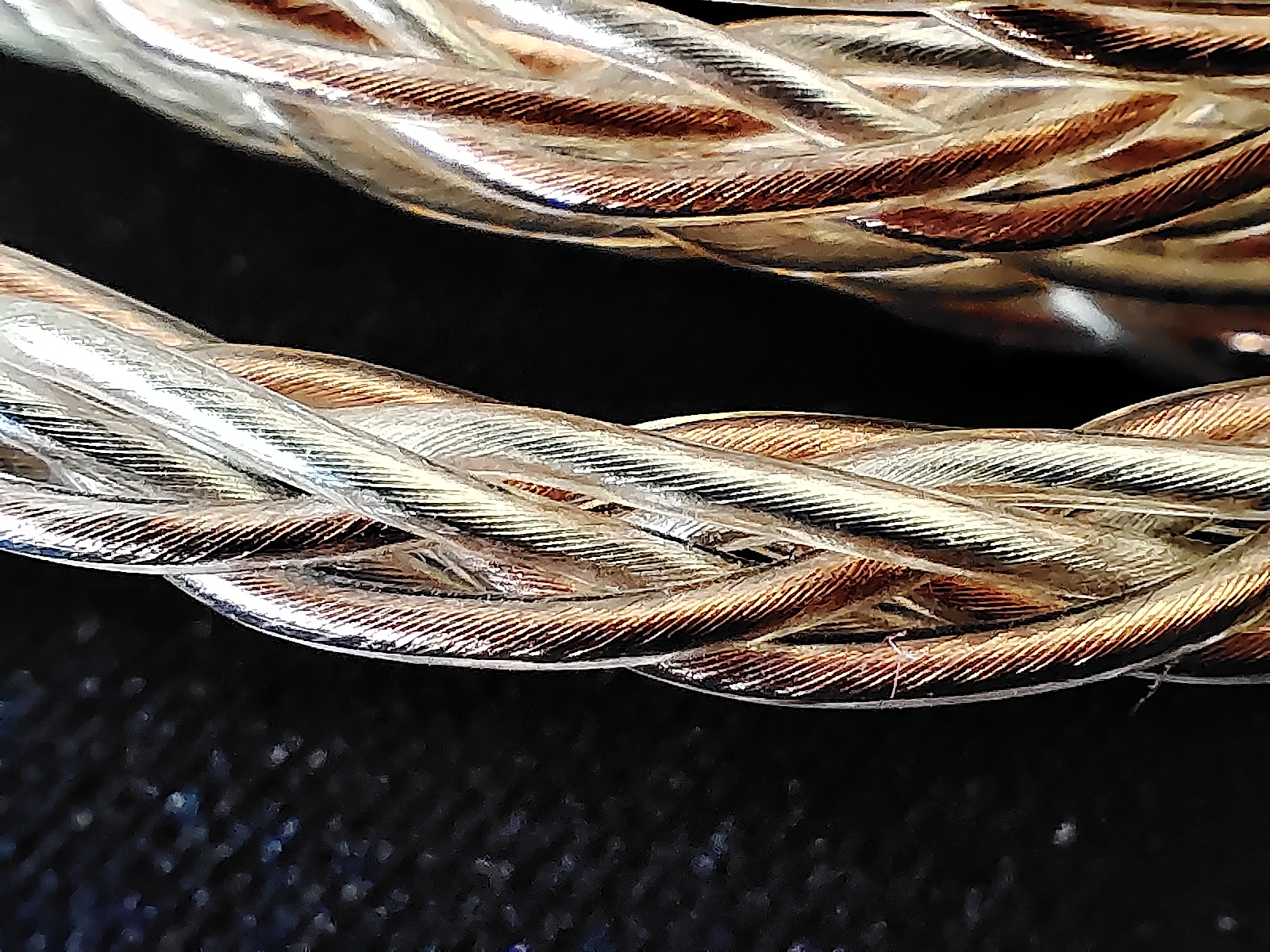
</ img>


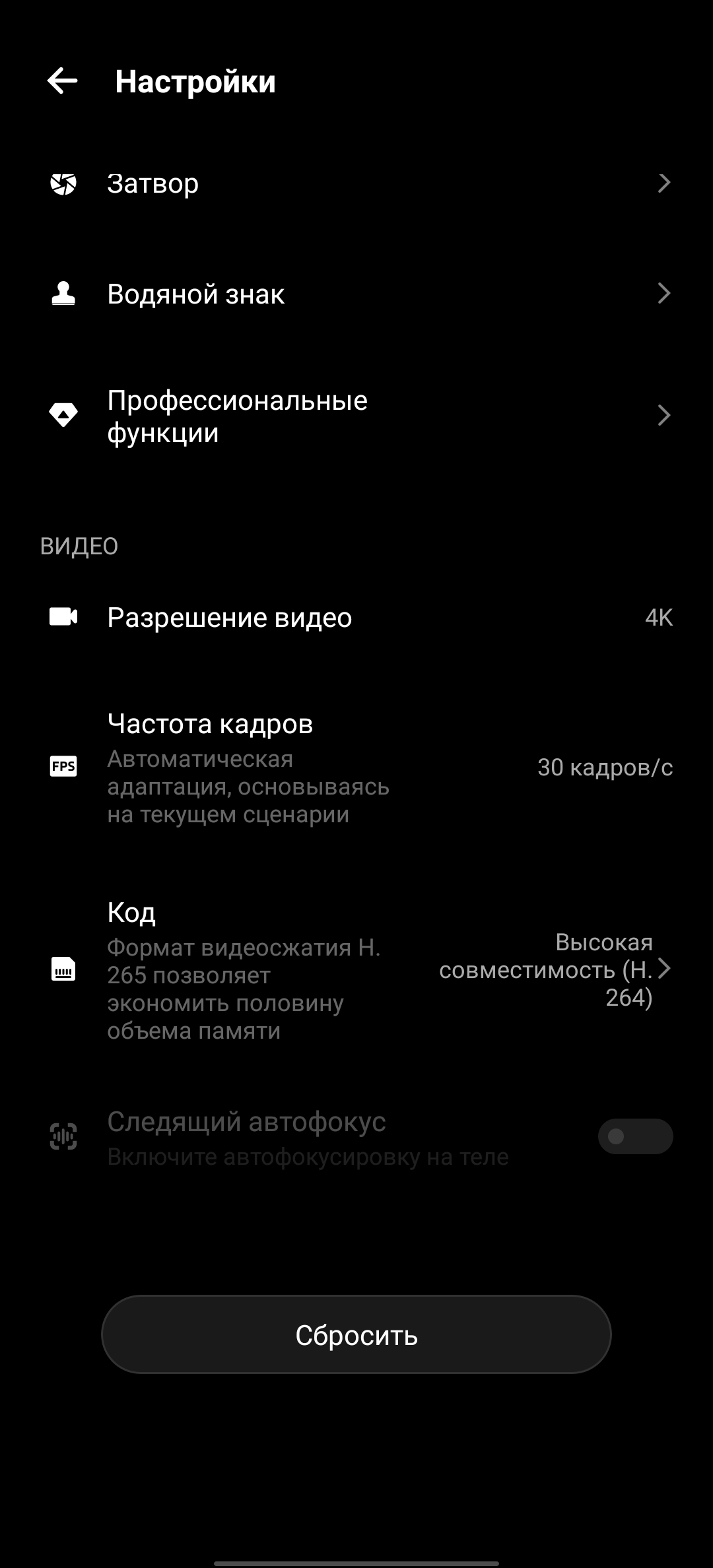
The smartphone can shoot video up to 4K 30frames per second. There is a “super stabilization” mode, but it only works in FullHD. As practice has shown, there is stabilization at 4K, although not so sophisticated:
FullHD videos with super stabilization are really very smooth, although you can see that detail suffers a little:
</ p>In the dry residue
vivo X50 is located somewhere at the junction of flagships andupper part of the middle price segment. And it feels like it. It is very pleasant to use thanks to its relatively small dimensions and high-quality, pleasant body materials. Equipped with a high-quality AMOLED screen with a refresh rate of 90 Hz and a universal set of cameras that shoot very well. I was pleased with the battery life with the bonus of fast wired charging. And with the update, the Funtoch shell has become more logical and easier to use. vivo X50 goes on sale tomorrow for16 000 UAHand this is perhaps the only problem with the smartphone.Of course, the Vivo X50 turned out to be a very nice smartphone, but it’s hard to call it the best buy for the money. There are competitors in this price category that can offer at least a similar set of advantages, and there are also several models with more powerful processors.
5 reasons to buy vivo X50:
- cool AMOLED screen with a frequency of 90 Hz;
- solid cameras;
- long battery life and fast charging;
- nice design and high-quality body materials;
- convenient and fast shell.
2 reasons not to buy vivo X50:
- no slot for microSD and 3.5mm jack;
- there are strong competitors in this price category.
vivo X50
Android smartphone with FullHD + AMOLED screen6.56 inches diagonal and 90 Hz refresh rate, Qualcomm Snapdragon 730 processor, 8 GB of RAM, 48 MP main quad camera and an in-screen fingerprint scanner.
Rozetka
Citrus
Hello

Specifications vivo X50
Display
AMOLED, 6.56 inches, 2376×1080, 398 ppi, HDR10+, 90 Hz
Housing
dimensions: 159.5×75.4×7.5 mm, weight: 173 g
CPU
Qualcomm Snapdragon 730 (8 nm), 2×2.2 GHz Kryo 470 Gold, 6×1.8 GHz Kryo 470 Silver, Adreno 618
RAM
8 GB LPDDR4X
Flash memory
128GB UFS 2.1
Camera
48 MP with f/1 aperture.6, PDAF, optical stabilization + 13 MP portrait, f/2.46, 2x zoom, PDAF + 8 MP ultra-wide-angle 120˚, f/2.2, 5 MP macro f/2.48 (photo resolution - 2 MP); video 2160p@30fps; front camera: 32 MP f/2.45
Wireless technology
Wi-Fi 802.11 b/g/n/ac (dual band, 2.4 and 5 GHz), Bluetooth 5.1 LE (aptX HD, LDAC), NFC
GPS
GPS, A-GPS, GLONASS, BDS, GALILEO
Battery
4200 mAh, non-removable, 33 W fast charging
operating system
Android 10 + Funtouch OS 10.5
Sim card
2xNanoSIM
Additionally
optical in-screen fingerprint scanner
For those that want to know more:
- Vivo V17 review: competitors, get moving!
- OPPO Reno3 Pro review: successfully simulating the flagship
- Smartphone review realme 6: anti-crisis price fall
- Vivo V15 Pro review: who is new?
- How vivo will conquer Ukraine: an interview with Max Low, CEO of a company in Ukraine
- OPPO Reno2 review: sees what you don't see
- Samsung Galaxy Note10 review: the same flagship, but smaller
- Honor 20 Pro smartphone review: a great camera for sane money