
</ img>
OPPO Reno4 Lite turned out to be a pleasant to use smartphone in the mid-price segment. He got a good one
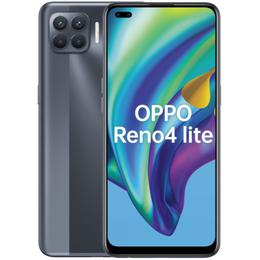
OPPO Reno4 Lite
Andoid smartphone with 6.43-inch AMOLED FullHD + display, sub-screen fingerprint scanner, rear quad camera, front-facing dual camera, eight-core MediaTek Helio P95 processor, 8 GB of RAM and 128 GB of internal storage.
Rozetka
Comfy
Hello
Foxtrot
Eldorado
5 reasons to buy OPPO Reno4 Lite:
- solid AMOLED screen with a decent margin of brightness;
- convenient, relatively compact and pretty body;
- separate trays for 2xSIM and MicroSD, standard headphone jack;
- availability of all modern wireless interfaces, including dual-band Wi-Fi, NFC and Bluetooth with SBC, AAC, aptX, aptX HD, LDAC;
- fast and convenient shell Color OS 7.2.
2 reasons not to buy OPPO Reno4 Lite:
- you need a more efficient smartphone with a 90/120 Hz screen;
- the presence of very strong competitors in this price category.
Fast passage:
- What is included?
- What does OPPO Reno4 Lite look like?
- How good is the screen?
- What are the unlock methods?
- What about performance, memory, sound and autonomy?
- How convenient is the interface?
- How good are the cameras?
- In the dry residue
What is included?
</ img>
</ img>


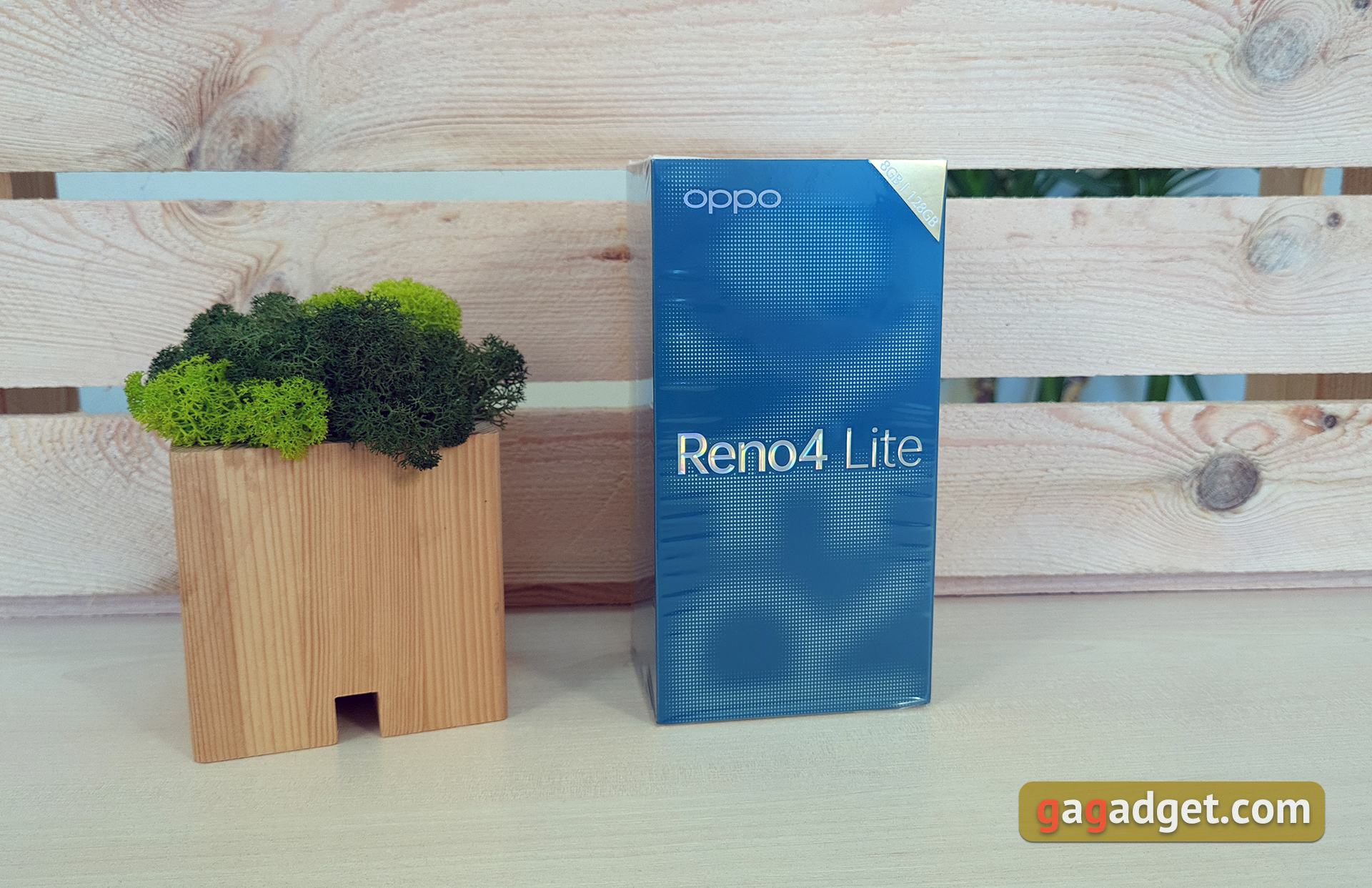
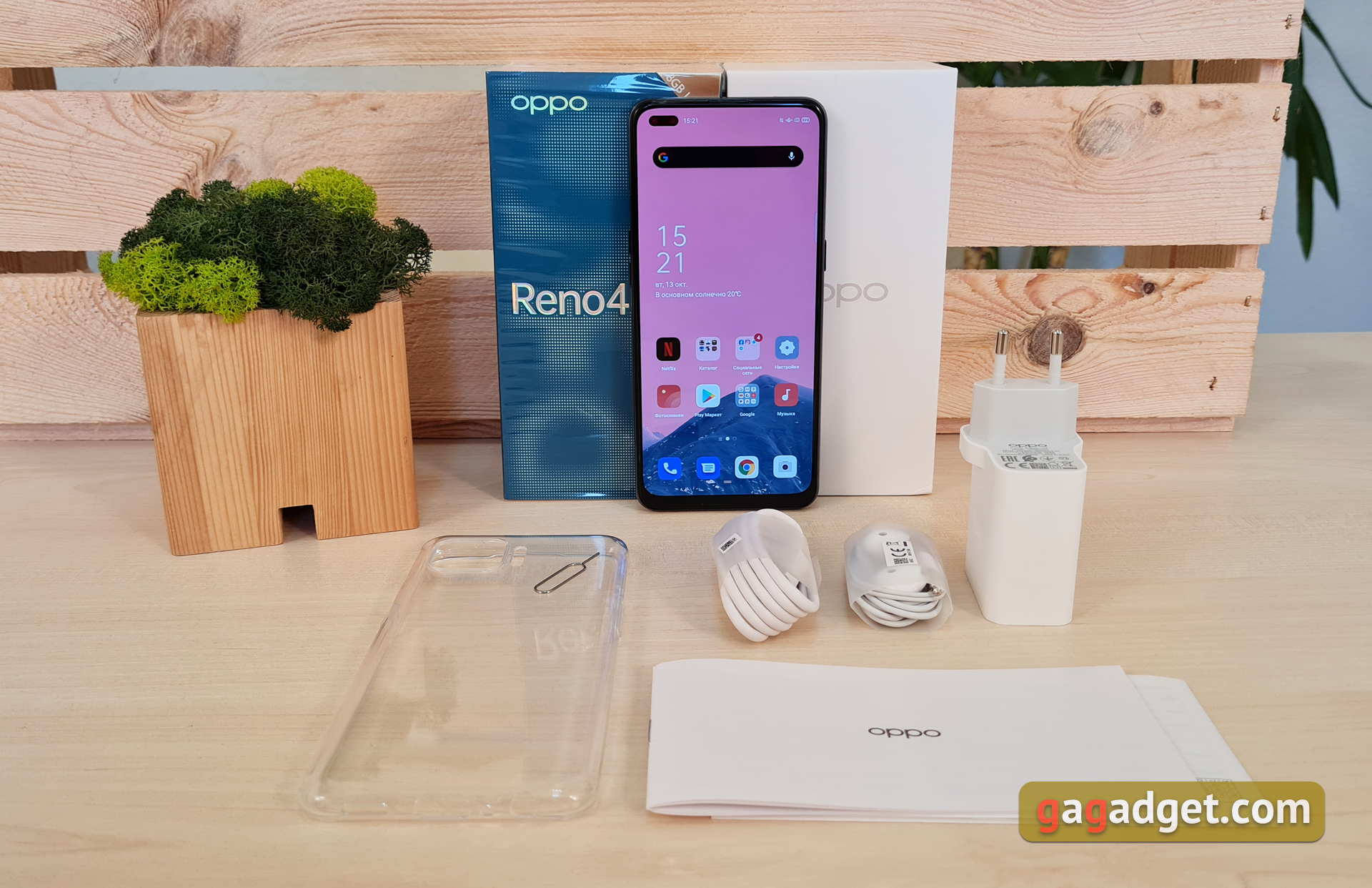
OPPO Reno4 Lite comes in the usualmanufacturer's packaging: a white cardboard box, on top of which is a blue soft cardboard cover with printing. The kit includes a smartphone, an 18 W power supply, a USB Type-C cable, a simple wired headset, a transparent silicone bumper, a paper clip for removing the tray, documentation and a protective film (immediately on the screen).
</ p>What does OPPO Reno4 Lite look like?
</ img>
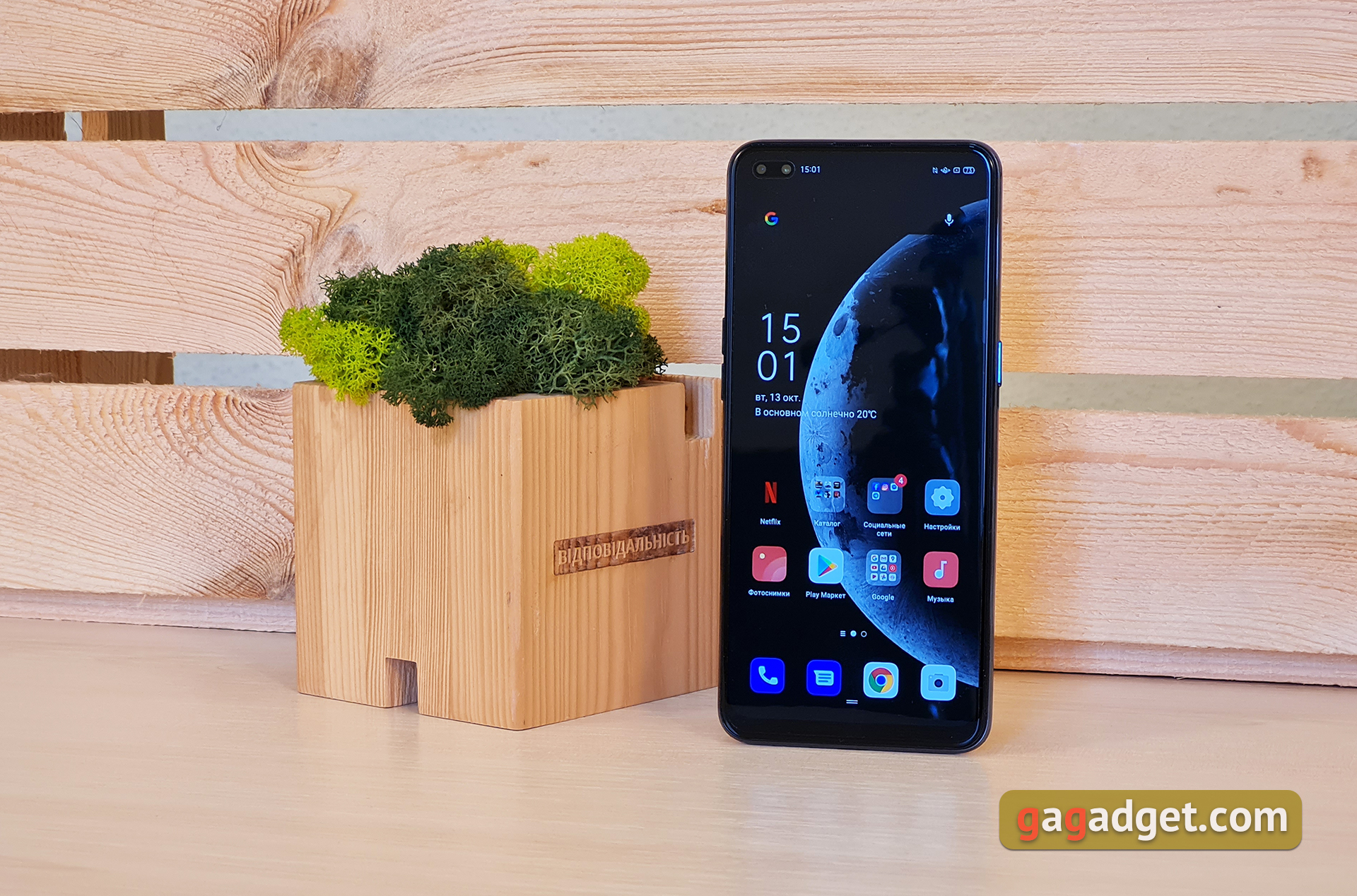
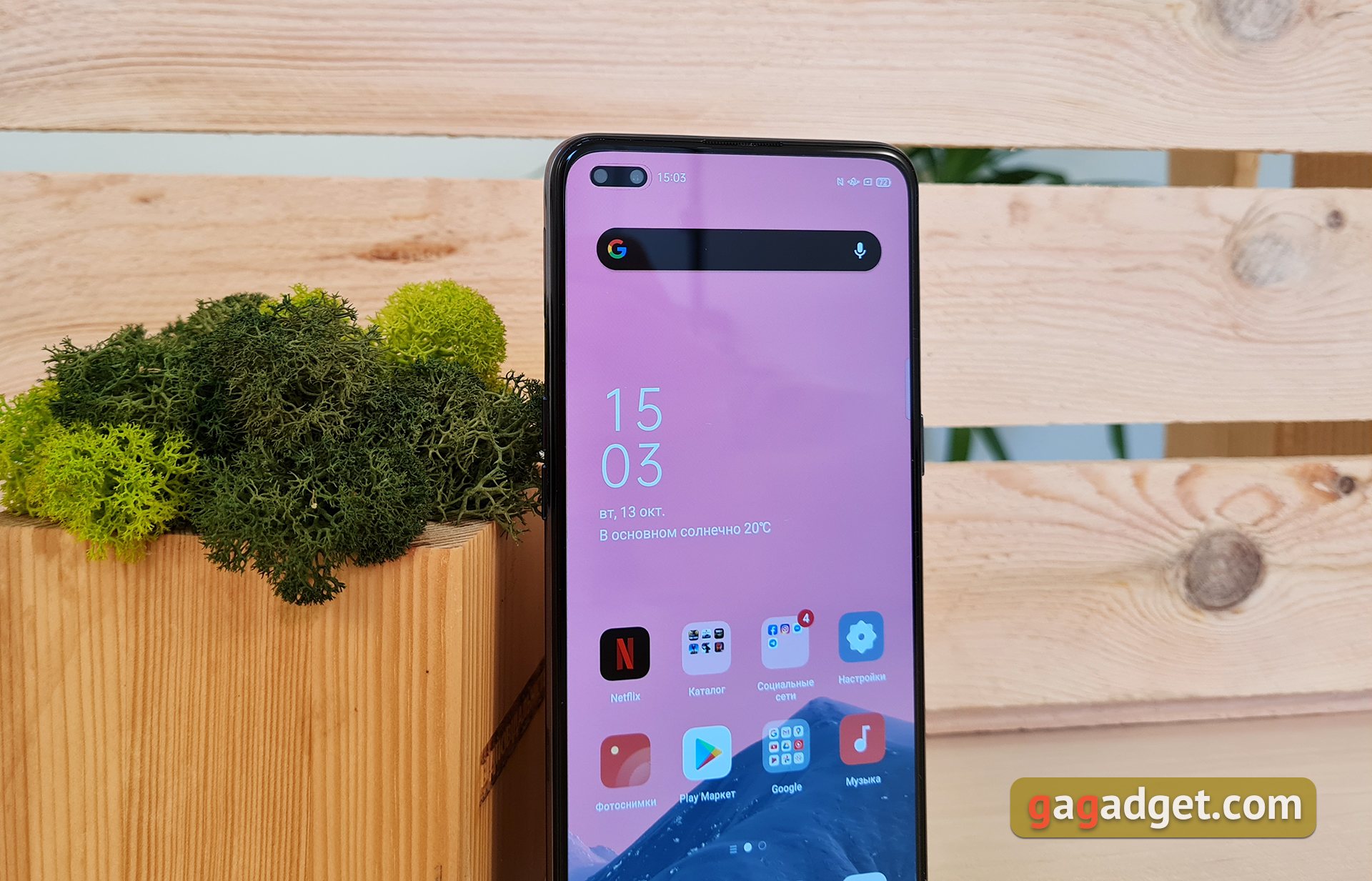
Apparently, bold experiments in terms ofdesigns are a thing of the past, along with the Reno2 line. OPPO Reno4 Lite looks decent, but there are no unusual design solutions. Everything is familiar: a large display on the entire front panel with relatively small frames and a front camera in the form of a hole in the left corner of the screen. In this case, the front camera is double, which means the hole is elongated. But it is worth noting that it is quite small. There is a speaker in the slot above the screen.
</ img>
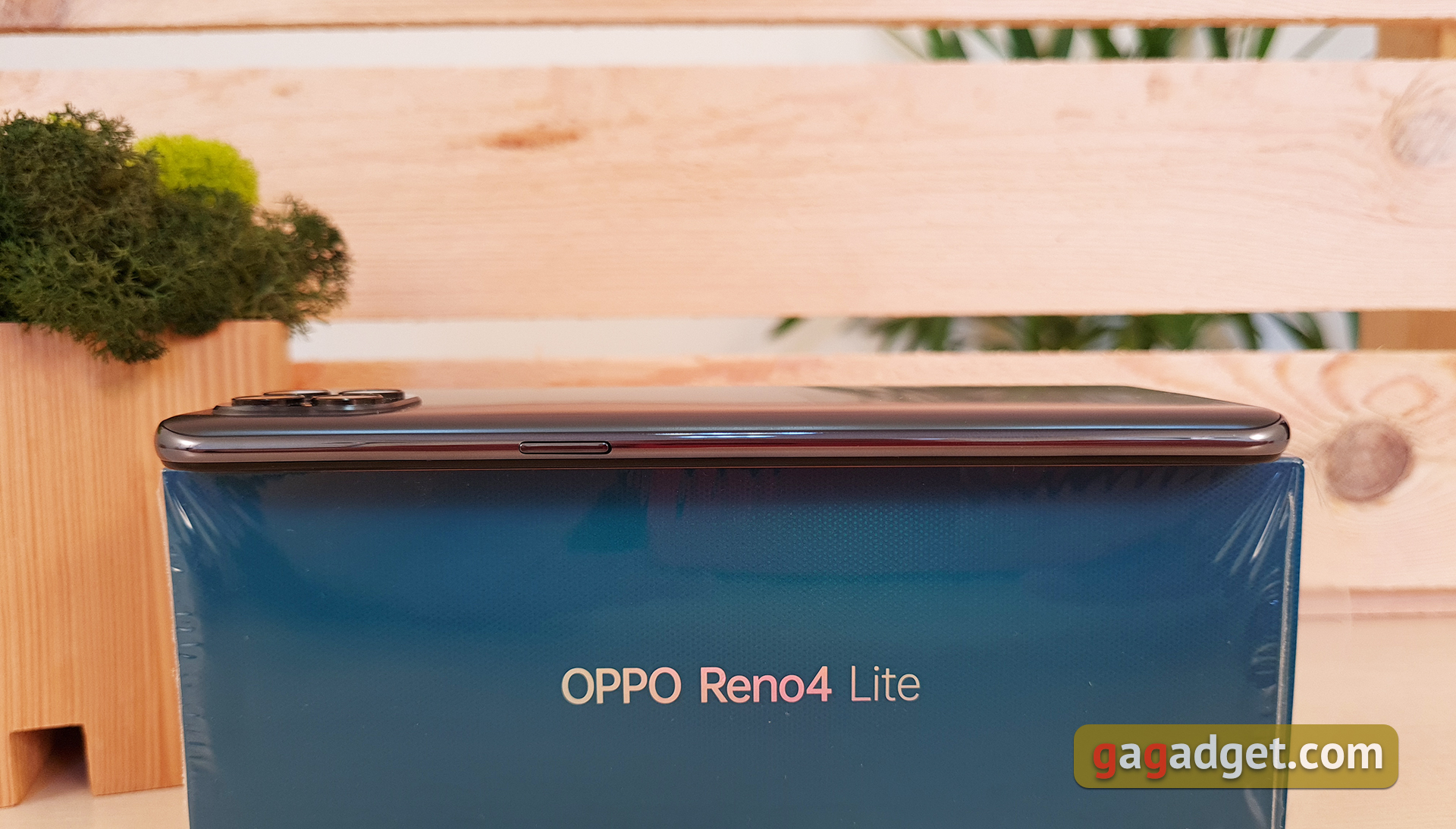
The screen is protected by third generation Gorilla Glass. The rest of the body is made of plastic. The frame is glossy, has a streamlined outline. The layout of the buttons is exactly the same as that of the rest of OPPO smartphones. On the right side there is only the power button.
</ img>
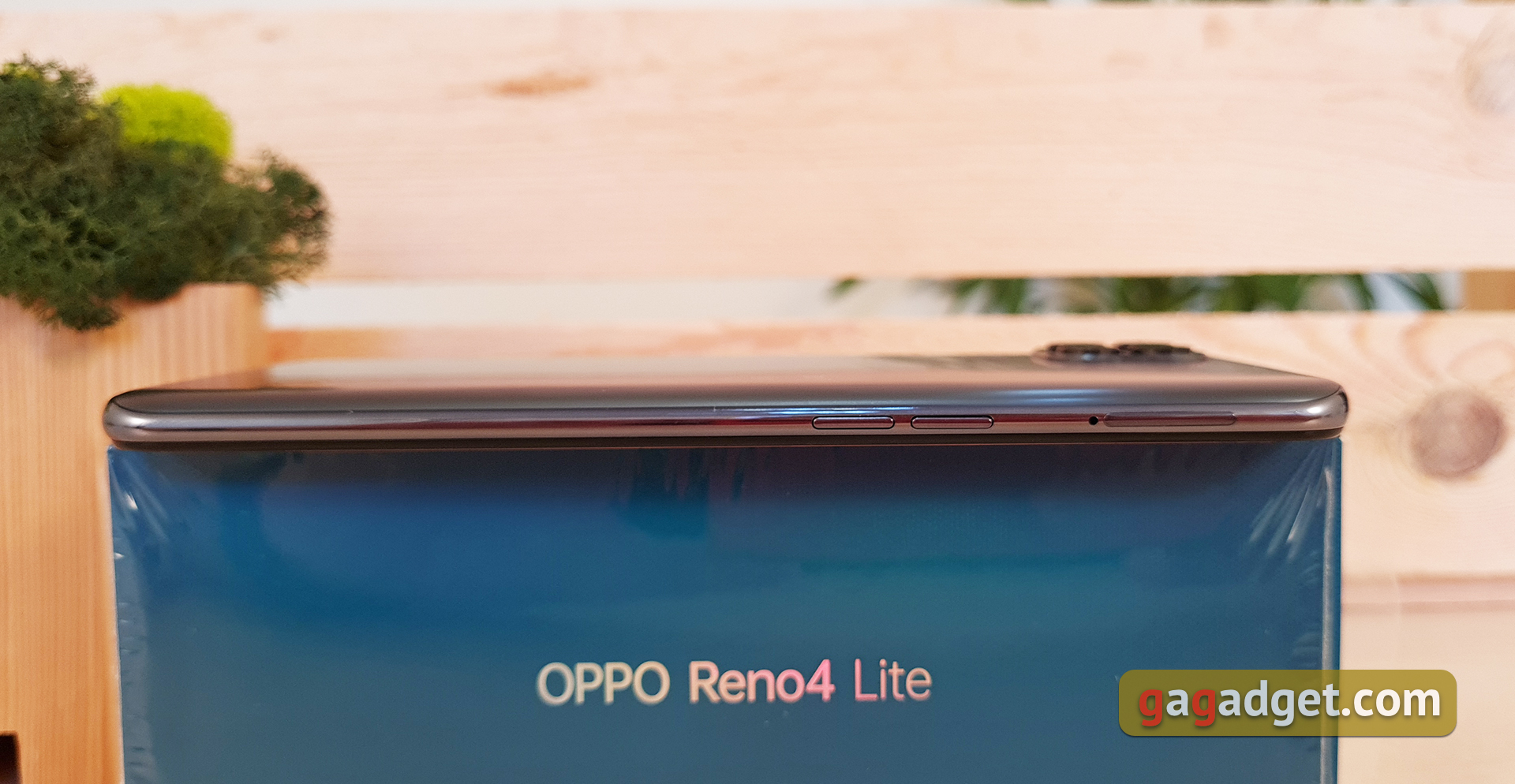
The volume control buttons are separate, located on the left side. A little higher is the tray.
</ img>
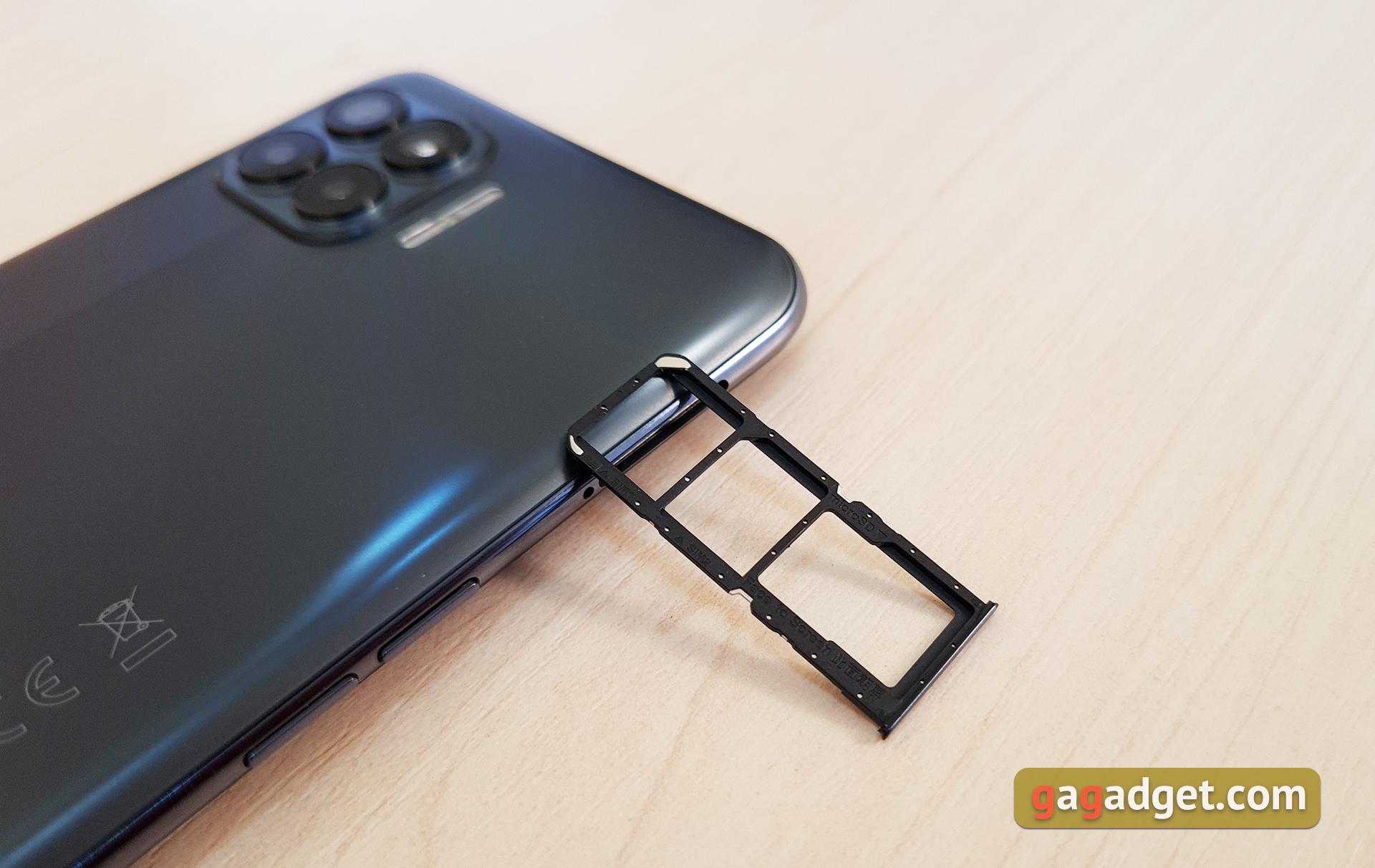
It can accommodate both two SIM cards and a microSD memory card.
</ img>
On the top of the smartphone there is only an additional microphone.

</ img>
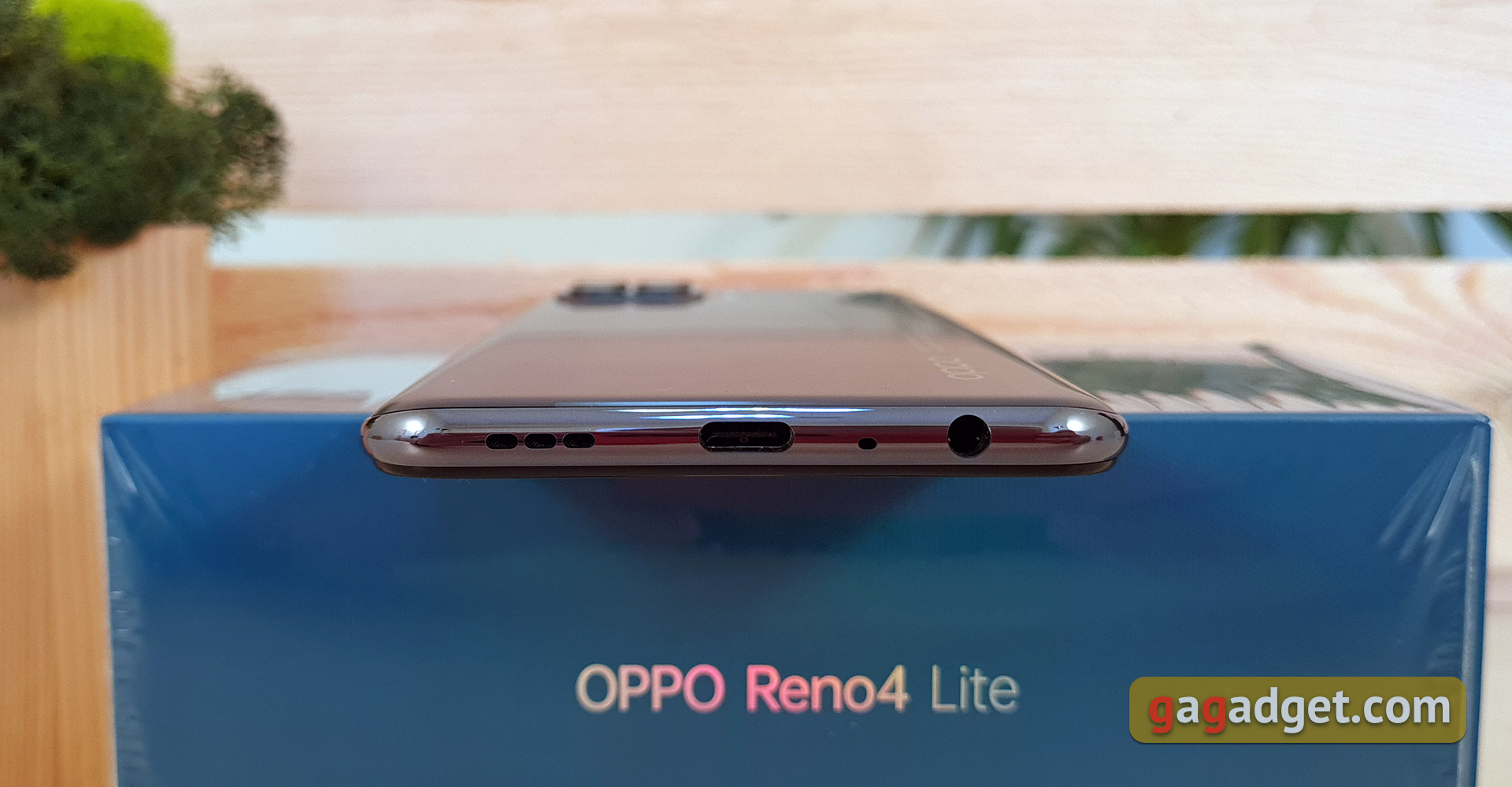
At the bottom there is a Type-C connector, the main speaker, a microphone and a standard 3.5 mm headset jack.
</ img>
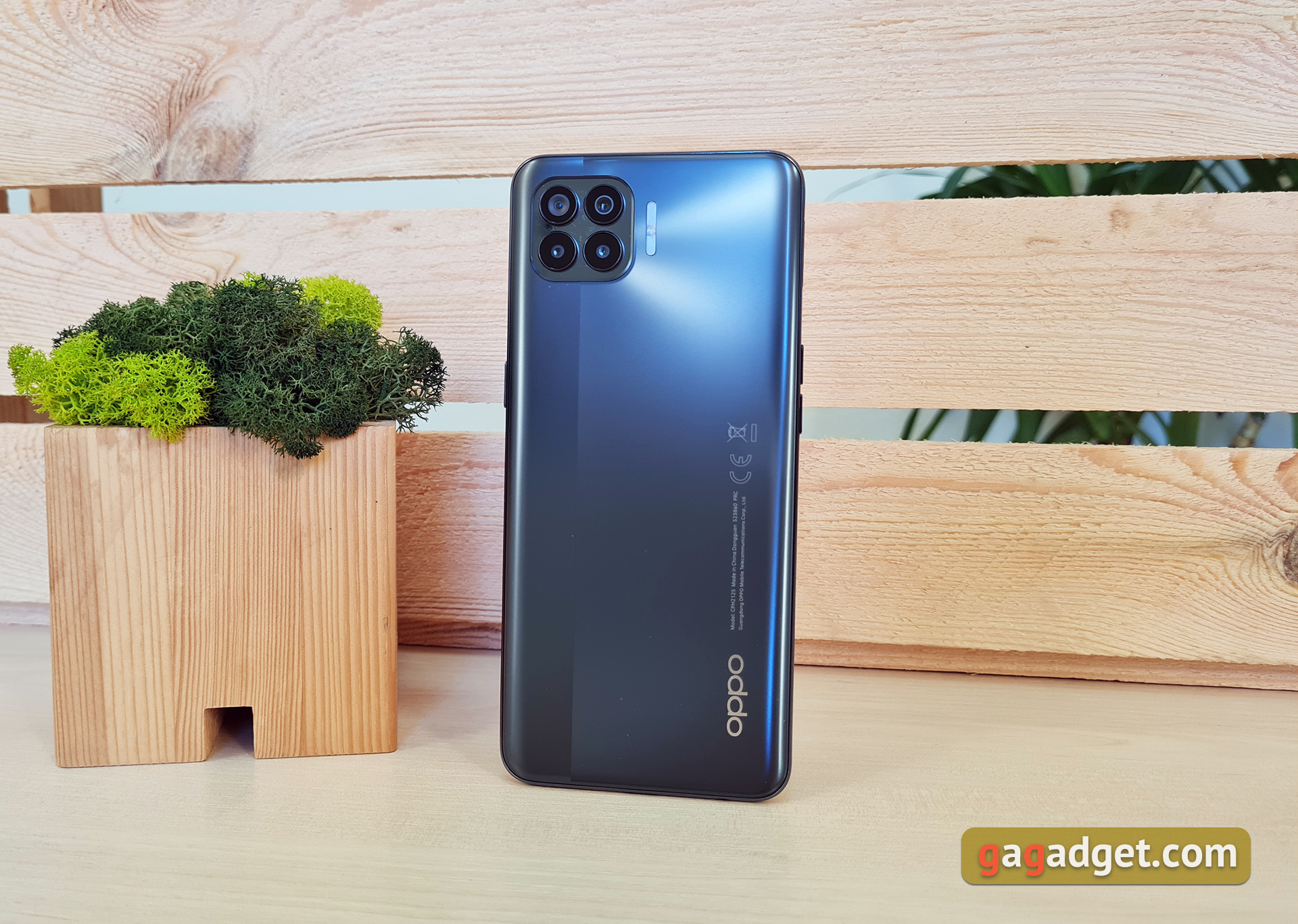
The back cover is plastic, but has an unusualmatte texture and visually divided into two parts that look slightly different. Looks and feels pretty good. The matte texture does not actively collect fingerprints and makes the smartphone less slippery. The color was called “matte black”, although in reality it is dark gray.
</ img>
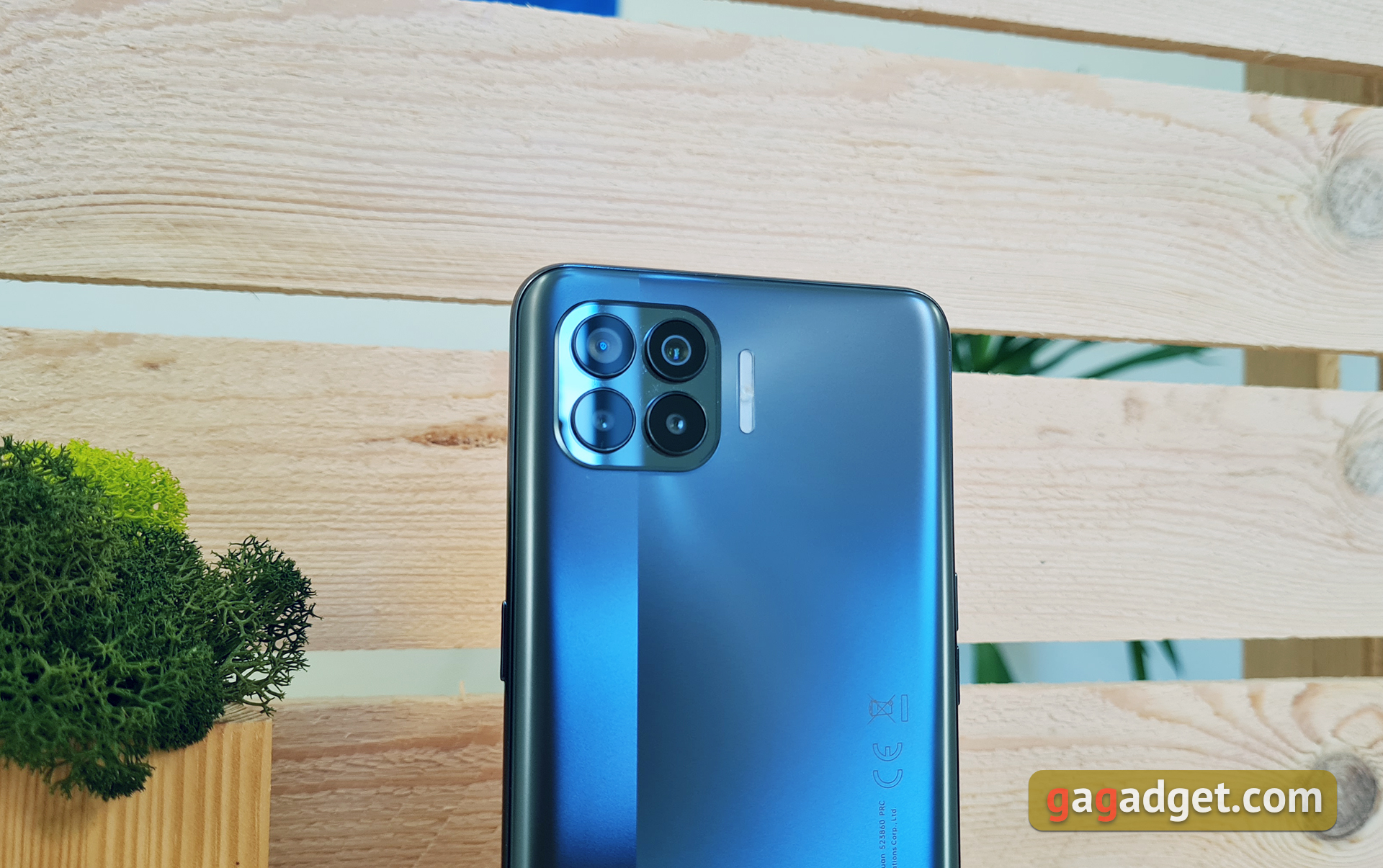
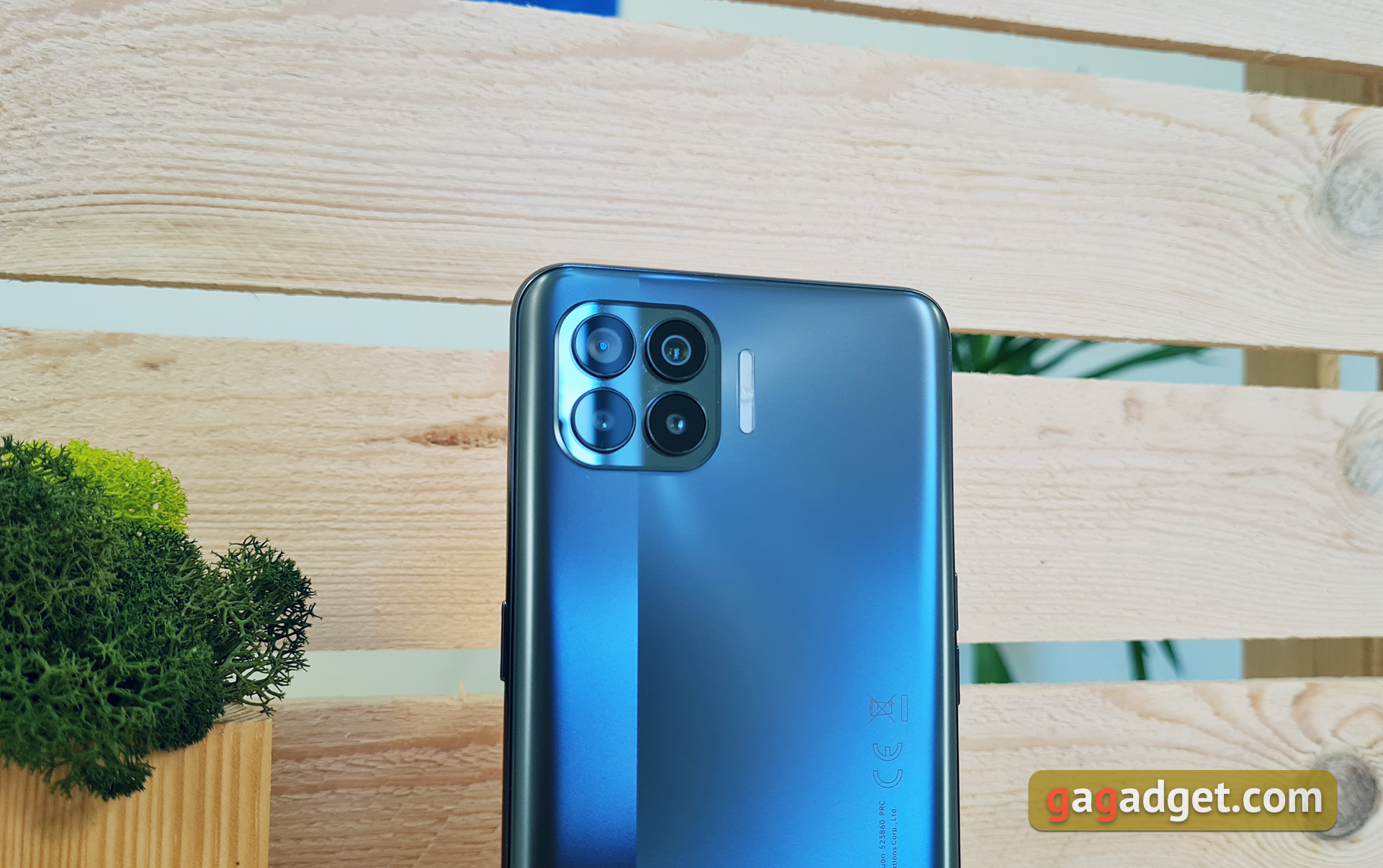
The rear chamber is made in the form of a cooking chambersurface”, as is now fashionable. But in this case there are four lenses, the camera block turned out to be symmetrical and square, which pleases the inner perfectionist. Next to the camera is an oblong LED flash.
</ img>
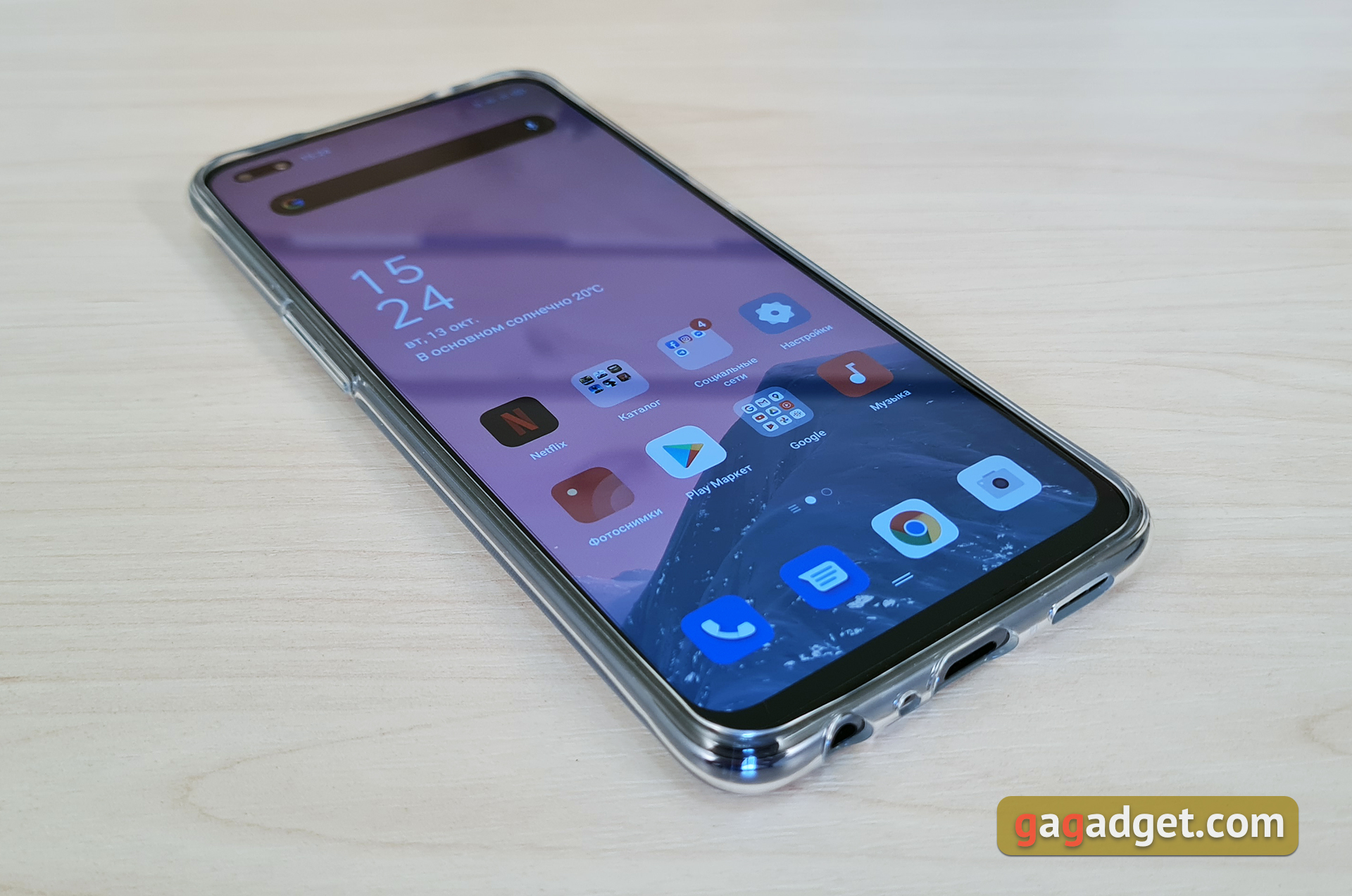
The smartphone looks neat and modern. The case turned out to be not too thick, there were no complaints about the assembly. The complete bumper is quite simple in quality, but it fulfills its function. It has peculiar bumpers at the edges for additional protection of the screen when dropped.
</ img>
How good is the screen?
</ img>
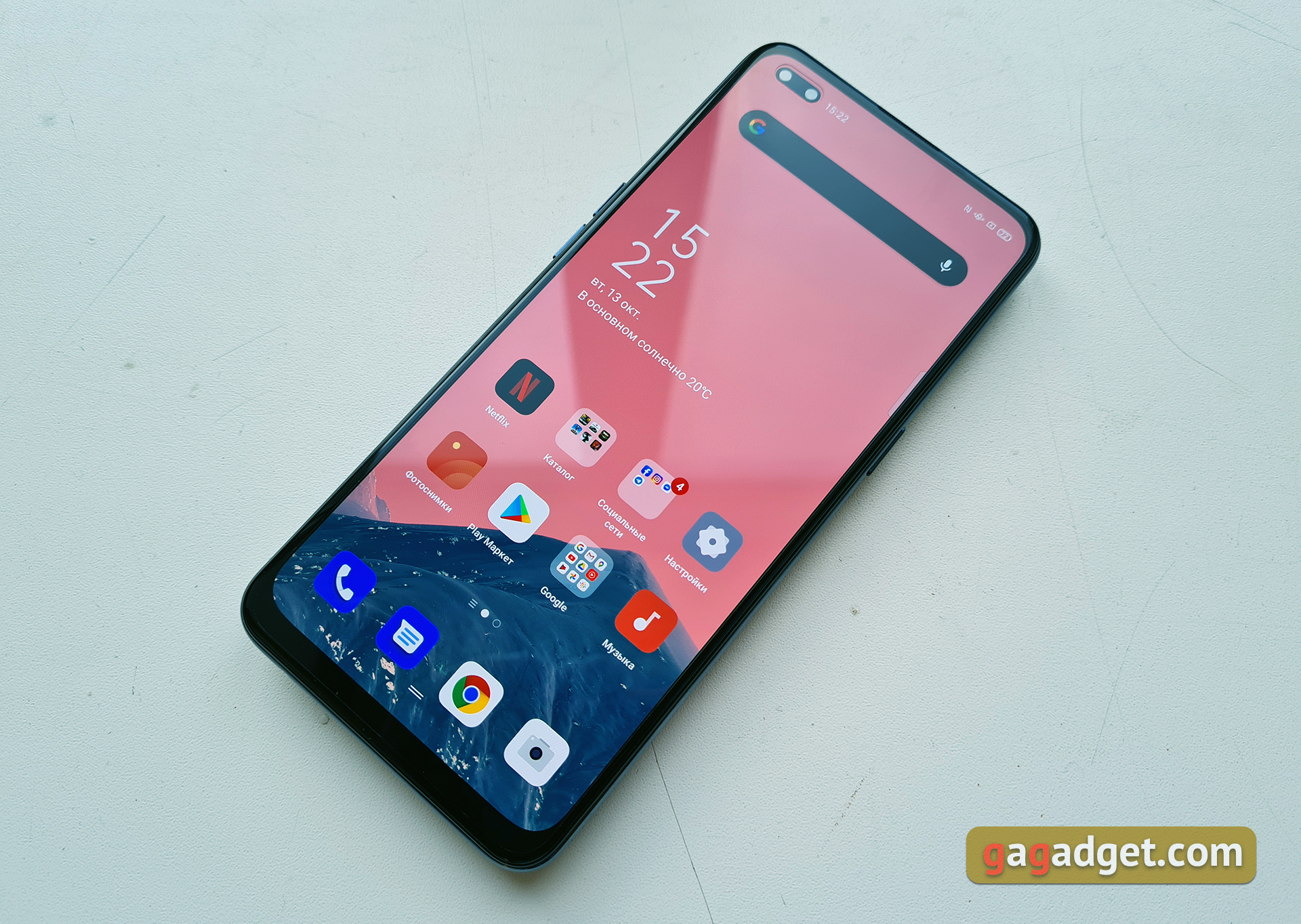
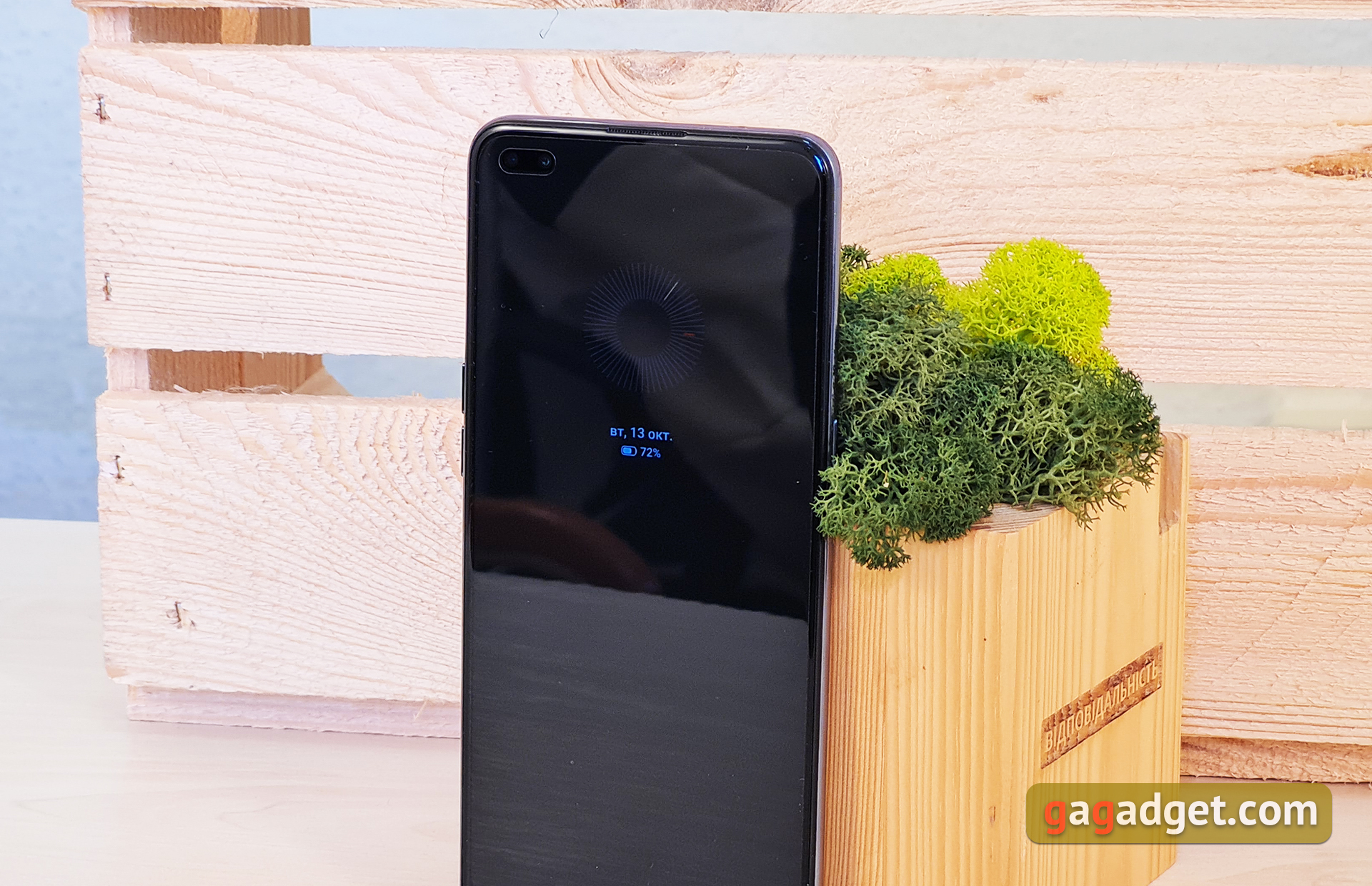
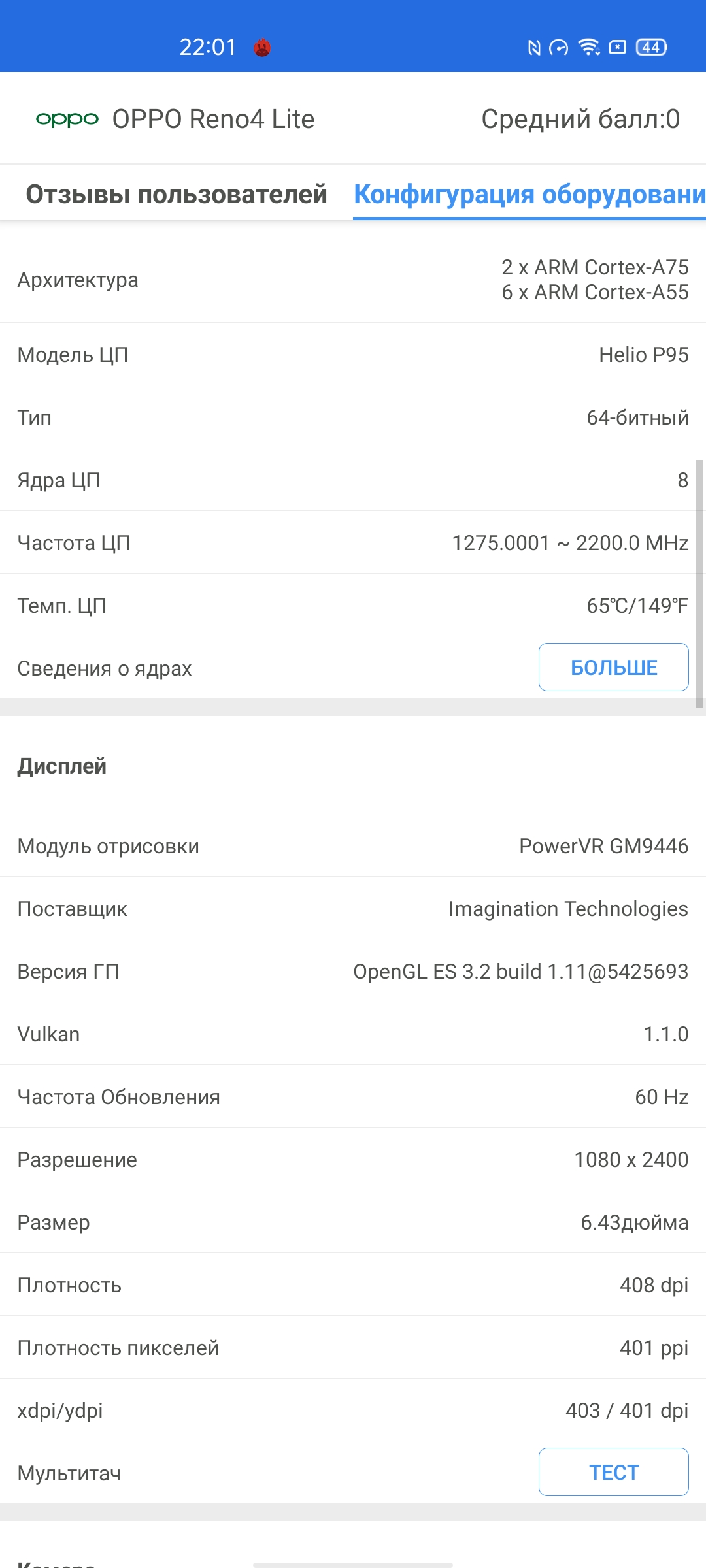
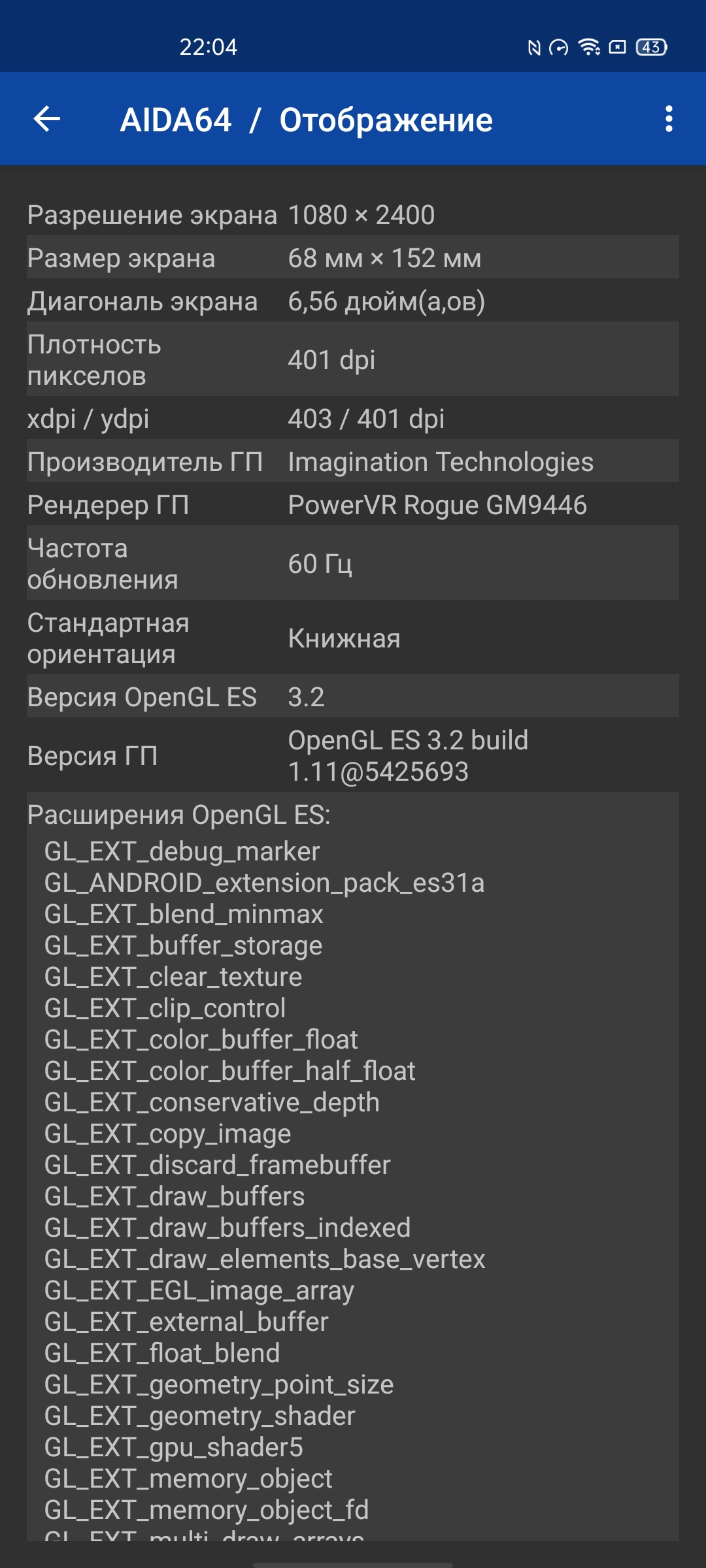
OPPO Reno4 Lite has a Super AMOLED displaywith a diagonal of 6.43 inches with an aspect ratio of 20:9 and FullHD+ resolution (2400x1080 pixels). The pixel density is around 409 ppi and OPPO claims a screen occupancy of 90.67%. The image refresh rate is the standard 60 Hz, and the sensor reading frequency is 180 Hz. The manufacturer promises a color gamut of 96% NTSC, a maximum brightness of 430 cd/m² (in manual mode) and a peak brightness of 800 cd/m². Personally, the screen is very good, with rich colors and an impressive amount of brightness. The only thing missing is a 90 or 120 Hz refresh rate. The Always On Display function is present.
</ img>
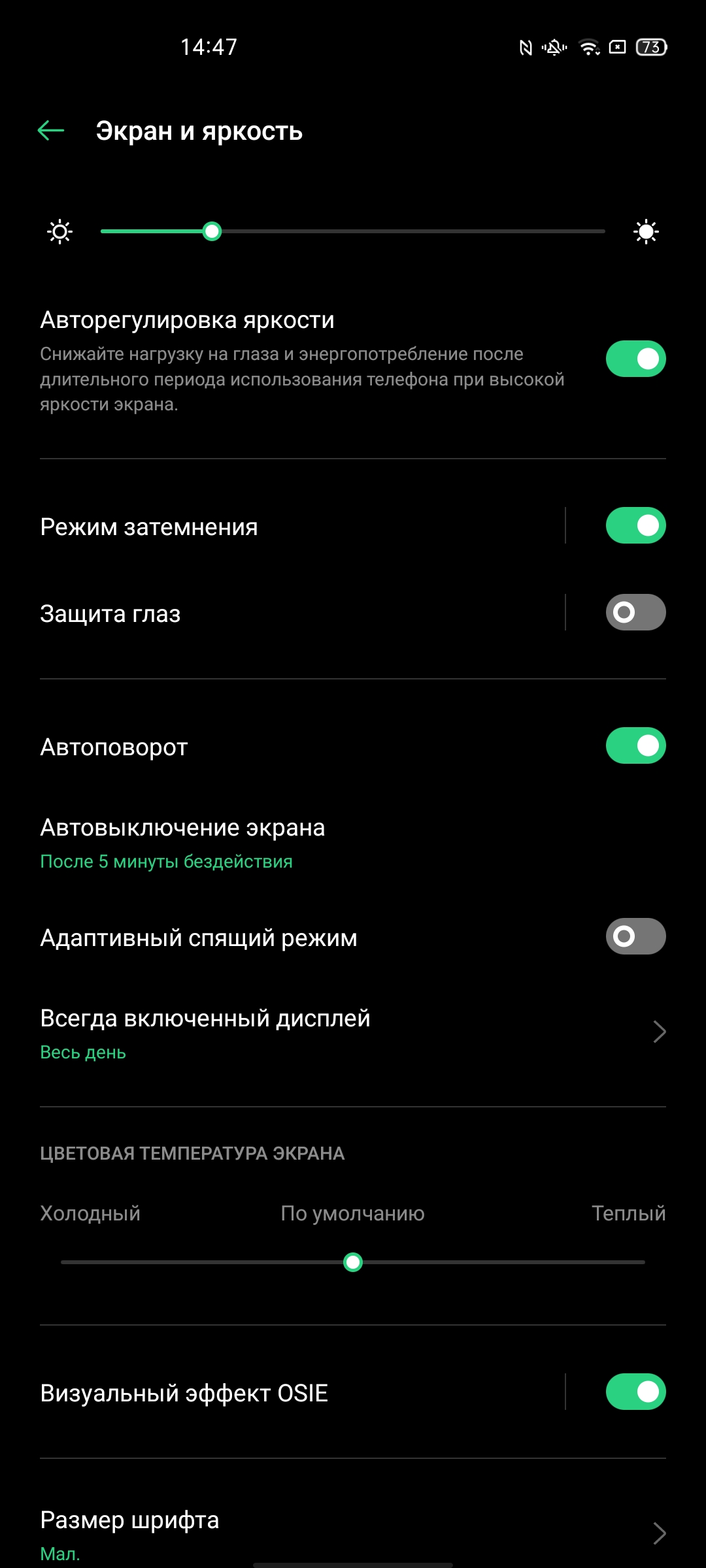
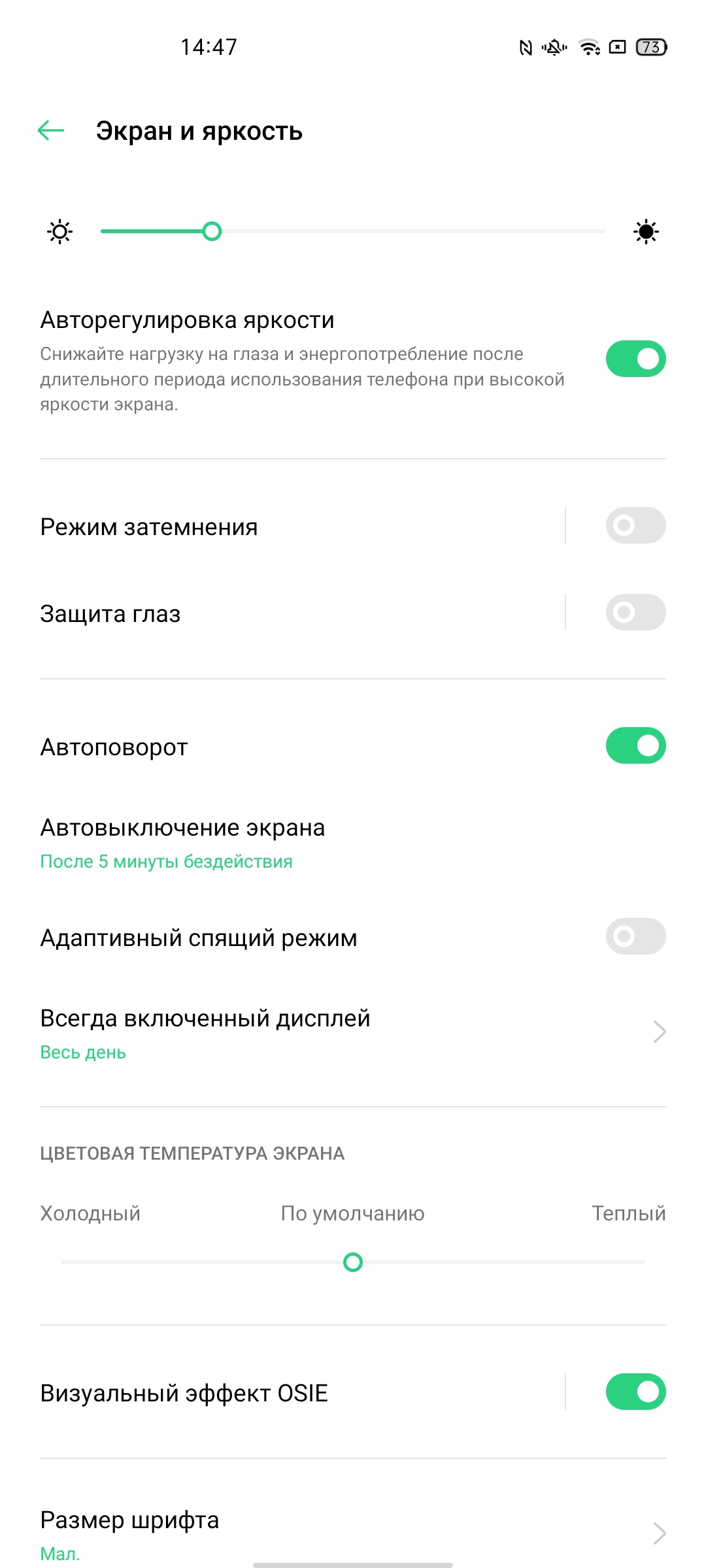
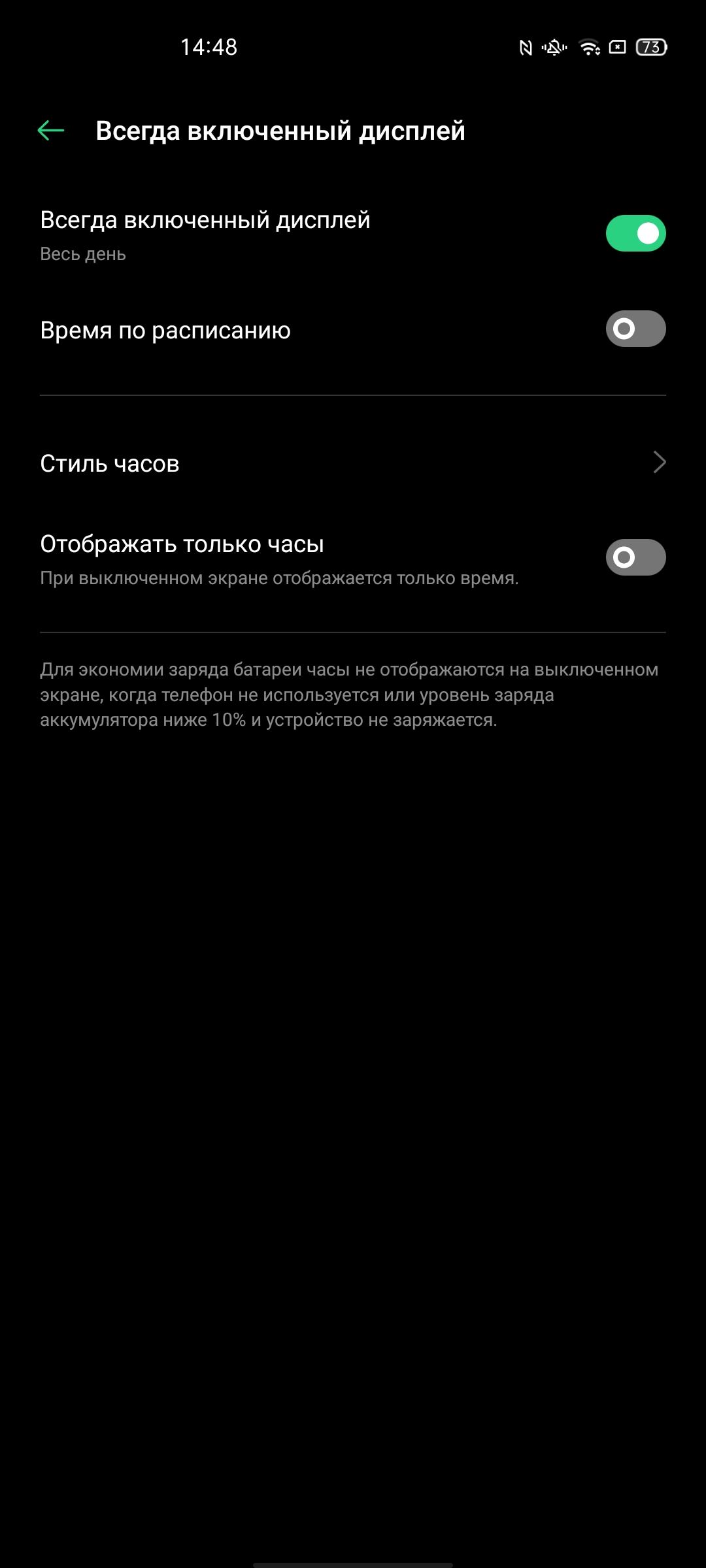
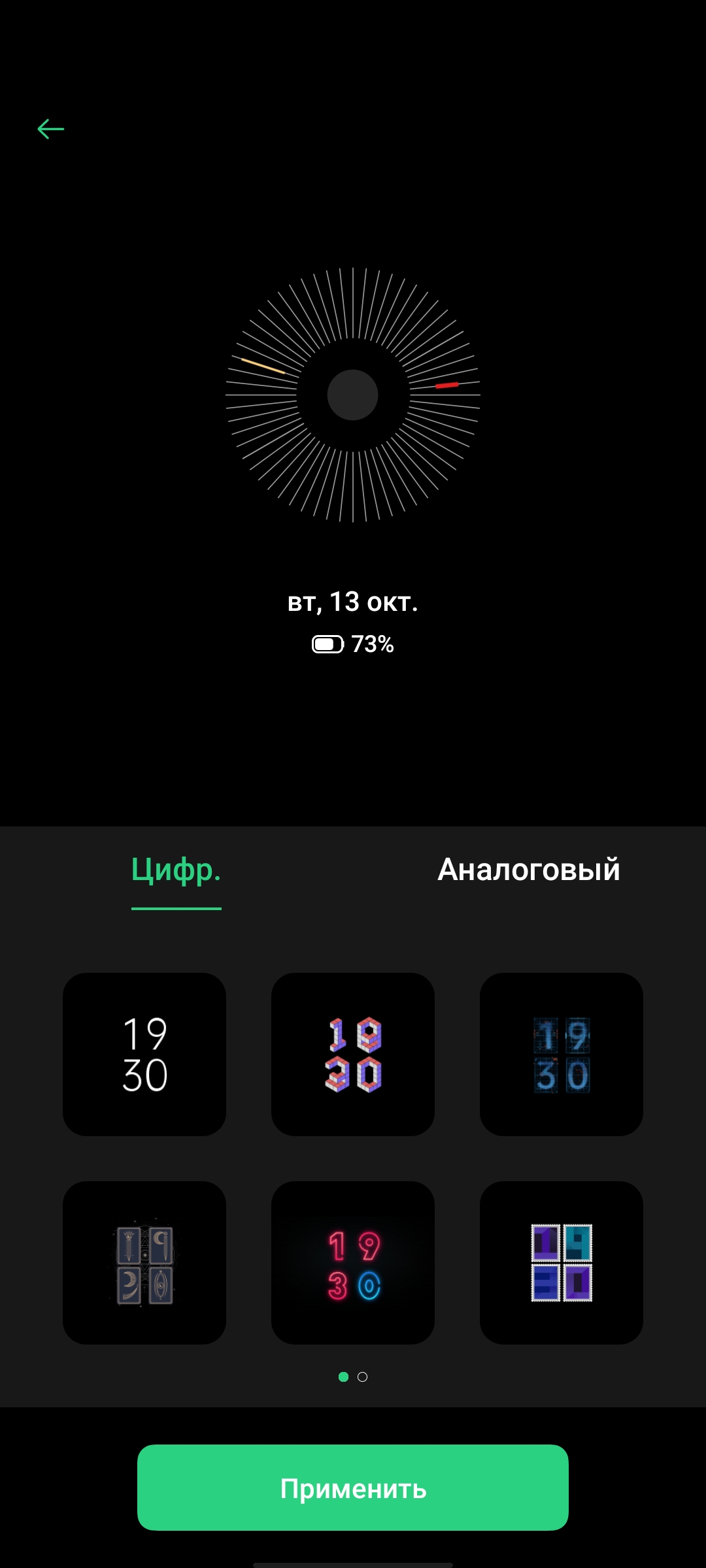
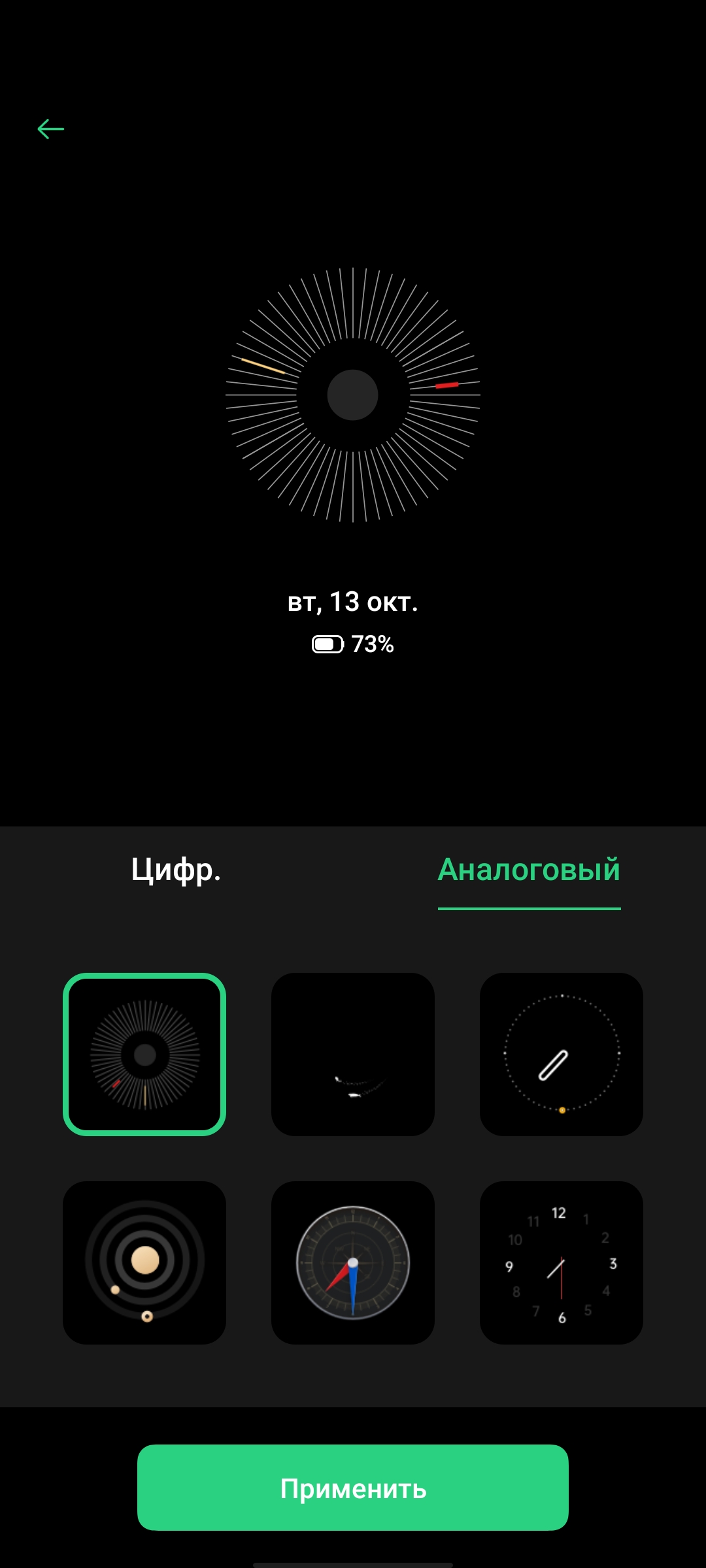
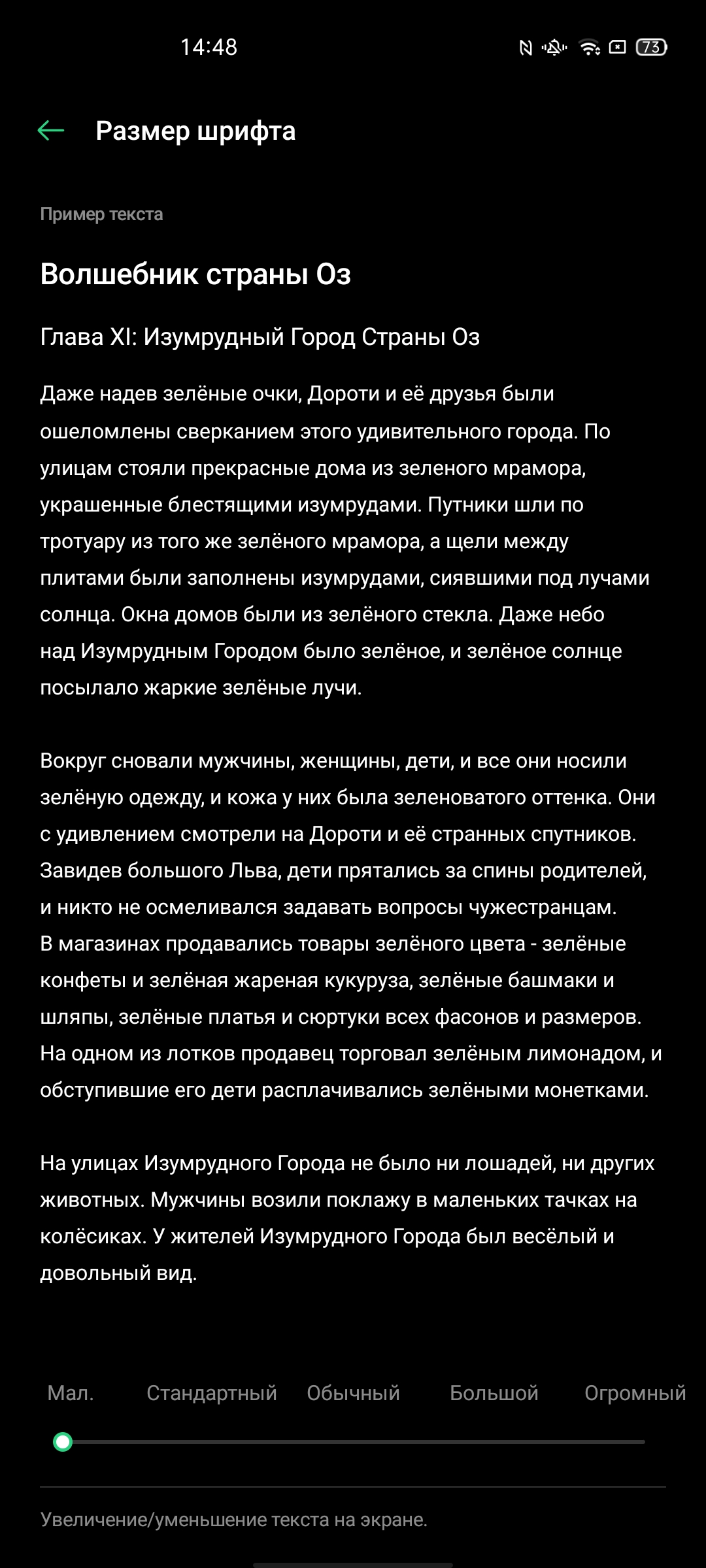
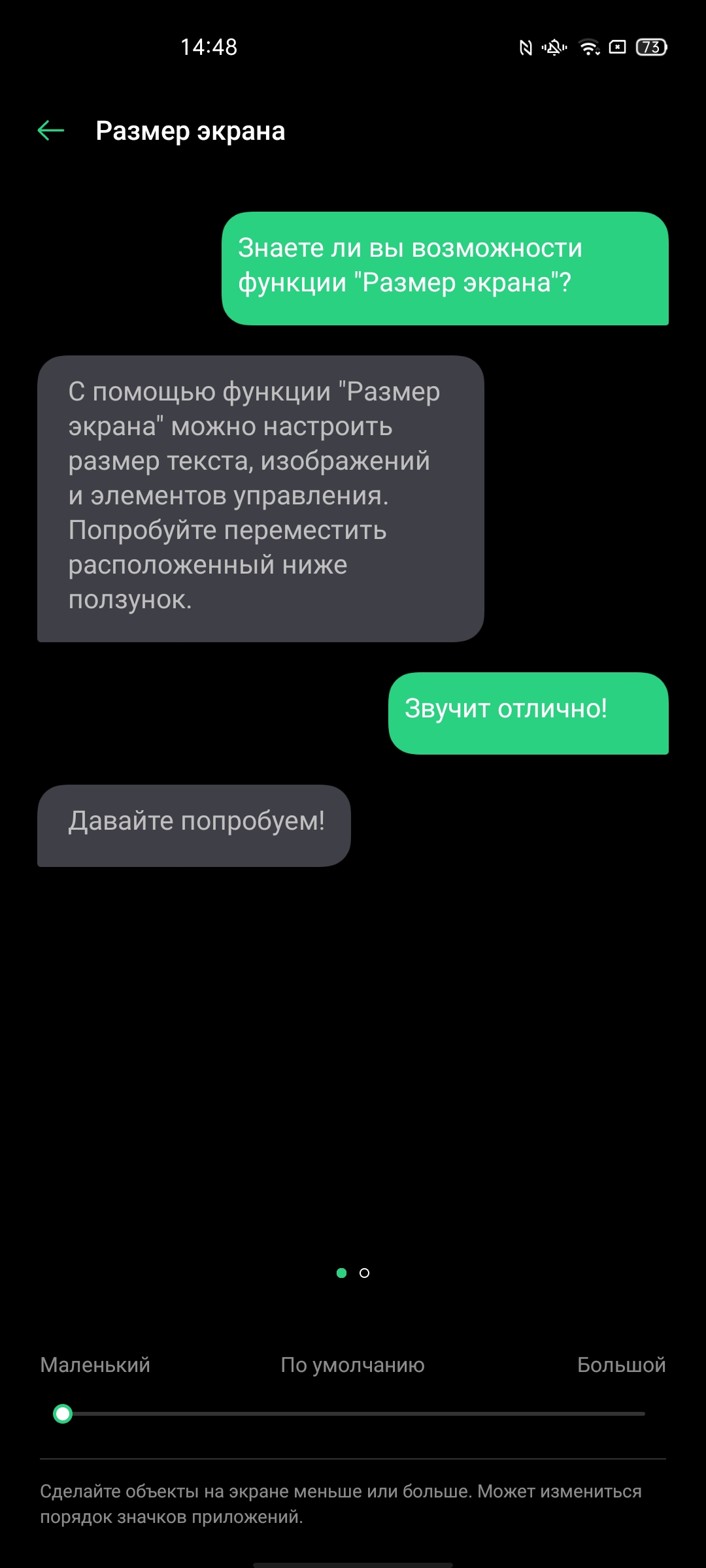
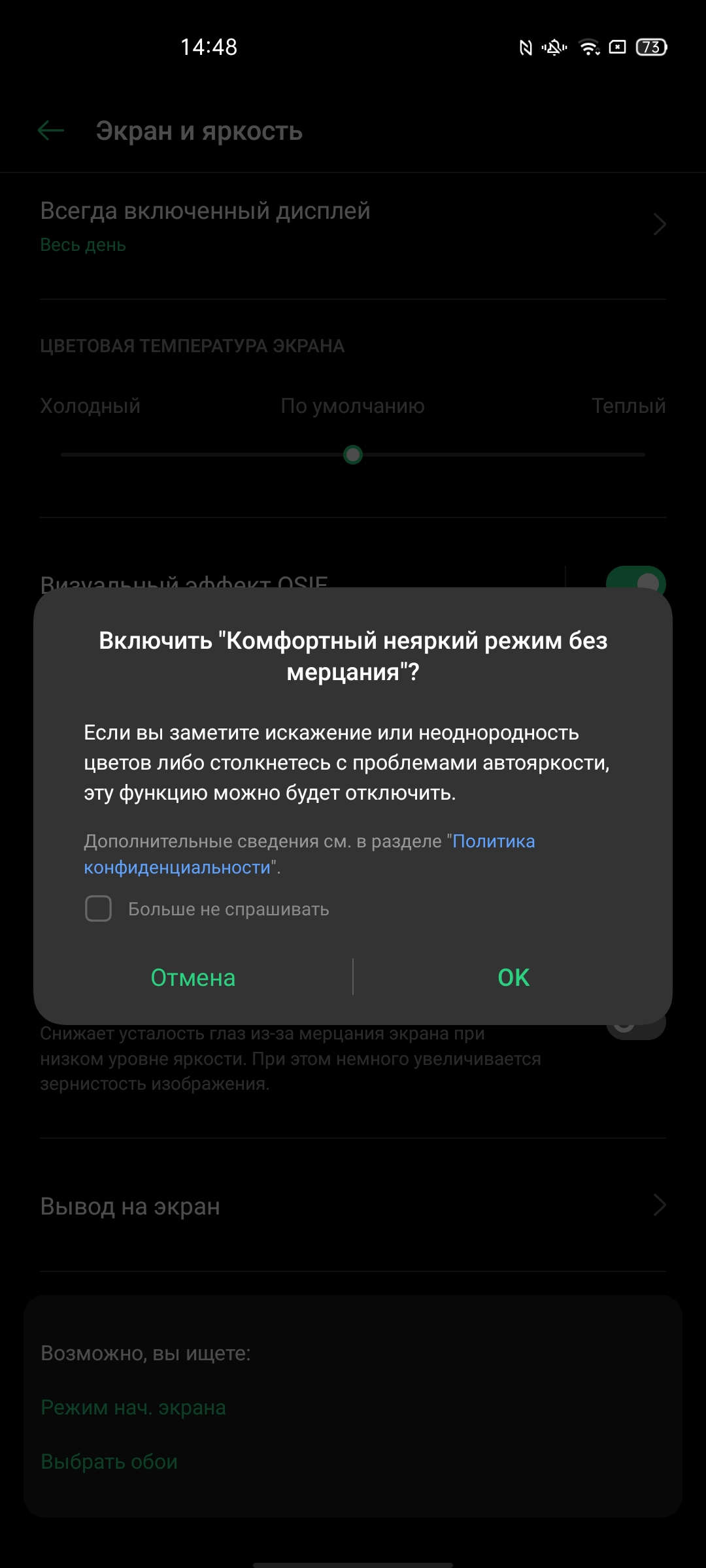
In the screen settings there is a choice of scaleinterface, font size, color temperature adjustment, dark theme, blue filter, flicker reduction function, OSIE visual effect (I never managed to see what it does) and a bunch of variations on the Always On Display theme. There are no different color rendering modes, like more expensive models.
</ img>
</ img>
</ img>
</ img>
</ img>

</ img>
</ img>
</ img>
</ img>







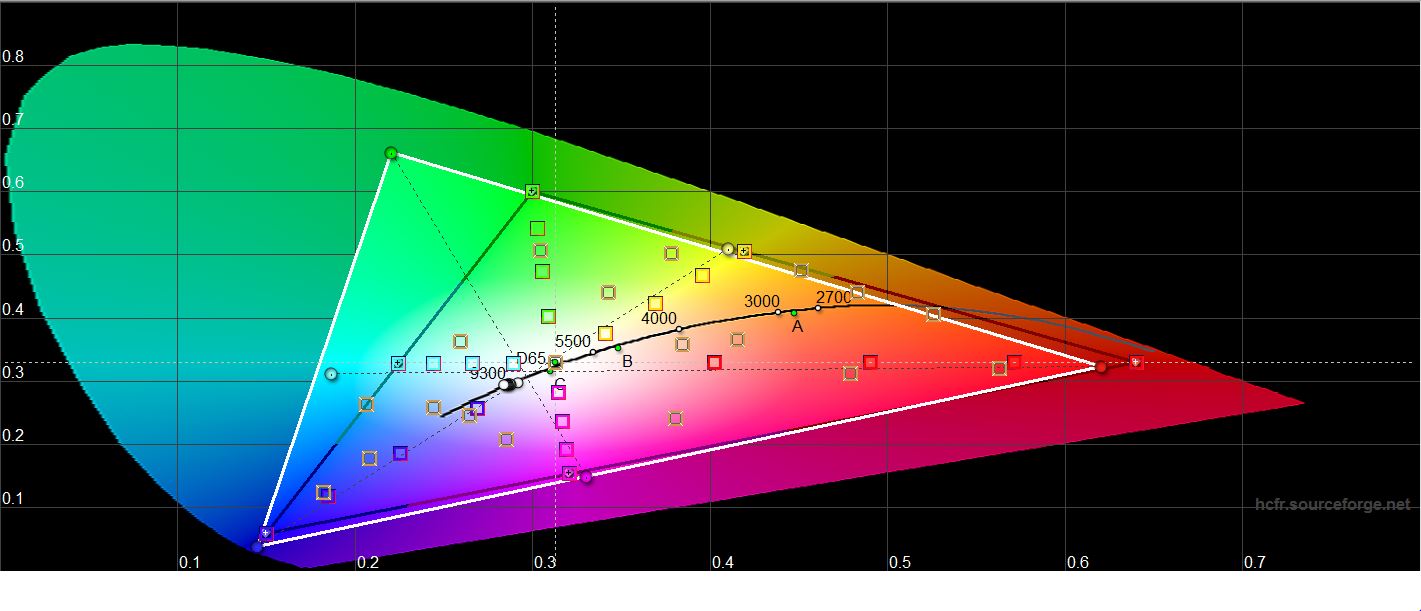
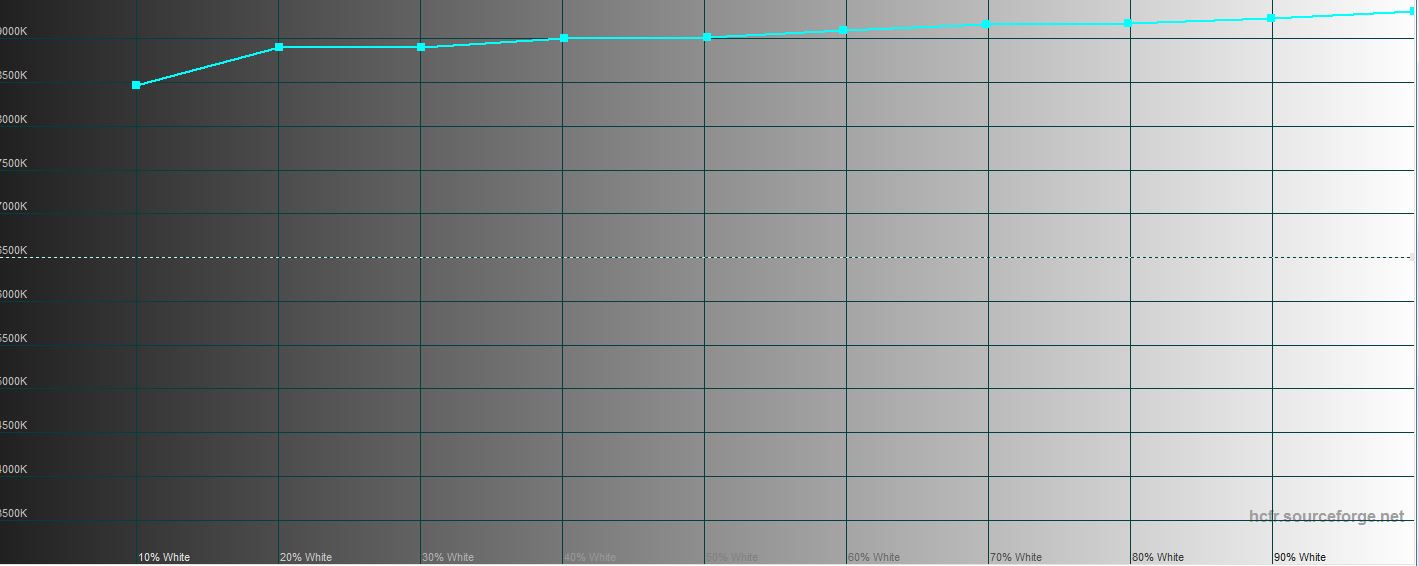
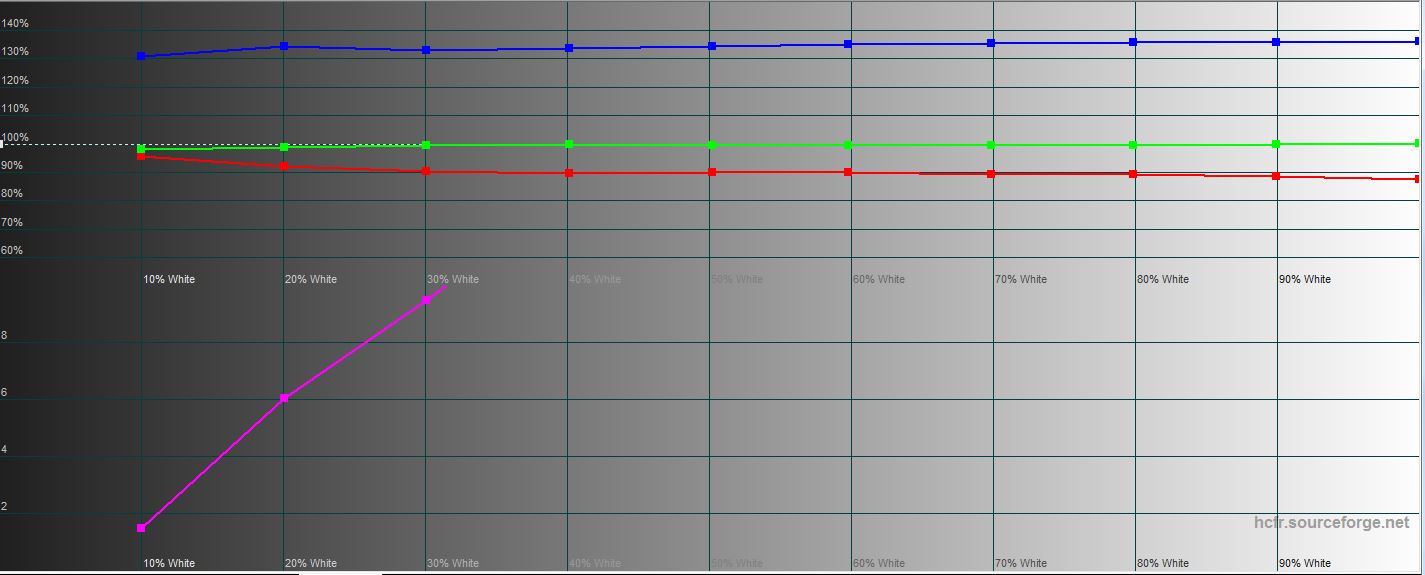
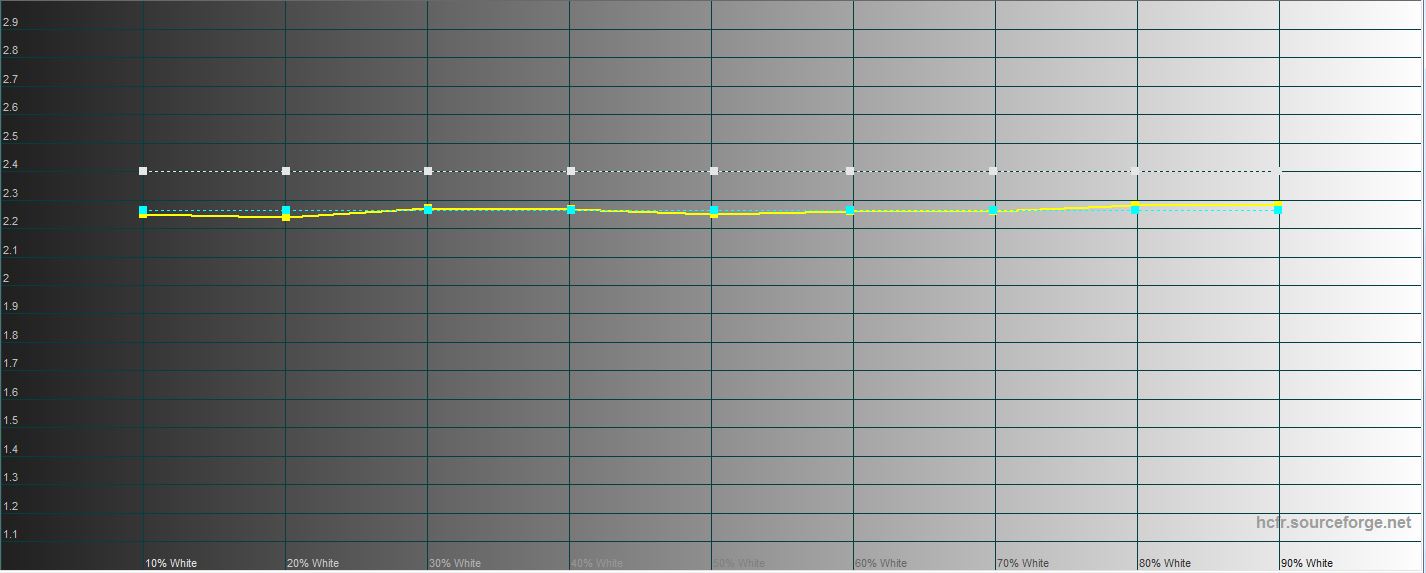
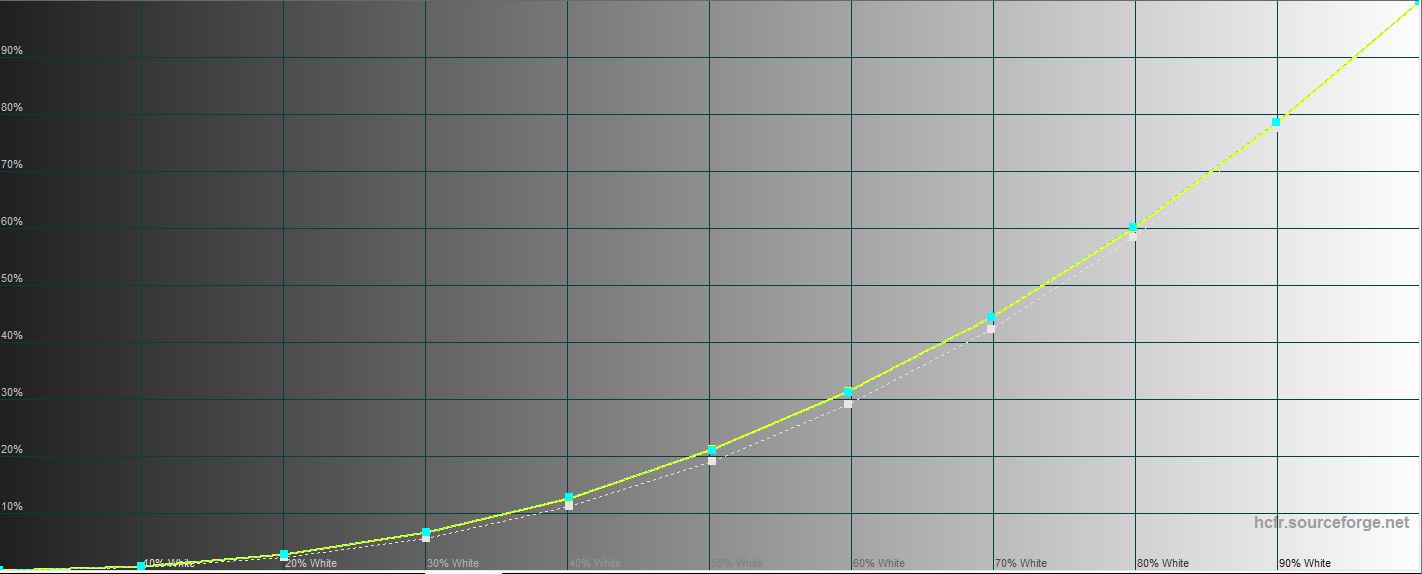
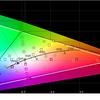
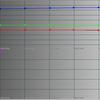
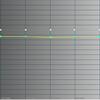
According to the measurement results, the maximum brightness inin manual mode it was 440.123 cd/m², which is even slightly higher than the declared figure. The color gamut is significantly wider than sRGB, but the picture is a little “cool” (color temperature - 8500-9000K with reference 6500K), and the average color error ΔE is 6.48:
</ img>
</ img>
</ img>
</ img>
</ img>


Comparison with other models:
Device name
White field brightness,
cd / m2
The brightness of the black field,
cd / m2
Contrast
OPPO Reno4 Lite
440.123
0
∞
OPPO Reno3 Pro
511.638
0
∞
OPPO Find X2
520.675
0
∞
Samsung Galaxy S20 Ultra
408.388
0
∞
Samsung Galaxy Note10+
387.745
0
∞
Sony Xperia 1
394.97
0
∞
Huawei P30 Pro
447.247
0
∞
Samsung Galaxy S10
378.72
0
∞
Samsung Galaxy Note9
340.32
0
∞
What are the unlock methods?
</ img>
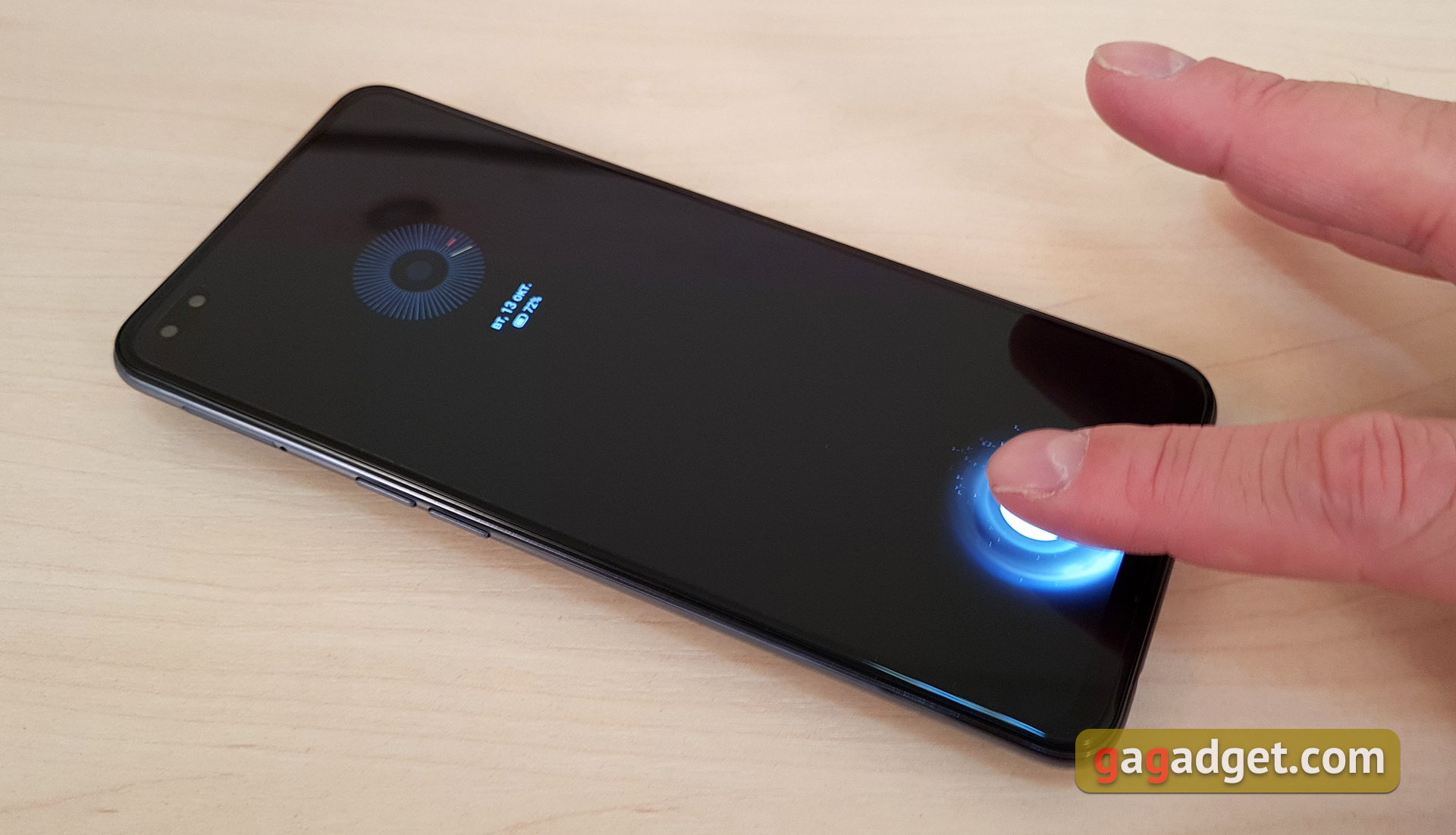
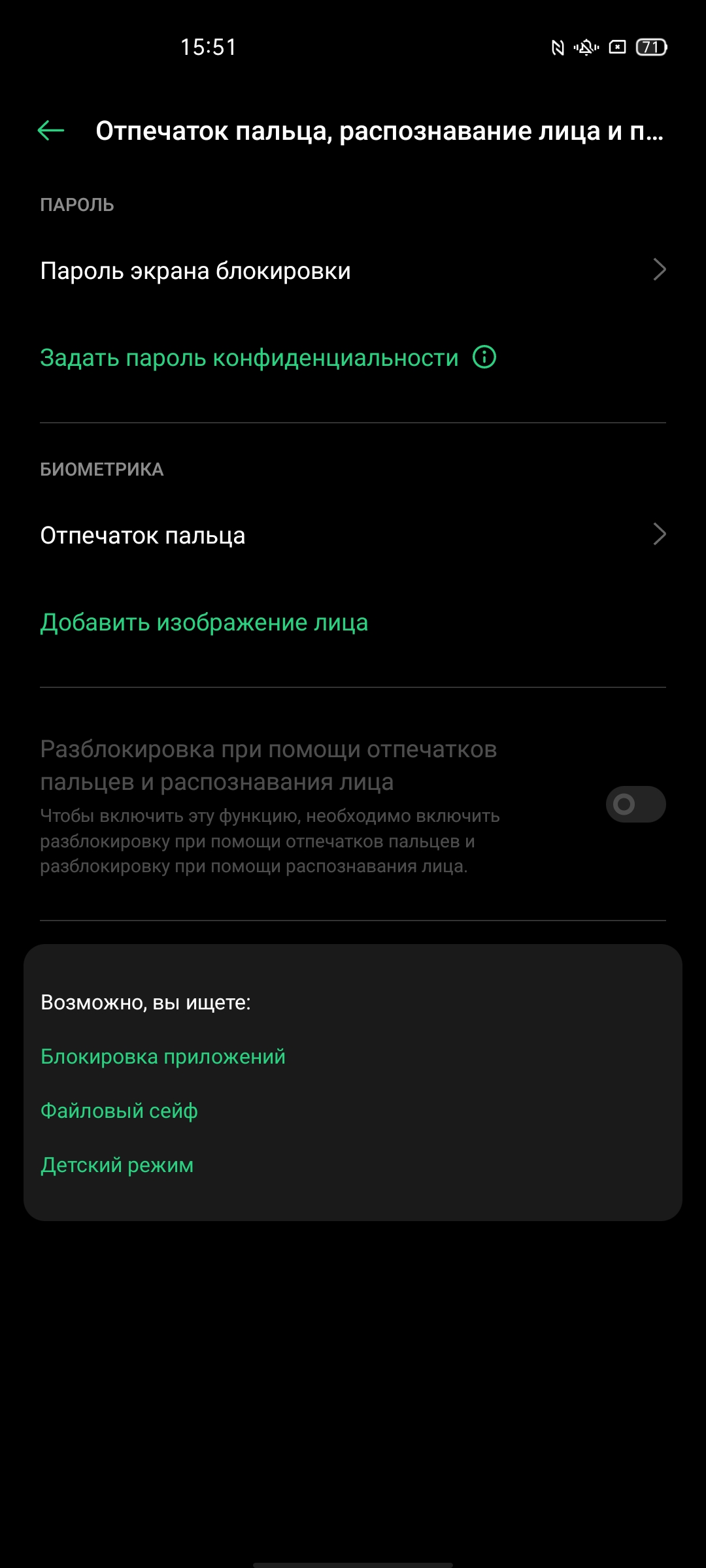
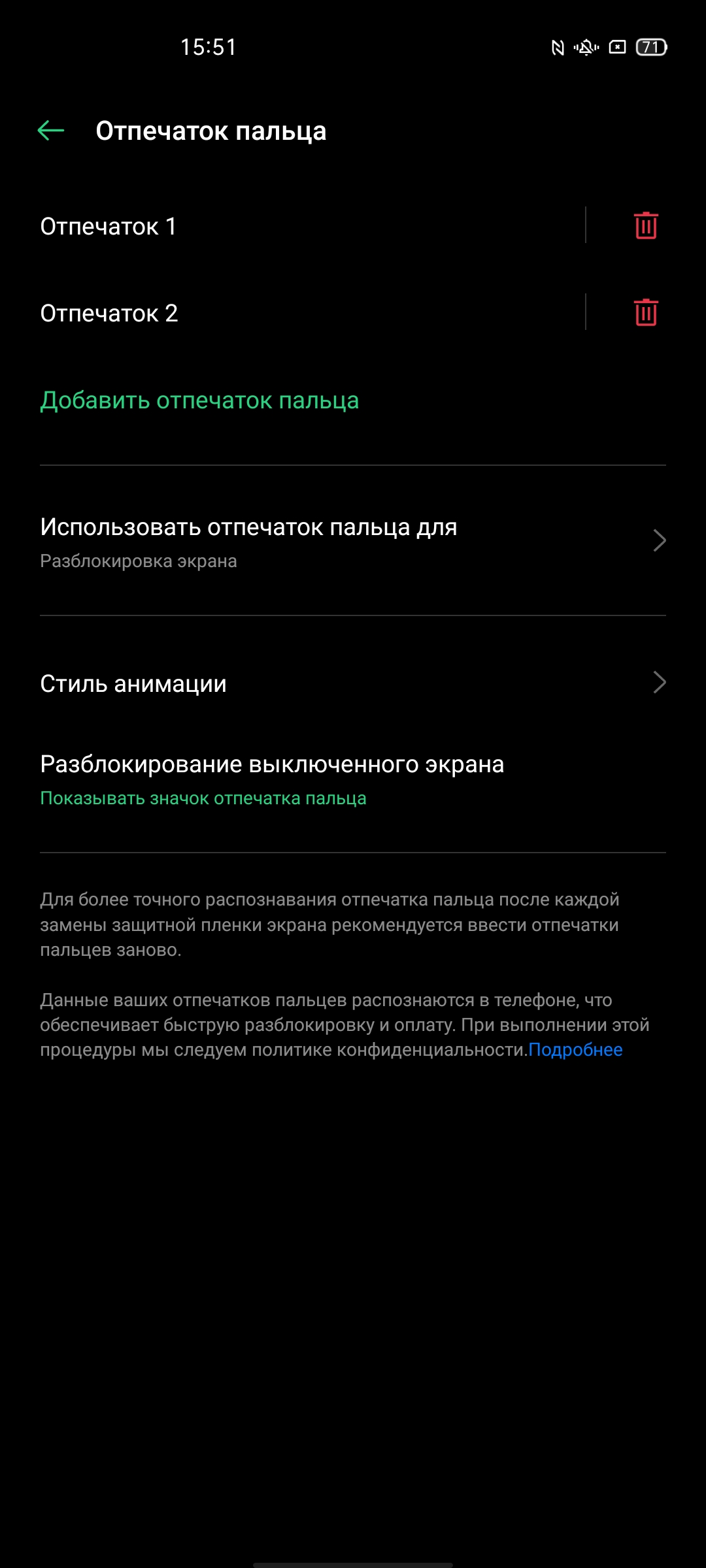
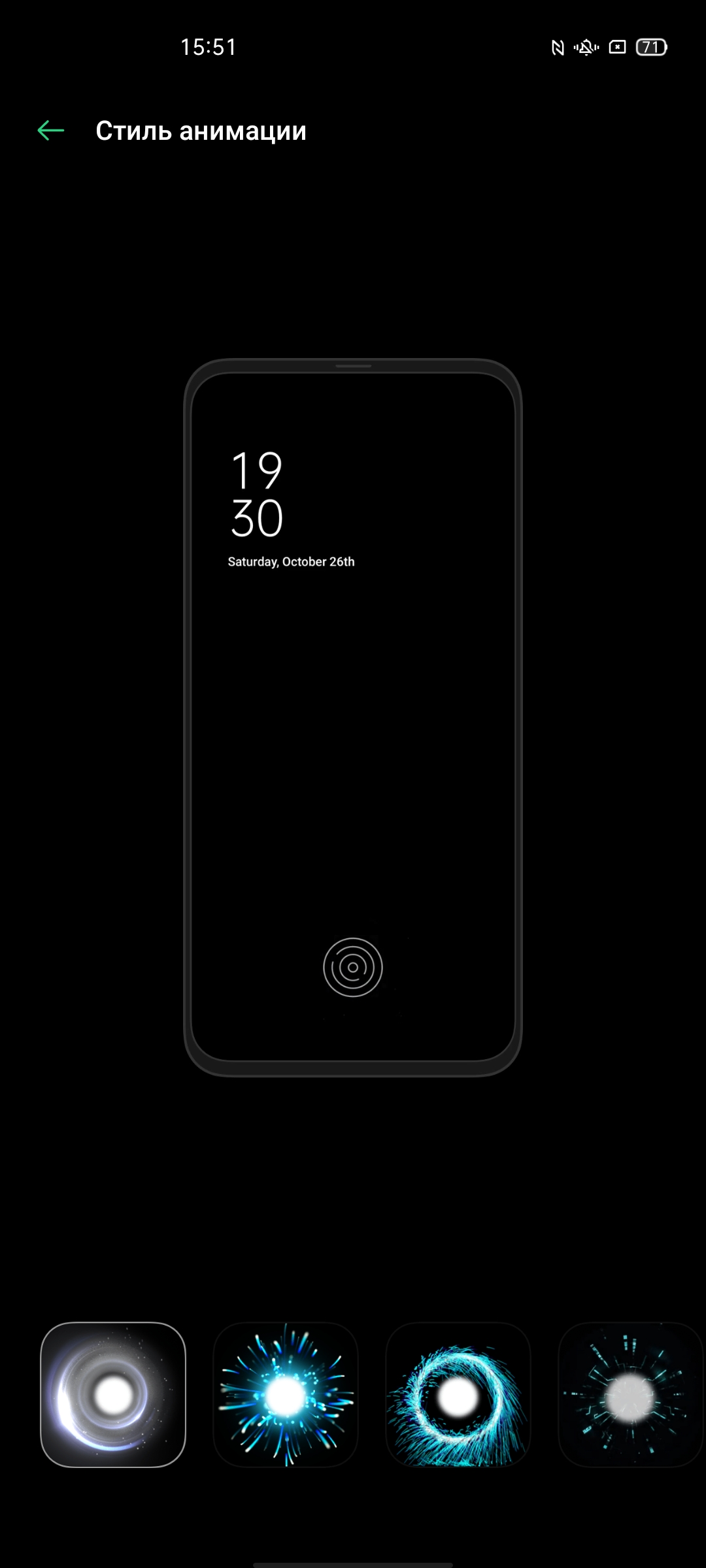
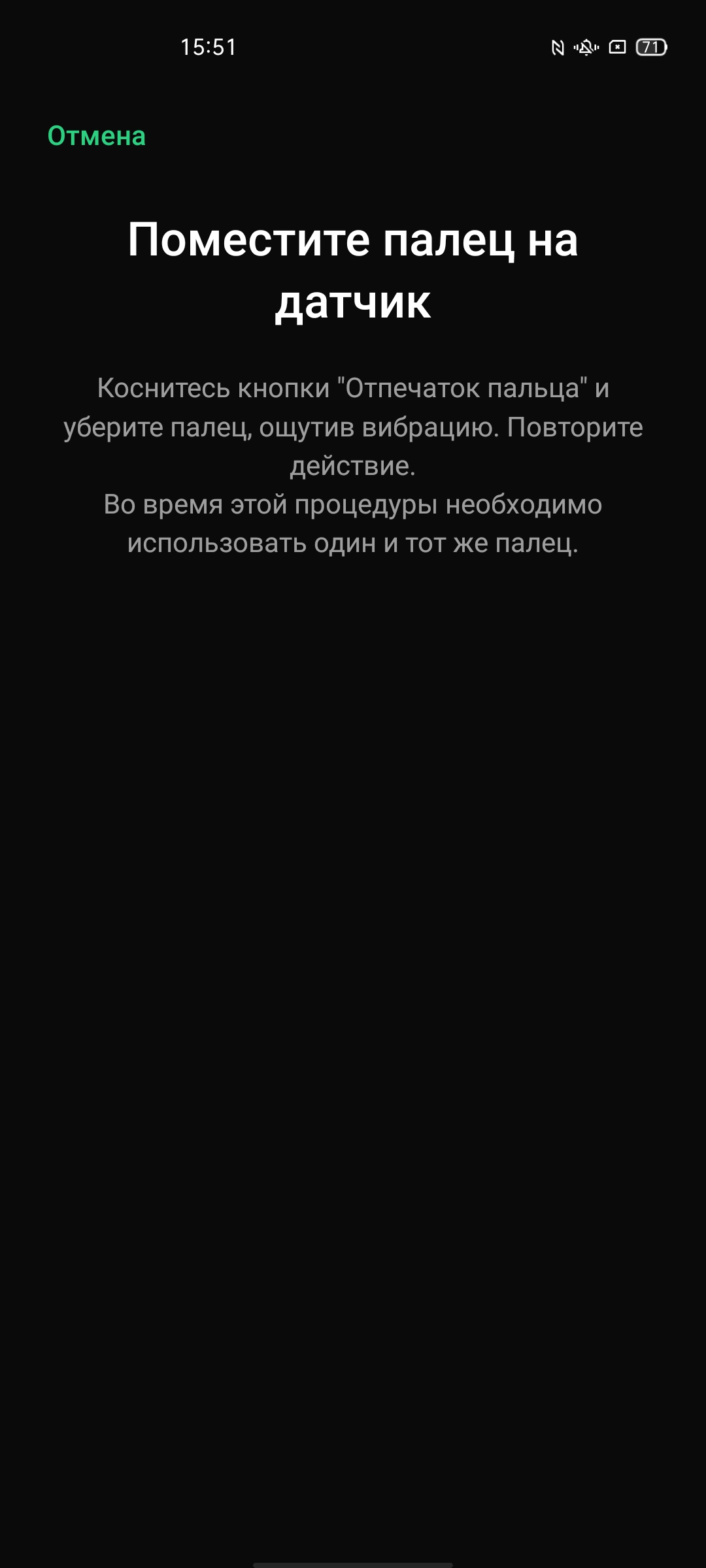
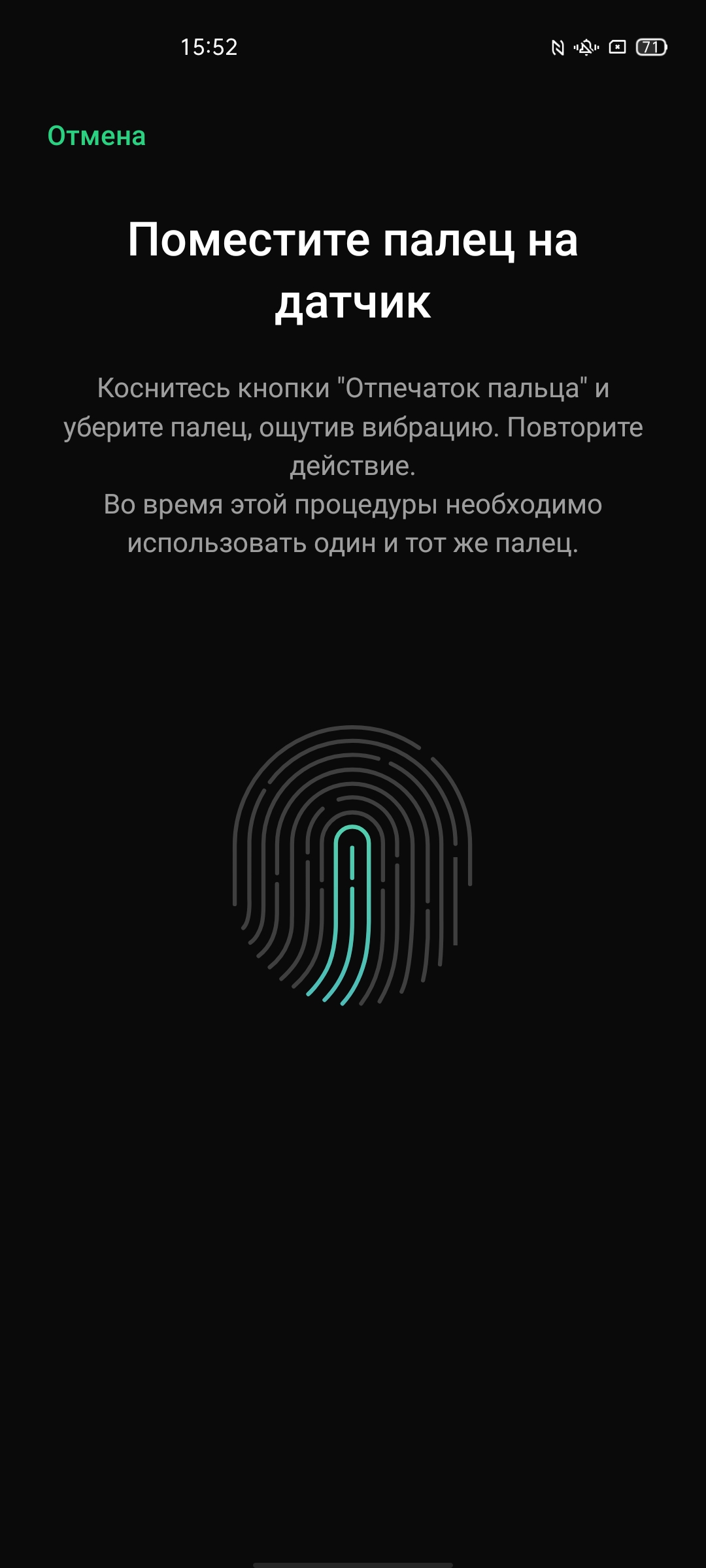
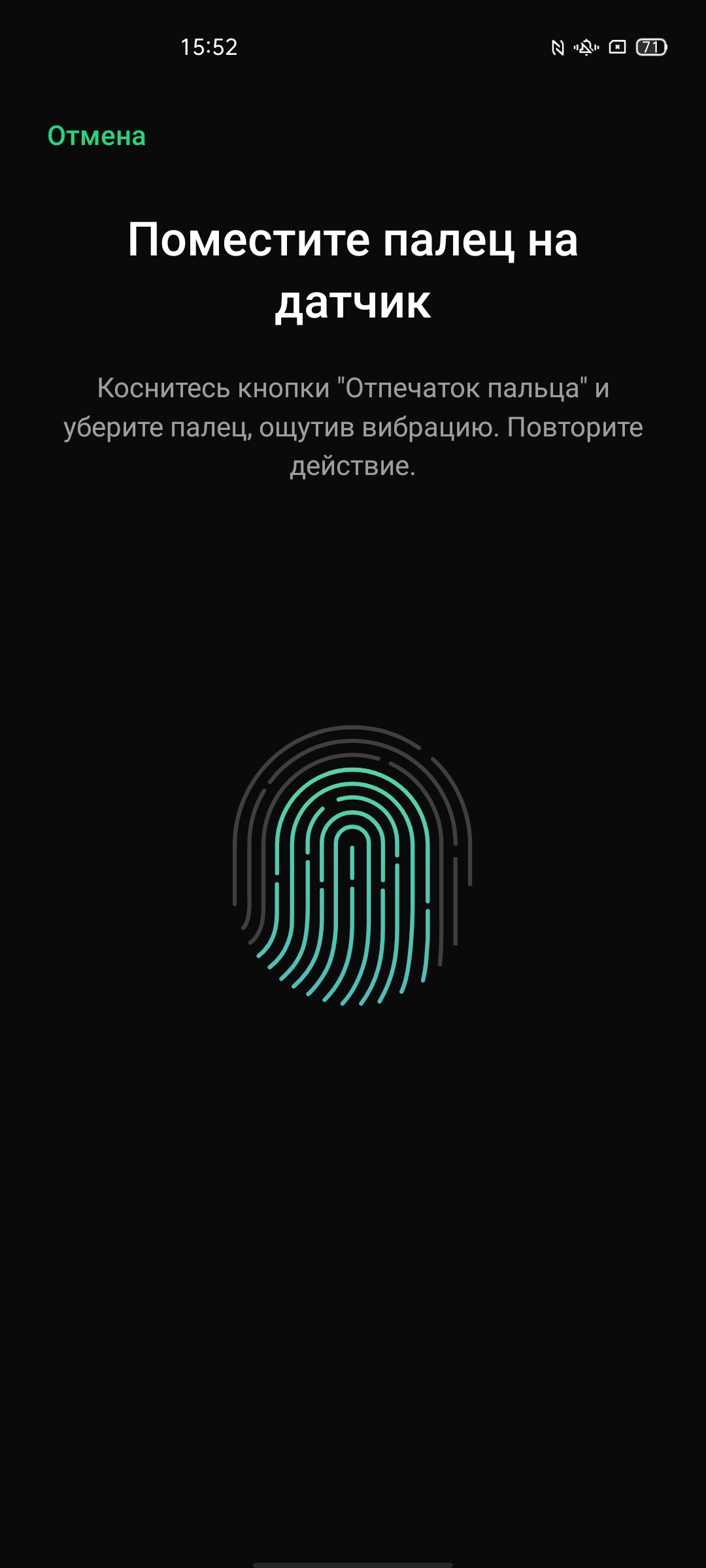
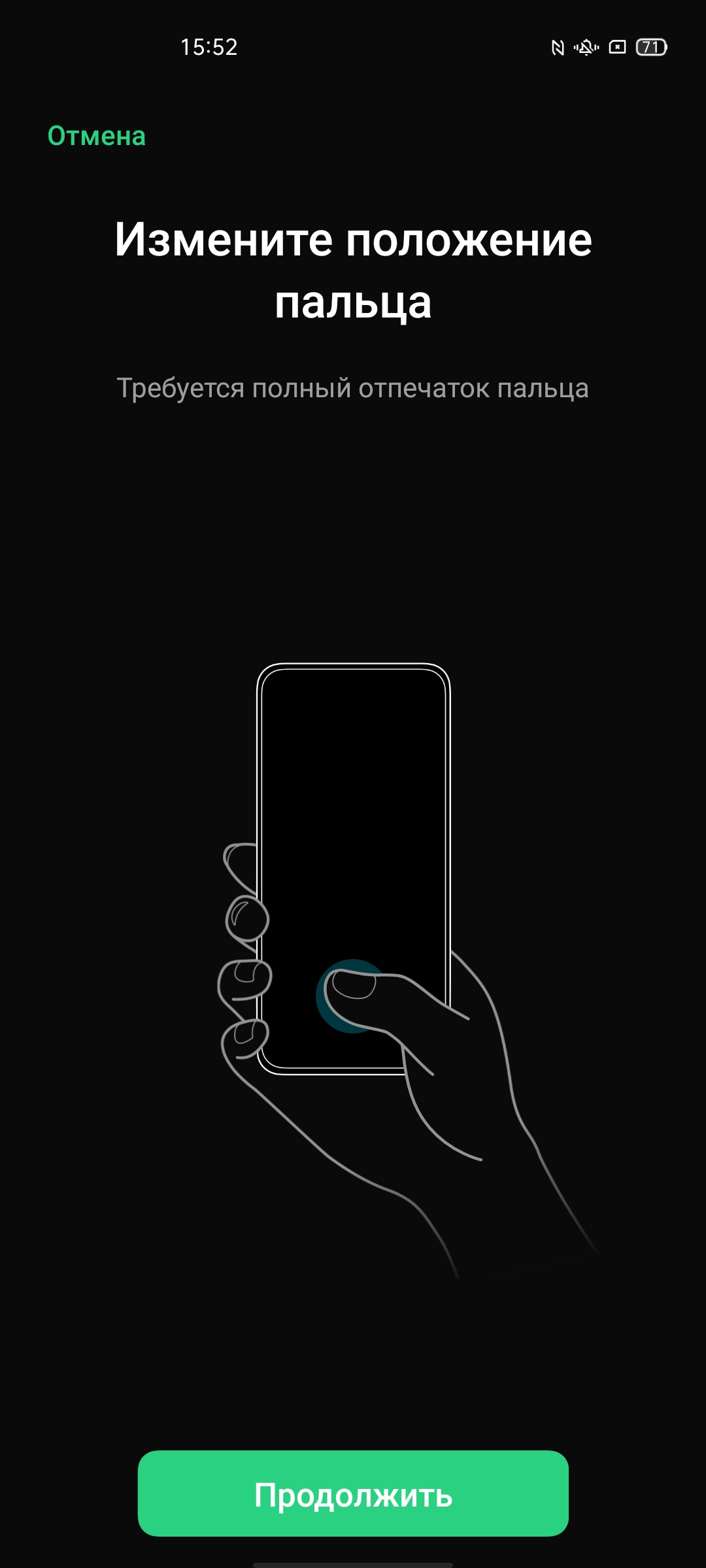
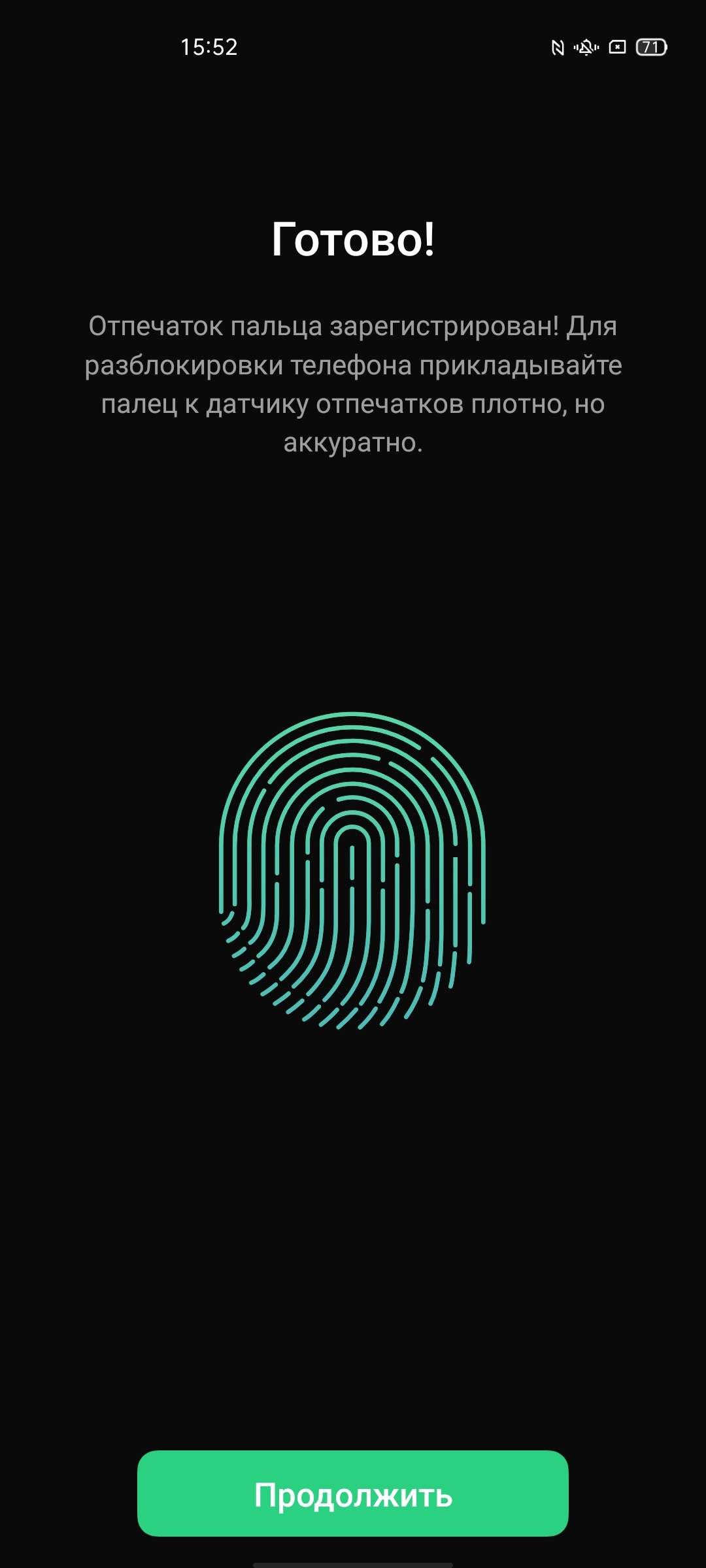
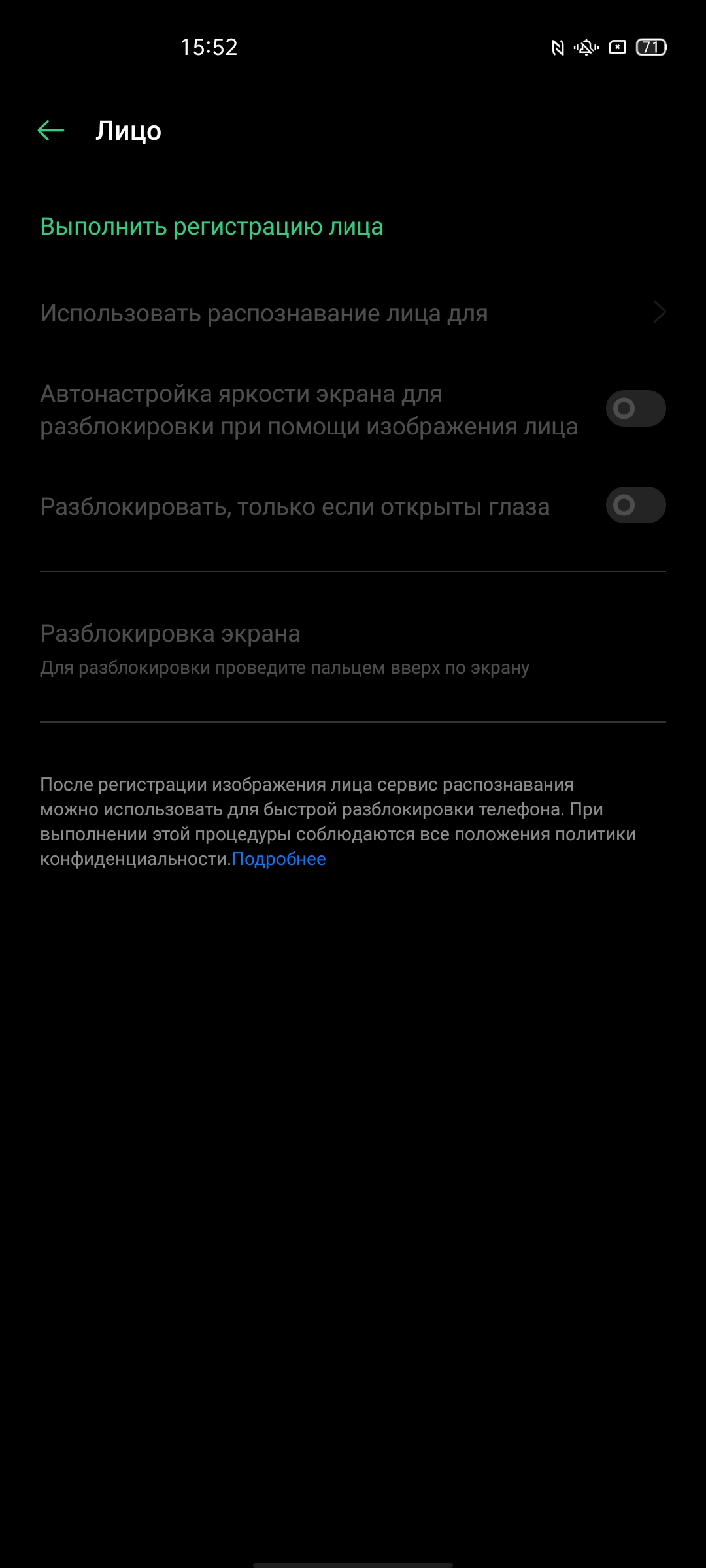
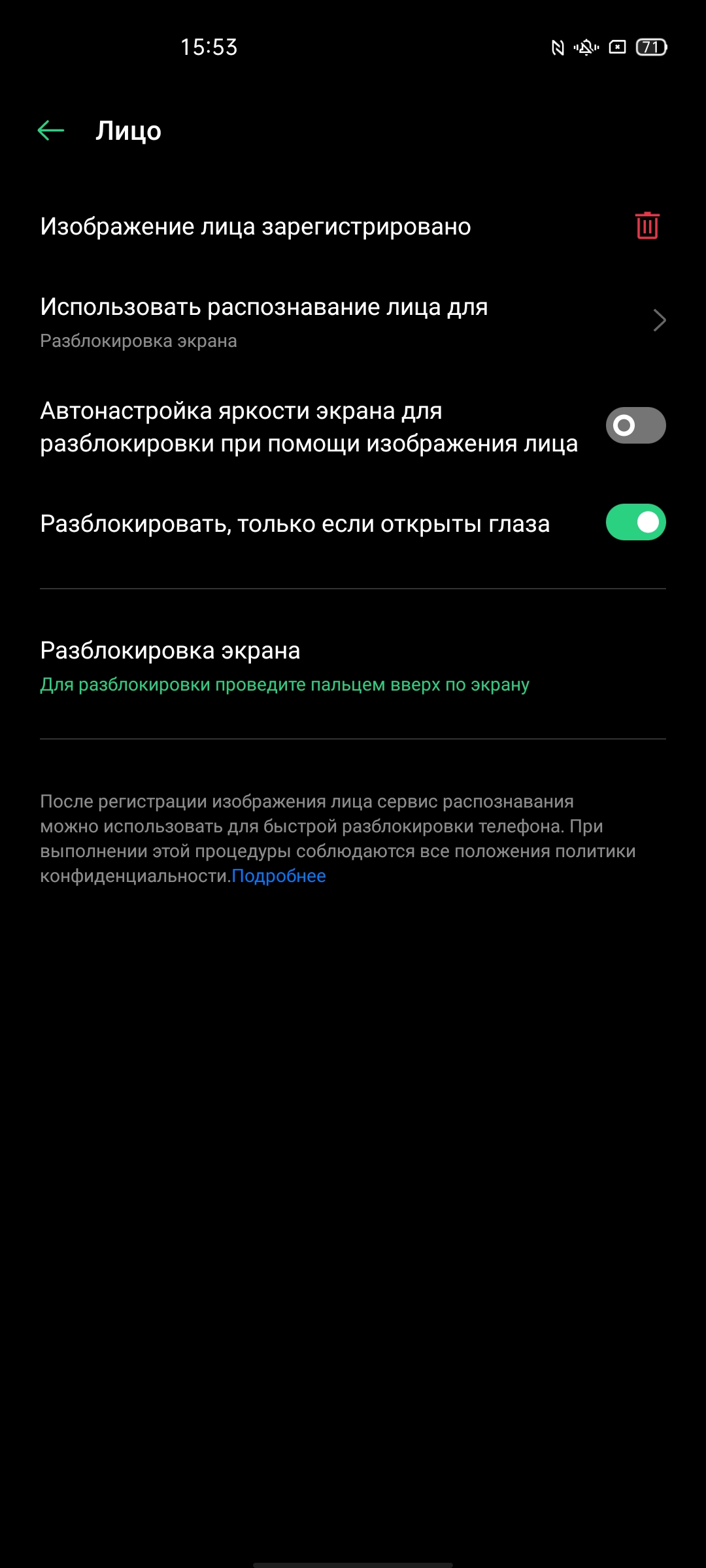
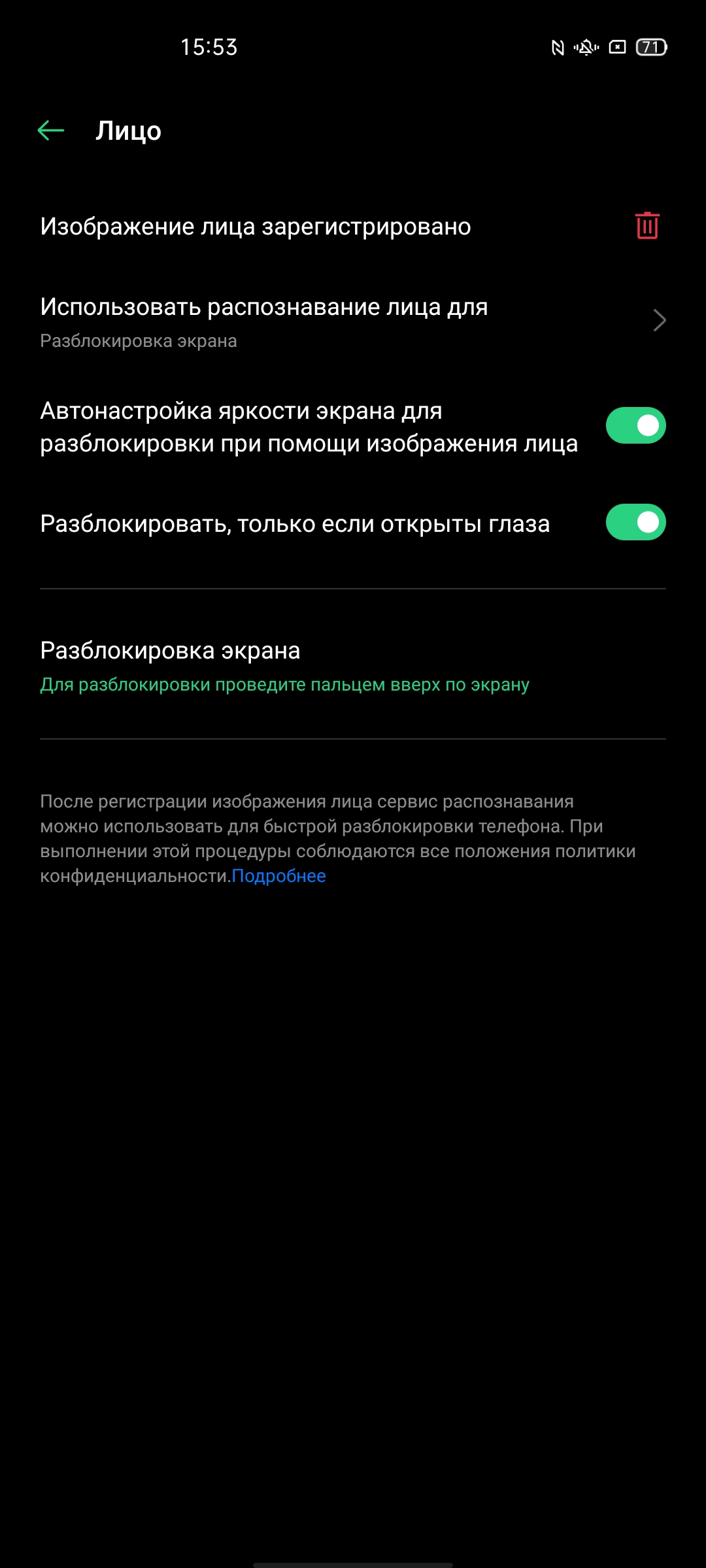
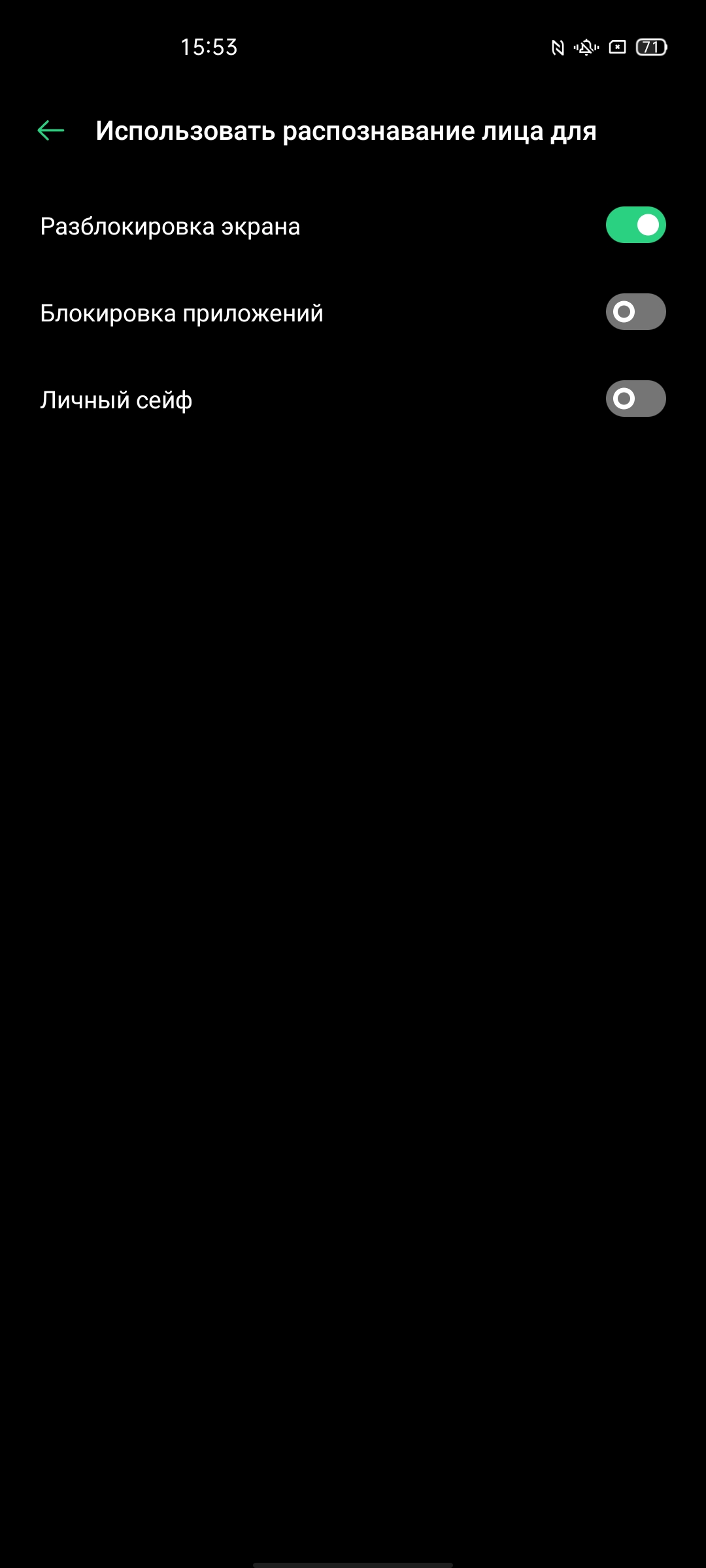
To unlock your smartphone, you can useoptical fingerprint scanner in the screen and face recognition of the owner by the front camera. I suspect that only the main front-facing module is used. In the settings, you can turn on the automatic brightness adjustment so that the face is better illuminated in low ambient light. And enable the option when a face with closed eyes will not be recognized. In most cases, recognition works well: a little slower than a fingerprint, but quite usable. The scanner is fast and accurate. The speed is close to the traditional capacitive versions, there were a minimum of errors during use.
</ img>
</ img>
</ img>
</ img>
</ img>
</ img>
</ img>
</ img>
</ img>
</ img>
</ img>
</ img>











What about performance, memory, sound and autonomy?
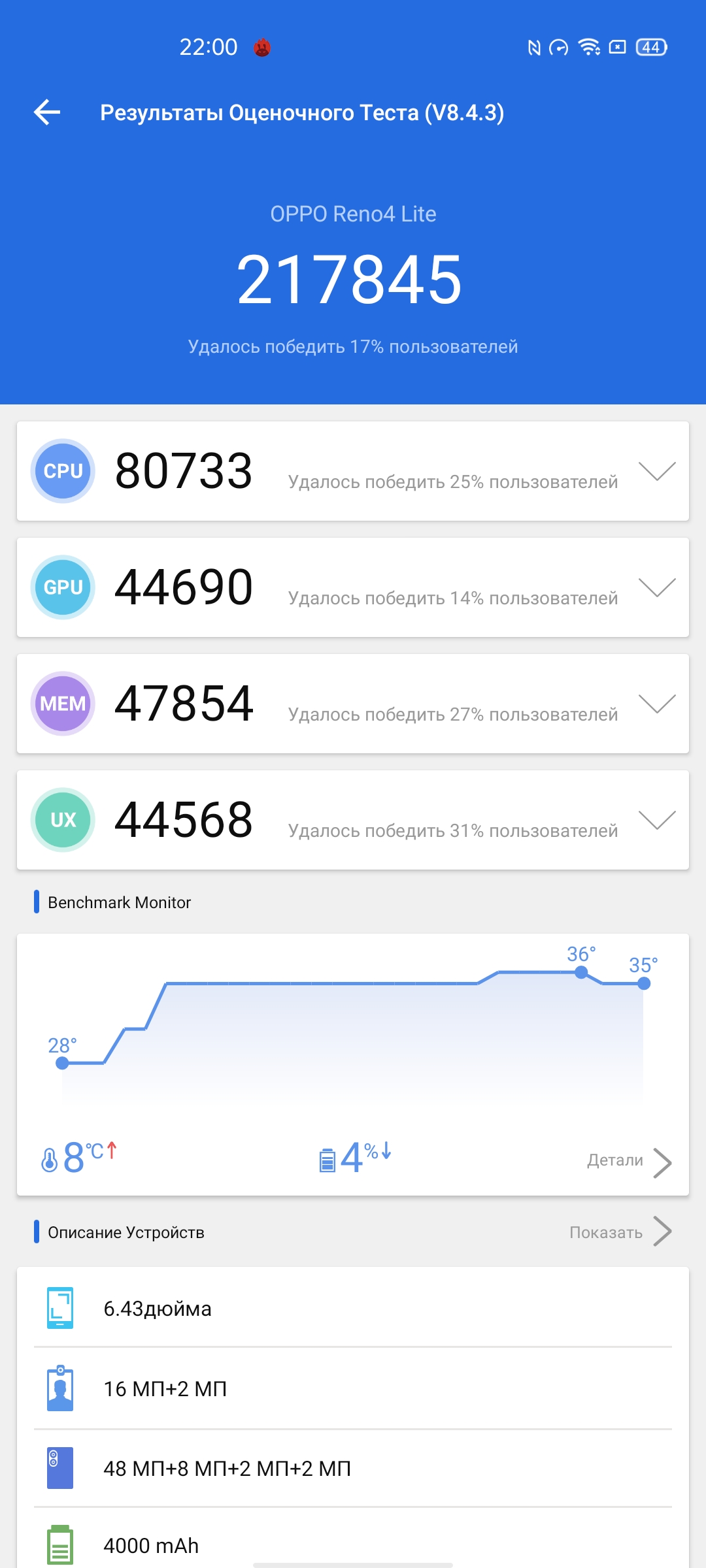
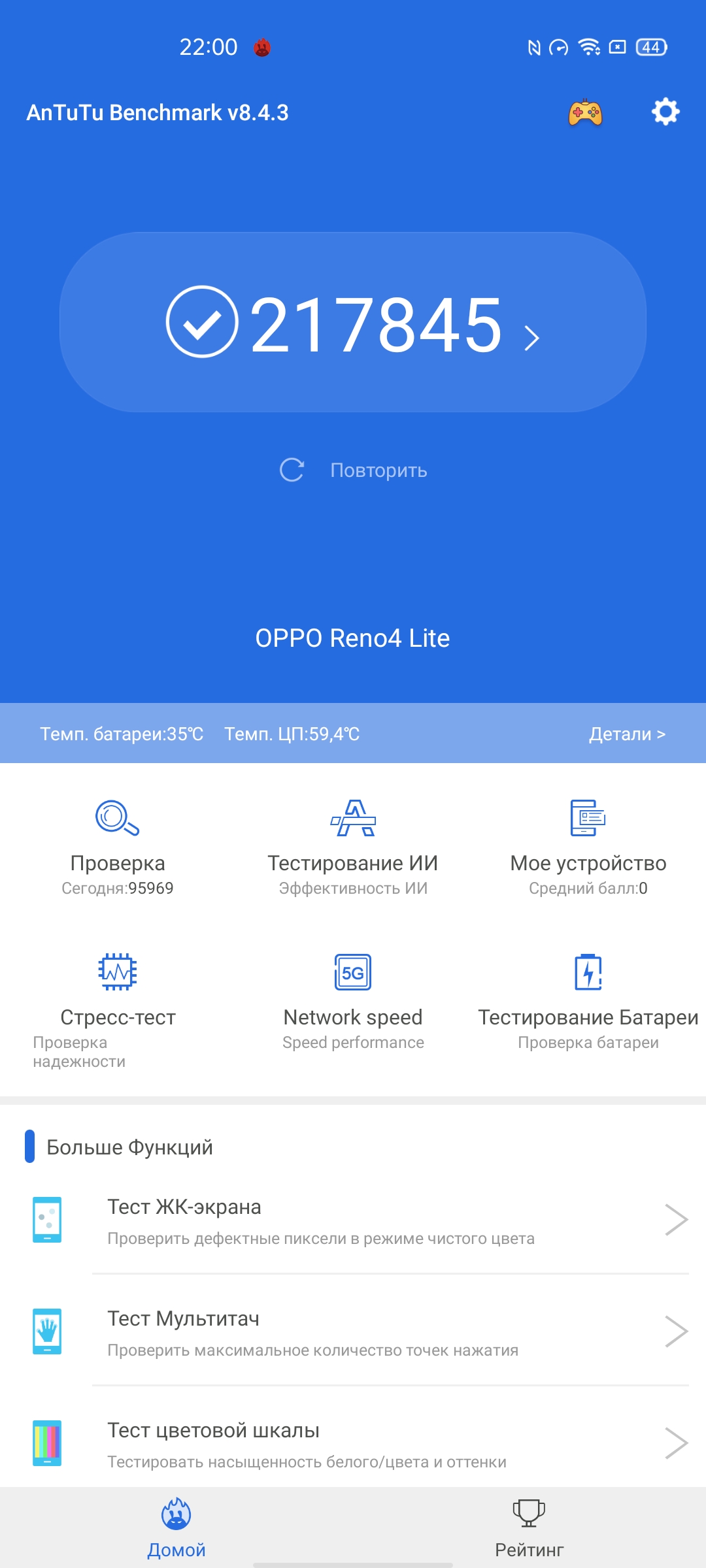
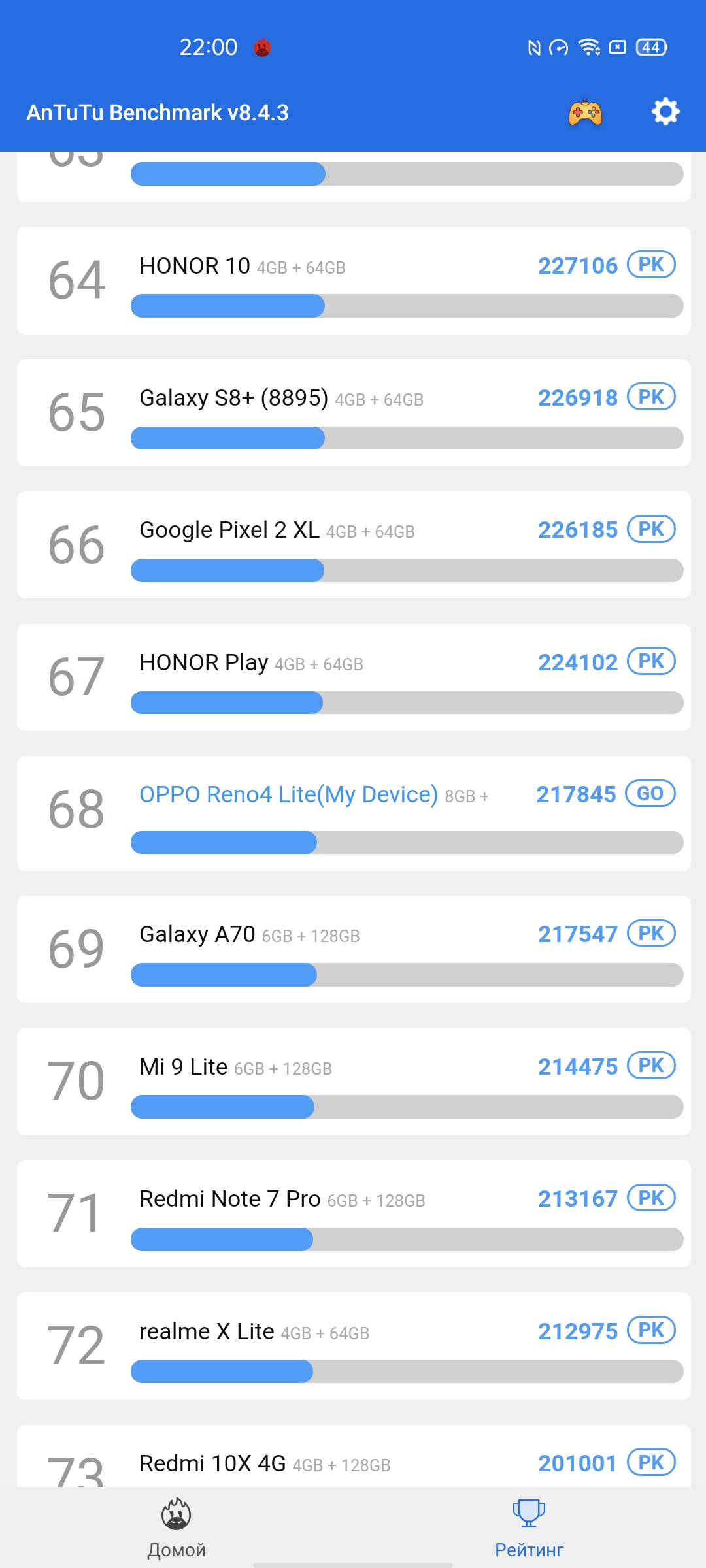
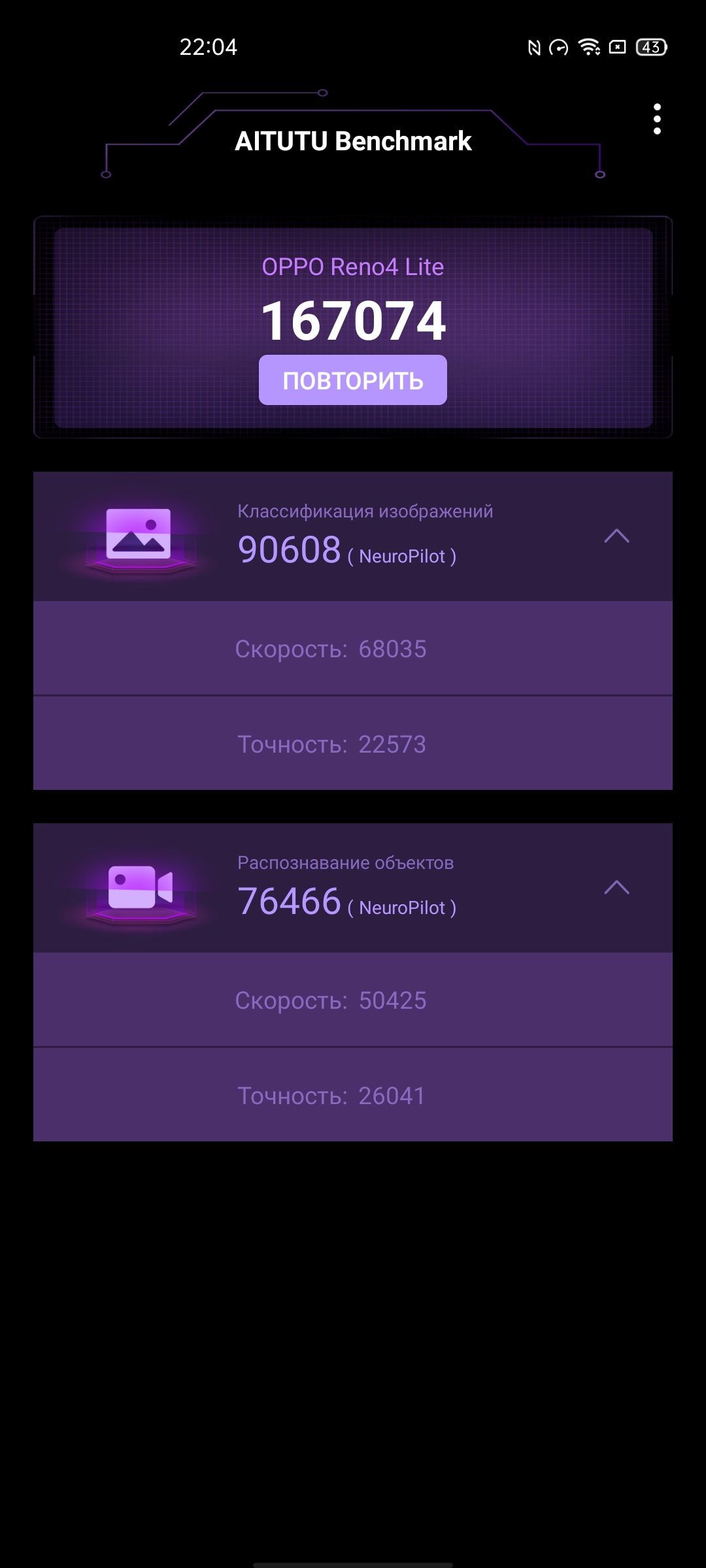
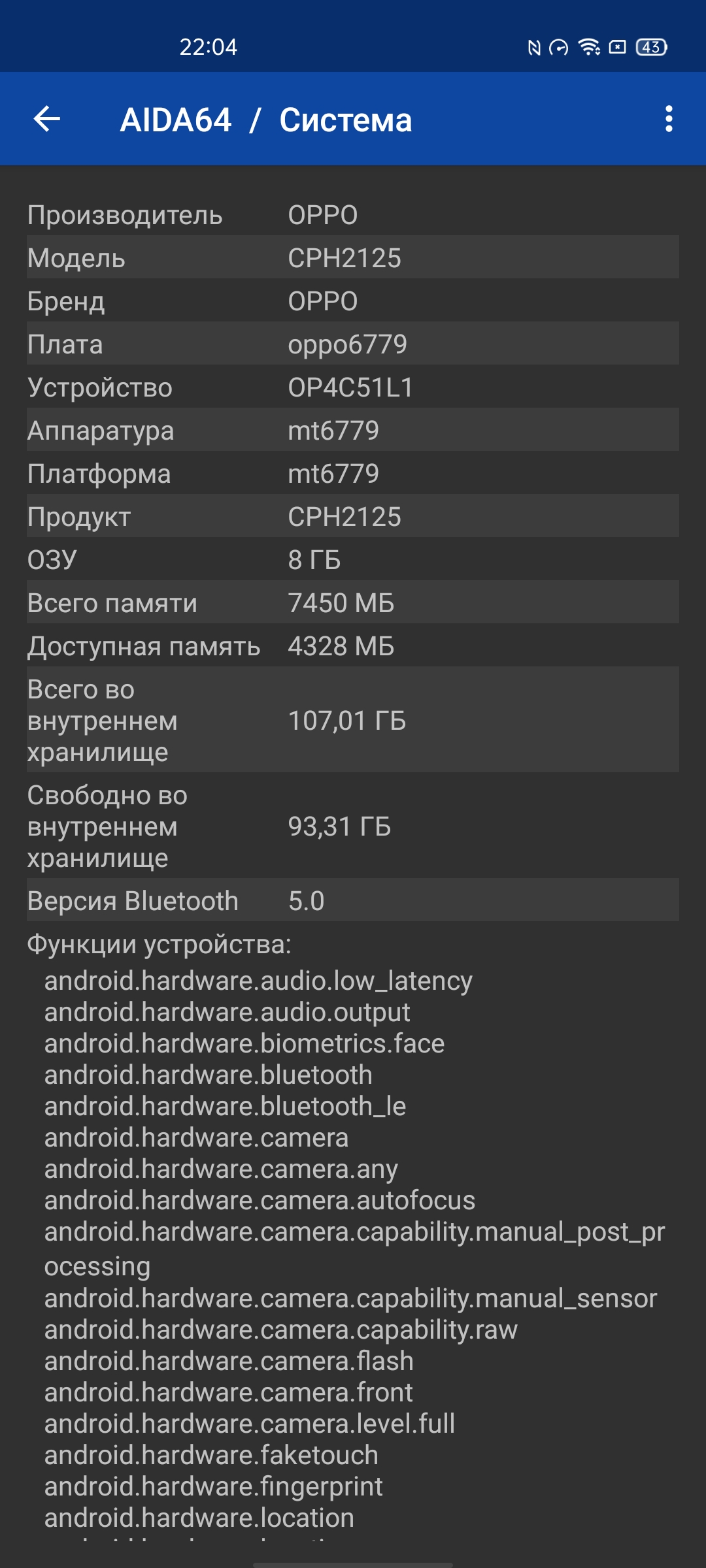
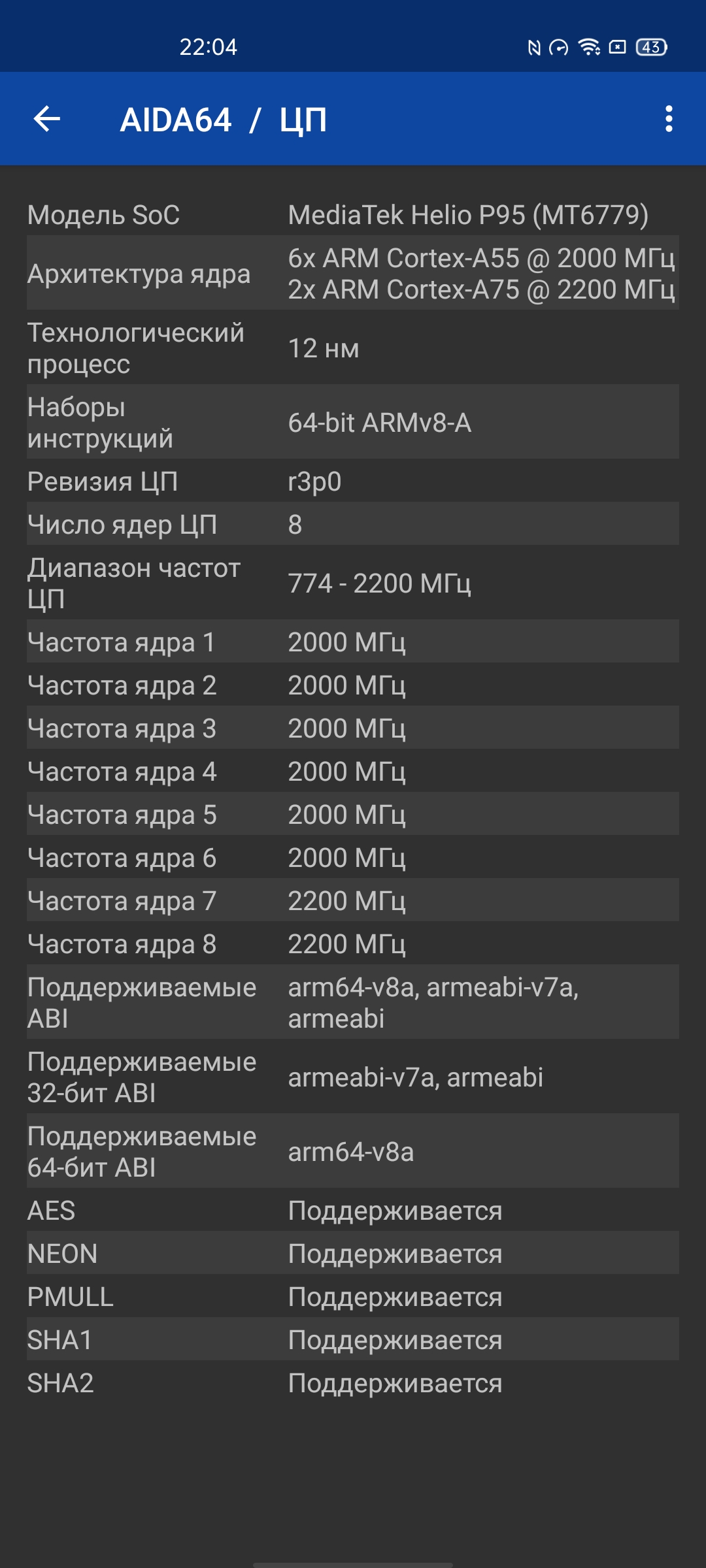
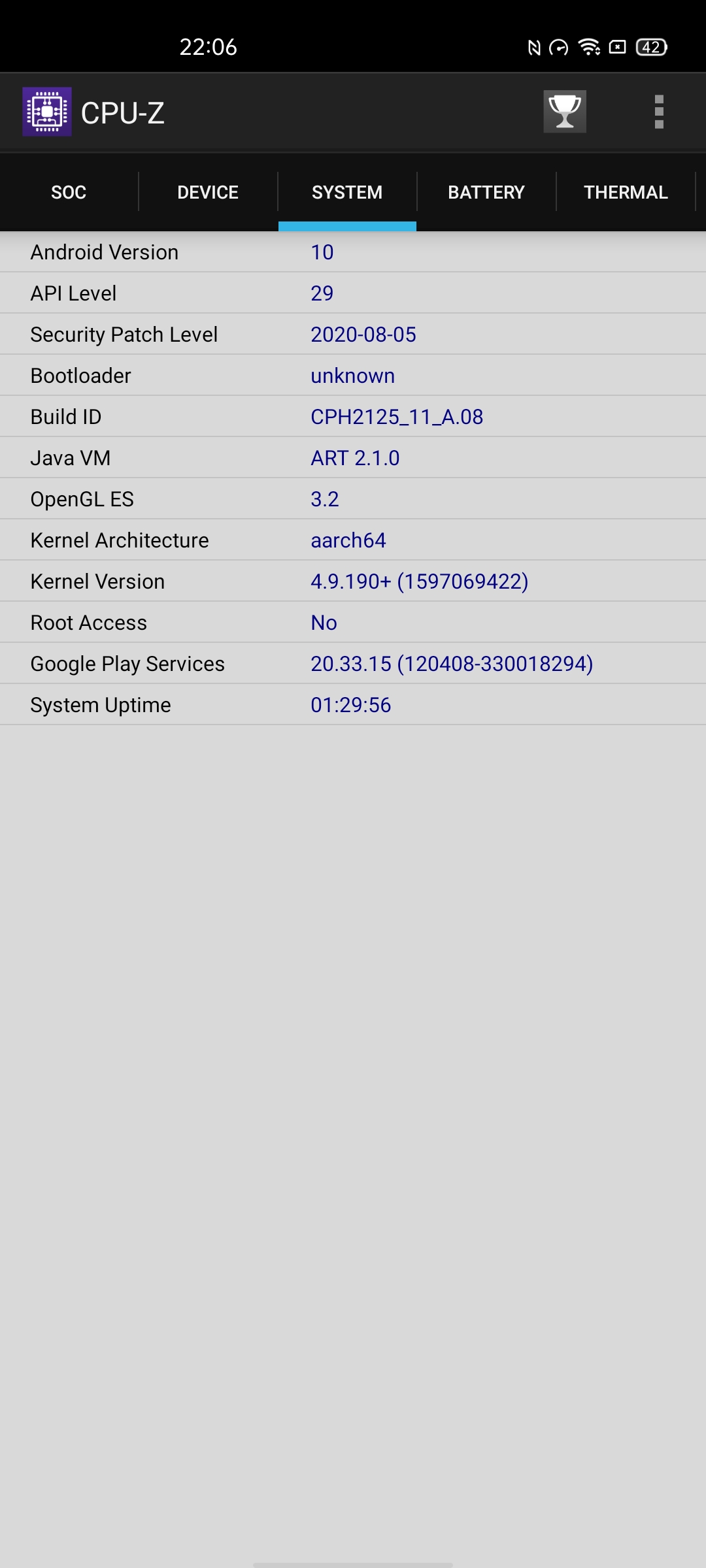
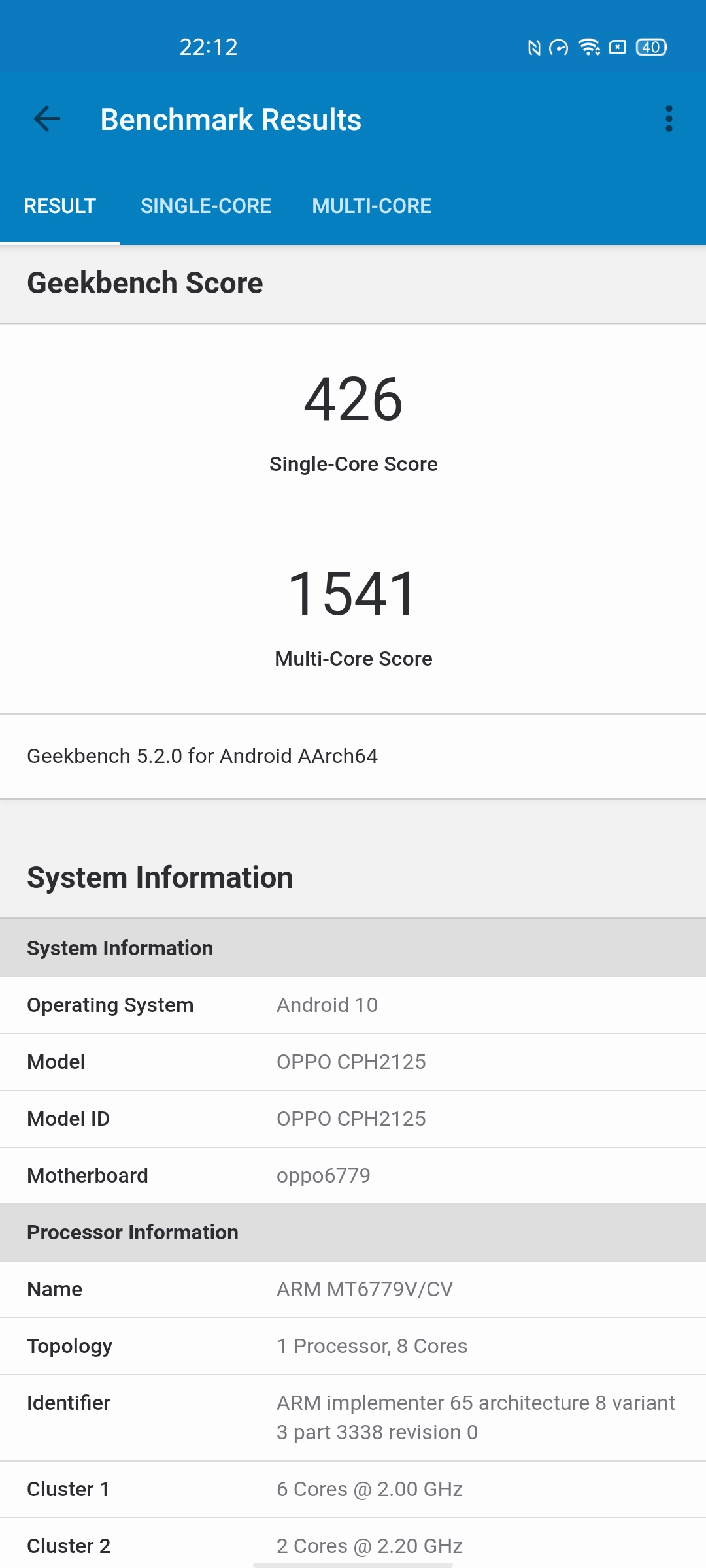
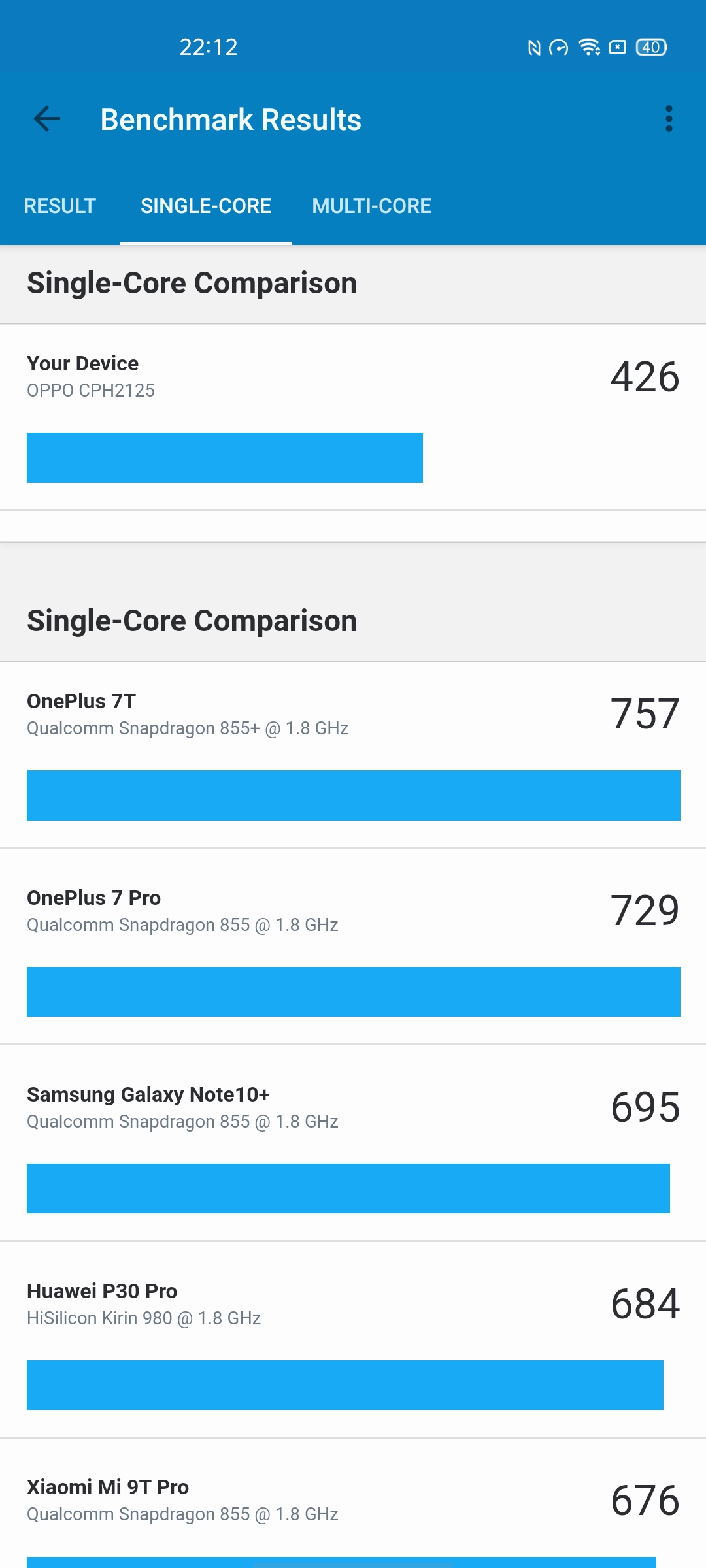
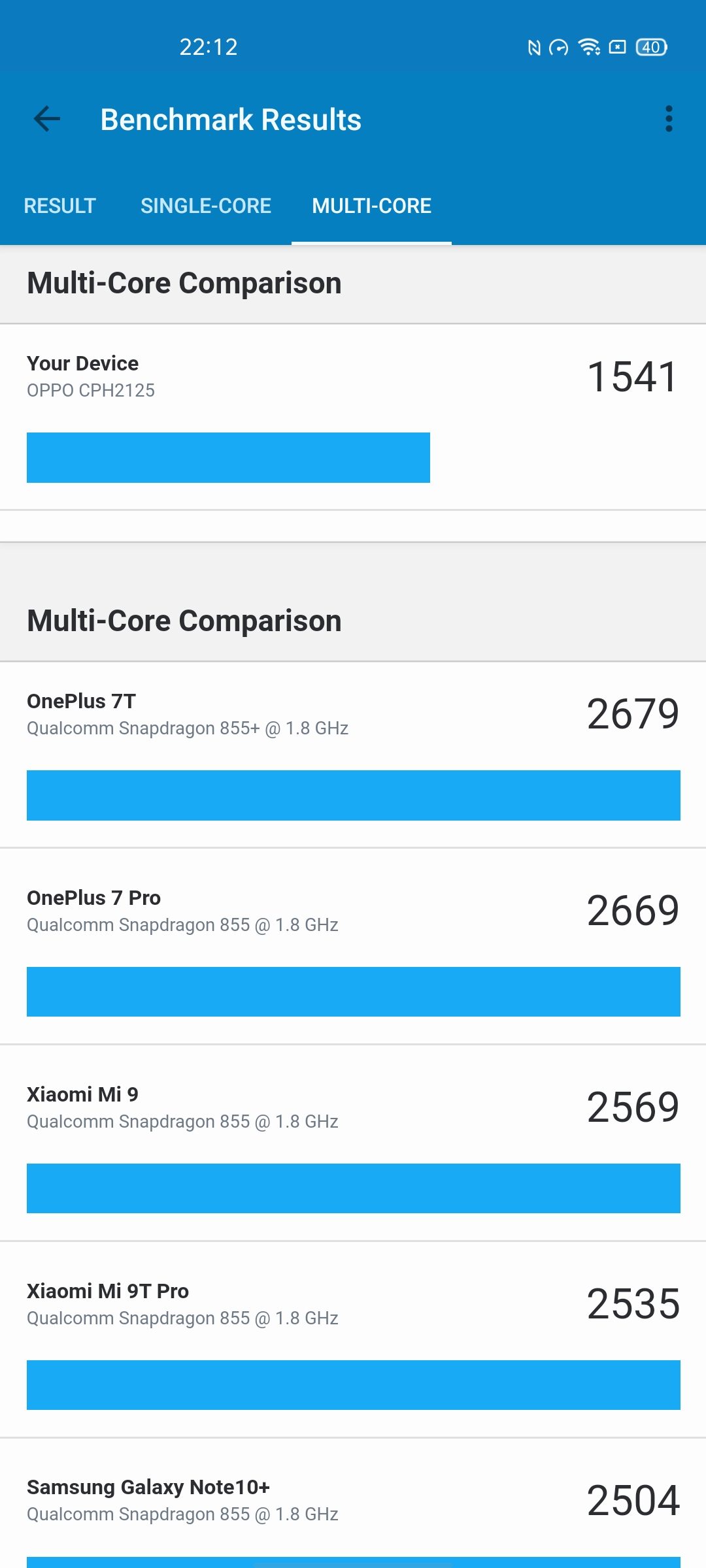
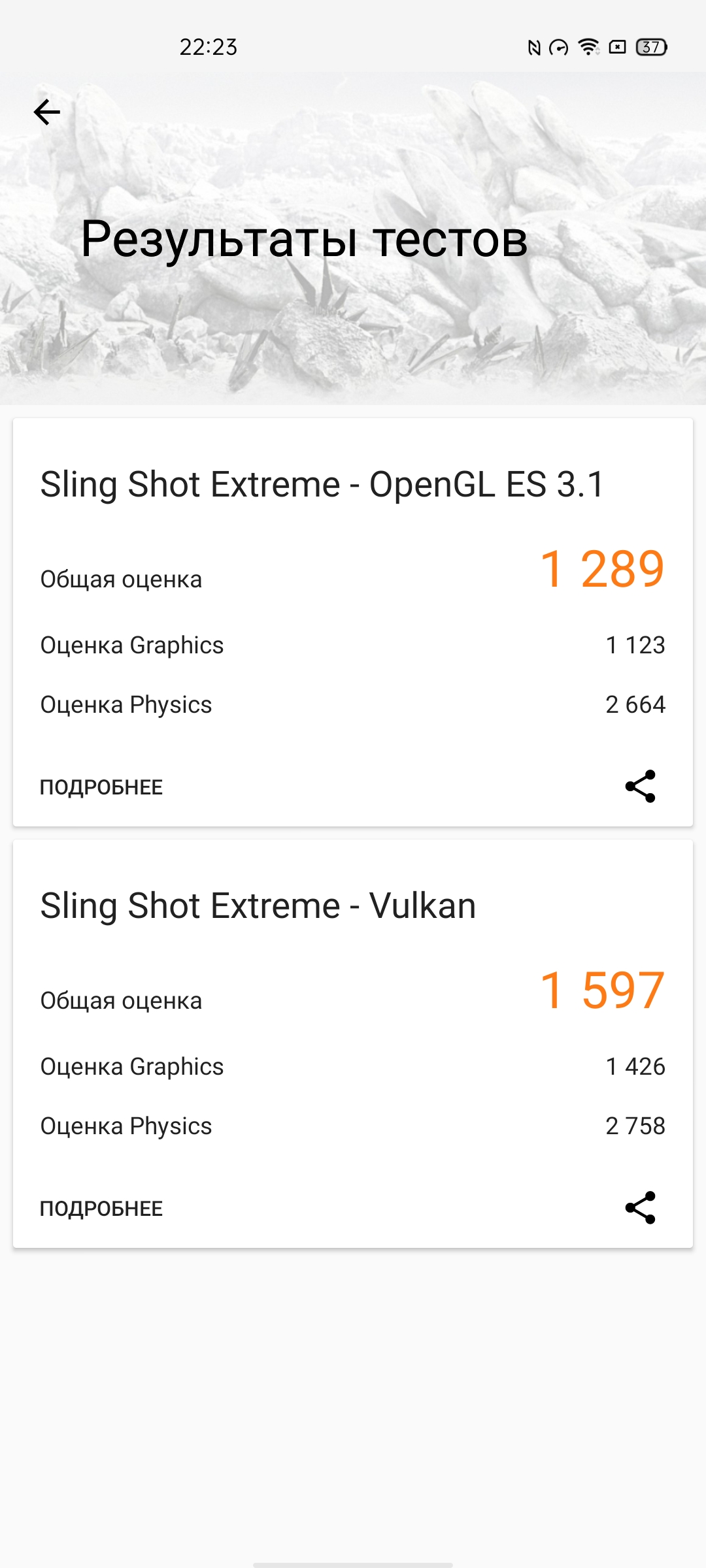
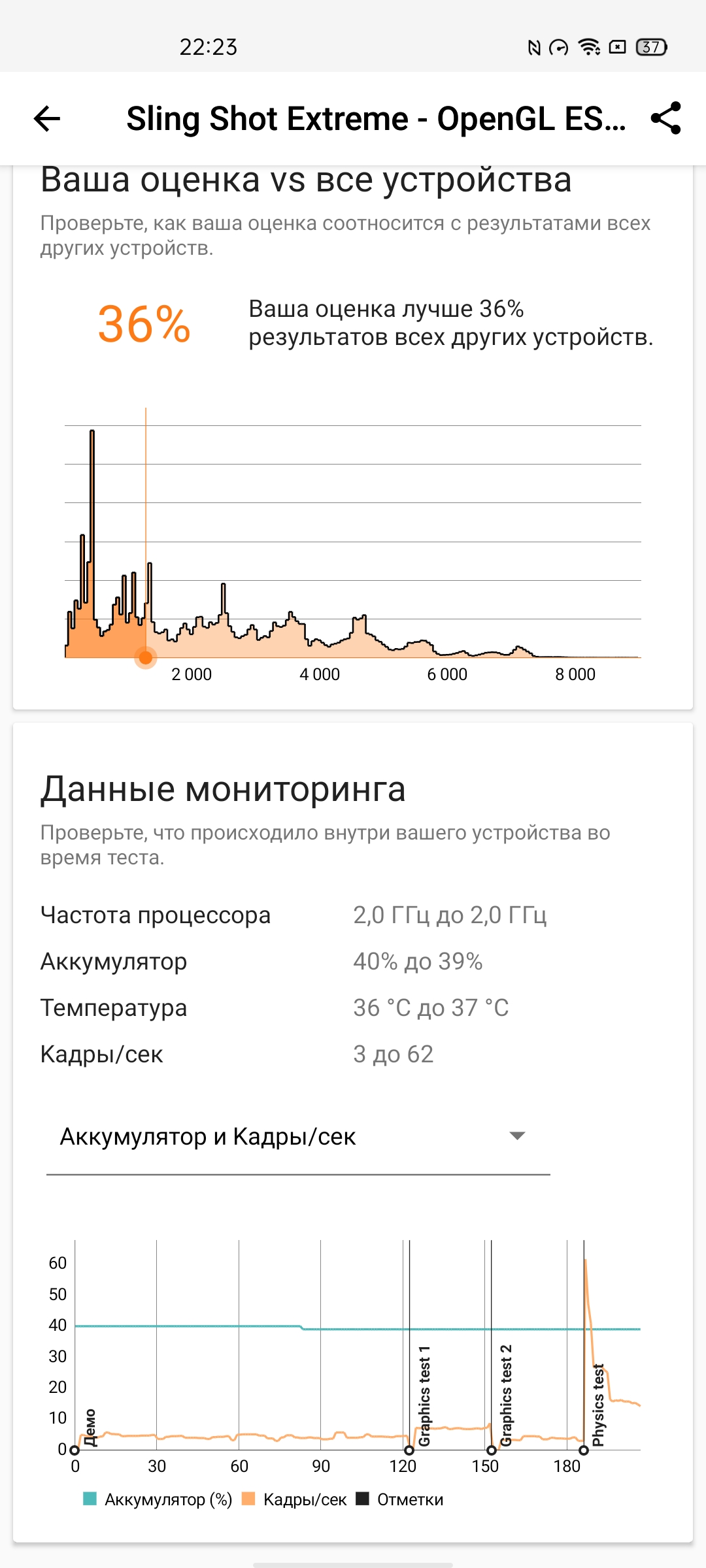
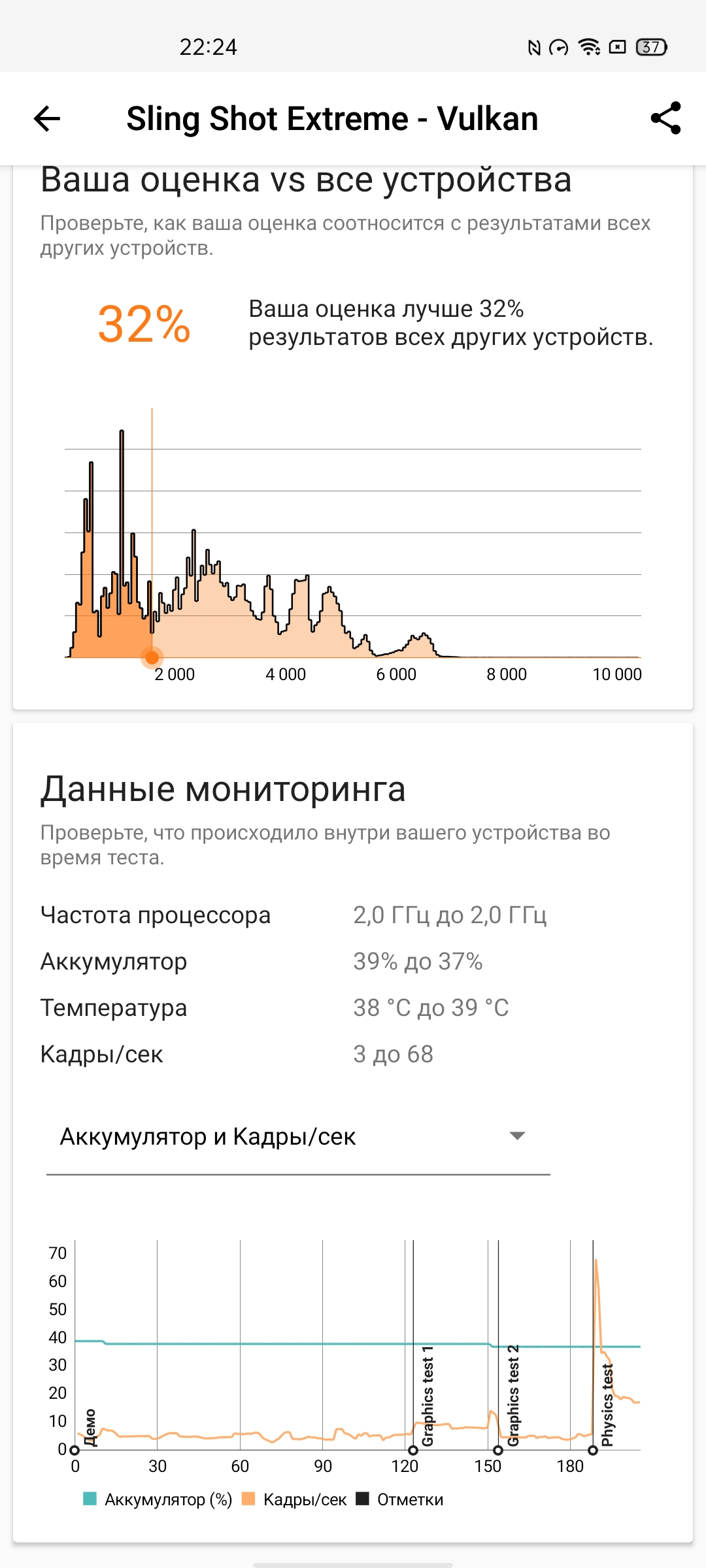
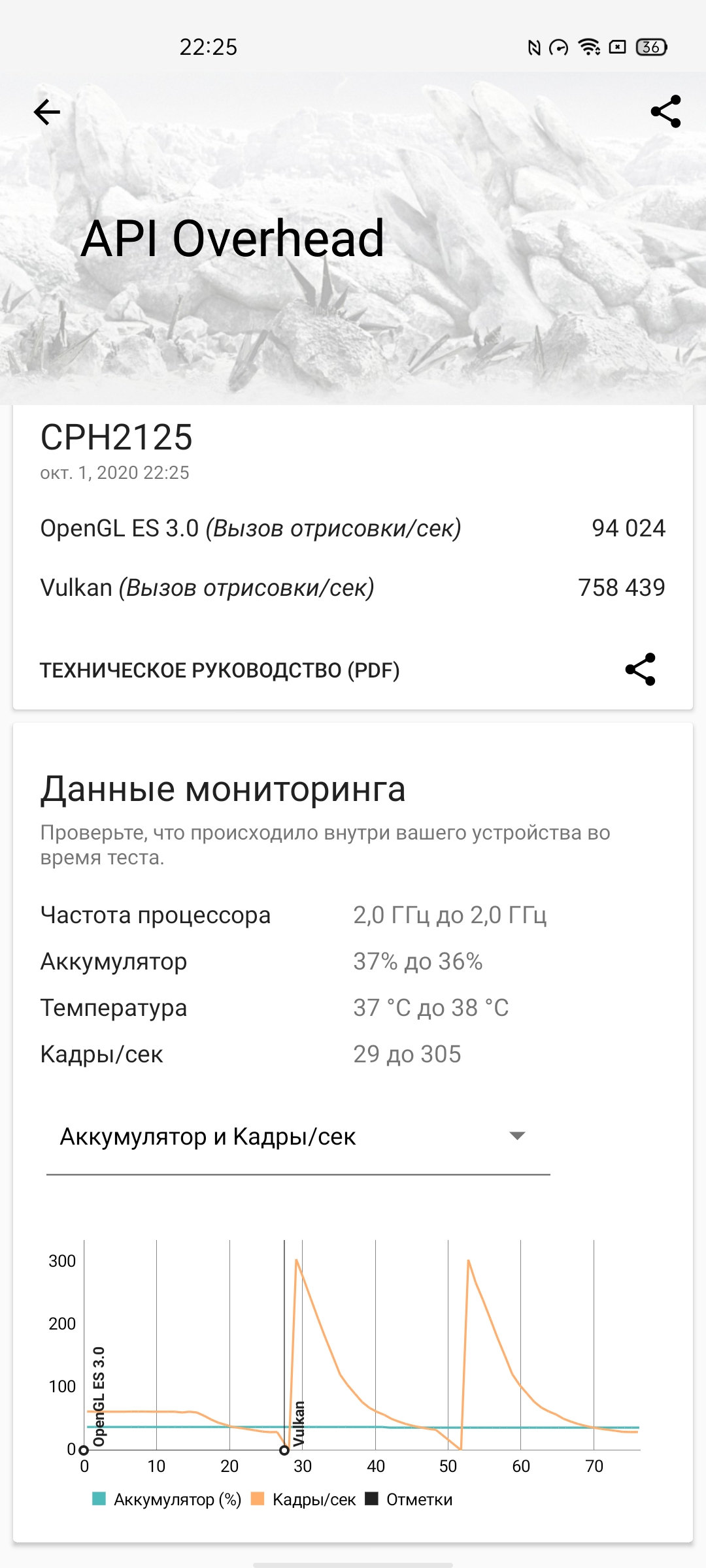
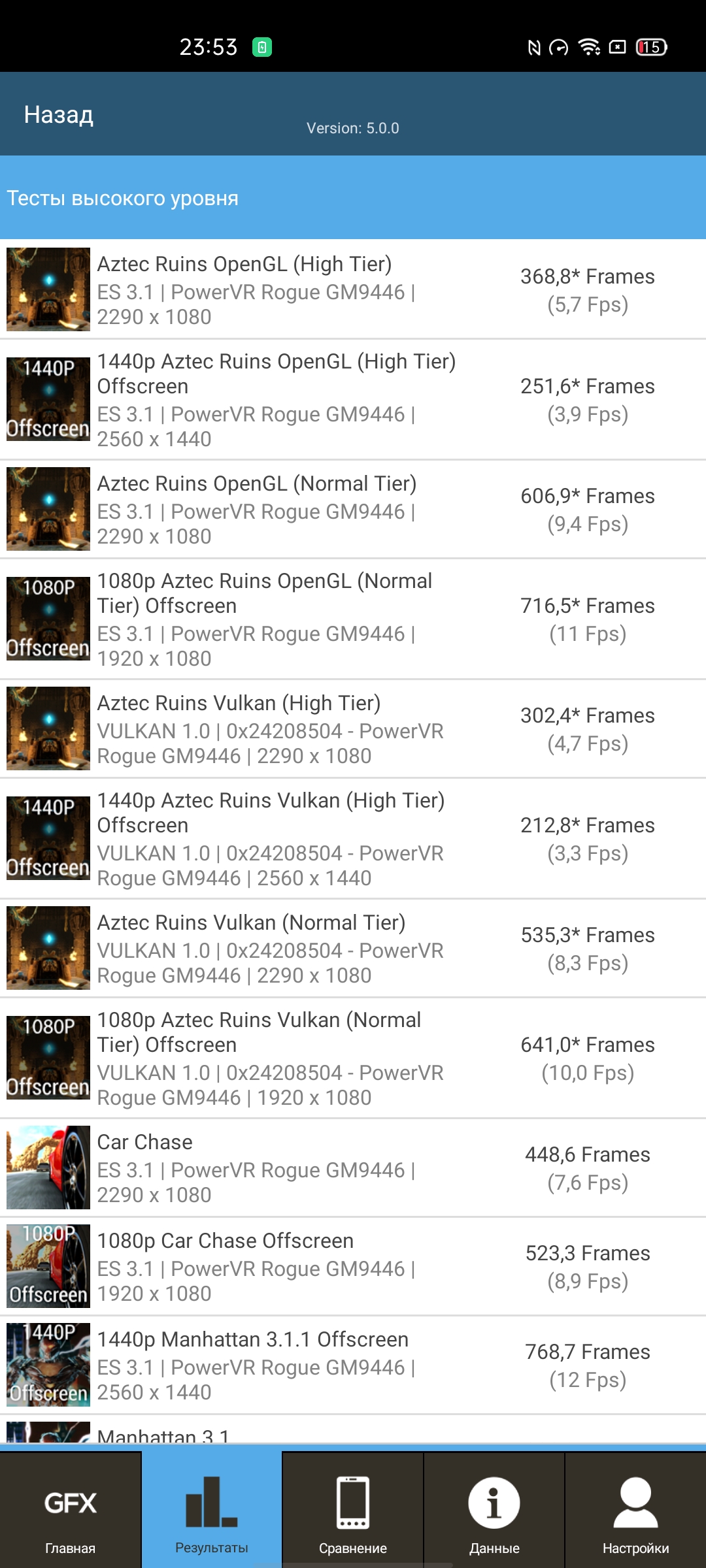
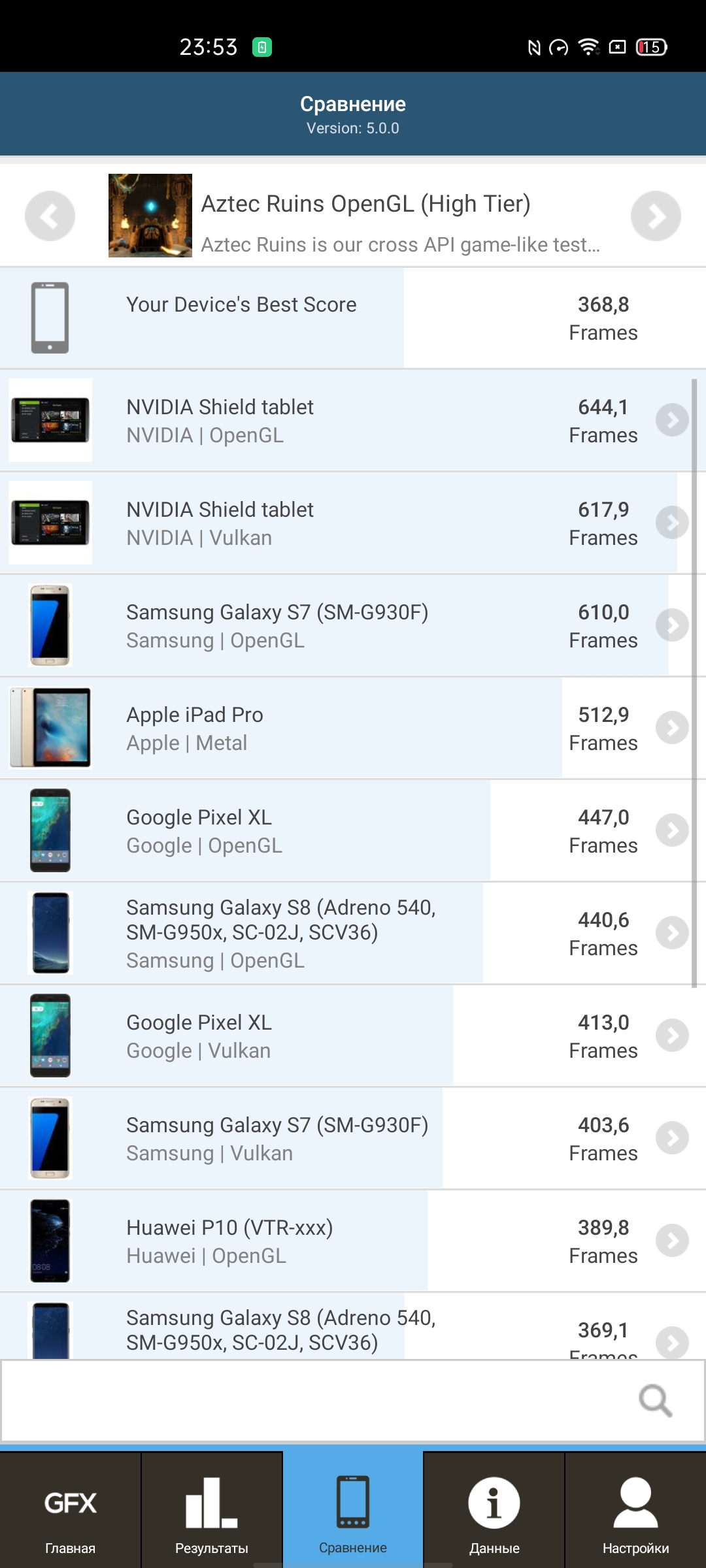
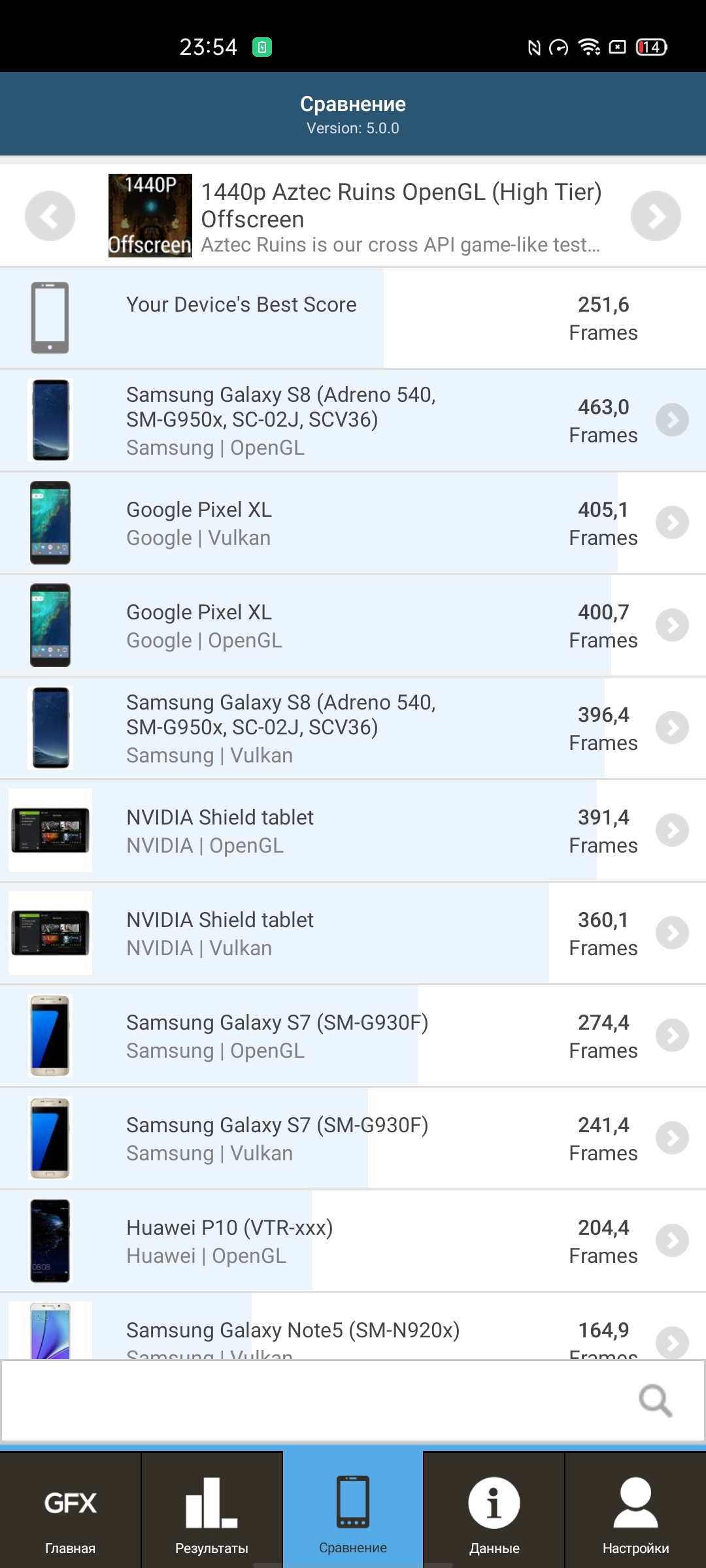
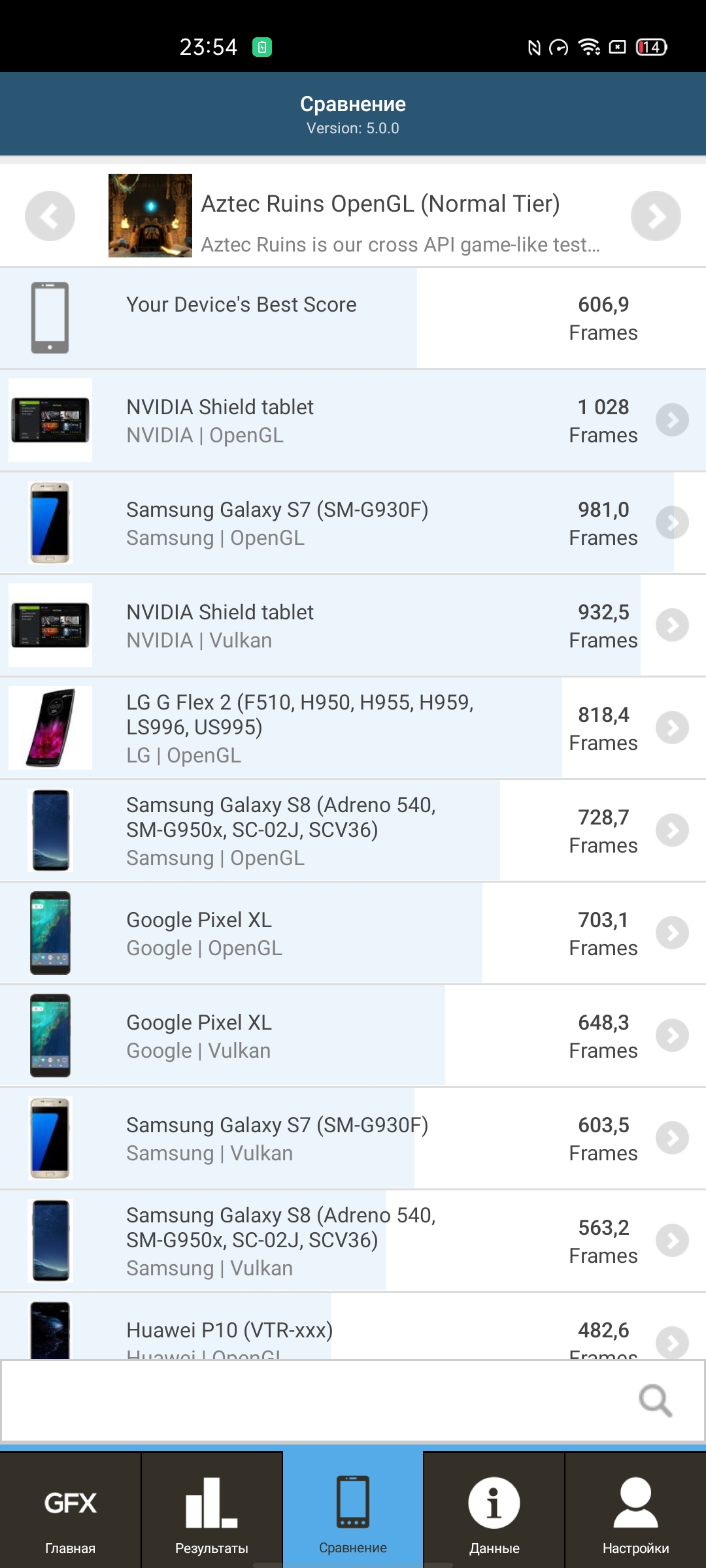
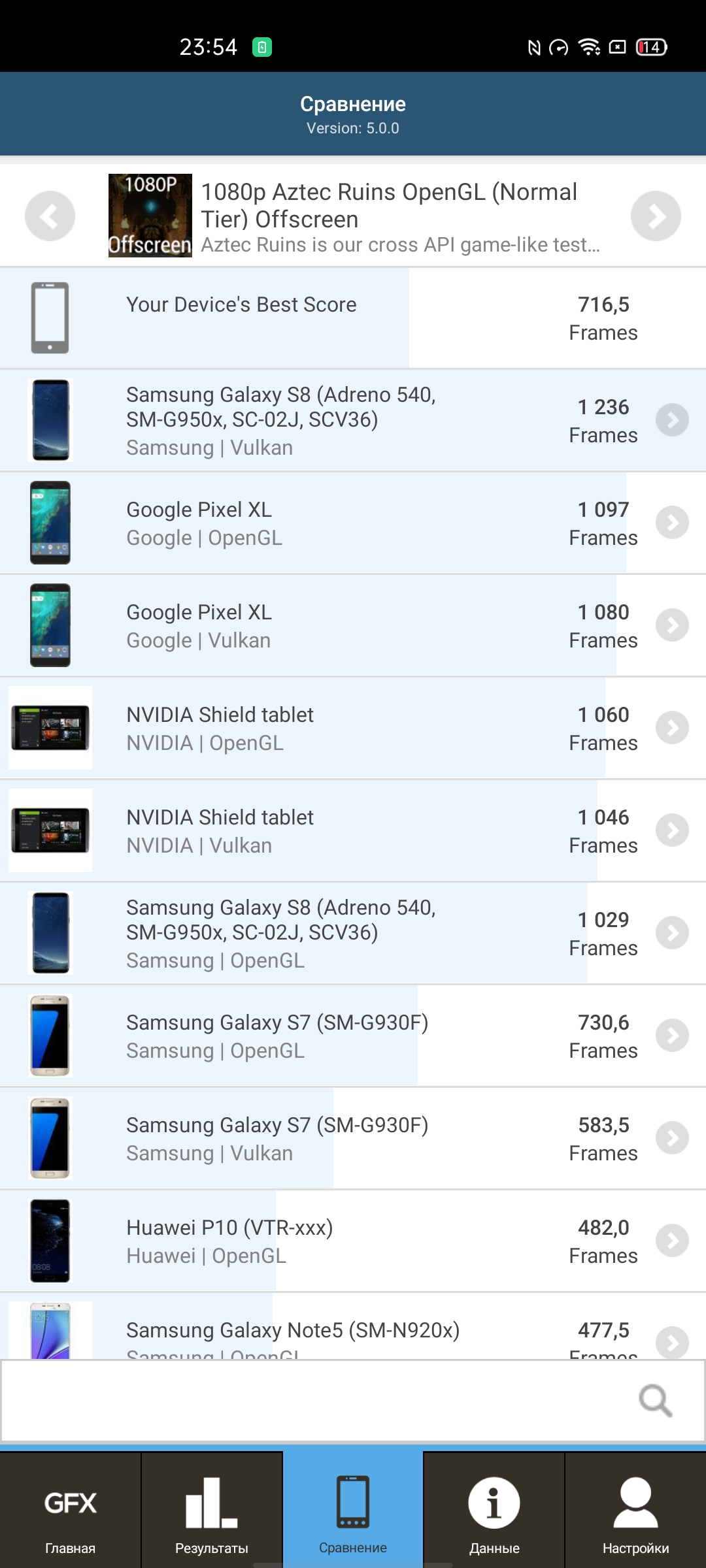
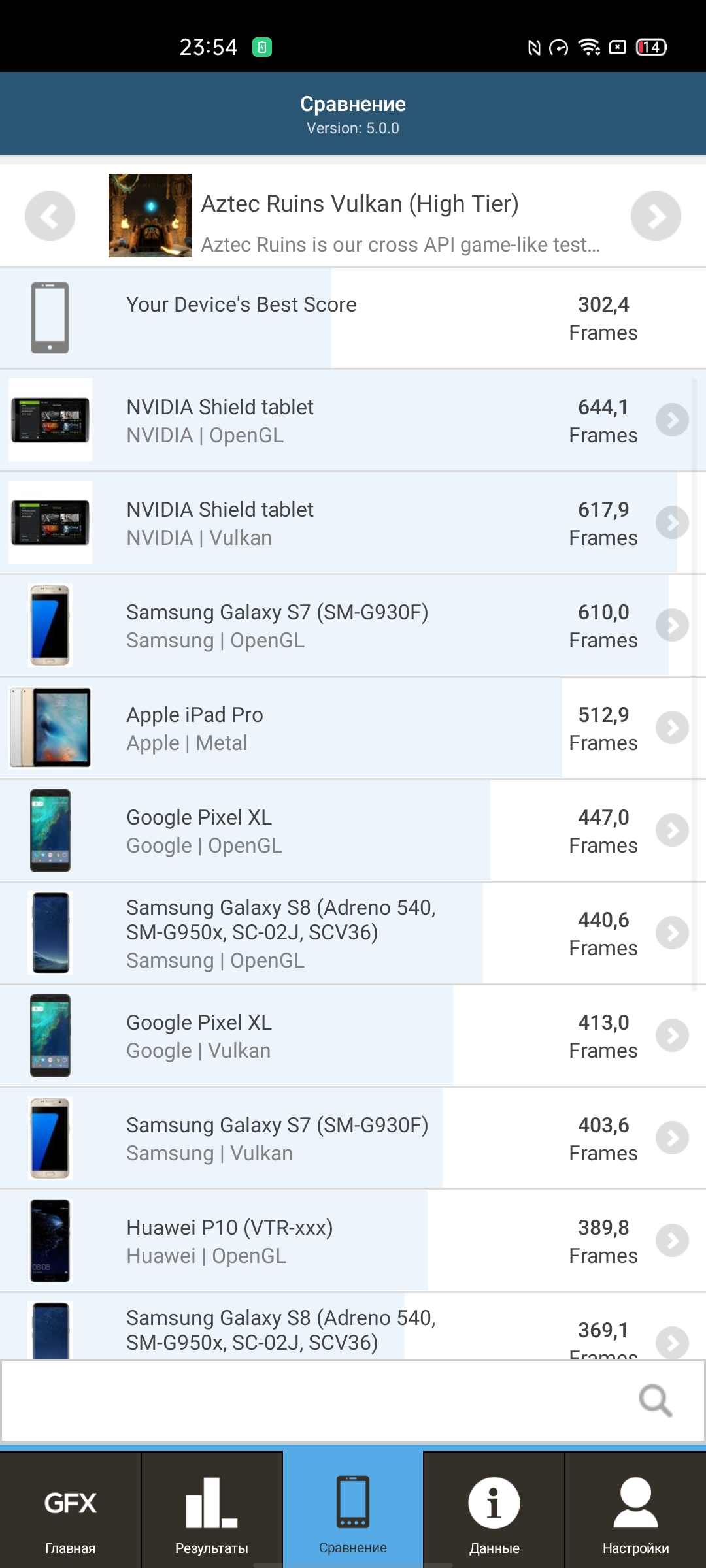
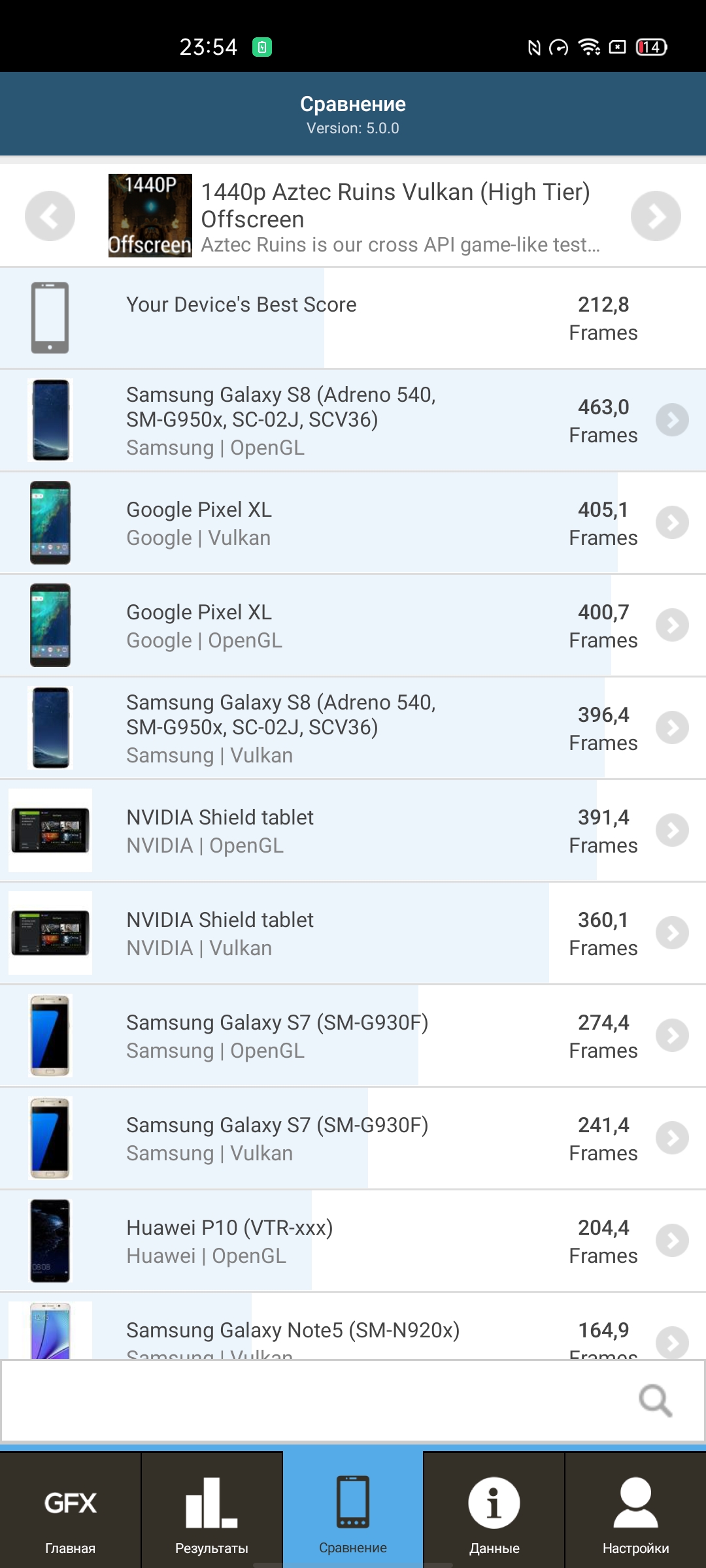
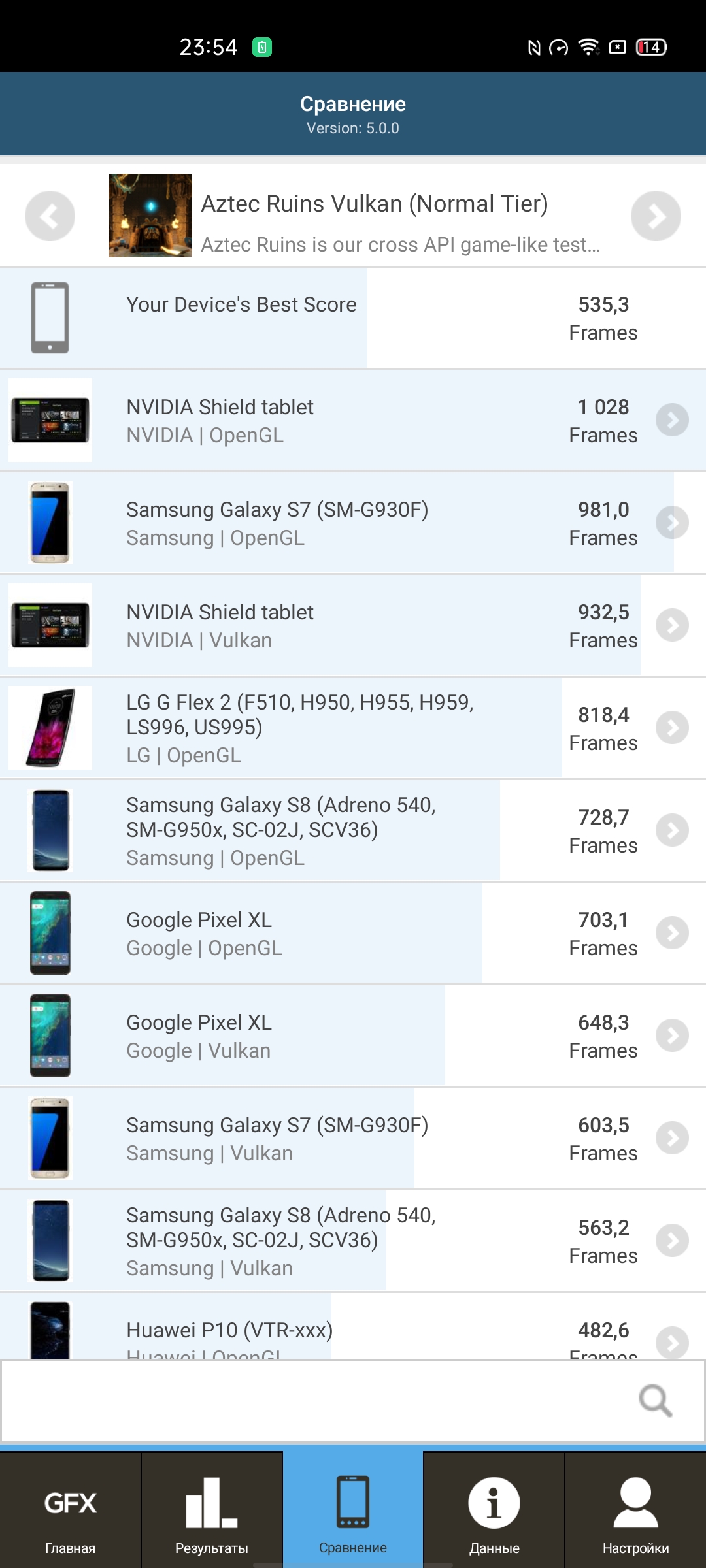
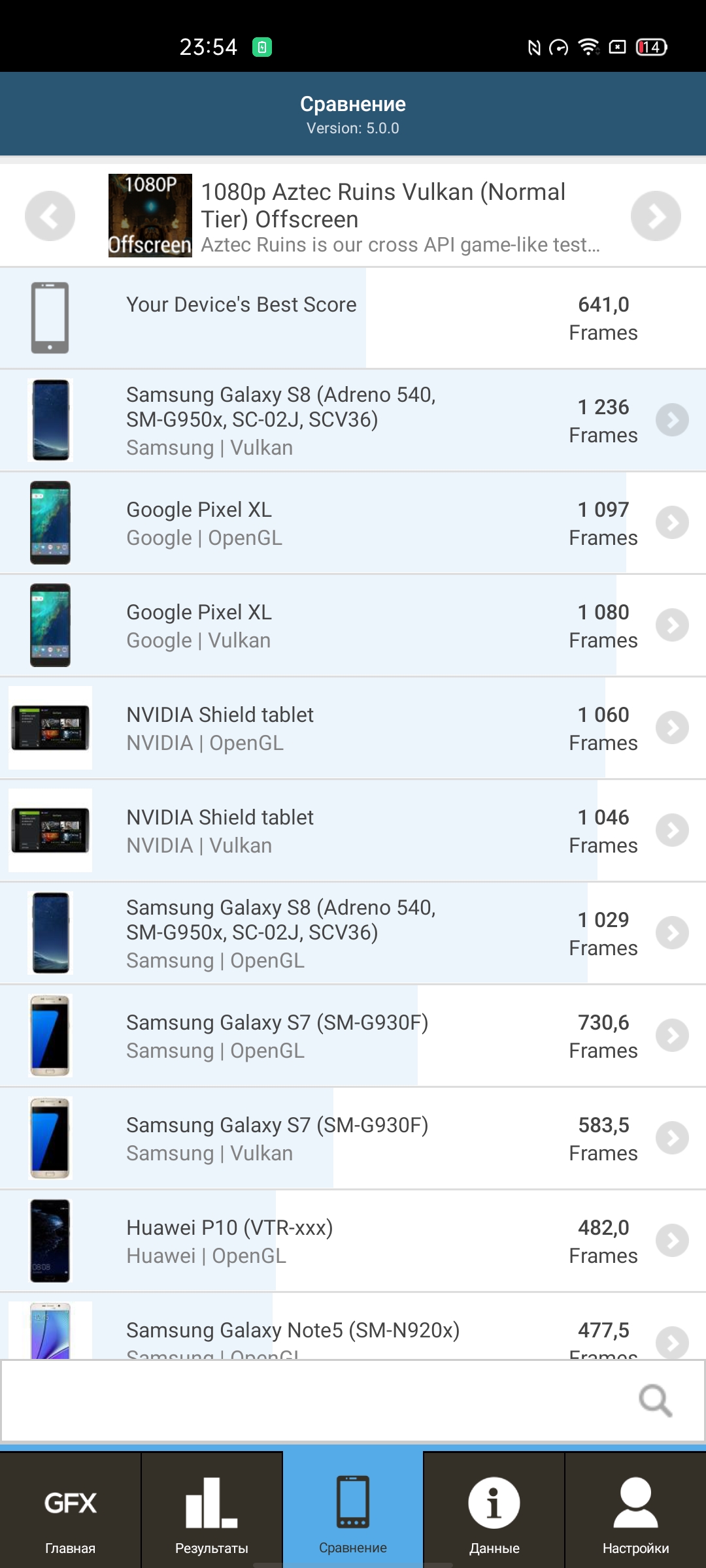
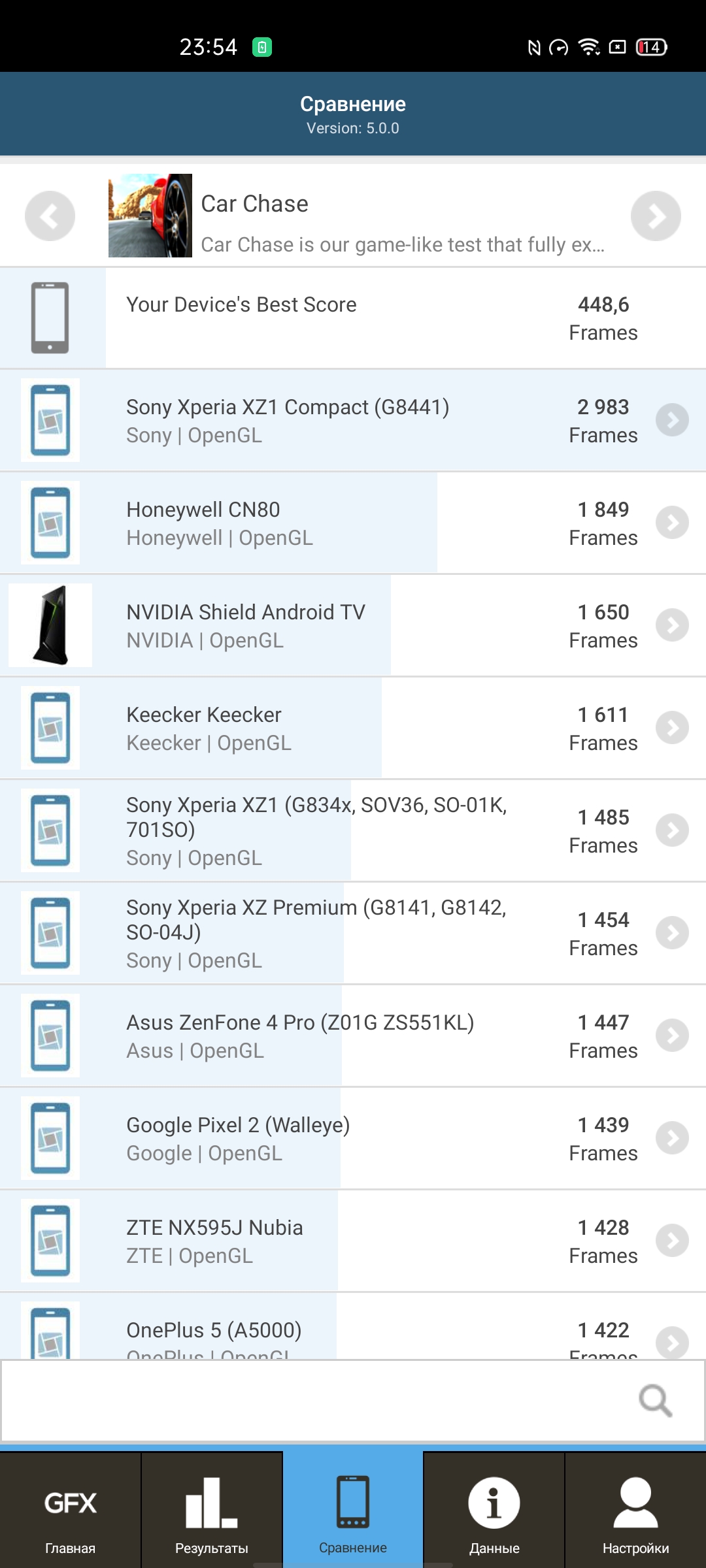
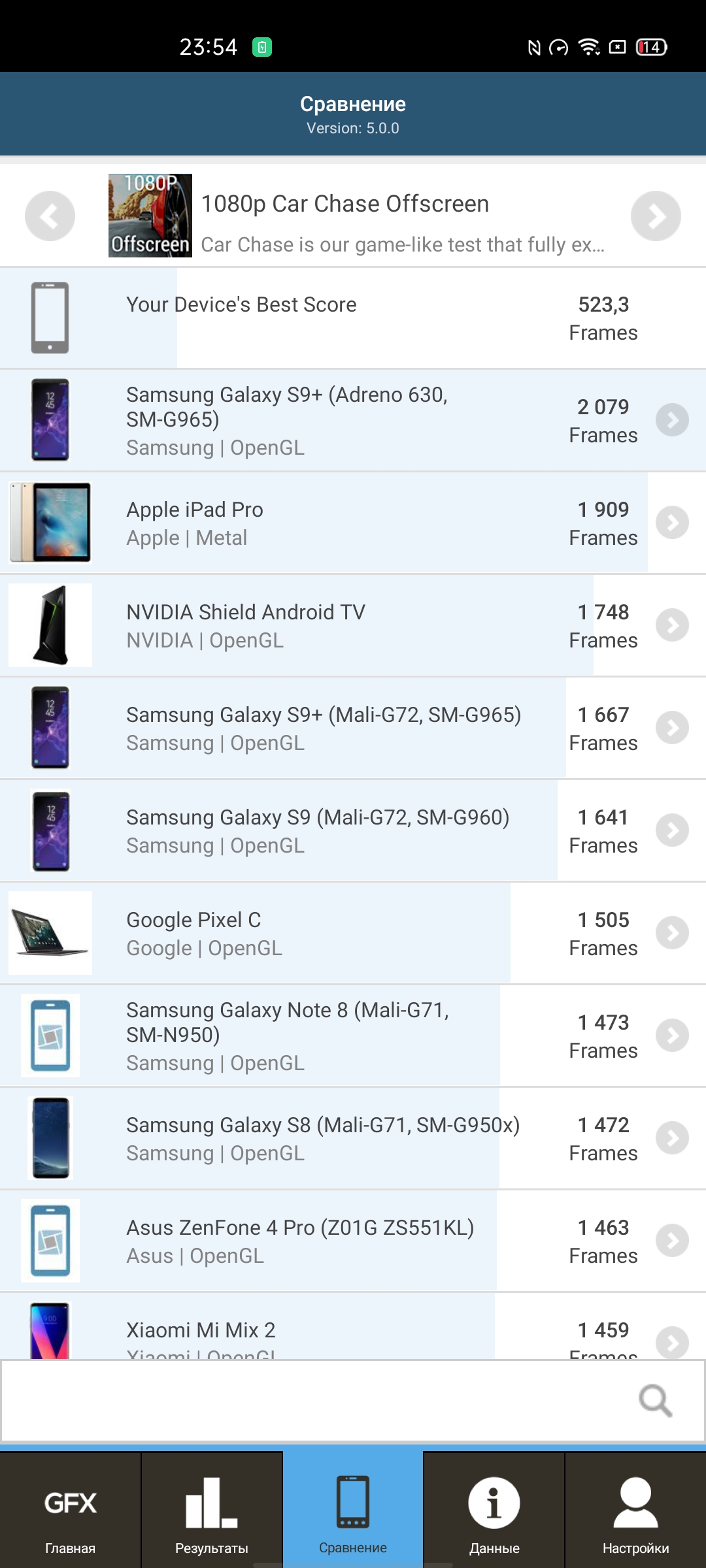
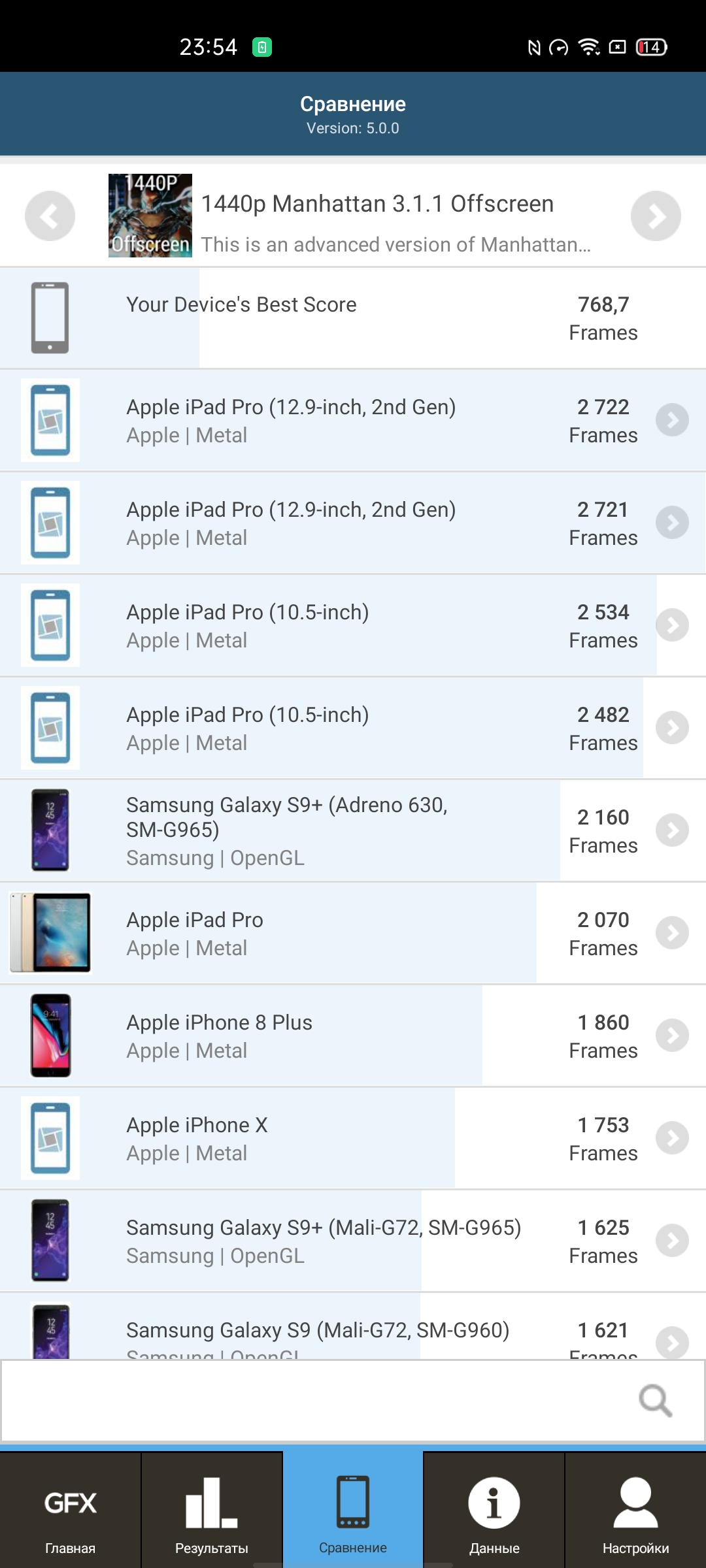
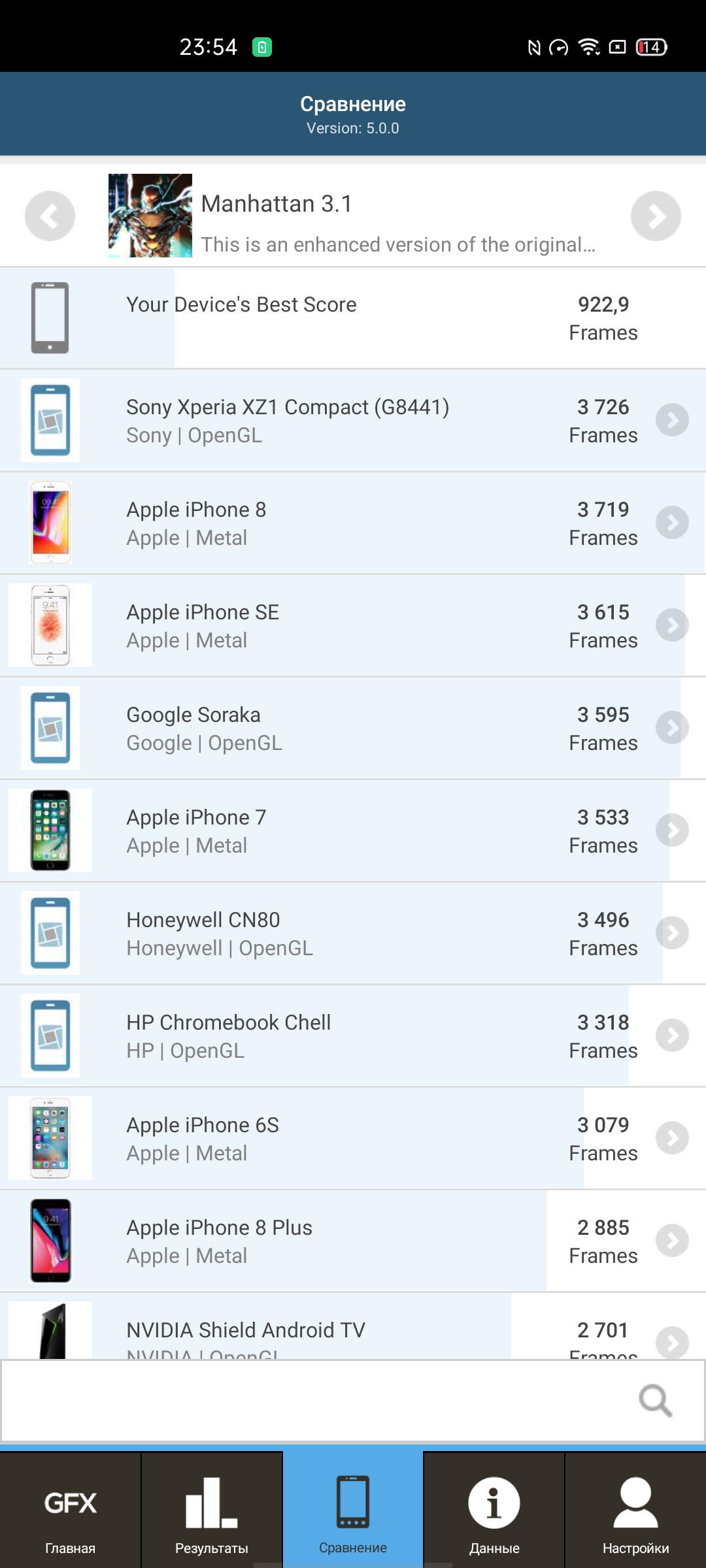
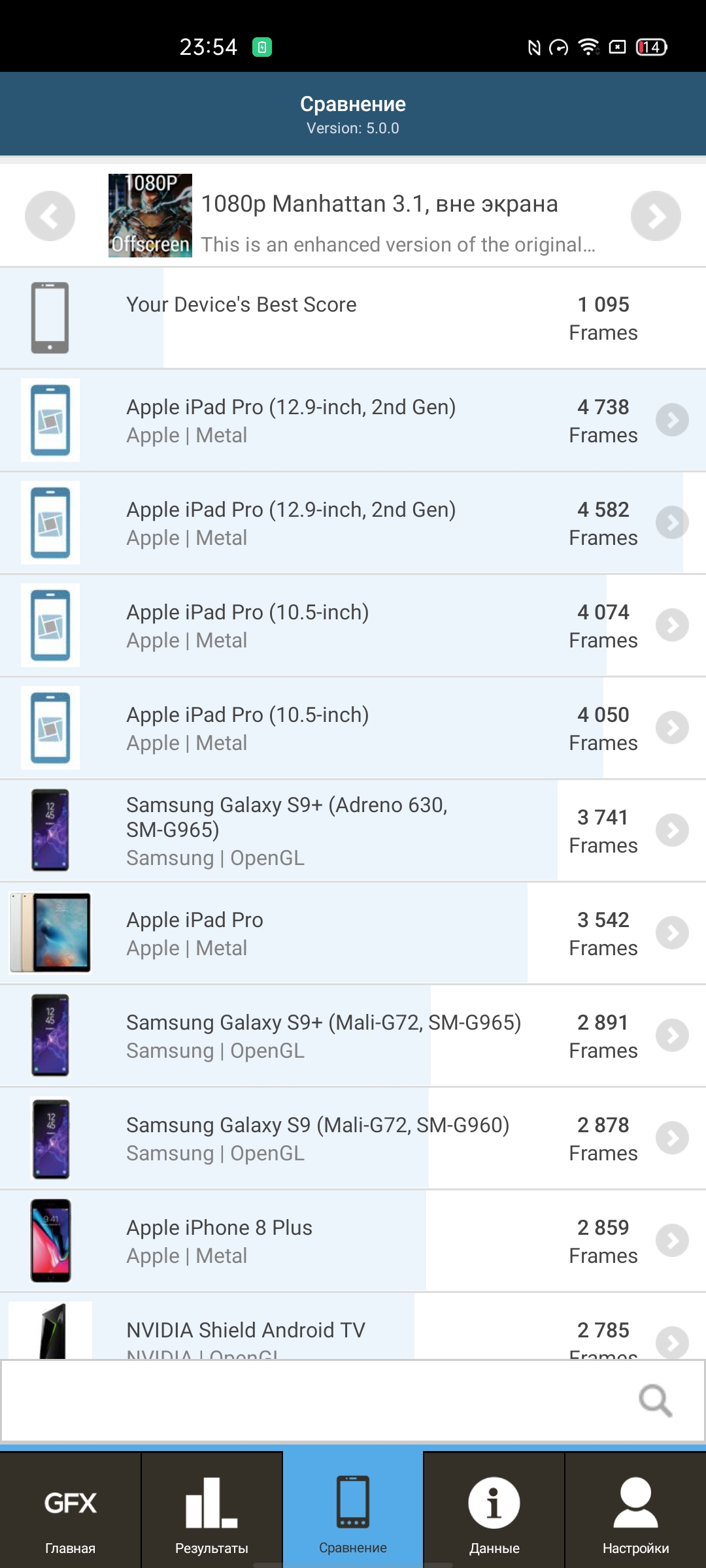
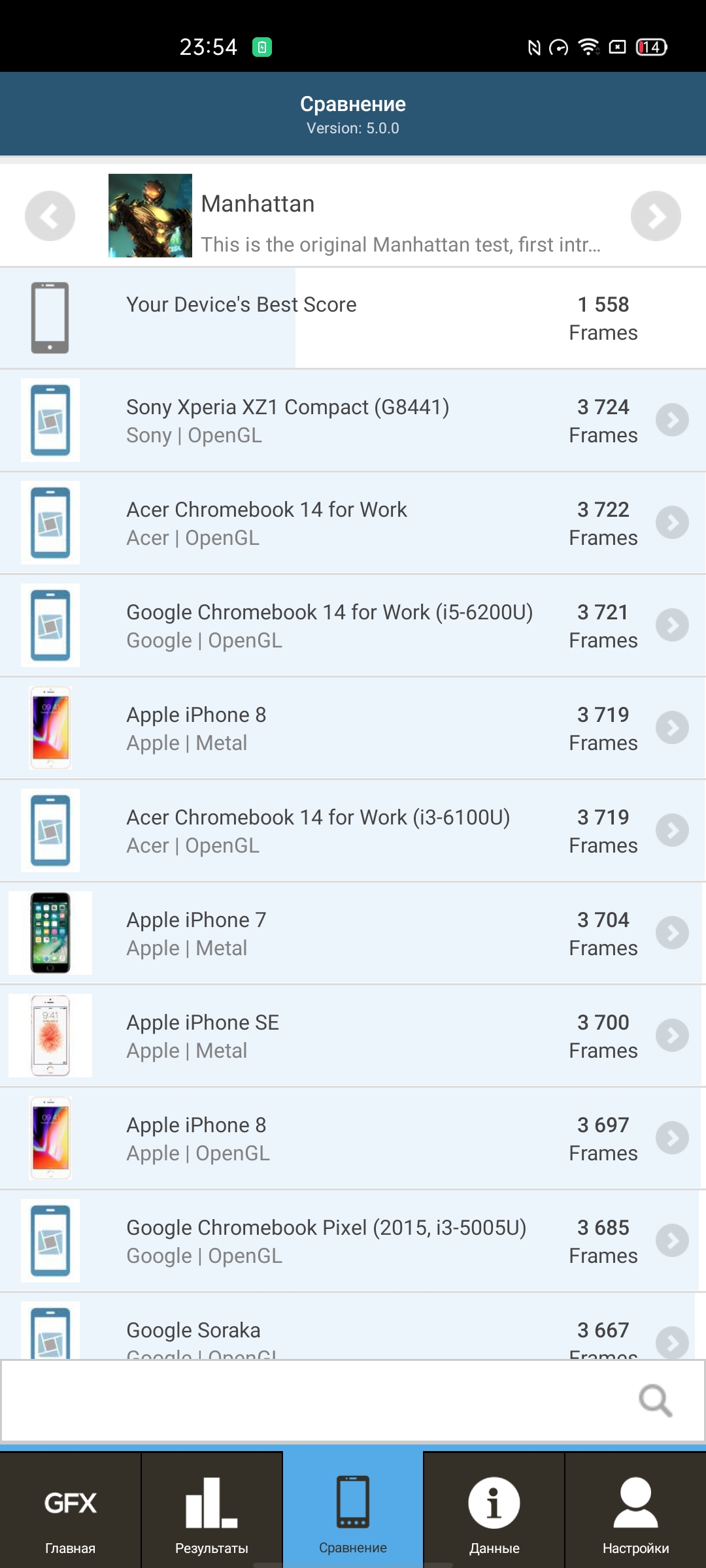
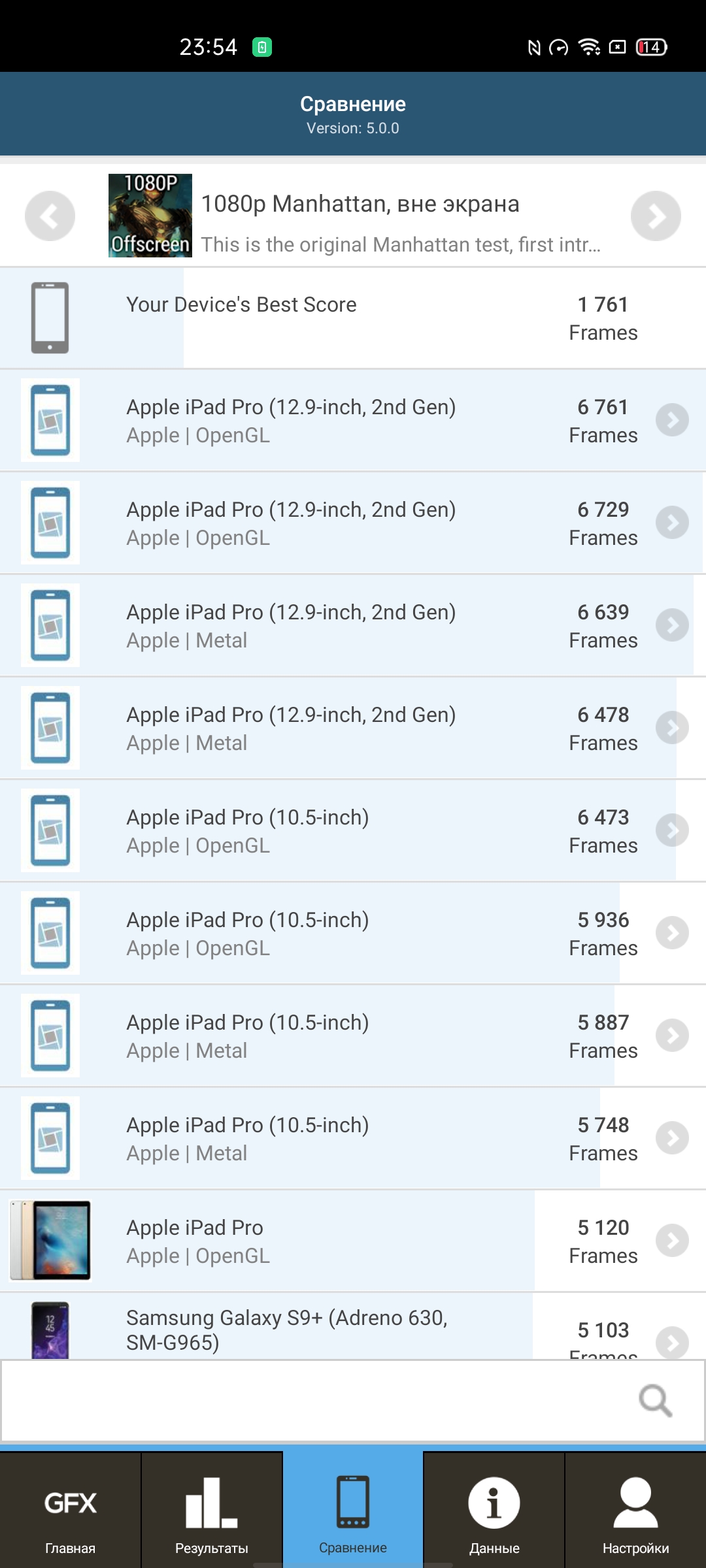
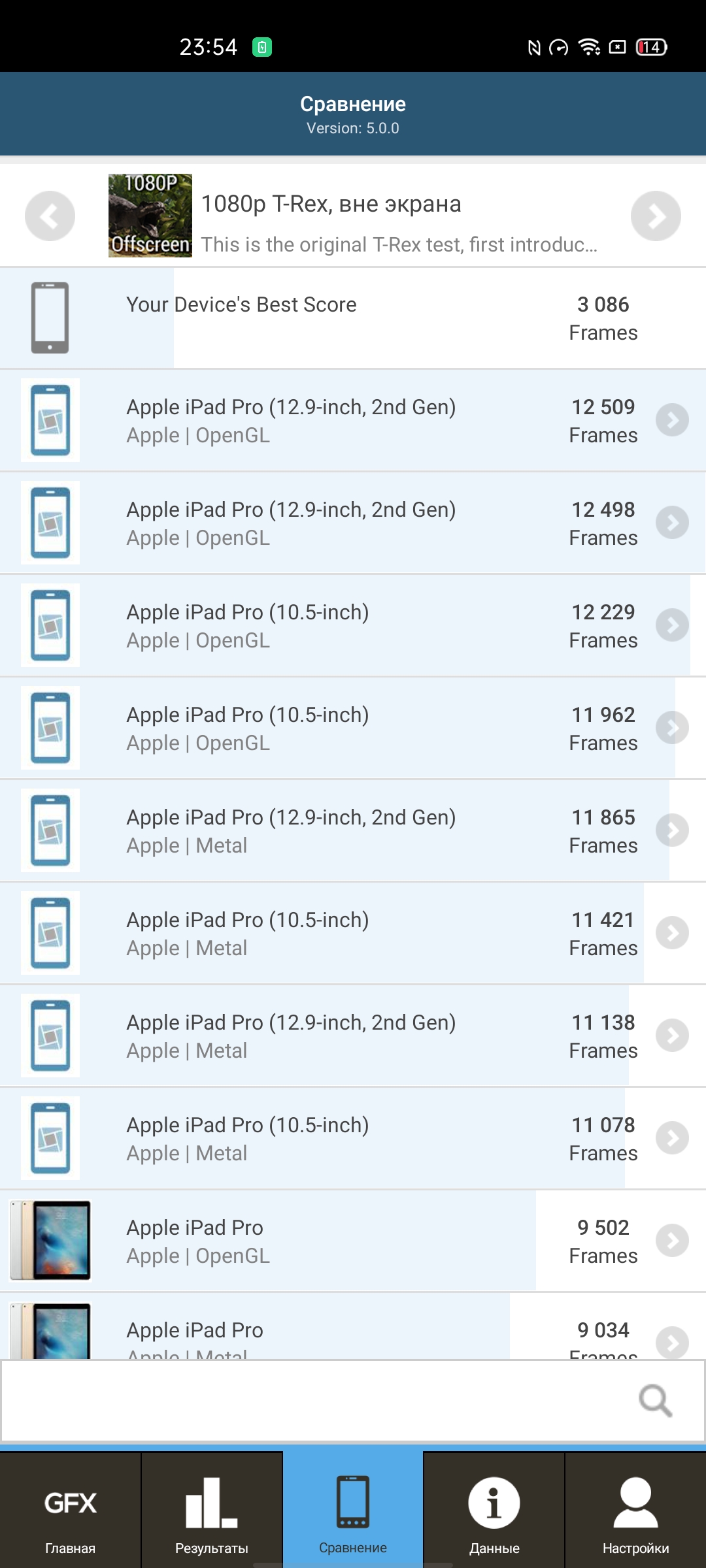
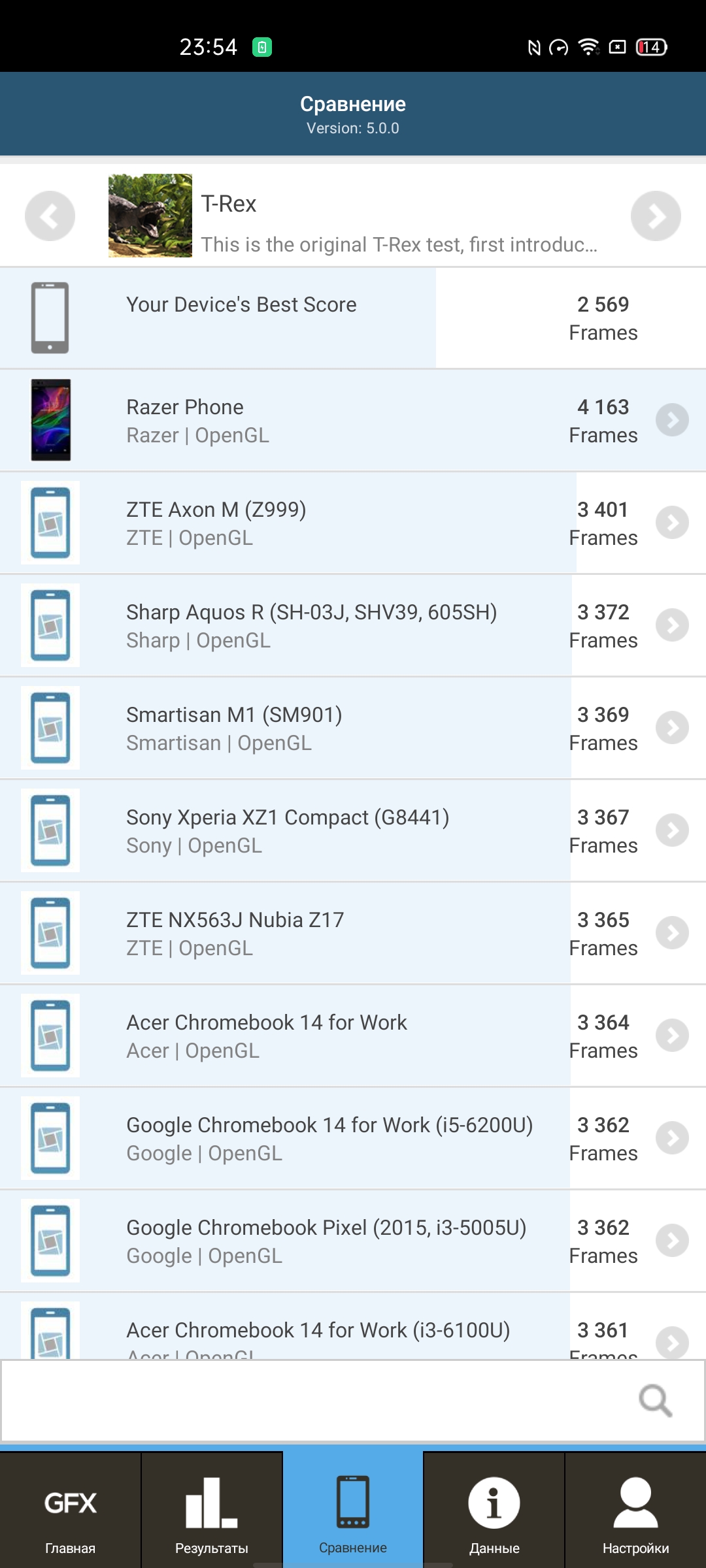
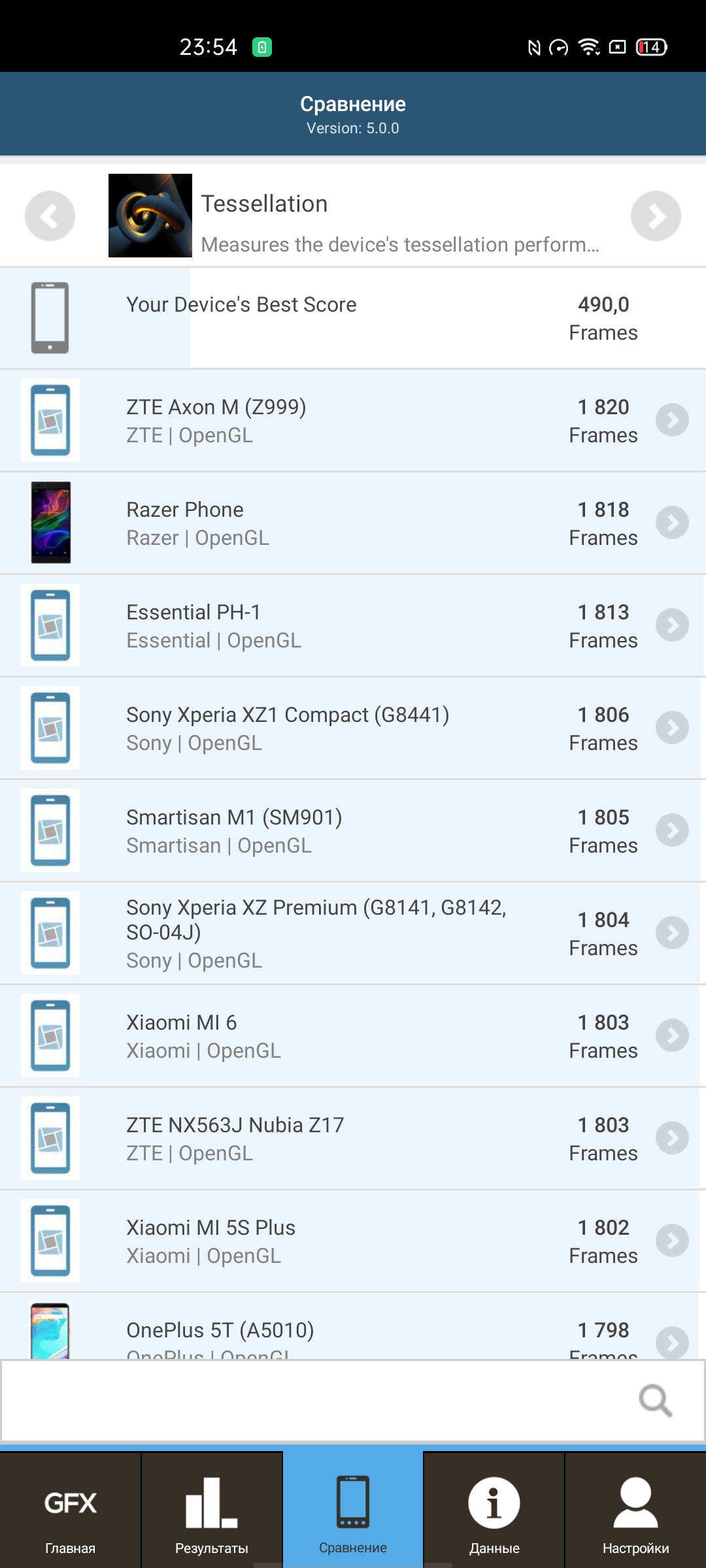
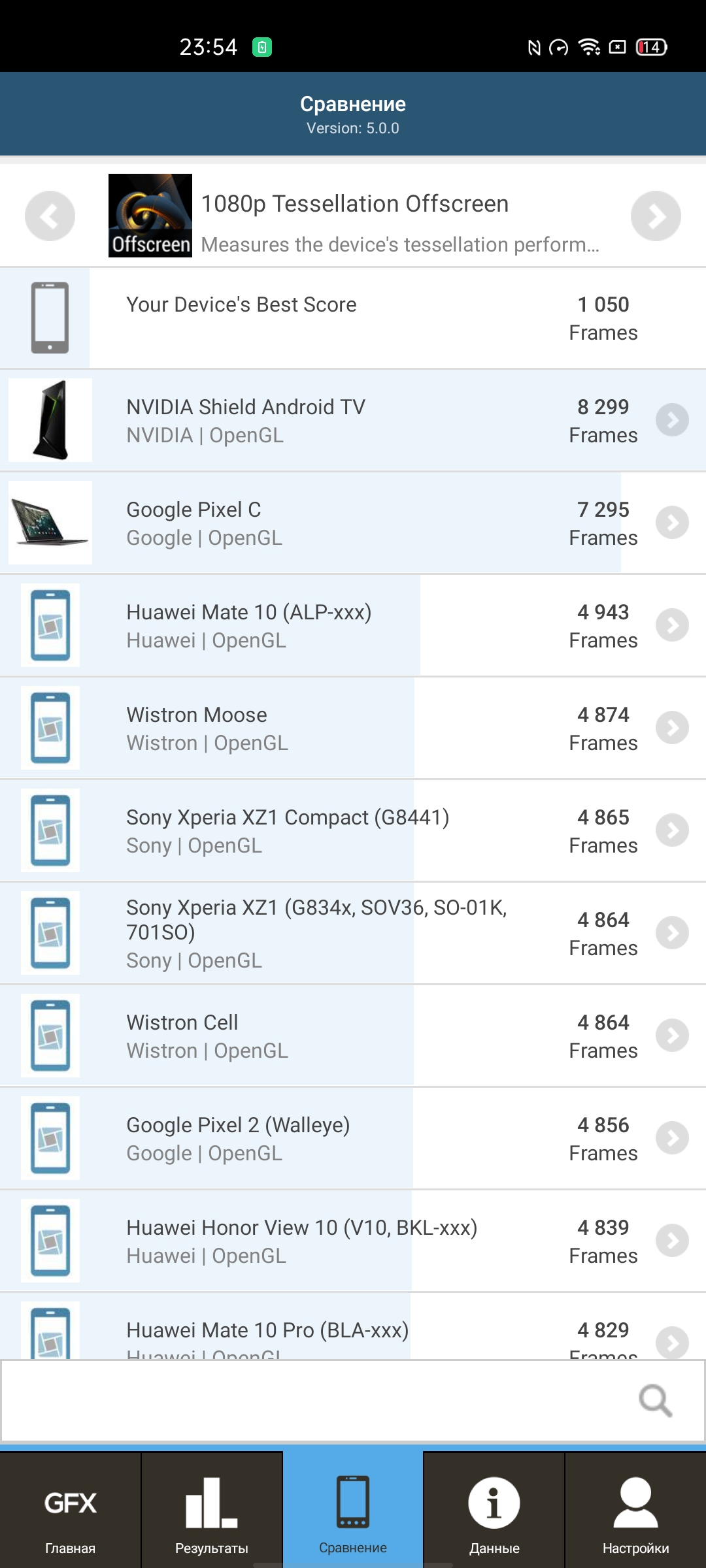
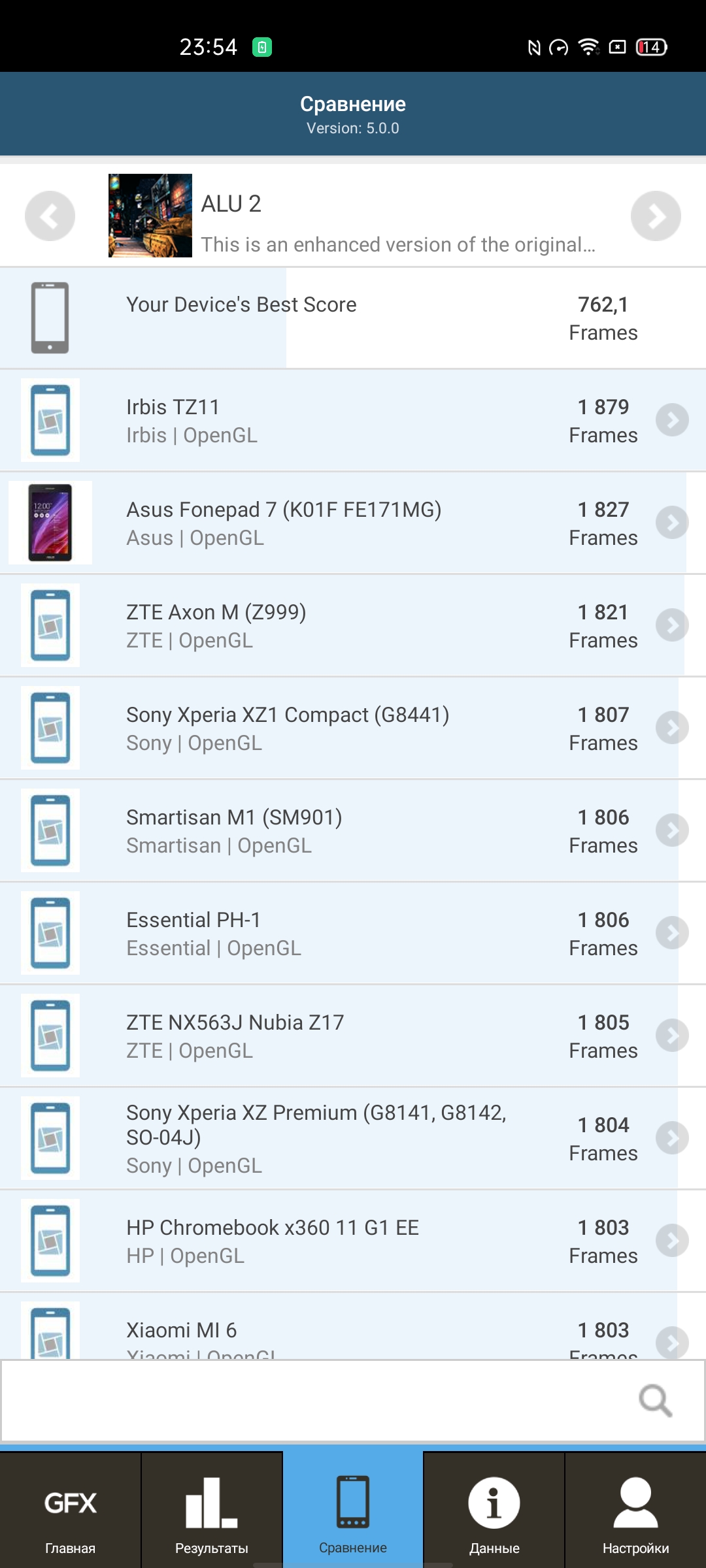
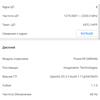
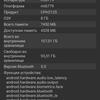
Inside OPPO Reno4 Lite installedprocessor MediaTek Helio P95 (MT6779), which is actually a slightly improved version of the P90. This is a 12-nanometer eight-core system-on-a-chip, which includes 2 Cortex-A75 cores with a frequency of up to 2.2 GHz and 6 Cortex-A55 cores up to 2.0 GHz, the PowerVR GM 9446 accelerator is responsible for graphics. RAM - 8 GB LPDDR4X , built-in - 128 GB UFS 2.1. Faster UFS 3.0 memory is not supported by this chipset. For those who won't find it enough, there is a separate slot for MicroSD, as we have already found out. The benchmark results are not amazing, but they are quite adequate for a mid-segment smartphone.
</ img>
</ img>
</ img>

</ img>
</ img>
</ img>
</ img>
</ img>
</ img>
</ img>
</ img>
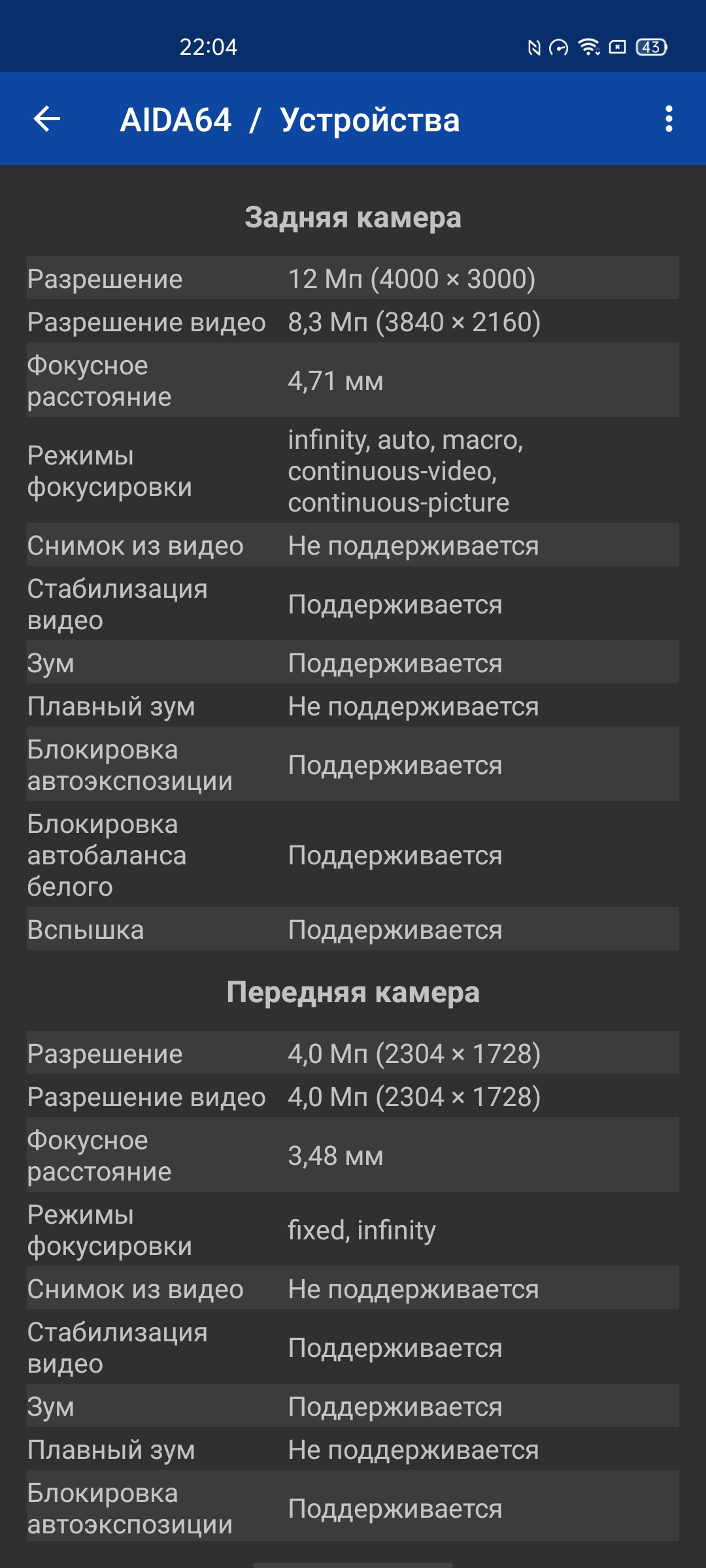
</ img>
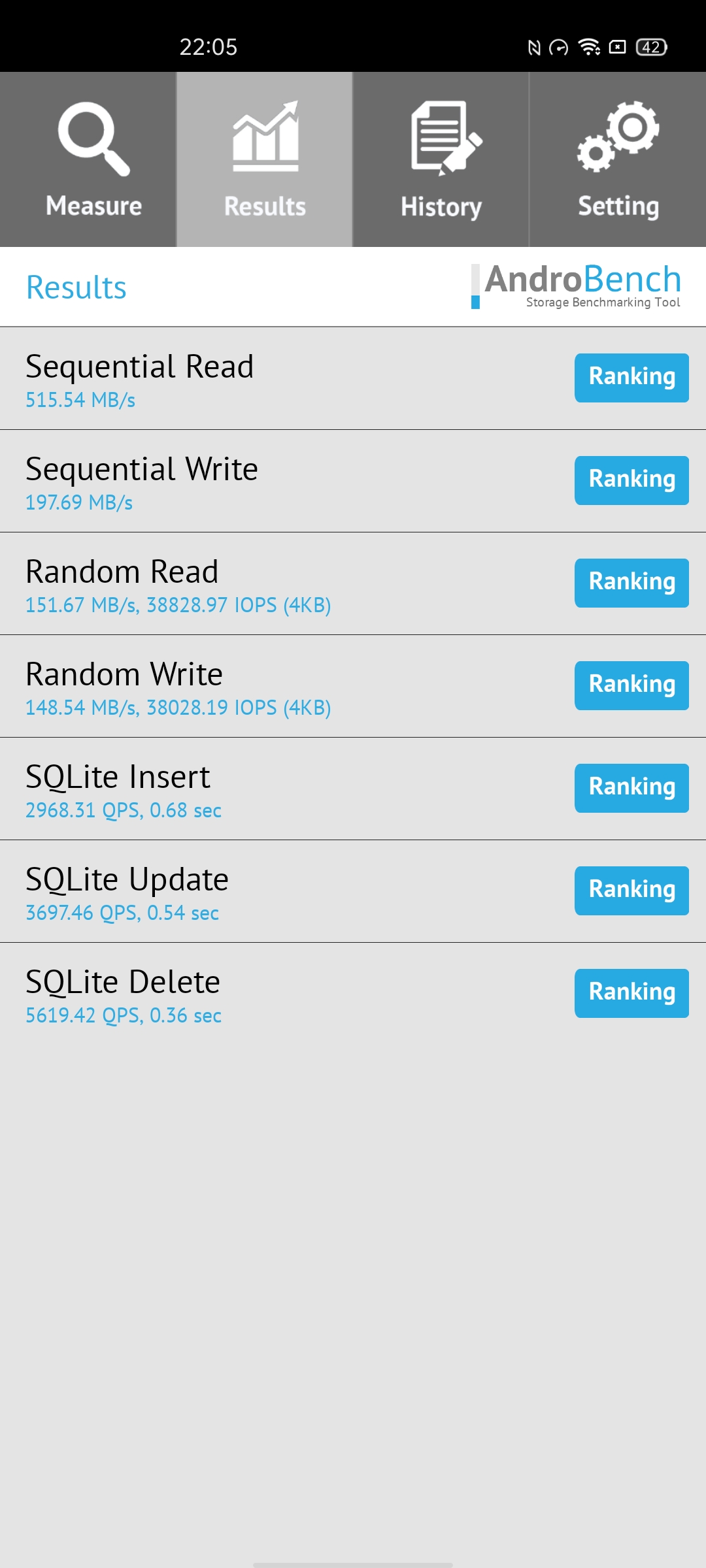
</ img>
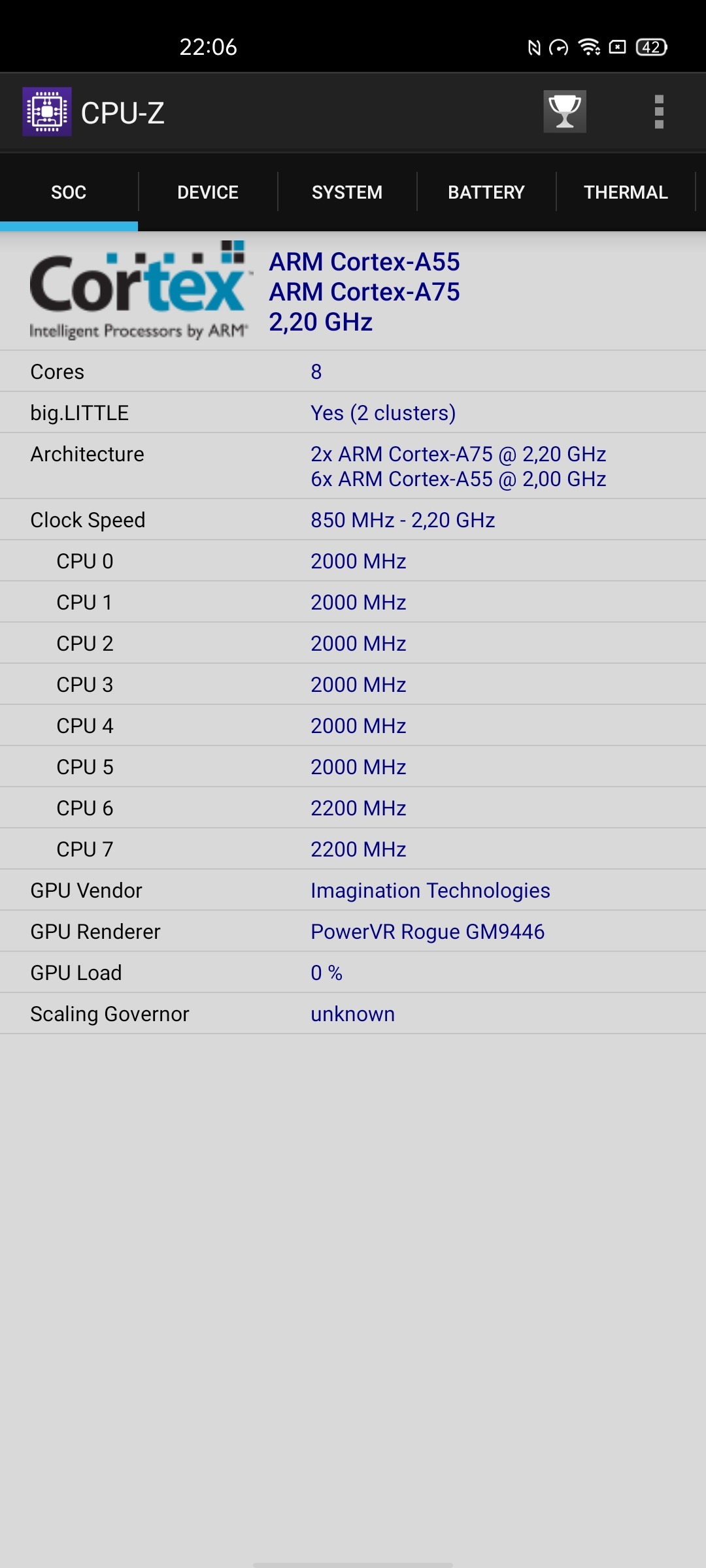
</ img>
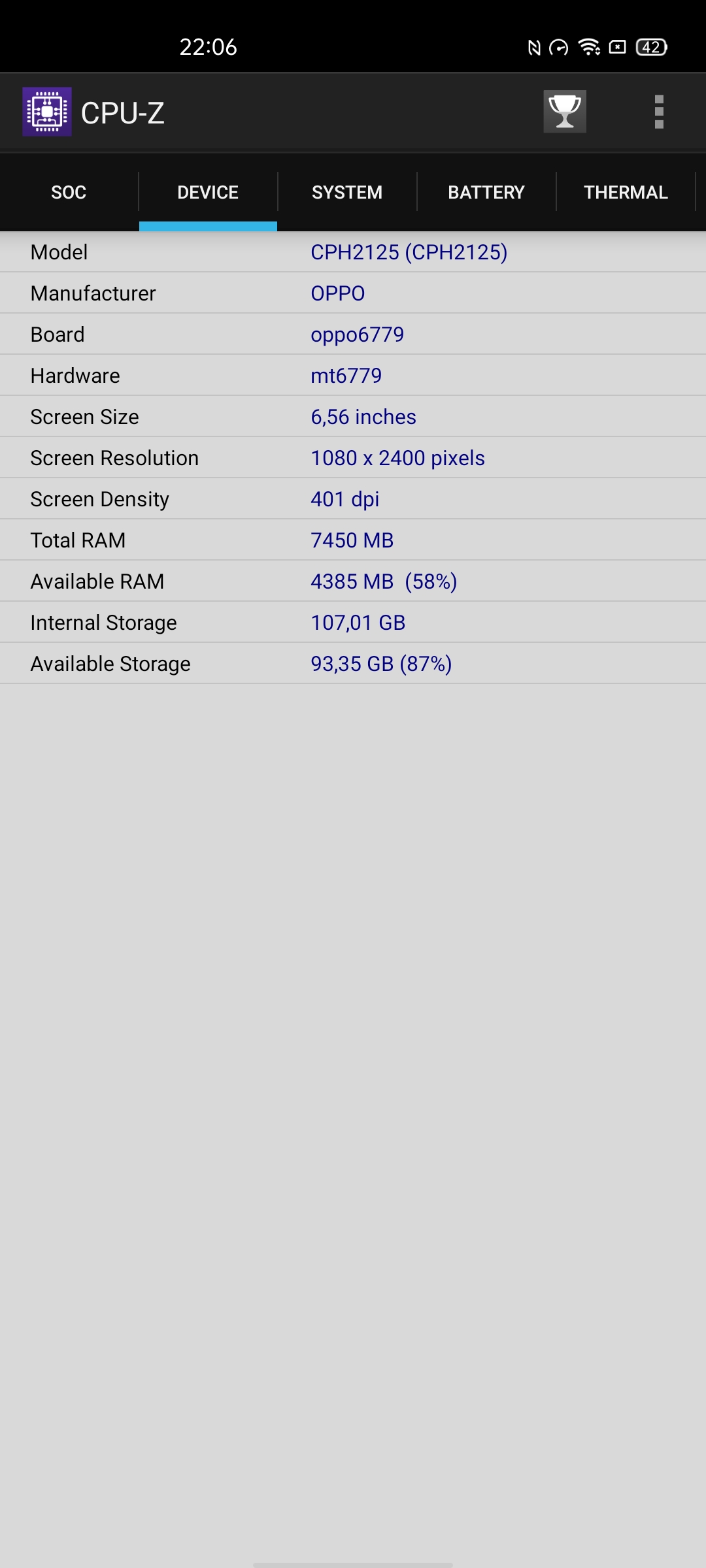
</ img>
</ img>
</ img>
</ img>
</ img>
</ img>
</ img>
</ img>
</ img>
</ img>
</ img>
</ img>
</ img>
</ img>
</ img>
</ img>
</ img>
</ img>
</ img>
</ img>
</ img>
</ img>
</ img>
</ img>
</ img>
</ img>
</ img>
</ img>
</ img>
</ img>


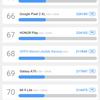




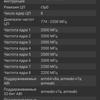
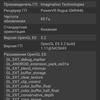

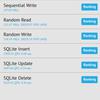
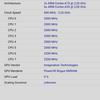
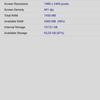
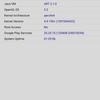
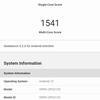
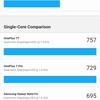
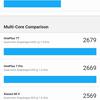
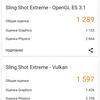


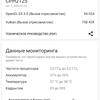

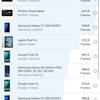
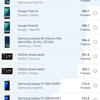
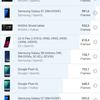
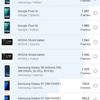
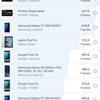
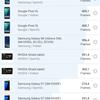
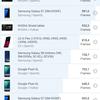
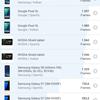
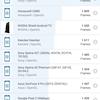
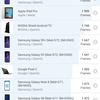








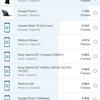
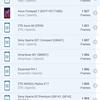
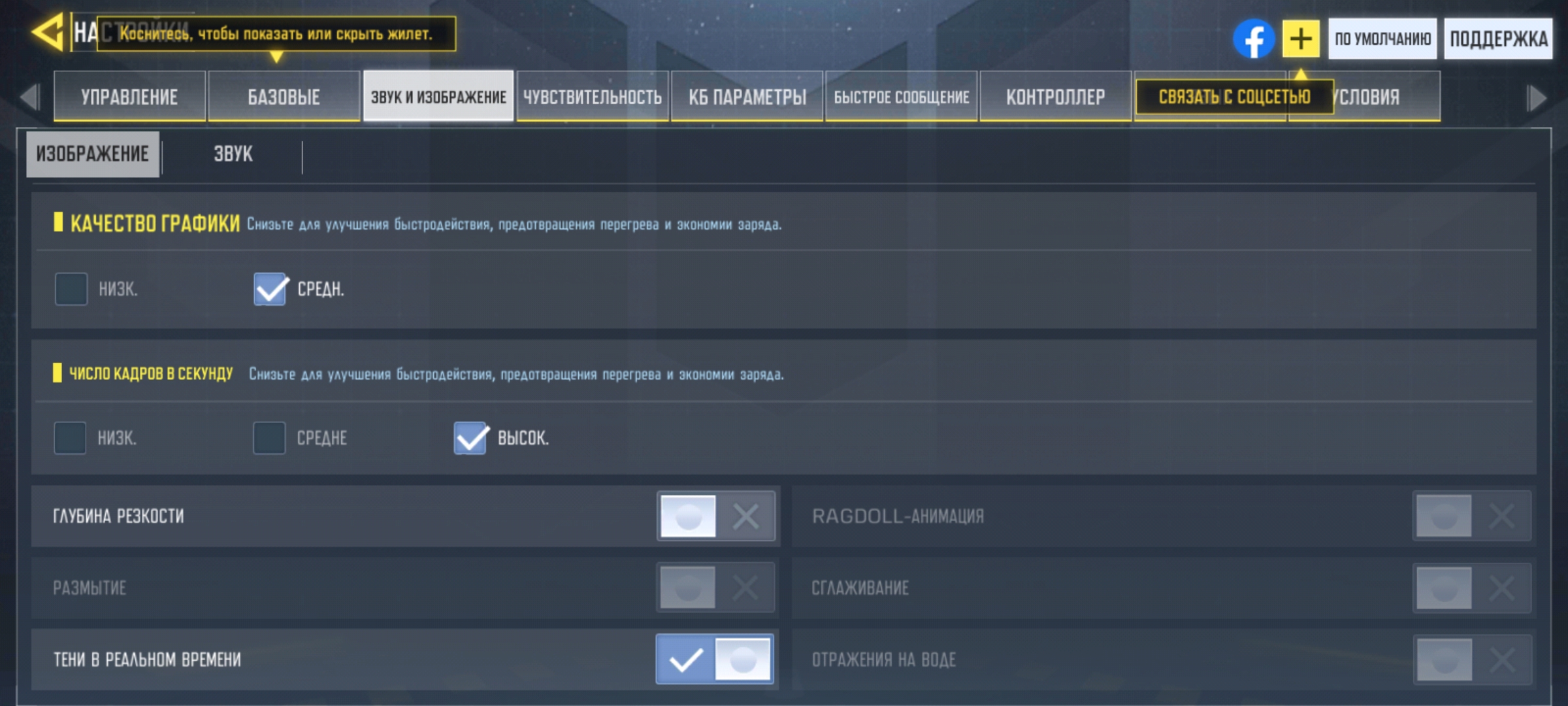
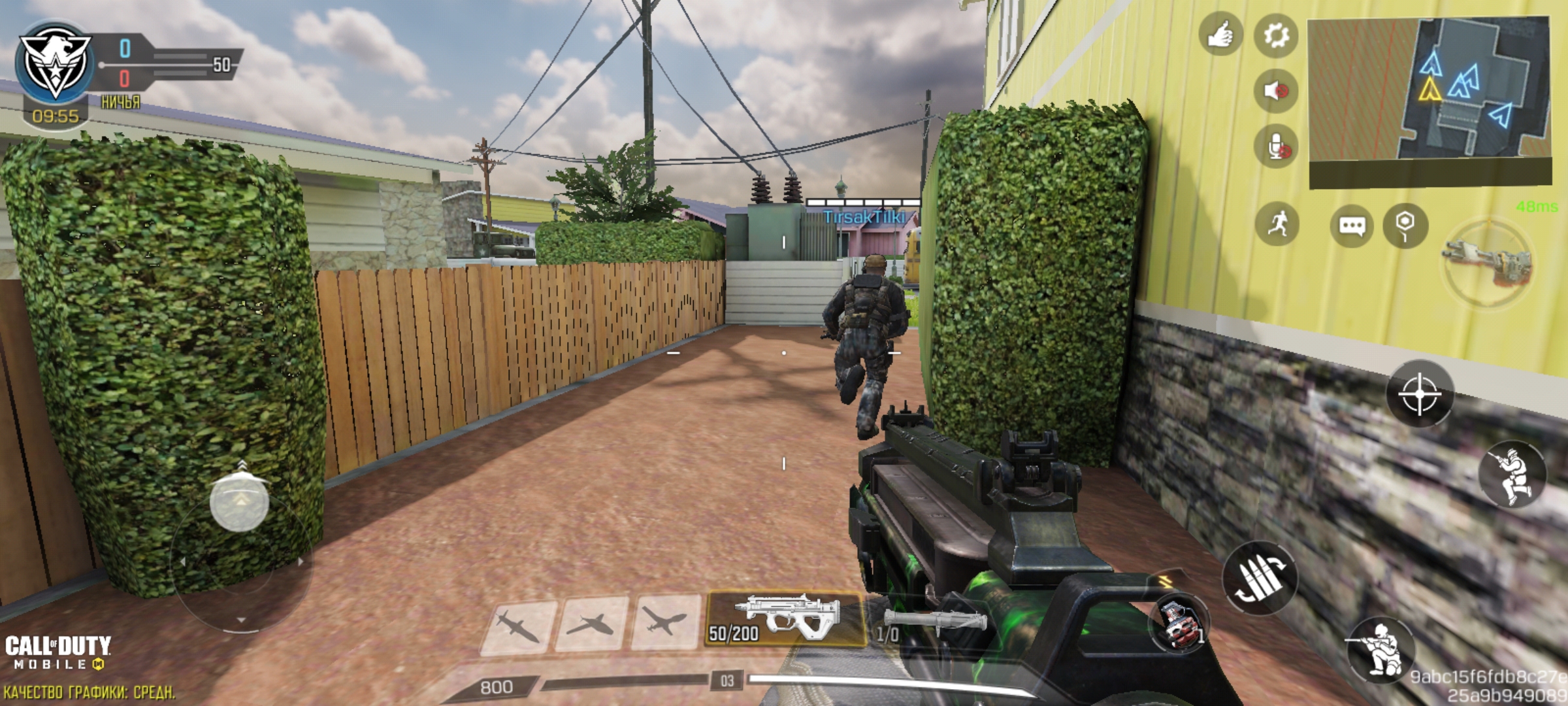
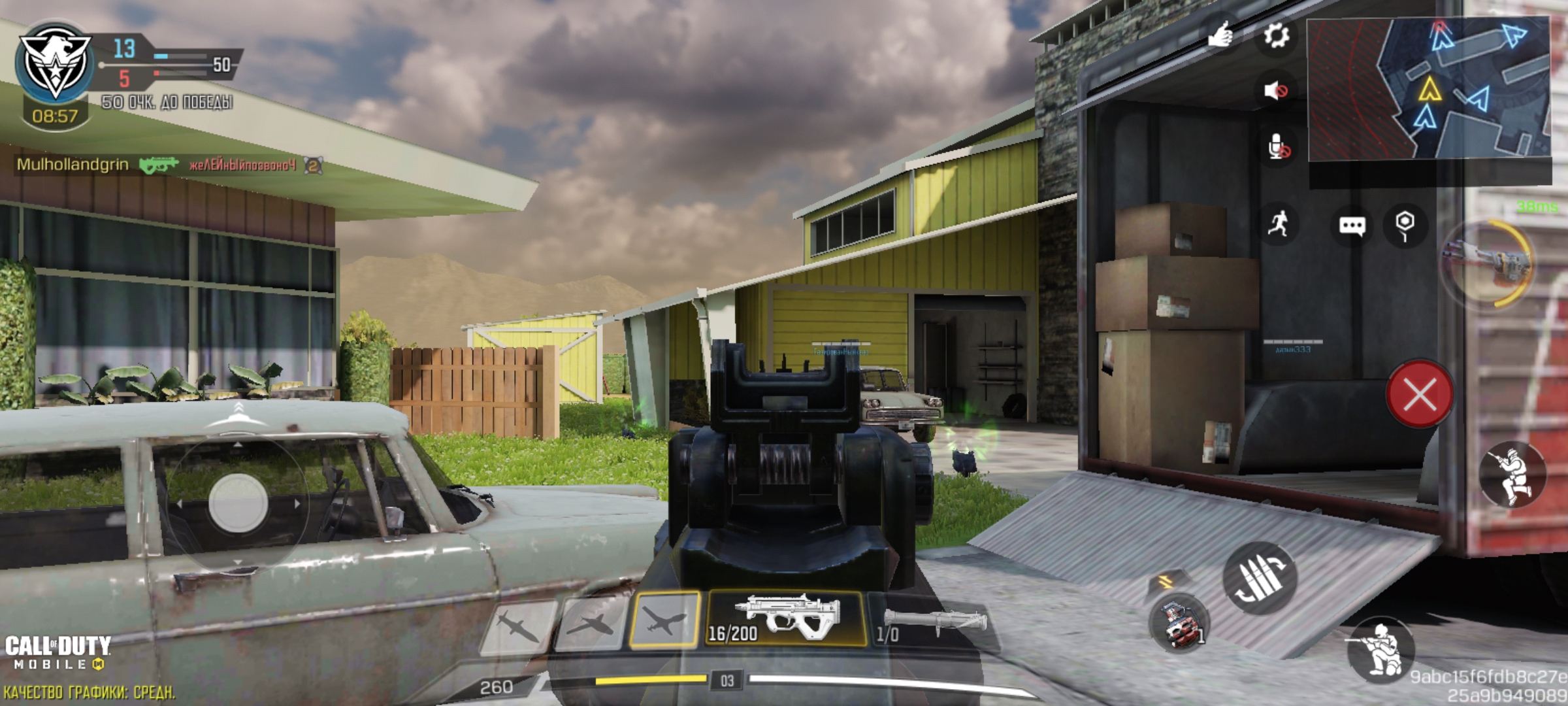
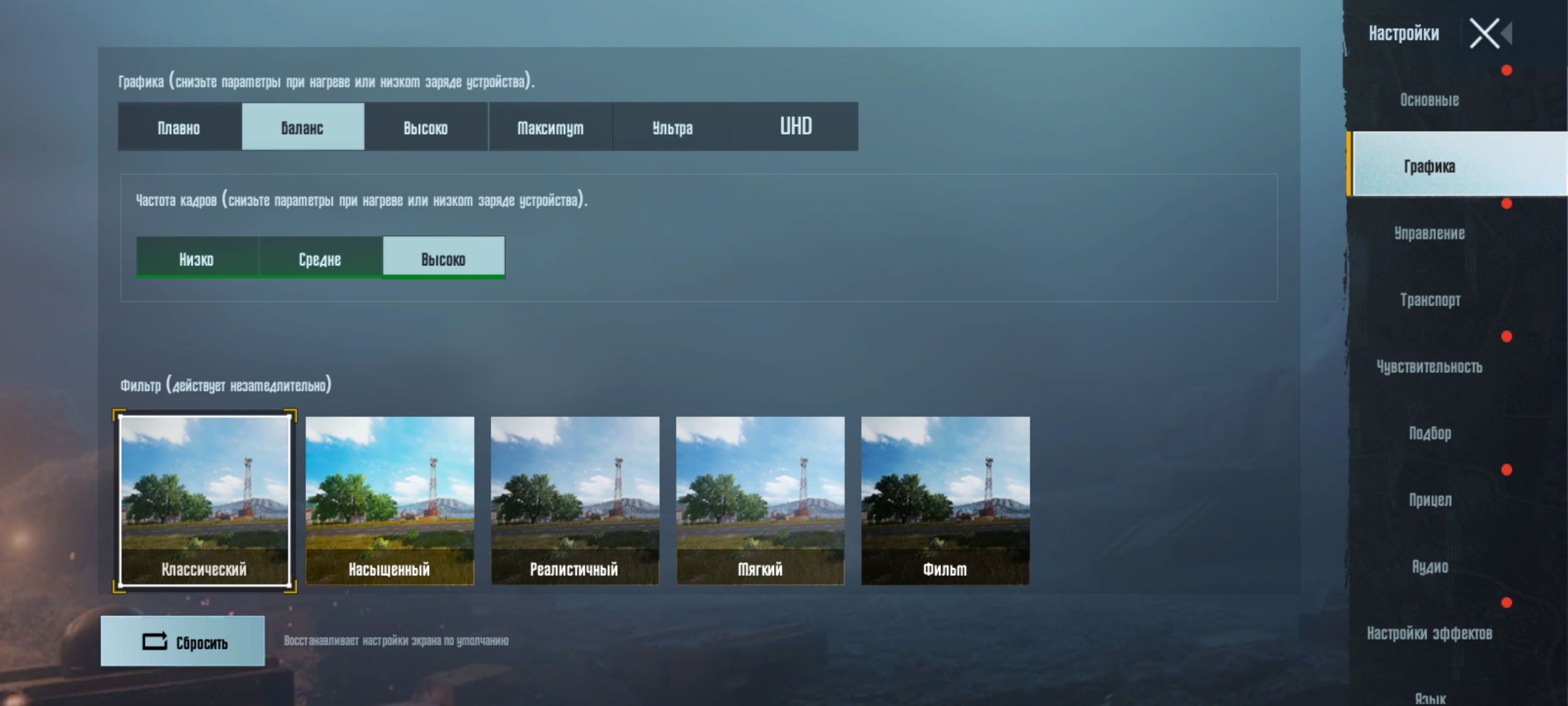
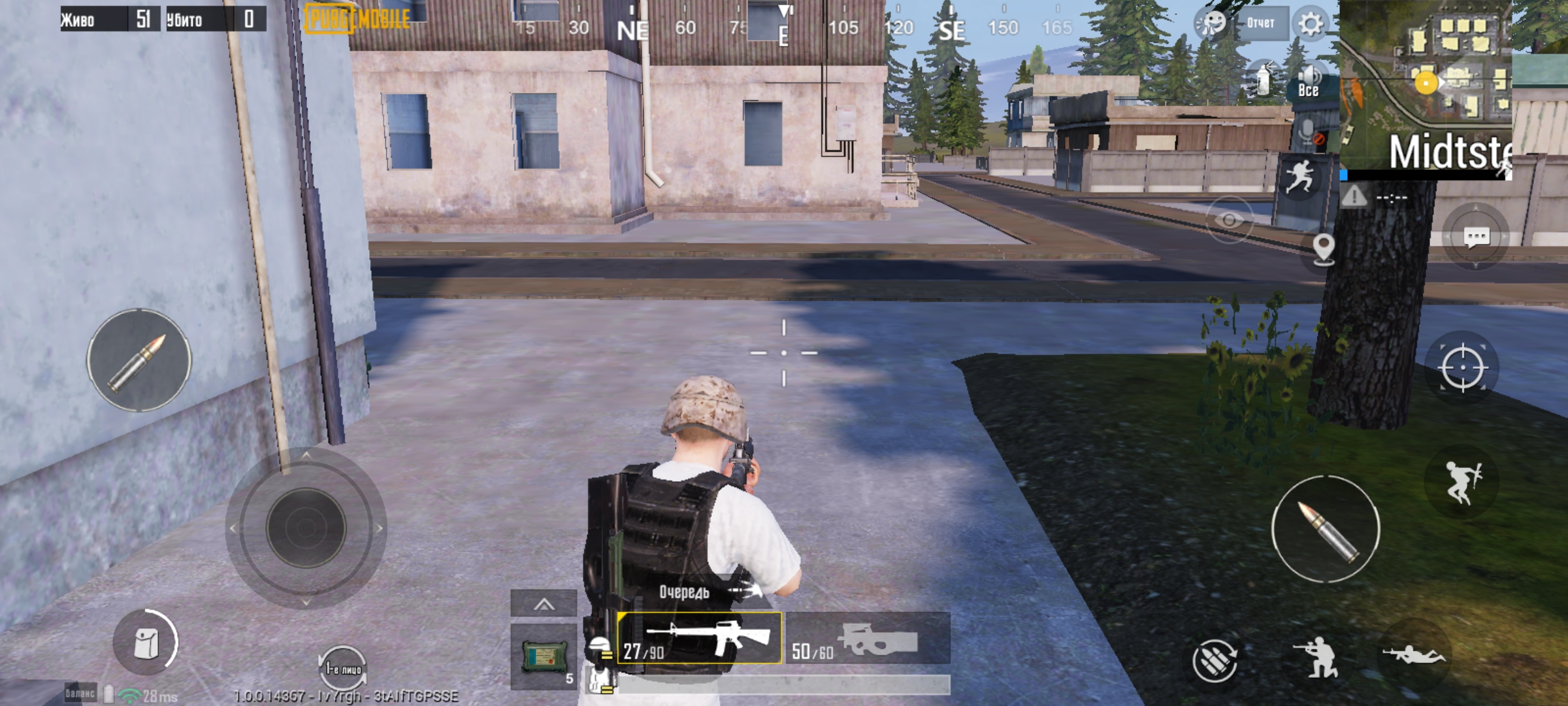
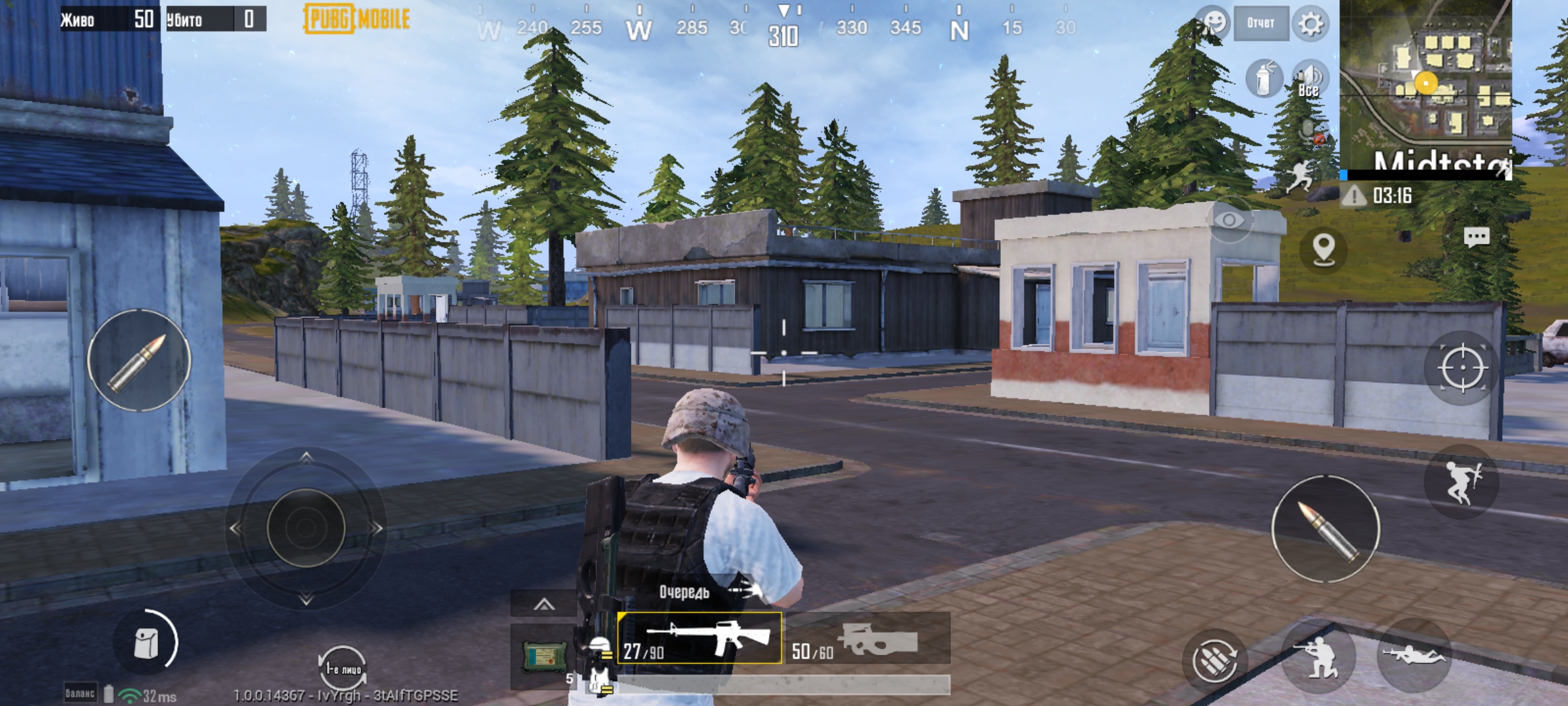
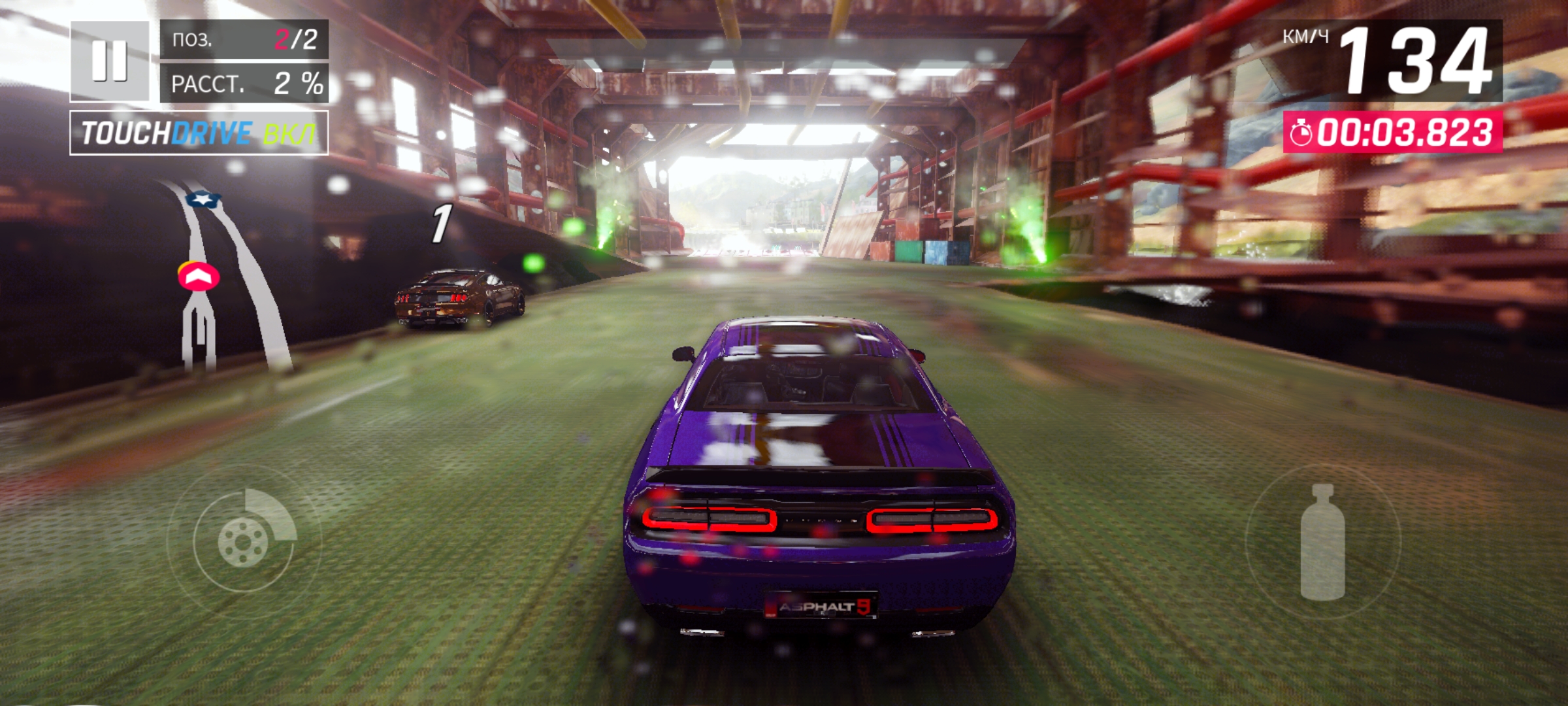
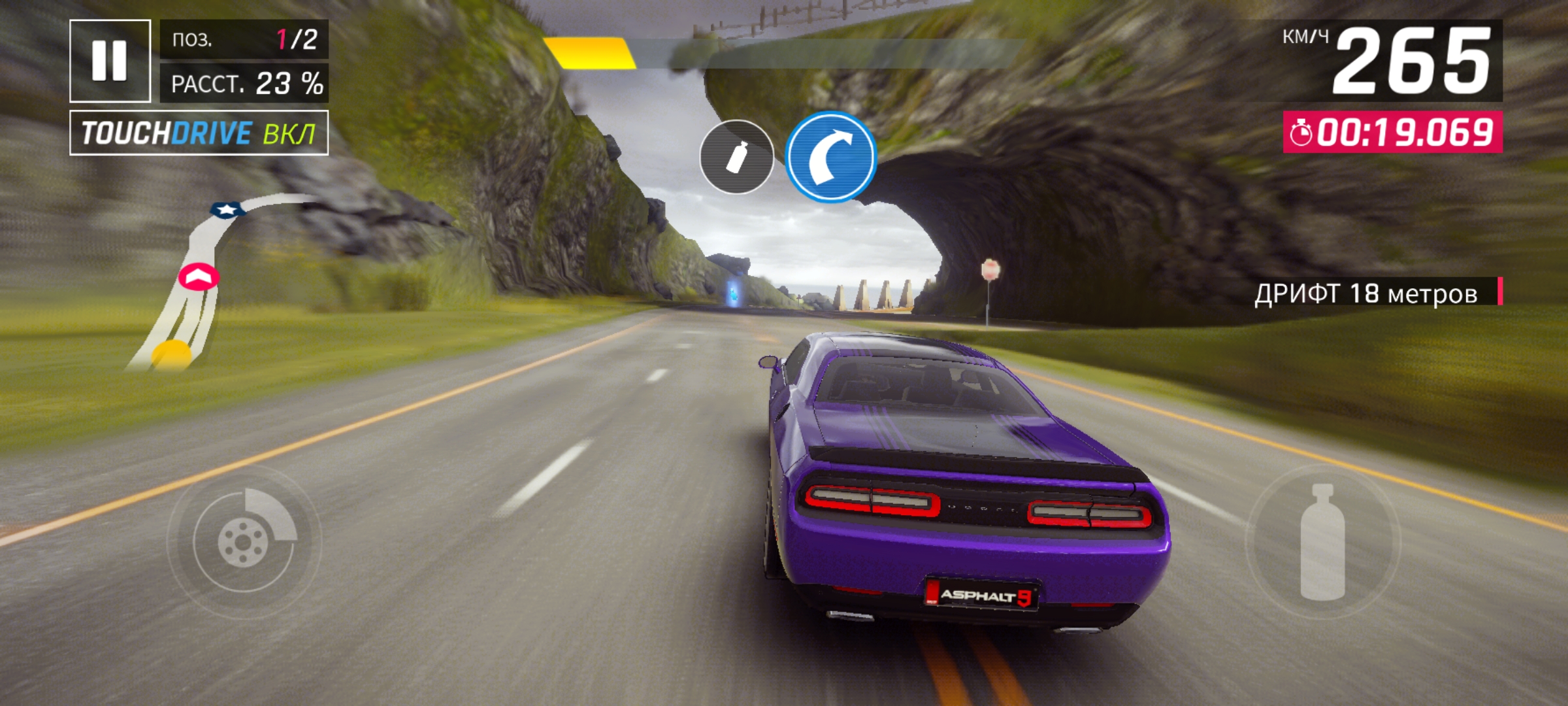
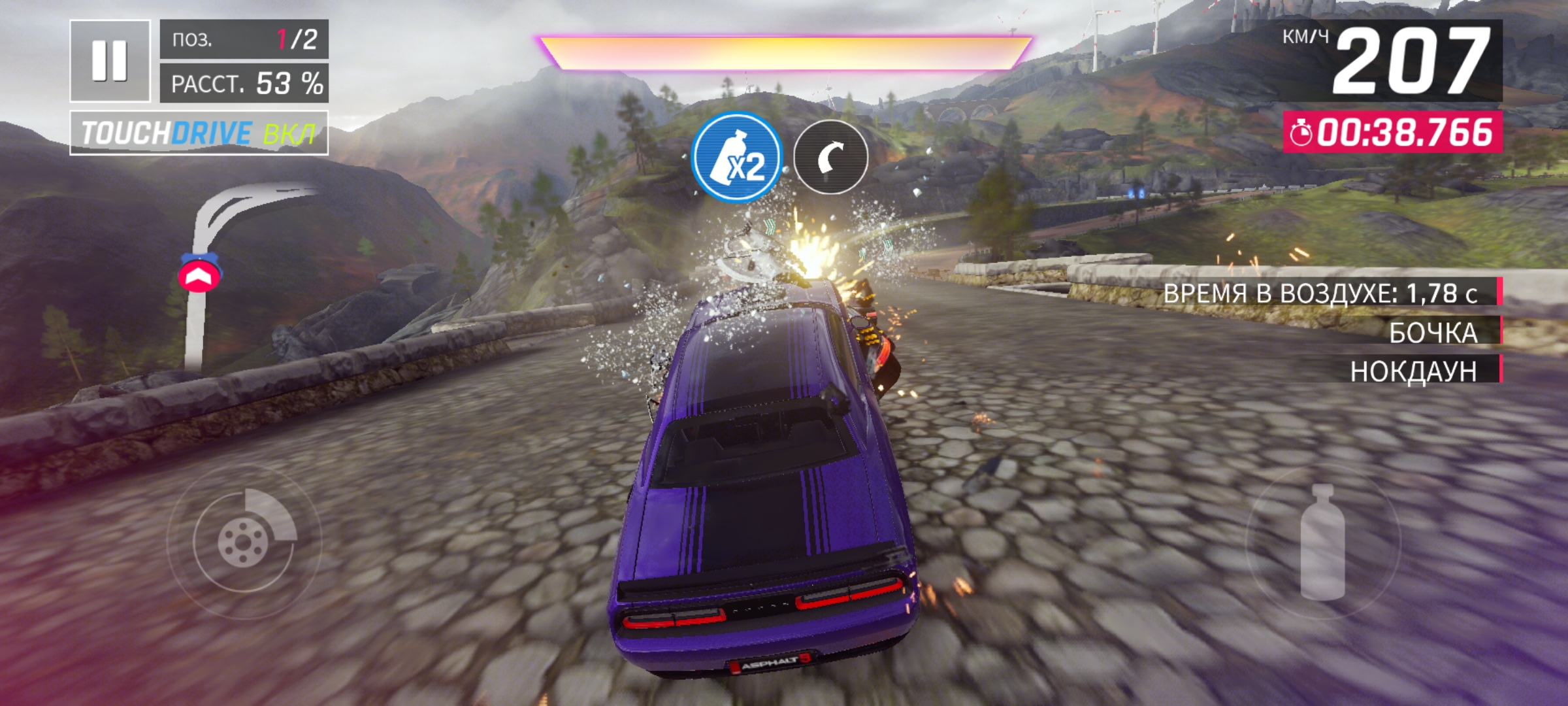
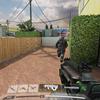
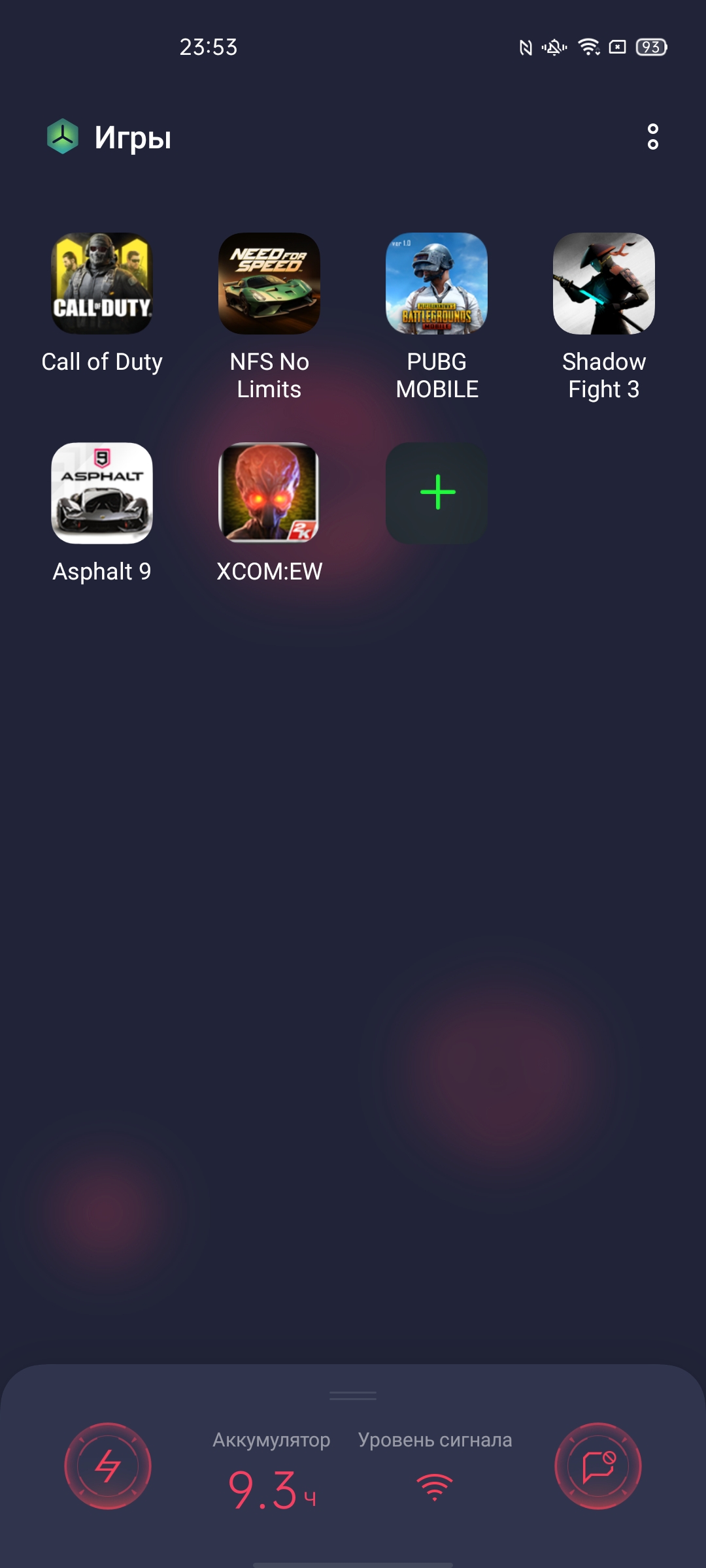
Regarding real performance, the shelland applications work quickly and stably. There are no “stupidities”, freezing or thoughtfulness observed. But for heavy modern games, OPPO Reno4 Lite is not the best option. At medium graphics settings, CoD Mobile and Asphalt 9 work stably, without any lags. In PUBG, periodic drops in FPS are observed.
</ img>
</ img>
</ img>
</ img>
</ img>
</ img>
</ img>
</ img>
</ img>








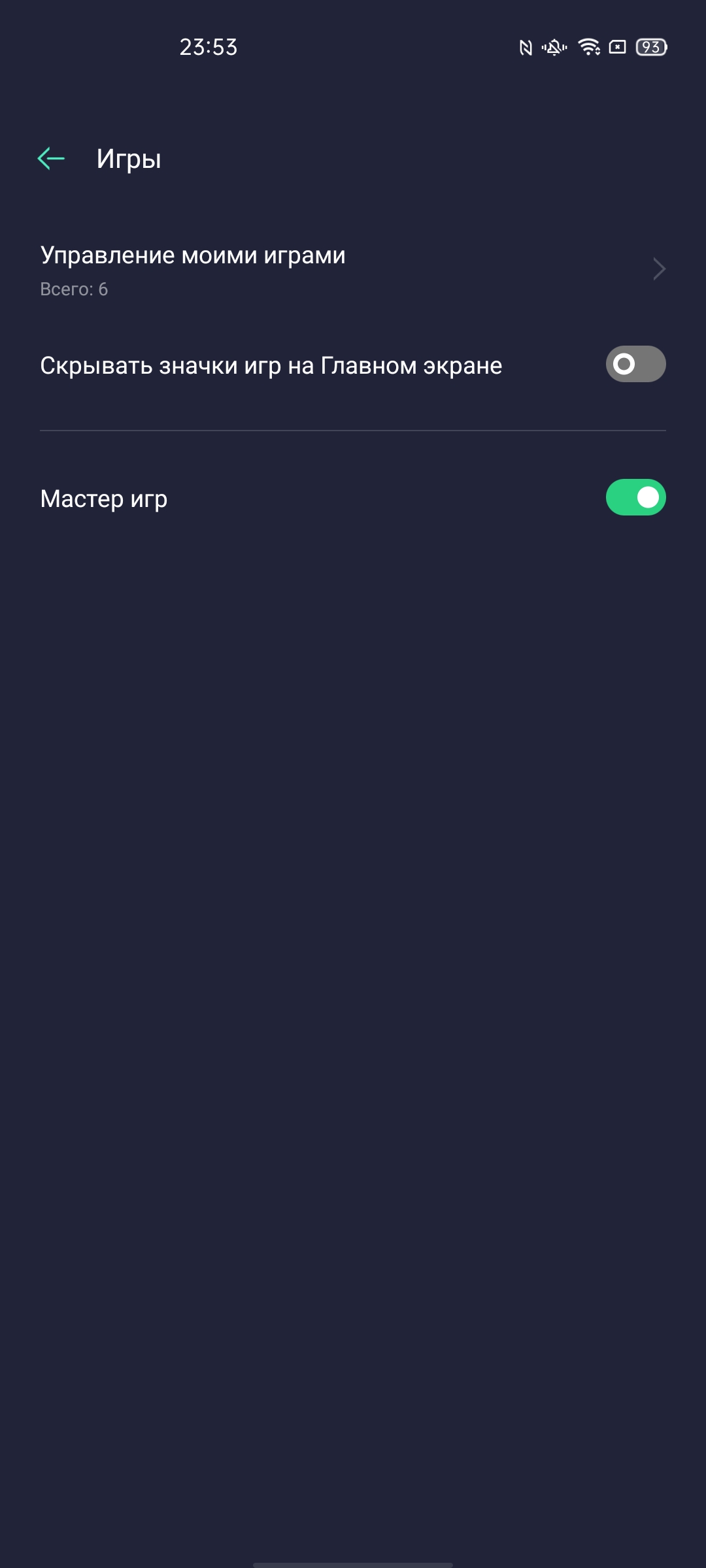
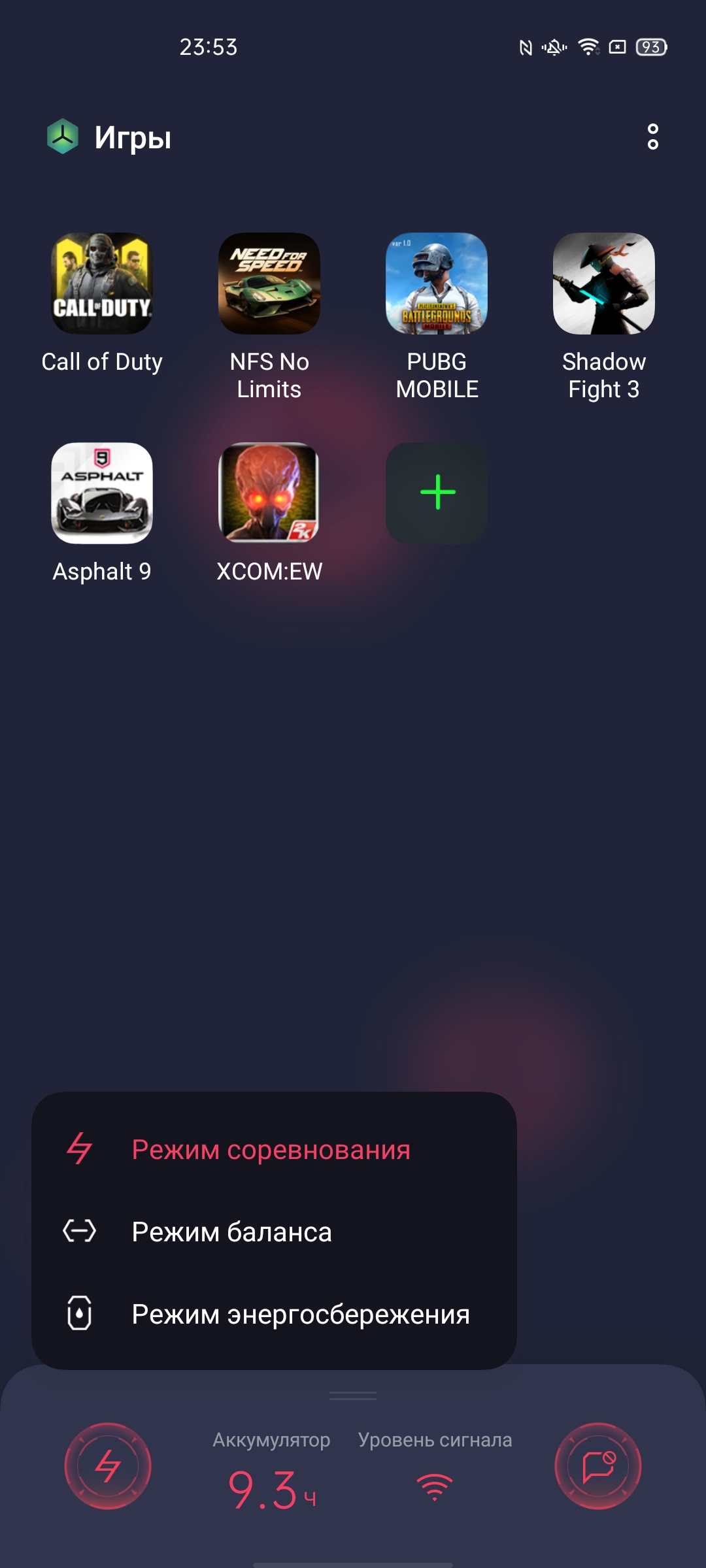
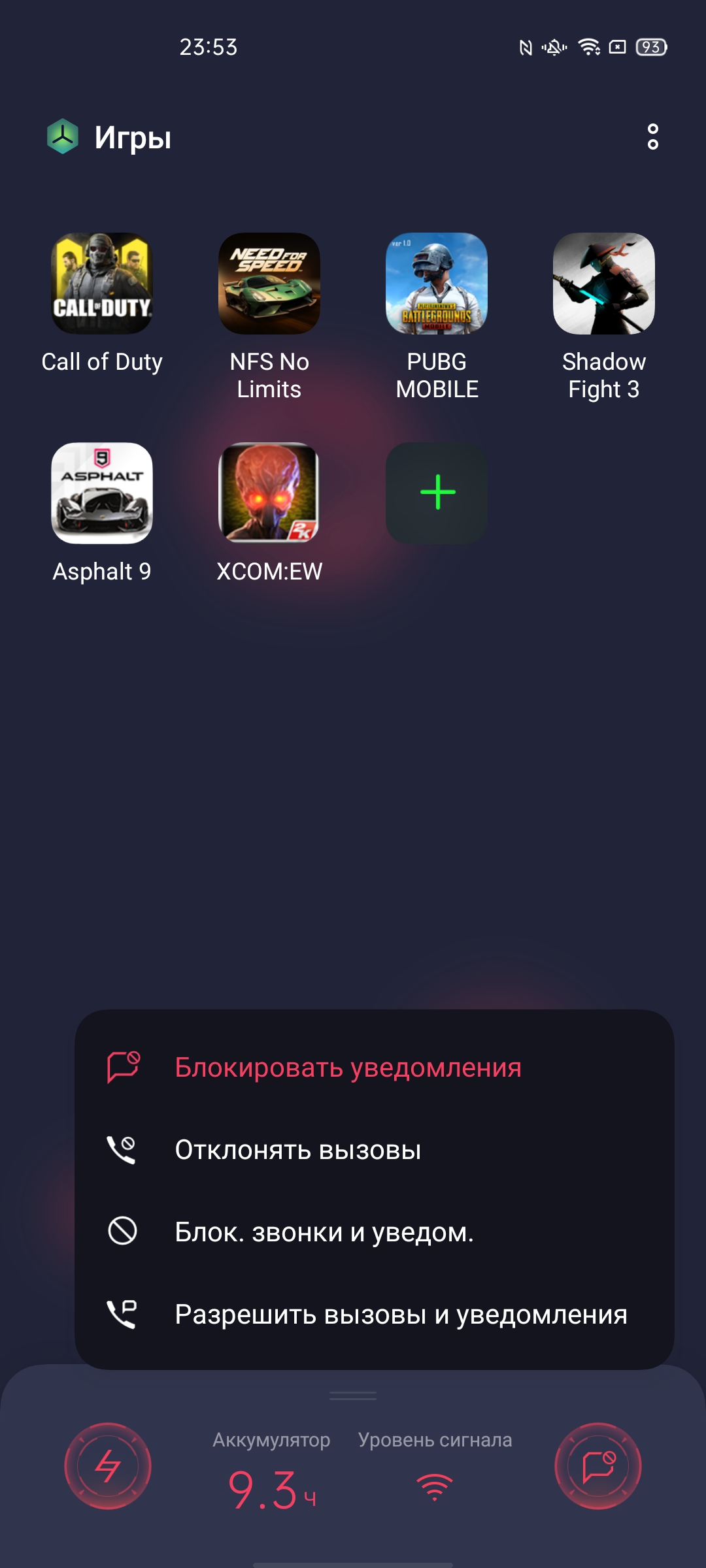
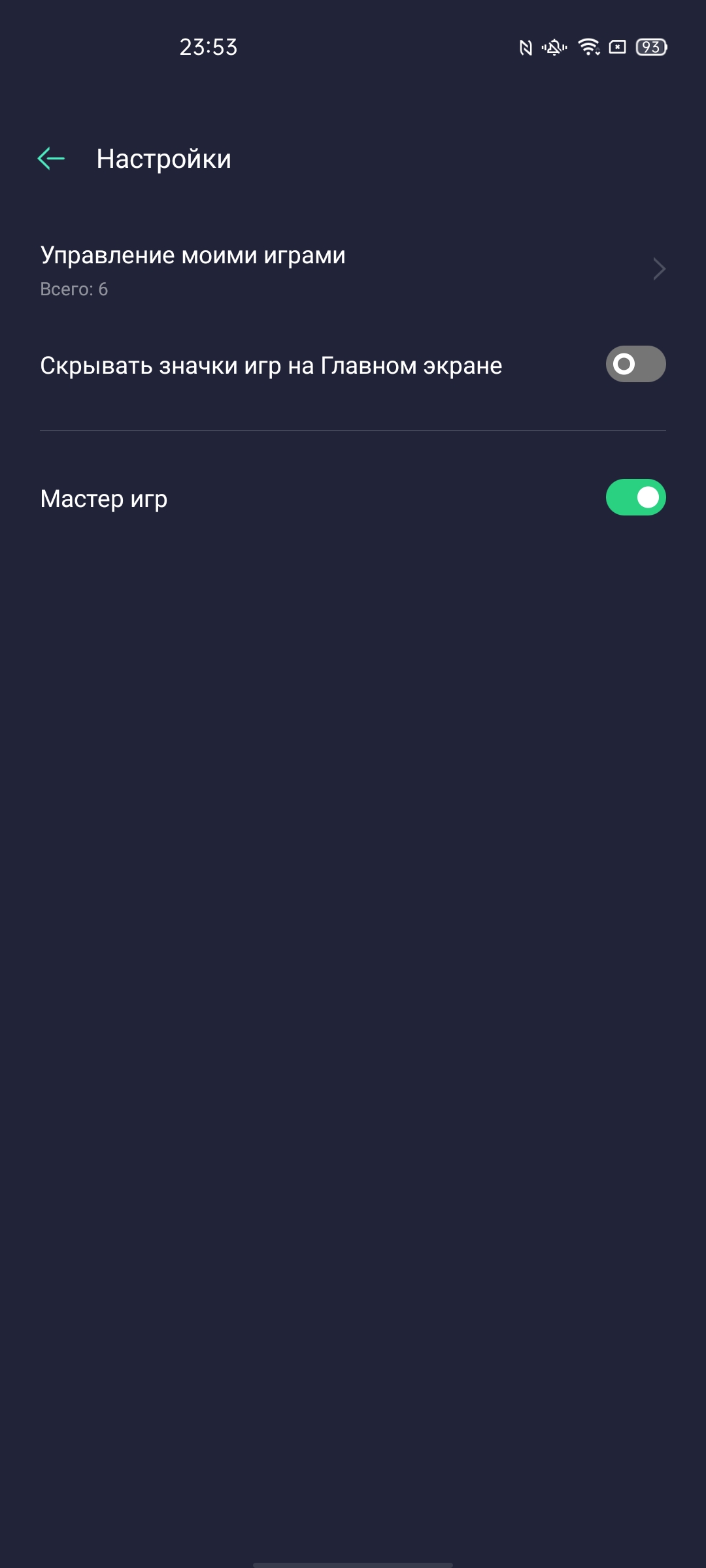
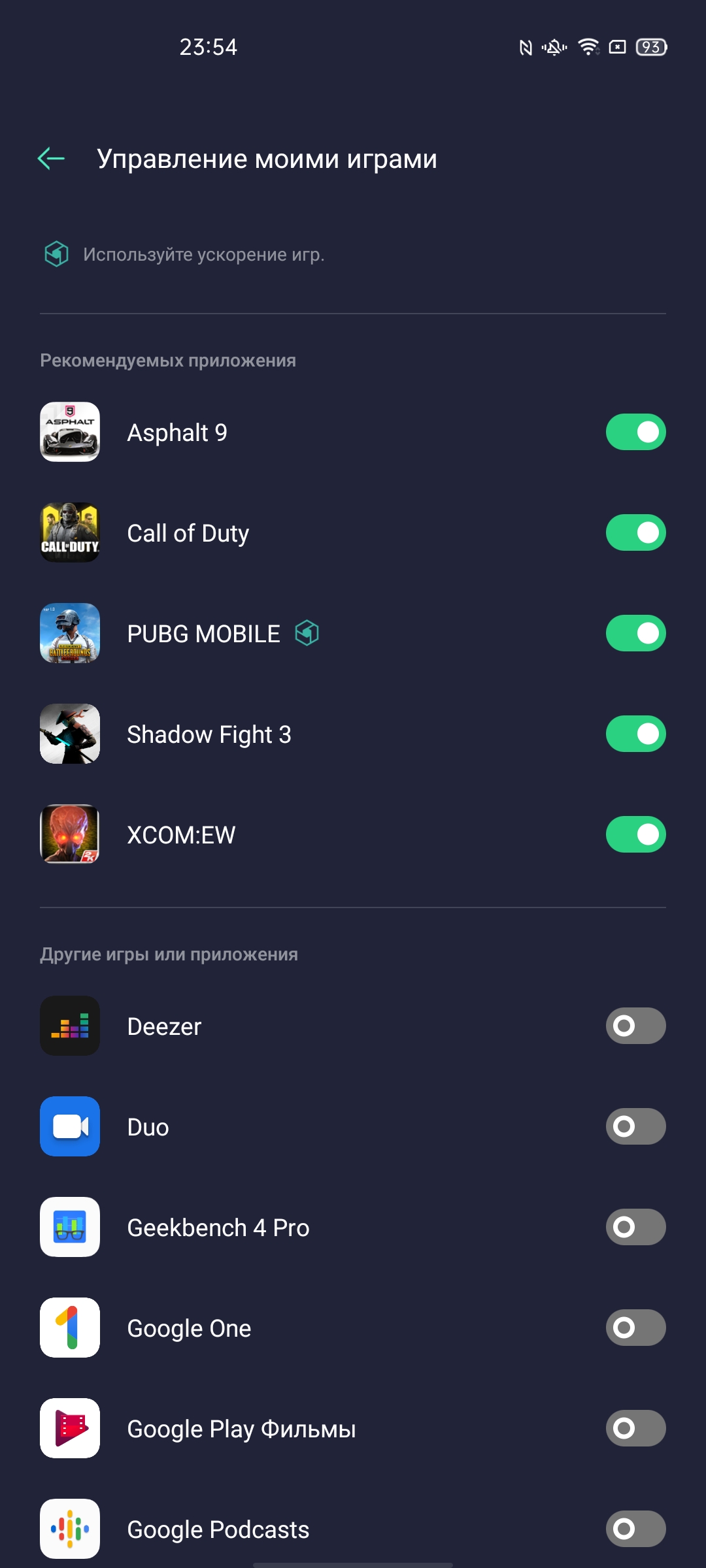
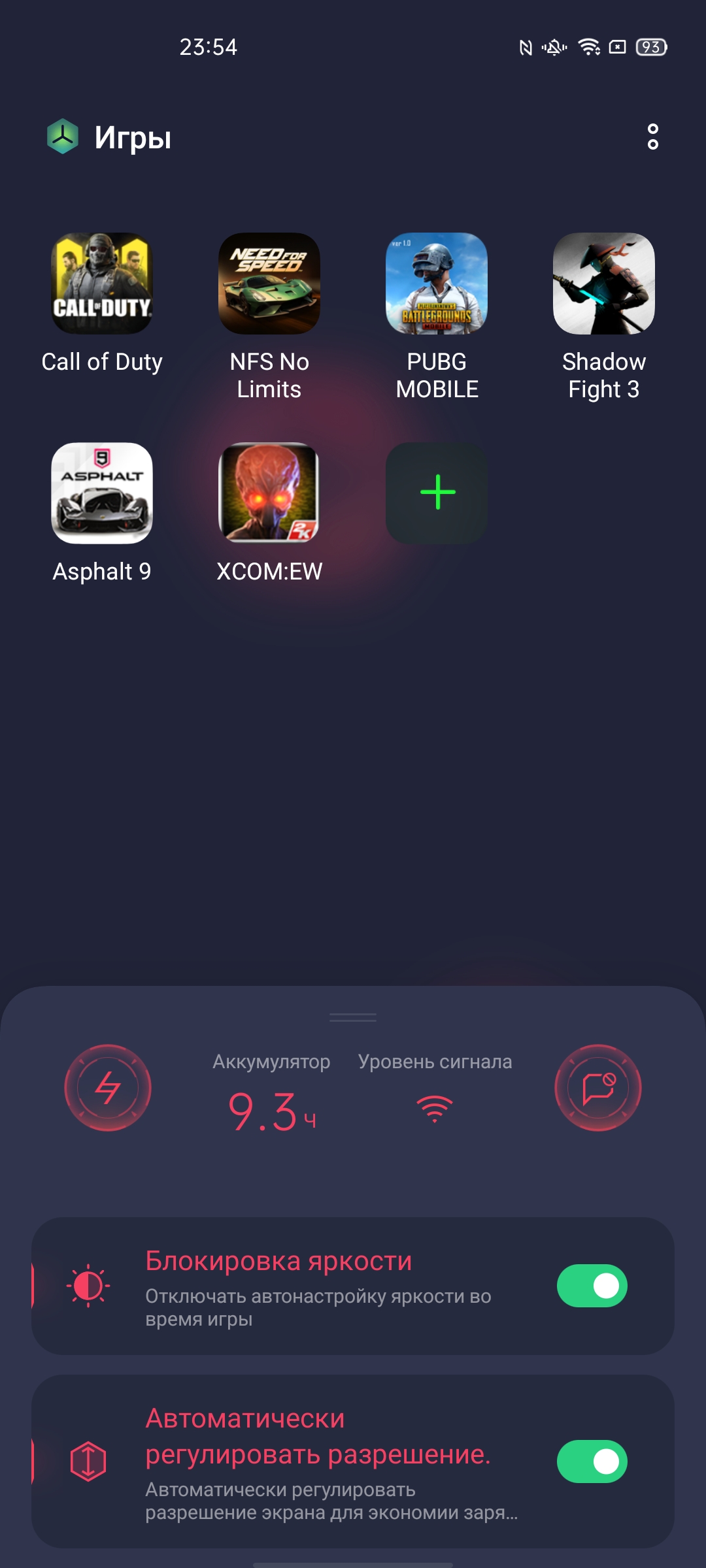
With the branded gaming application, we alreadygot acquainted in the reviews of previous OPPO models, it has not changed. It allows you to select a performance level, turn off notifications, lock the display brightness while playing, and so on.
</ img>
</ img>
</ img>
</ img>
</ img>
</ img>
</ img>

</ img>








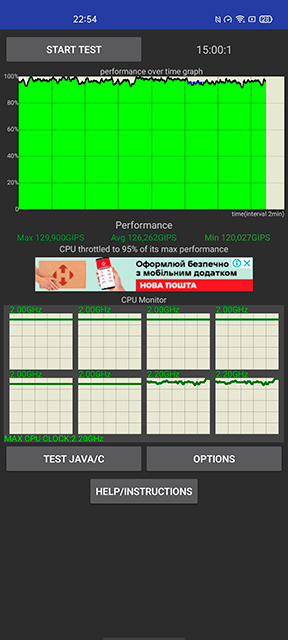
CPU Throttling Test showed that with stabilitythe smartphone has no problems. With prolonged peak loads, performance drops to only 95%, which is not at all significant. The body becomes slightly warm.
</ img>
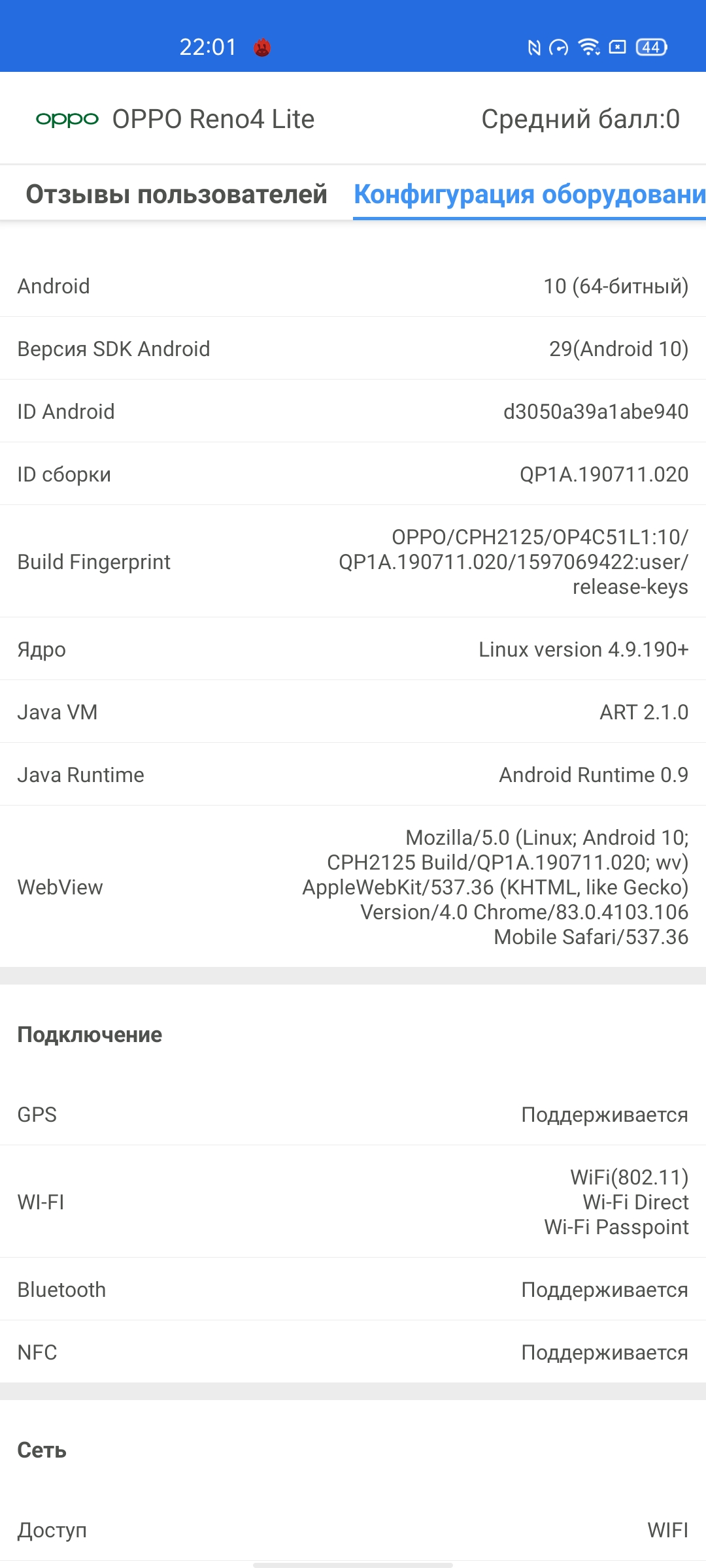
Set of interfaces: Wi-Fi 802.11 a/b/g/n/ac 2.4 and 5 GHz, Bluetooth 5.1 LE with support for SBC, AAC, aptX, aptX HD, LDAC and NFC codecs for contactless payment. Global positioning systems GPS (with A-GPS support), Beidou, Glonass, GALILEO, QZSS are supported. In terms of sound quality, the smartphone does not stand out in anything special: there is only one speaker, average in both volume and quality. There is a headphone jack, which is nice. The sound quality in the headphones is typical “smartphone”. For demanding music lovers it will not be enough, for the average user it will be quite OK.
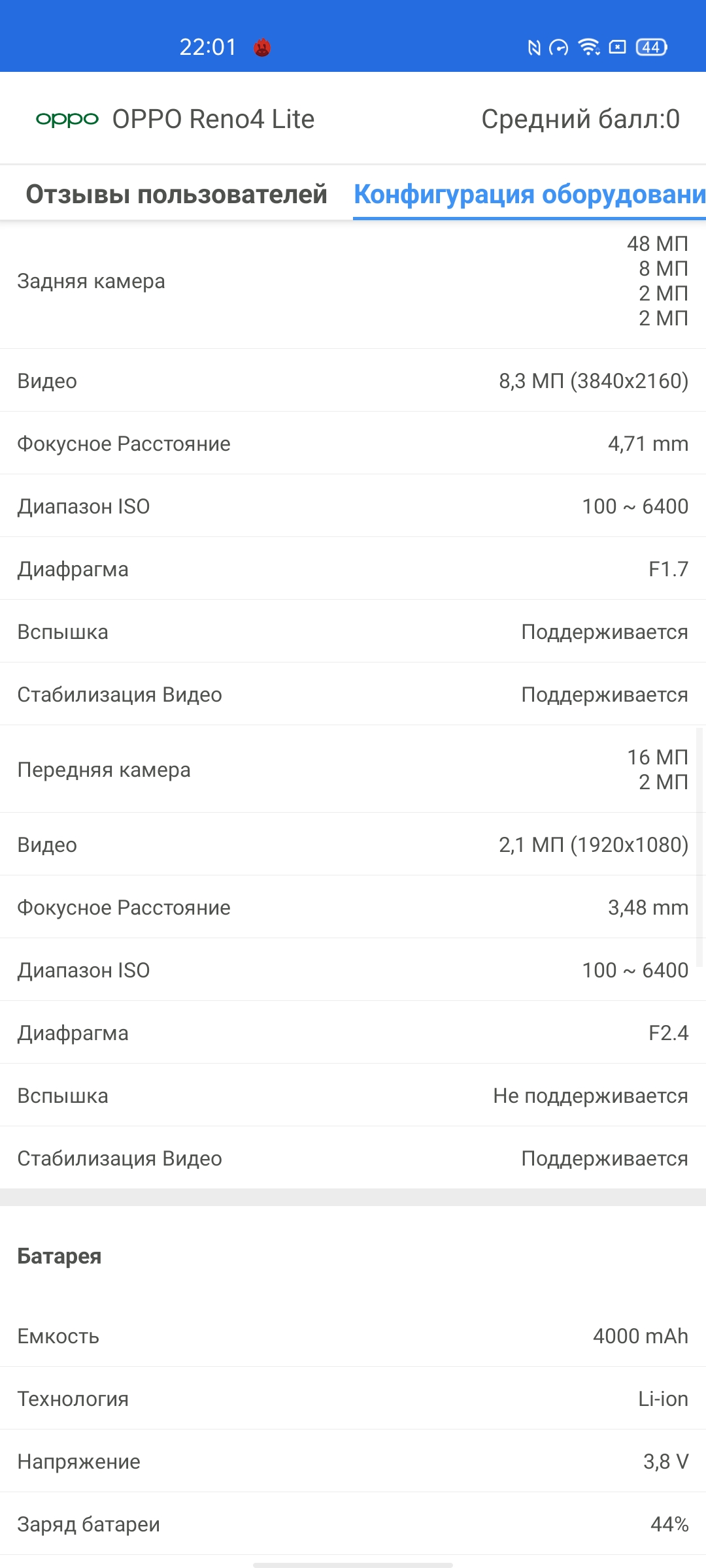
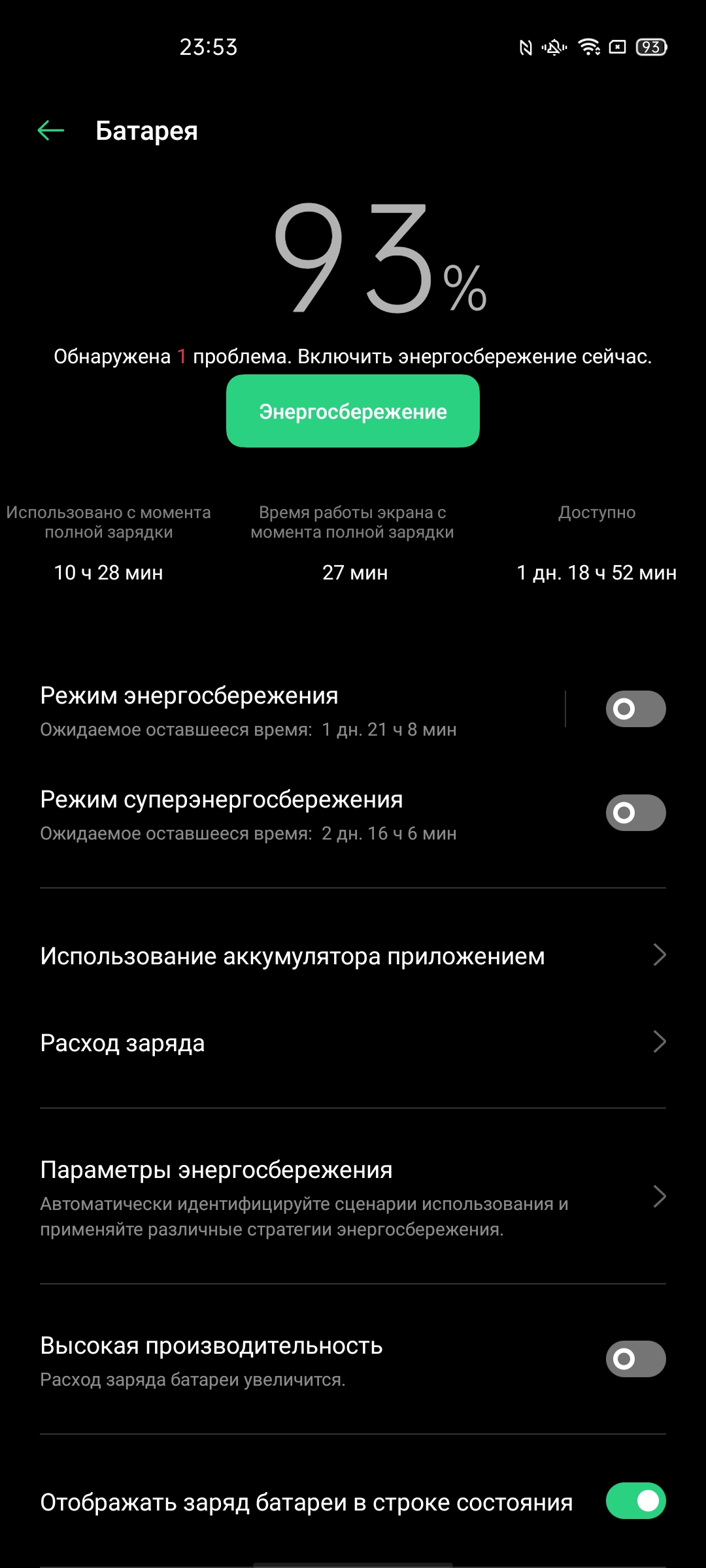
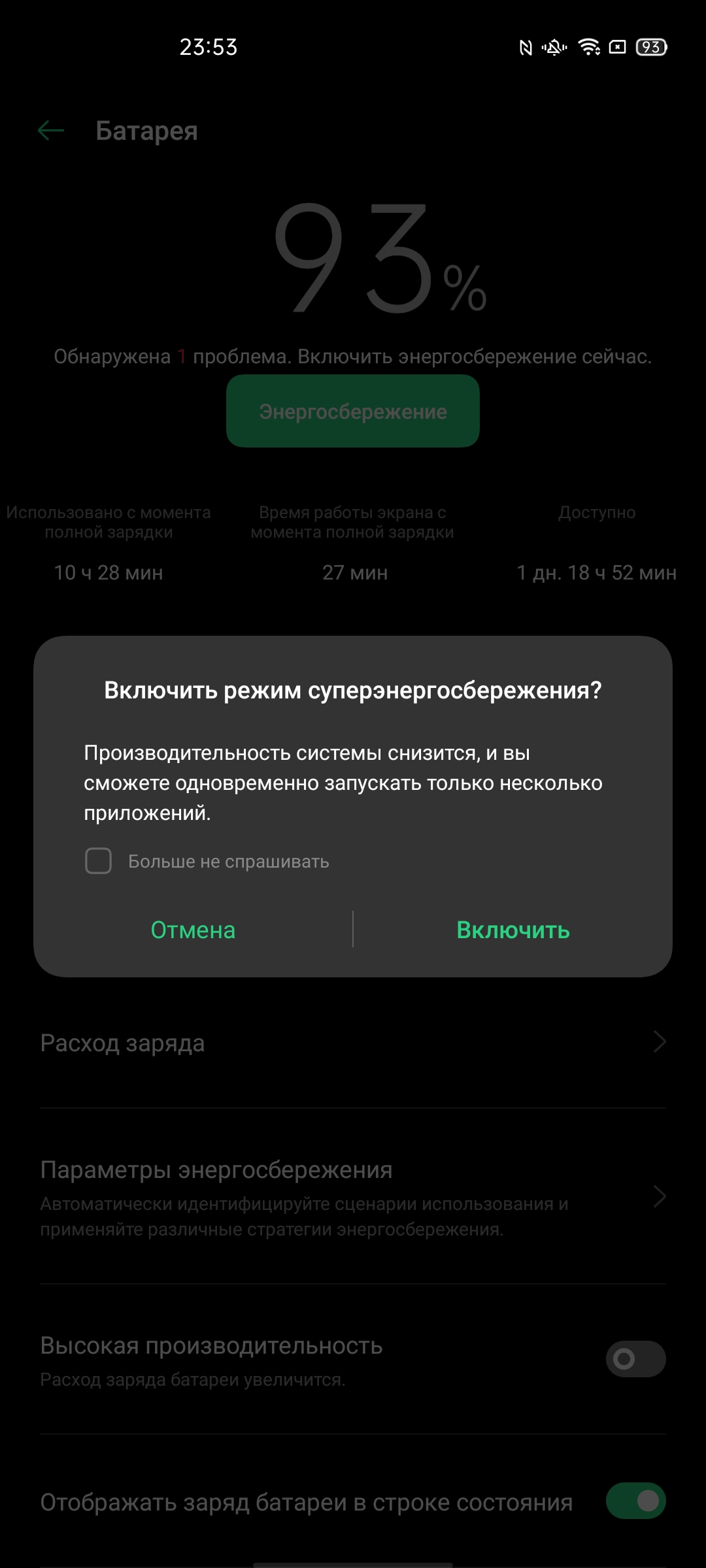
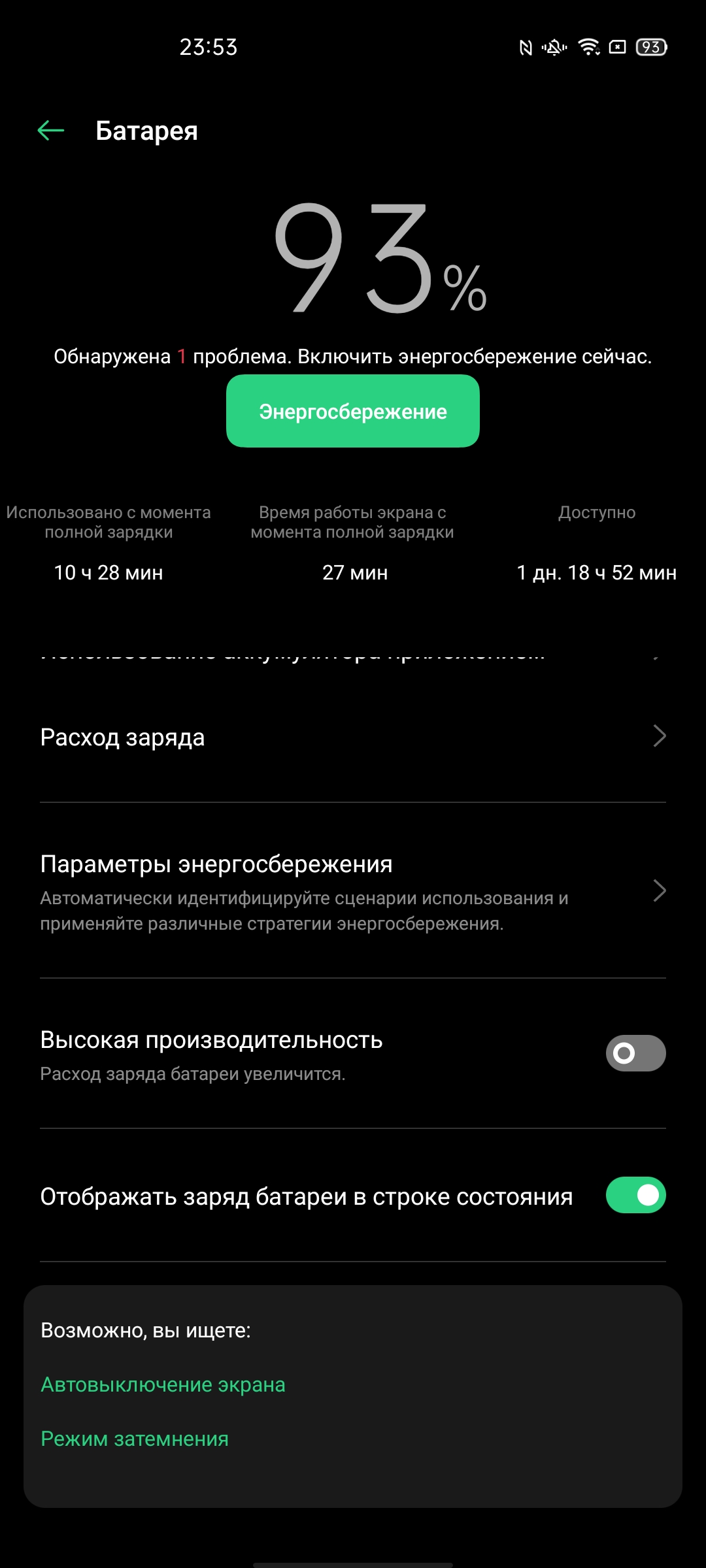
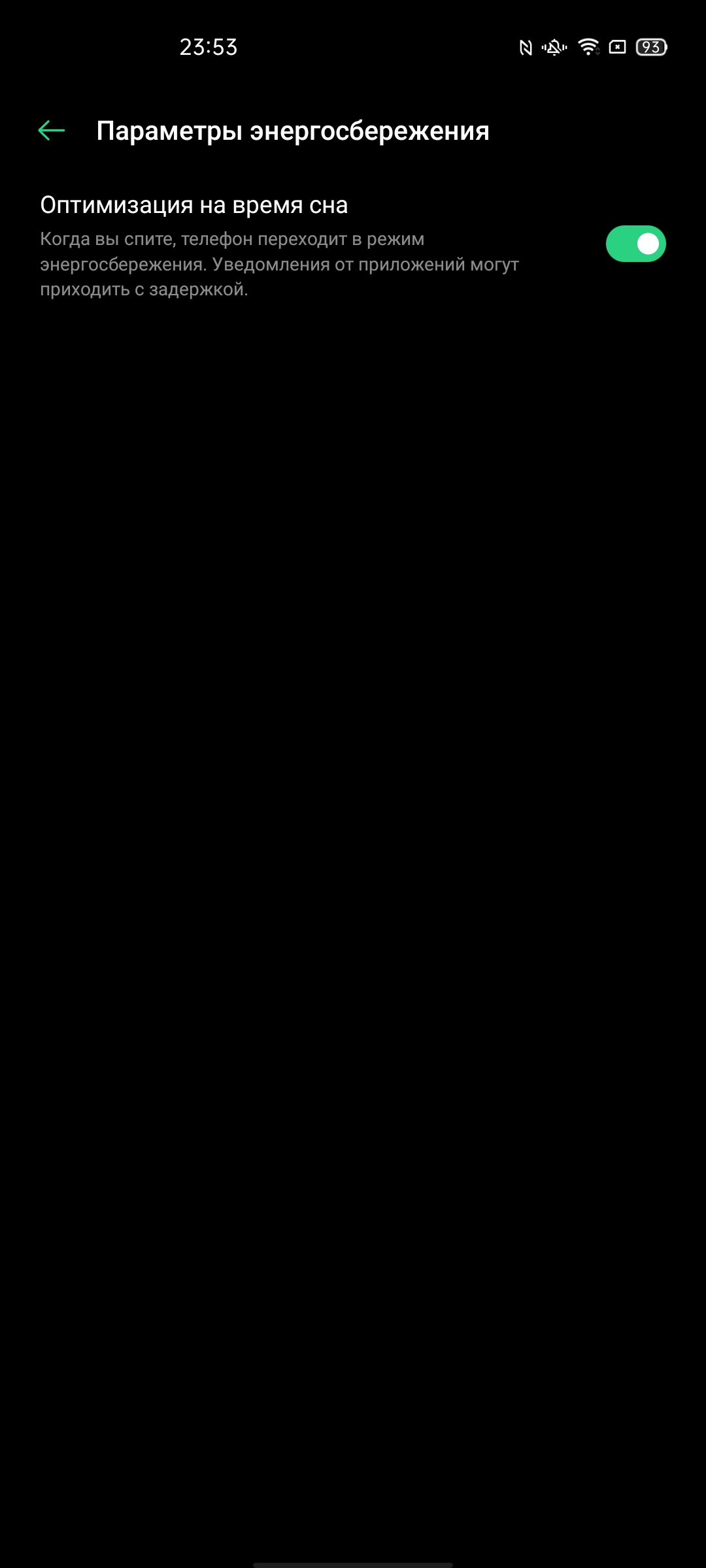
OPPO Reno4 Lite is powered by a battery on4015 mAh, there is support for fast charging VOOC 4.0 at 30 W, but the included power supply is only 18 W. It charges the smartphone in about an hour and a half. With active use (15-20 minutes of calls, half an hour of games, photography, chab-surfing and social networks), the smartphone lasts one day. Nothing extraordinary, but quite ok.
</ img>
</ img>
</ img>
</ img>

</ img>





What about the interface?
</ img>
</ img>

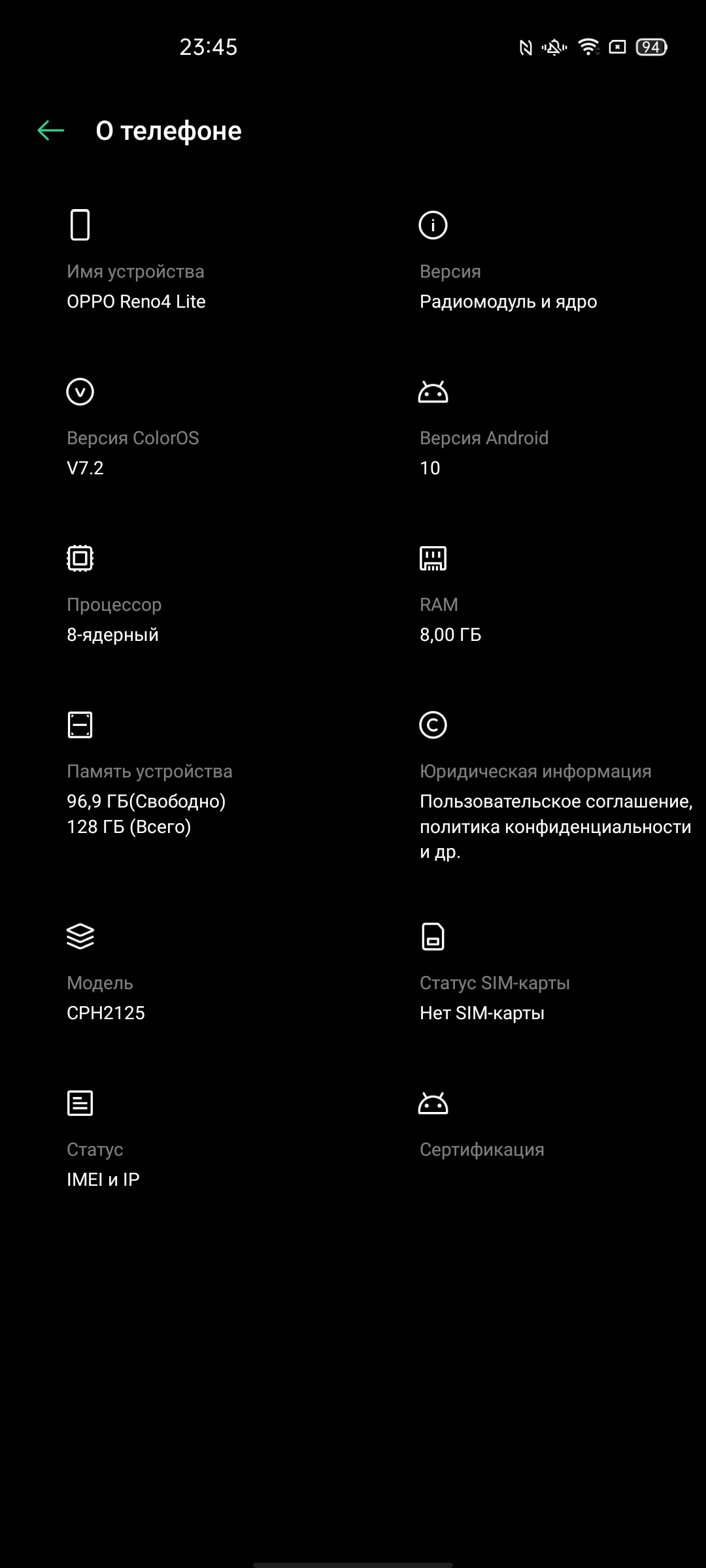
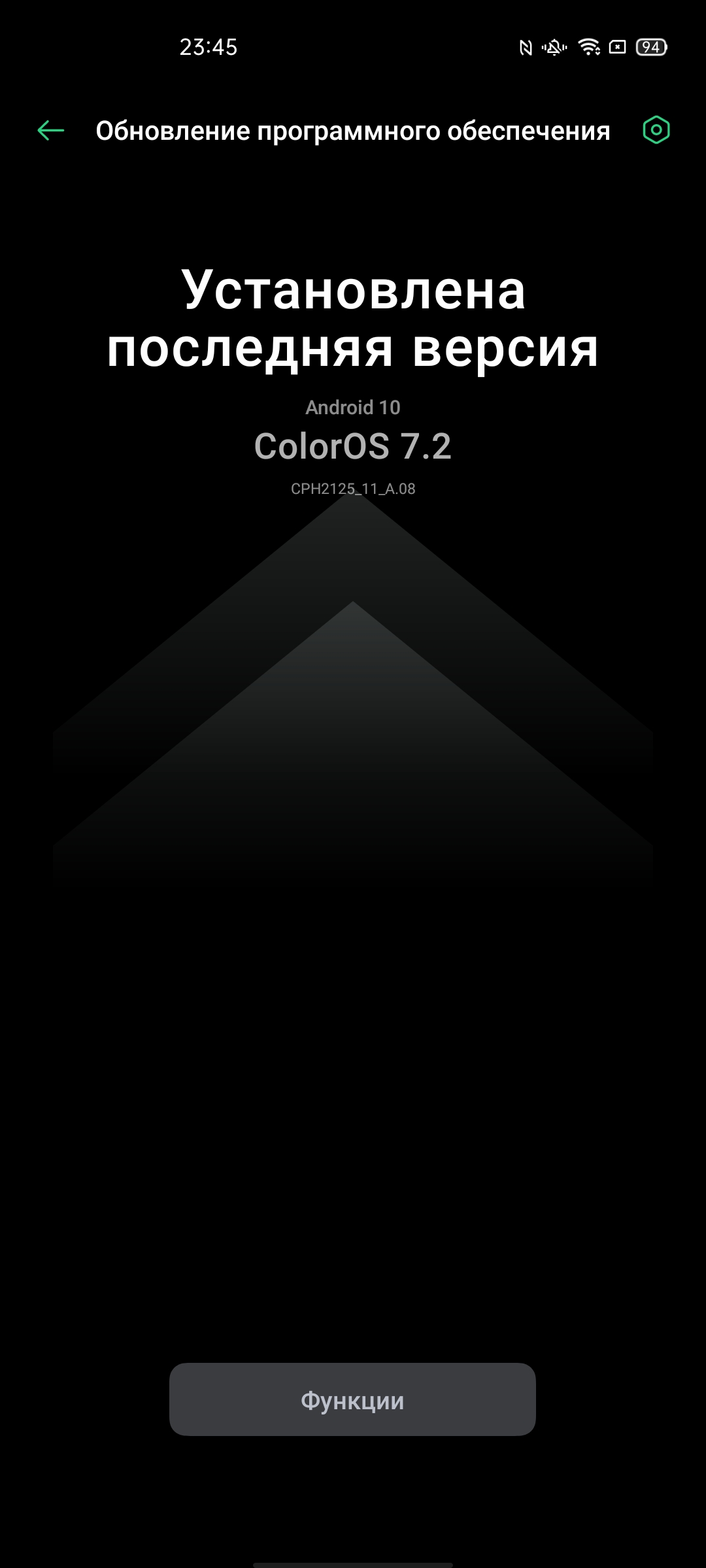
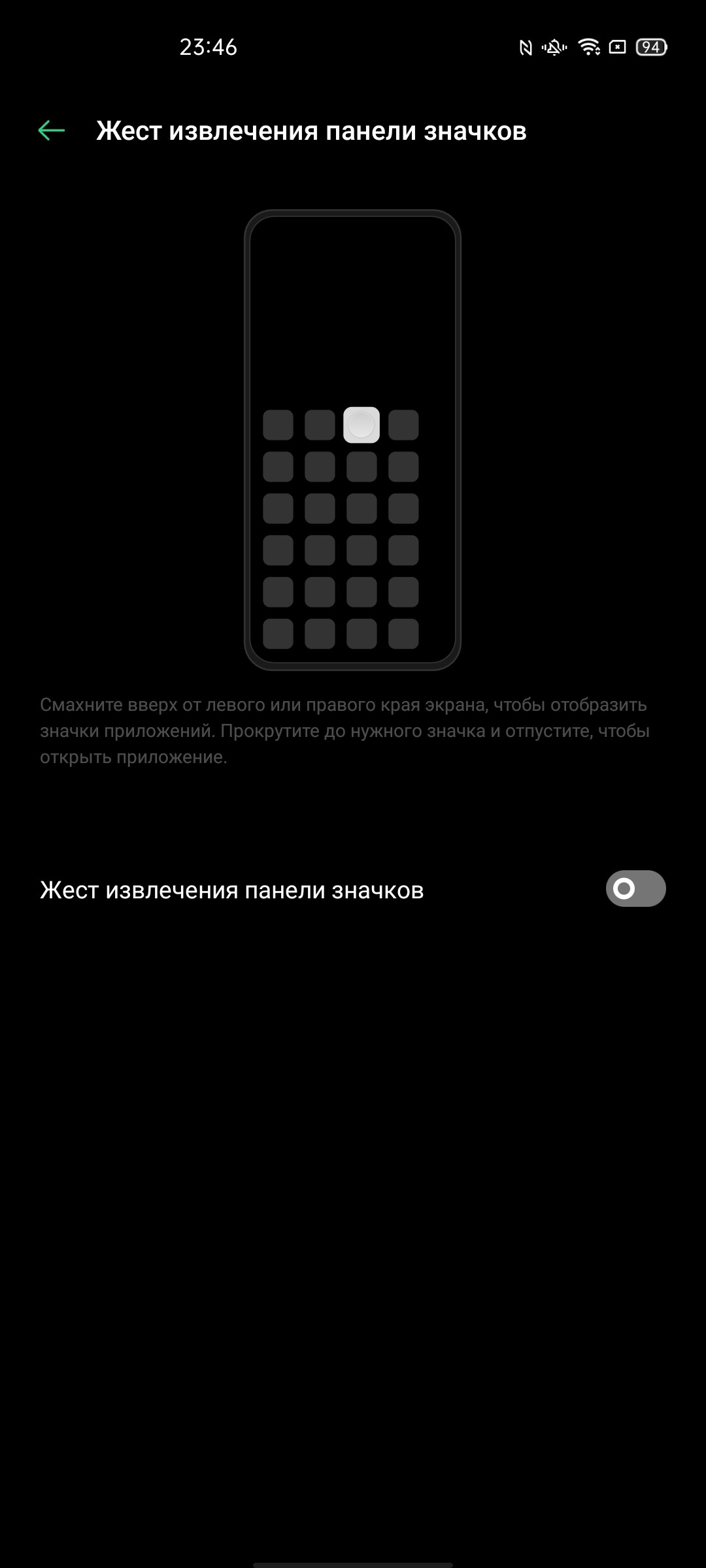
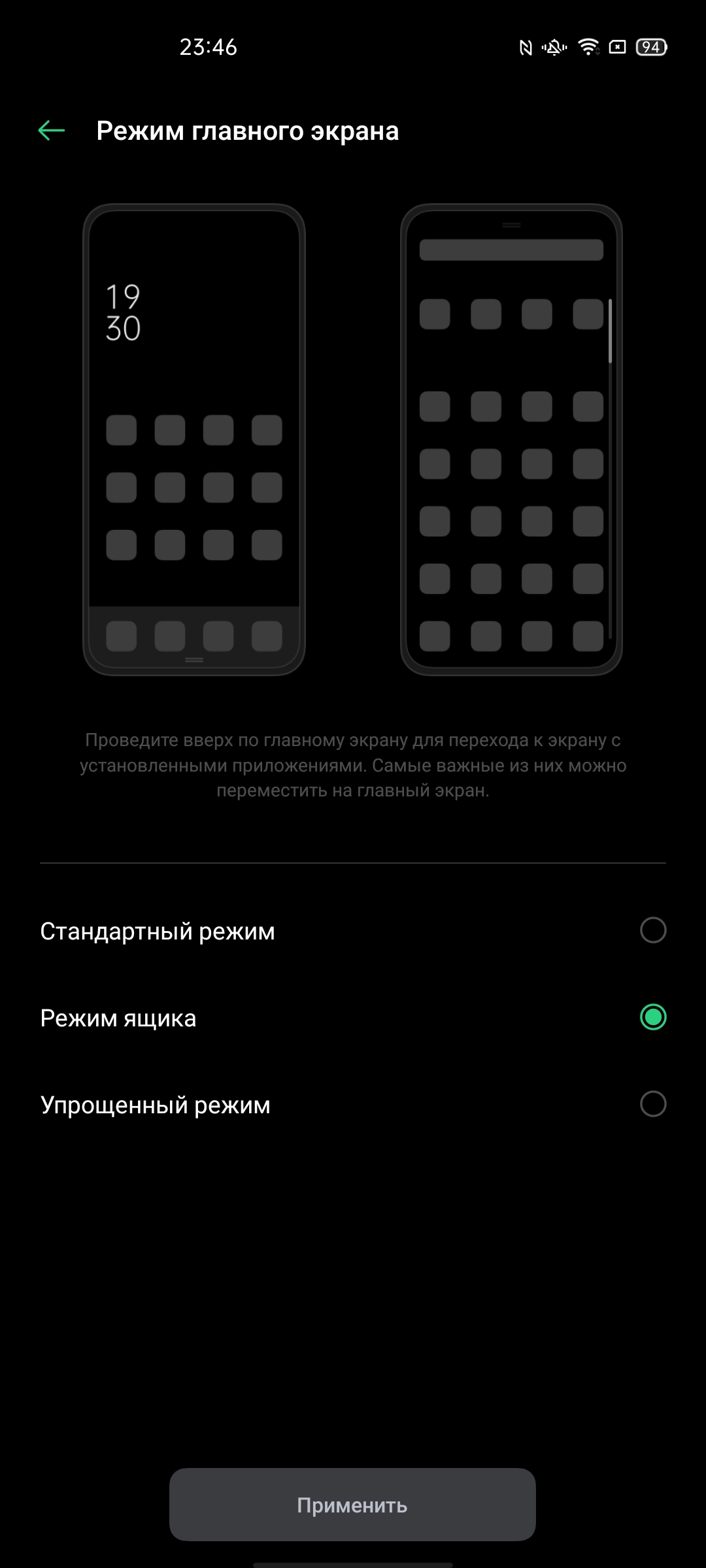
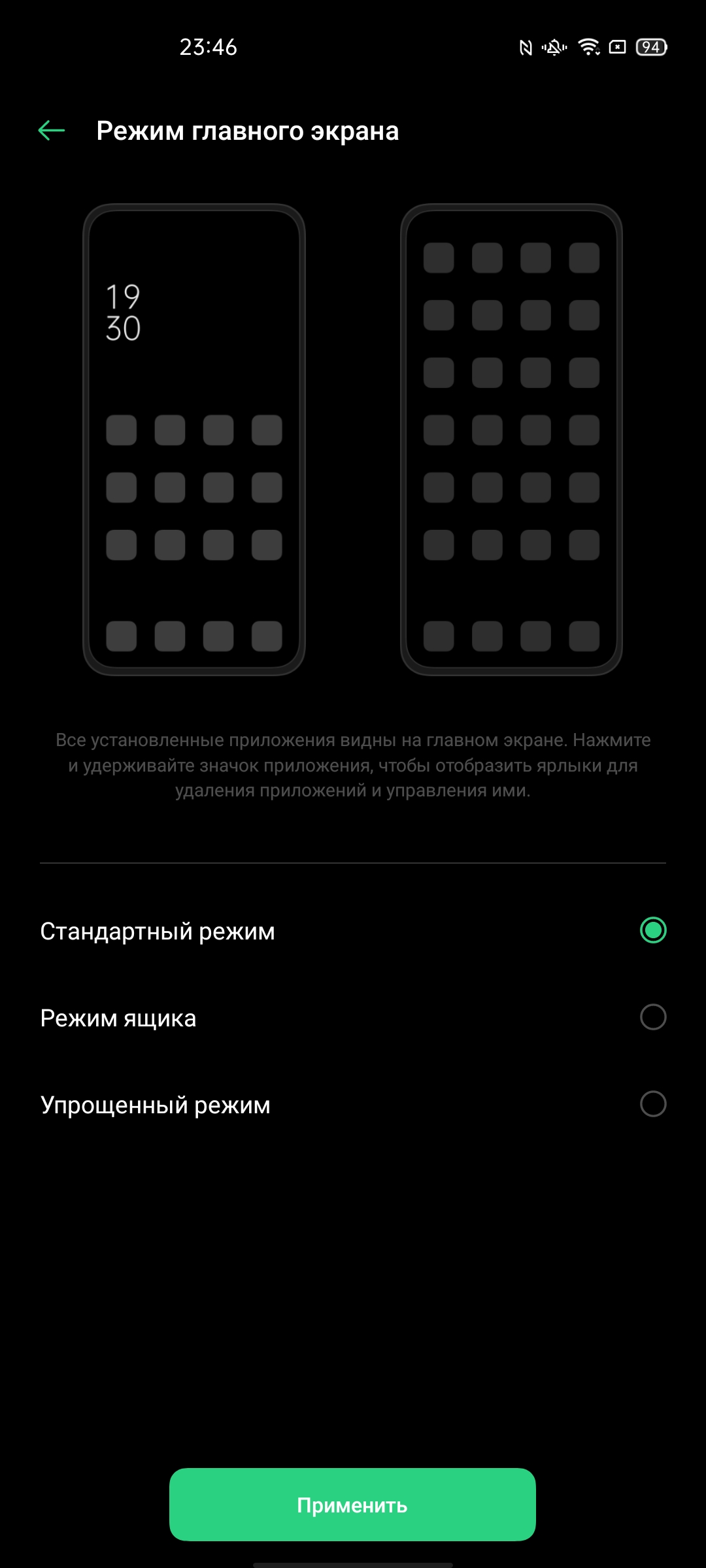
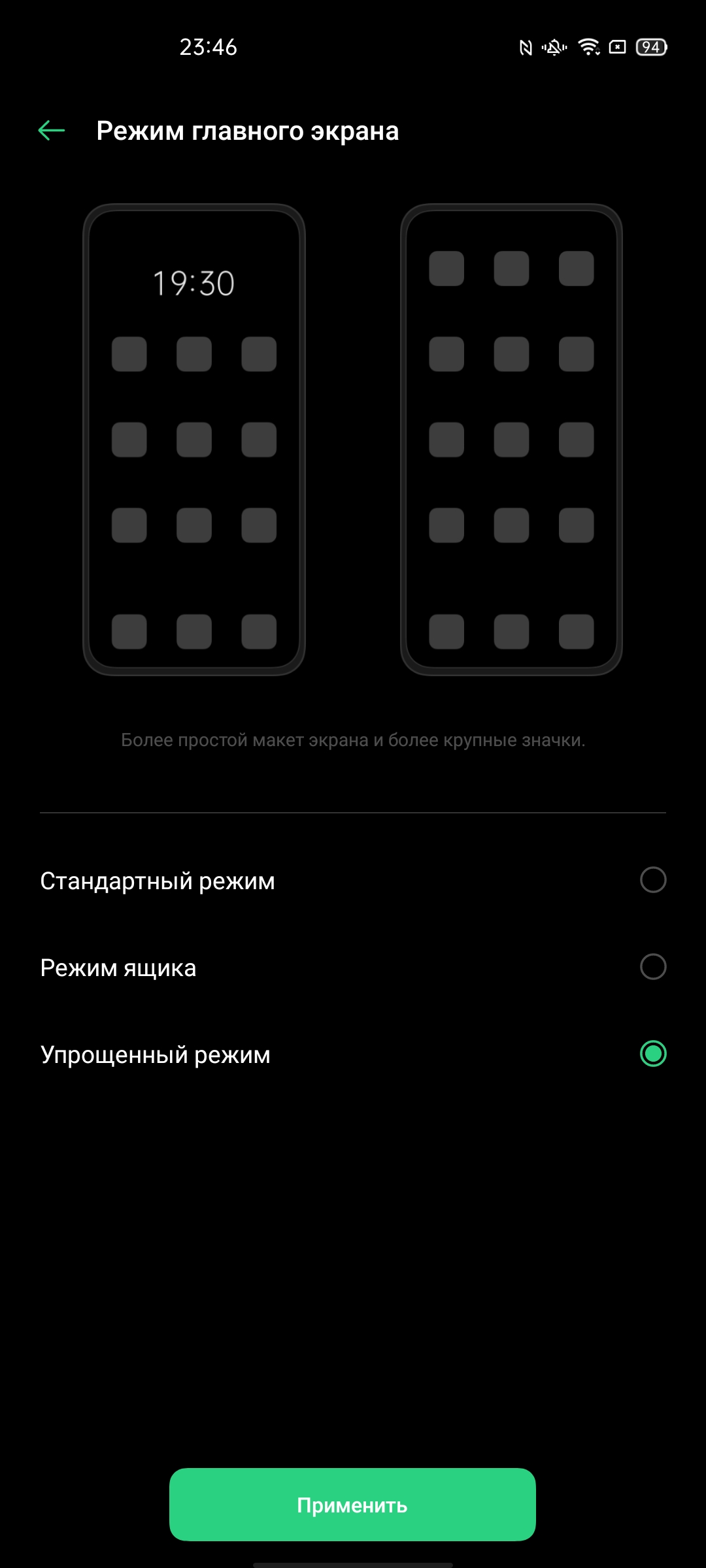
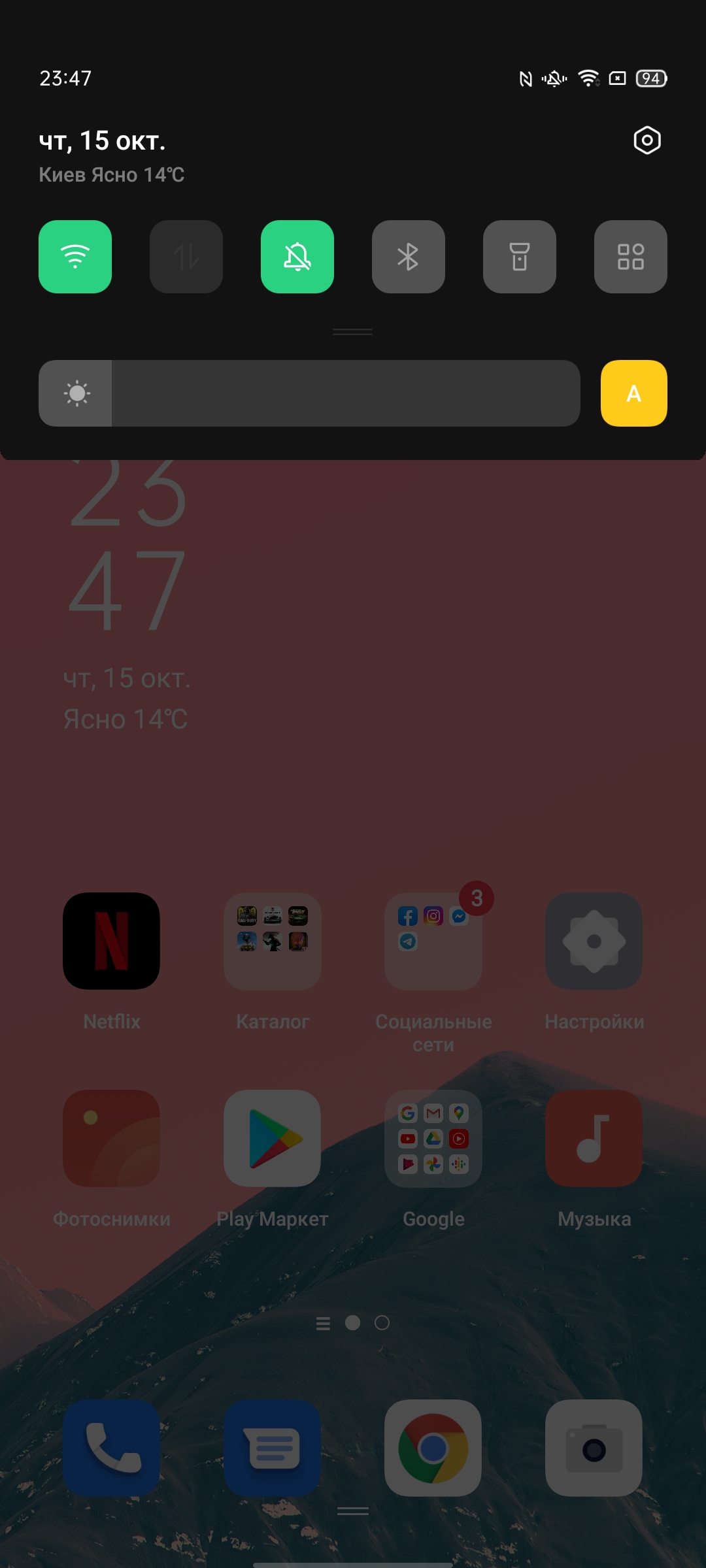
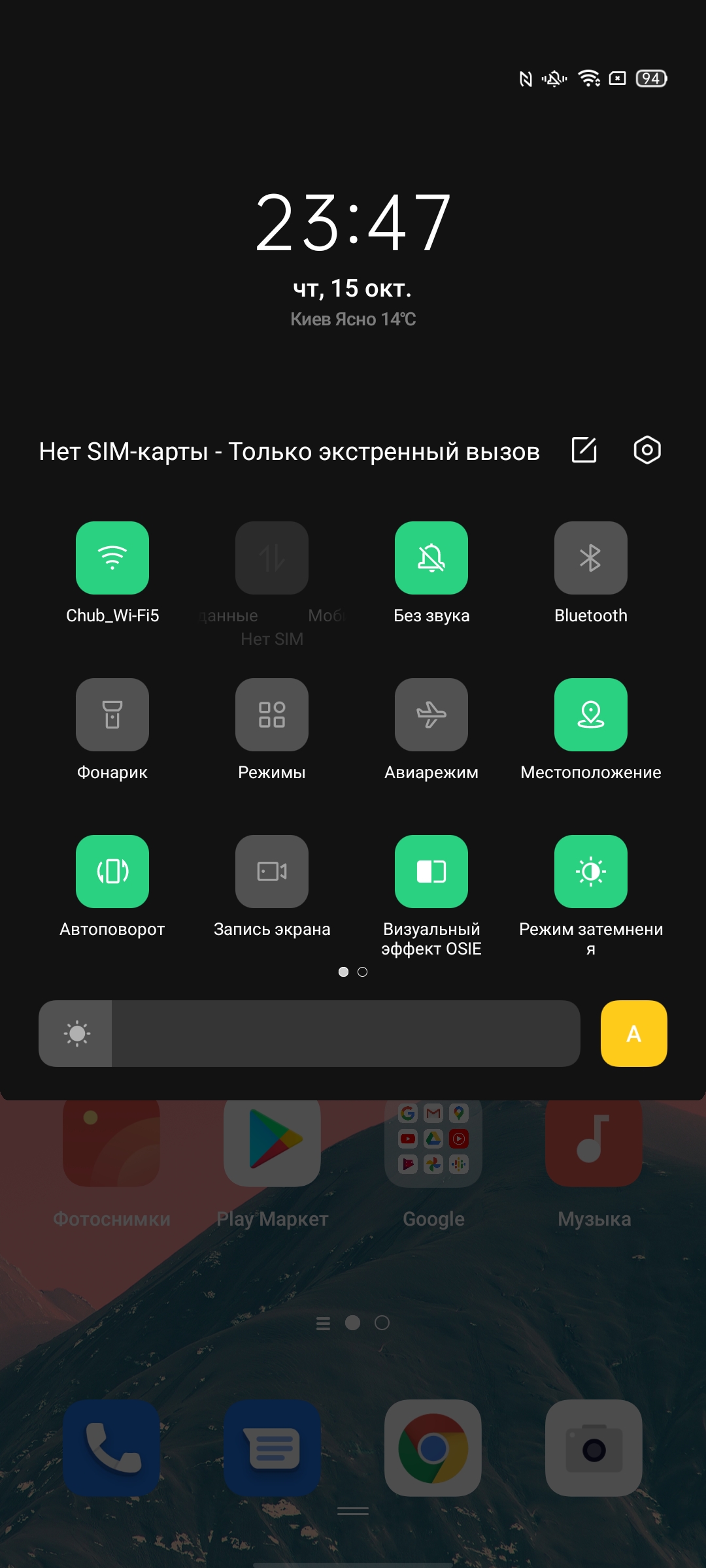
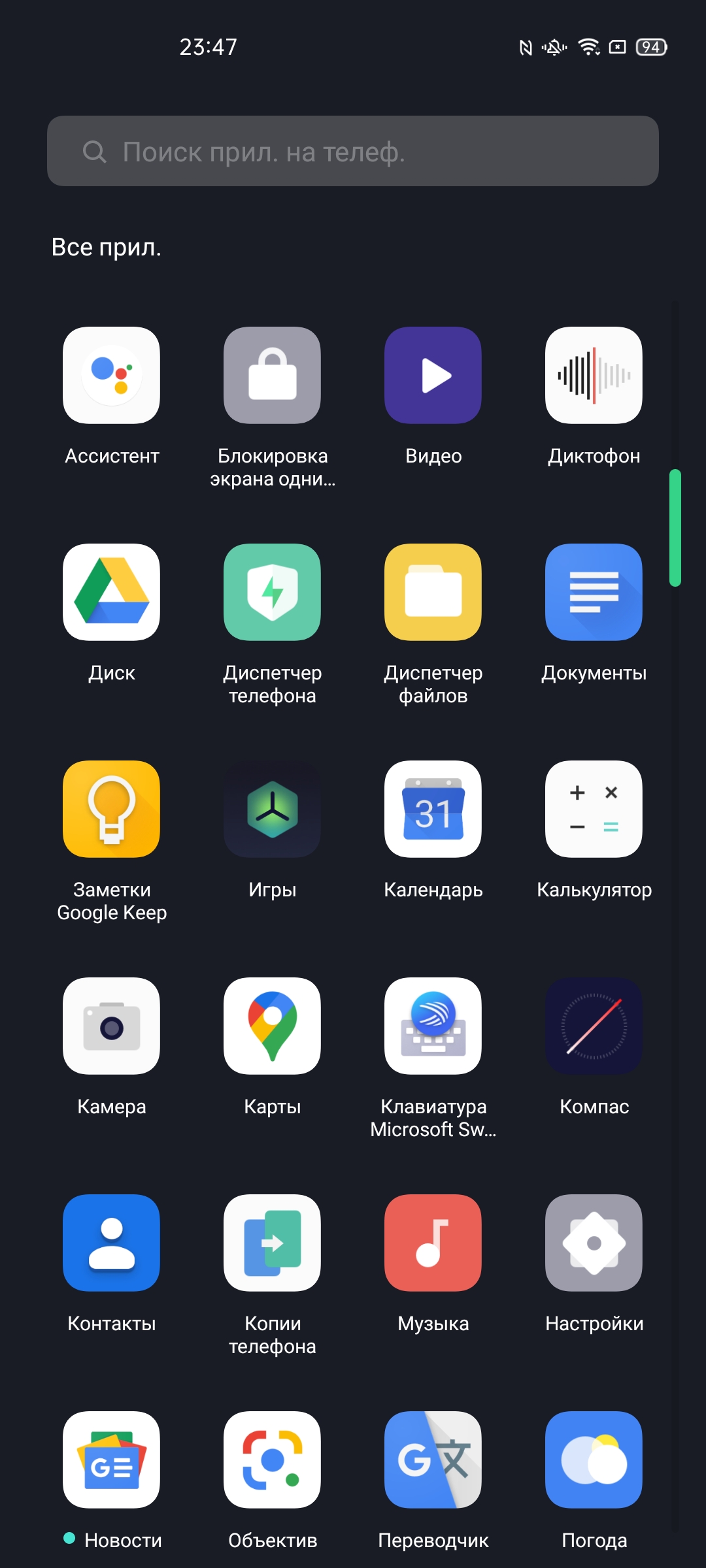
OPPO Reno4 Lite runs on Android 10 OSproprietary shell Color OS 7.2. There are no noticeable differences from Color OS 7.0, which we already got acquainted with earlier. The shell is neat, looks nice and works quickly. It is possible to download all applications to desktops, or enable a separate application menu. There is a separate simple mode with large icons.
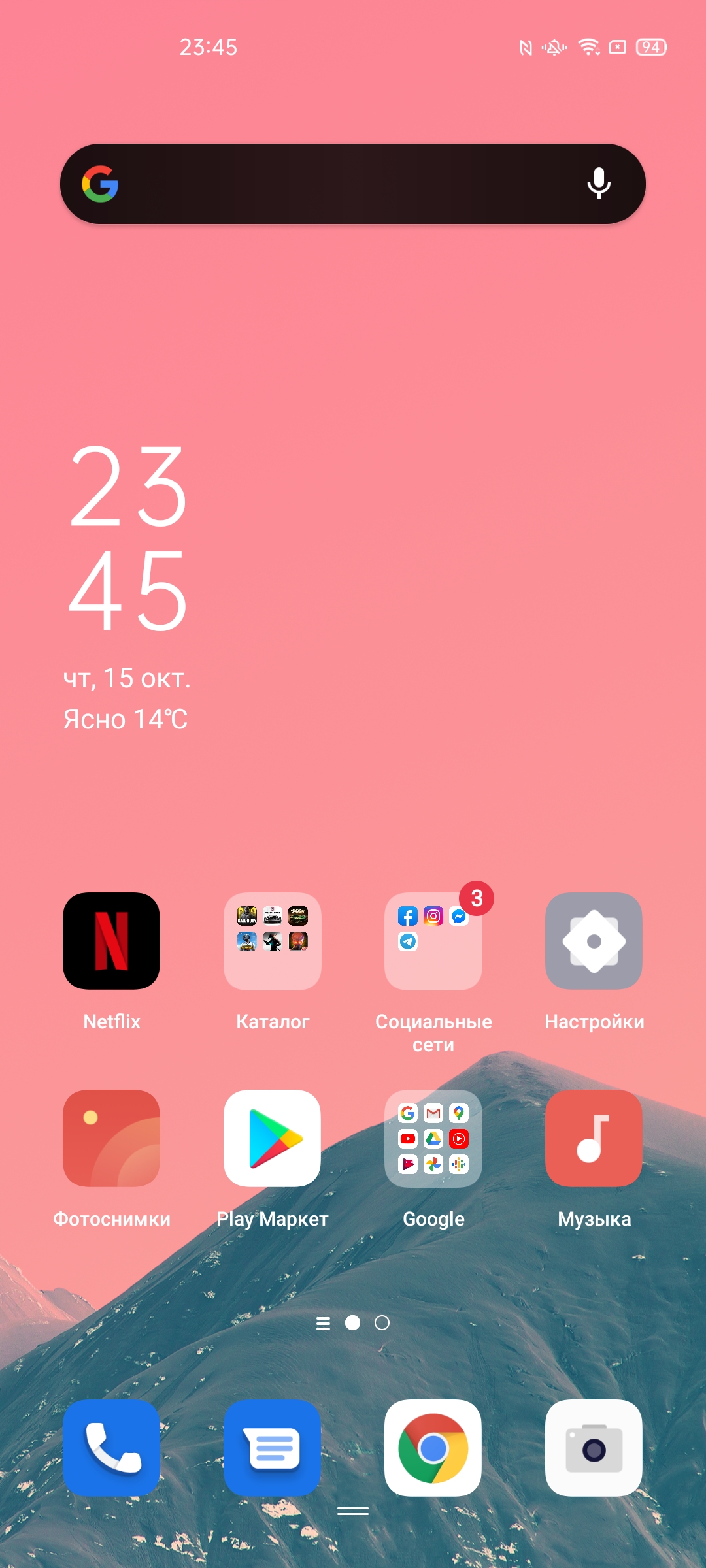
</ img>
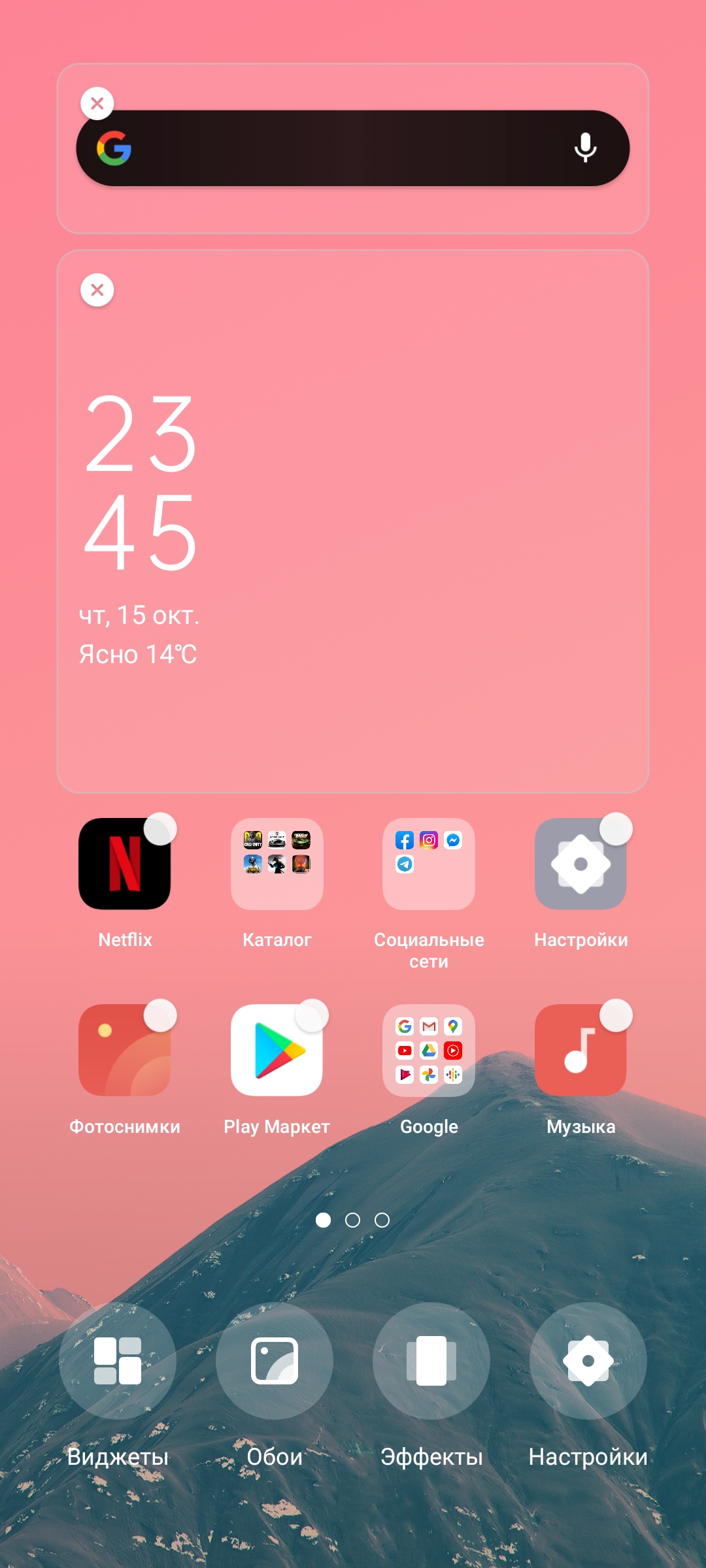
</ img>
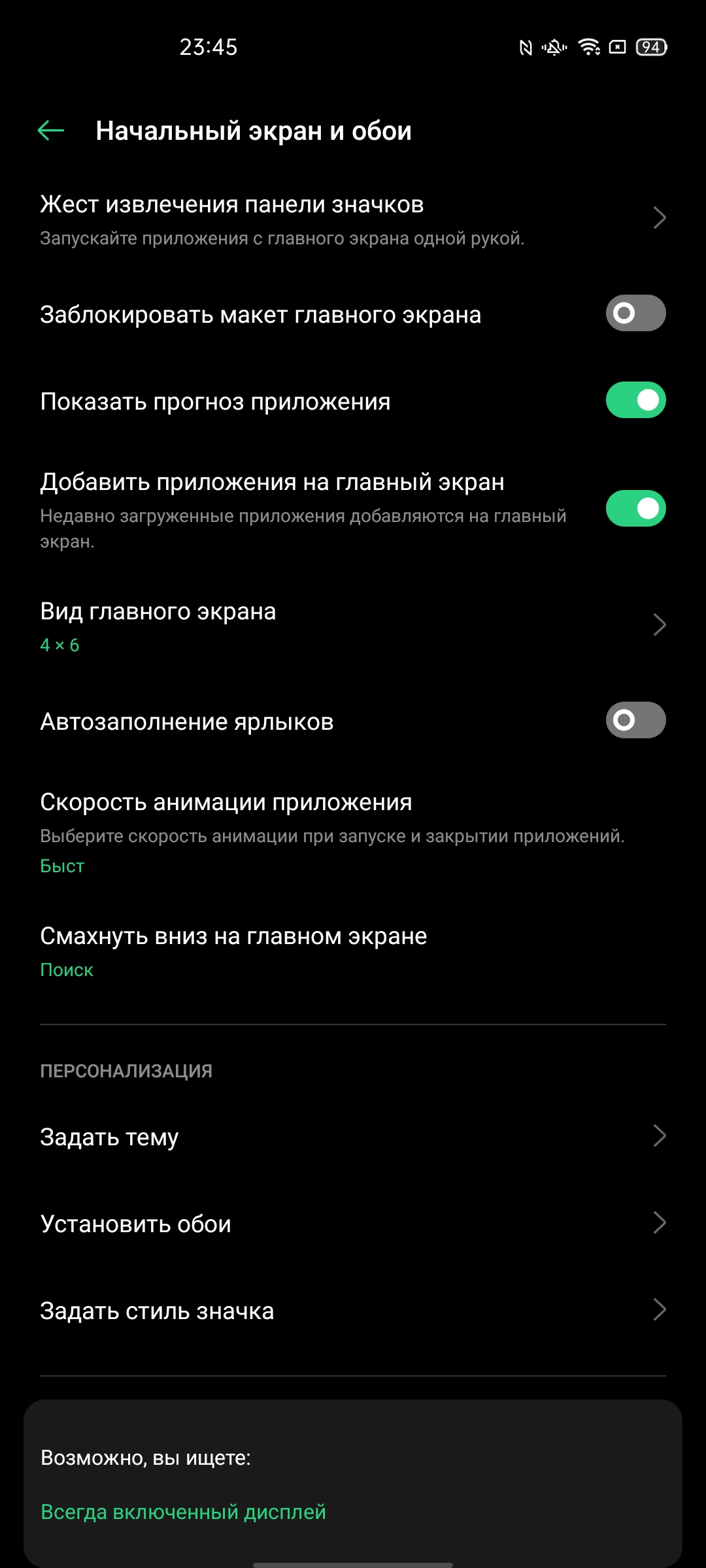
</ img>
</ img>
</ img>
</ img>
</ img>
</ img>
</ img>
</ img>



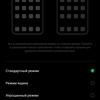
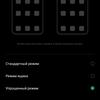

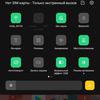

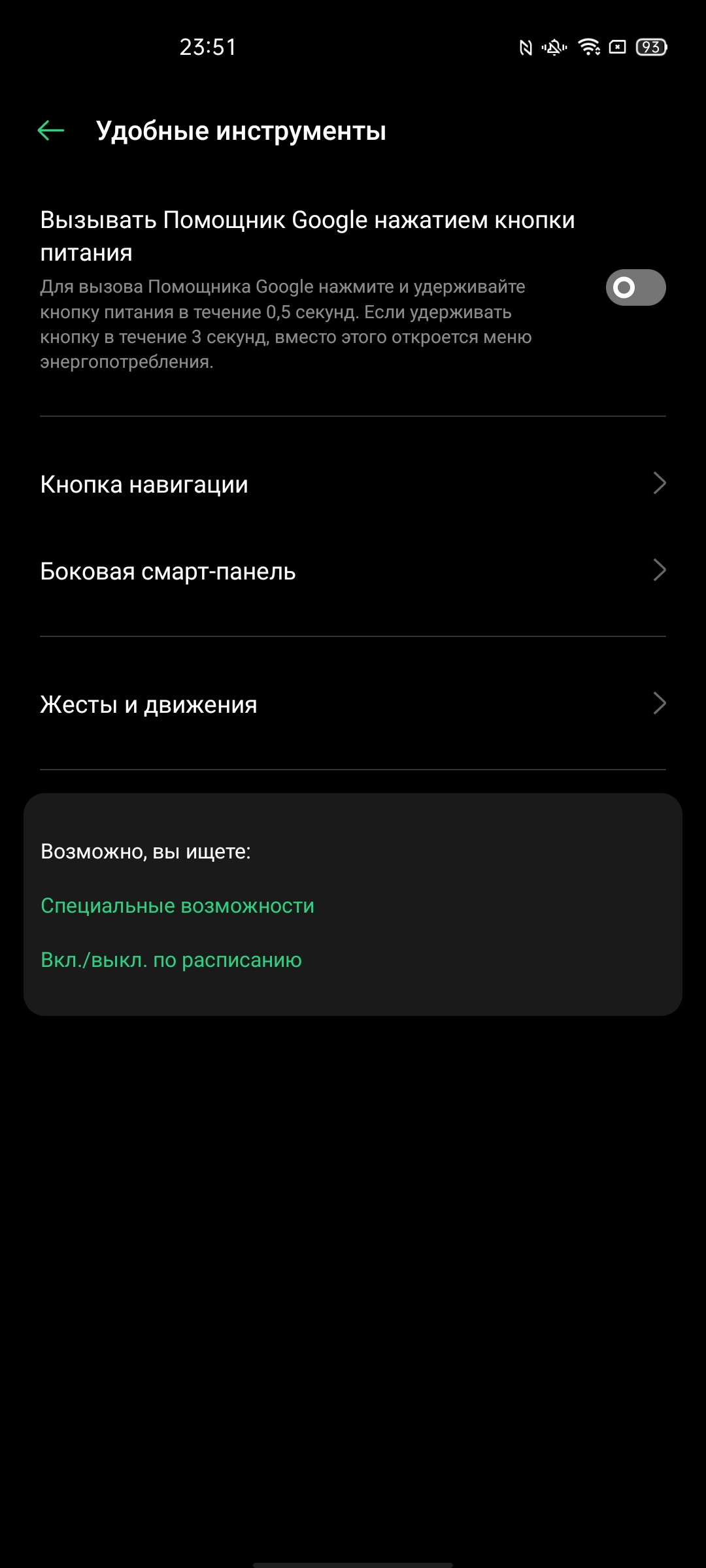
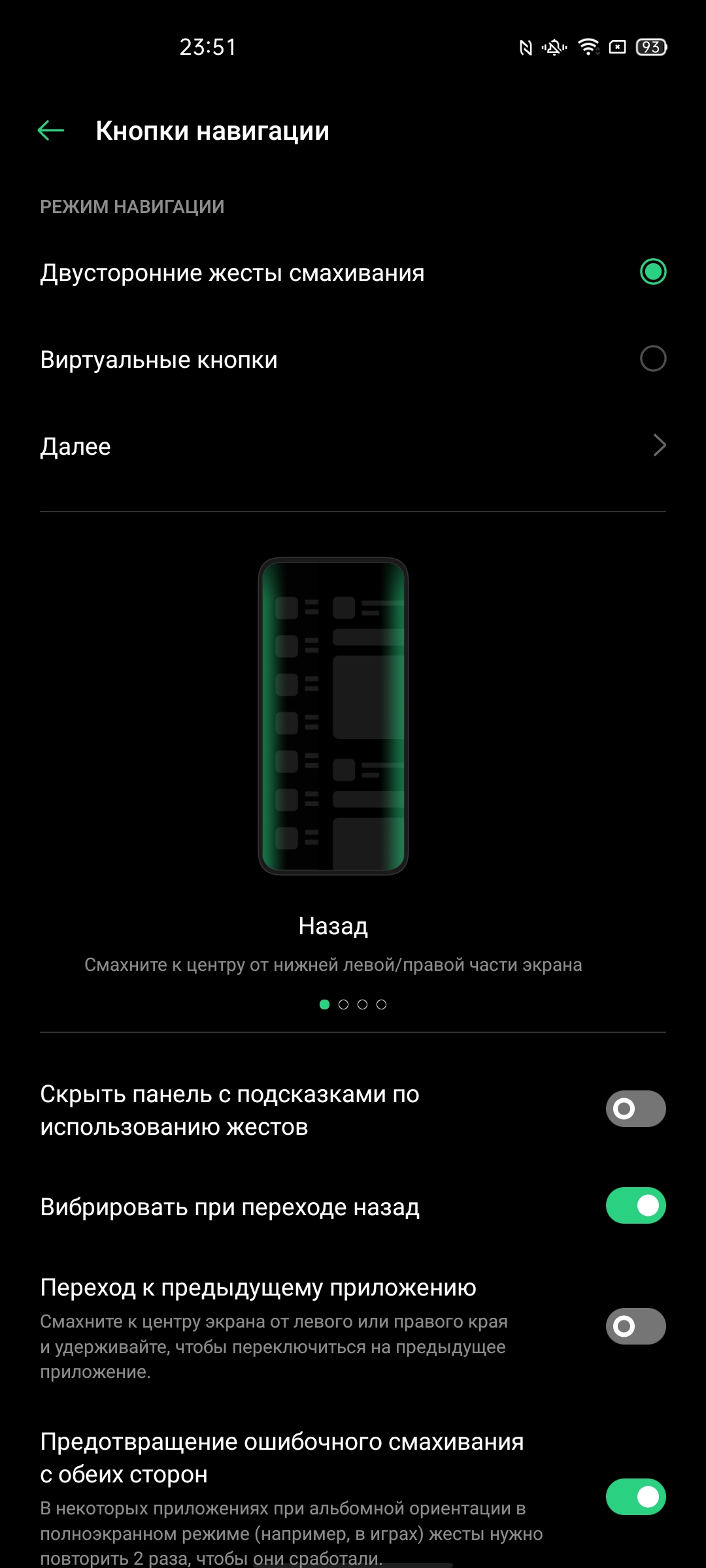
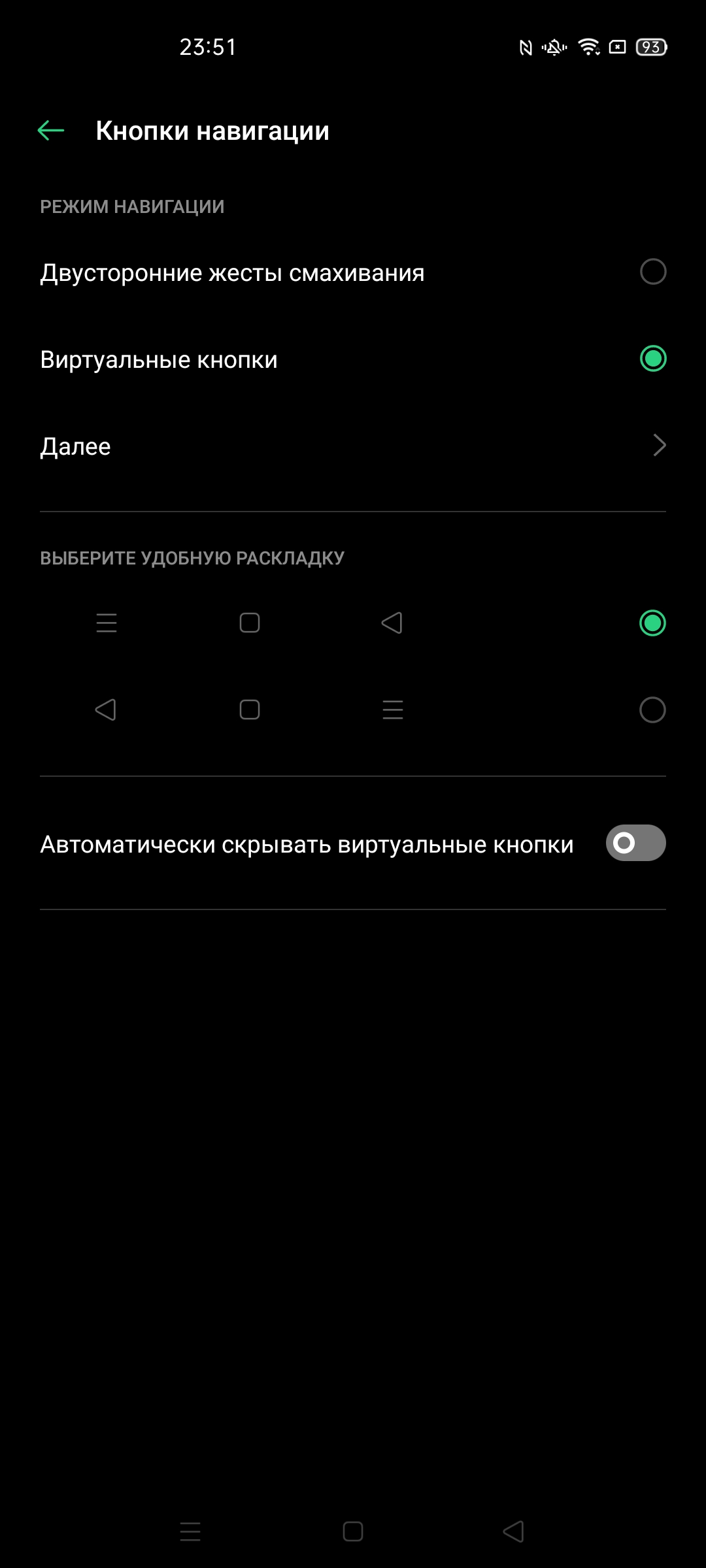
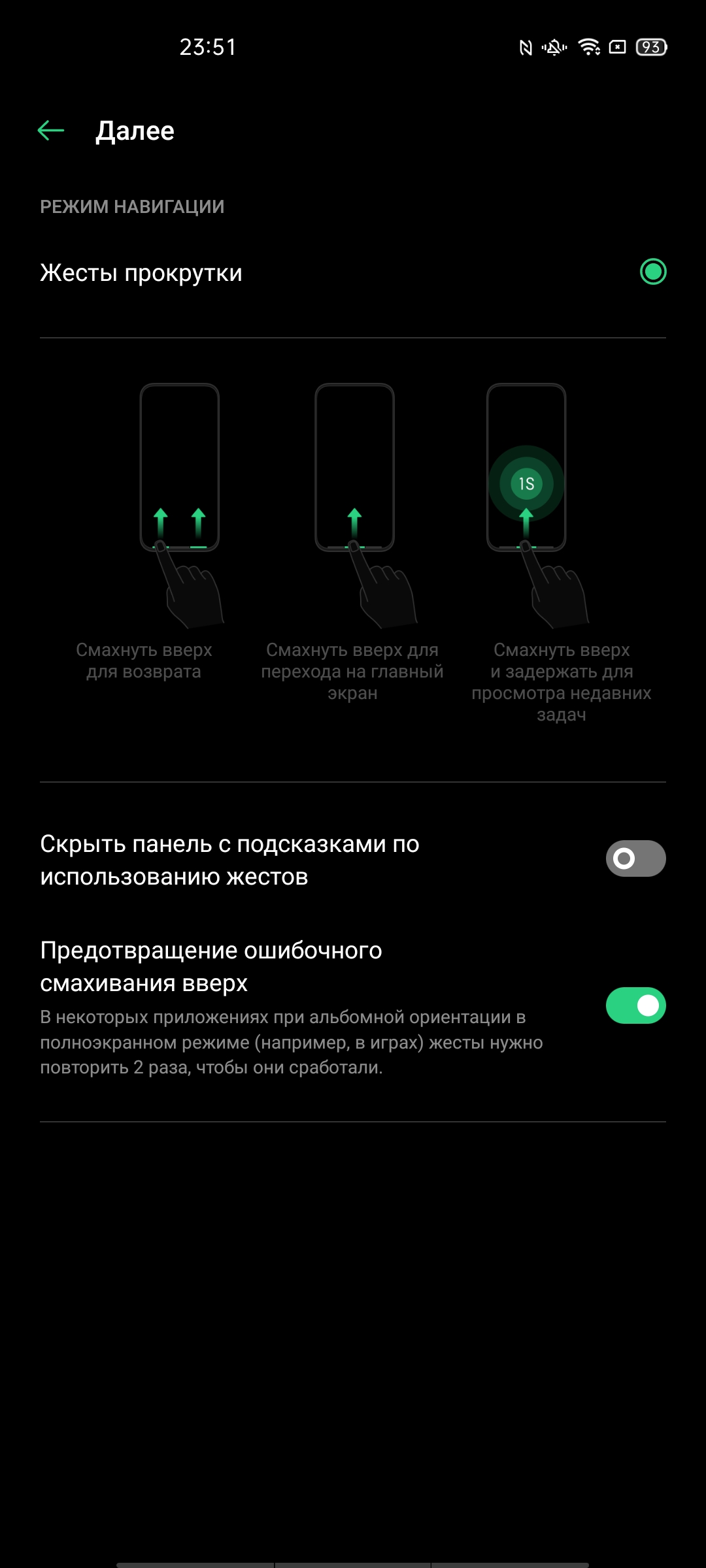
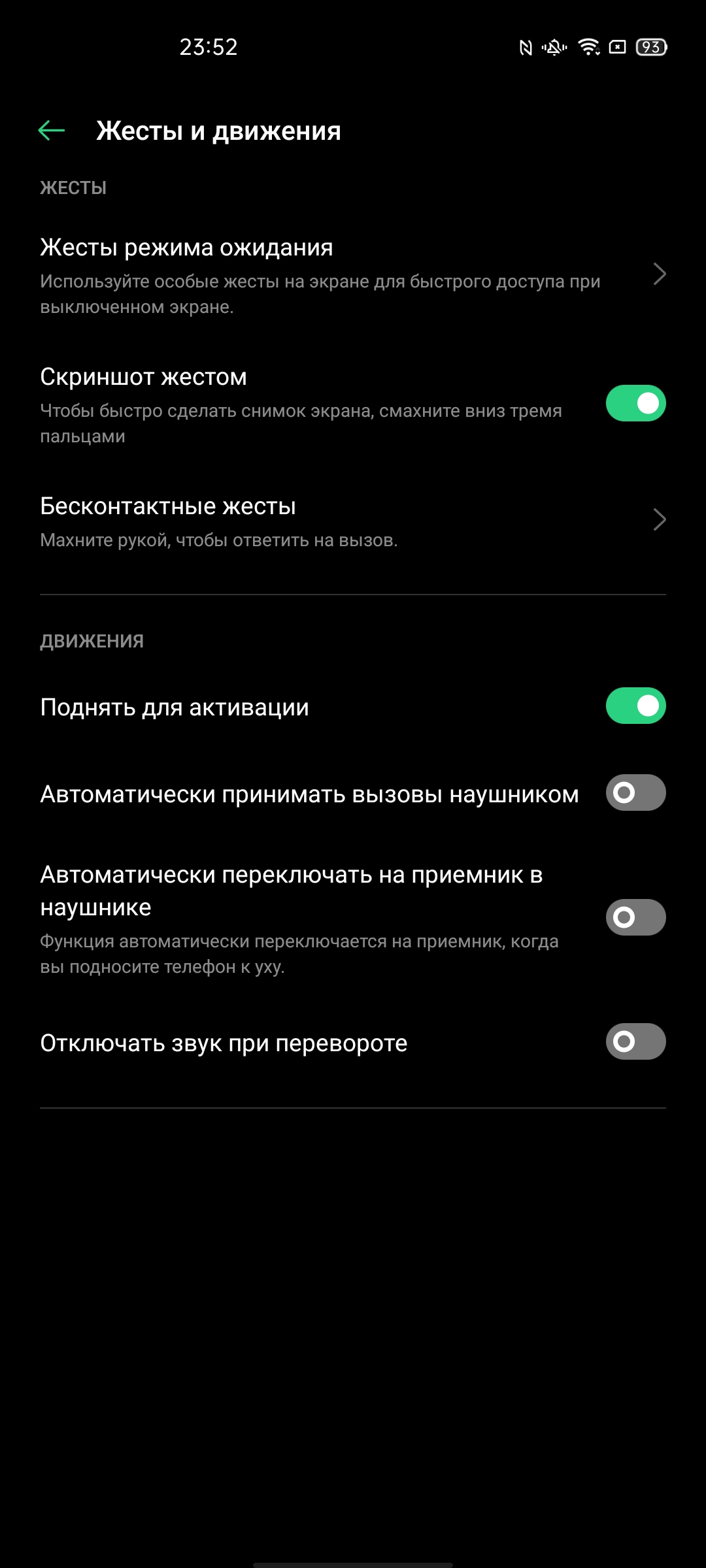
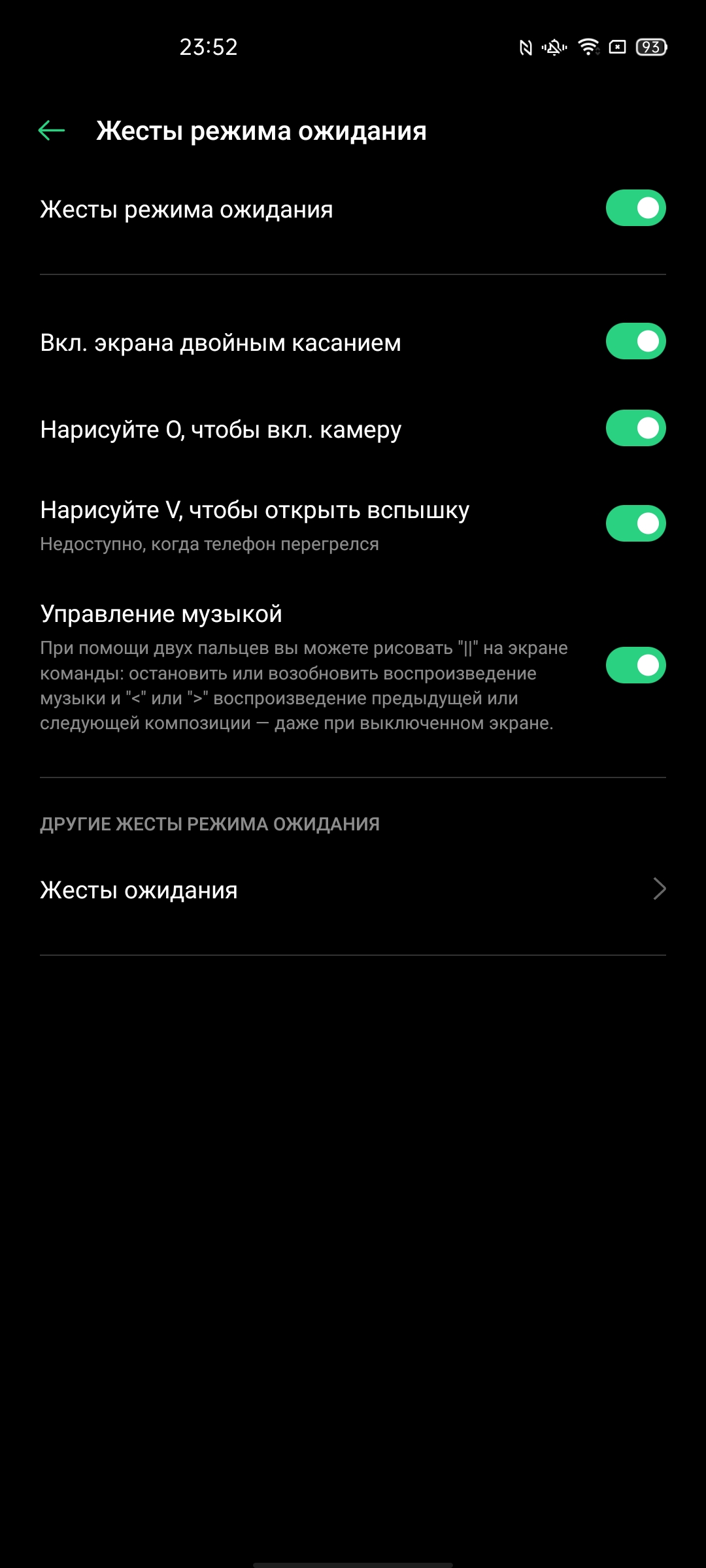
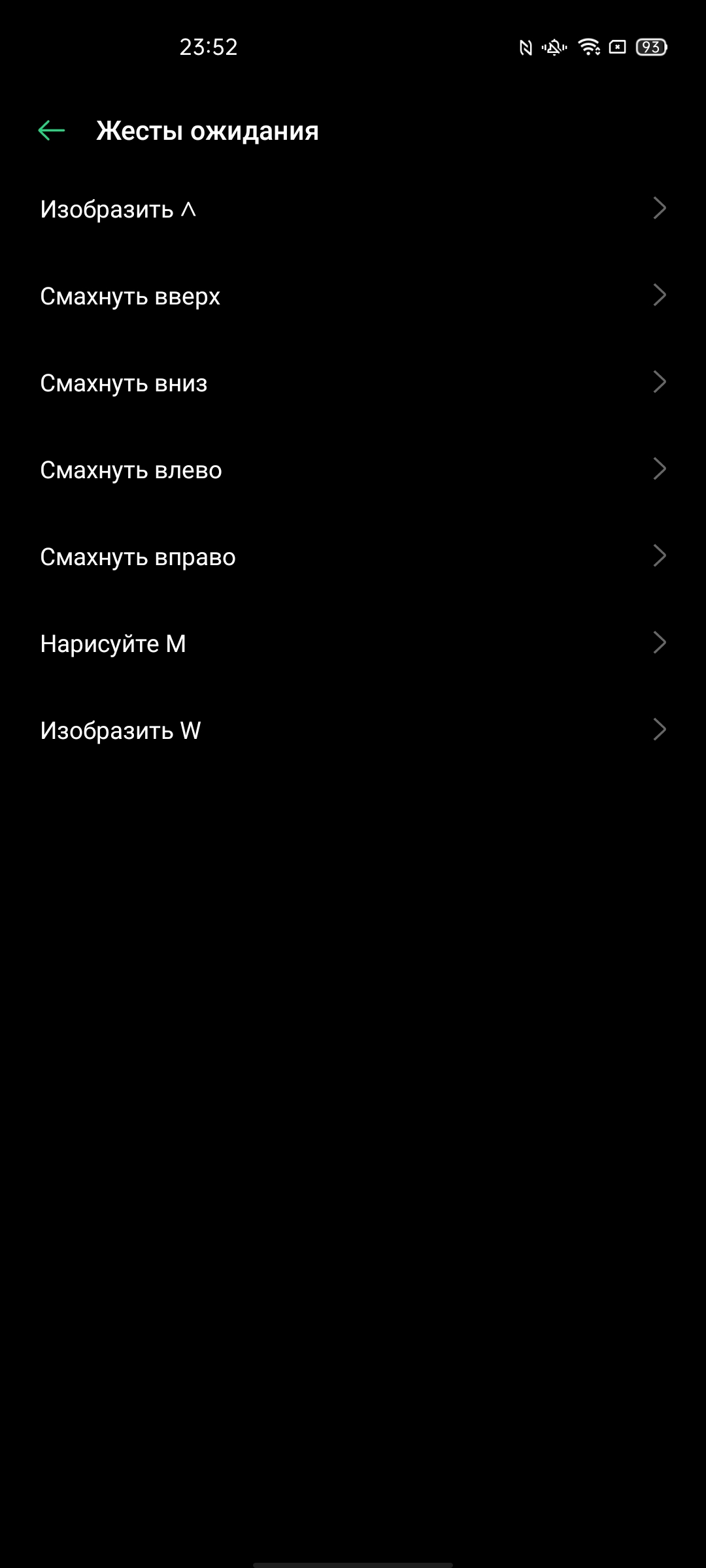
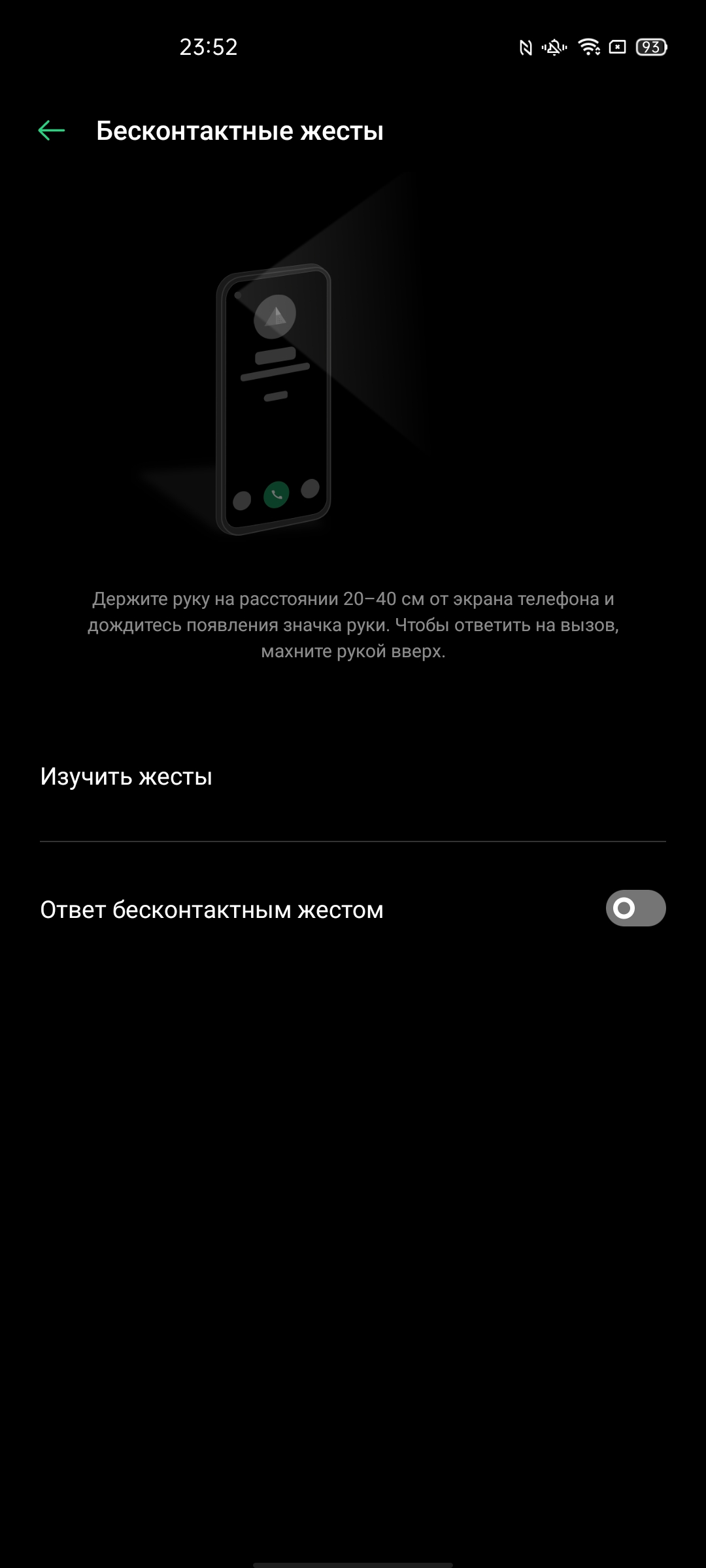
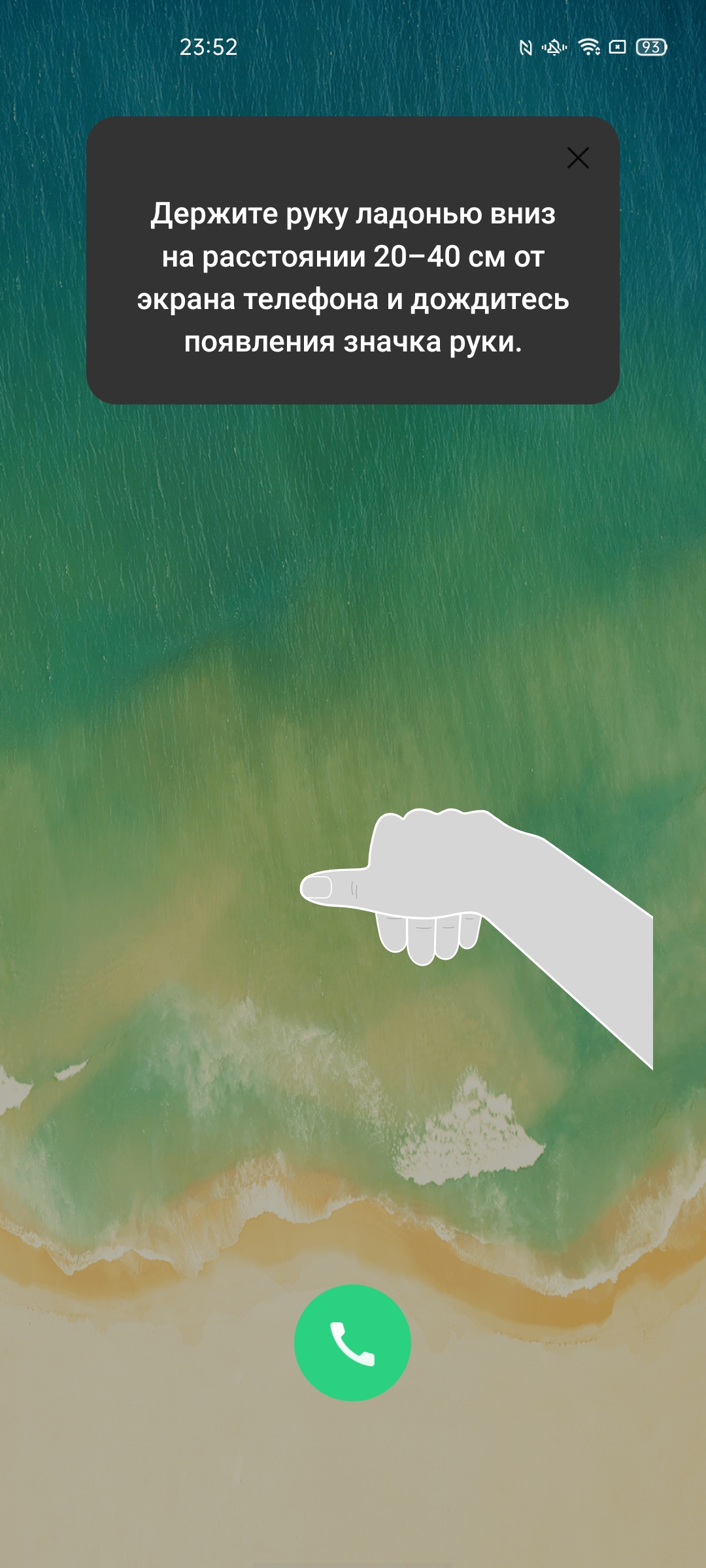
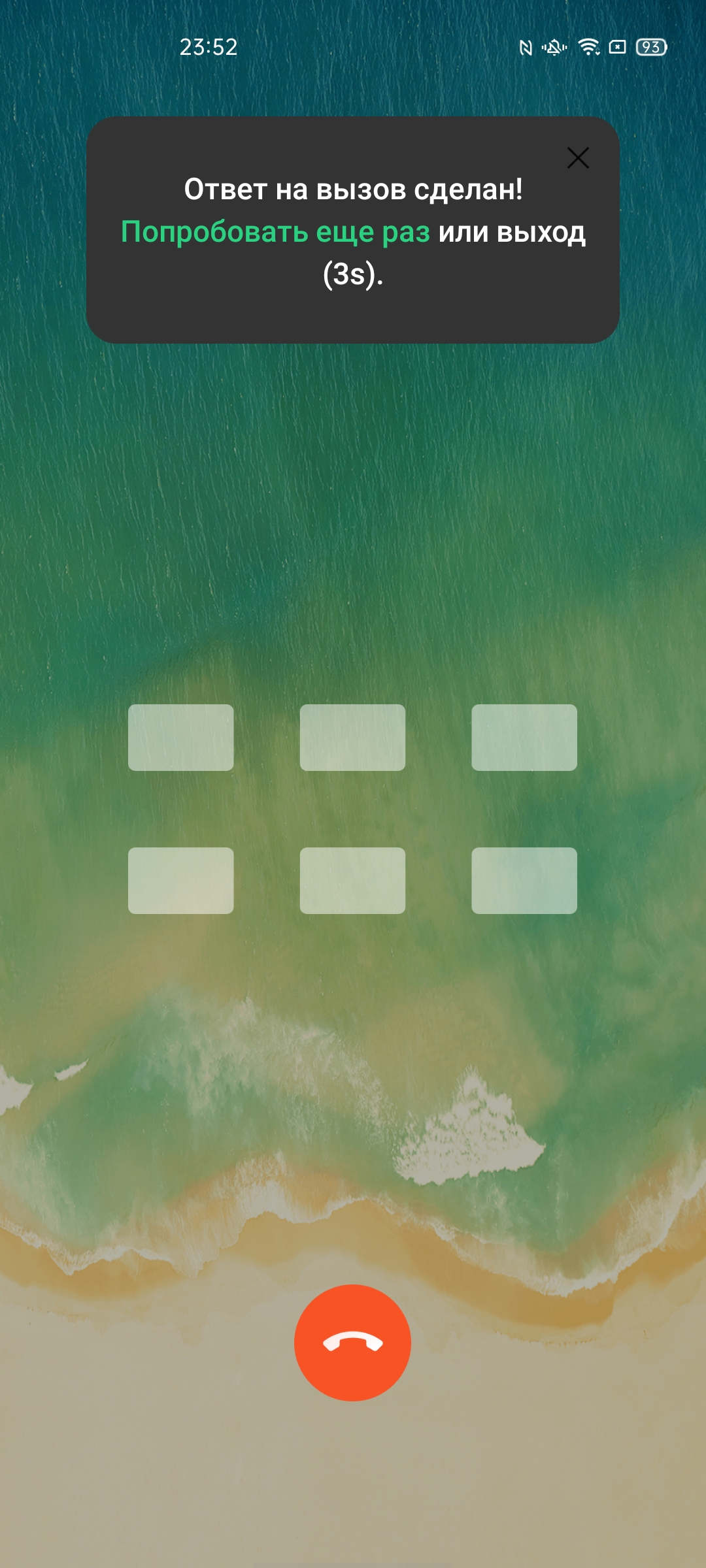
To navigate the system you can use bothtraditional keypad and various gesture control options. In addition to this, there are gestures for launching applications and controlling the music player. Among the innovations are contactless gestures. So far, there is only one, but, apparently, the company plans to develop this topic. Now, with a hand gesture in the air, you can accept the challenge.
</ img>
</ img>
</ img>

</ img>
</ img>
</ img>
</ img>
</ img>
</ img>
</ img>
</ img>
</ img>








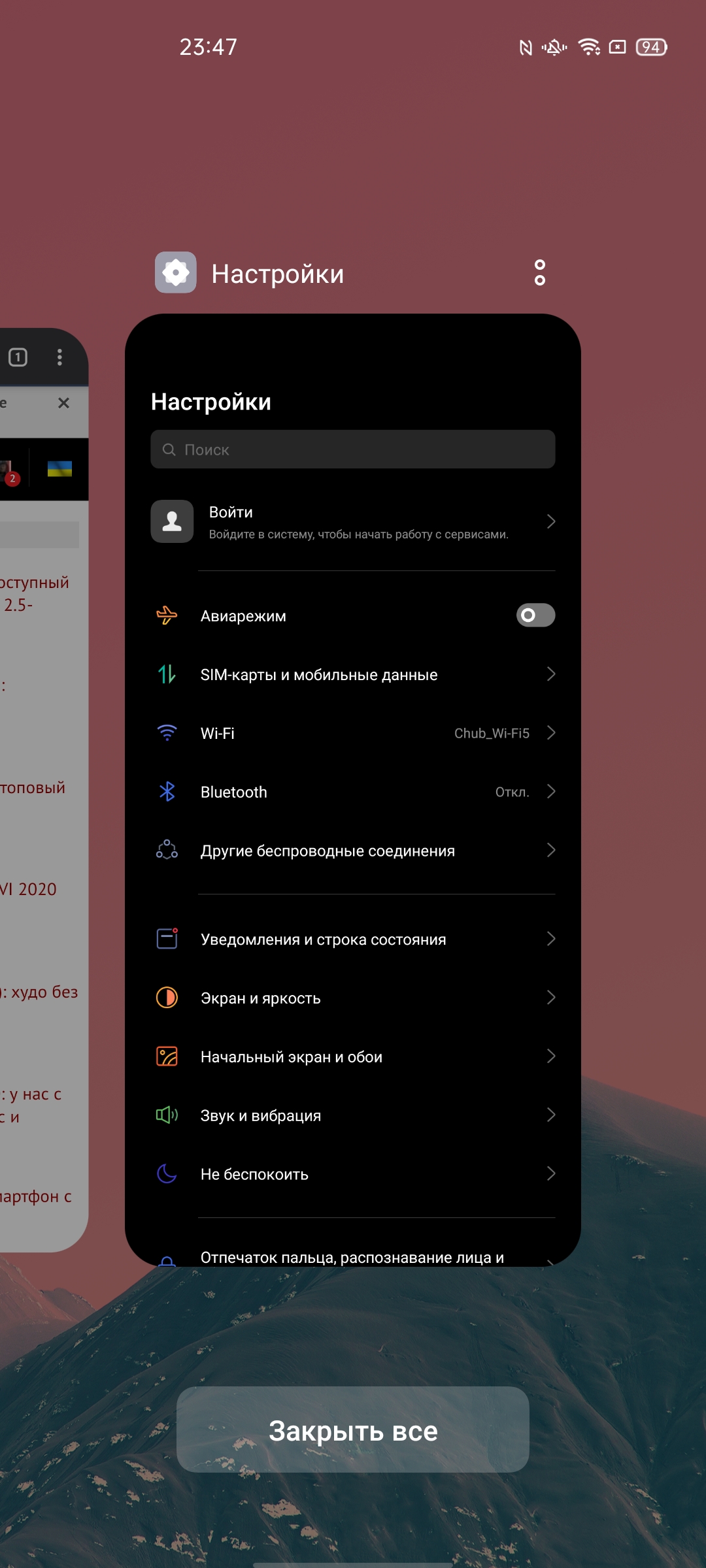
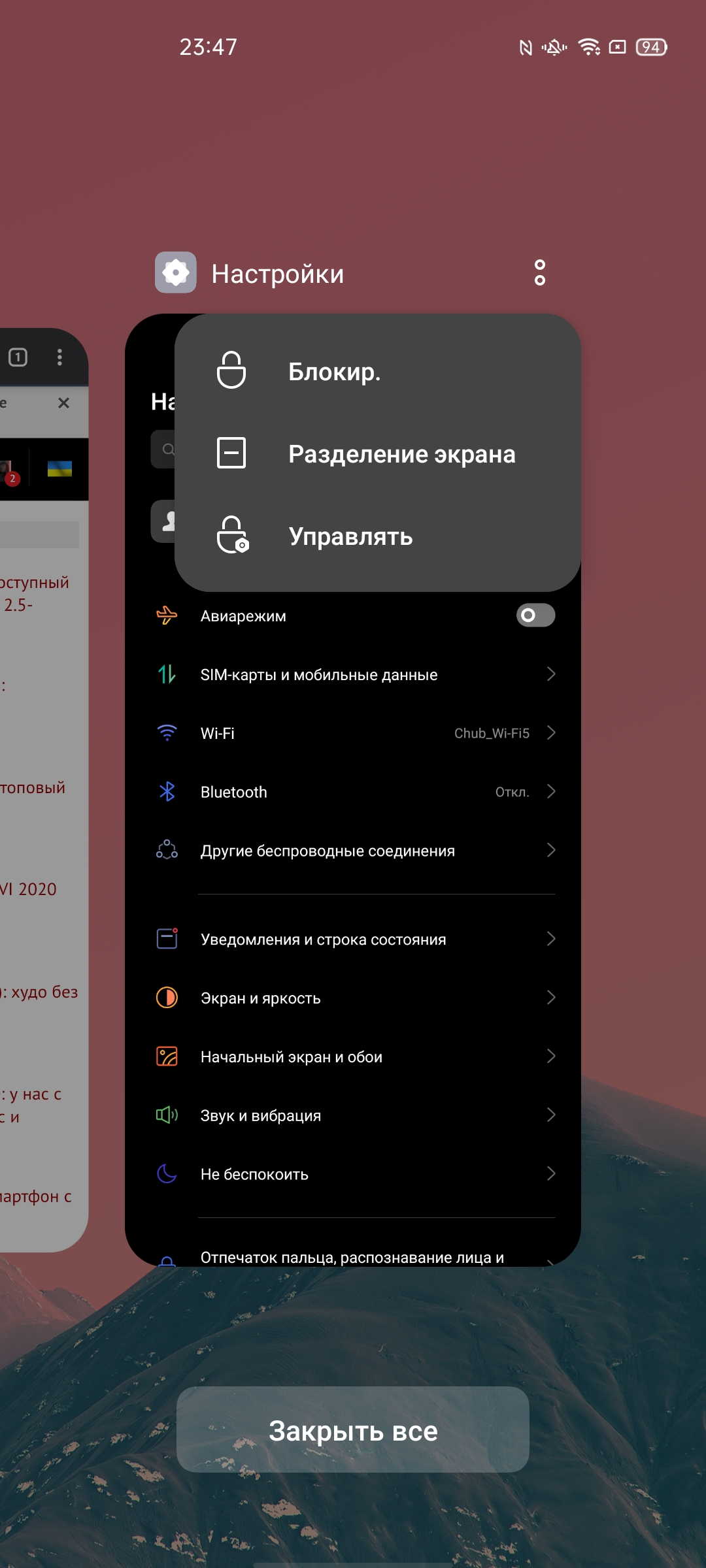
The application manager is familiar: a horizontal carousel of cards with the ability to close applications, pin the desired ones and switch to split screen mode.
</ img>
</ img>
</ img>
</ img>




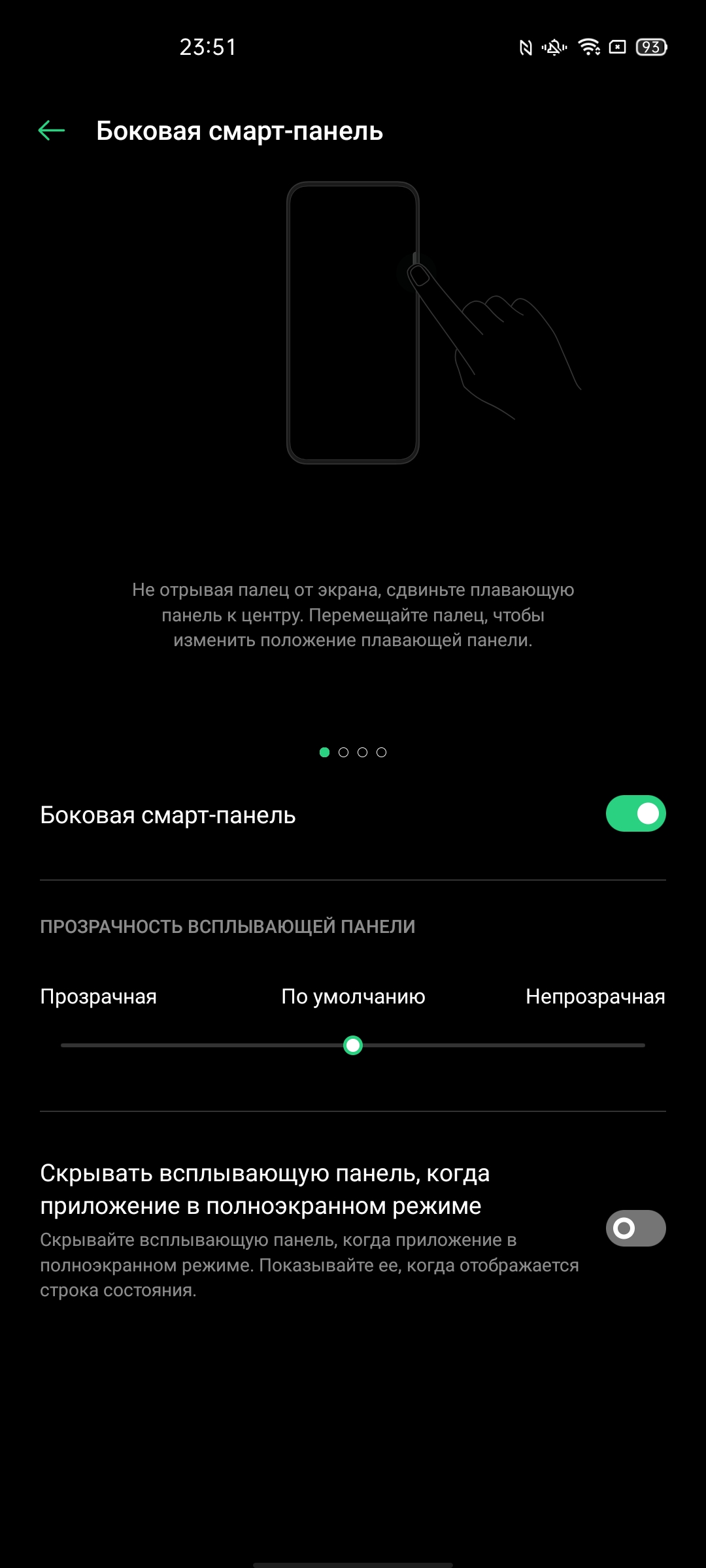
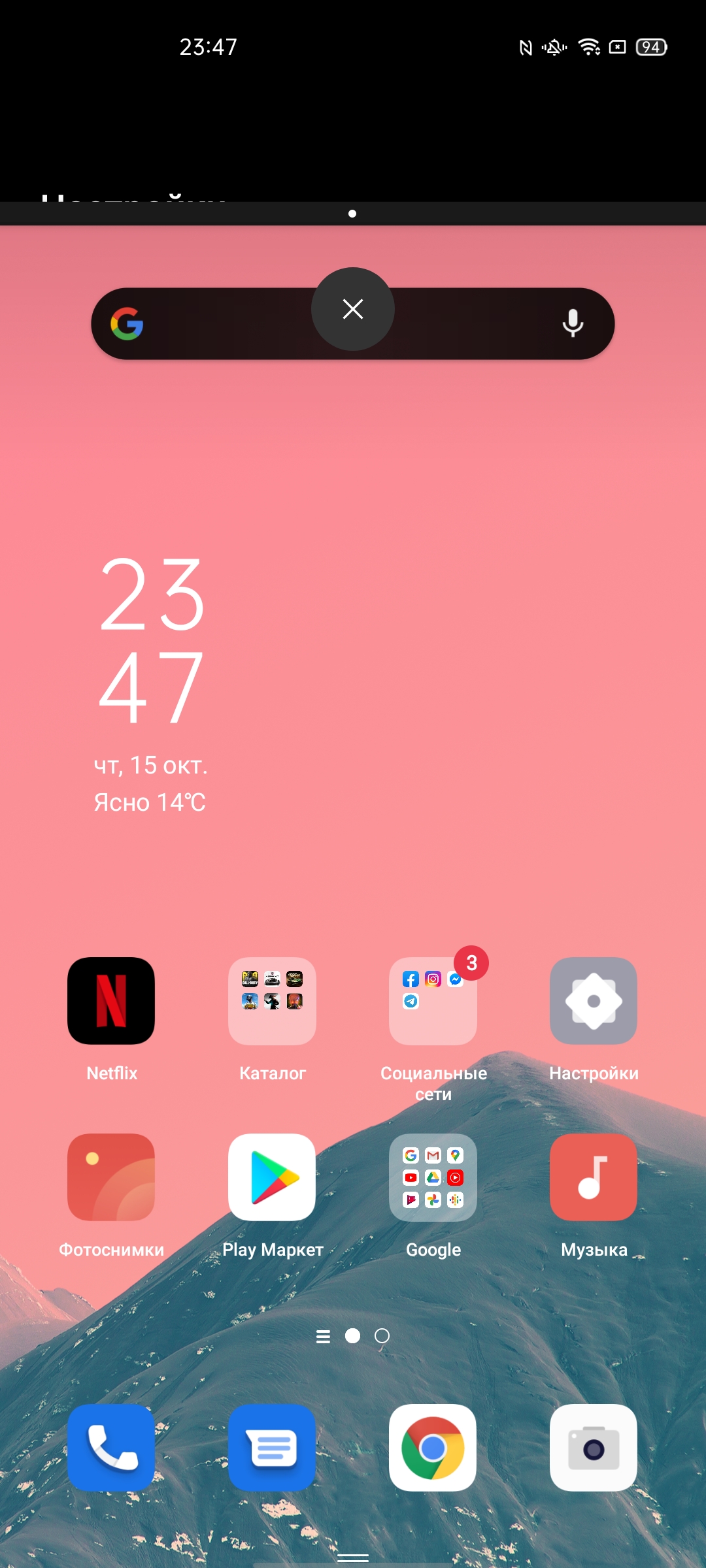
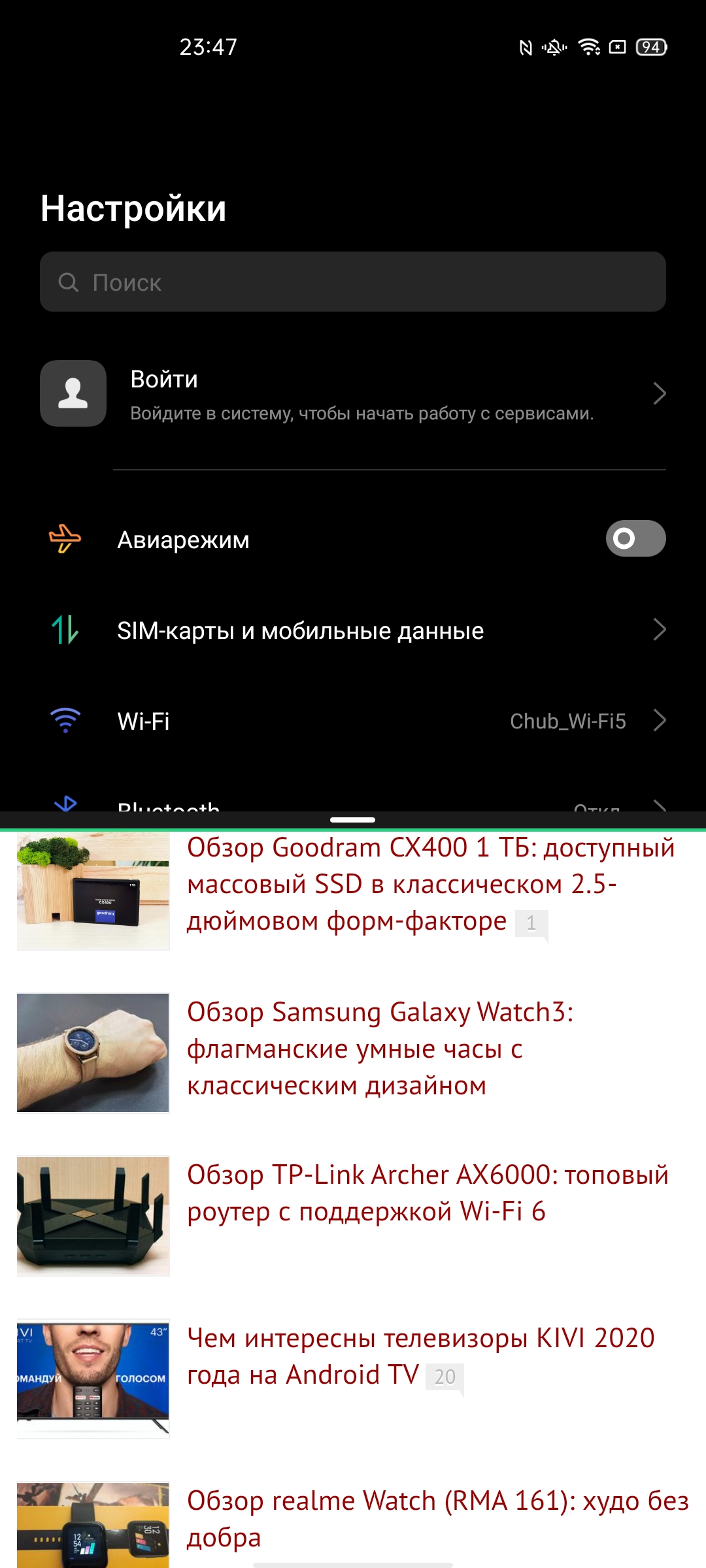
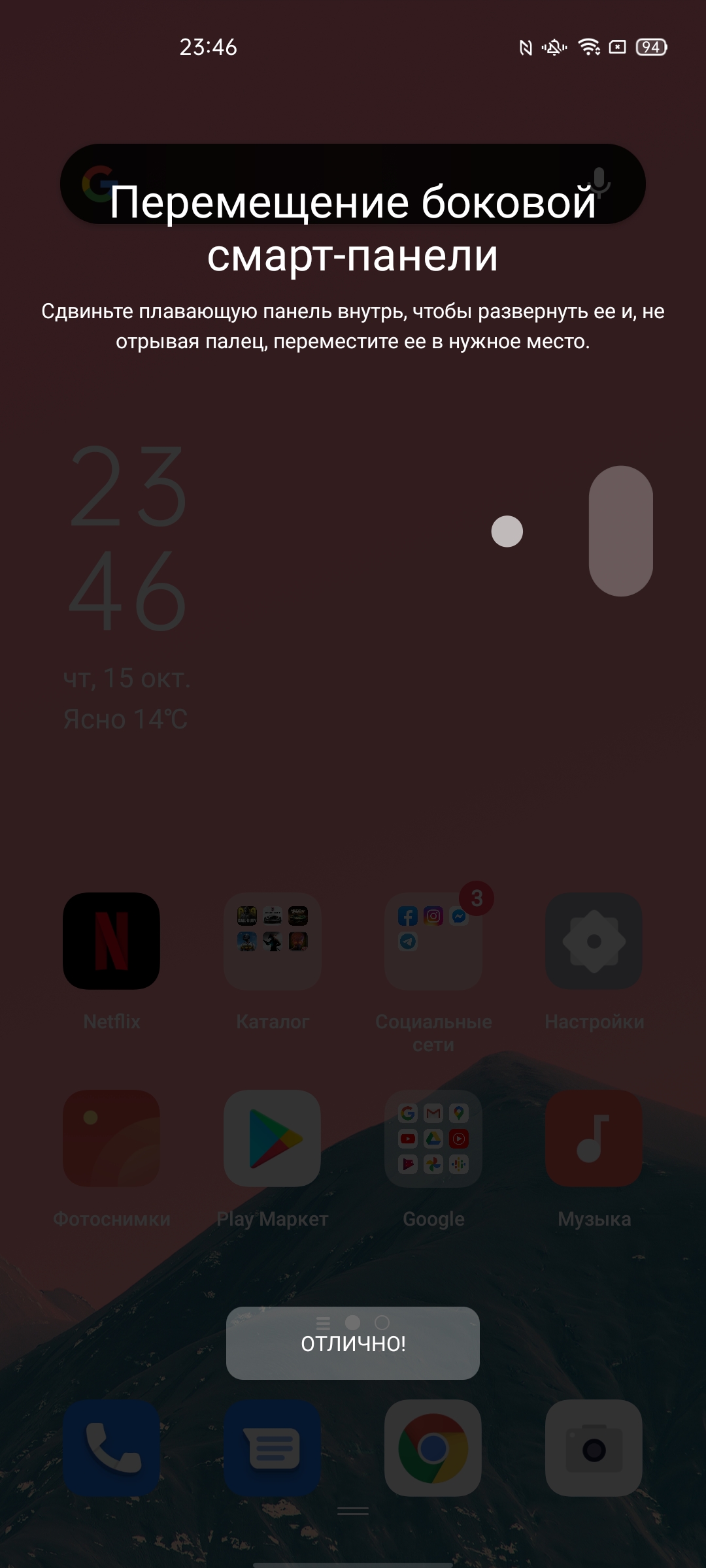
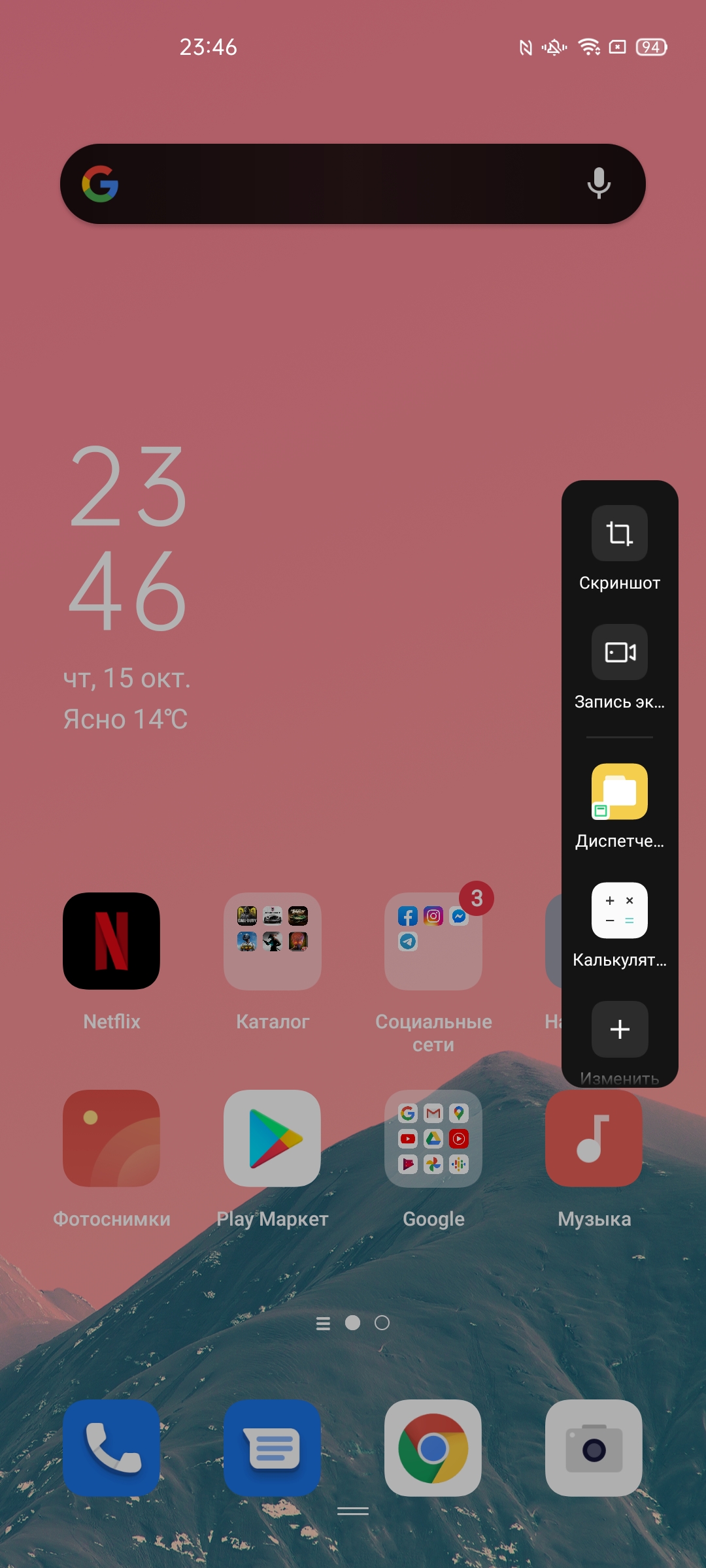
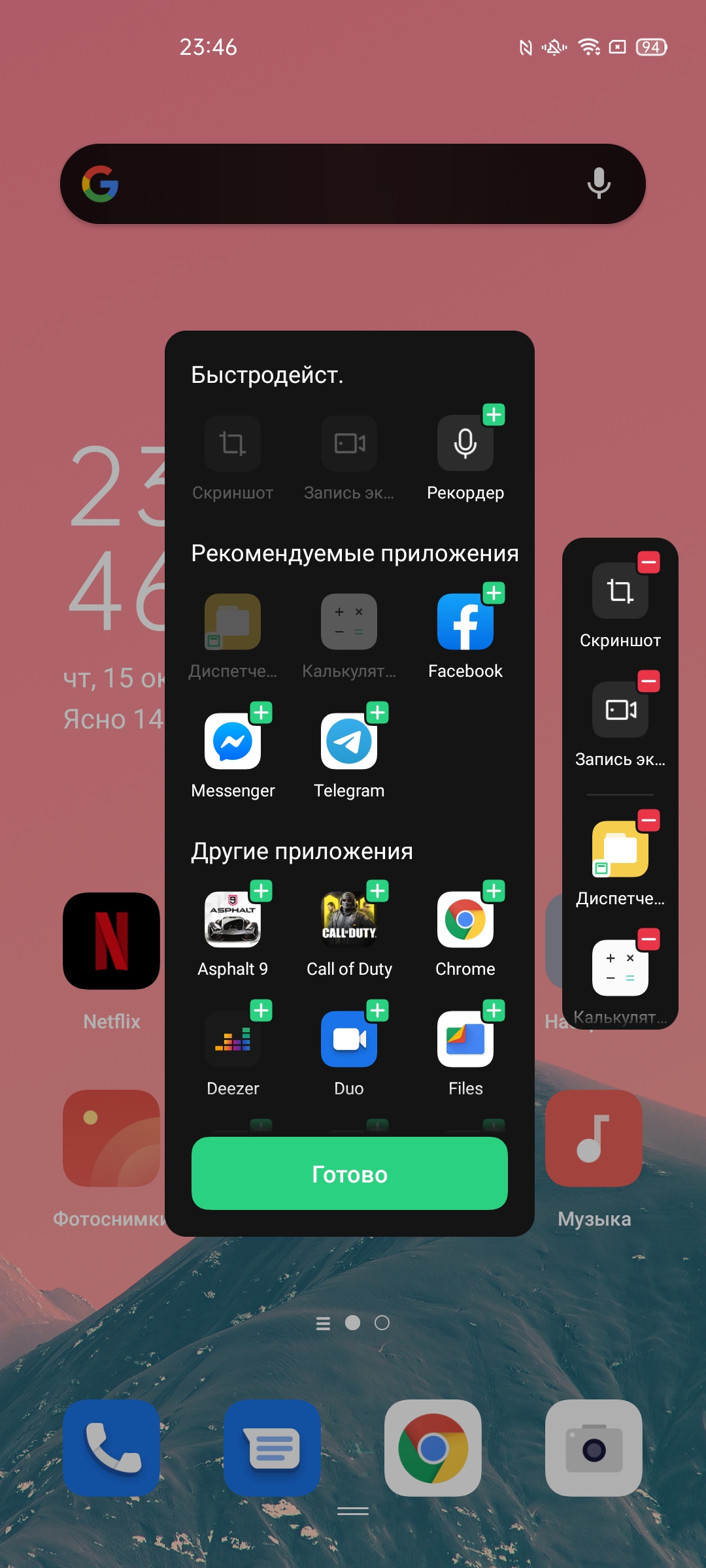
The side smart panel is designed for quick access to the most used applications. It can be moved to the desired place on the screen, and the content can be edited.
</ img>
</ img>
</ img>



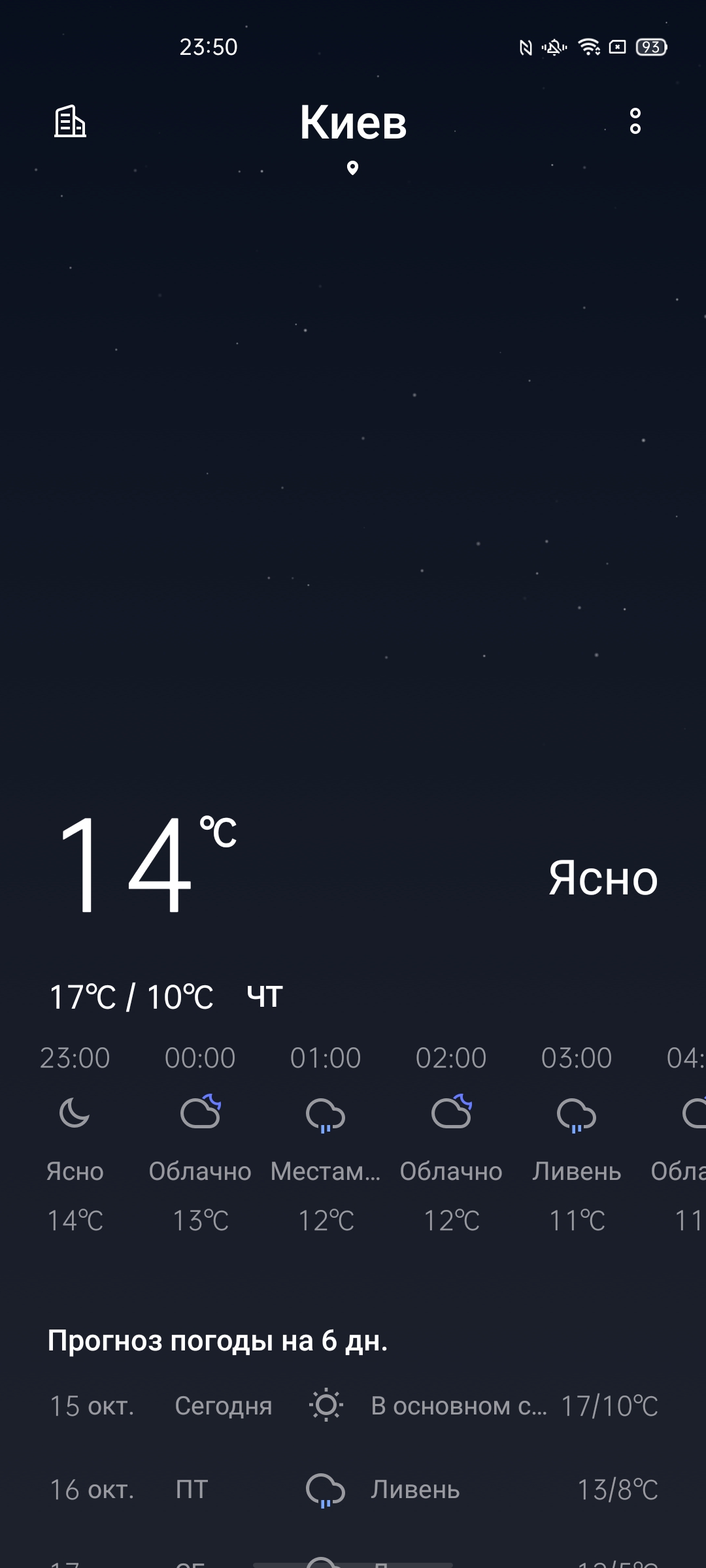
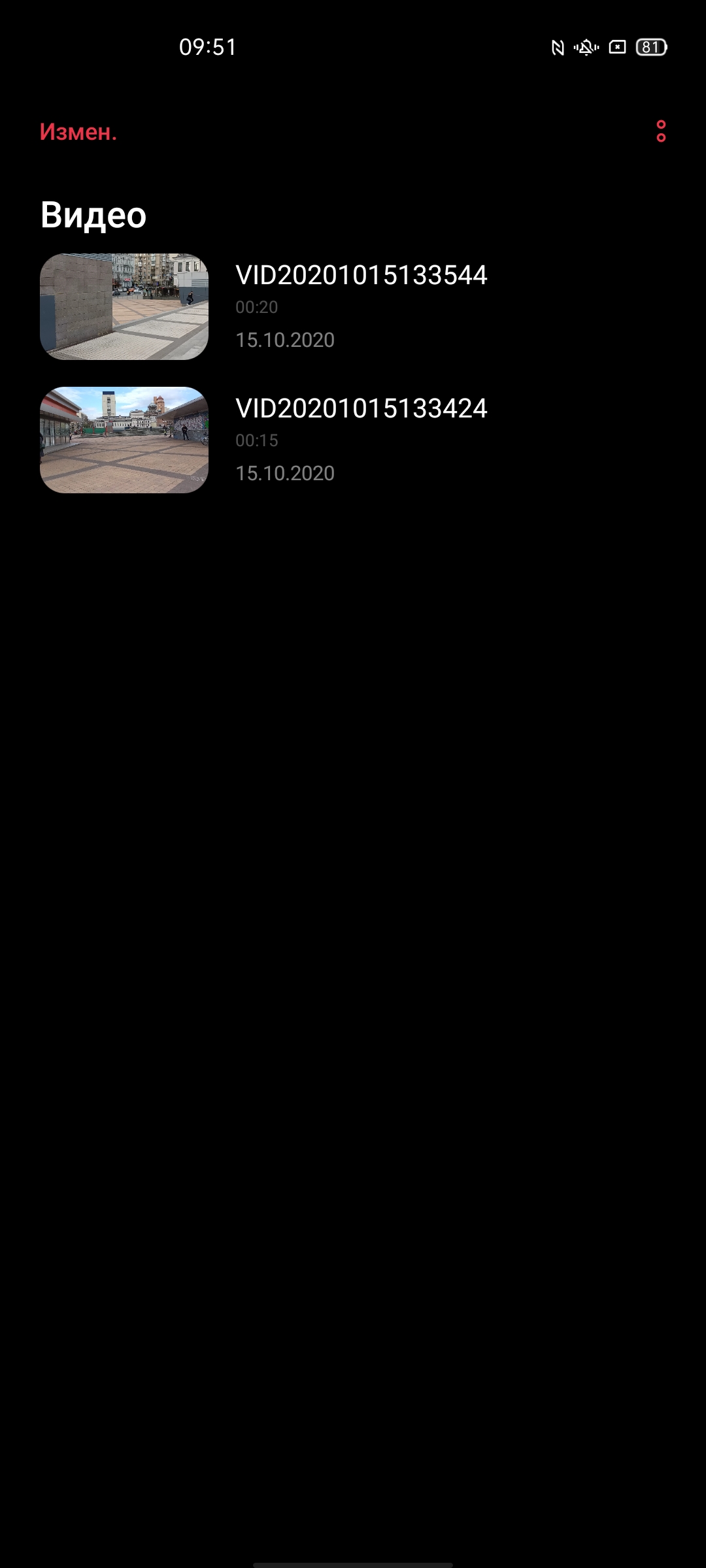
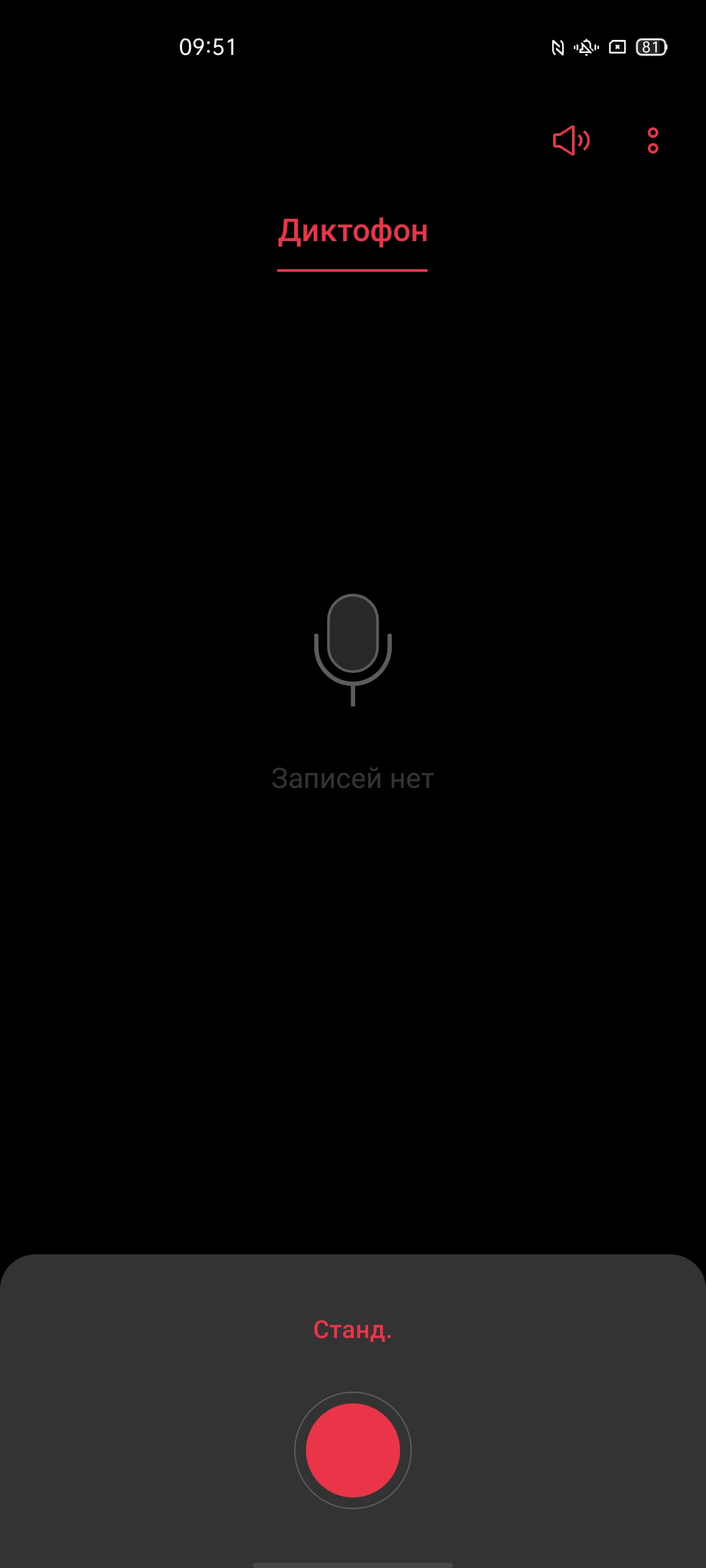
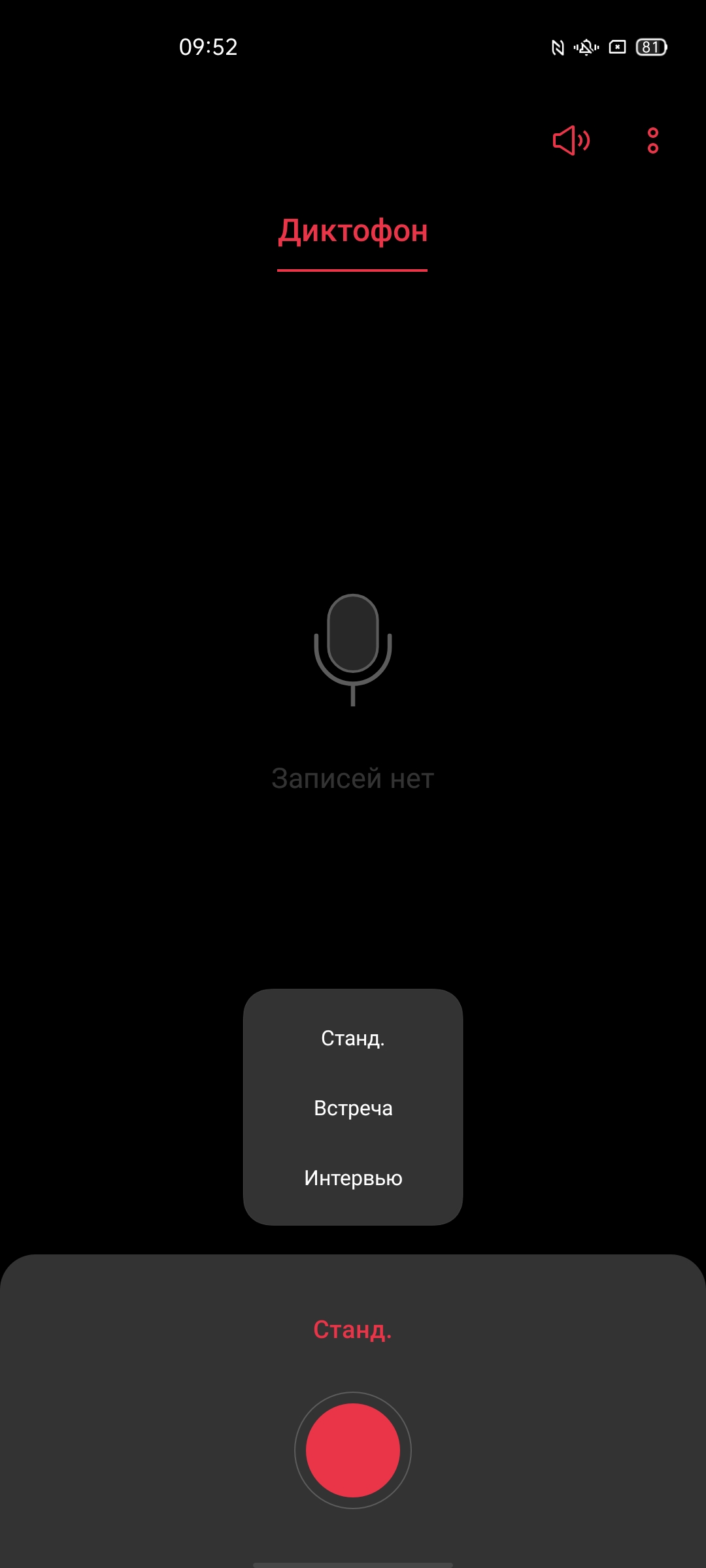
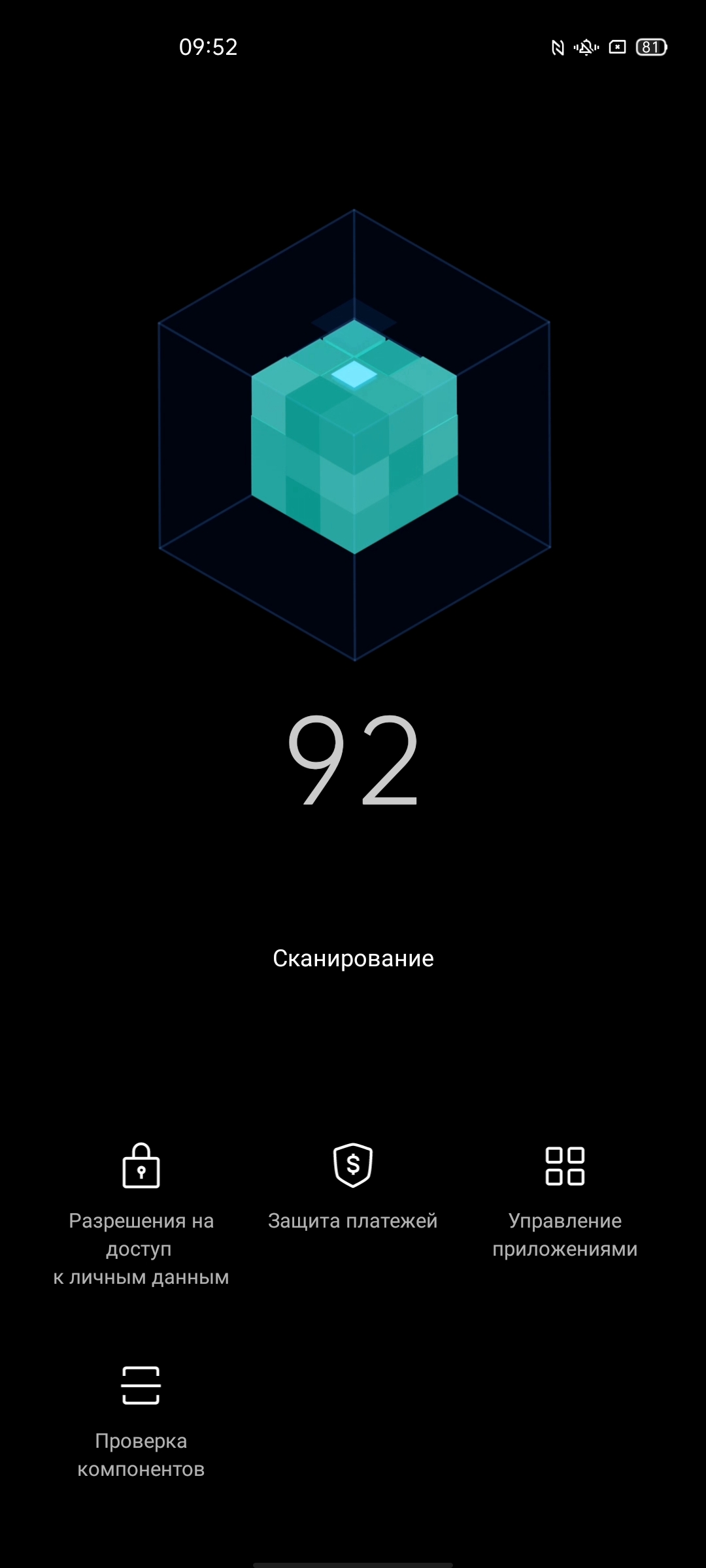
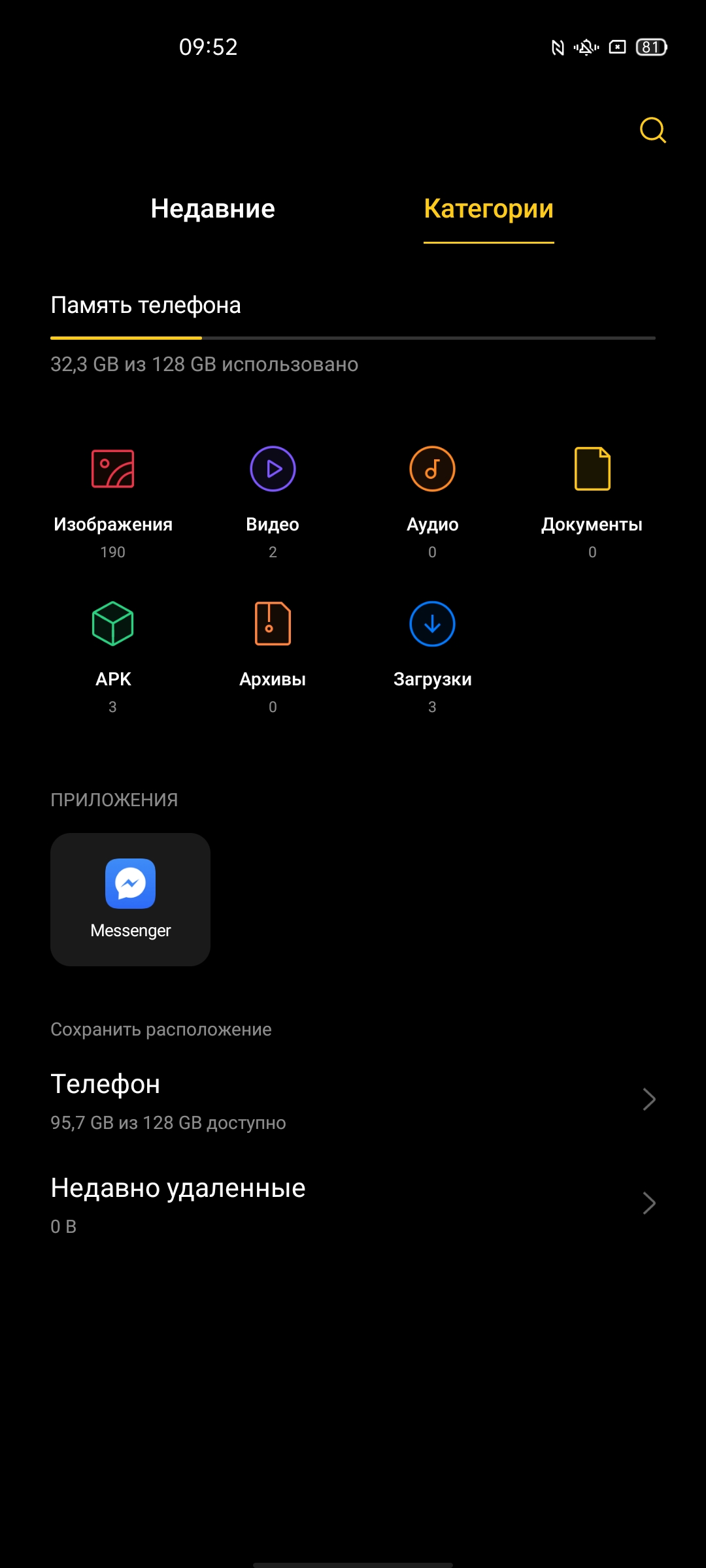
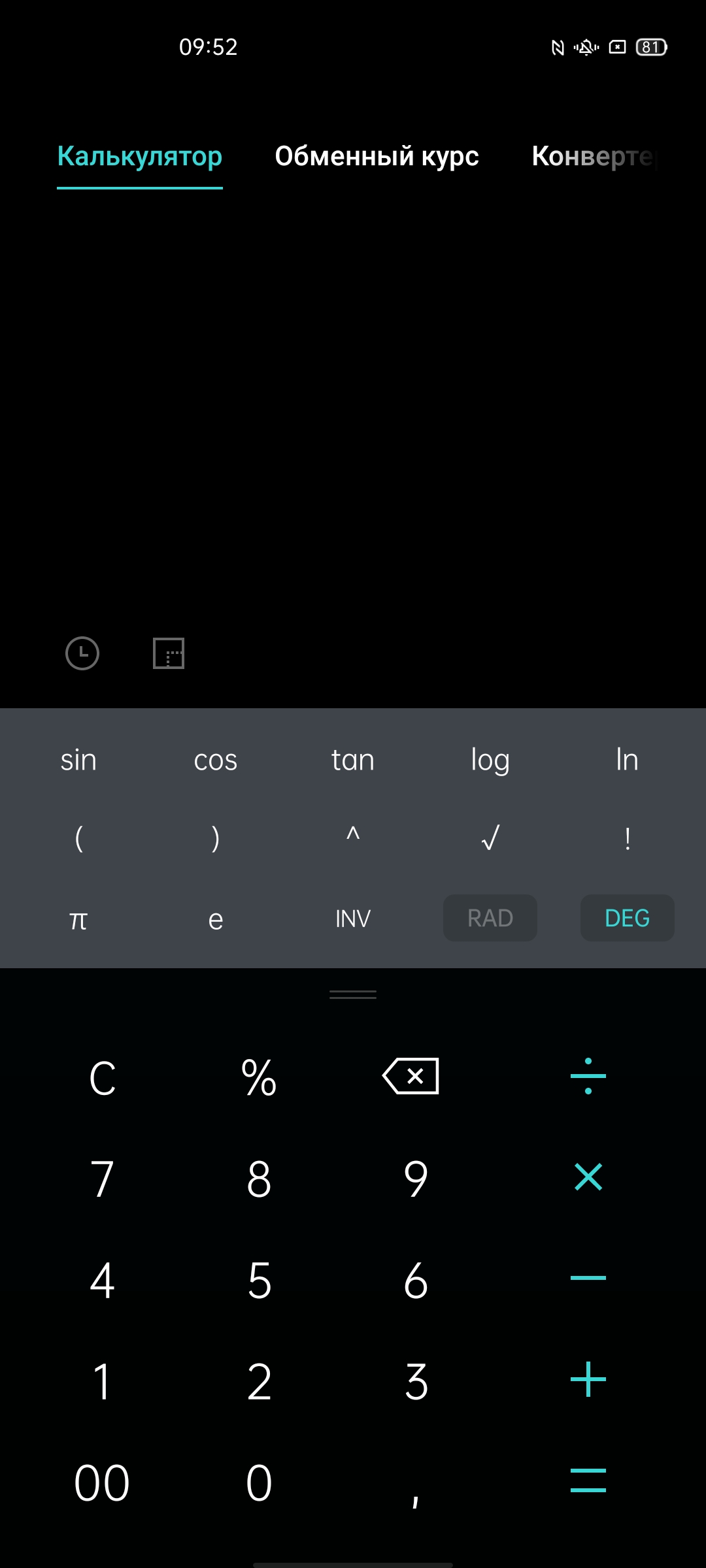
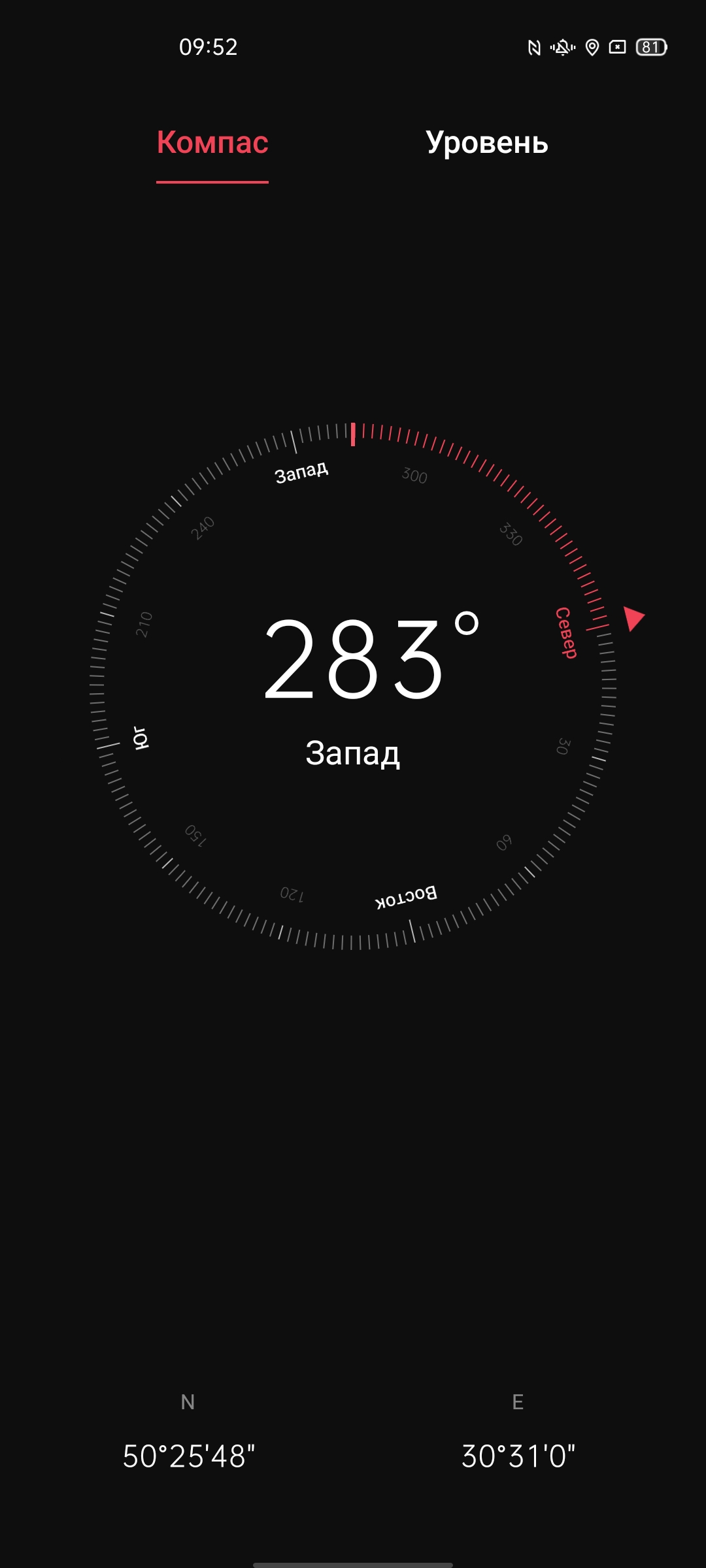
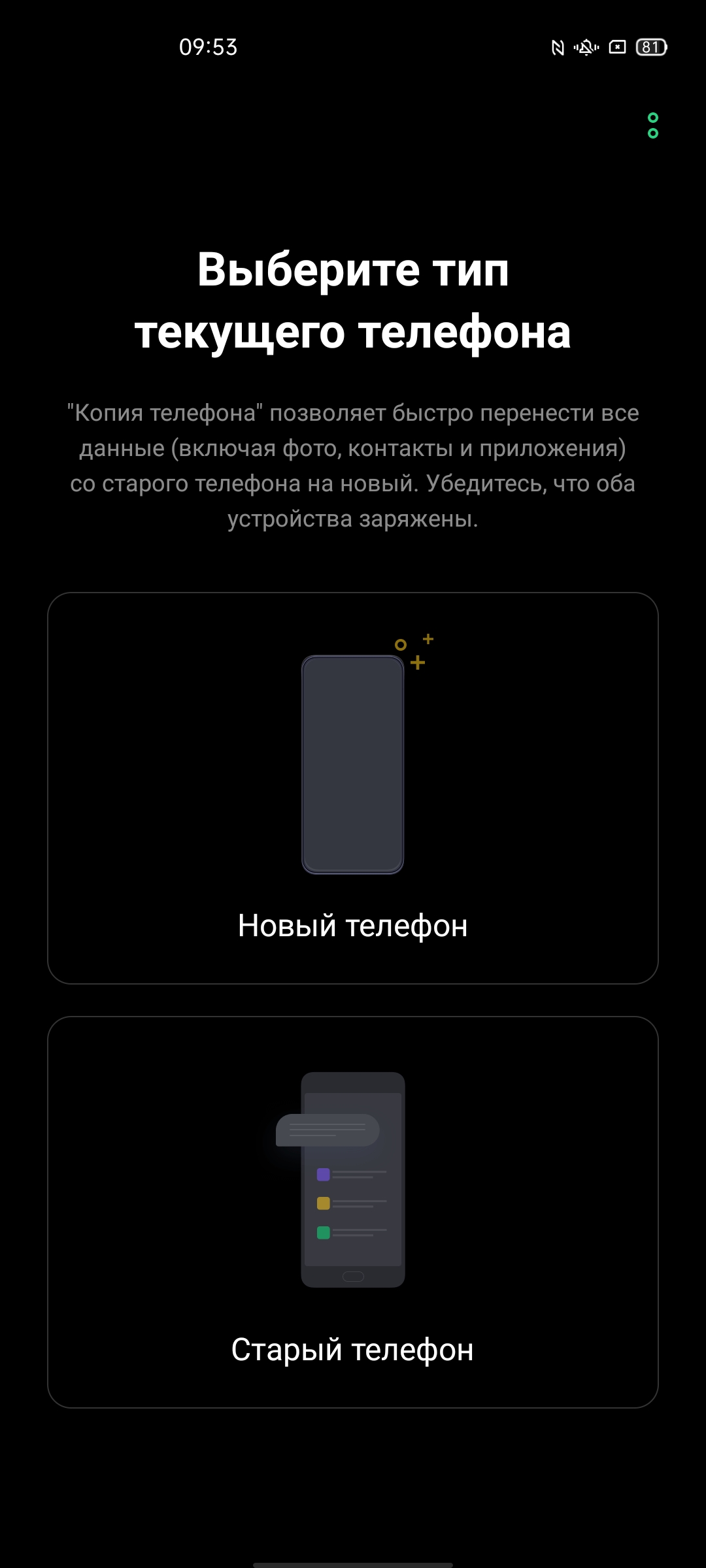
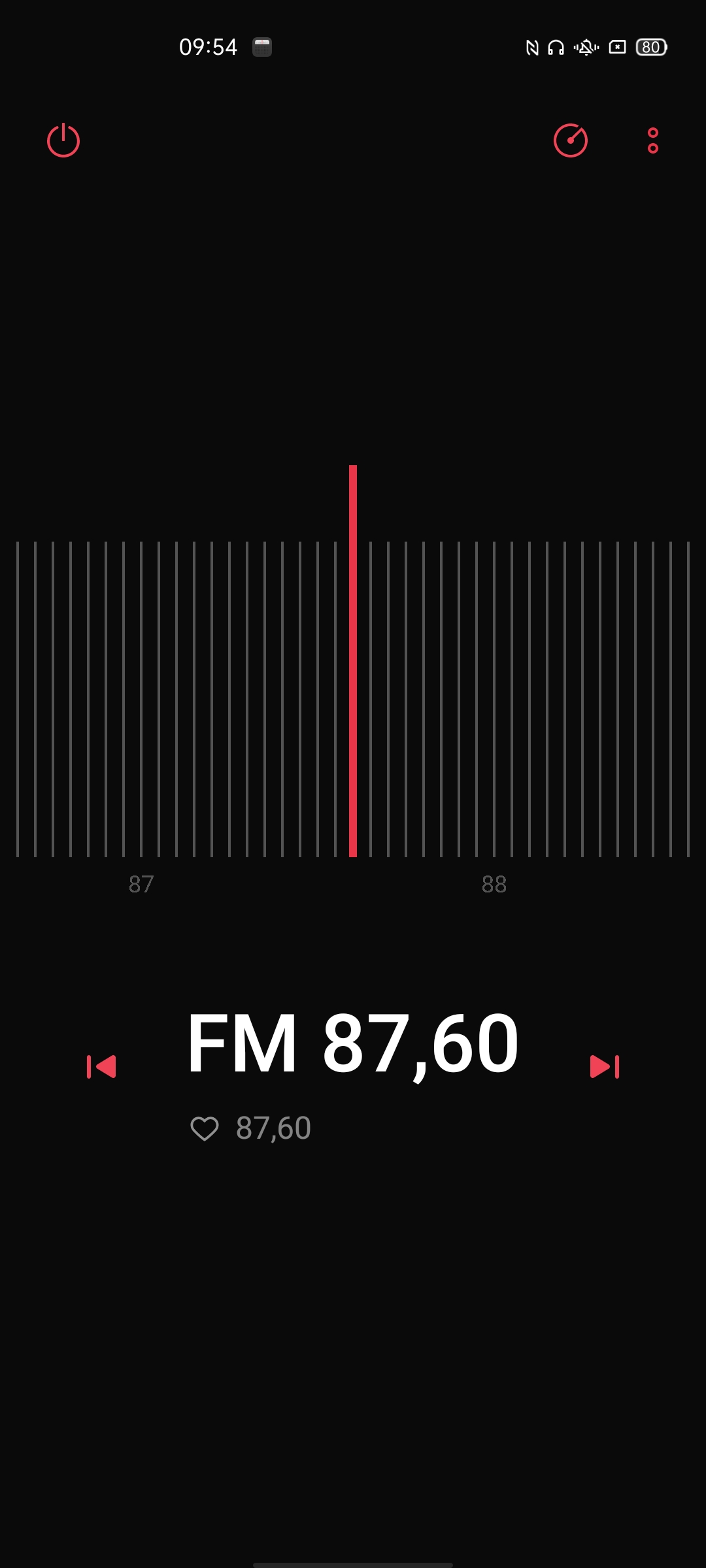
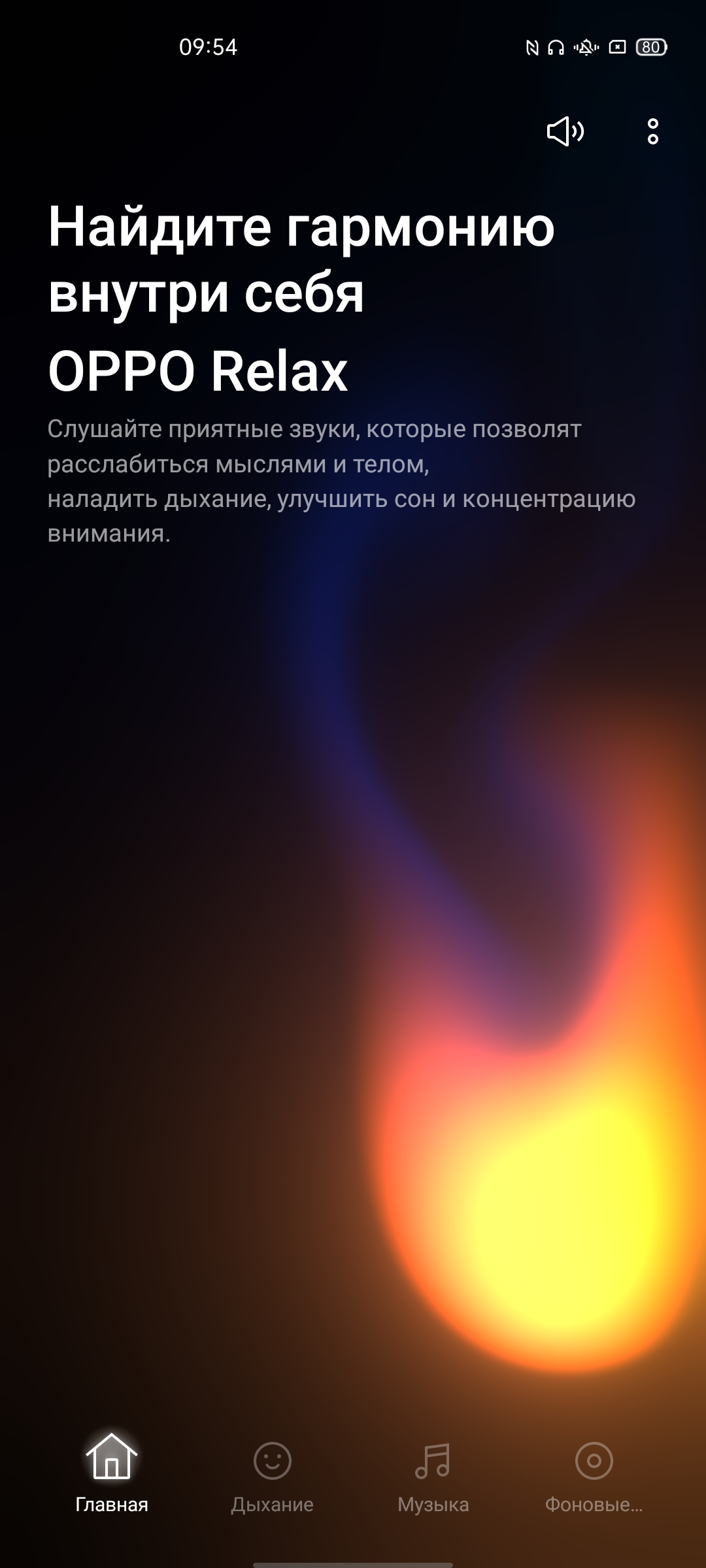
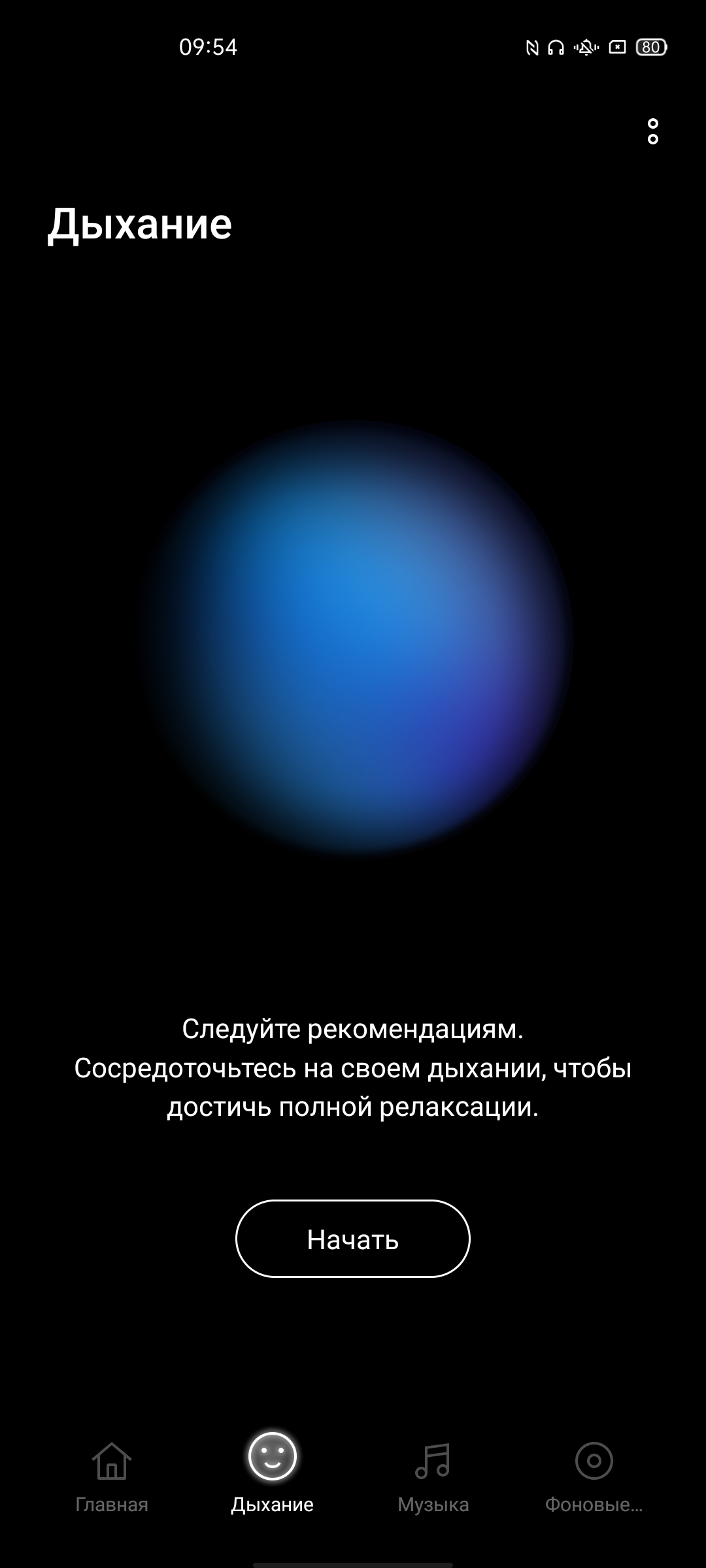
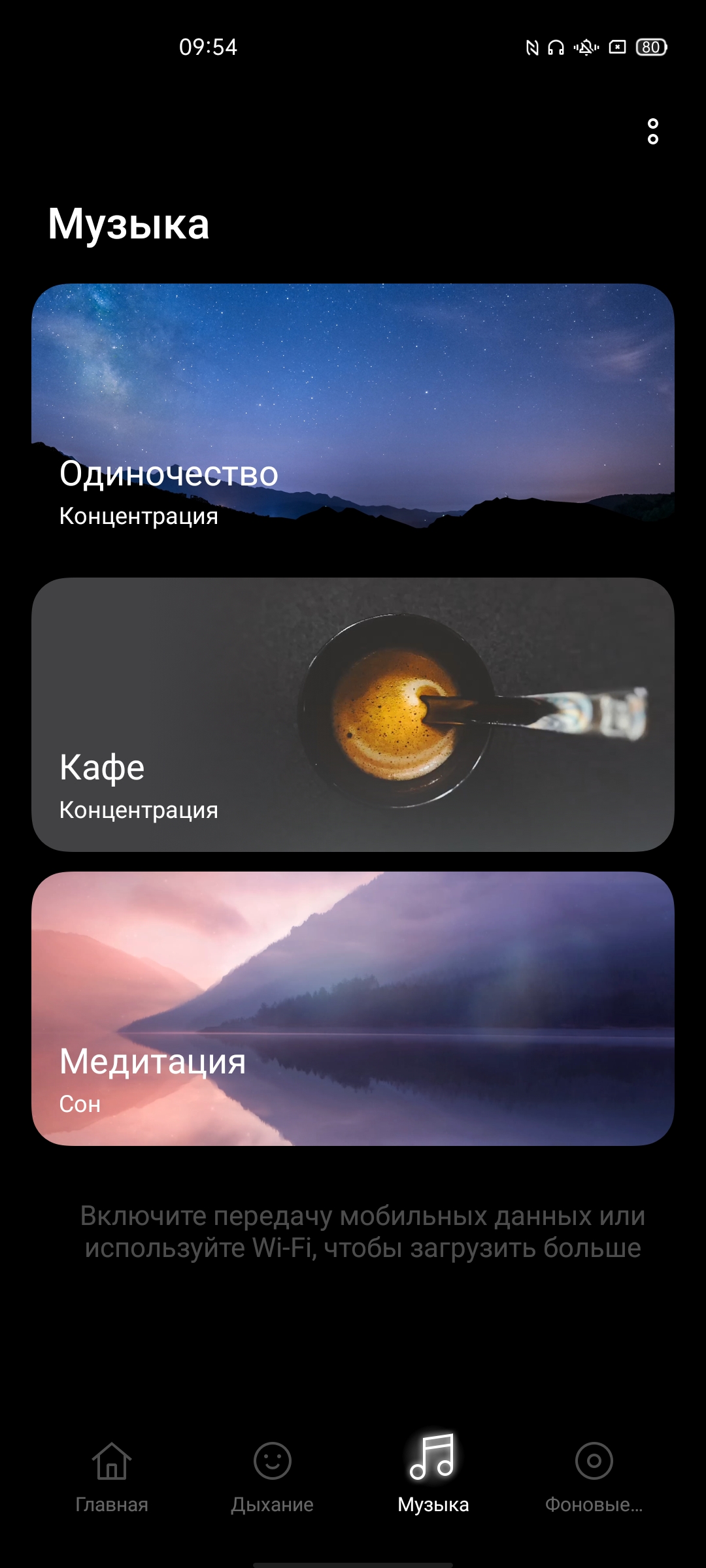
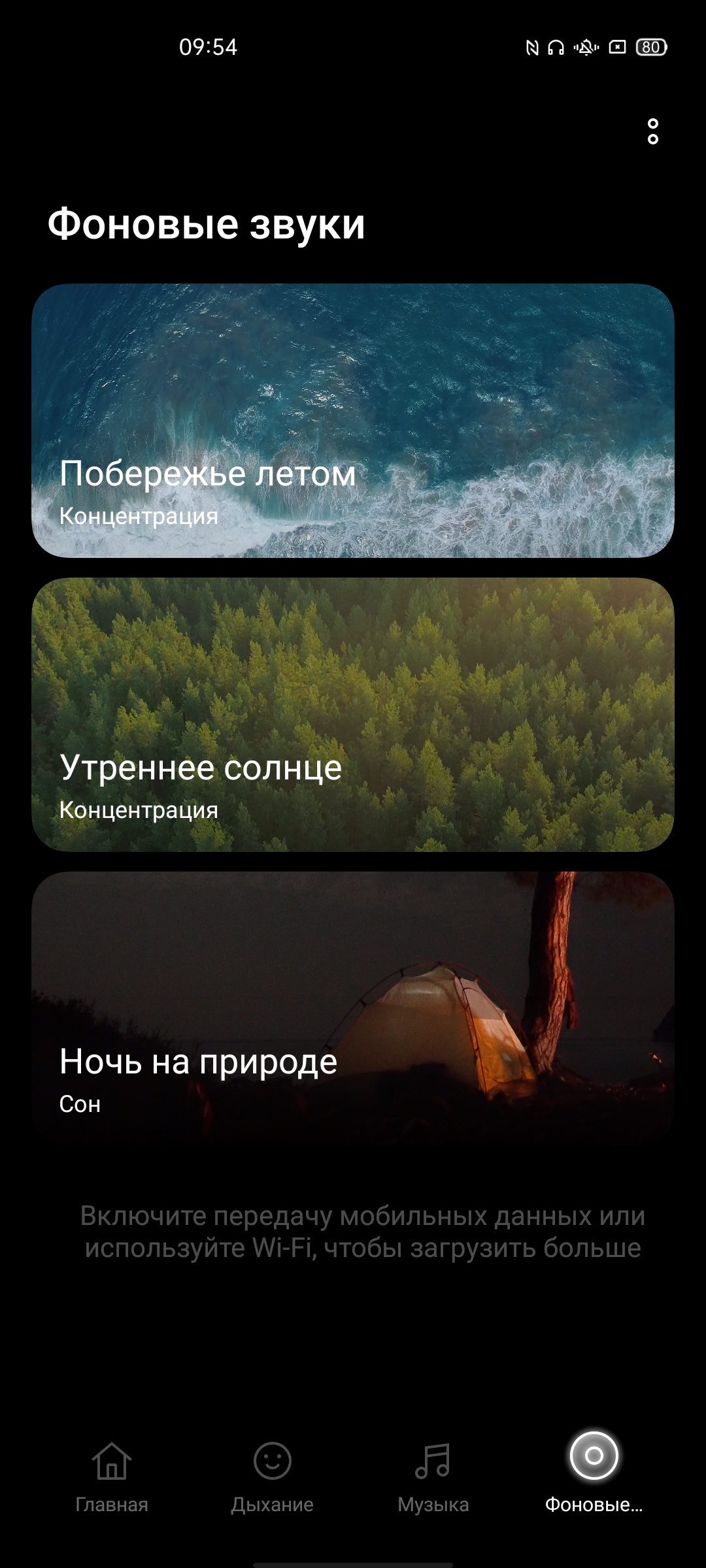
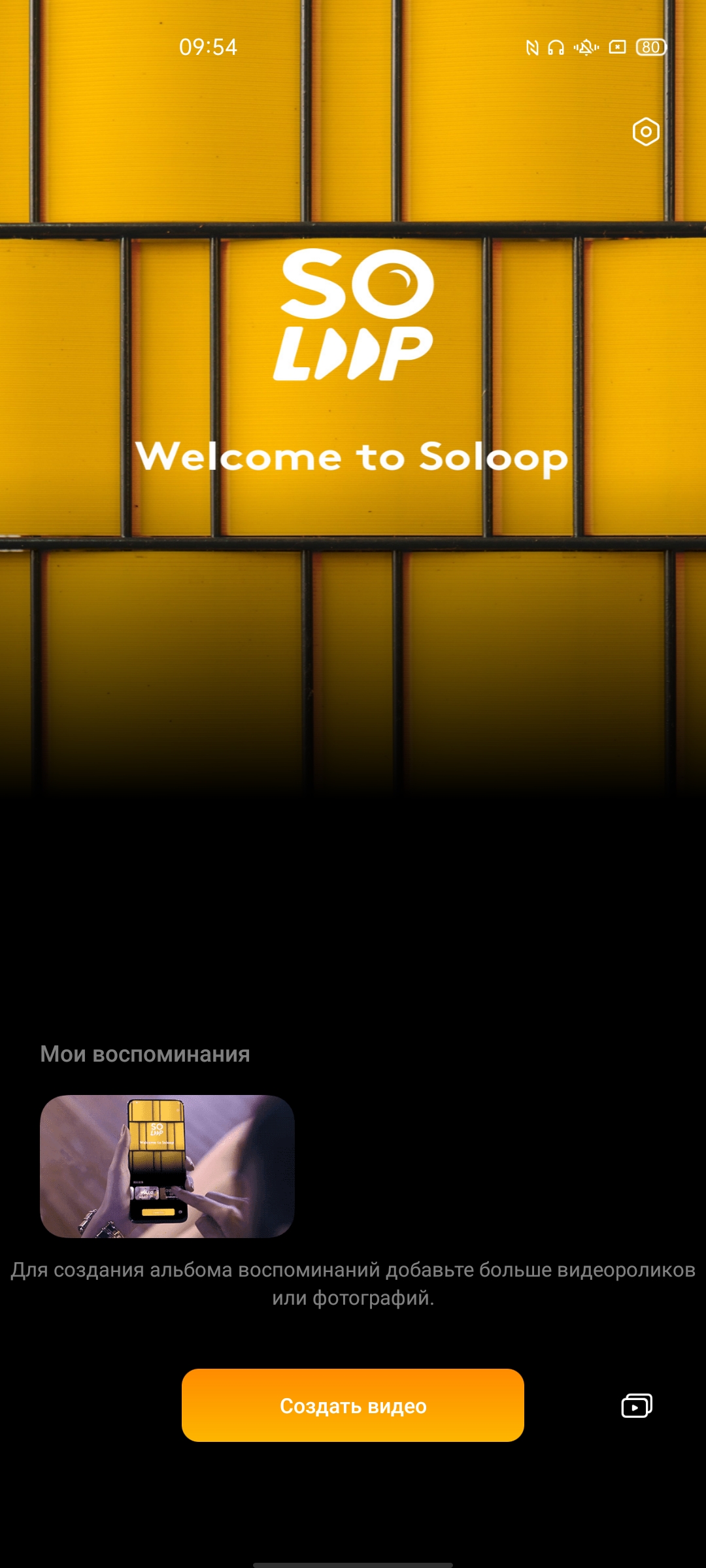
Among other things, a complete set of necessarystandard applications (file manager, calculator, voice recorder, radio, data transfer utility and AP). And a couple of additional applications: SoLoop for basic video editing and Relax with a selection of sound backgrounds for meditation, sleep, concentration, and so on.
</ img>
</ img>
</ img>
</ img>
</ img>
</ img>
</ img>
</ img>
</ img>
</ img>
</ img>
</ img>
</ img>
</ img>
</ img>










How good are the cameras?
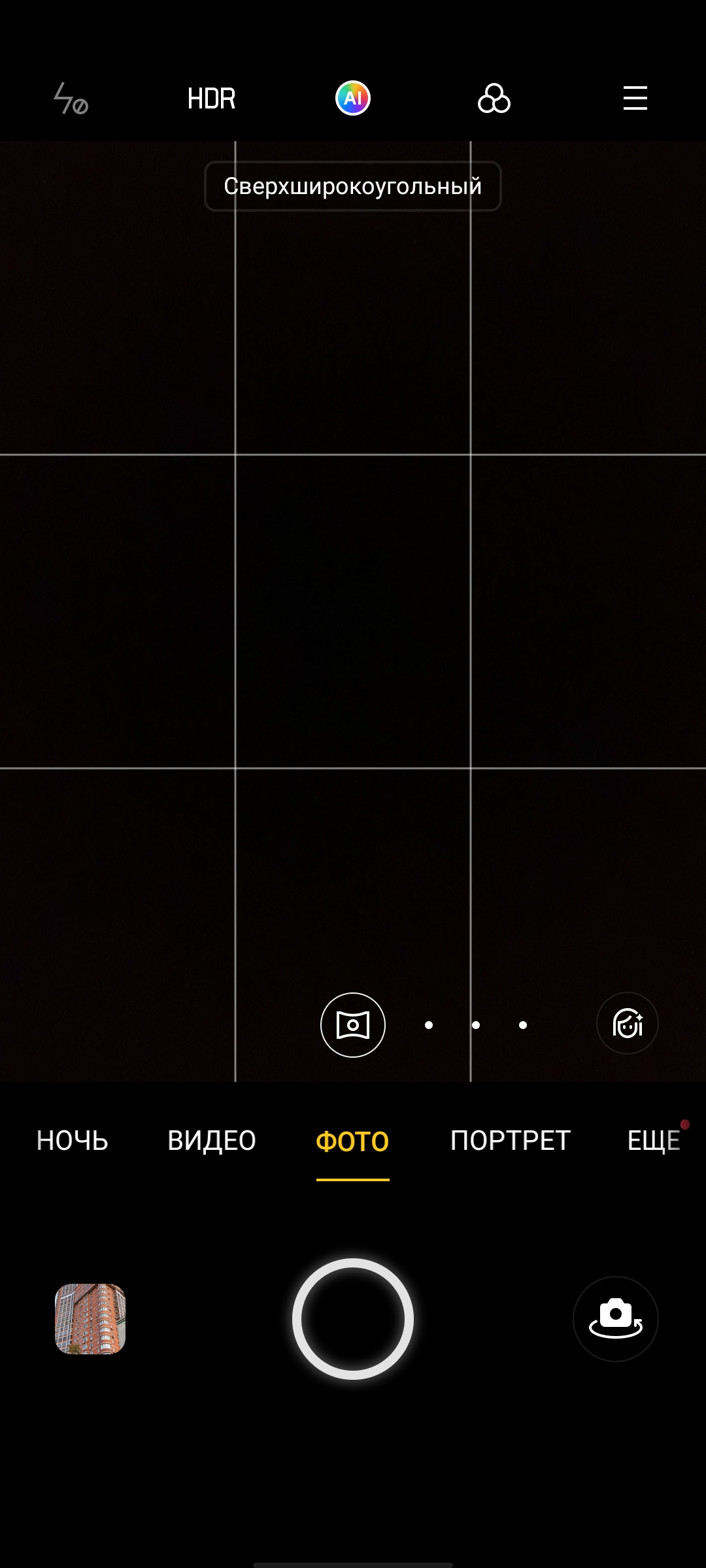
In total, the smartphone has six cameras, although you can’tto say that they were all vital. The configuration turned out to be a little strange. There are already four cameras at the back: the main one is 48 megapixels, 1/2.0″ with 26 mm optics, f/1.7 aperture and phase detection autofocus. There is no optical stabilization (as in all other modules). By default, it takes 12 MP photos (Quad Bayer scheme), but can also shoot in full resolution. Plus, the 2x and 5x zoom presets are clearly made by automatic cropping from the main module: the smartphone does not have a telephoto camera. The wide-angle module has a resolution of 8 megapixels (1/4.0″), f/2.2 aperture, and viewing angle of 119°. It doesn't have autofocus. Two more modules on the back have identical characteristics: 2 MP monochrome with f/2.4 aperture. And both function as depth sensors to blur the background. Why two? It’s better to ask engineers about this. In theory, a macro camera would be logical instead of one of these modules. Although in reality, 2 MP macro cameras in inexpensive smartphones are ineffective and are only suitable for “playing around once”. The smartphone has a dual front camera: 16 MP, f/2.4, 1/3″, 1.0µm, supported by a 2 MP depth sensor for selfies with a blurred background.
</ img>
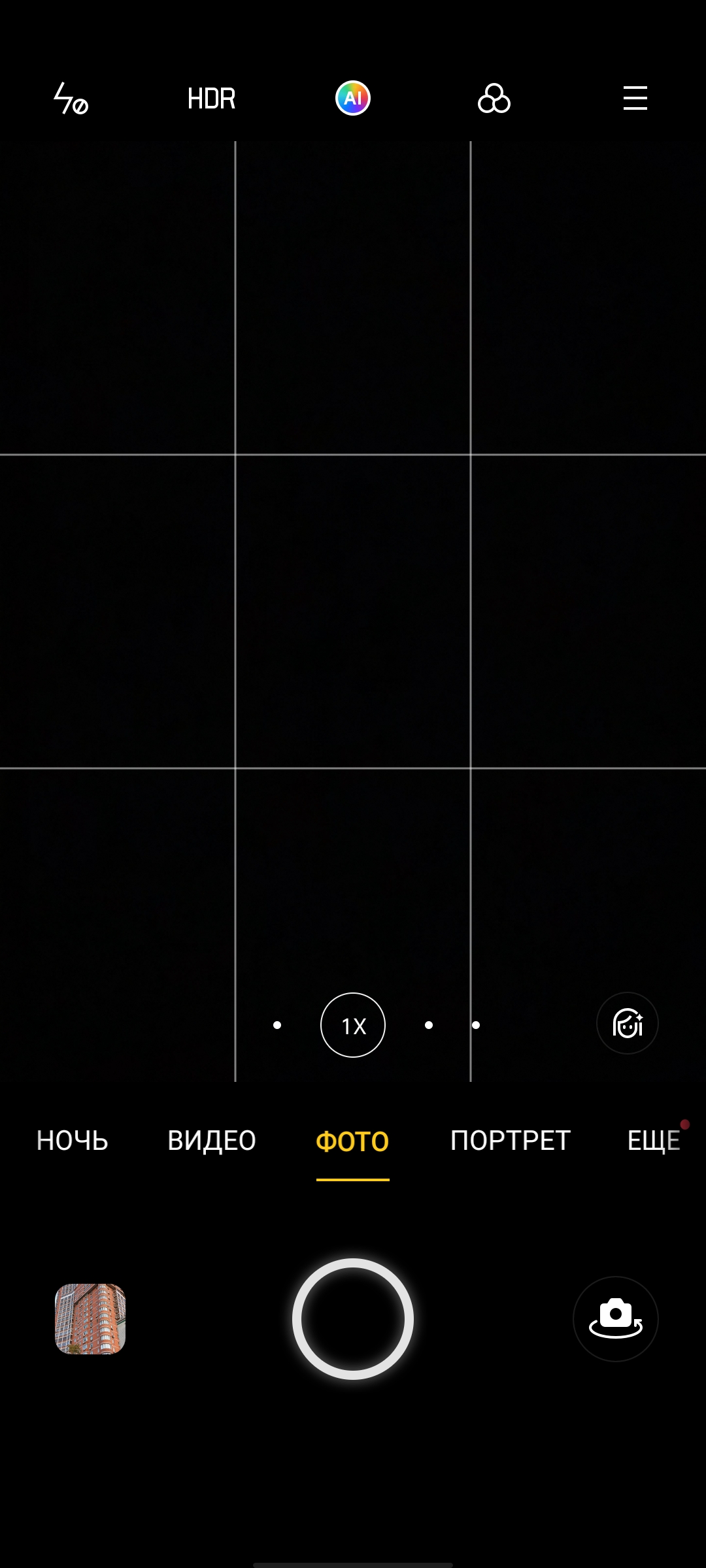
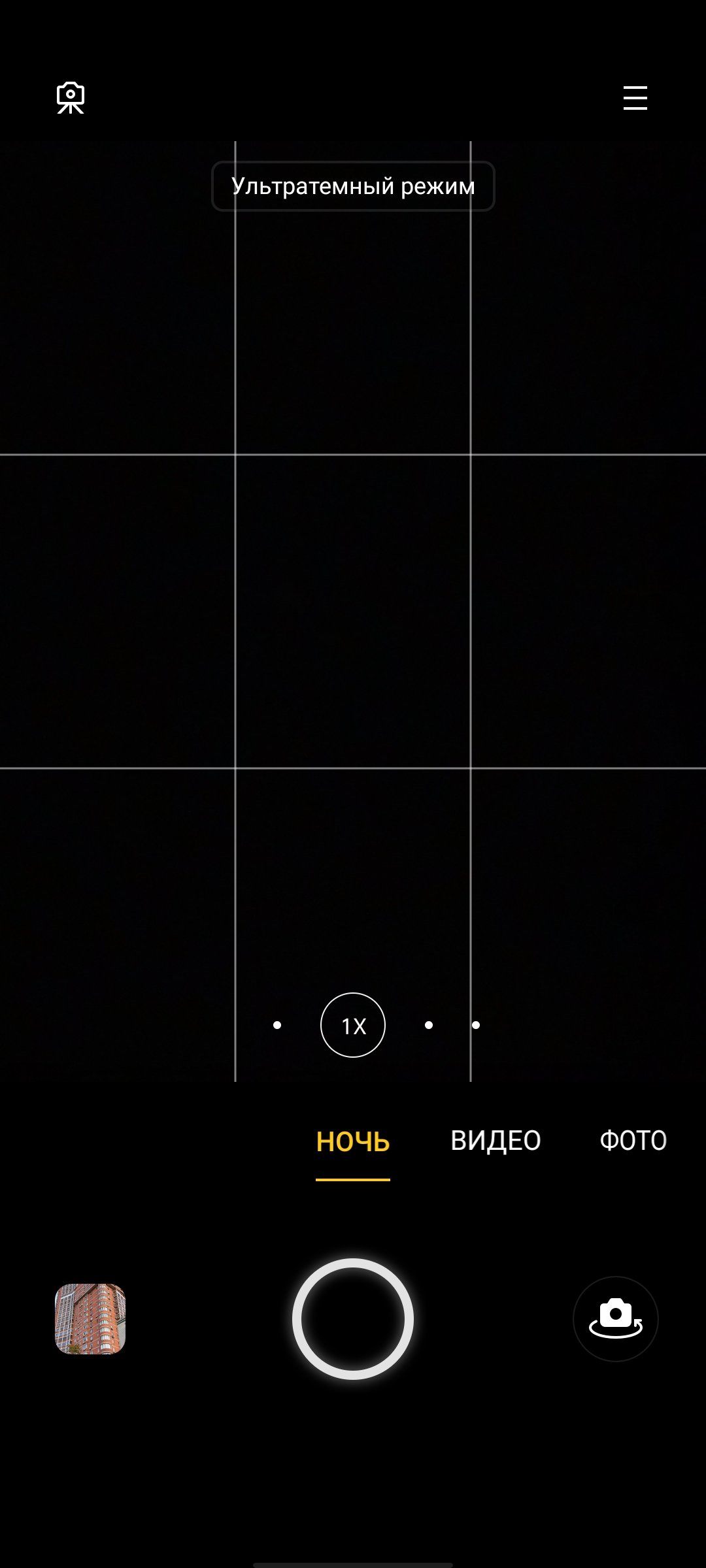
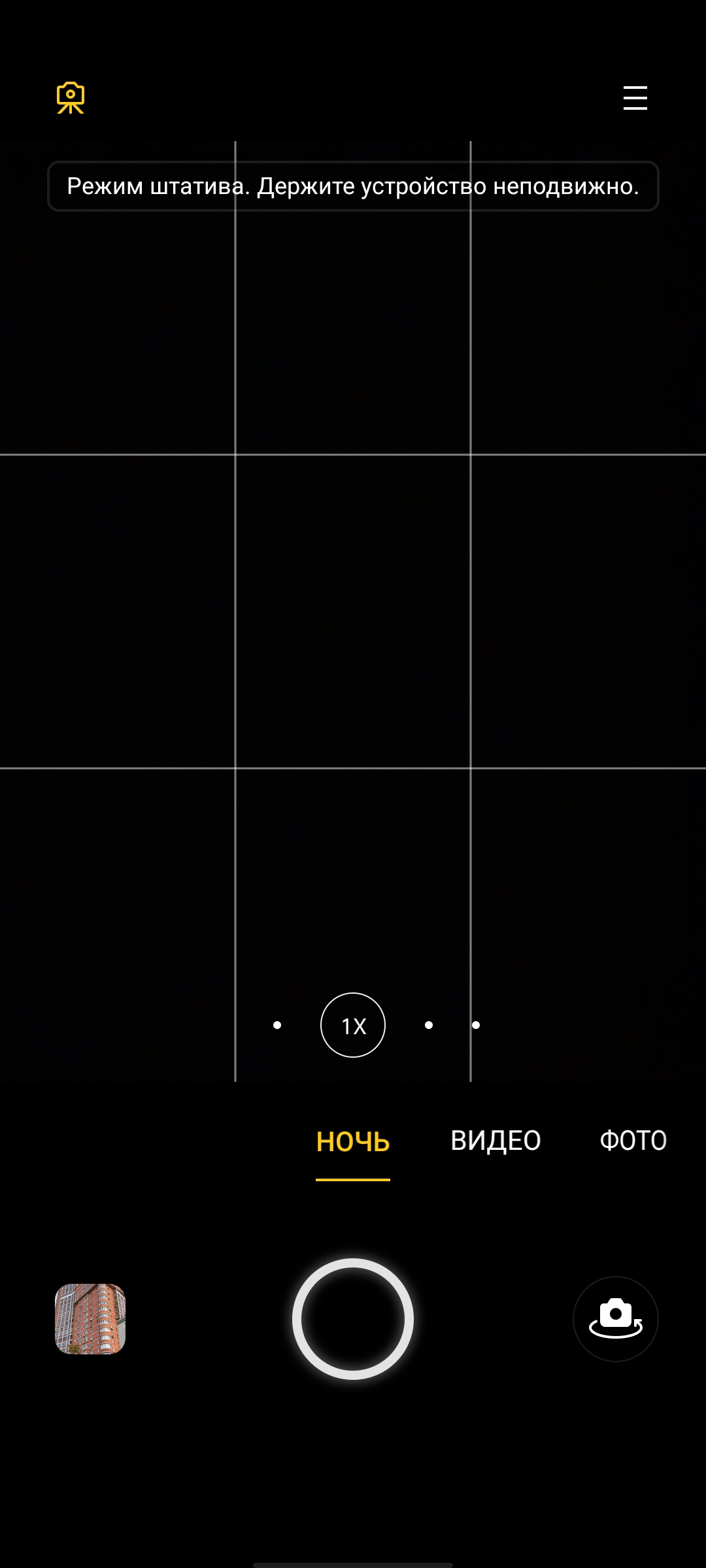
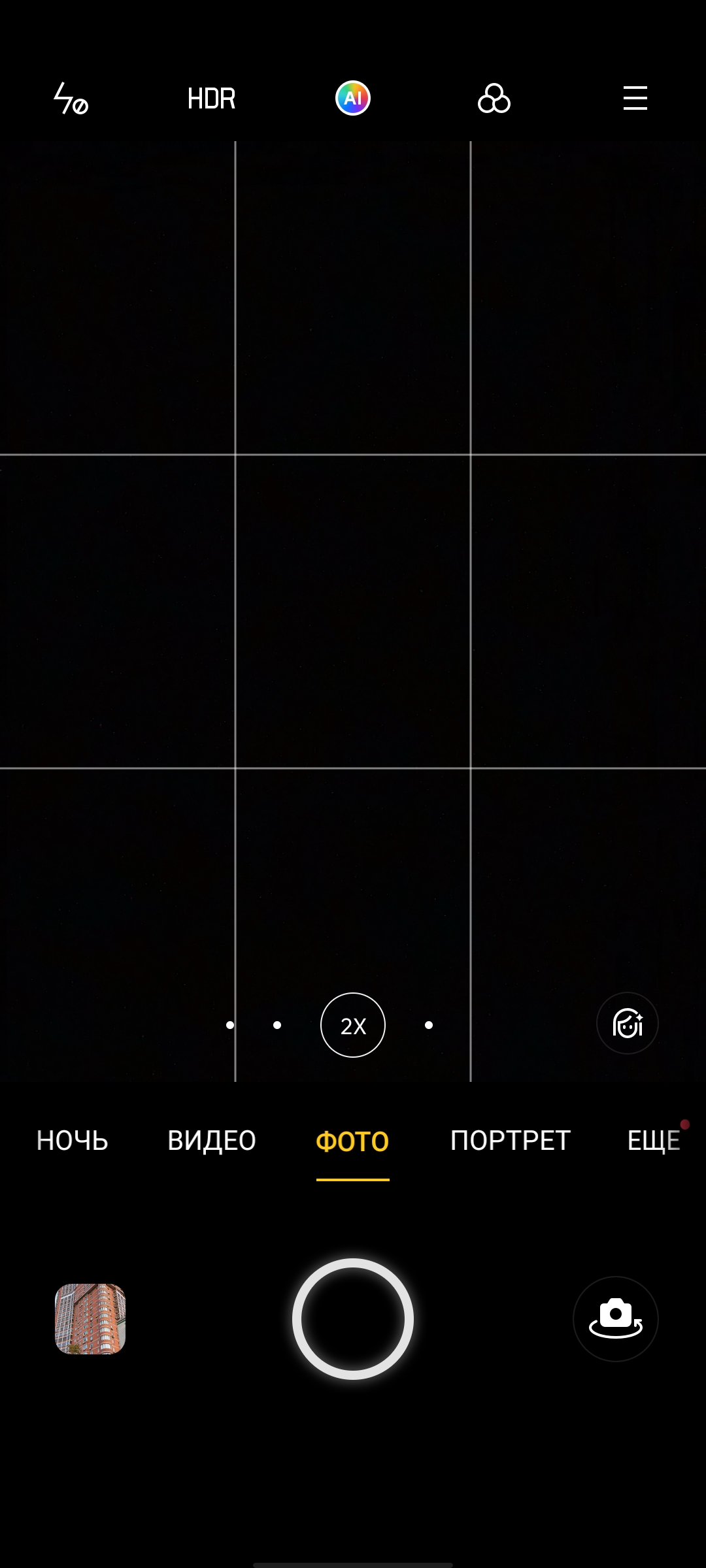
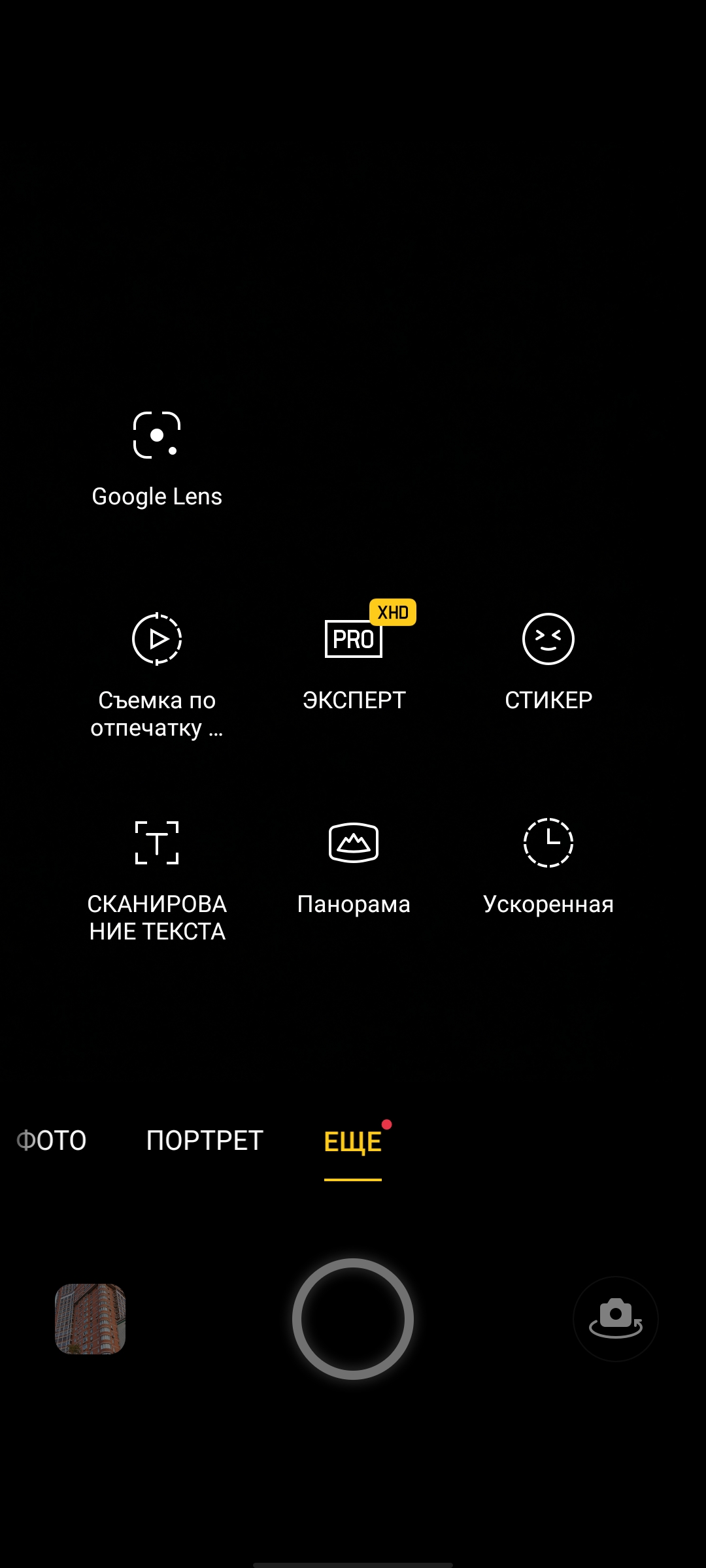
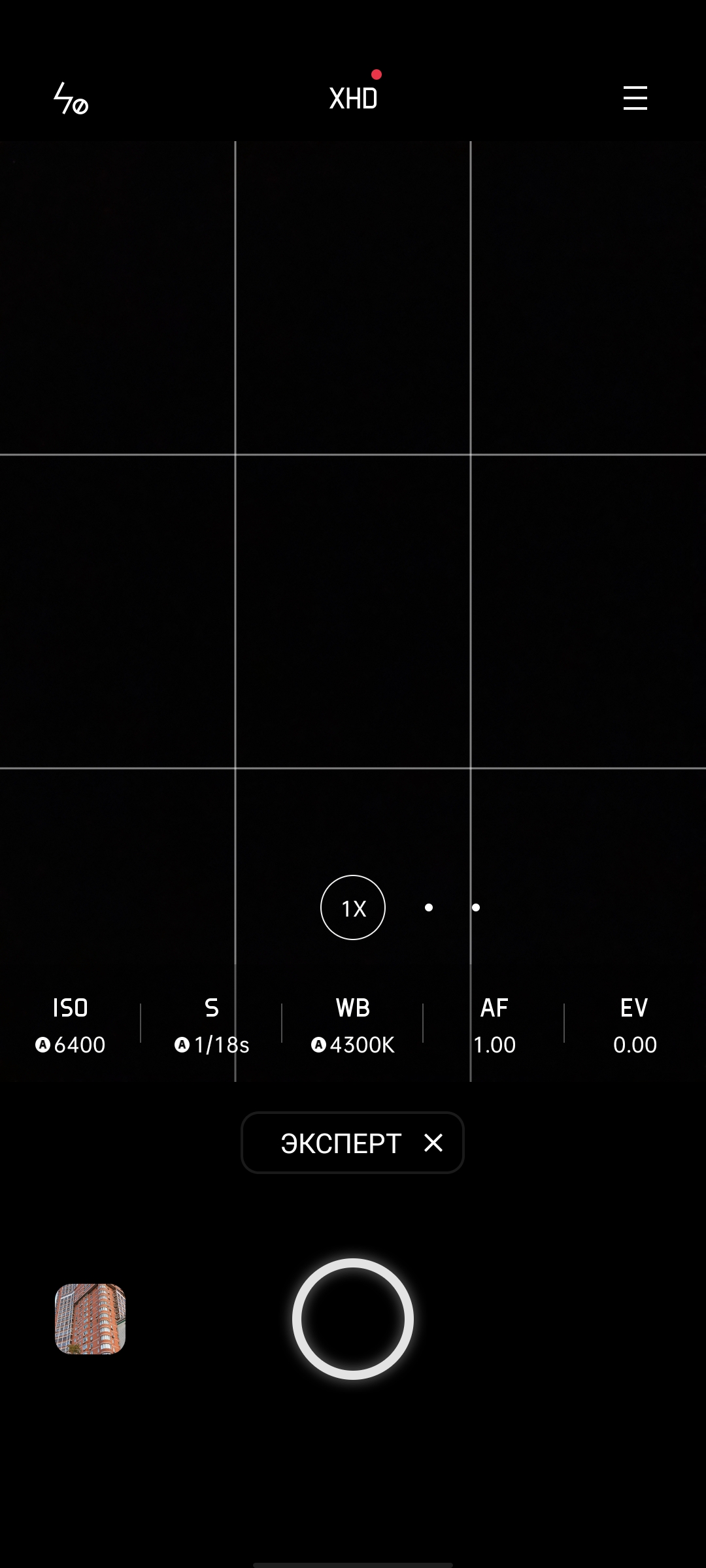
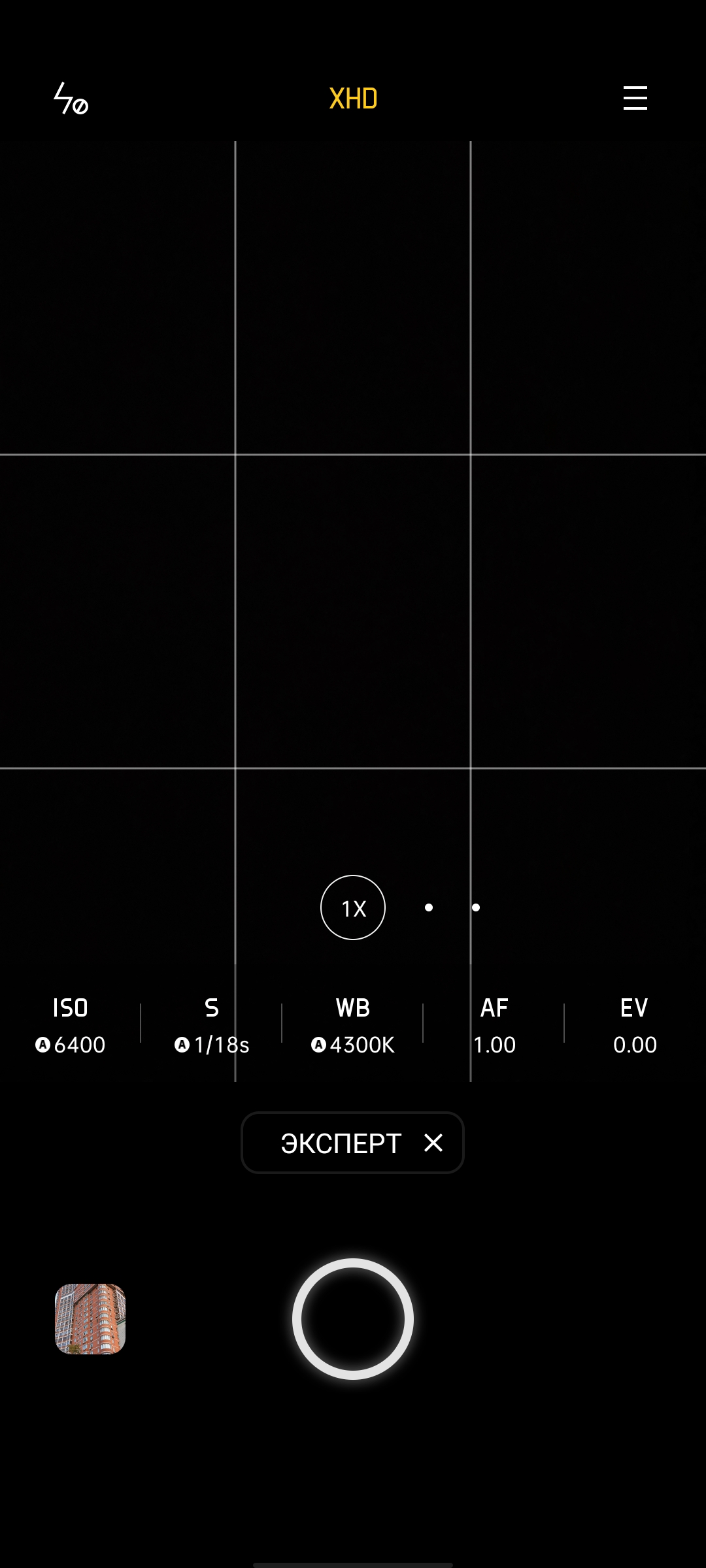
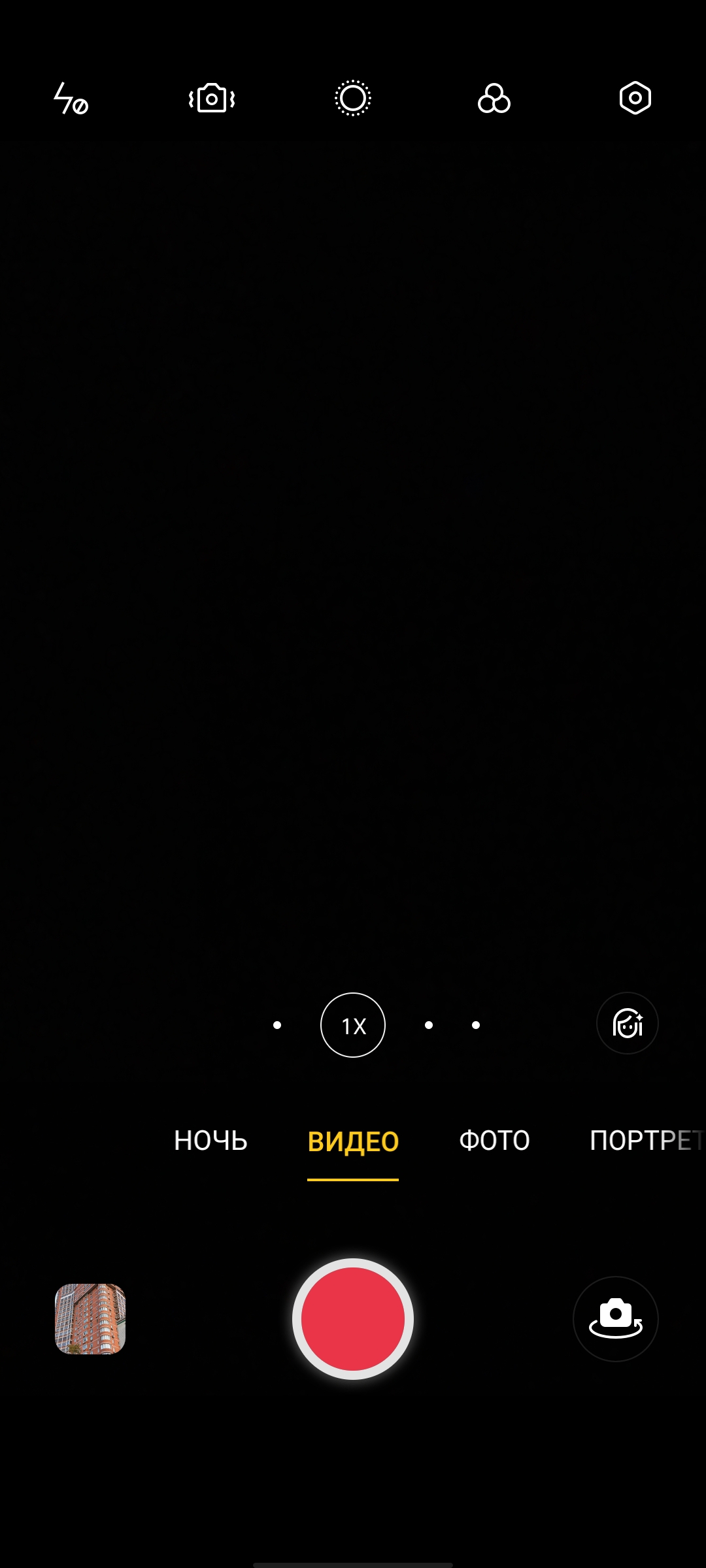
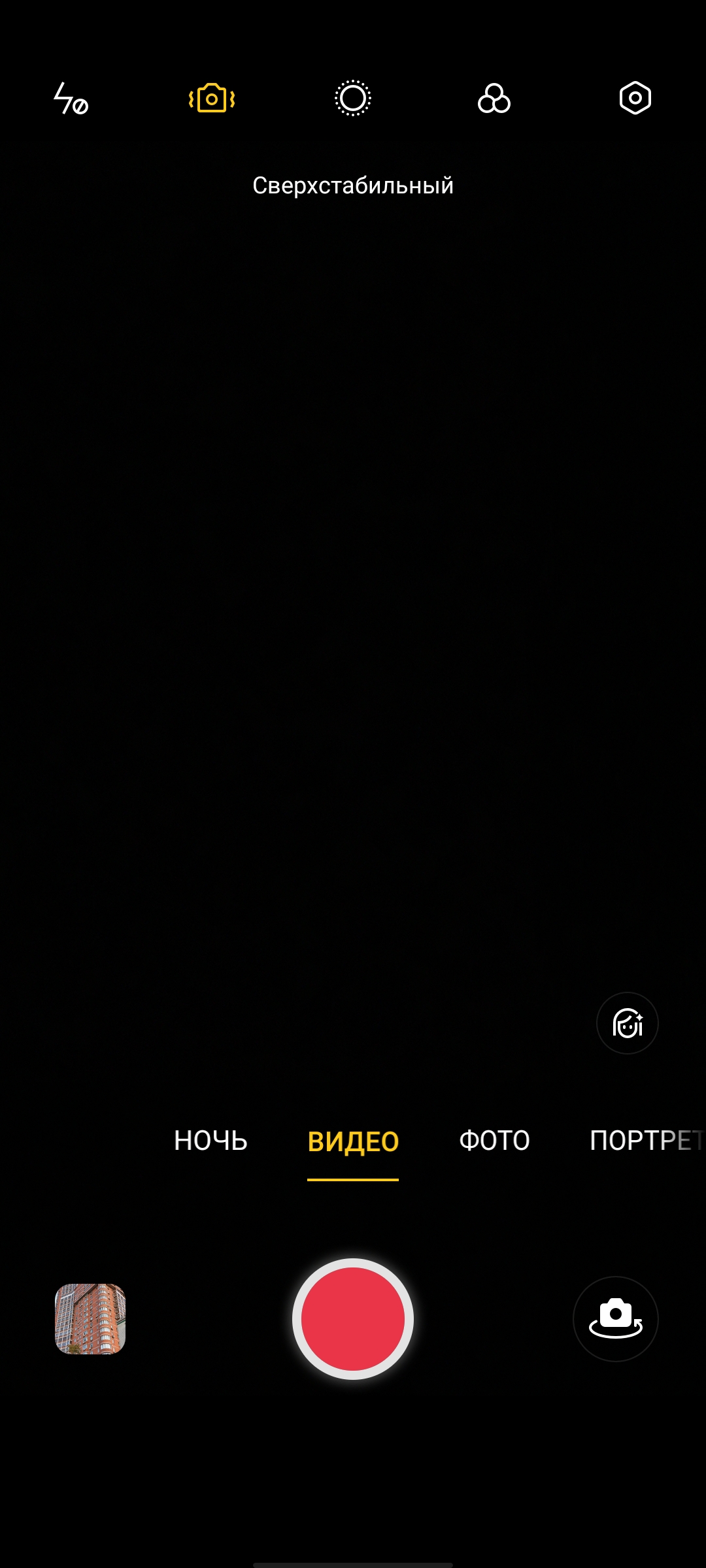
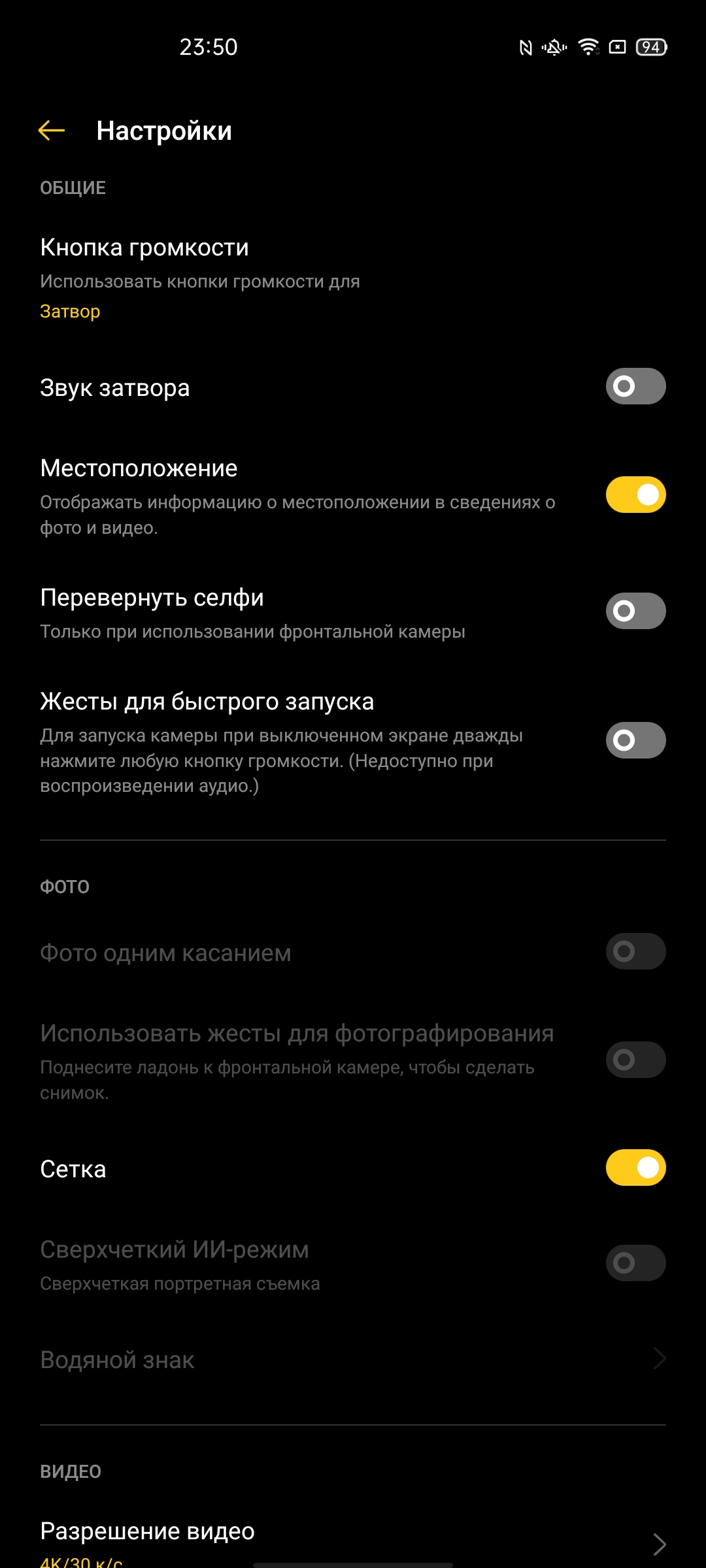
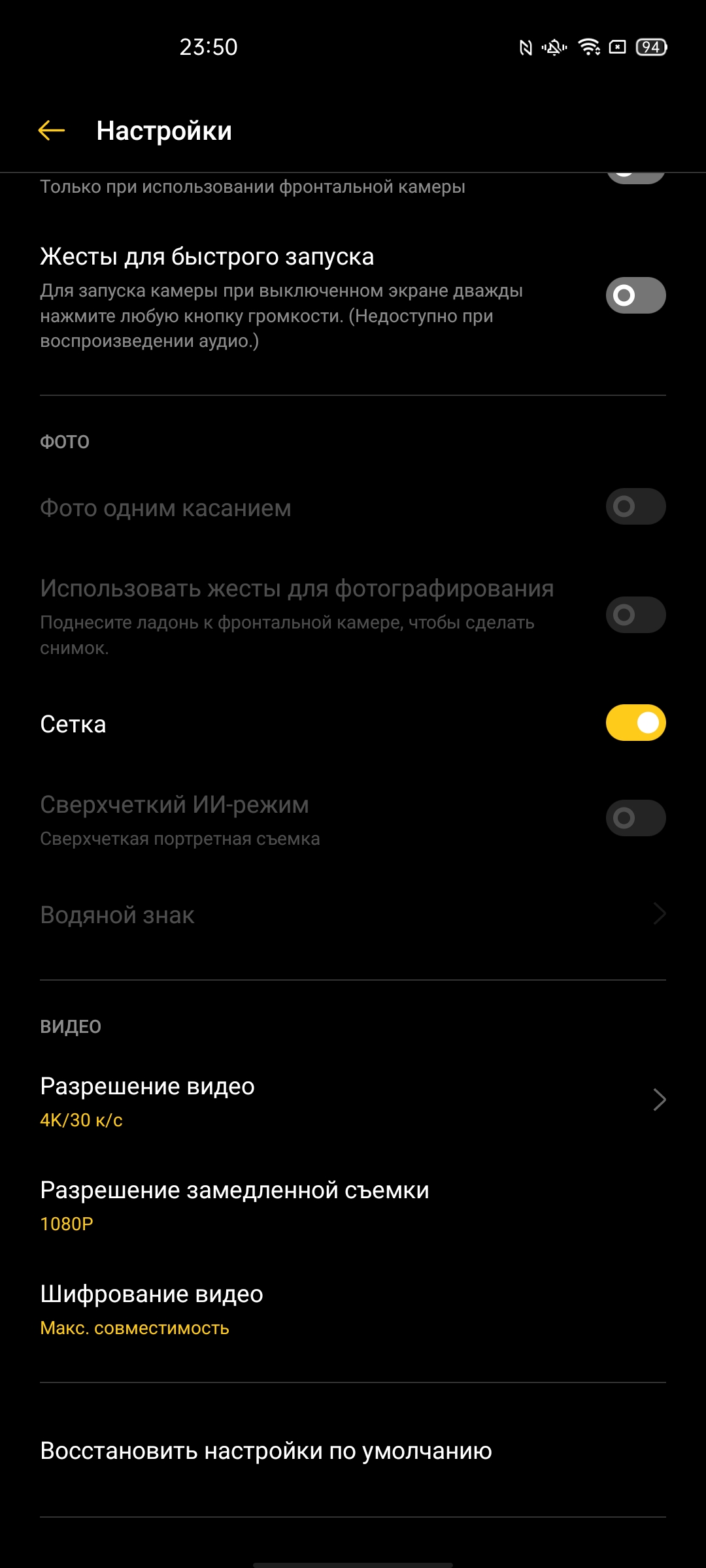
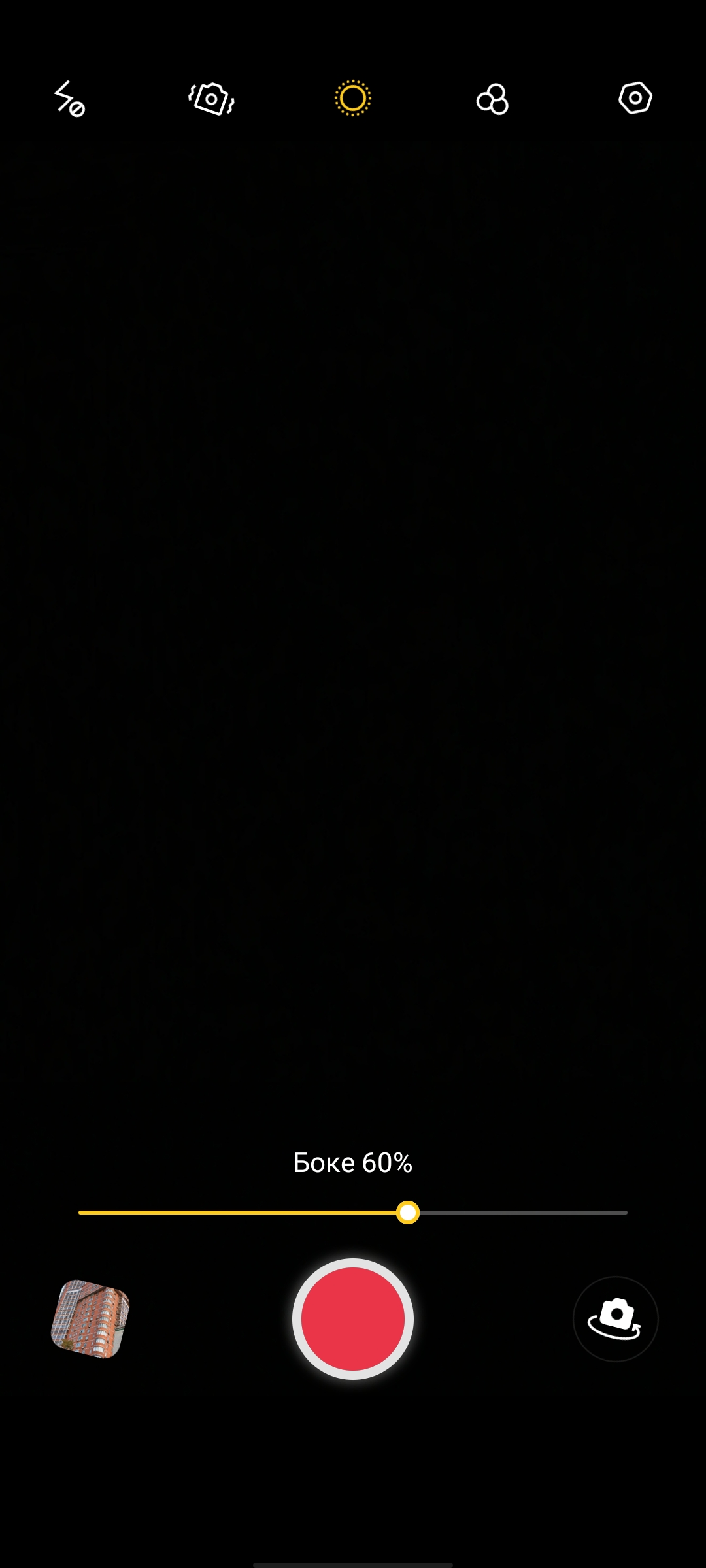
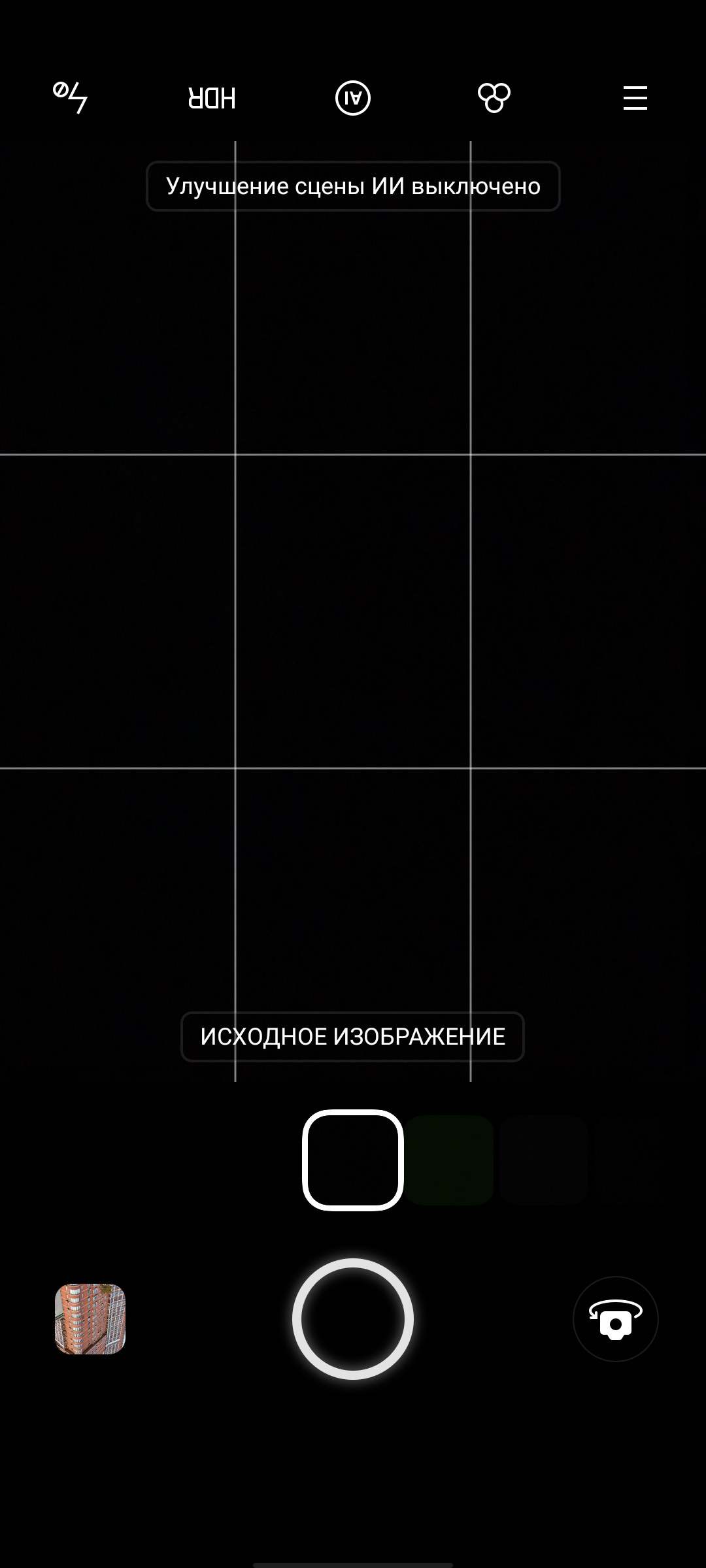
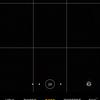
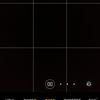
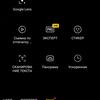
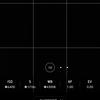
The interface is quite convenient and understandable, everything is standard:Modes can be switched by swiping; on the main screen there are settings for flash, HDR, filters, Ai scene recognition and zoom/wide-angle camera switching. There are additional modes in a separate menu, including manual, slow-motion/fast-motion video, text scanner and panoramas.
</ img>
</ img>
</ img>
</ img>
</ img>
</ img>
</ img>
</ img>
</ img>
</ img>
</ img>
</ img>
</ img>
</ img>
</ img>





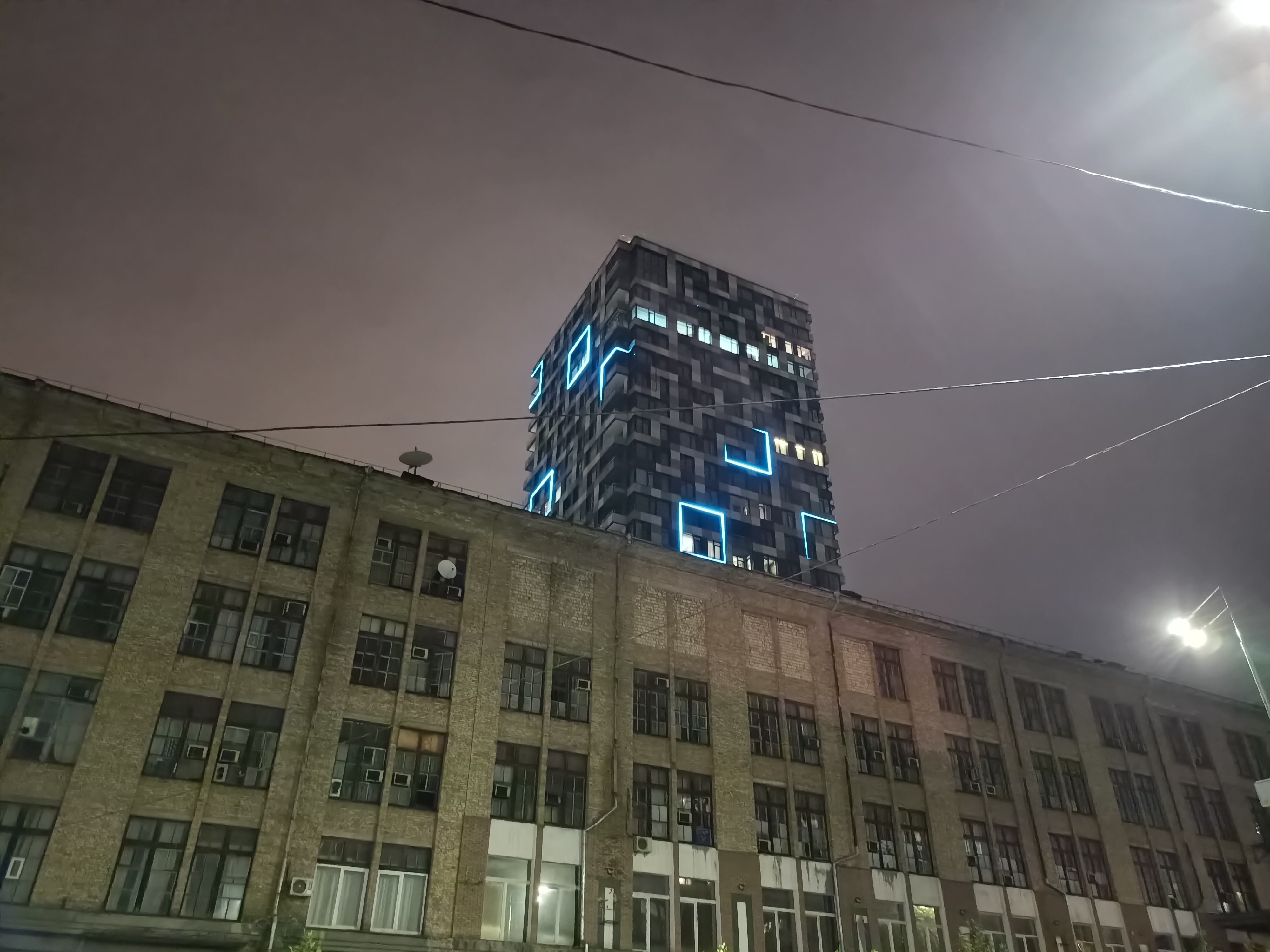
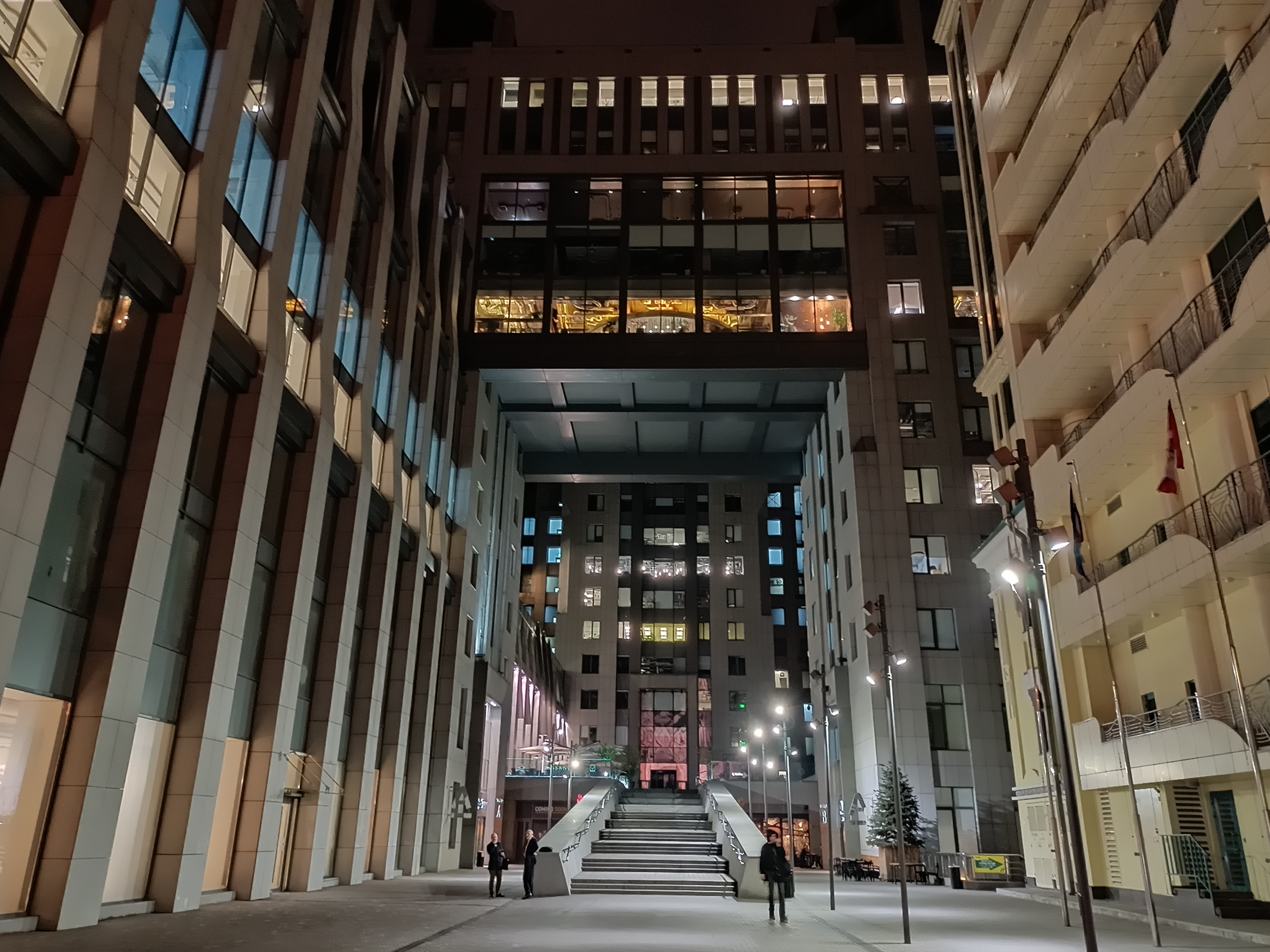
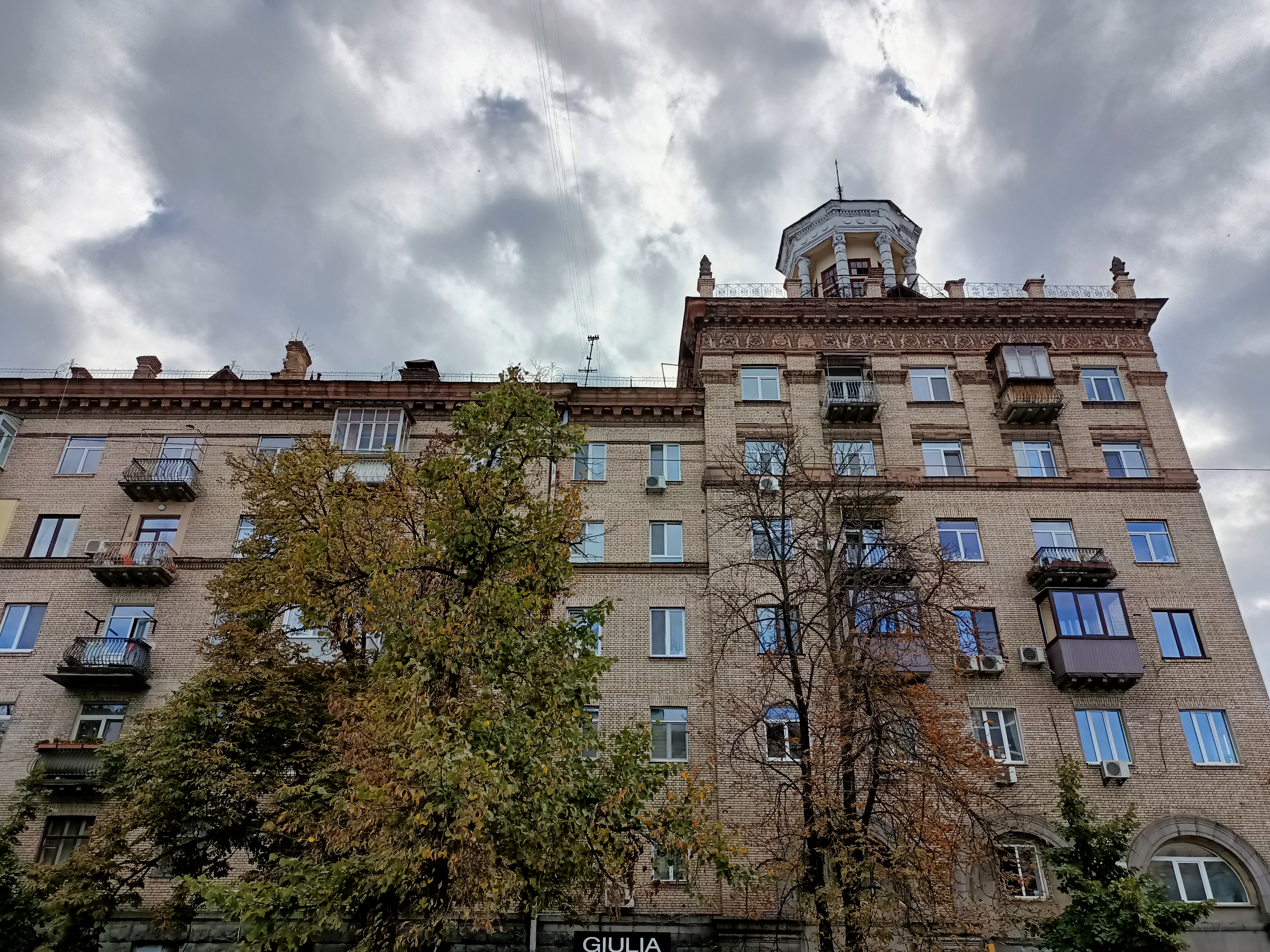
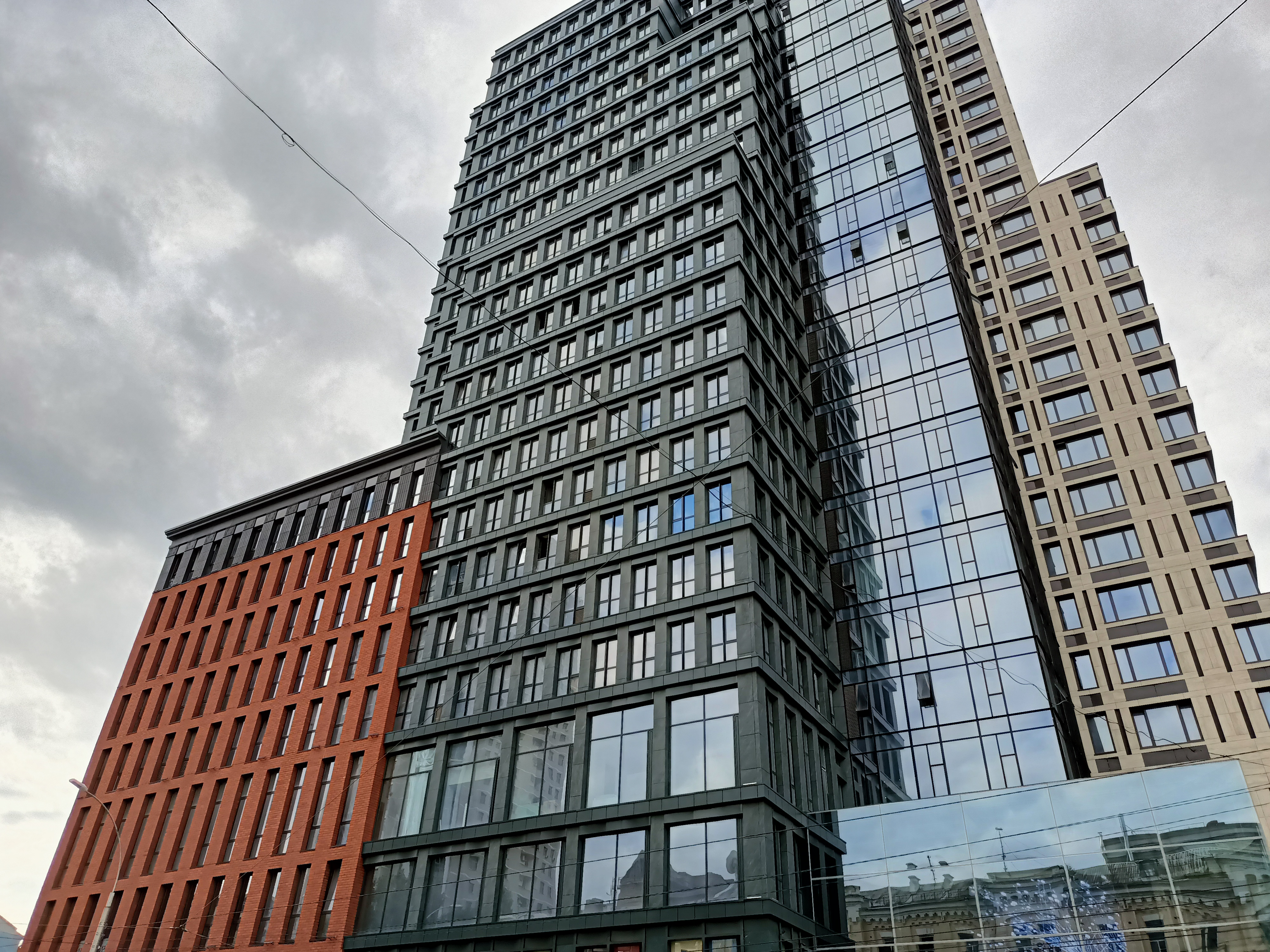
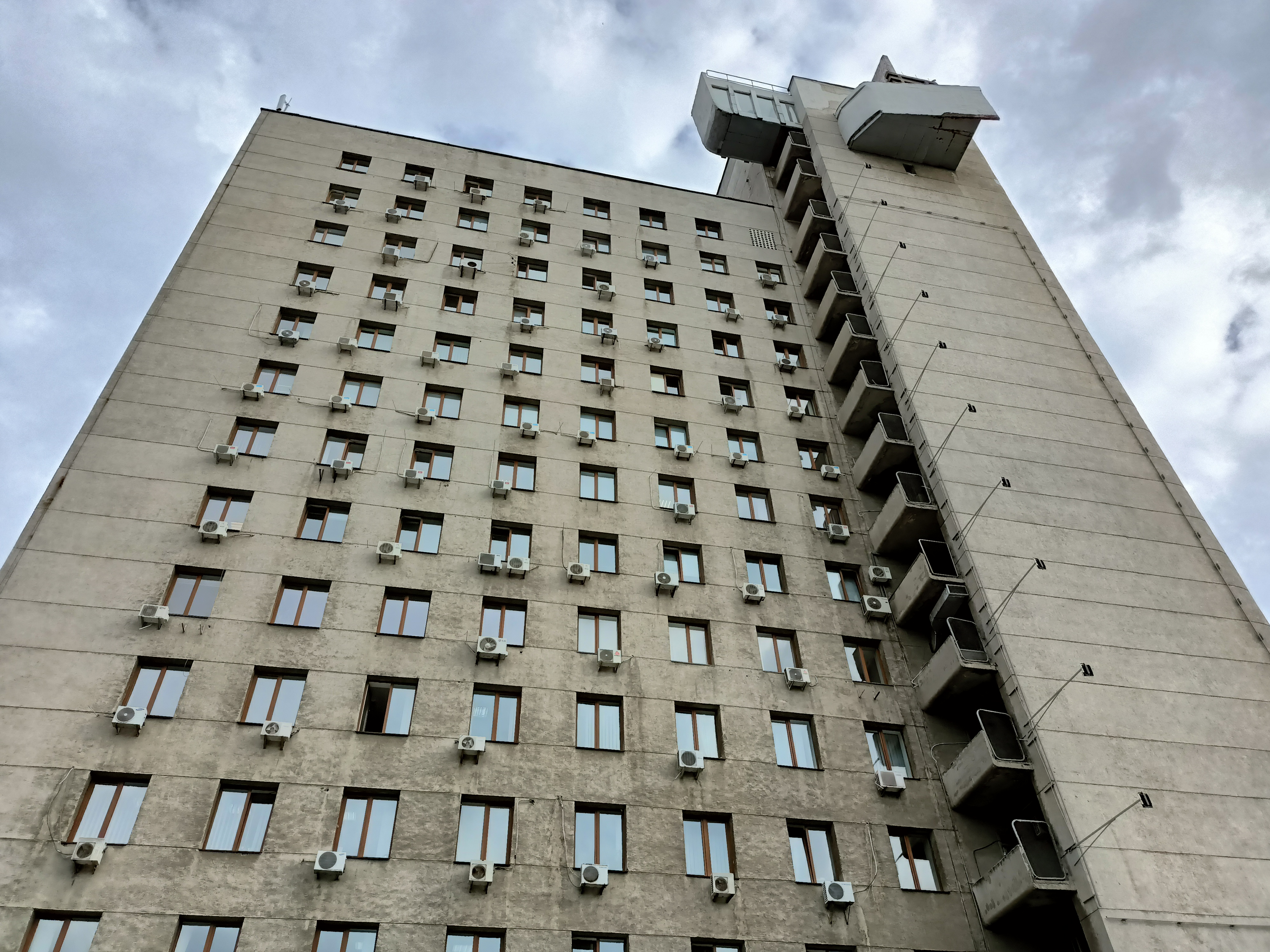
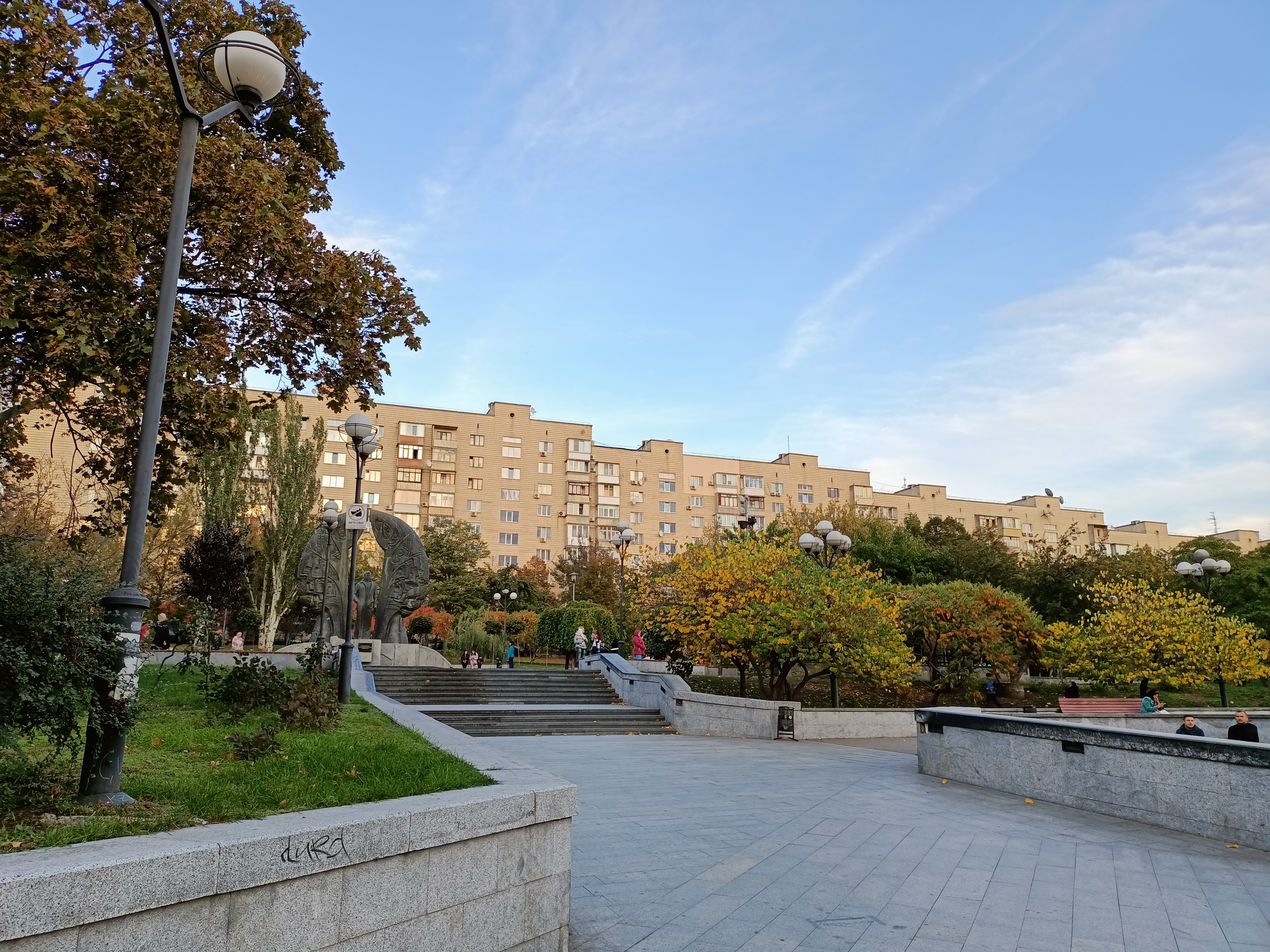
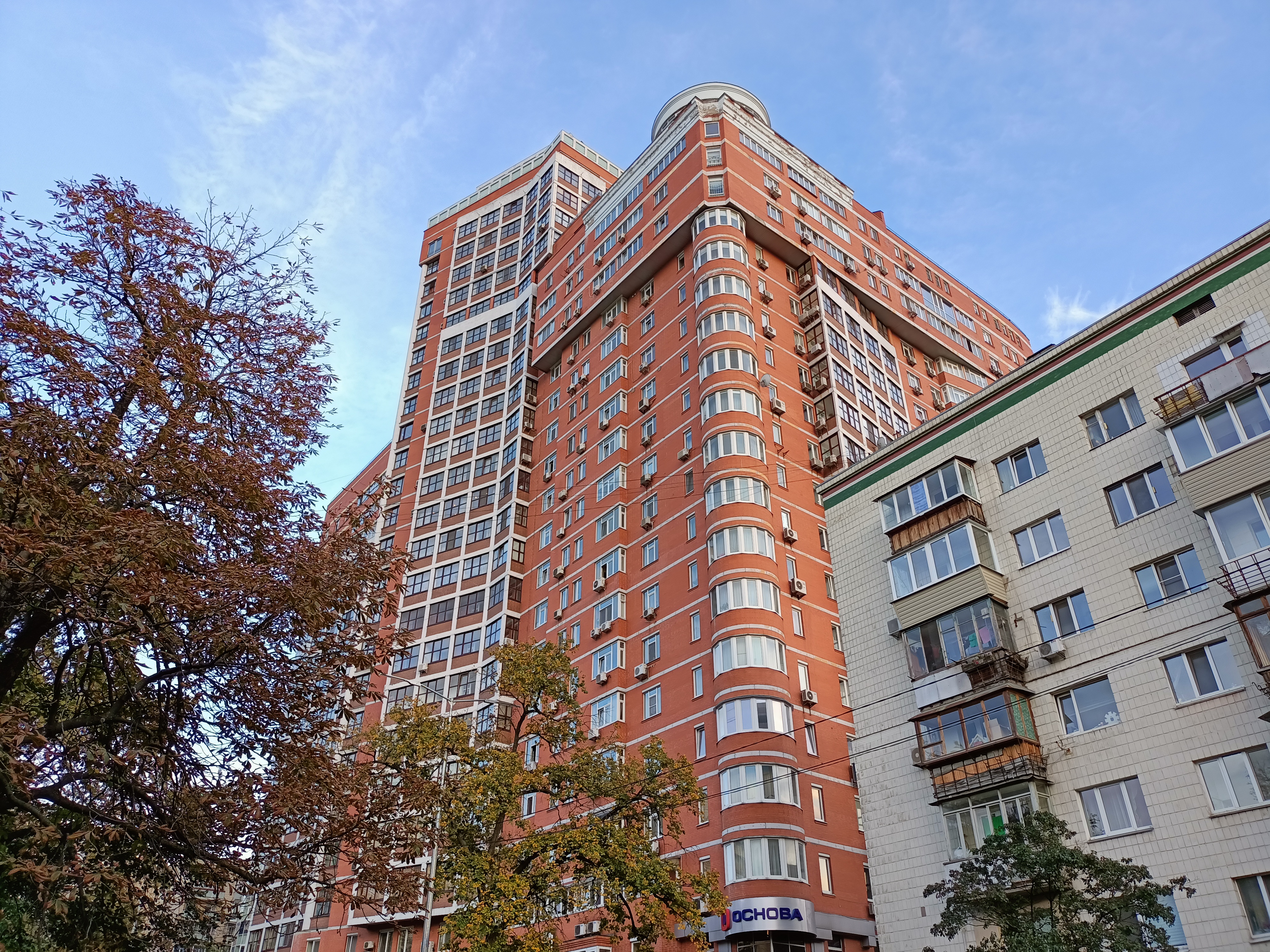
Considering the price category of the smartphone, it’s worthI can say that the main camera is of very good quality. Good photos can be taken not only with good lighting. Night mode also works very well in most cases, so a decent handheld photo can be taken. It's quite possible to get it. There is an additional mode “tripod” with an even longer shutter speed. But it's really only suitable for shooting on a tripod. The originals can be viewed here.
</ img>
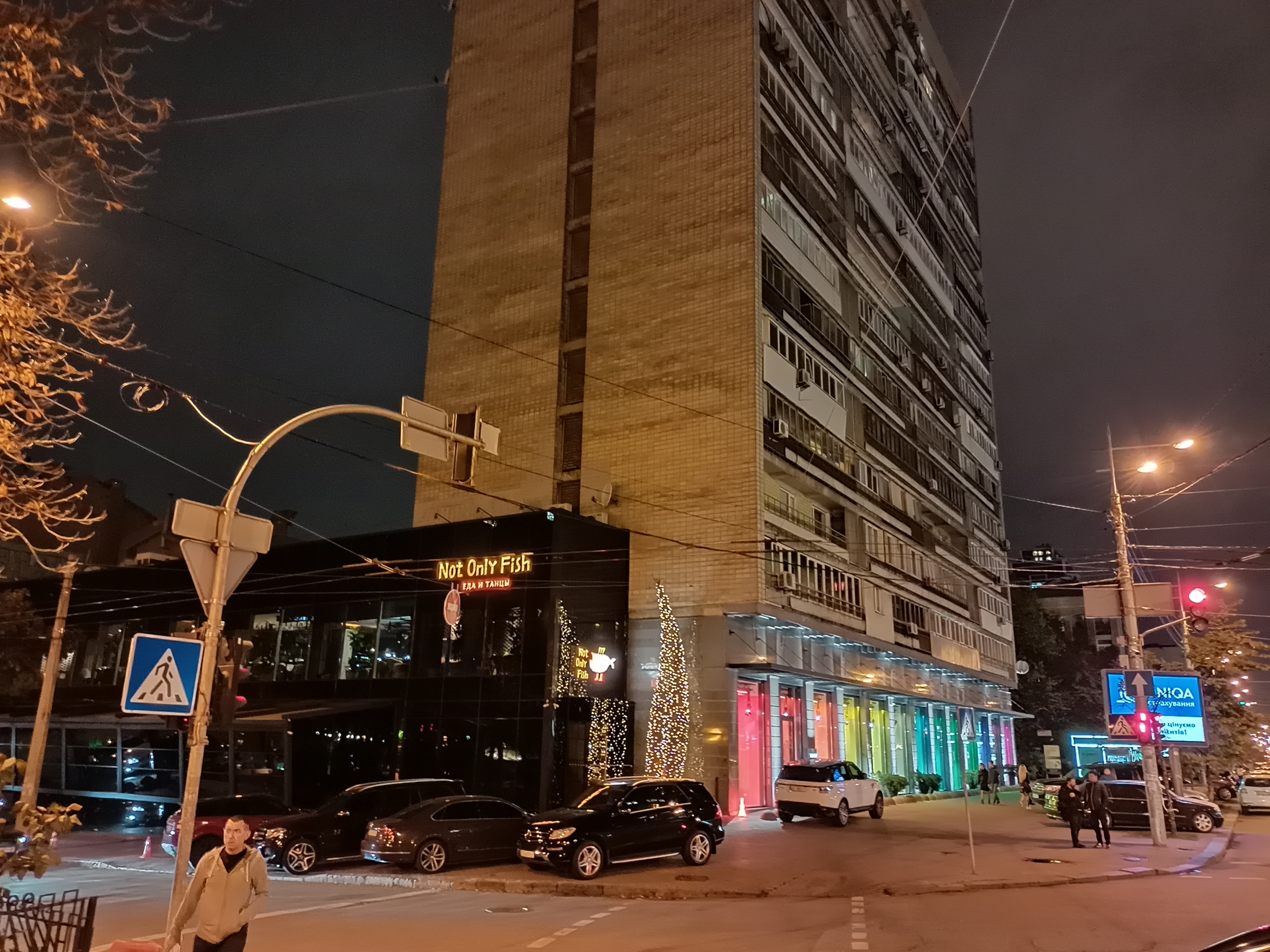
</ img>
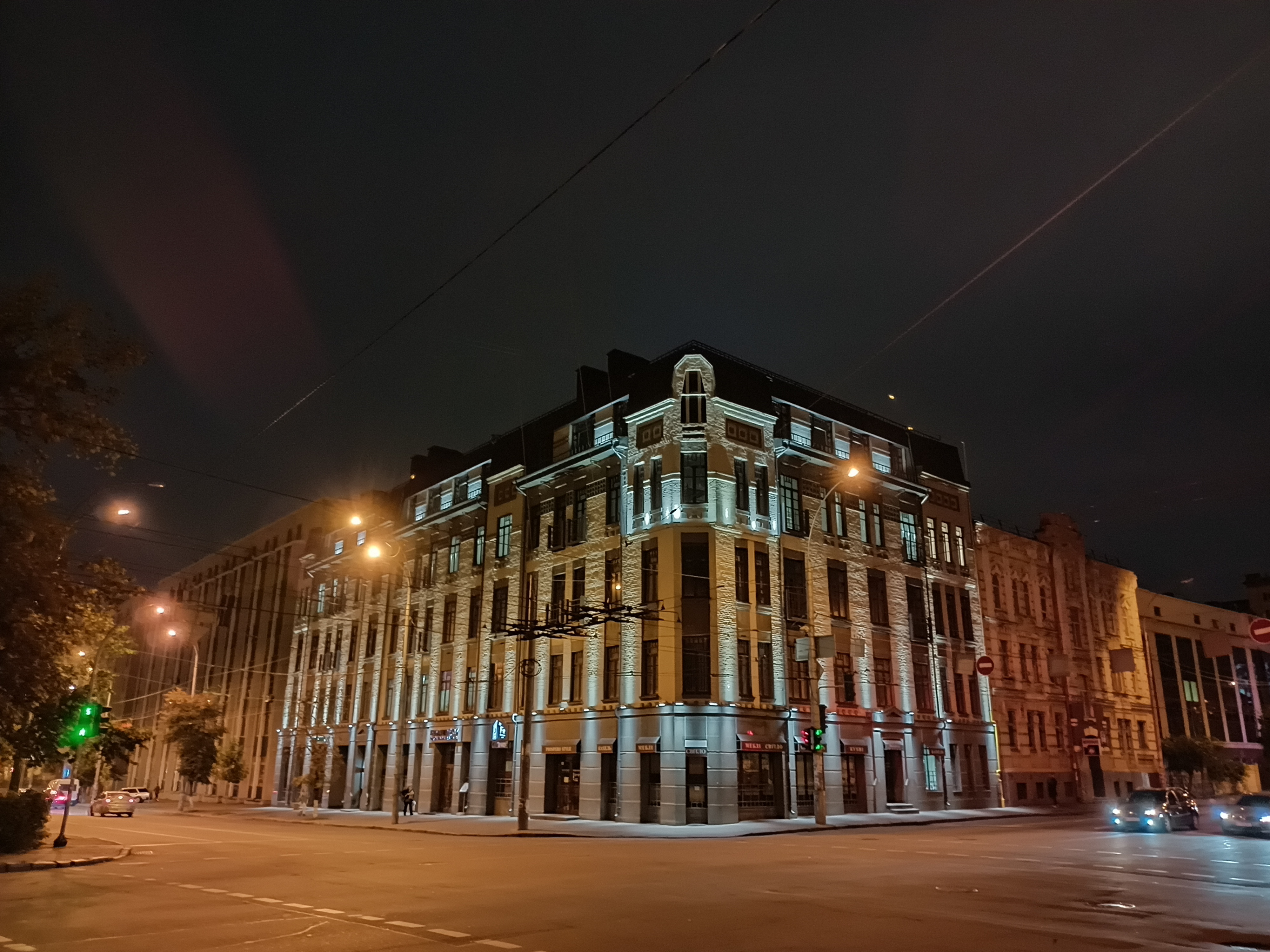
</ img>
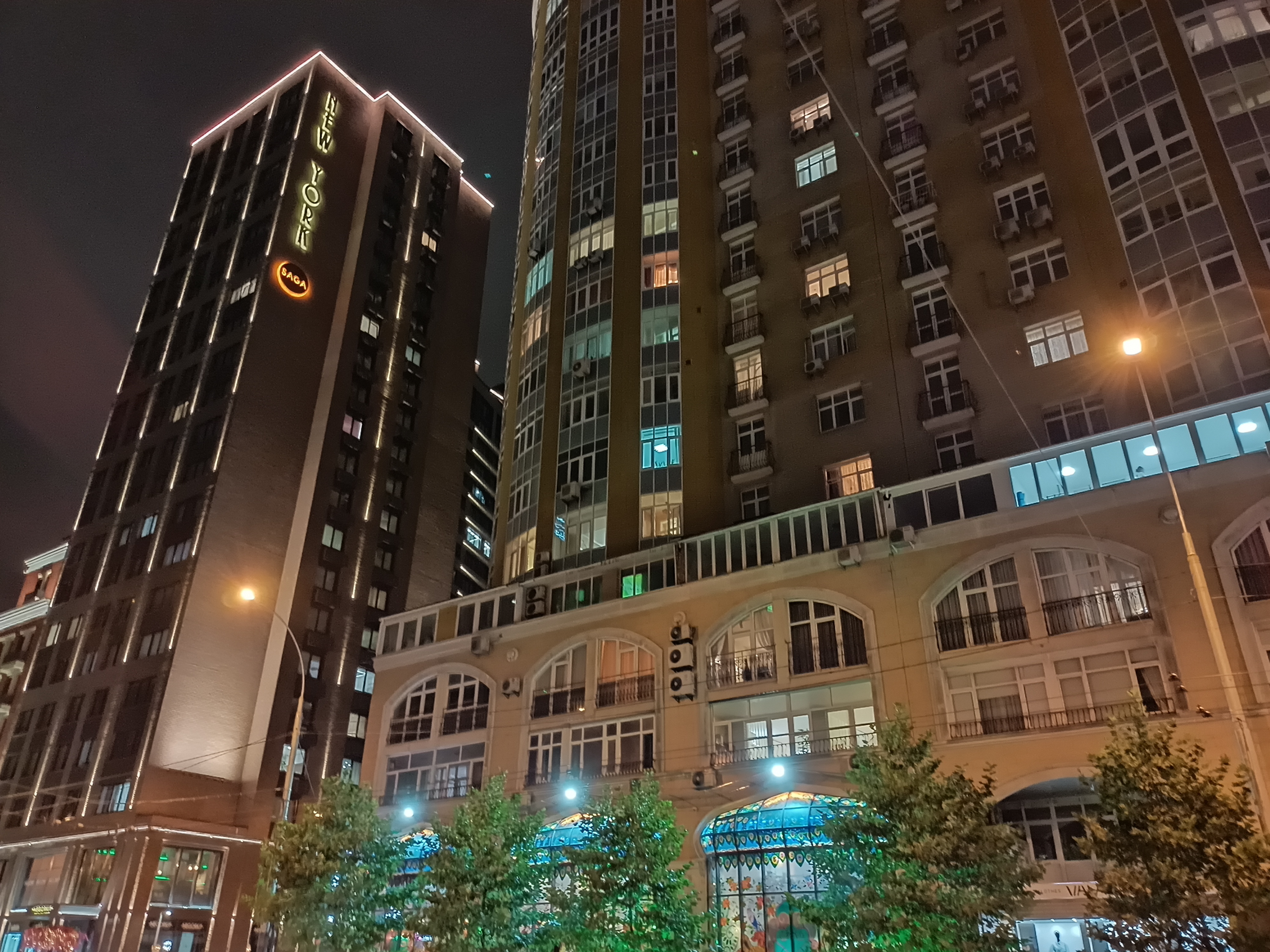
</ img>
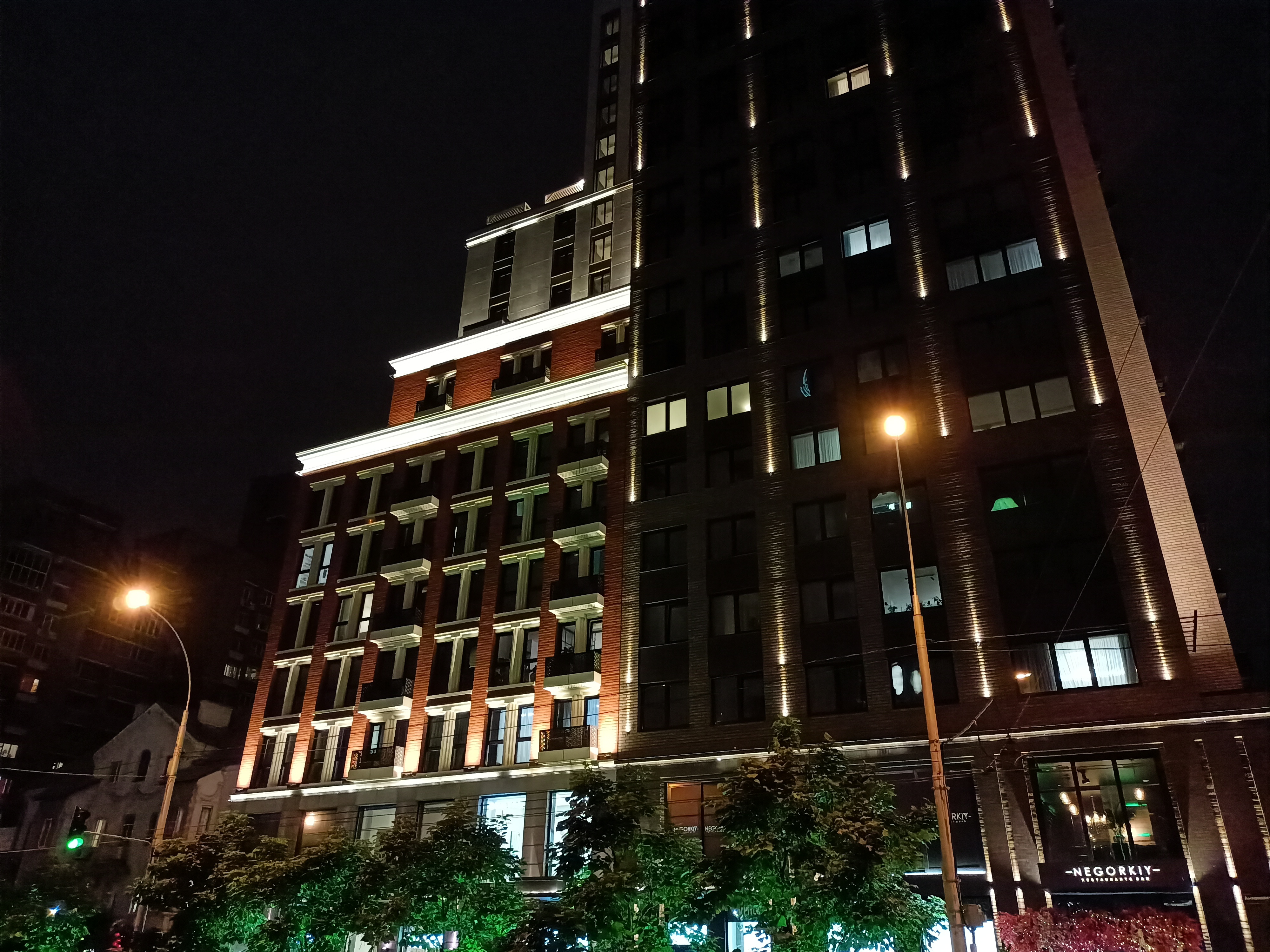
</ img>
</ img>

</ img>

</ img>
</ img>

</ img>

</ img>

</ img>

</ img>
</ img>
</ img>
</ img>

</ img>
</ img>


















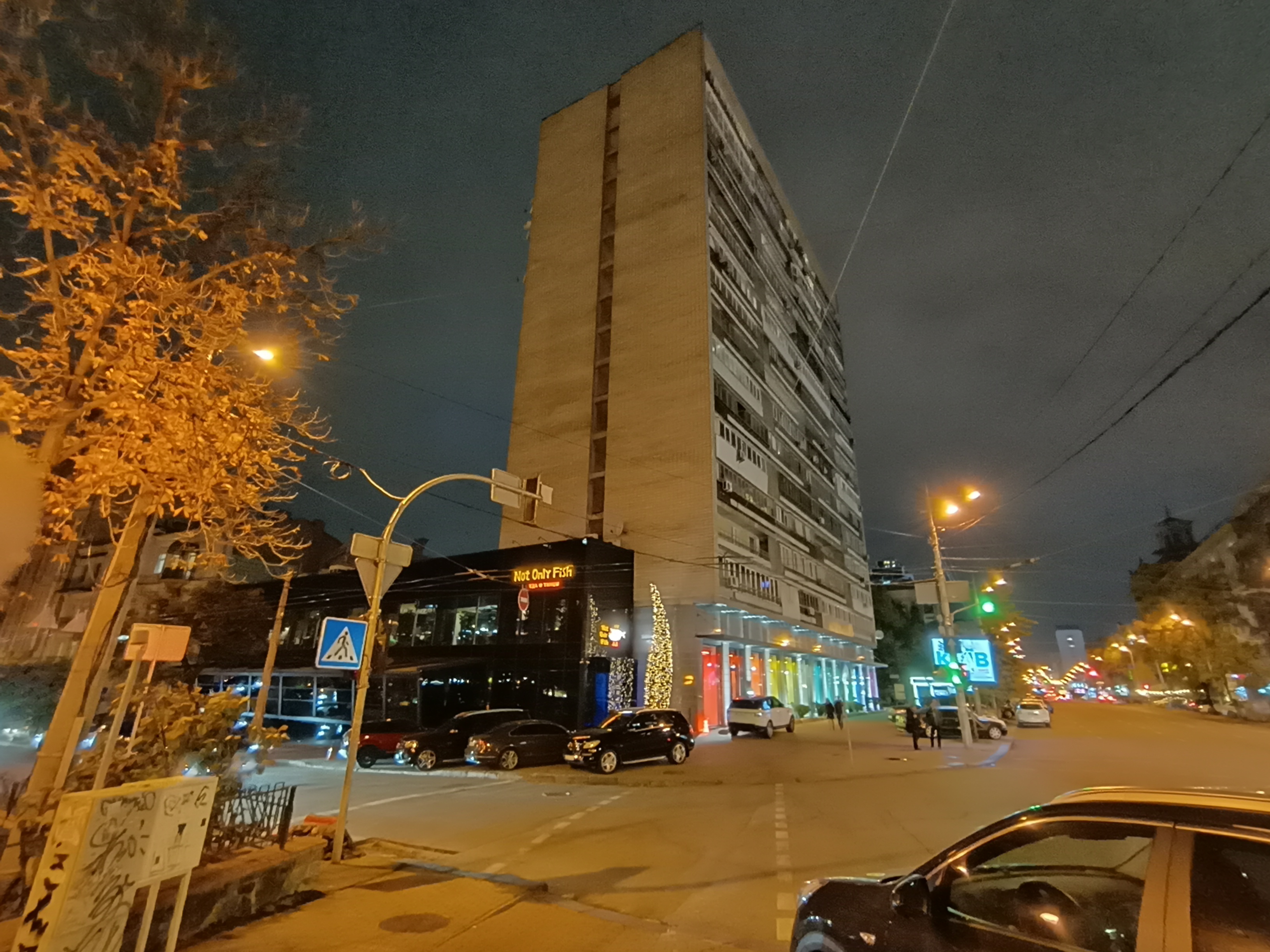
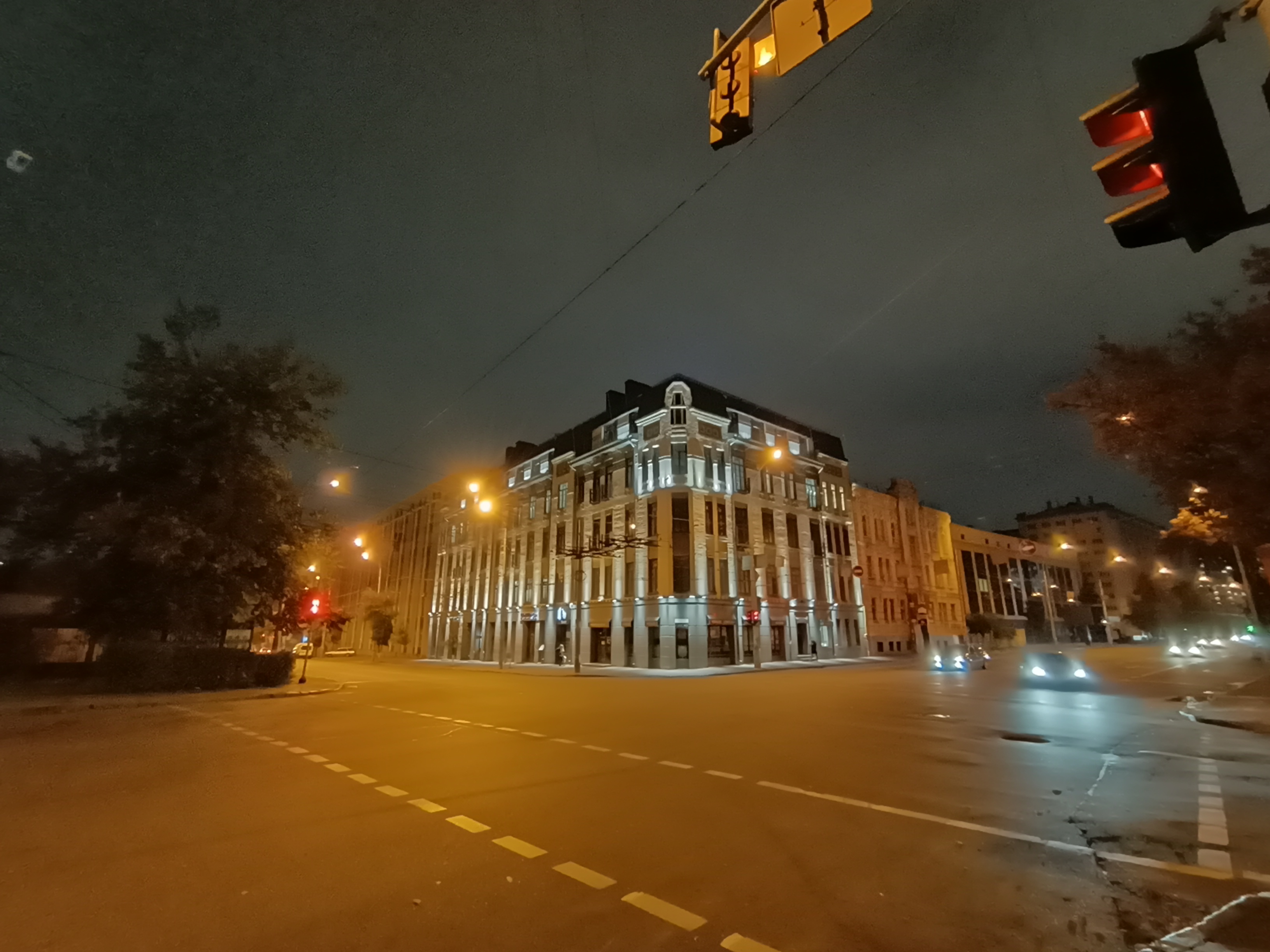
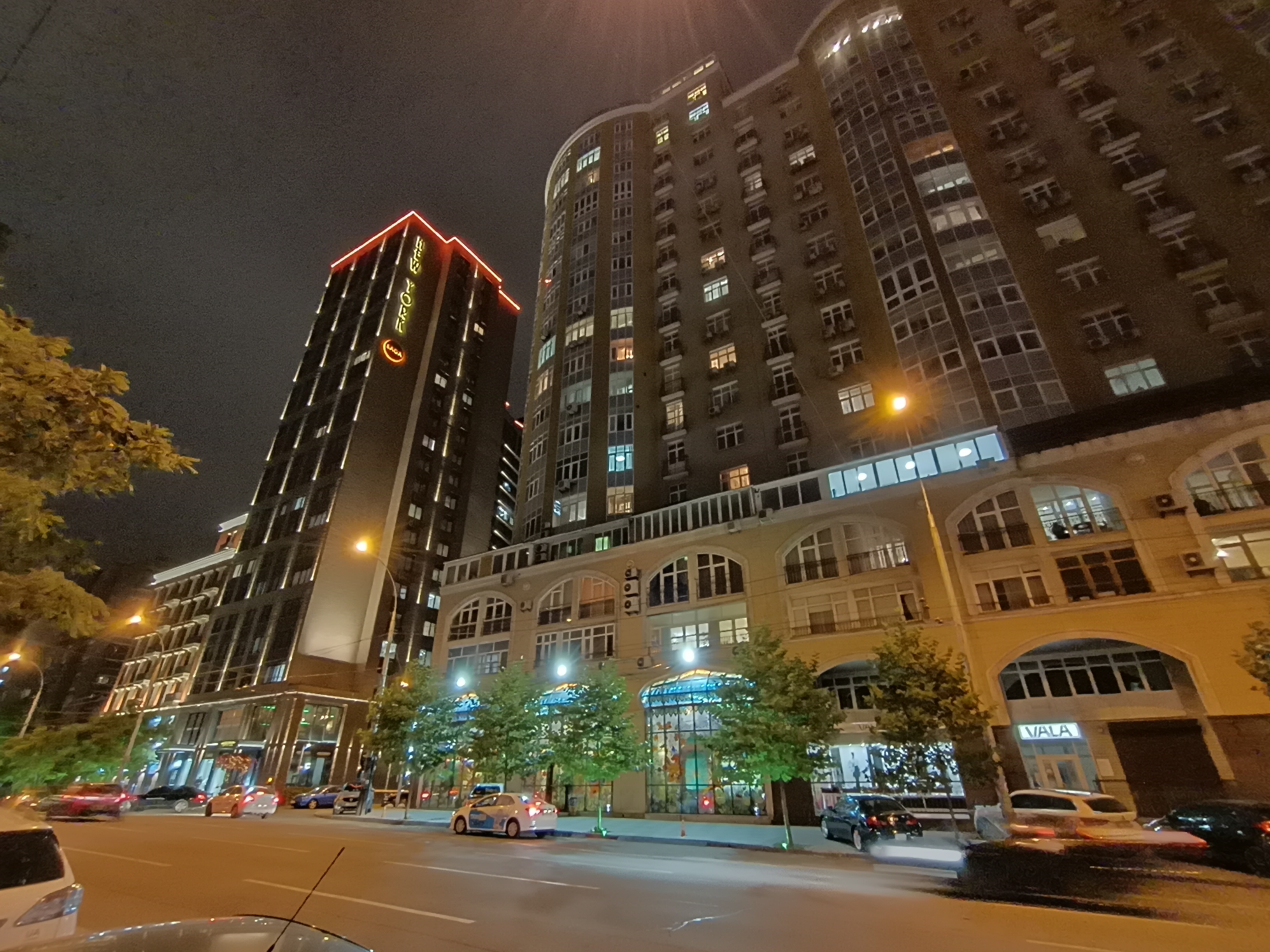
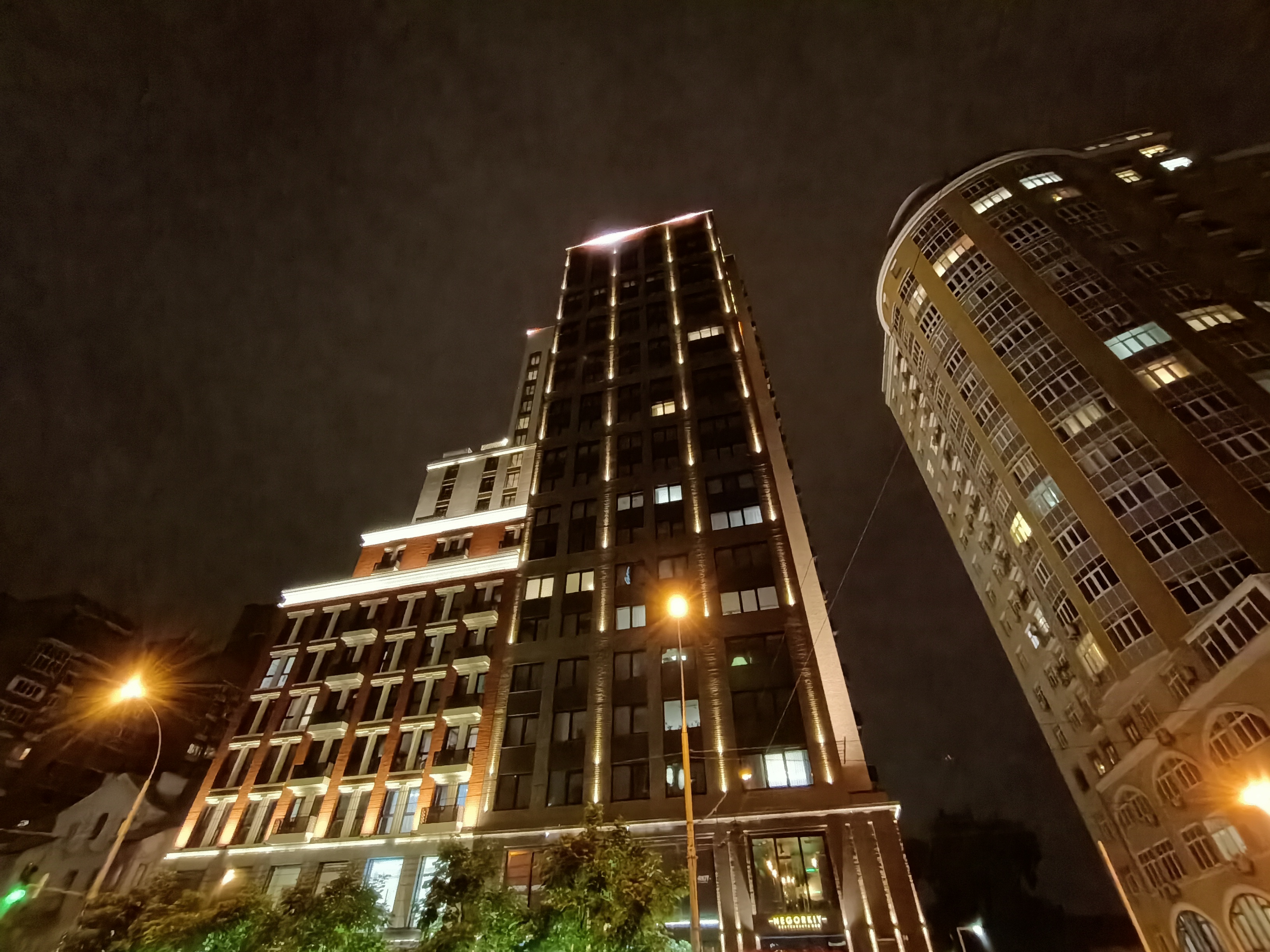
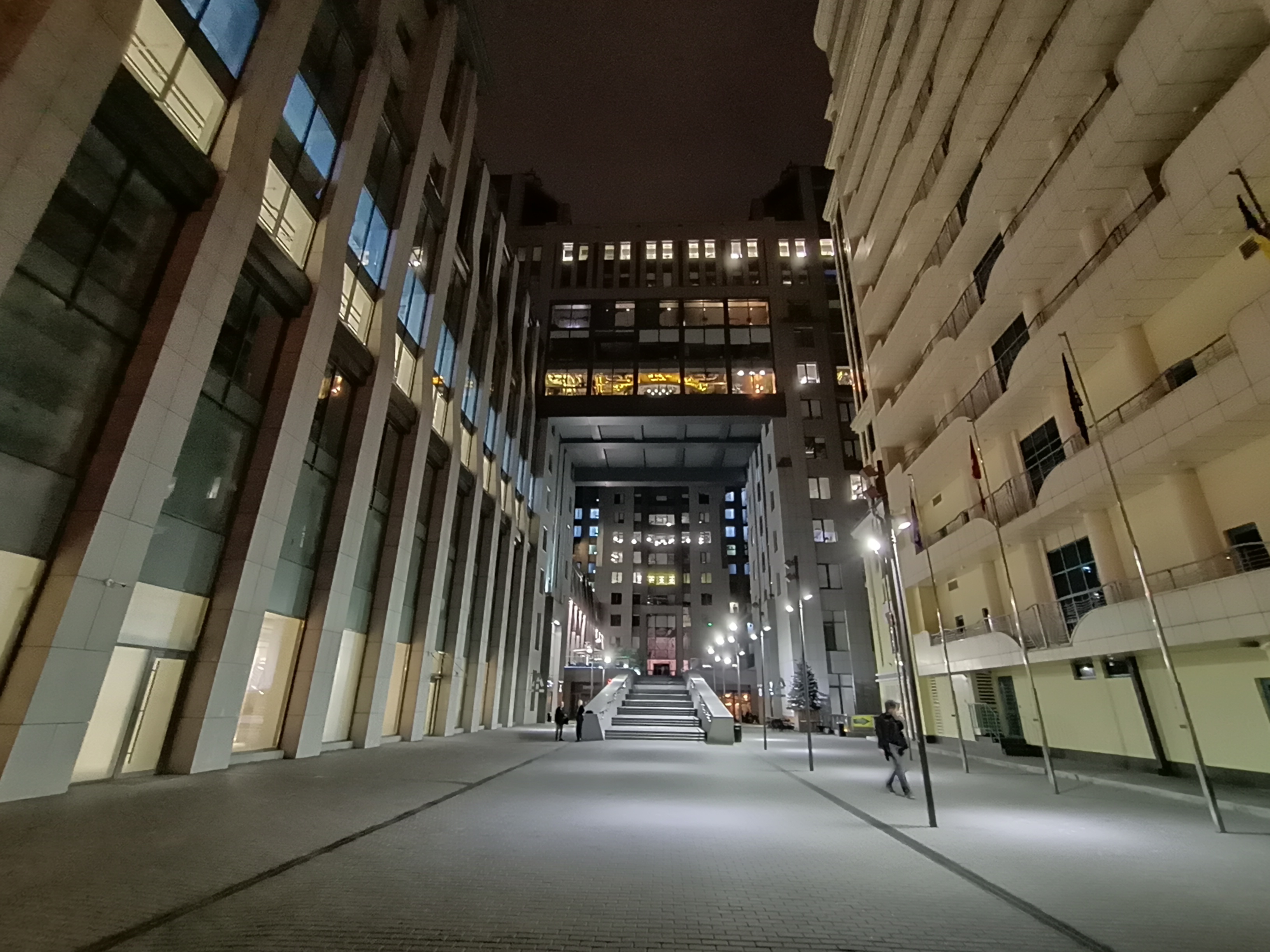
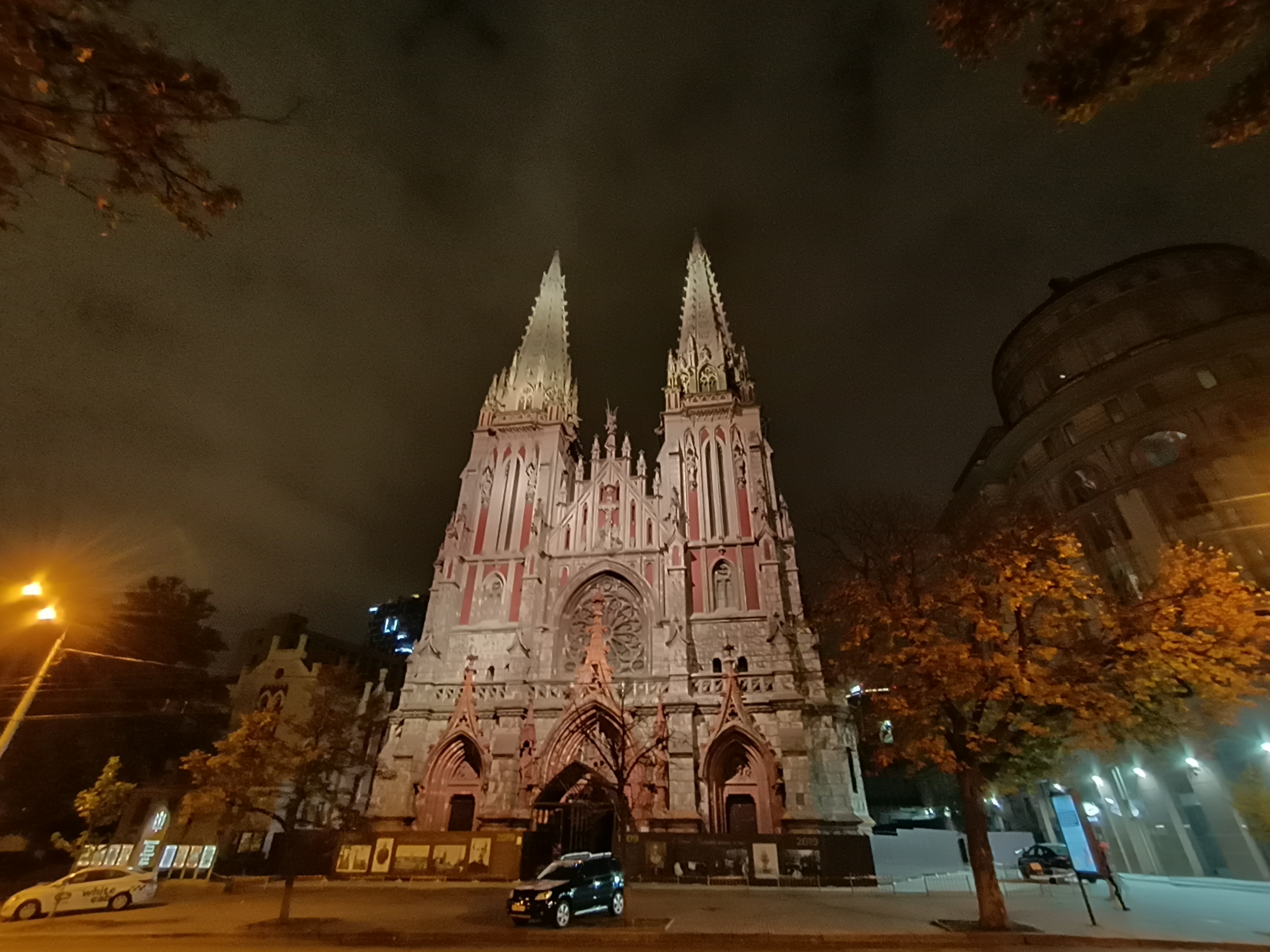
The wide angle shoots well during the day, but in low light the picture already becomes a little soapy:
</ img>
</ img>
</ img>
</ img>
</ img>
</ img>
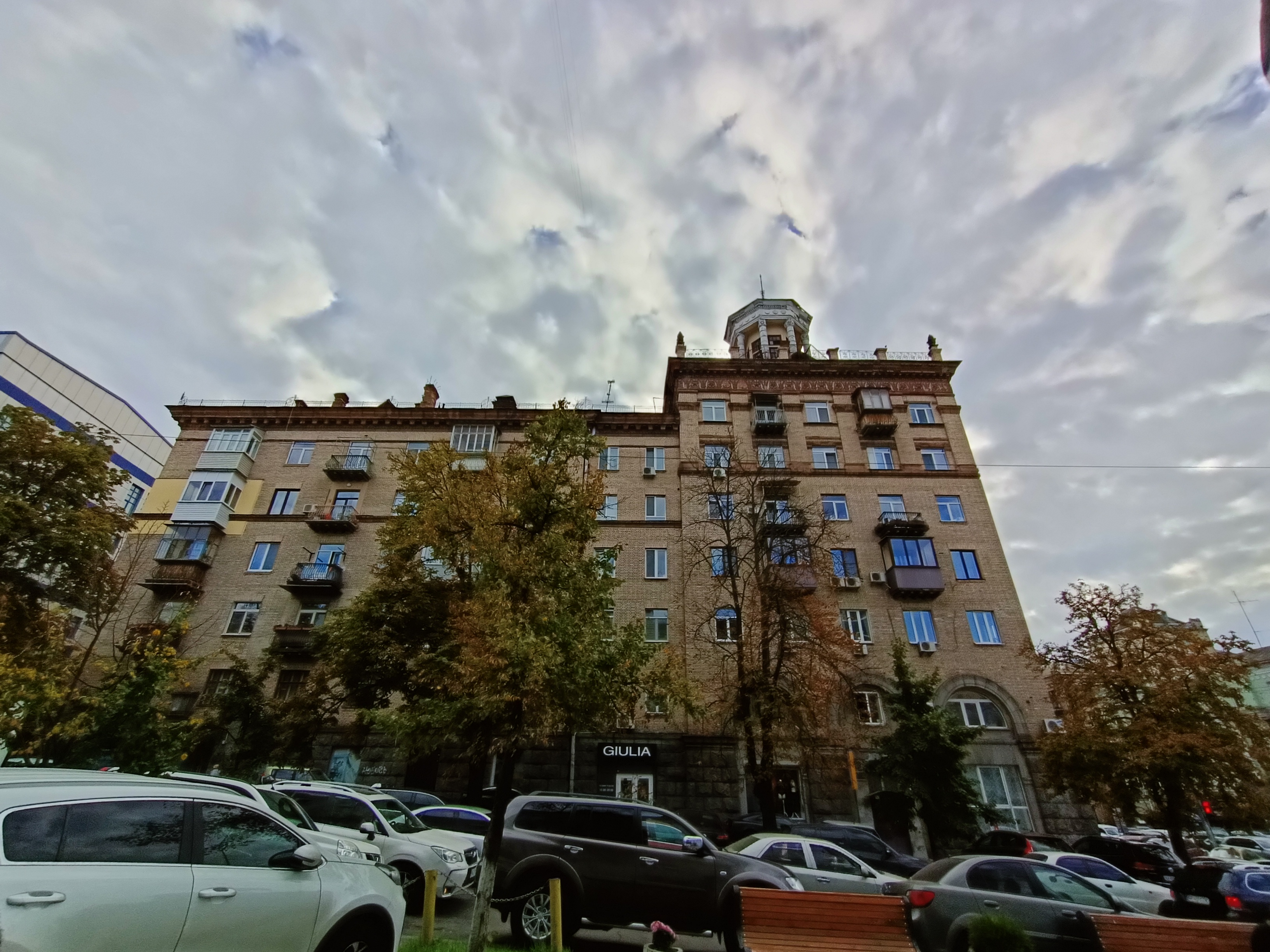
</ img>

</ img>
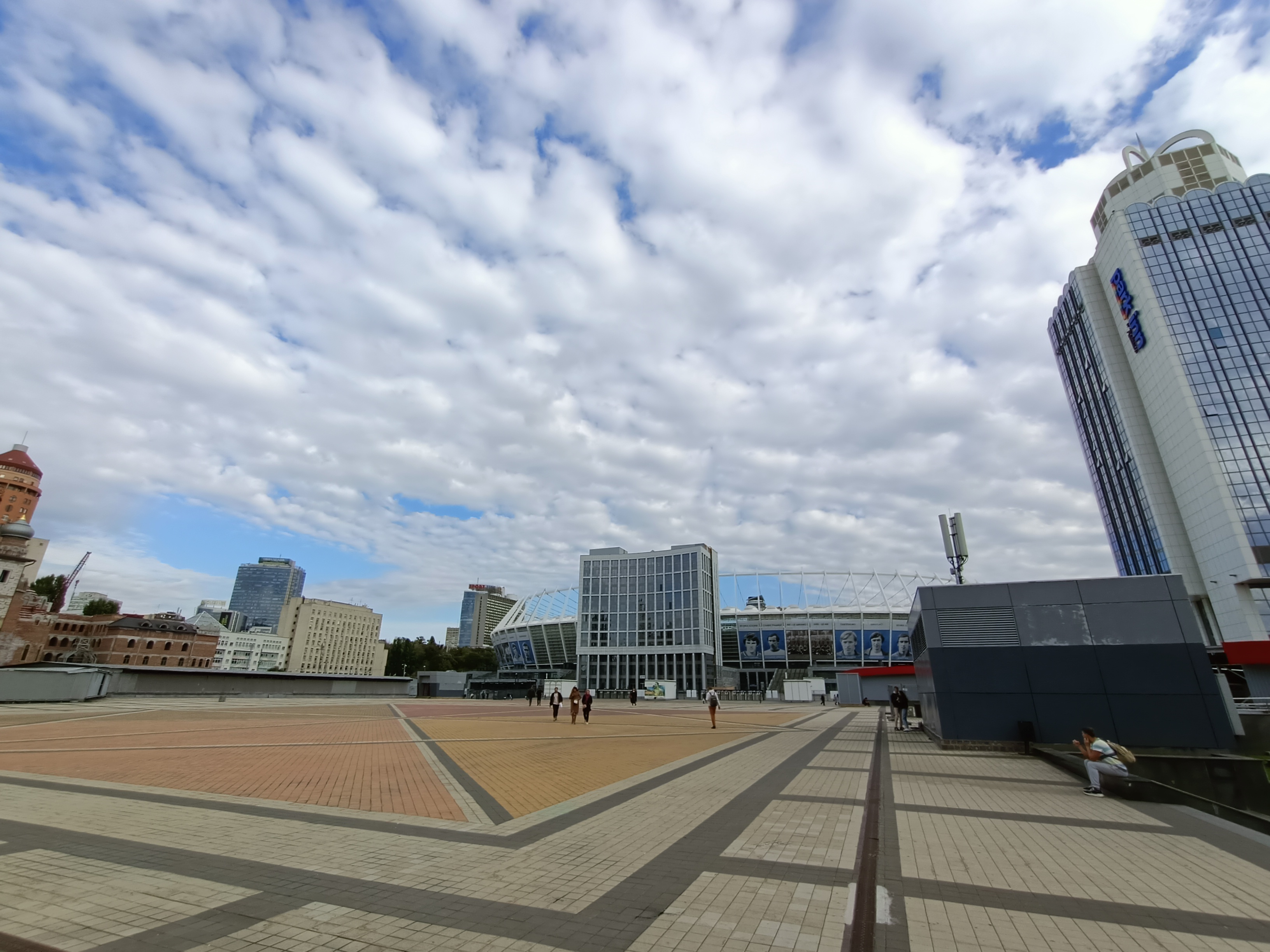
</ img>

</ img>

</ img>
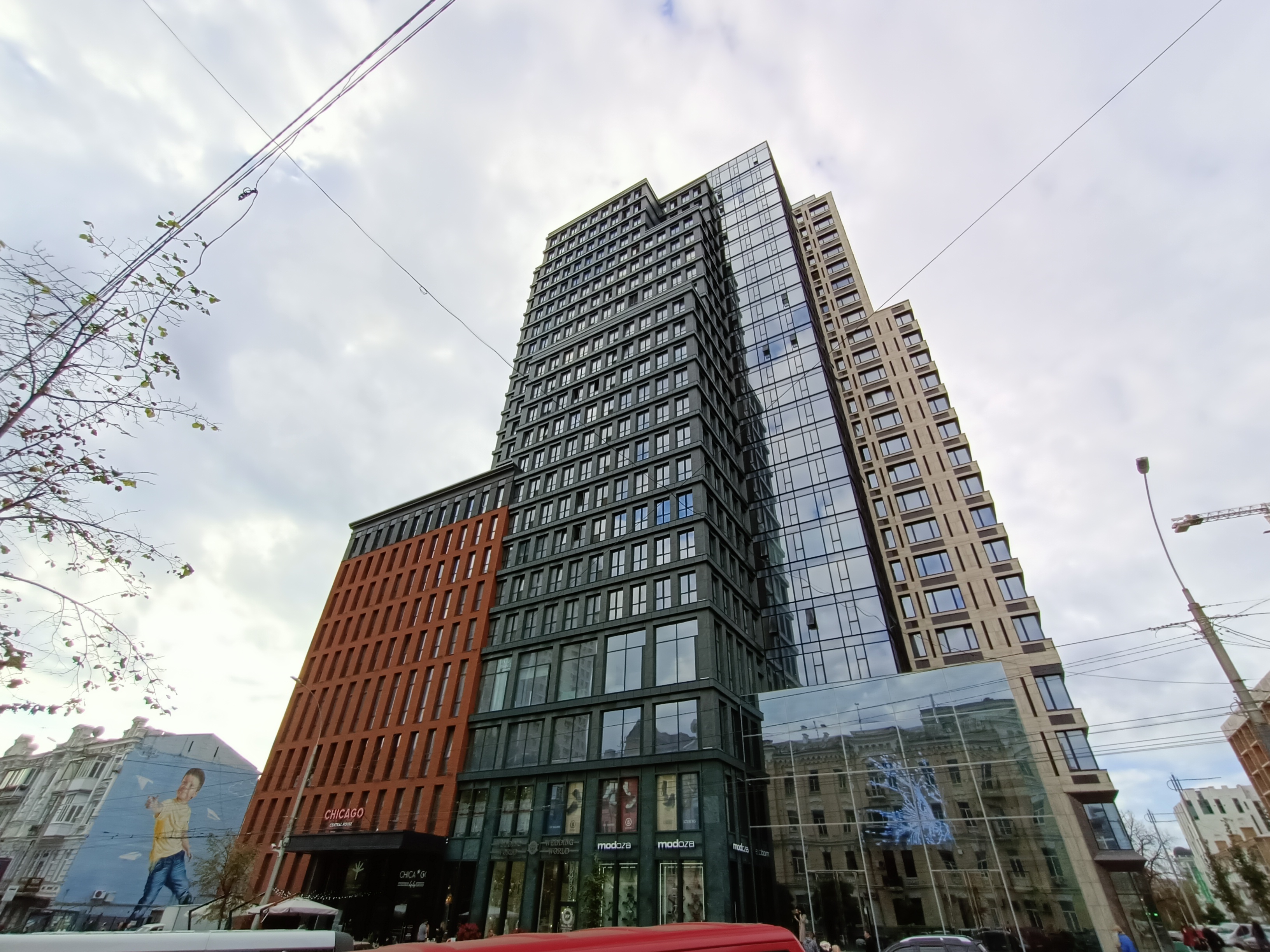
</ img>
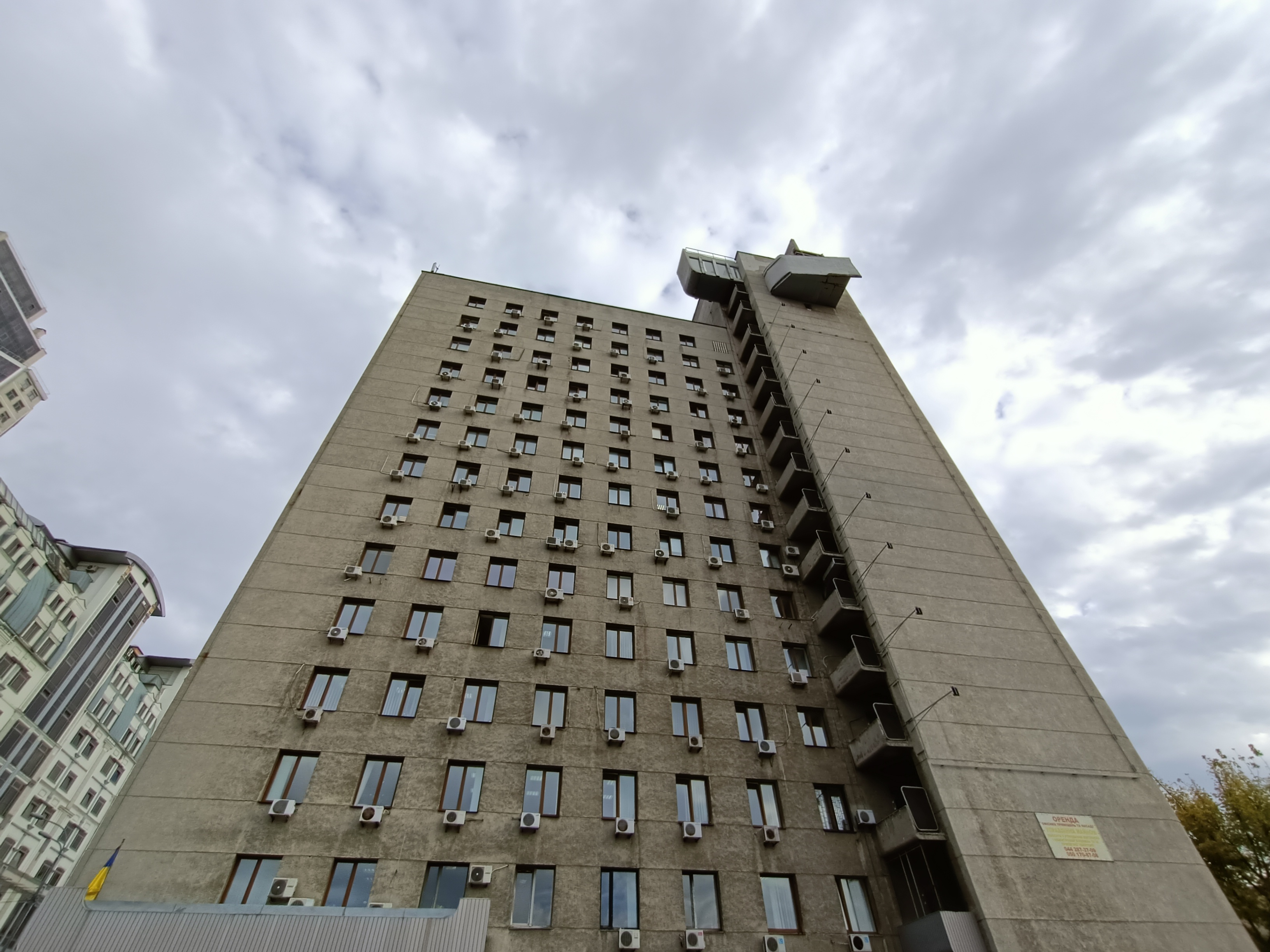
</ img>
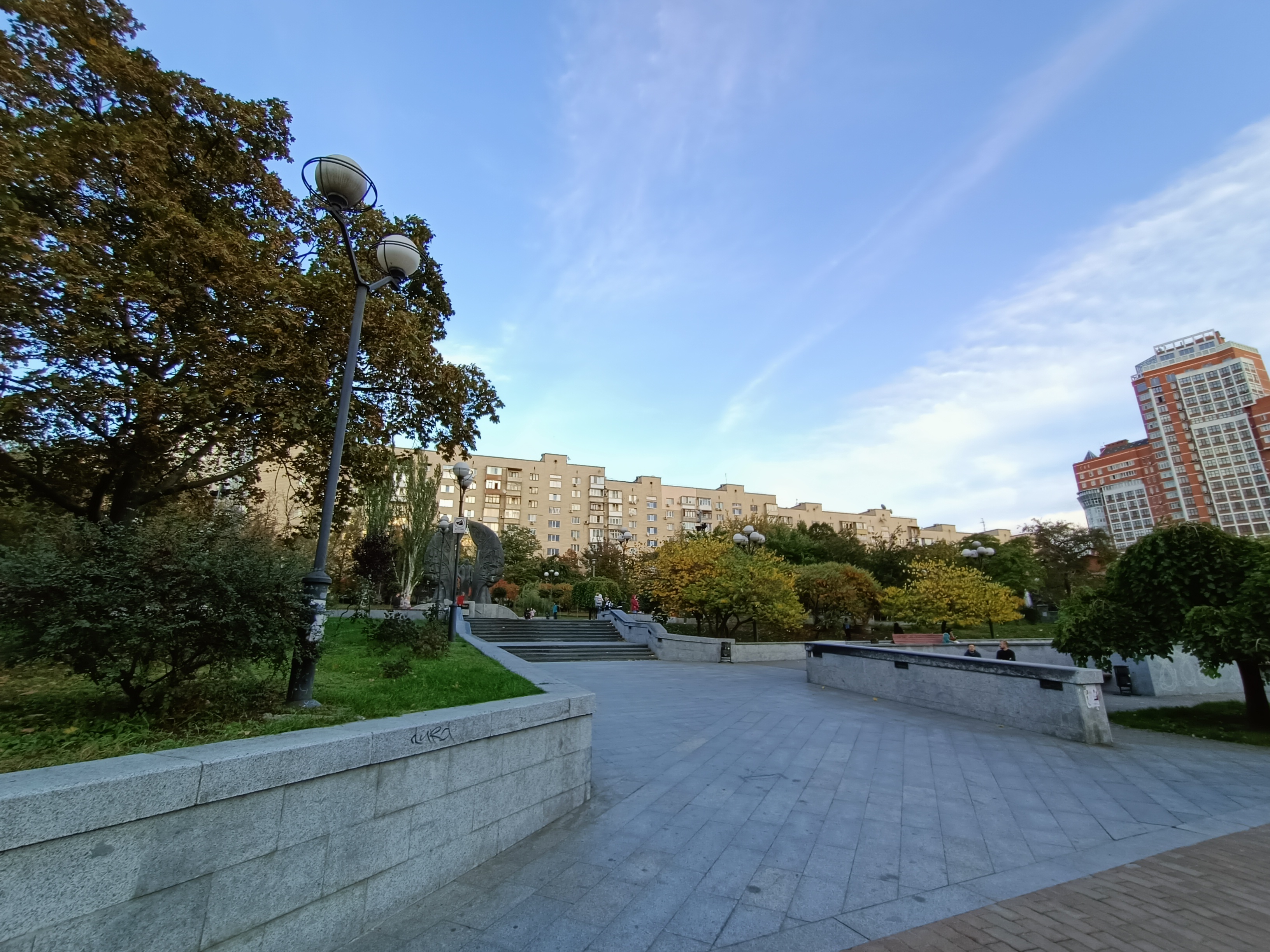
</ img>

</ img>
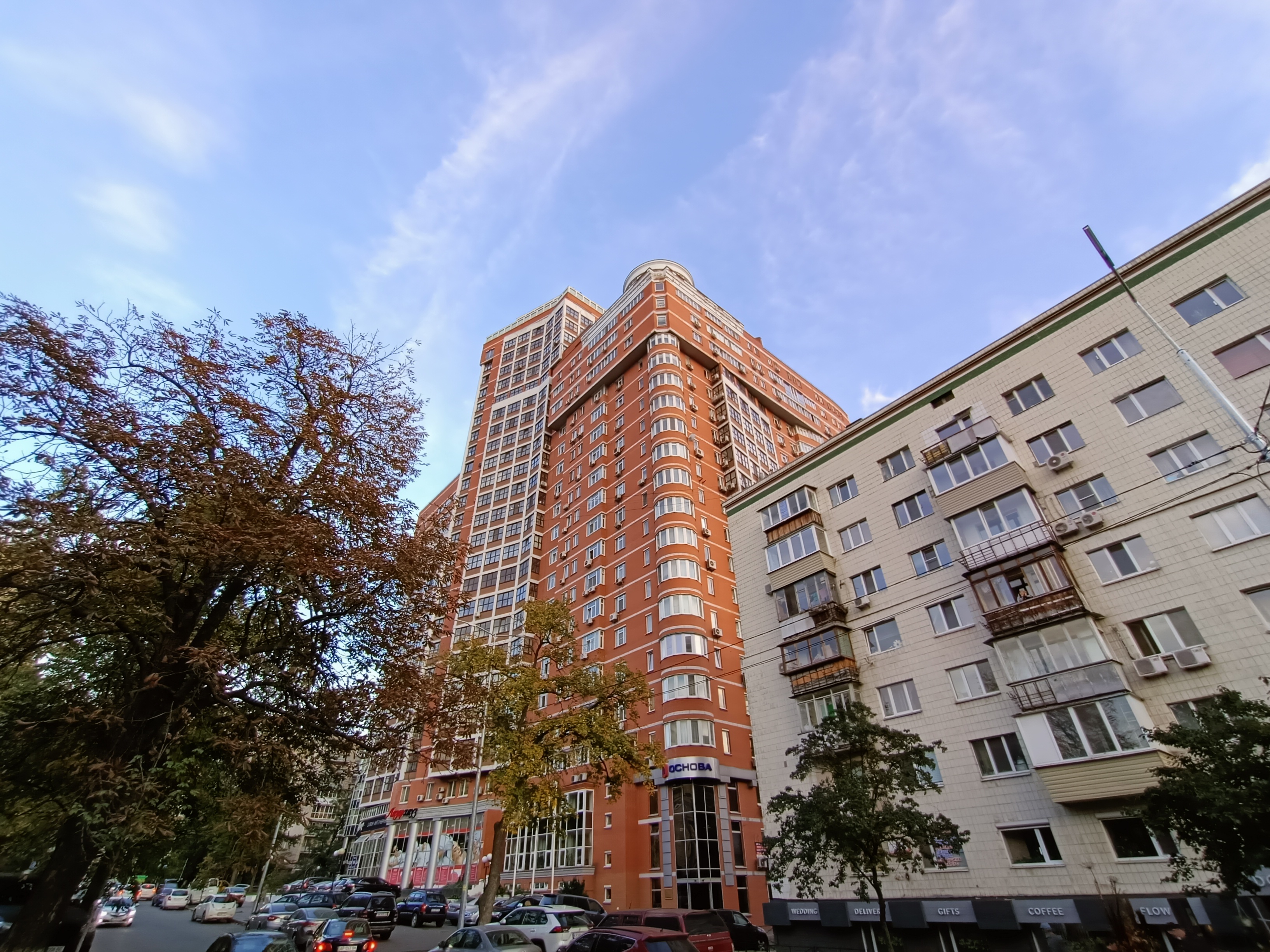
</ img>
















Zoom:
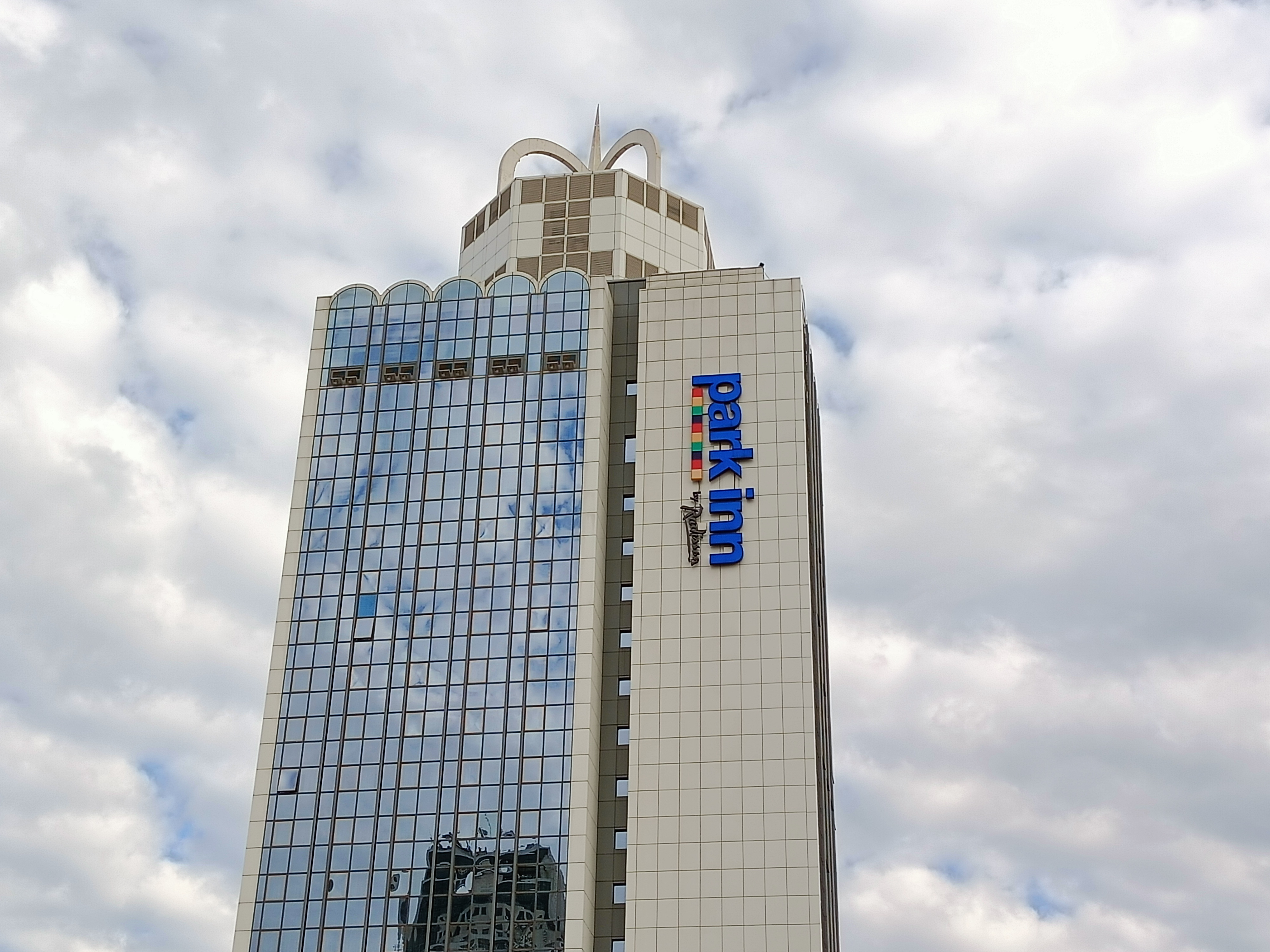
</ img>

</ img>

</ img>
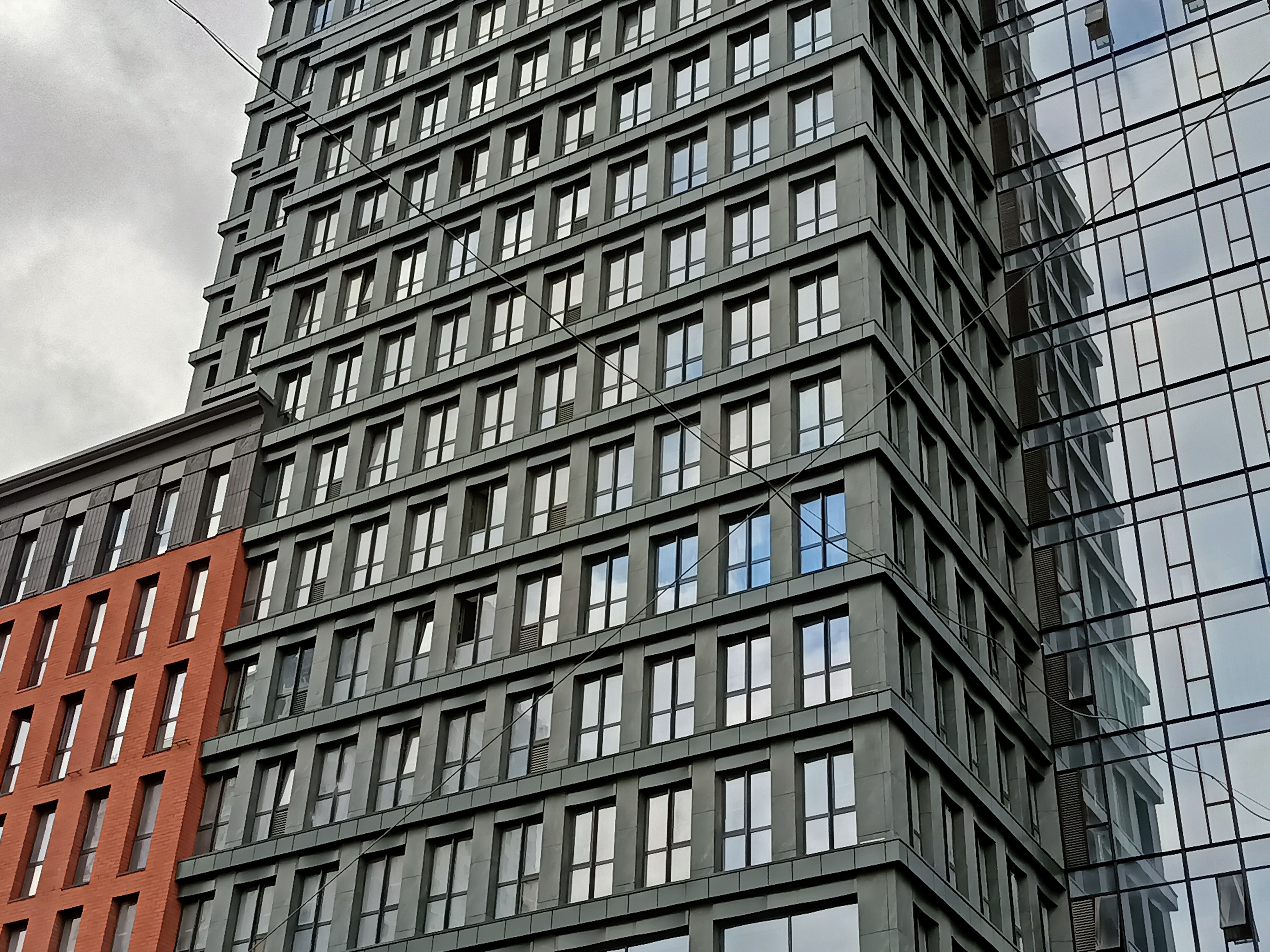
</ img>
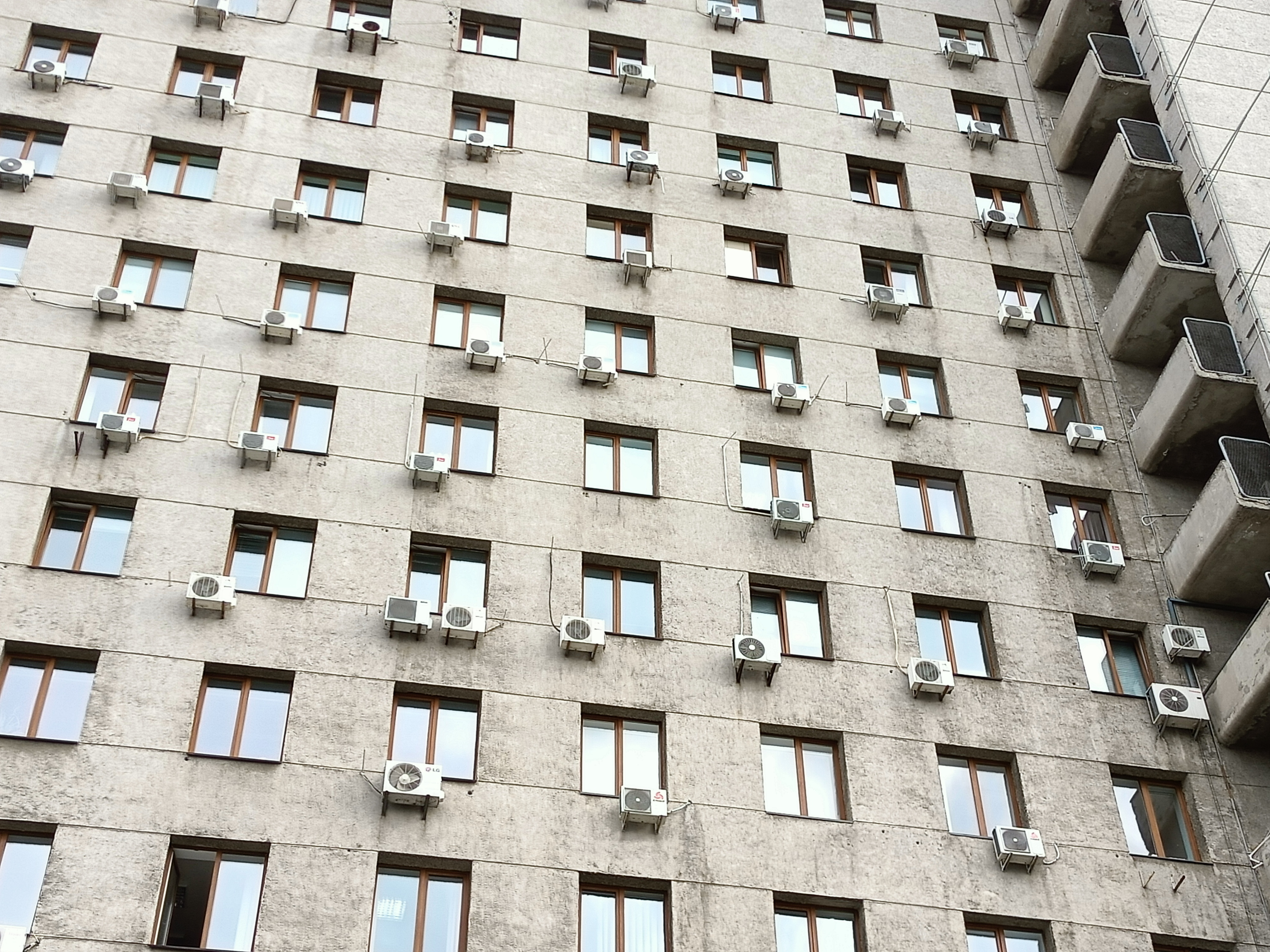
</ img>

</ img>
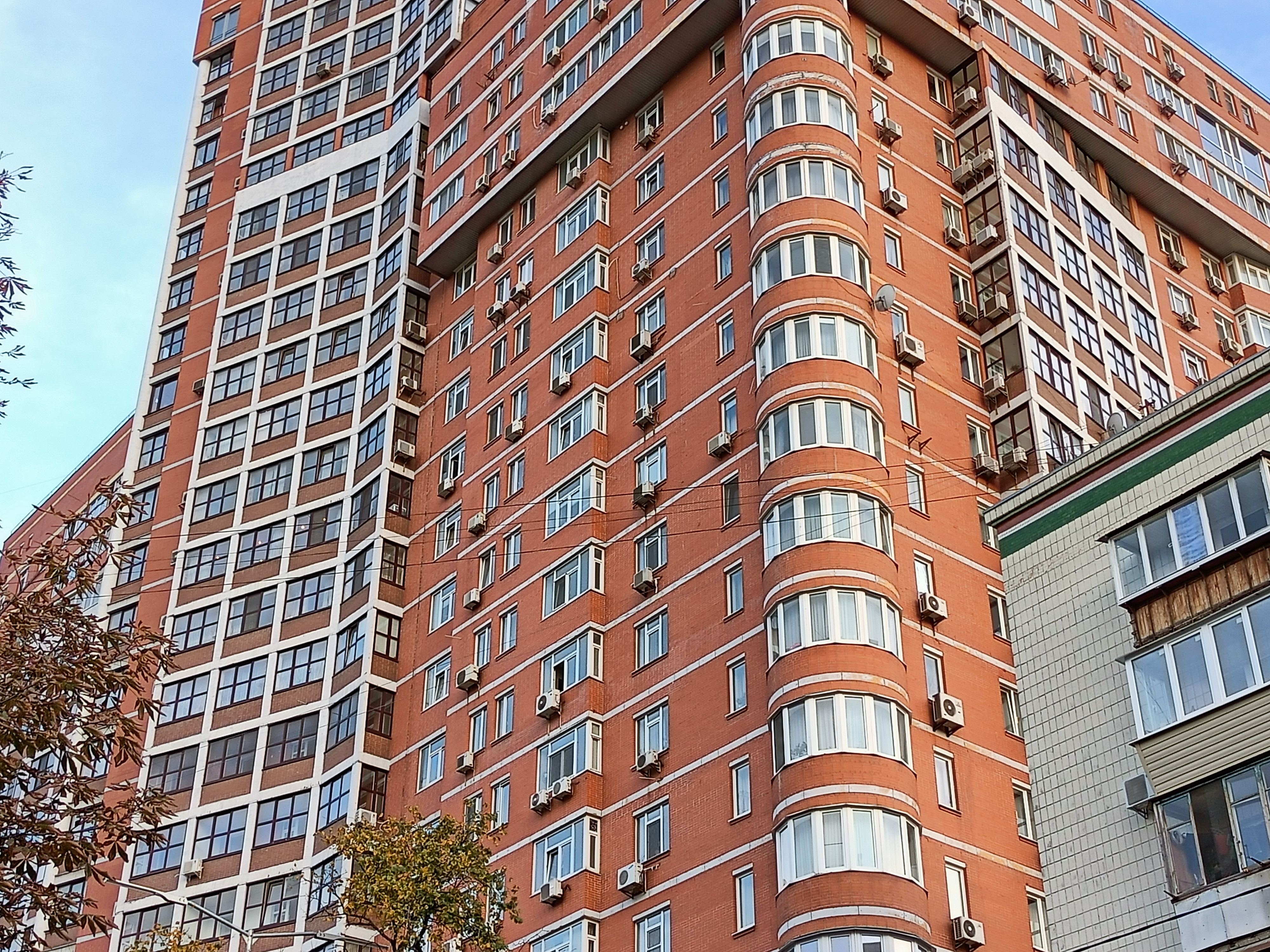
</ img>







Blurring the background works in general like most similar mid-range smartphones. Not bad, but sometimes wrong. For example, as with the cable in the photo below:
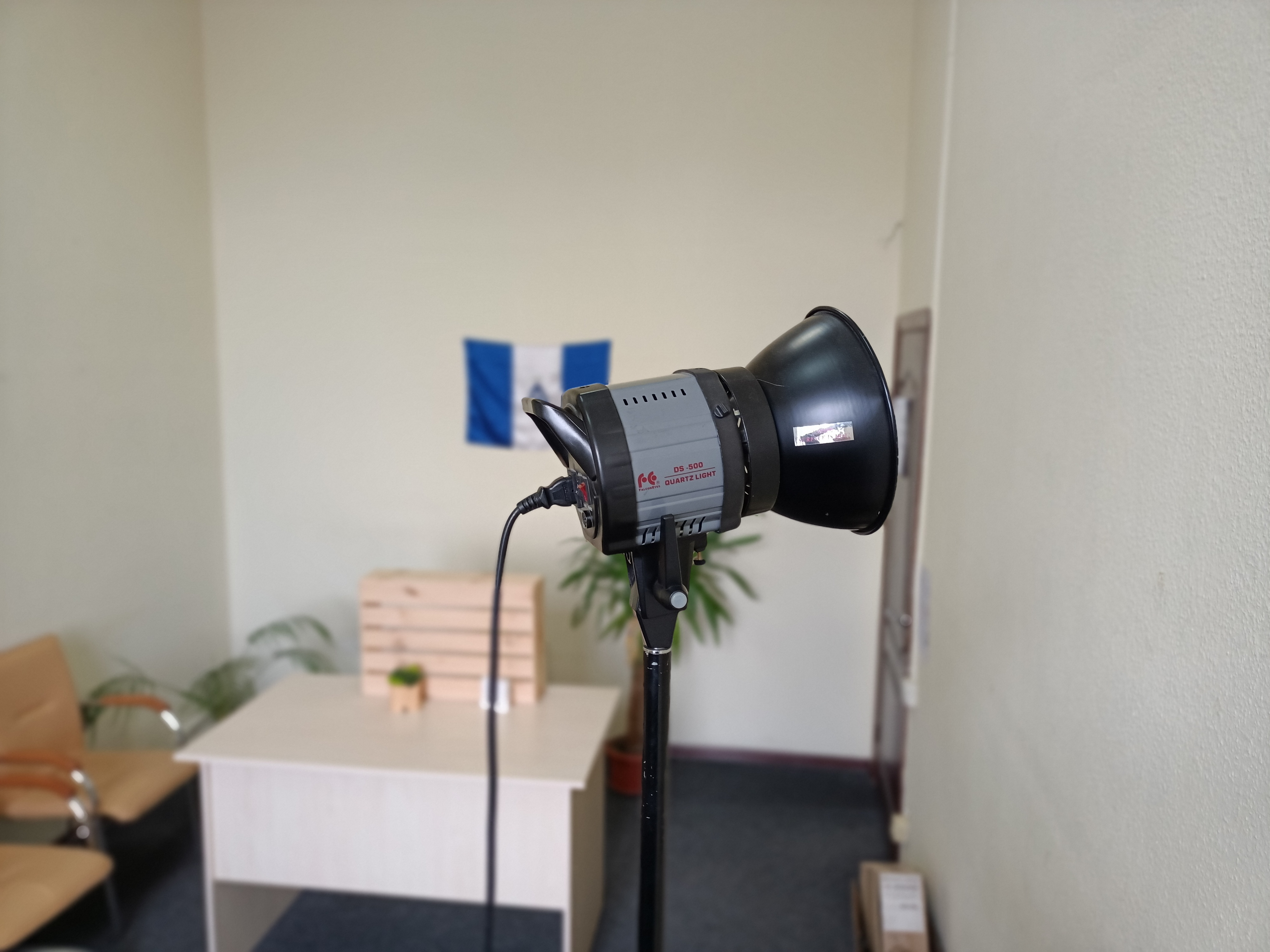
</ img>
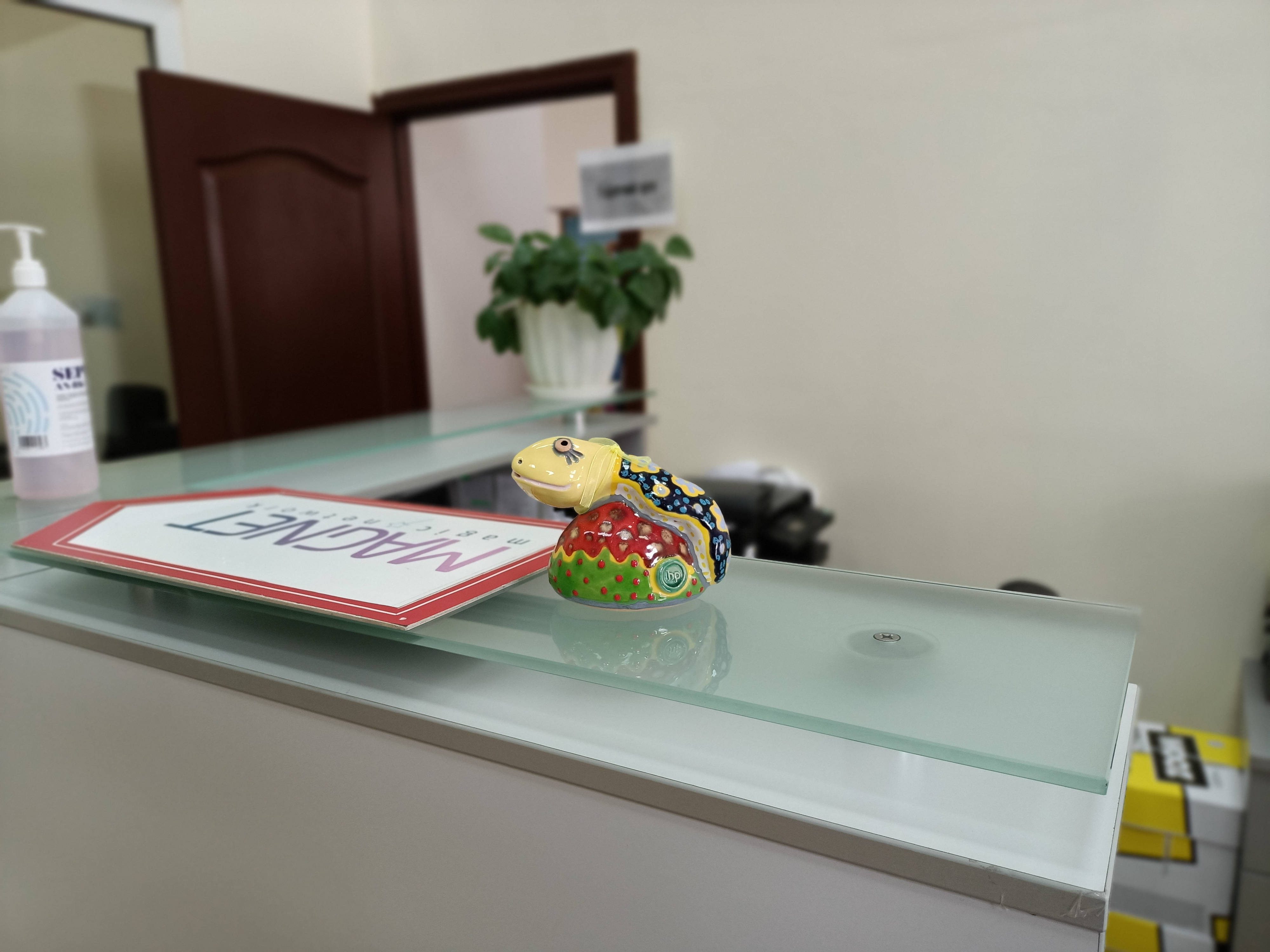
</ img>

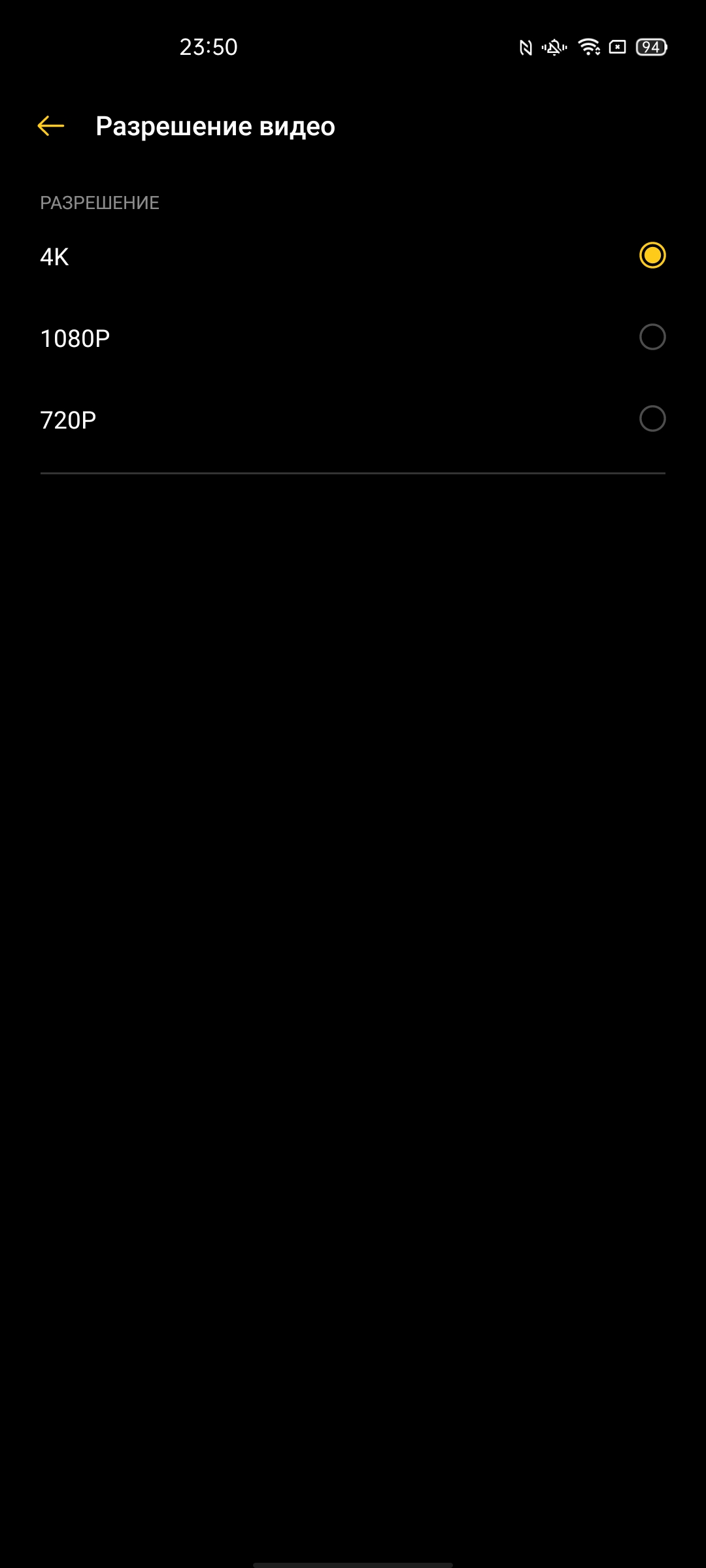
Video is not the strongest side of the smartphone: there is no stabilization at all in 4K and it looks rather sad:
Digital stabilization is available in FullHD. It doesn't work perfectly, but it does quite well. Although the detail of the picture itself drops.
</ p>The bottom line is. 3 things you need to know about OPPO Reno4 Lite:
- OPPO Reno4 Lite looks decent and modern, but the case is plastic, so it's worth using a protective bumper.
- The smartphone has a good AMOLED screen withFullHD+ resolution with a standard refresh rate of 60 Hz, a modest Mediatek Helio P95 processor, 8 GB of RAM and 128 GB of internal memory, expandable (separate slot). NFC is available, you can pay in stores.
- The rear camera includes four modules: the main one shoots well (as for its price), the wide-angle one is not bad, the two depth sensors are of little use.
OPPO Reno4 Lite Specifications
Display
AMOLED, 6.43 inches, 2400×1080 (20:9 aspect ratio), 409 ppi, Gorilla Glass 3
Housing
dimensions: 160.1×73.7×7.4 mm, weight: 164 g
CPU
64-bit 12nm Mediatek Helio P95 (MT6779): 2×2.2 GHz Cortex-A75 + 6×2.0 GHz Cortex-A55, PowerVR GM9446 graphics accelerator
RAM
8 GB LPDDR4X
Flash memory
128 GB UFS2.1 + MicroSD
Camera
main module: 48 MP, f/1.7, 1/2.0″, 0.8µm, PDAF; ultra-wide angle: 8 MP, f/2.2, 1/4″, 119°; two depth sensors: 2 MP B/W; video: 2160p 30fps; Front camera: 16 MP, f/2.4, 1/3″, 1.0µm + 2 MP depth sensor
Wireless technology
Wi-Fi 802.11 a/b/g/n/ac (dual band, 2.4 and 5 GHz), Bluetooth 5.1 LE, NFC, SBC, AAC, aptX, aptX HD, LDAC
GPS
GPS, support A-GPS, Beidou, Glonass, GALILEO, QZSS
Battery
4015 mAh, non-removable; 18 W power supply included, support for VOOC 4.0 30 W
operating system
Android 10 + Color OS 7.2
Sim card
2xNanoSIM
Additionally
optical in-screen fingerprint scanner
For those that want to know more:
- Huawei P40 Pro review: buy can't be ignored
- OPPO Find X2 review: fantastic screen and maximum performance
- OPPO A31 review: a budget Android smartphone with a modern design and a triple camera
- Huawei P40 Lite review: the first Huawei AG-smartphone in Ukraine
- Realme 5 Pro review: an inexpensive smartphone with a quad camera and a daring design
- Realme X2 Pro review: 90 Hz screen, Snapdragon 855+ and lightning fast charging
- Samsung Galaxy S10 Lite review: flagship at the minimum
- Samsung Galaxy A71 review: potential mid-range bestseller