British scientists led by the University of Leeds in collaboration with the University of Edinburgh
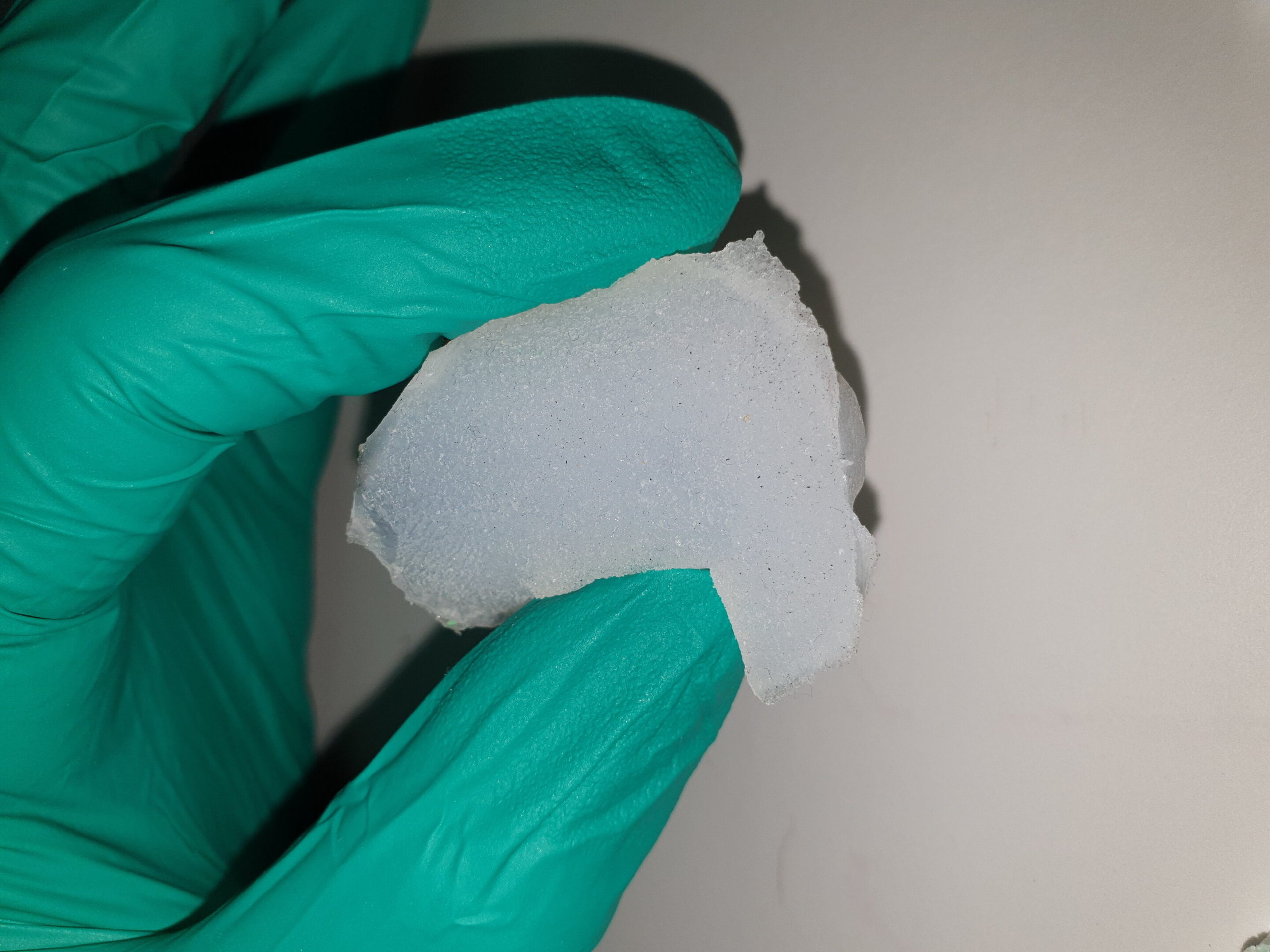

The printed language will help developers validate newly developed products and speed up development processes without the need for early human testing.
In particular, since the onset of the COVID-19 pandemic, social distancing has created significant challenges for such sensory tests and consumer tests.Artificial language will also help with this.
Reconstructing the surface of the average human language presents unique architectural challenges.Hundreds of small kidney-like structures called papillae give the tongue its characteristic rough texture, which, combined with the soft nature of the tissue, createsDifficult terrain.
Efren Andablo-Reyes, doctor and lead author of the study
The team made silicone impressions of the surfacesthe language of fifteen adults. The impressions were optically scanned in 3D to show the size of the papillae, their density and the average roughness of the tongues.
Read also
The annual mission in the Arctic has ended and the data are disappointing. What awaits humanity?
Scientists have found out why children are the most dangerous carriers of COVID-19
Nest of Asian killer hornets found and destroyed in the USA