Researchers have used a new technology to bioprint miniature human kidneys.
In the study of the Children's Researchfrom the Murdoch Institute in Melbourne, Australia, and the biotech company Organovo, a team of researchers have confirmed that miniature kidneys can be used to test which substances are causing complications and kidney failure. Scientists have also shown that 3D bioprinting of cells can produce chunks of kidney tissue that are large enough for transplant.
This process is similar to squeezing out toothpaste.from a tube - Scientists print tissue gradually using a special blend of stem cells squeezed through a computer-controlled pipette. This is how researchers gradually get living tissue.
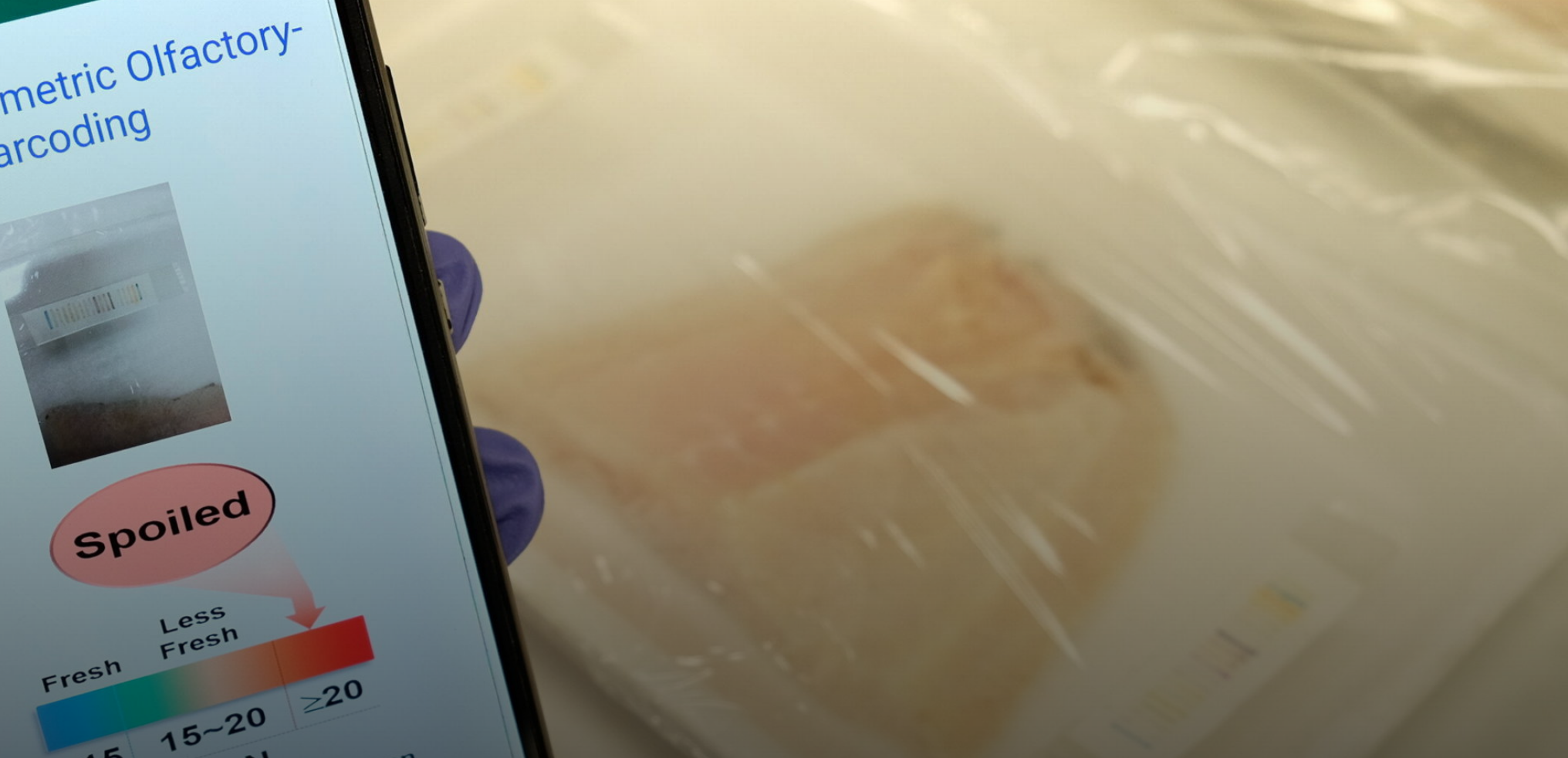
Scientists have created an AI-based electronic nose to determine the freshness of meat
Professor Melissa Little, one of the leadingkidney researchers, first started growing organelles in 2015. But the new bioprinting method is faster, more reliable and allows for scalability. Now with 3D printing, you can create about 200 mini-buds in 10 minutes without sacrificing quality.
The organs can be of different sizes, compared to a grain of rice or a human fingernail, but the mini kidneys resembleTiny tubes and blood vessels can be seen in them, which form theThe filtering structures of the organ are the nephrons.
With the help of mini-organs, the team hopes to screen drugs to find new treatments for kidney disease and see if a new drug could damage the kidney.
Read also:
Scientists have identified the cause of the explosion in Beirut on social networks
Due to plate movement, the Pacific Ocean floor is now deep under China
Research: melting permafrost revives ancient microbes