The study was conducted in the laboratory of Wei Gao, assistant professor of medical engineering. Previously Gao and his
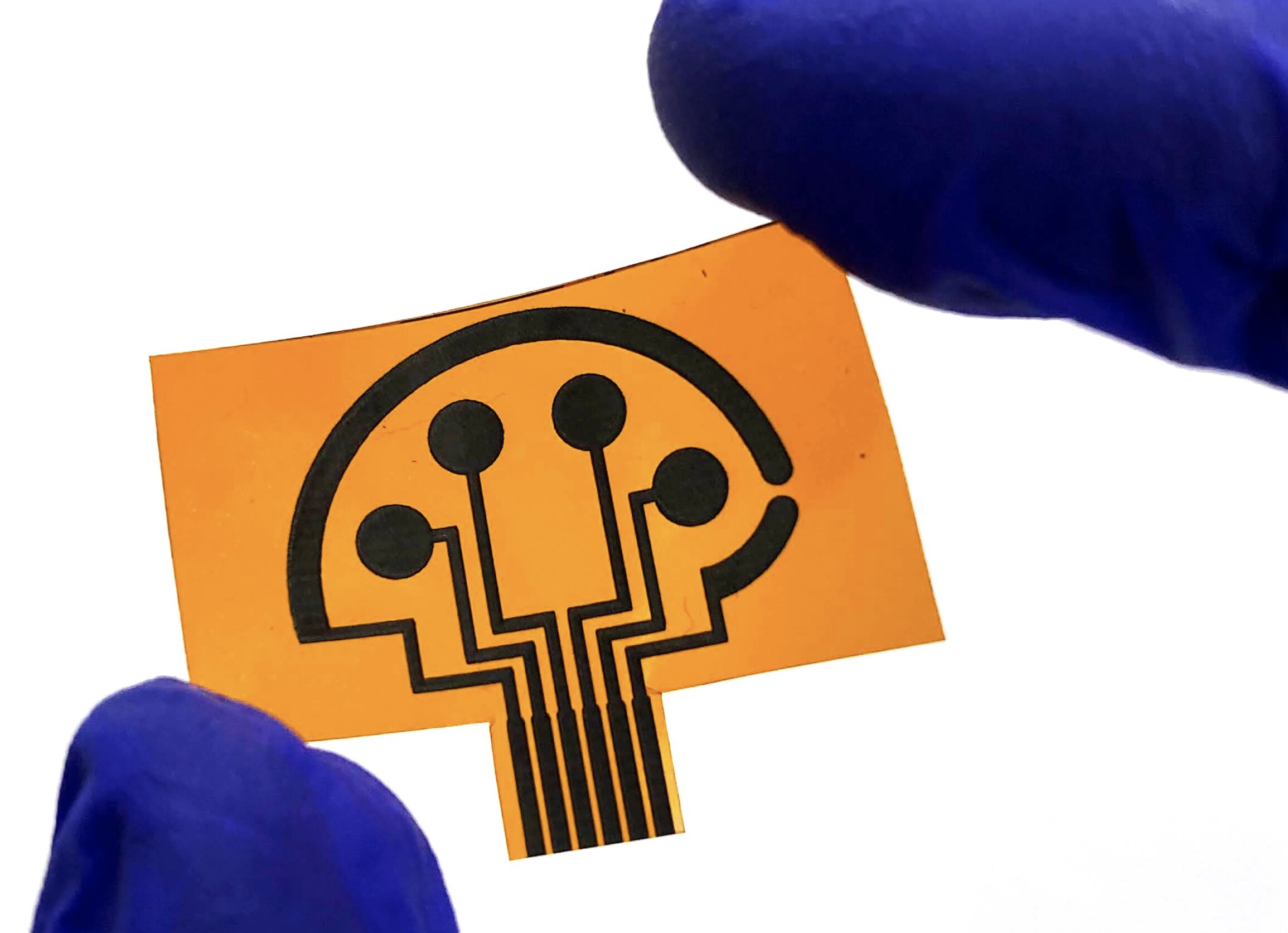 The sensing element is made of thin laser-etched plastic.
caltech.edu
Gao's sensors are made of graphene, carbonforms in the form of sheets. The laser-etched plastic sheet creates a three-dimensional structure of graphene with tiny pores. These pores create a large surface area for the sensor, making it sensitive enough to detect compounds that are only present in very small amounts with high accuracy. In this sensor, graphene structures are associated with antibodies, molecules of the immune system that are sensitive to certain proteins, for example, on the surface of the coronavirus.
 caltech.edu
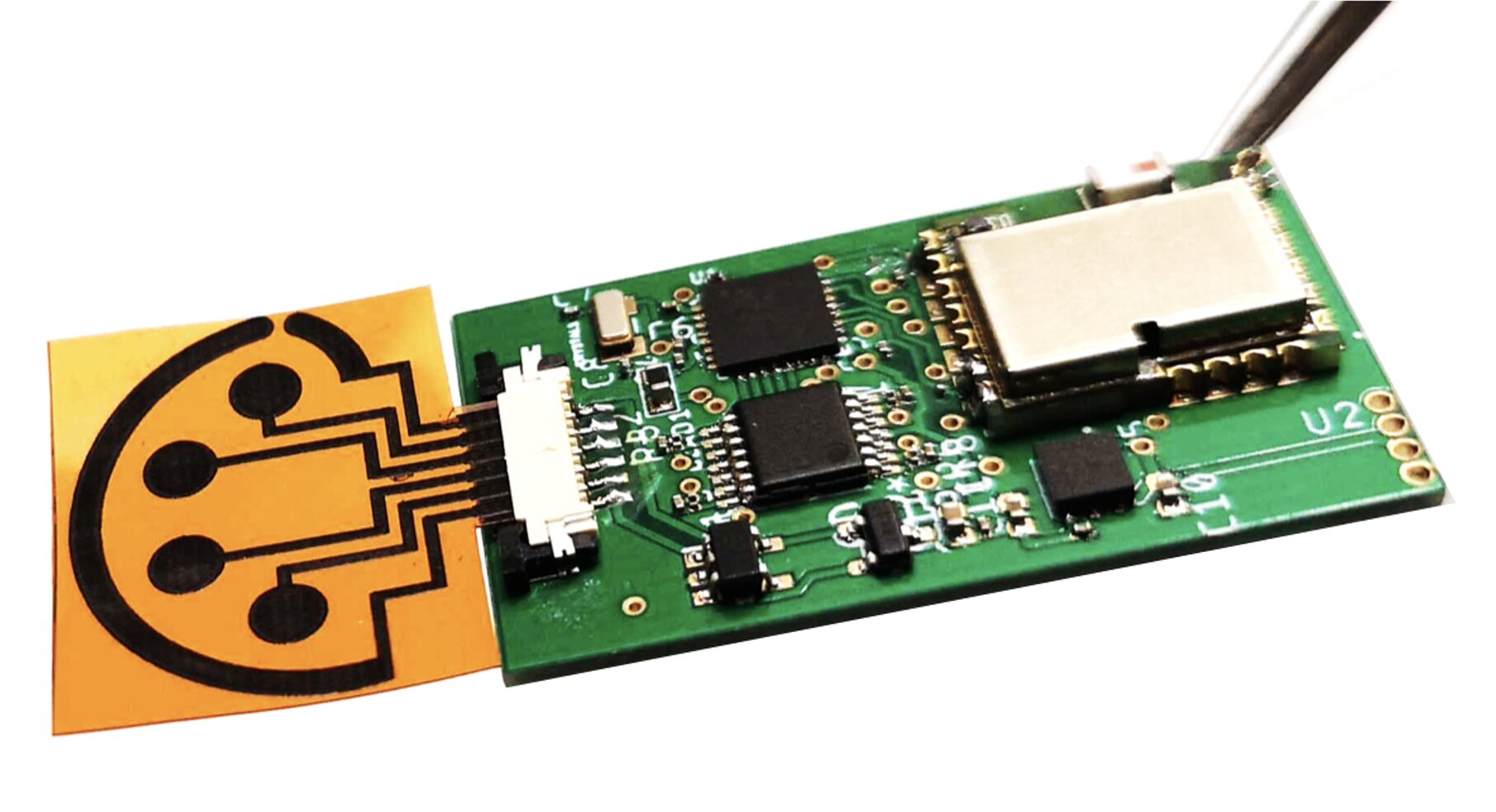
So far the device has only been tested inlaboratories with small quantities of blood and saliva samples obtained for medical research purposes from people who test positive or negative for COVID-19. While preliminary results show the sensor is highly accurate, a larger scale test needs to be done on real patients rather than laboratory samples, the scientists warn. This is necessary to finally determine its accuracy. If the tests are successful, the sensor will be very useful. When connected to auxiliary electronics, it can even transmit data wirelessly to the user's cell phone via Bluetooth.
Read also
It is possible to create a thermonuclear reactor on Earth. What will be the consequences?
The Doomsday glacier turned out to be more dangerous than scientists thought. We tell the main thing
On day 3 of illness, most COVID-19 patients lose their sense of smell and often suffer from a runny nose