The development of new energy-efficient materials using biomass is an important part of creating
Two specific aromatic molecules,3-amino-4-hydroxybenzoic acid (AHBA) and 4-aminobenzoic acid (ABA), were obtained from kraft cellulose (inedible raw material) by Professor Onishi and his research group in Tokyo. Recombinant microorganisms selectively increased the productivity of aromatic monomers and inhibited the formation of by-products. Professor Kaneko and his research team at JAIST have chemically converted AHBA into 3,4-diaminobenzoic acid (DABA). Subsequently, it was polymerized to poly (2,5-benzimidazole) - ABPBI - by polycondensation and processed into a heat-resistant film. In addition, the introduction of a very small amount of ABA with DABA dramatically increased the heat resistance of the resulting copolymer and the processed film.
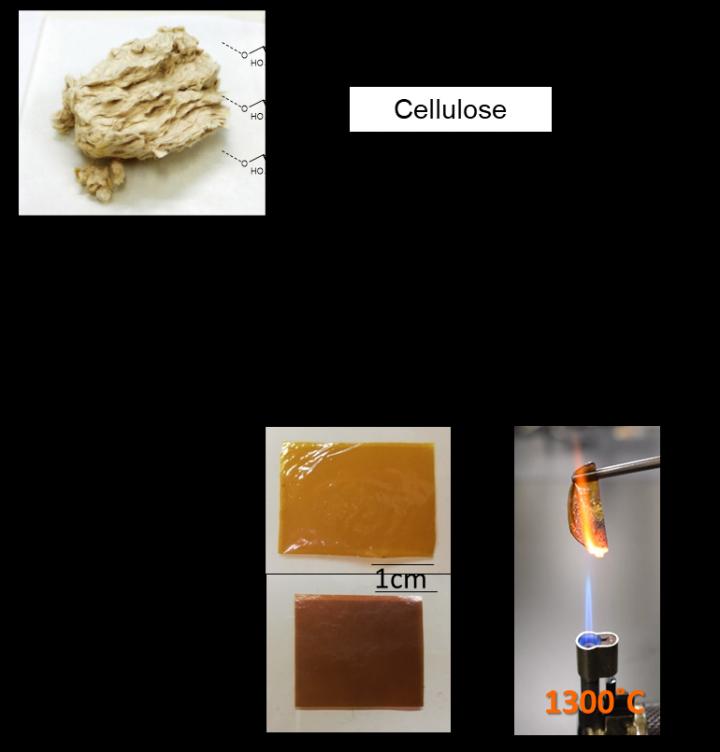 Development strategy for ultra-high temperature resistant cellulose based PBI and PBI / PA films.
JAIST
Organic plastic with excellentthermal stability (over 740 ° C) was developed from inedible biomass raw materials without the use of heavy inorganic fillers. This innovative molecular design of ultra-high temperature-resistant polymers by controlling π-conjugation (or bond pairing) could help eliminate harmful plastics that pollute the environment.
Read also
The annual mission in the Arctic has ended and the data are disappointing. What awaits humanity?
On day 3 of illness, most COVID-19 patients lose their sense of smell and often suffer from a runny nose
Scientists have found out why children are the most dangerous carriers of COVID-19