How did it all start?
Amazon CEO Jeff Bezos, Apple CEO Tim Cook, CEO
Since June, the subcommittee has been holding hearings withsmaller competitors who have confirmed the alleged monopoly practices of these de facto Internet titans. Now, all four tech titans will appear together to answer questions based on the committee's findings.
The hearing is scheduled for Wednesday at noon ET in the US. It was previously moved from Monday to honor the late Rep. John Lewis.
It is expected that due to the ongoing globalpandemic CEOs will appear remotely using video calling software. Lawmakers hope that the hearings will be held in one day, and given the mass of questions for the IT giants, this will not be an easy task.
Explain why each CEO was asked to show up. The types of questions they can get and what is at stake for each company is explained by Business Insider.
Sundar Pichai, Alphabet - Google and YouTube. Benefits from toxic content, SERPs and China
Google is currently subject tomultiple antitrust investigations by multiple state attorneys general. But on Wednesday, for the first time since 2018, we will see the CEO of Alphabet and the owner of Google and YouTube - Sundar Pichai - appear before Congress.

Legislators will likely focus on Google's dominance of the search and advertising market. Questions can be expected about whether the company is playing fair in the market.
Bloomberg recently reported that Google's changes tosearch engine results have made online business more expensive for customers. It looks like the committee will be looking into Google on this very topic, as Congress tries to uncover the details of an extremely complex digital business.
Legislators may also ask howGoogle has capitalized on toxic content on the internet with its digital advertising business. In addition, questions about hate speech on YouTube are to be expected. However, it seems that some of these topics may distract the attention of the subcommittee from antitrust issues.
Finally, perhaps Google can ask about China. Member of the House of Representatives David Sisilin of Rhode Island, who was particularly interested in Pichai during the 2018 hearing on the issue of relations with the PRC. The topic has recently reappeared in the media with reports that Alphabet is still trying to find a way to market.
Congress may also ask Google questions aboutantitrust investigations that he is currently facing in several different states. Earlier this month, Politico said California was preparing to launch its own investigation into the company, making it the 49th state on that count.
Tim Cook, Apple. Commission and hidden selection mechanisms in App Store
To date, Apple has avoidedmore negative reaction from antitrust laws. In any case, if you compare the company with some of the other members of this list. However, there is growing concern among lawmakers that the App Store and the broader app ecosystem are harming developers.
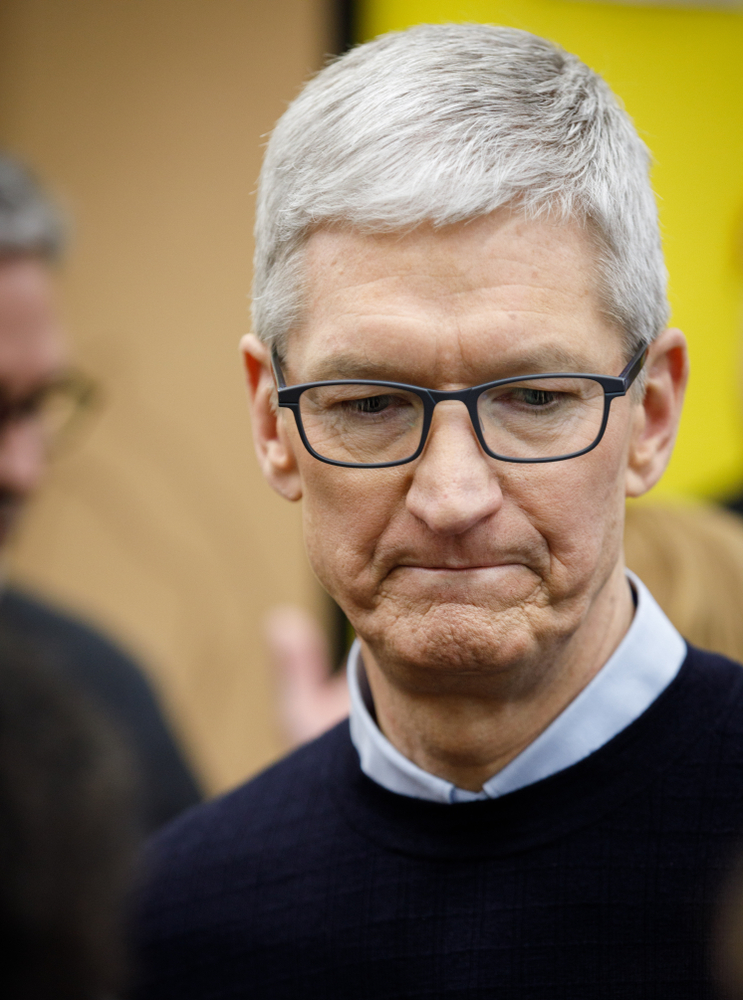
Apple has restrictive rules forApp Store developers, including a 15-30% tax on in-app purchases. There have long been claims that such conditions are unfair from developers of third-party applications, although Apple claims this is in line with the rates of competitors. Spotify has been the most vocal on the issue, and last month Basecamp, the developer of Hey's email app, also went public with its complaints.
App Store is the second largest sourceApple's revenue after the iPhone, but Apple's own apps are not subject to the same rules as third parties. This gives Apple another unfair advantage over the competition.
One of the most closed topics is the processApple's approval of new apps for placement on the App Store, so lawmakers should be expected to try to investigate some hidden behind-the-scenes mechanisms.
Mark Zuckerberg, Facebook. Buying competitors, fact checking and advertising from Trump
Facebook is likely to be subject to scrutinystudying their past acquisitions. Critics say Facebook is using competitor buying as a tactic to neutralize potential threats in the market.
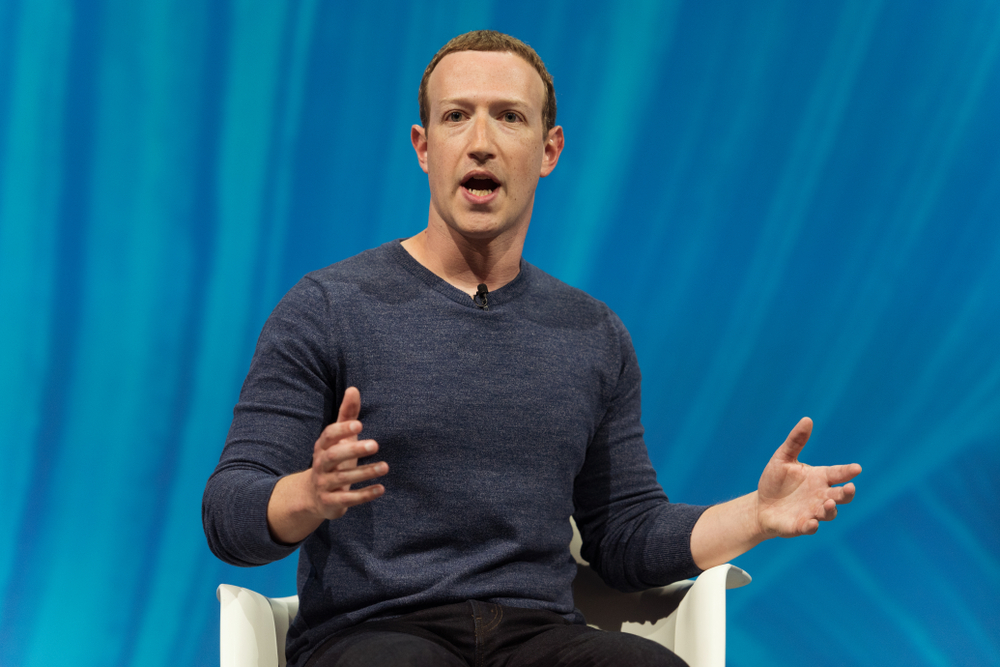
Earlier this year, the company acquired Giphy for$ 400 million. This was a "antitrust wake-up call" - critics say Giphy's reach could help expand Facebook's already massive ad tracking operation.
Over the 16 years that have passed since its foundation,Facebook has acquired many companies, large and small. The acquisitions of Instagram and WhatsApp in 2012 and 2014 cemented Facebook's status as a global tech giant. In 2013, Facebook acquired Onavo Mobile, an app that uses AI to identify other companies. Facebook later closed the app after online criticism.
The FTC is already investigating Facebook's recent acquisitions.
Legislators can also questionFacebook's measures to stop the spread of misinformation and hate speech on its platform, especially in the face of the COVID-19 pandemic and preparations for the 2020 US presidential election. If anything, these were the main questions during Zuckerberg's last congressional testimony, which was presented as a hearing on Facebook's cryptocurrency project.
Facebook faced long-term negativebacklash from Democrats for stepping down fact-check posts and approving advertisements from President Donald Trump. Scientists and public health authorities have also condemned the spread of COVID-19 disinformation on the platform.
Jeff Bezos, Amazon. Warehouse deaths and investing in startups that don't start
Amazon has already come under close scrutiny by antitrust authorities last year. The reason for contacting is to work with third-party companies that sell their products through the website.
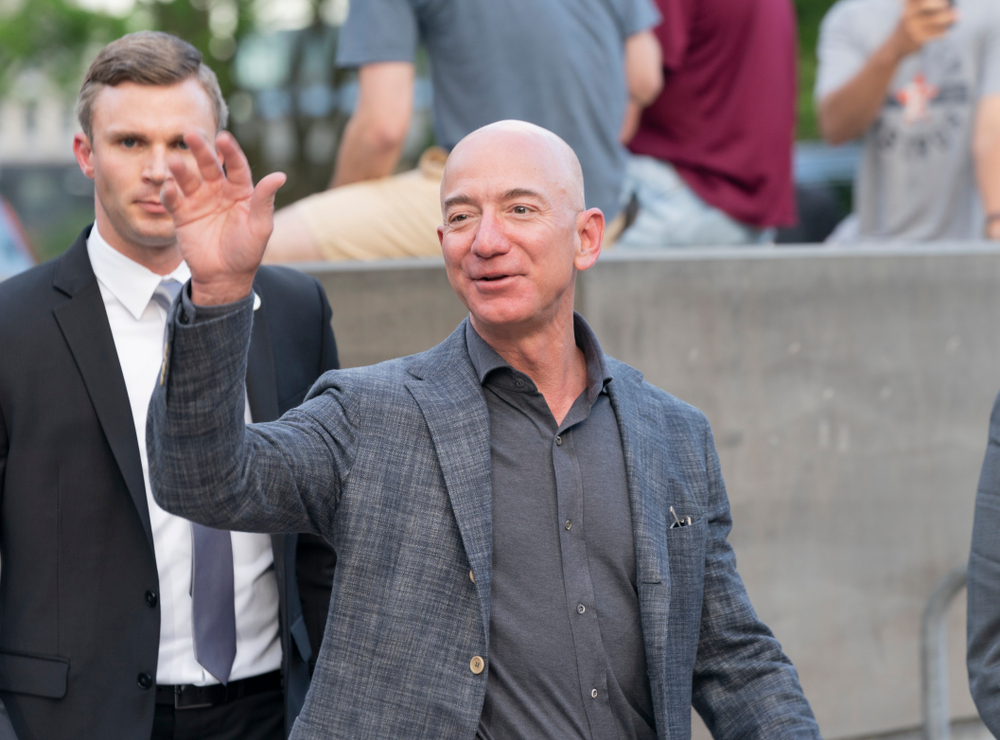
Wall Street investigation in AprilJournal revealed that Amazon often uses data from third-party sellers on its site to form plans to develop its own private label products. This discovery marked the beginning of a large-scale antitrust investigation of the company in the EU.
Also, quite recently, dozens of investors andentrepreneurs told The Wall Street Journal that Amazon had invested in their companies, gaining access to non-public information in return before launching competitors. Many of the startups were crushed and said they could not compete with Amazon. The company has denied allegations that it used confidential information. A company spokesman told Business Insider that any legal dispute over intellectual property ownership is fairly resolved in the courts.
Amazon may also face morecurrent issues related to COVID-19. The fact is that the pandemic and restrictions to prevent the spread of coronavirus have caused an unexpected surge in online orders. This situation has led to tension in Amazon's fulfillment centers. The safety of workers at Amazon warehouses has become a point of contention.
Earlier this year, several workers announceda strike to protest working conditions, and since then several Amazon warehouse workers have died from the coronavirus. The company insists that it provided sufficient protective equipment and regularly cleaned its warehouses to reduce transmission.
Wednesday's hearing will also mark the first timewhen will CEO Jeff Bezos ever testify before Congress in the company's history. His history of feuds with President Trump and his ownership of The Washington Post may also be a topic of questioning.
Read also
See what Hubble's successor telescope can see in space
The history of the origin of "strange" meteorites is revealed: they fell to Earth in the 60s
There was a photo of how desert dust "flows" into the Atlantic Ocean