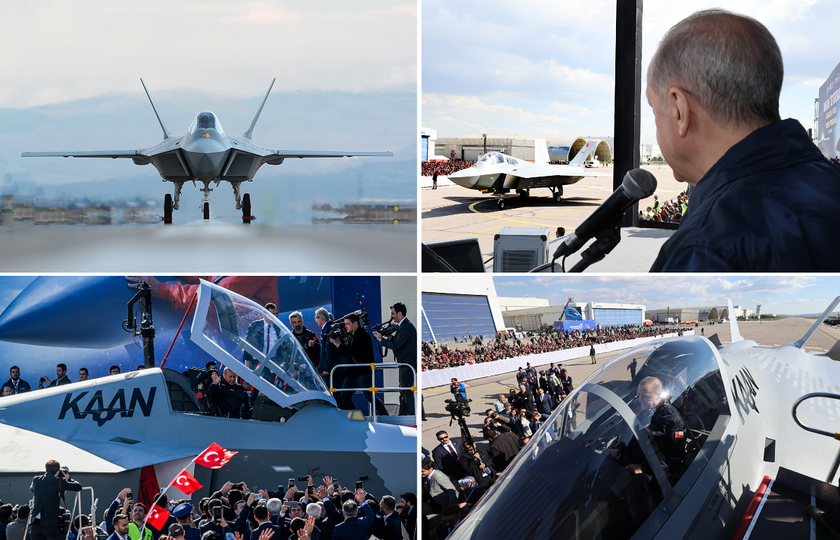
Turkish Aerospace Industries (TAI) and Turkish President Recep Tayyip Erdogan announced the fighter
What is known
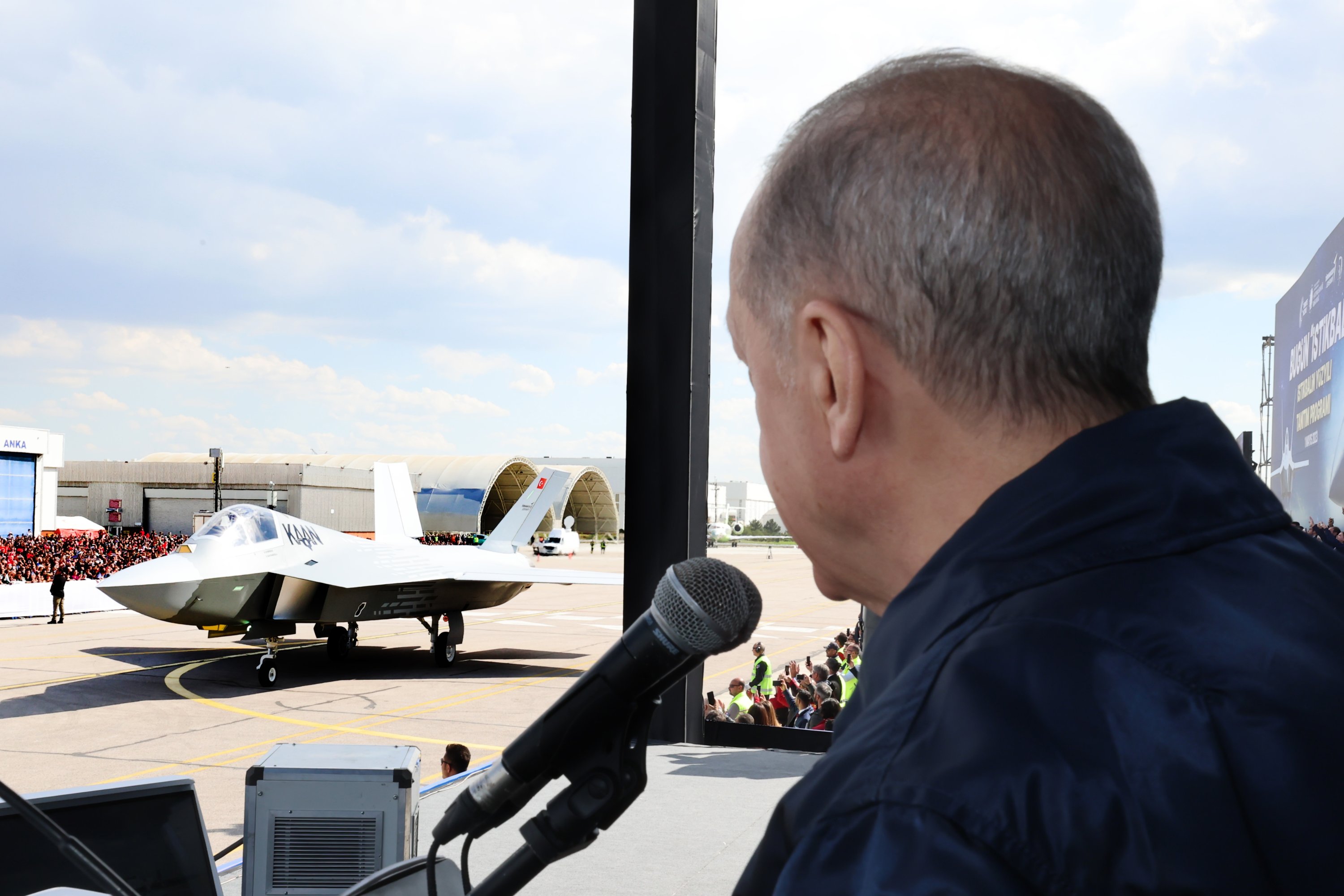
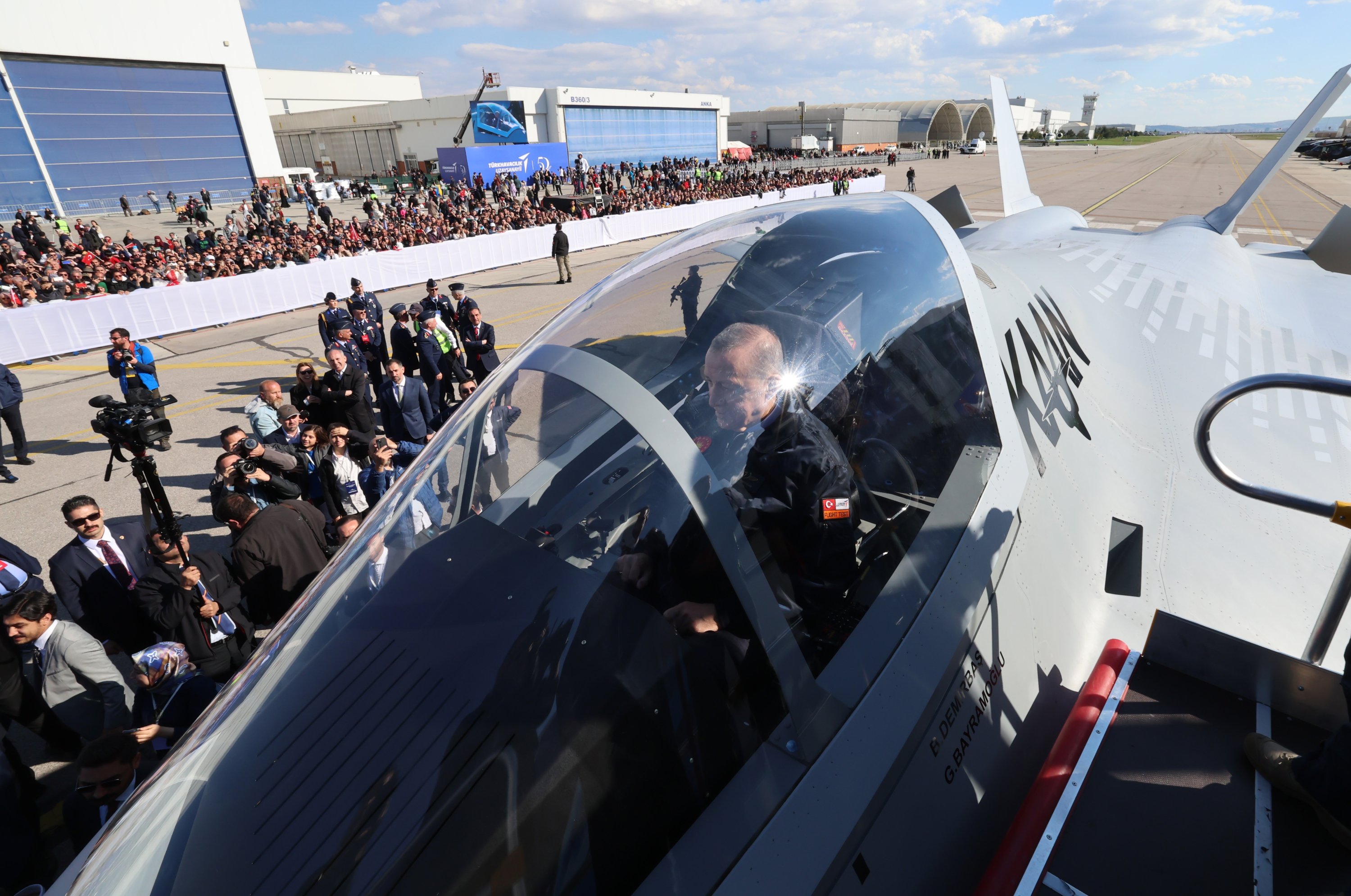
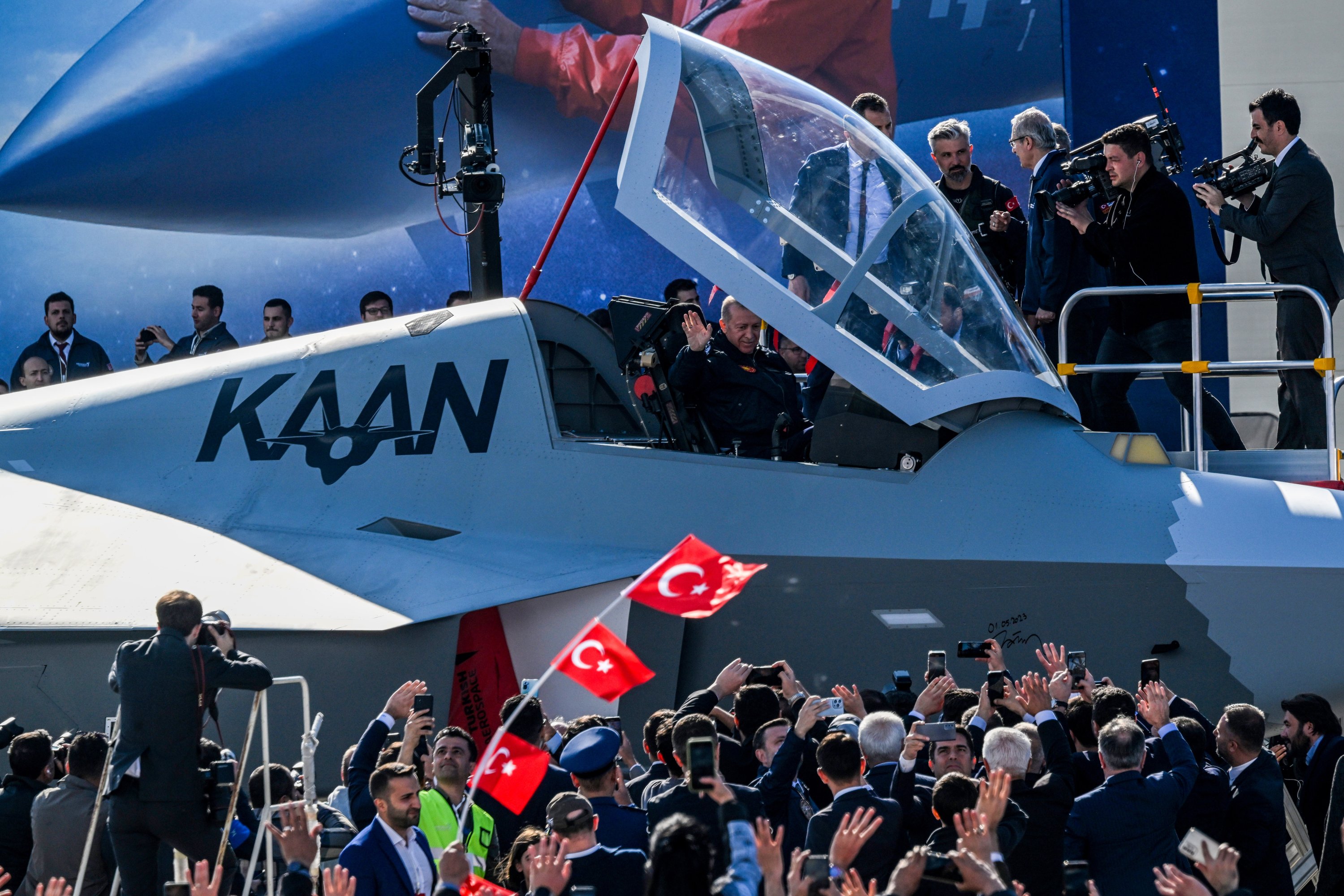
The President of Turkey spoke at the centeraerospace company TAI in the city of Kahramankanzan, which is located near Ankara. The head of state called the fifth generation fighter a "pride" and officially announced that the aircraft was called KAAN. It was previously listed as Turkish Fighter Experimental (TF-X).
???? Türkiye’s national combat aircraft has been named KAAN, announces President Erdogan
???? Fifth-generation aircraft will replace aging F-16 fleet
???? Jet has top speed of 1.8 mach, twin engines produce 29,000 pounds thrust each https://t.co/AdWHzsHsYN pic.twitter.com/m4ucC8MmqY
— ANADOLU AGENCY (@anadoluagency) May 1, 2023
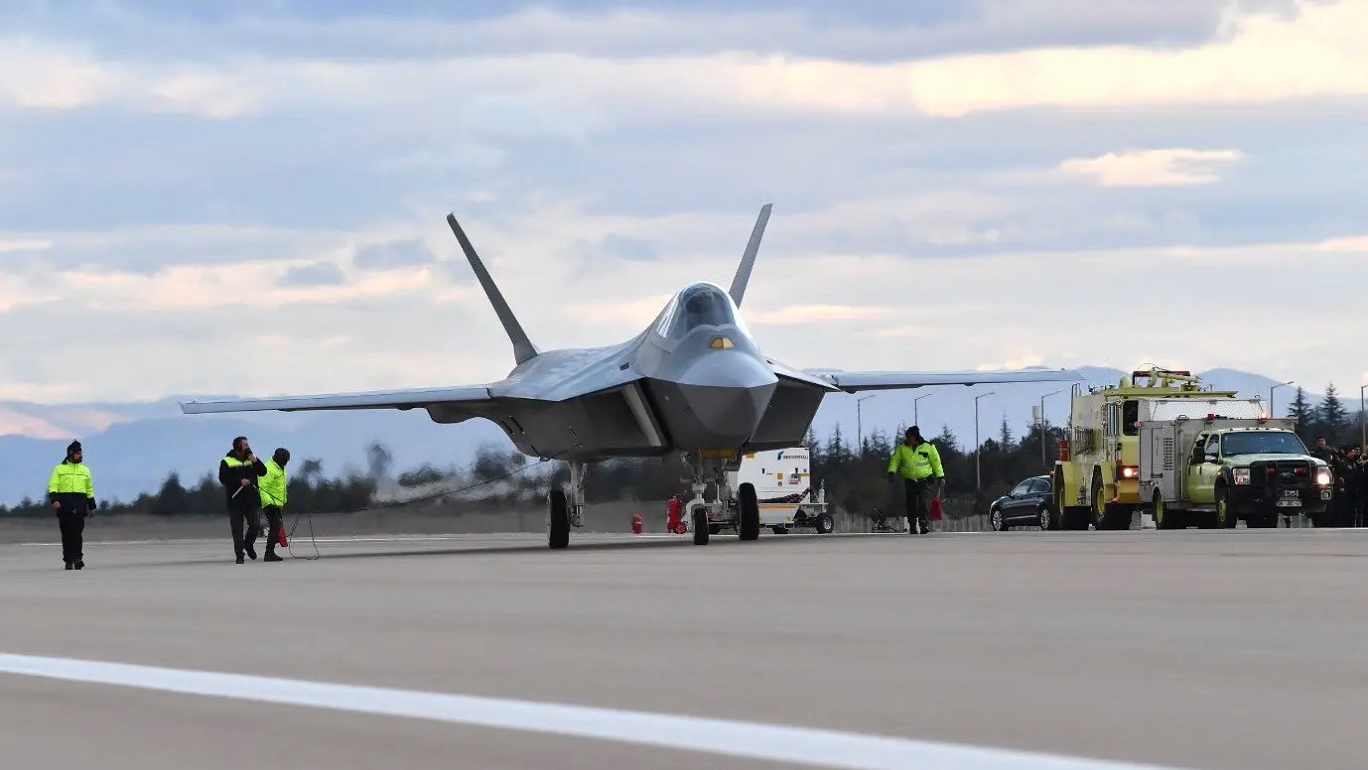
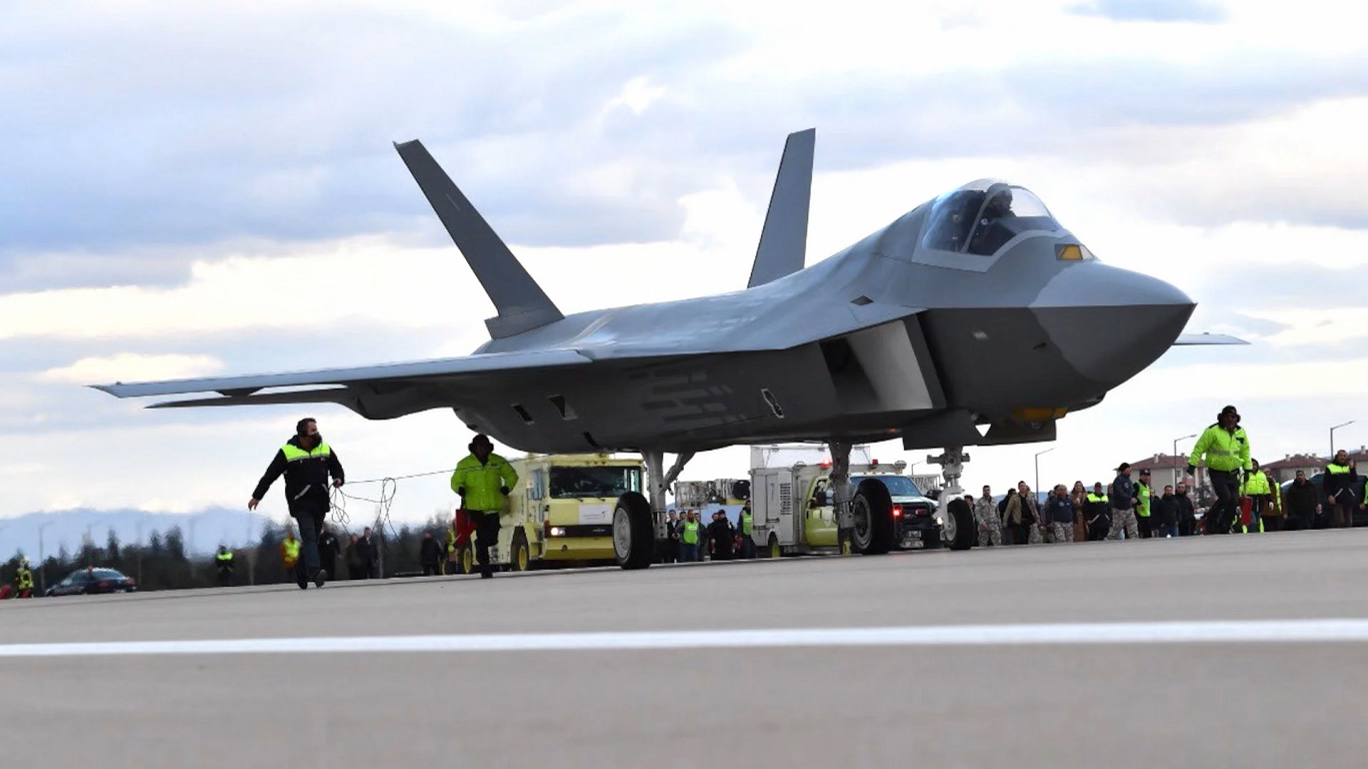
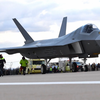
Today, May 1, the fifth generation fighterfor the first time he rolled out on his power plants in front of the public. KAAN appeared in public accompanied by a TAI Hürjet aircraft that took to the skies for the first time a few days ago.
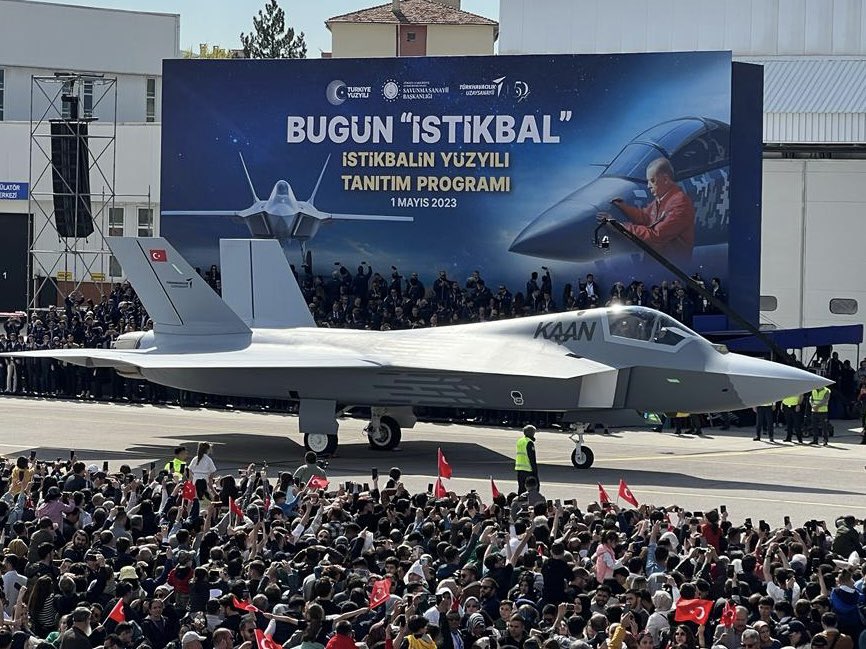
</ img>
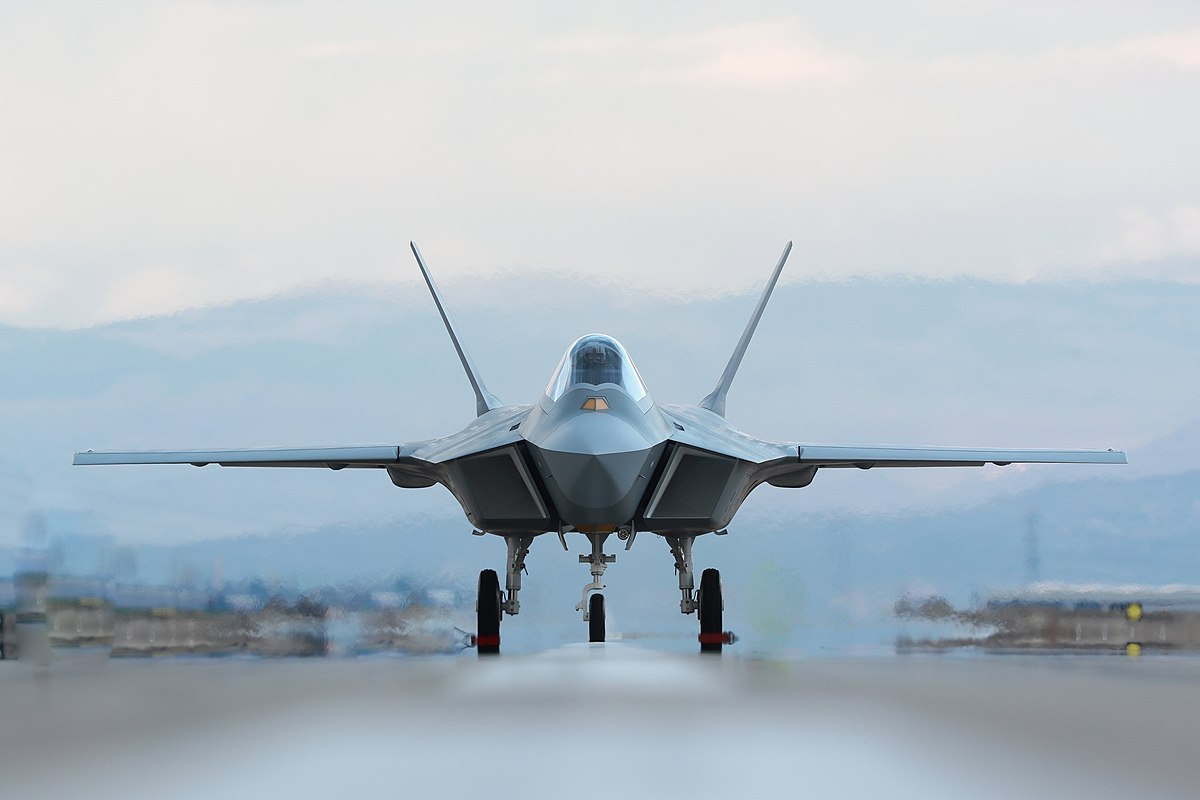
Türkiye has long been working on a new fightergenerations. The aircraft is being developed under the Milli Muharip Ucak (MMU) program. The first versions of the design appeared 10 years ago at the International Exhibition in Istanbul 2013.
</ img>
KAAN will be a replacement for American fightersfourth generation F-16 Fighting Falcon. Recep Tayyip Erdogan said that the new Turkish aircraft is equipped with the latest technology, is highly maneuverable and has a number of other advantages. The maximum flight speed will be Mach 1.8 (2222 km / h).
</ img>
</ img>
</ img>
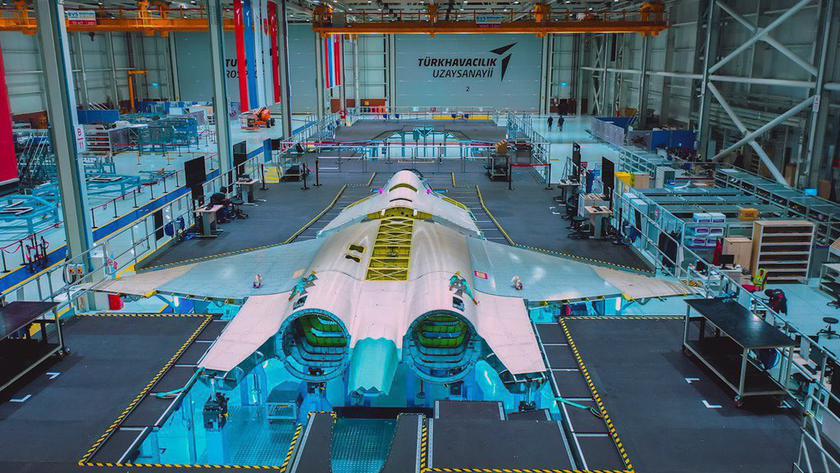
The first TF-X prototype was presented at the endautumn of last year. A month later, TAI announced plans to produce two aircraft per month starting in 2029. The fighter will be able to take to the air for the first time in the fall of 2024, and the commissioning is scheduled for 2028.
</ img>
</ img>
In December 2022, TÜBİTAK BİLGEM introduced an on-board computer for the fifth generation fighter. It will be connected to a new Aselsan radar station.
</ img>
In the spring, TAI began testing a prototype aircraft.In mid-March, the fighter for the first time left the hangar and drove along the runway. As part of the tests, the operation of two engines was tested, each of which creates a thrust of 13,000 kg.