On July 16, 1945, an event occurred that changed the course of human history: the explosion of the Trinity, the first
“Quasicrystals are formed in extremeconditions that rarely exist on Earth, ”explains geophysicist Terry Wallace of Los Alamos National Laboratory. “To create it would require a traumatic event with severe shock, temperature and pressure. This does not usually happen on Earth, but a nuclear explosion is an exception. "
The atoms of all crystals are always organized in a seriesrepeating patterns. With no exceptions. However, this rule does not apply to quasicrystals, the internal structure of which does not have periodic structures. Until the 1980s, it was believed that the existence of these quasicrystals was impossible until the Israeli scientist Dan Shechtman was able to recreate them in the laboratory, which allowed him to receive the Nobel Prize in chemistry after almost 20 years.
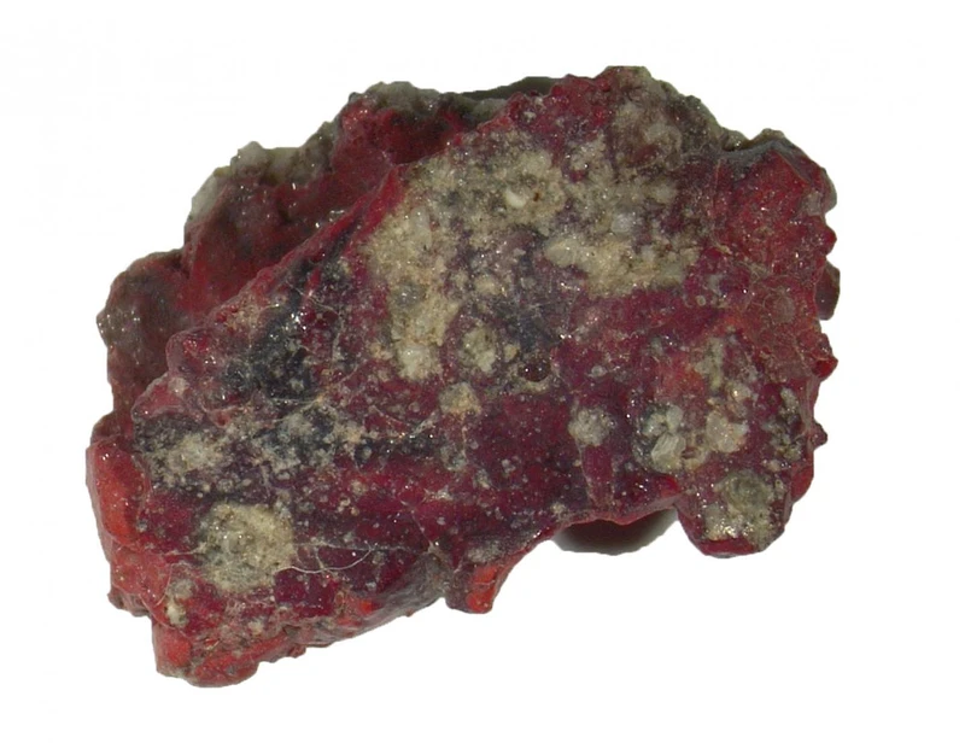
Now a group of scientists led by Italiangeologist Luca Bindi decided to study the remains of trinitite, a vitreous material that formed after the explosion in the Trinity test. It was inside the remnants of a kind of red trinitite that this quasicrystal appeared.
Using modern scanning techniques andX-rays, the researchers were able to identify the existence of the quasicrystal, although questions remain that they have not been able to answer. “This quasicrystal is magnificent in its complexity, but no one can tell us yet why it formed in this way,” Wallace explained.
This study together with further studyminerals from such explosions could help scientists better understand their formation and ultimately lead to applied advances in materials science.
See also:
Nuclear reactions intensified in the reactor of the Chernobyl nuclear power plant.
The first electric motor with 95% efficiency appeared
Physicists have created an analogue of a black hole and confirmed Hawking's theory. Where it leads?