The goal is to build the optimal route for the spaceship, and also land it on
The biggest challenge is toland the ship as accurately as possible. We want to reduce the potential landing area so that we can optimally narrow all the places of interest to us.
John Christian, assistant professor of aerospace engineering at Rensselaer Polytechnic Institute and first author of the paper
The engineering team used the sharedaccess to data, photographs and data from sensors and based on visual odometry technologies, they have created navigation that will help you navigate around the Moon.
These heading measurements are combined withdata from other spacecraft sensors, as well as information that scientists already know about the orientation of the moon, can help the spacecraft navigate.
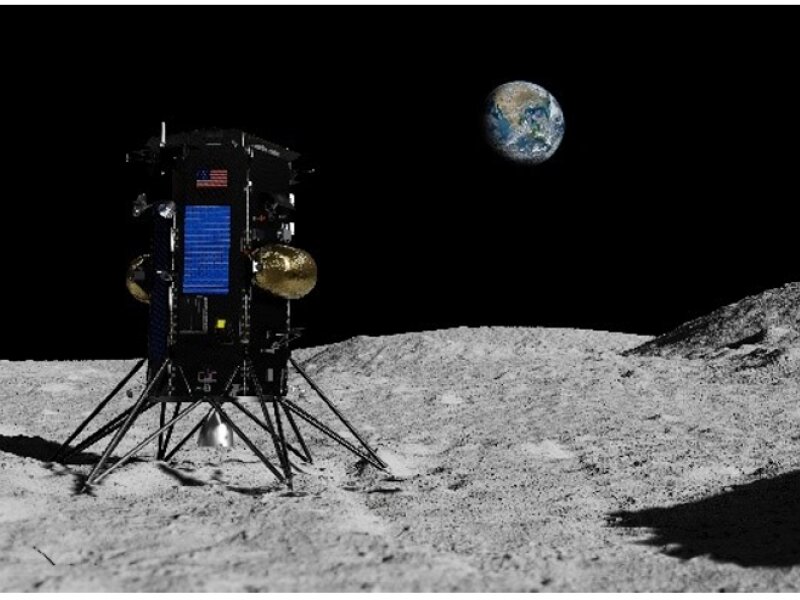
This is information that we may share withthe computer, combined with other data and changes, can be pieced together to control the spacecraft's movement, speed and direction, Christian noted.
Read also:
The Doomsday glacier turned out to be more dangerous than scientists thought. We tell the main thing
Found the alleged kingdom of the disappeared Hittites. What have archaeologists found?
There is a flexible and rechargeable battery 10 times more powerful than analogues