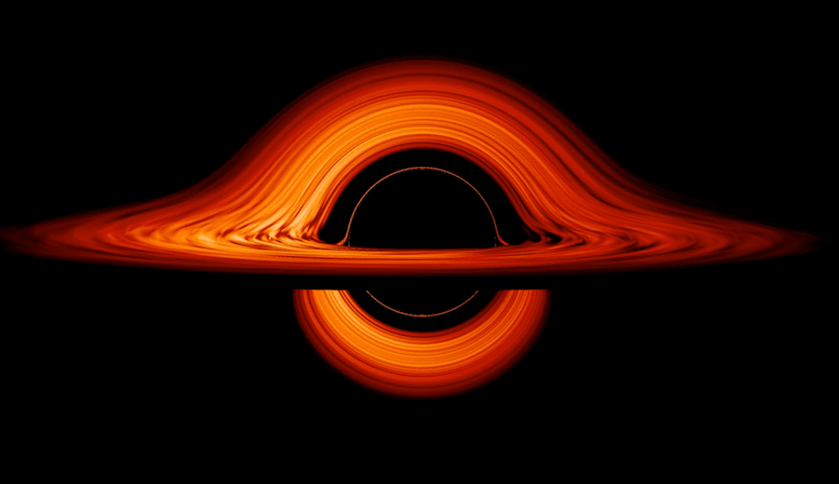
Researchers from Imperial College London were able to simulate the accretion disk of a black hole in
What is known
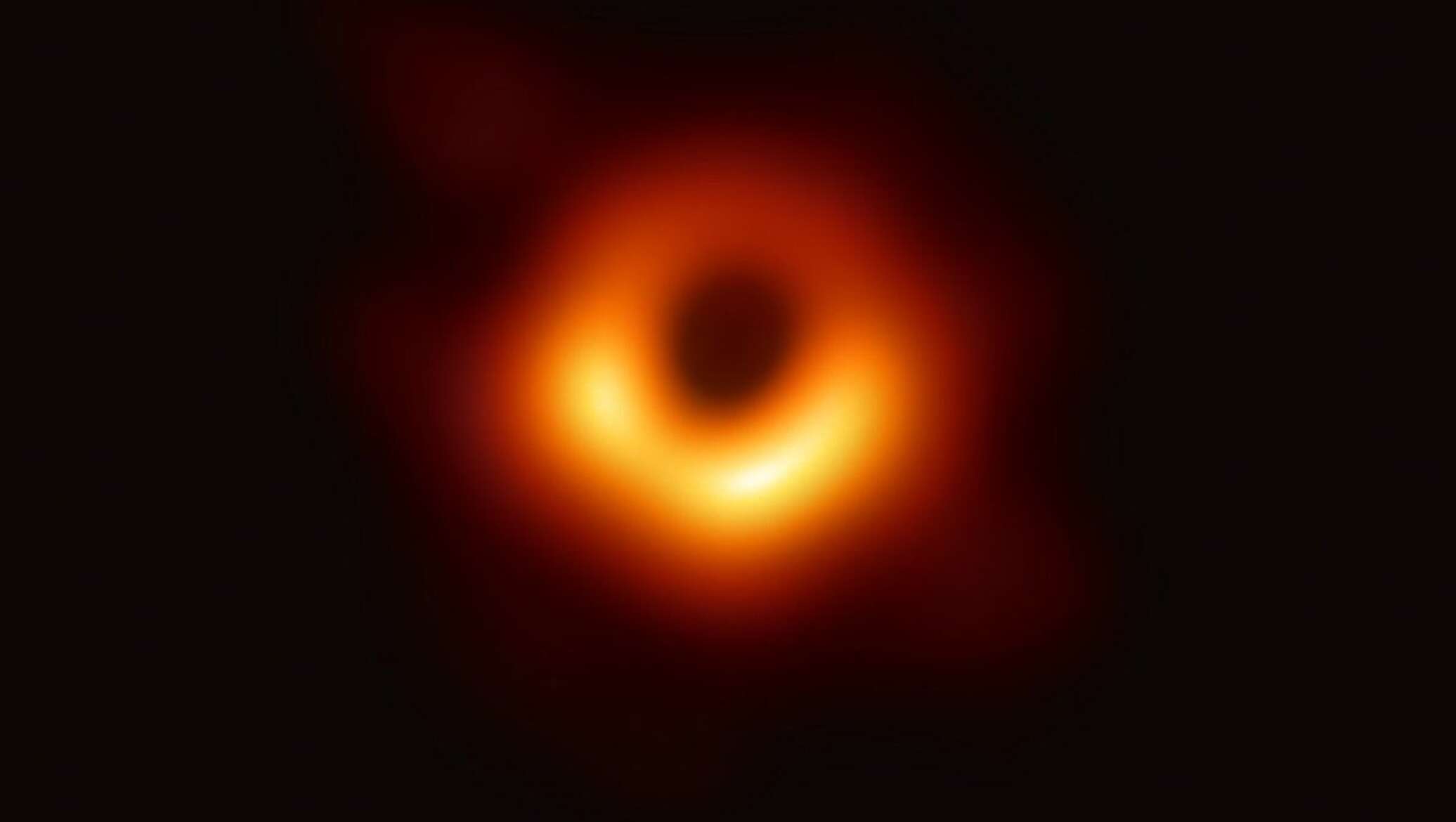
The accretion disk of a black star allows scientists todetect these objects using available tools. This is how the first-ever image of a supermassive black hole, which is located in the Messier 87 galaxy, was obtained in 2017. The image was published two years later. You can see it below.
</ img>
As matter falls into a black hole, itevaporates and turns into plasma. The disk of plasma around a supermassive black hole is depicted in the photo as a ring. It has been computer-dyed orange.
The centrifugal force pushes particles out andallows matter to fall into the black hole at once. Electrons and ions circle the black hole at tremendous speeds. The new scientific work of scientists from Lond will allow us to learn more about this process.
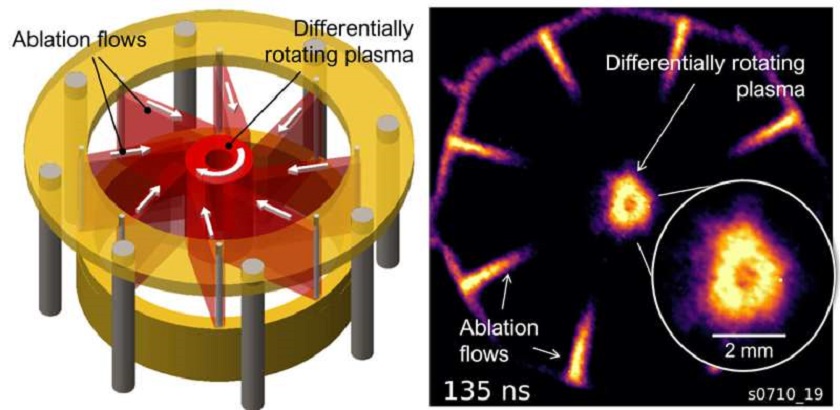
The instrument used for the study wascalled Mega Ampere Generator for Plasma Implosion Experiments (MAGPIE). The device generates pulses with a current of 1.8 million amperes to turn matter into plasma.
</ img>
Scientists have learned that their model works.Unfortunately, the pulses are very short, which does not allow long-term observation. According to experts, the model demonstrates the physics of the processes that occur in the accretion disk of a real supermassive black hole.
As part of previous observations of thesemysterious objects, astronomers have found that the speed of rotation of the plasma in the disk increases as it approaches the center. The new study is consistent with the observations. Going forward, the researchers want to increase the pulse duration to extend the run time of the model.