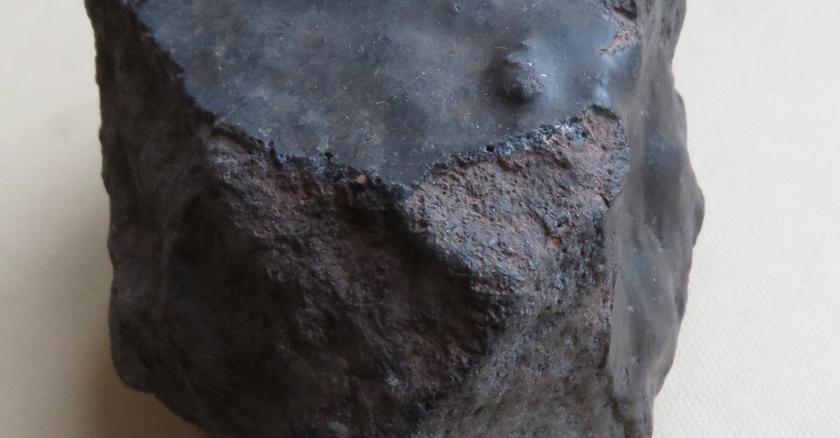
Jérôme Gattacceca, geophysicist at the French National Center for Scientific Research, presented the first
What is known
It is believed that the meteorite appeared on Earth, afterwho left our planet. It was probably thrown into space as a result of the collision of our planet with a large asteroid. The second version is a volcanic eruption. But the probability is close to zero. Average eruptions eject stones to a height of up to 45 km.
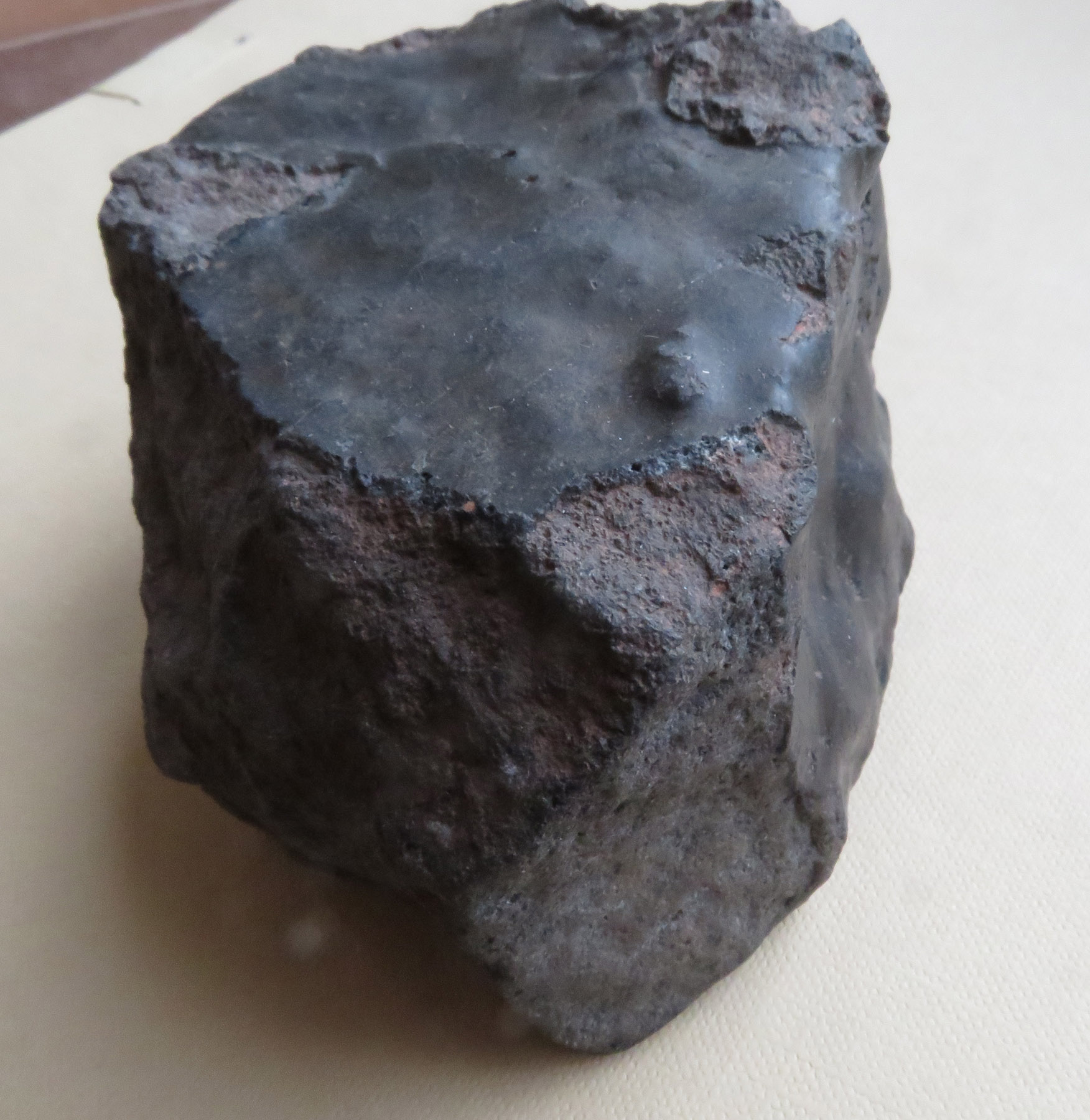
Analysis of the meteorite showed that it was born fromvolcano at the junction of oceanic plates. The stone received the catalog name Northwest Africa (NWA) 13188. It was discovered five years ago in the Sahara in Morocco. The desert, due to the white sands, is an ideal place to search for meteorites along with Antarctica.
</ img>
NWA 13188 has a surface fusion thatformed as a result of entering the dense layers of the atmosphere. The concentration of neon-21, helium-3 and beryllium-10 is higher than in terrestrial rocks, but lower than in other meteorites. This is probably due to the fact that our hero was not in space for long.
Scientists will study the concentration of the argon isotope,to determine the age of the stone. If the discovery is confirmed, then NWA 13188 will be the first terrestrial meteorite found on Earth. 52 years ago, a rock from Earth was discovered on the Moon during the Apollo 14 mission.