What are zombie fires
A large peat fire in the Suzunsky pine forest, which is part of
Peat bogs are called "zombie fires"because they are incredibly difficult to extinguish even in the harsh conditions of Siberia. The fact is that peat smolders underground at a depth of at least 10 cm. This means that these fires can survive autumn rains and frosty winters.
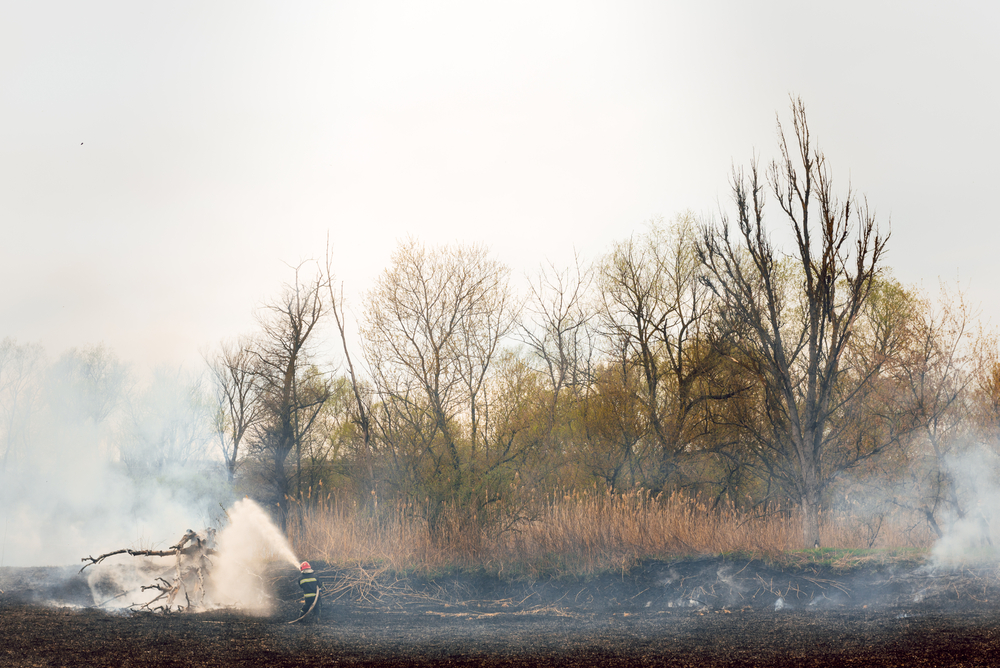
In addition, the problem is compounded by many morefactors. For example, the fact that the peat bog is surrounded by hundreds of thousands of hectares of pine forests. Conditions in such regions are now drier due to frequent droughts.
What will “zombie fires” lead to?
Therefore, if “zombie fires” are not extinguished, theycan cause even bigger problems in the spring - dry grass will smolder and ignite. In summer they will lead to large-scale forest fires, when dry trees easily ignite and the fire spreads further across Siberia.
Grigory Kuksin, head of Greenpeace's forest fire unit in Russia, which is fighting "zombie fires", called them a "climate bomb" in an interview with AFP.
A disaster for the climate
Boreal forests that surround high latitudeareas such as peat bogs and tundra have higher carbon concentrations. When burned, it emits huge amounts of carbon dioxide (CO2) into the atmosphere. CO2 emissions are leading to an increasingly active warming of the planet. This, in turn, leads to more serious consequences of the climate crisis, including droughts. It turns out a vicious circle - the more peatlands and boreal forests burn, the more the planet heats up, which creates ideal conditions for new fires.
It is important to note that the peatlands in the northernthe hemispheres contain more carbon than all of the world's rainforests combined. If they were burned, the huge amount of CO2 that would be in the atmosphere would immediately destroy all emission control efforts, rendering them useless.
As Grigory Kusin noted, “we are fighting both the consequences of climate change and its very cause”.
However, this is not the whole problem.The fact is that it is Siberian and Arctic peatlands, absorbing and storing huge amounts of carbon, that play an important role in maintaining the carbon balance on Earth. Essentially, peatlands are wetland ecosystems in which carbon accumulates over a long period of time, which is removed from the atmosphere in the form of carbon dioxide. Over the past millennia, peatlands have contributed to climate cooling by reducing the concentration of carbon dioxide in the atmosphere.
A recent international study published in the journalEnvironmental Research Letters, highlighted the danger of "zombie fires". Scientists have provided further evidence that the conservation and restoration of boreal peatlands can be an important tool for mitigating climate change in the north. A team of scientists led by Manuel Helbig emphasized that conservation and restoration of peatlands can combat climate warming both globally and regionally.
Fire fighting
Volunteers who fight«zombie fires» They emphasize that this is dirty work. In addition, it is more complex than fighting ordinary forest fires. According to Greenpeace coordinator Ekaterina Grudinina, to extinguish the swamp, you need to fill it with water and mix the soil until a liquid paste forms.
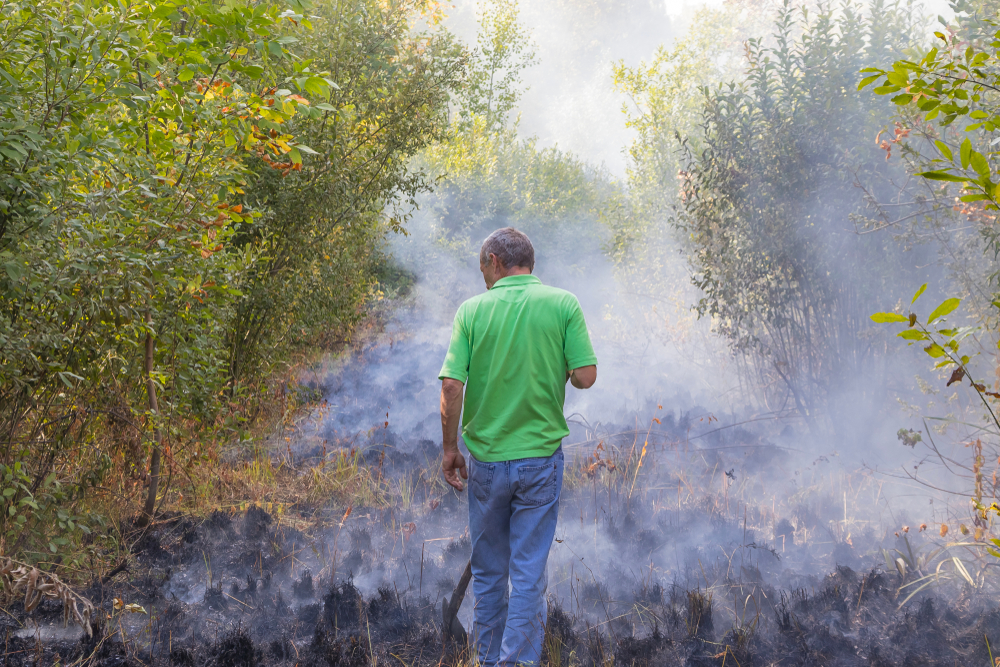
If the temperature remains too high, the volunteers start againA grueling process.
According to the European Union program forEarth Observation reports that wildfires in the Arctic Circle in the summer of 2020 broke last year's carbon emissions record. The reason is simple: the region continues to deteriorate faster than the rest of the world.
In June, Verkhoyansk, a city beyond the Arctic Circle,reached a temperature of 38 Celsius. This is an unprecedentedly high level for the region. Since the beginning of the year, about 19 million hectares have burned down in Russia. In total, the area of fires exceeds the territory of Greece.
The Arctic burns completely differently
It has long been known that fires occur periodically in the Arctic in the summer. However, in 2020, everything changed. How?
First, the 2020 Arctic wildfire season started two months early.In addition, the scale of the fires was unprecedented in its scope, it is notedThey investigated the region's climatic processes and the type and magnitude of fires in a study published in Nature Geoscience.
“But it's not just the number ofburnt areas, ”explains Dr. Merritt Turecki, study co-author and fire and permafrost ecologist at the University of Colorado at Boulder. “There are other trends that we have noticed while analyzing satellite data. They clearly show how the regime of arctic fires is changing and what this means for our climatic future. "
The commentary highlights two new featuresArctic fires this year. First, there is the prevalence of “zombie fires.” Fires from the previous growing season can smolder in the carbon-rich peat underground over winter, then reignite on the surface once the weather warms in the spring.
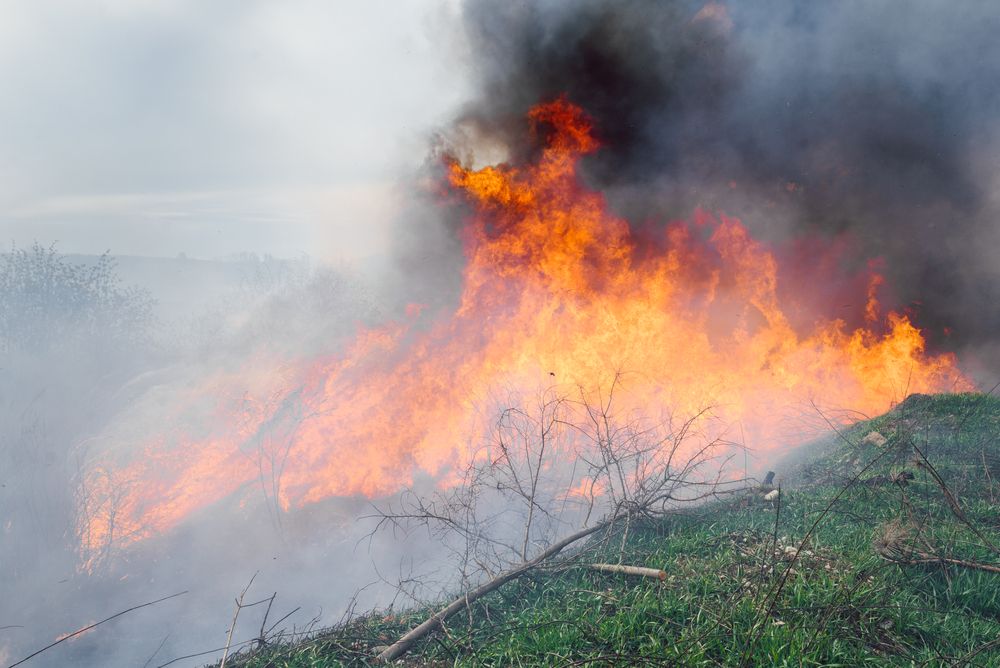
“We know little about the consequences of fires in the Arctic,Turetski noted, "except that they reflect the dynamics of the climate system and could mean that strong fires in one year will set the stage for new fires next summer."
Secondly, new fires infire-resistant landscapes. As the tundra in the far north becomes hotter and drier under the influence of a warmer climate, types of vegetation that are not usually considered "potential fuel" are beginning to ignite. We are talking about dwarf shrubs, sedge, grass, moss, even surface peat. Wet landscapes such as swamps and swamps also become vulnerable to fire.
What awaits humanity?
A team of scientists monitored fire activity inthe Russian Arctic in real time using various satellite and remote sensing equipment. While wildfires on permafrost in Siberia south of the Arctic are not uncommon, the team found that 2019 and 2020 stood out as extreme in burning records. In addition, the fires were the Arctic Circle, a region previously known not to contribute to long-term wildfires.
As a result, as lead author Dr.Jessica McCarthy, geographer and fire scientist at the University of Miami, "Arctic fires break out earlier and further north, in landscapes that were previously considered fire resistant."
The consequences of this new fire regime couldbe significant for the arctic landscape and peoples, as well as for the global climate. More than half of the fires detected in Siberia this year occurred north of the Arctic Circle in permafrost with a high proportion of ground ice. As you know, it is this type of permafrost that retains huge amounts of carbon from ancient biomass. Climate models do not account for the rapid thawing of these media and, as a consequence, the emissions of greenhouse gases, including methane.
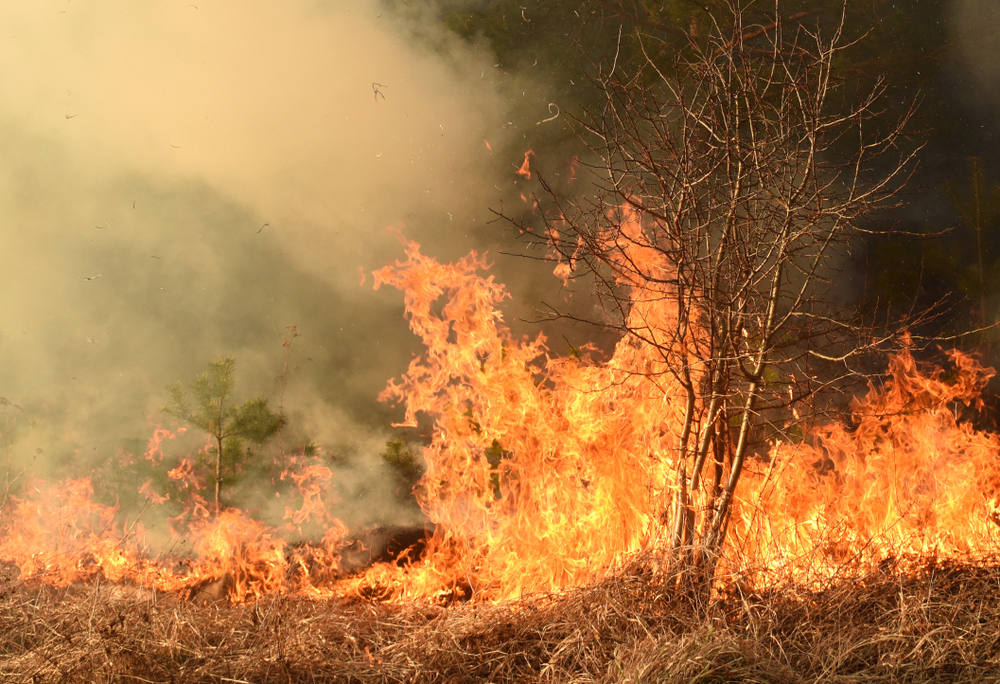
At a more local level, abrupt meltingpermafrost, rich in ice, as a result of forest fires causes subsidence, floods, pits and craters, and also leads to the inundation of large areas under lakes and wetlands. In addition to disrupting the lives and livelihoods of Arctic residents, all this leads to an increase in the amount of greenhouse gases moving into the atmosphere from where they are in the soil.
These vast changes have serious consequences for the global climate.
Read also
After the introduction of the Russian vaccine, 144 side effects were found in volunteers
The annual mission in the Arctic has ended and the data are disappointing. What awaits humanity?
On day 3 of illness, most COVID-19 patients lose their sense of smell and often suffer from a runny nose