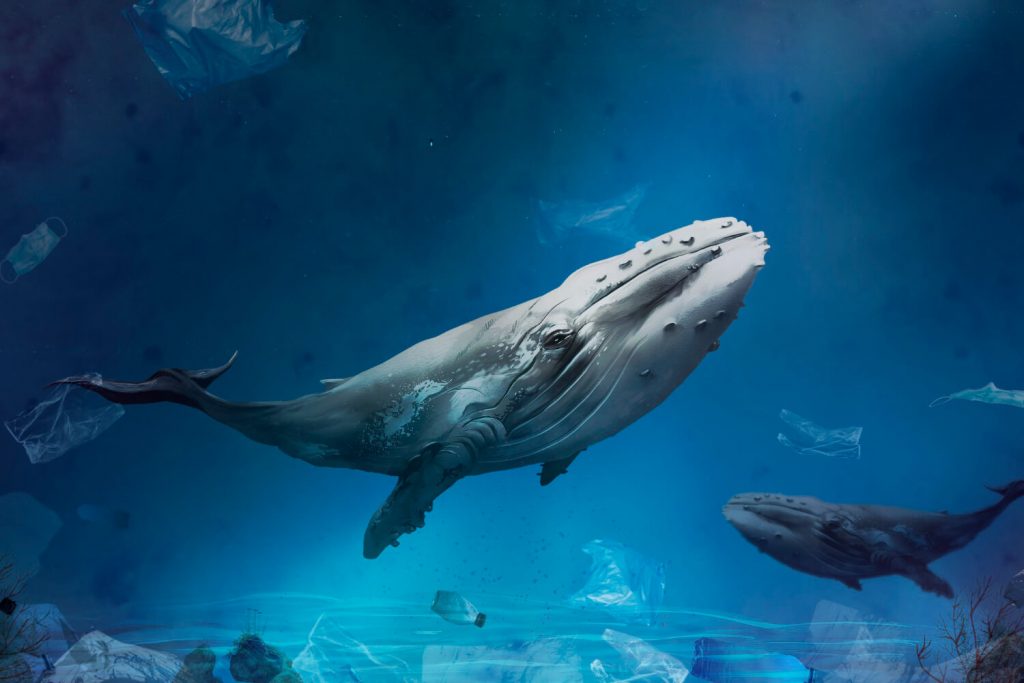
1. The blue whale is the largest living organism
The blue whale boasts one record – this is the most
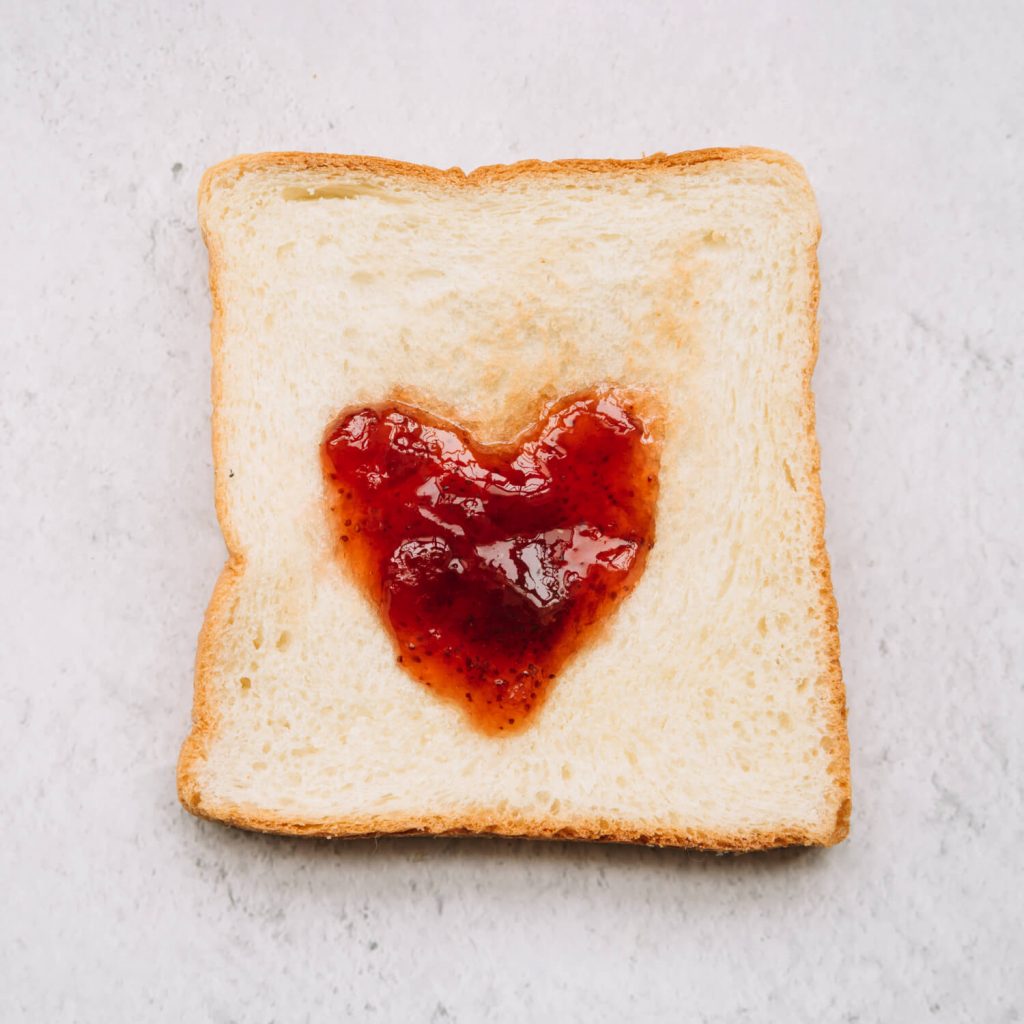
2. If you pick up a fallen sandwich from the floor in 5 seconds, then you can eat it
It's a pity, but the five-second rule doesn't work.Bacteria only need a second to contaminate food that has fallen on the floor.Donald Schaffneries of Rutgers University's School of Environmental and Biological Studies tested different bacterial transfer scenarios using four surfaces (stainless steel, ceramic tiles, wood, and carpet) and four products (watermelon, bread, bread and butter, and gummy candies).The scientist infected surfaces with Enterobacter aerogenes — a non-pathogenic cousin of salmonella bacteria — and threw food on each surface for different periods of time (less than one second, five, 30 and 300 seconds).
The researcher found that the transfer of bacteria increases with the time of contact, but food can be contaminated instantly.Watermelon collected the most bacteria, while marmalade collected the least.According to Schaffner, moisture promotes the transfer of bacteria from the surface to the food; The wetter the food, the higher the risk of transmission.Tiles and stainless steel had the highest contamination transfer rates.Somewhat unexpectedly, the carpet had the slowest transfer rate.
From ourselves, we can give a simple advice: do not raise food in a popular cafe in the city center, but at home, we believe, it is much safer.
3. Water in the toilet swirls in different directions in the southern and northern hemispheres of the Earth
There is a so-called Coriolis force - inertialthe force that deflects the flow to the right (east) in the Northern Hemisphere and to the left (also east) in the Southern. Therefore, there is a force that moves the air from the equator to the poles. This is how famously swirling hurricanes or strong currents such as the Gulf Stream are obtained. From the hurricane to the toilet, in theory, not so far, but only in the alphabetical index. In fact, toilet flushes are too small for the Coriolis effect to have any visible effect on their behavior. And if it seems to you that south of the equator, the water in the toilet bowl really twists in the other direction, then it’s more likely a matter of plumbing design and water pressure.
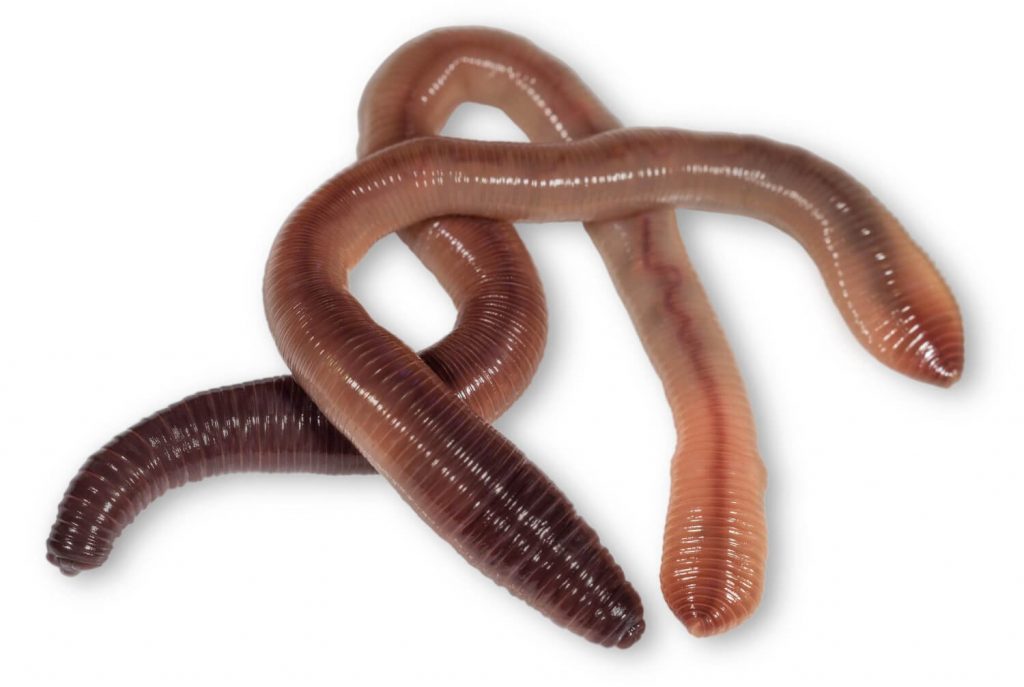
4. If you break an earthworm, two new ones will grow out of it.
There is some truth in this statement.Planaria - such flatworms - indeed, when separated, they can grow into two new ones. But earthworms can't do that. Their head part can grow a new tail, but the tail cannot grow a new head. By the way, planarians can restore a new body from a severed part up to 1/300 of the original individual. It's like regenerating a new person from the little finger.
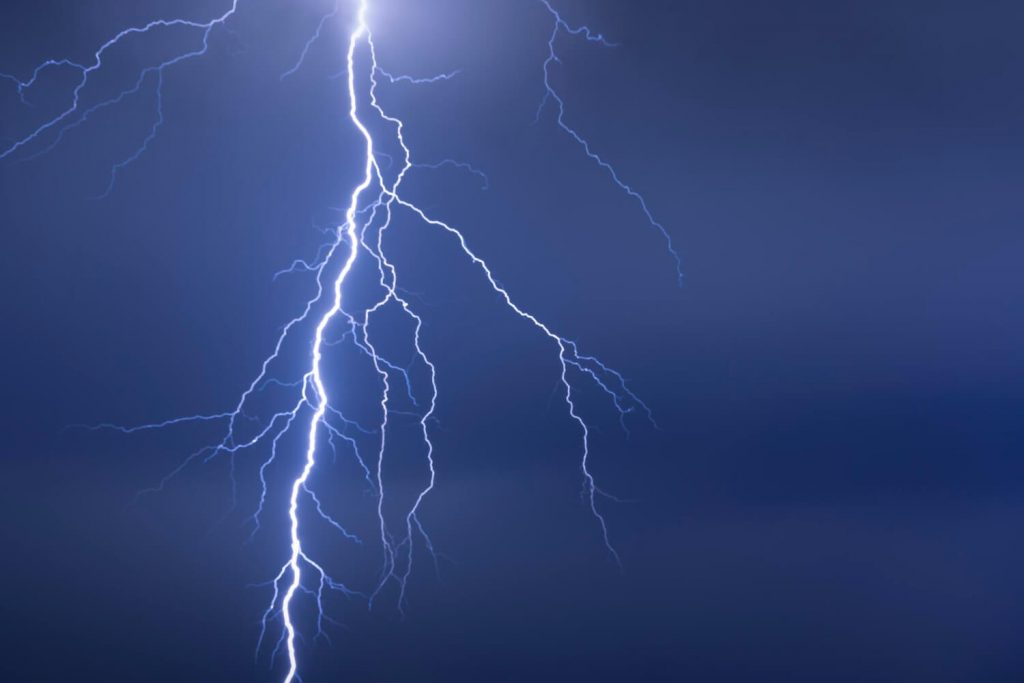
5. Lightning never strikes the same place twice.
It is rather dangerous to believe in this myth.Lightning, on the contrary, quite often repeatedly strikes in the same place (well, or nearby). In 2013, NASA analyzed almost 400 lightning strikes and found that about 150 strikes occurred in almost the same places. Speaking as simply as possible, electric charges often propagate in the air through the so-called "plasma channels" and can hit the same place several dozen times in a row.

6. The Great Wall of China is the only man-made structure that can be seen from space.
It is important to understand where we define the boundary between space and the atmosphere.At an altitude of 400 km from the Earth, there is the International Space Station, from which you can see the Great Wall of China, the Egyptian pyramids, as well as long bridges, dams and man-made islands in Dubai.And you can't see any of this from the Moon.
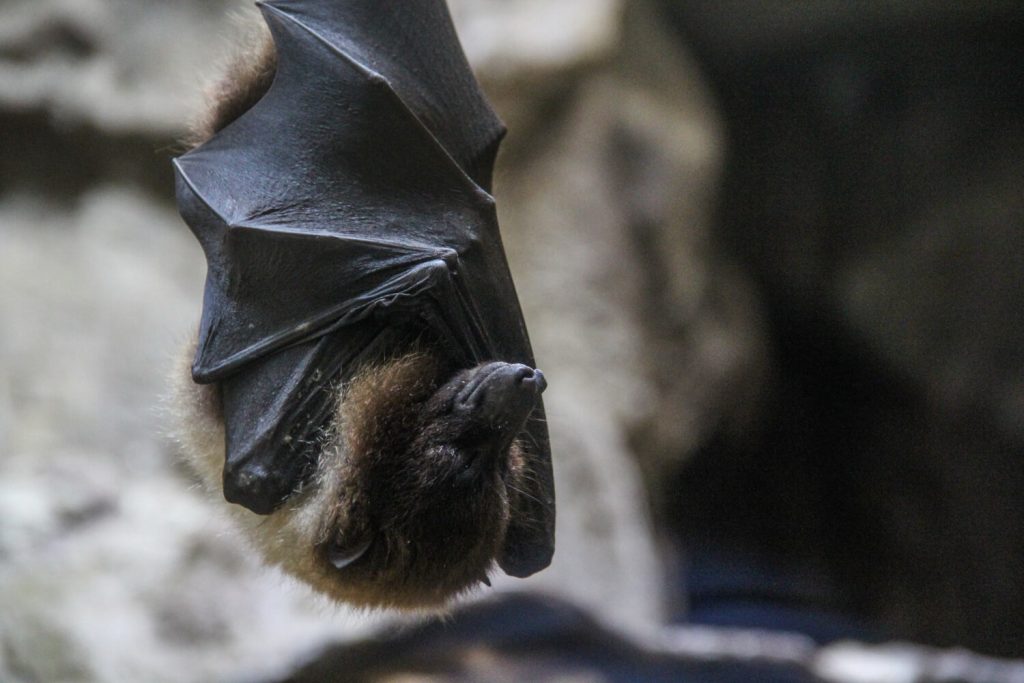
7 Bats Are Blind
Bats have excellent sonar, whichallows them to navigate in complete darkness. They make high-pitched sounds that bounce off objects that are within range. Animal brains correlate outgoing signals with subsequent echoes: the information obtained in this way allows the bat to determine distances, sizes, shapes, movements, and even the texture of material. But that doesn't mean they're completely blind. Most species can see much better than humans at night, and some can even see ultraviolet light.
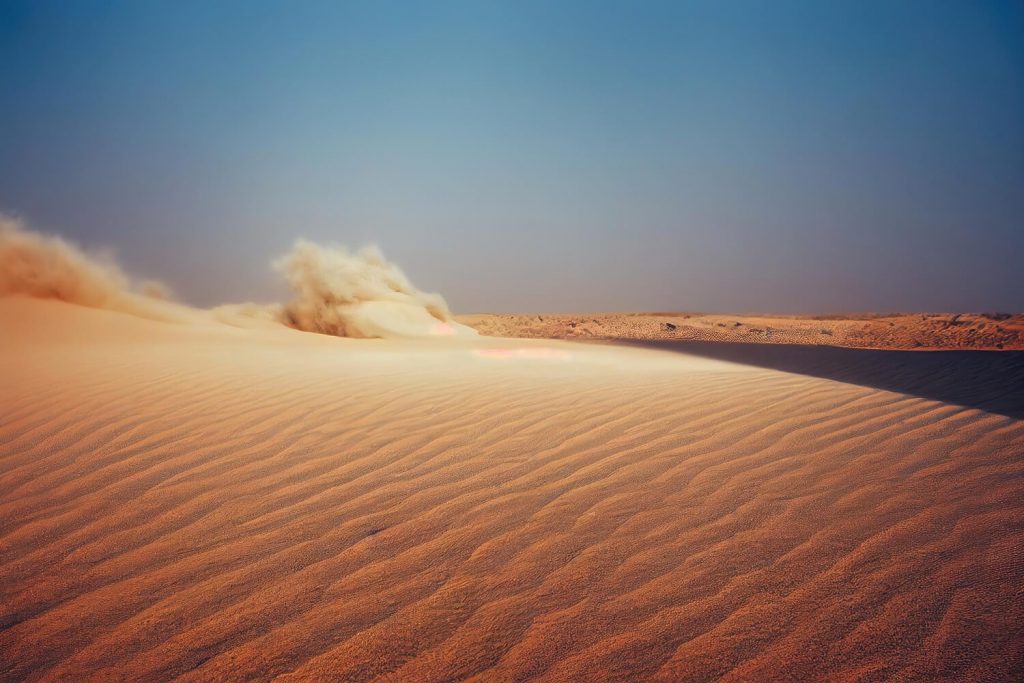
8. The Sahara is the largest desert on Earth
We are used to the fact that the desert is sand, heat andcamels. But there are other deserts - for example, the Antarctic. The main criteria are dryness and almost lifelessness. Here, for example, in Antarctica it almost never rains, not to mention the flora or fauna (with very rare exceptions). But the size of the Antarctic Desert is much larger than the Sahara (13.8 million square meters versus 8.6 million).
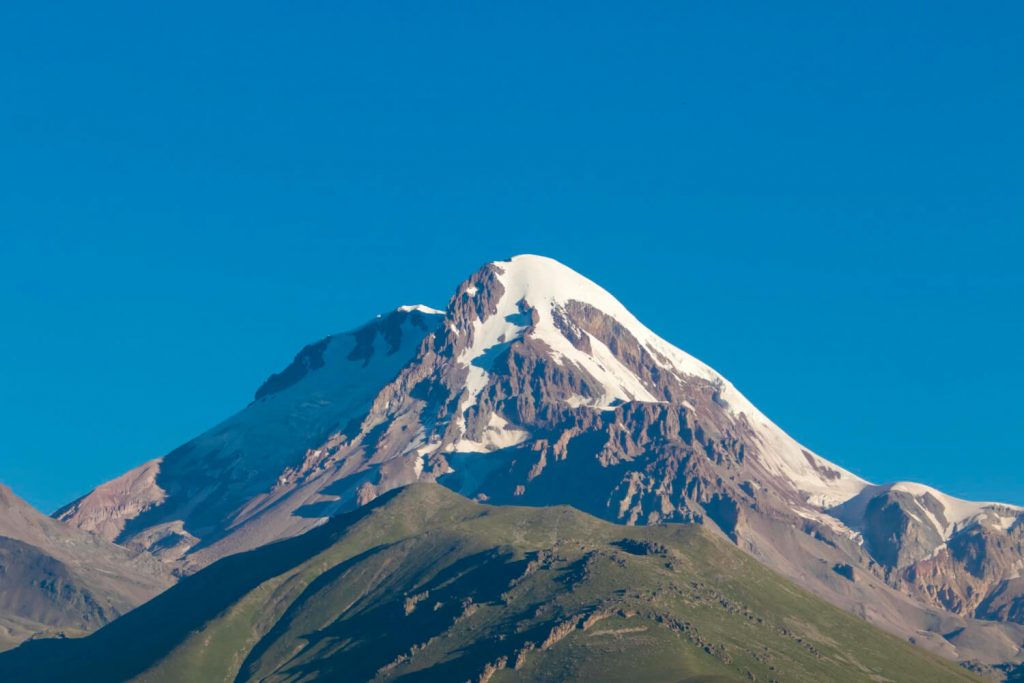
9. The highest mountain - Everest
It is the highest mountain above sea level.But if you measure all the mountains from the bottom to the top, then the highest will be Mauna Kea in Hawaii. The height of Everest is 8,848 meters above sea level, and the height of Mauna Kea is 4,207 m. However, the foot of this mountain is under sea level at a depth of 6,000 m. Accordingly, the total height of Mauna Kea is about 10,200 m.
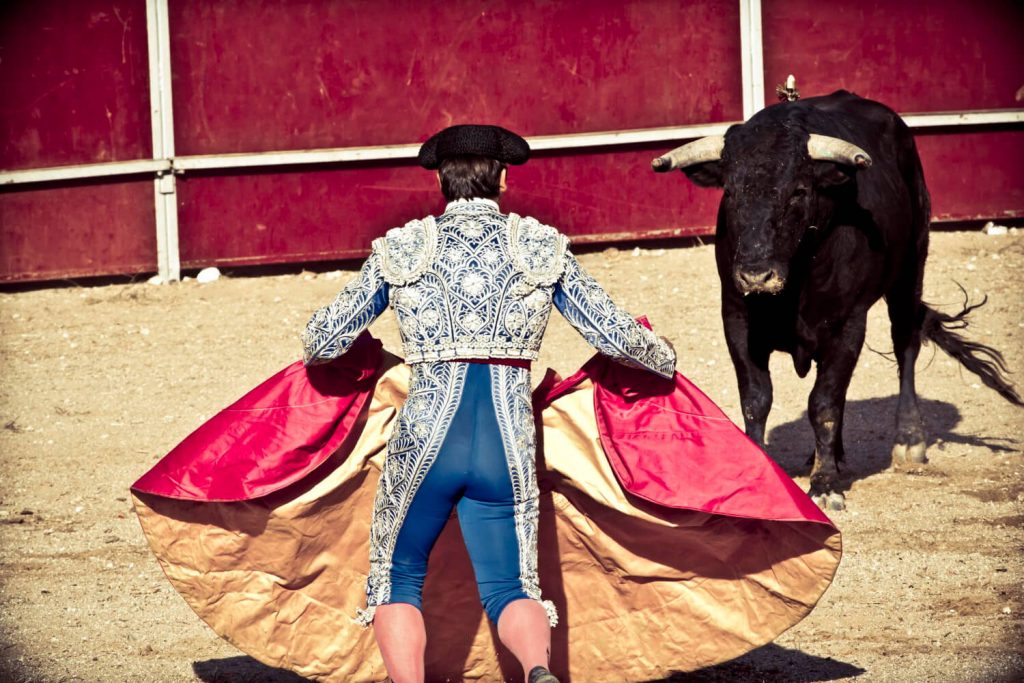
10. Bulls are annoyed by the color red.
Cattle perceive colors far fromas good as a person, and the red color for these animals is not an irritant. They tend to attack when scared or annoyed. It doesn't matter what color the matador's cloak is (and it's red so that drops of blood are not visible on it), only his behavior matters. And, I must say, the bulls can be understood.
Read more:
Does science exist in extreme conditions? We answer in numbers
The Yellowstone supervolcano turned out to be many times more dangerous than scientists thought
The egg was dropped from space: look what happened to it