Researchers from the University of Amsterdam and Erasmus University conducted the largest study yet
For their study, the scientists useddata from the HELIUS study, a large-scale comprehensive study of the health of Amsterdam residents, in which more than 23 thousand people took part. The researchers recruited 3,211 participants for whom fecal microbiome composition and personality disorder-related scores were available.
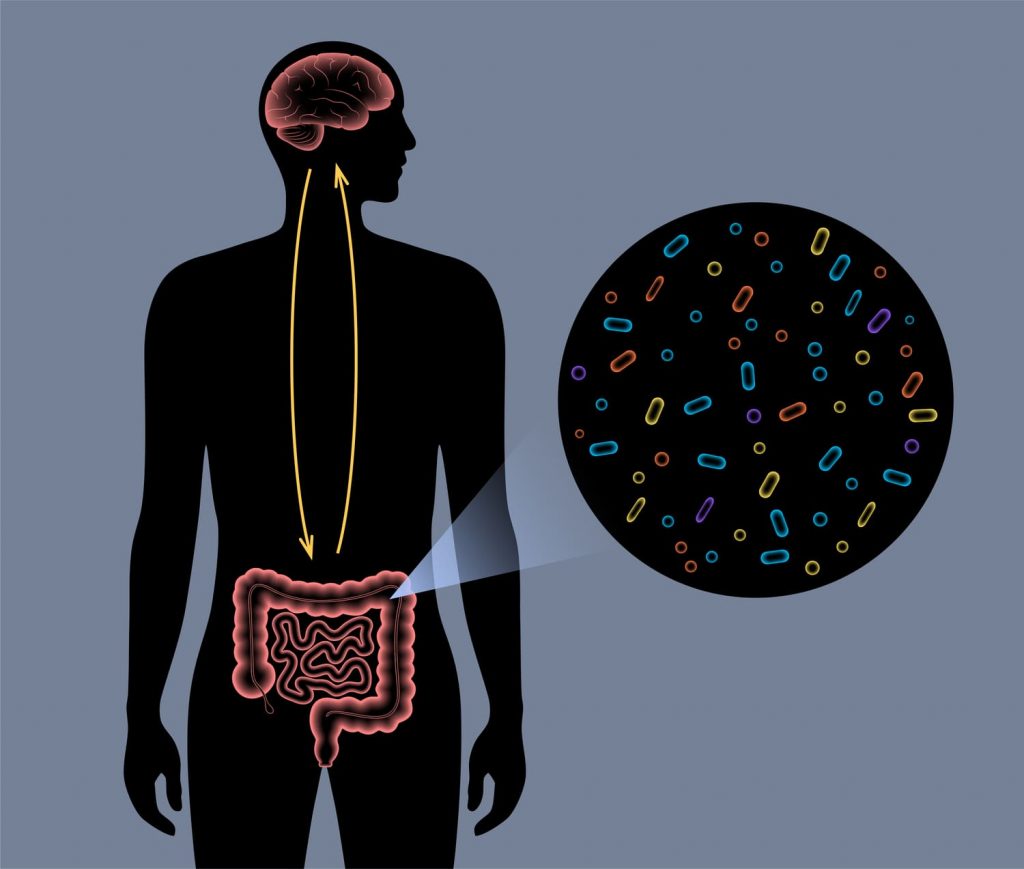 Artistic illustration of brain-gut connection
The results of the analysis showed a connection between the developmentdepression and the presence or absence of certain microorganisms in stool samples. The researchers identified 13 taxa of microorganisms that are associated with depressive disorder: the genera Eggerthella, Subdoligranulum, Coprococcus, Sellimonas, Lachnoclostridium, Hungatella, Ruminococcaceae (UCG002, UCG003 and UCG005), LachnospiraceaeUCG001, Eubacterium ventriosum and Ruminococcusgauvreauiigroup, and also family Ruminococcaceae.
These bacteria are involved in the synthesis of glutamate, butyrate, serotonin and gamma-aminobutyric acid (GABA), which are key neurotransmitters of depression, the scientists note.
Validation of research results based onscreening data from ERGO, a similar project for a comprehensive study of the inhabitants of Rotterdam, confirmed the conclusions of the work. At the same time, in both cases, the correlation between the composition of the microbiome and depression was as high as for known risk factors - smoking, alcohol consumption, lack of physical activity and being overweight.
In addition, in an additional study, researchersshowed that previously discovered ethnic differences in the development and course of depression may also depend on the composition of the microbiome. The composition of bacteria in the intestinal tract differs among ethnic groups, they note, and this correlates well with risk factors for depression.
The authors of the work note that understanding how exactly the microbiome affects the development of depressive disorder will help develop new therapeutic approaches.
Read more:
Hydrogen energy, material against cold weather and bioadditives against COVID-19: what scientists are creating in the North
The egg was dropped from space: look what happened to it
"The Walking Dead" existed millions of years ago: scientists told how they appeared