Hungarian archaeologists have announced the discovery of a doctor who died about 2,000 years ago and was buried with
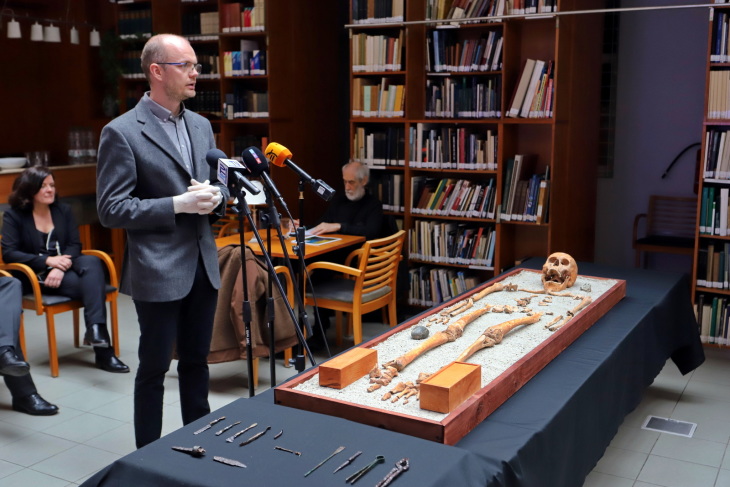
The remains of a man and a medical instrument from the burial. Image: ELTE BTK
A Roman-era tomb is located near the cityJasberen, located in central Hungary, about 50 km from Budapest. The researchers found an almost complete skeleton of a man. At the time of his death, he was about 50 or 60 years old. After a preliminary analysis, archaeologists found no obvious signs of injuries or illnesses on the body that could have caused death.
At the foot of the burial, the researchers found twowooden chests filled with various medical instruments. Among them are forceps, needles, pliers, tweezers and well-made scalpels for surgical operations.
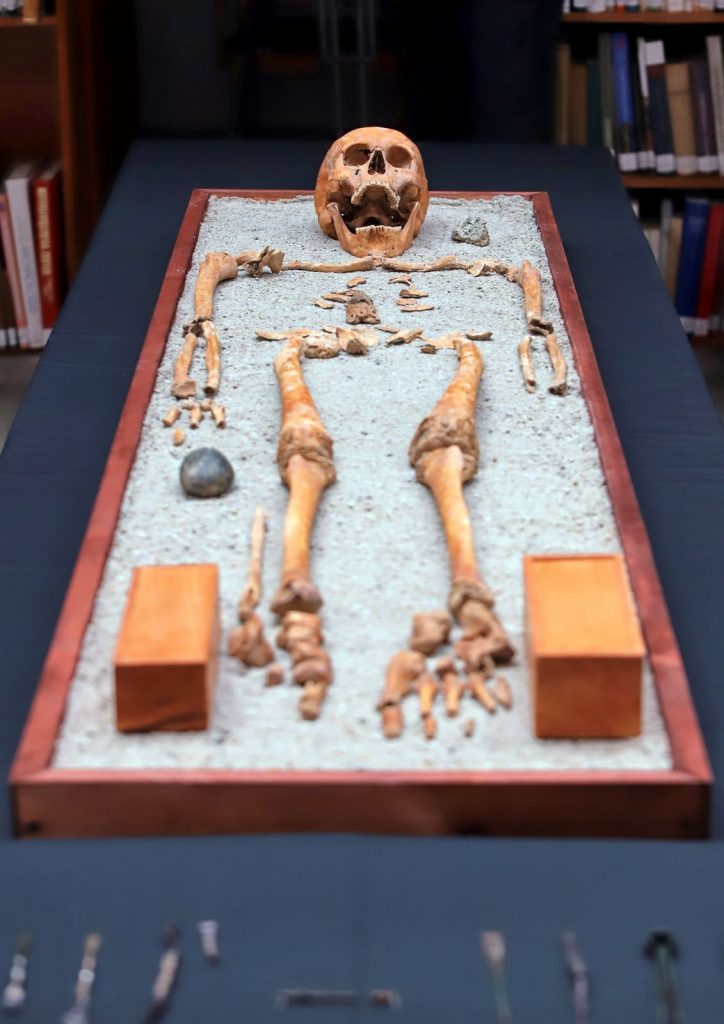 The remains of a man from the burial. Image: ELTE BTK
Scalpels are made of copper alloy,decorated with silver, and have removable steel blades. Also in the chest was a whetstone, which was used to sharpen blades and possibly to mix medicinal herbs. Similar scalpels were found in Roman Gaul, a province of Rome located on the territory of modern France and western Germany.
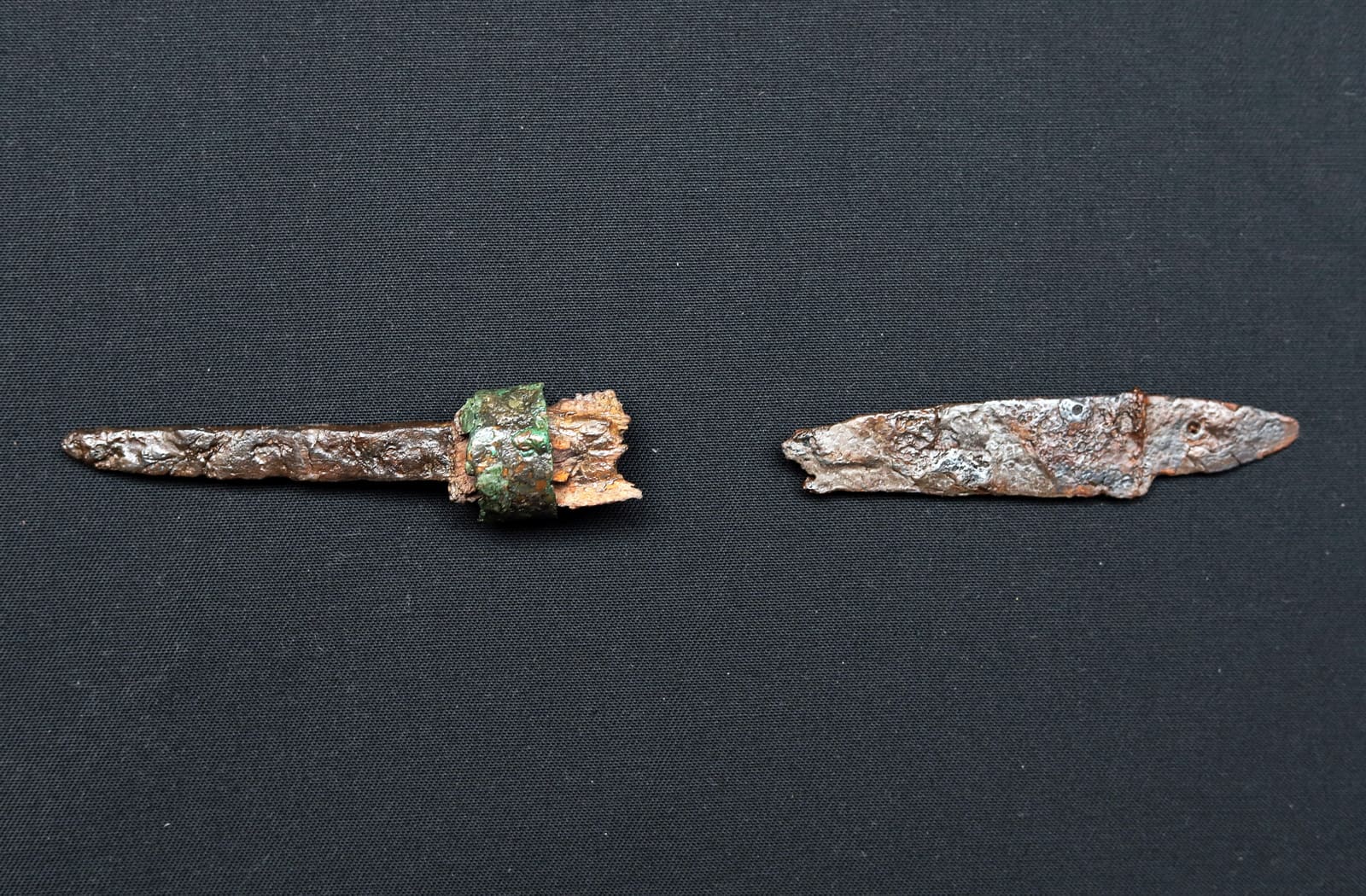
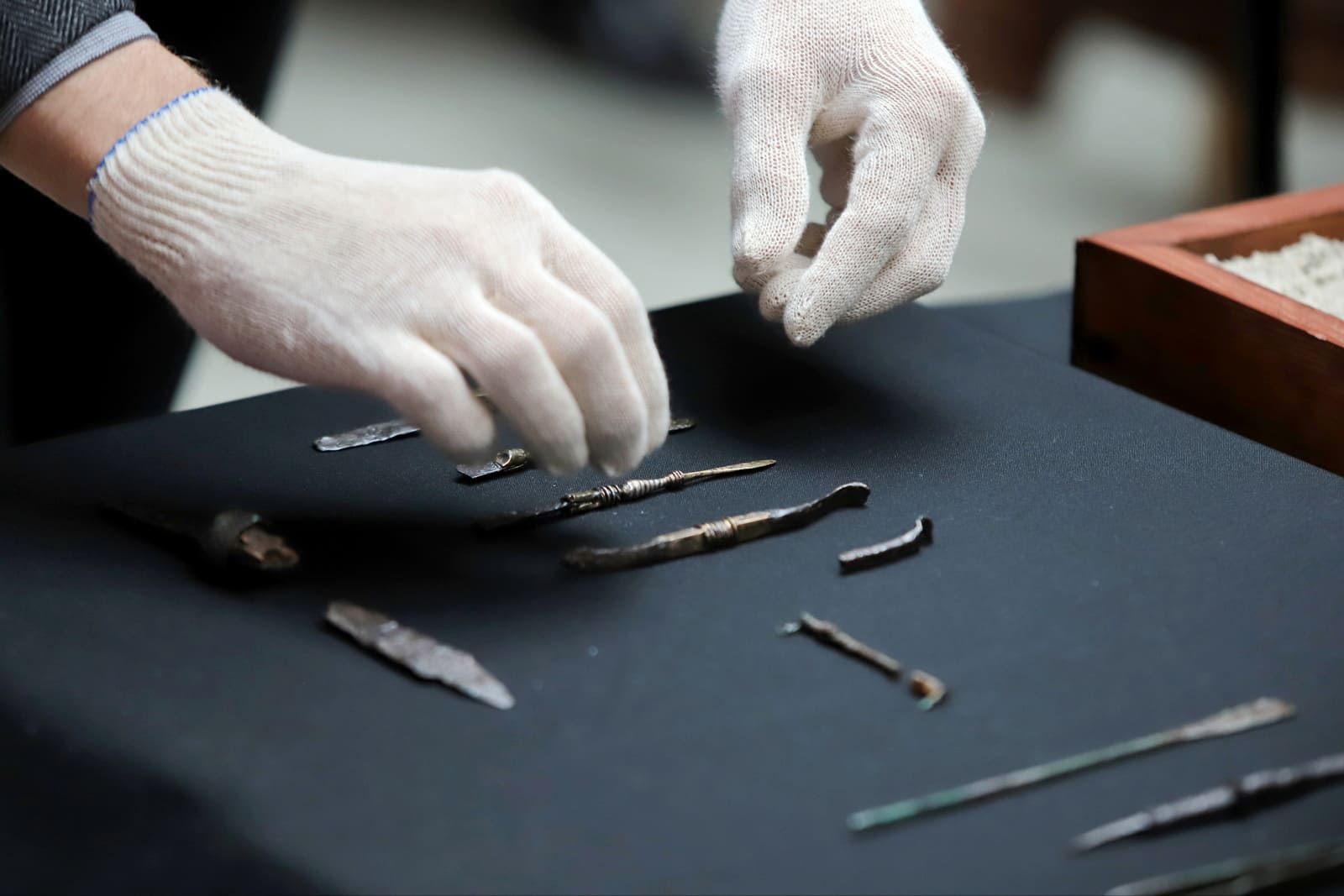
Medical instrument found in the burial. Images: ELTE BTK
In the 1st century AD, the territory of modern Hungarybelonged to the ancient nomadic people of the Sarmatians and served as a "buffer zone" between the Roman Empire and Dacia. It is not known why the man went to this region, inhabited, as Roman historians wrote, by barbarians. Researchers speculate that this is due to some extraordinary event that caused a well-equipped doctor, probably trained in one of the imperial centers, to go to the area to save a life.
Read more:
Scientists first saw how a star devours the planet: this, in the end, is waiting for the Earth
Two super-Earths found on the edge of the habitable zone: one of them has a comfortable temperature
Modern humans migrated to Europe differently than previously thought
On the cover: the skull of an ancient Roman physician from a Hungarian burial. Image: ELTE BTK