George Poinar Jr., professor emeritus in the College of Science at Oregon State University, found
Yellow is visible on the wings of the insect.There is a transverse stripe, and there is also a similar mark on the body, which “seems to divide the body into two parts,” the scientist explains. The cockroach also has long spines, which it uses for protection. They are found on the legs of the insect, especially pronounced on the hind legs. The sample is about 30 million years old.
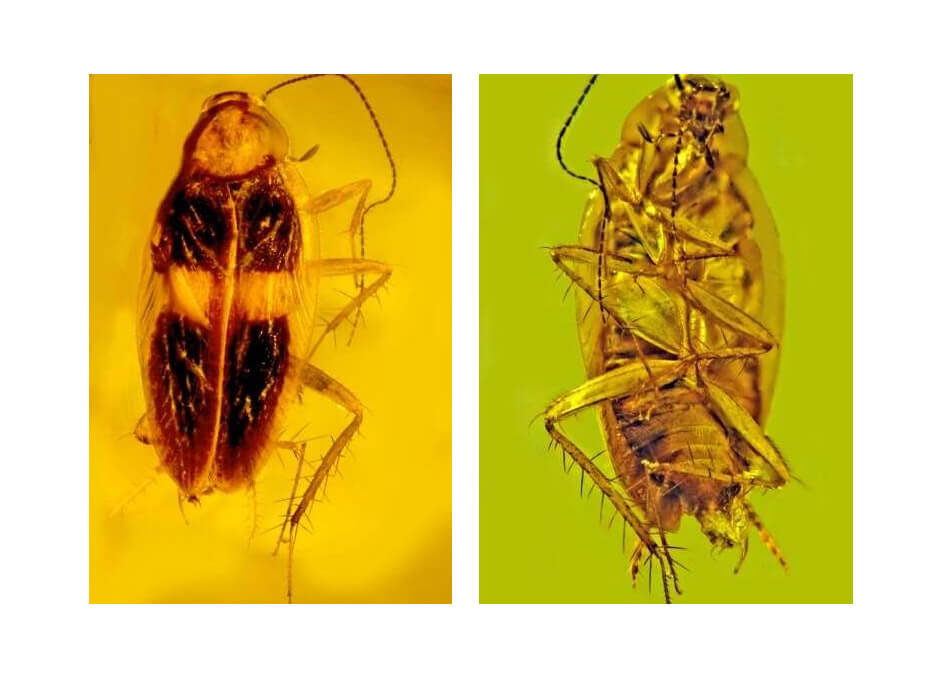 Credit: Oregon State University
The scientist discovered a bundle of sperm with dark acrosomes - these are the structures that cover their head.
As is the case with another cockroach, Supella, which was previously found in Mexican amber, the closest living relatives of S. dominicana live in Africa and Asia.
Read more:
Hydrogen energy, material against cold weather and bioadditives against COVID-19: what scientists are creating in the North
10 scientific facts that turned out to be fakes. Cards
Unusual decoration in an ancient grave surprised scientists