Mark Abbott and his team recovered a 90-meter sediment core from the bottom of a lake in the Peruvian Andes. It turned out he
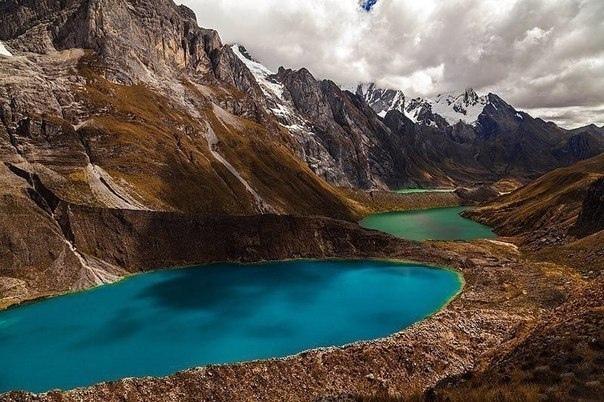
"This is not like what we had before,", – said Abbott, professor of geology and ecology at the University of Pittsburgh's Kenneth P. Dietrich School of Arts and Sciences.
Having a long and detailed history of changeclimate in the tropics, the team was able to compare the history of global climate change in a way that was not possible before. The history of glaciers contained in the lake core matched data found elsewhere, showing an approximately 100,000-year cycle in the amount of ice across the globe.
Reading records means dividing the core length90 meters into thousands of parts, carefully cutting and studying layers of sedimentary rocks. The composition of a layer shows how it was formed – be it glaciers grinding against rocks or a lake drying up to form a swamp, each process leaves its own distinct mark.