Between the orbits of Mars and Jupiter is the so-called main asteroid belt, a cluster of celestial
Smaller objects orbit around asteroids from the main belt, which almost do not differ in their composition and properties: they are believed to be formed after collisions with large asteroids.As a result, some debris from these bodies falls to Earth.
While studying fragments of the meteorite 2008 TC3, which fell into Sudan in October 2008, researchers found out that there is at least one other large asteroid inside the solar system.During the analysis of the fallen meteorite, it turned out that it contains magnetiteand some other minerals, analogues of which scientists have not seen in similar meteorites before.
While analyzing the fallen body with an infrared spectrometer, the researchers found a variety of sedimentary rocks, such as phyllosilicates and amphiboles: they appear at relatively high temperatures only with water.However, amphiboles have never been found inside meteorites before, with the exception of the Allende chondrite meteorite, which fell into Mexico in 1969.
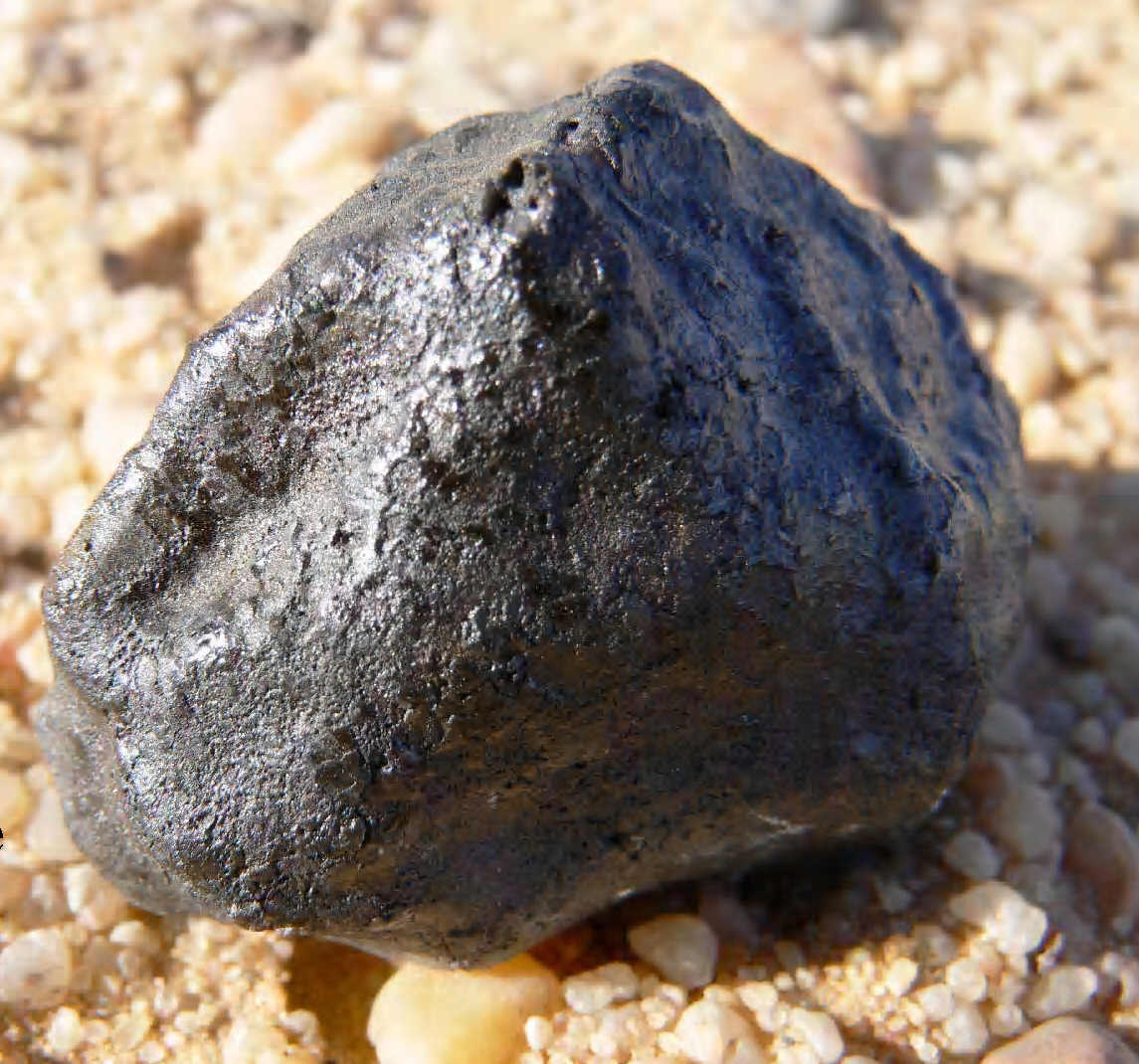 One of the found fragments of asteroid 2008 TC3
Based on the results of their work, the scientists suggested thatthis unusual structure of a fallen meteorite could have appeared there if 2008 TC3 was part of a much larger asteroid, which is comparable in size to Ceres.
Researchers plan to continue studying the history of the formation of the fallen meteorite and the alleged large, in order to find out in which region of the solar system it or its debris may be located.
Read more
Check out the most beautiful pictures of Hubble. What has the telescope seen in 30 years?
Ancient people saved themselves from the cold by hibernation
Astronomers have discovered an "intriguing signal" from the closest star system to the Sun