Scientists have found an unusual cavity near the molecular clouds of Perseus and Taurus — these are the places where
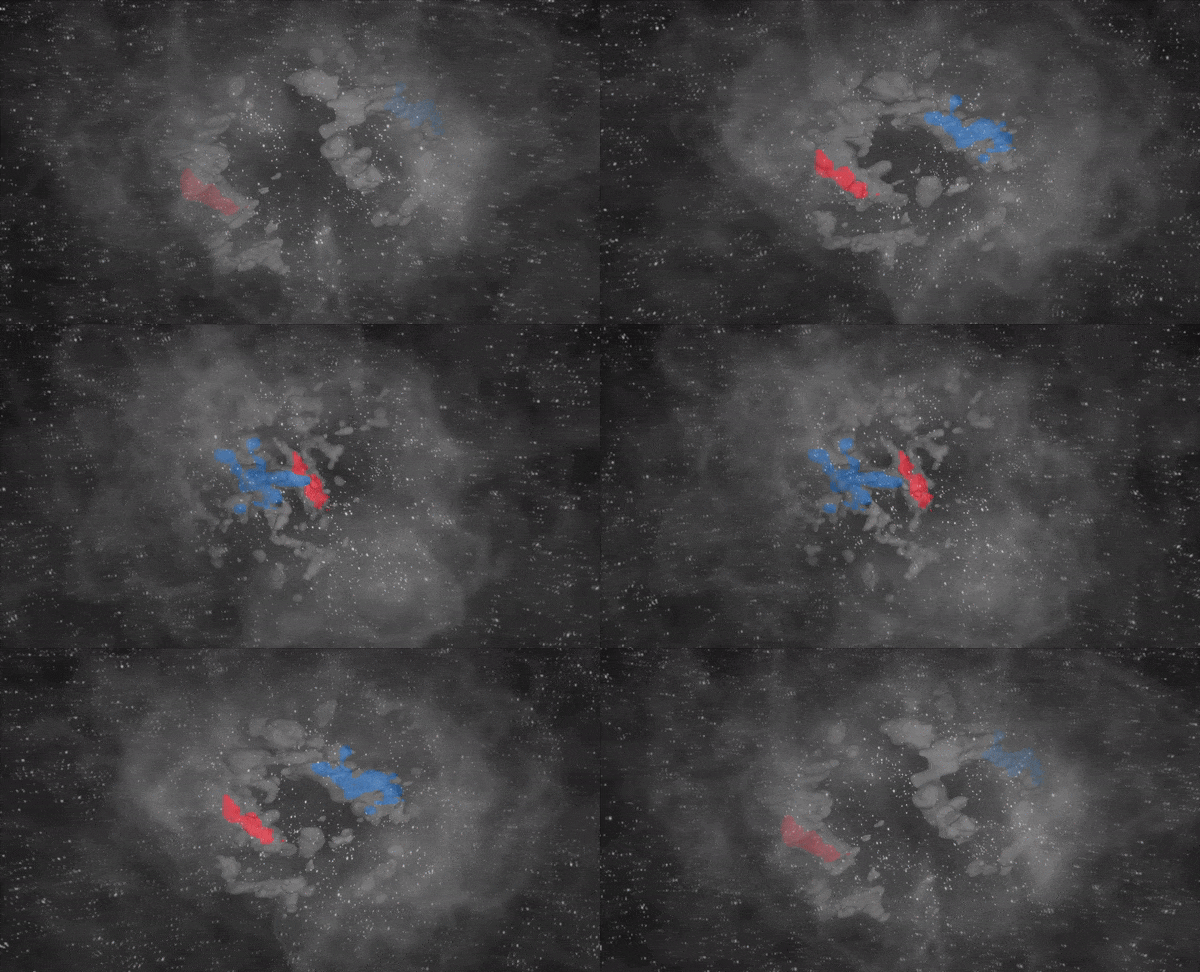
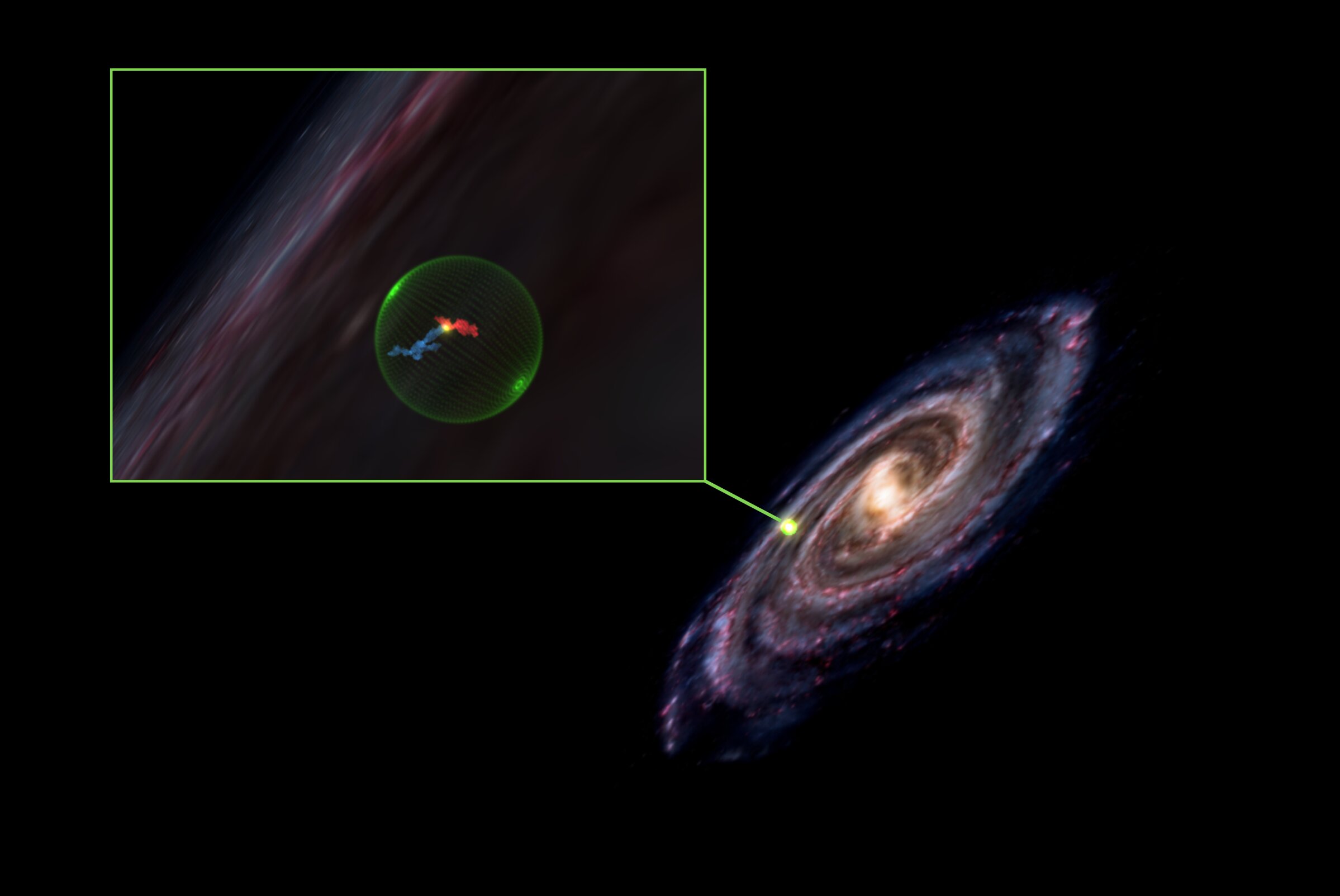
It is a hollow sphere roughly 150 parsecs, or 500 light years across. Scientists made a 3D map of it based on observations from the ESA space observatory.
Hundreds of stars are forming, or already existing, on the surface of this giant bubble.We have two theories about its formation: either a single supernova exploded at the center of this bubble and pushed the gas outward, forming what we now call the Perseus-Taurus Supershell, or a series of supernovae that arose over millions of years created it over time.
Shmuel Biali, Study Leader
The authors believe that the unusual region appeared as a result of the same supernova shock wave, and the Perseus and Taurus clouds were formed simultaneously by the same shock wave from thesupernova explosions.
There are many theories about how gasrebuilds and forms stars. Astronomers previously tested these hypotheses using simulations, but in the new work, the authors used real images to compare theory with observations.
Read more:
An airplane with articulated wings and a tail appeared. It can take off without a run
The development of AI has reached a critical point. Scientists are asking to take control of technology
The vampire fish uses an original way to move in water