A new species of river frog from the Andes of Ecuador has been named after John Ronald Reuel Tolkien, the creator of Middle-earth.
Stream frogs are a groupamphibians inhabiting the Andes of Venezuela, Colombia, Ecuado, Peru and Bolivia. Their life is closely connected with clean rivers and streams in mountainous regions, hence their name. Adults live in coastal vegetation, and their tadpoles develop among the stones of fast river waters.
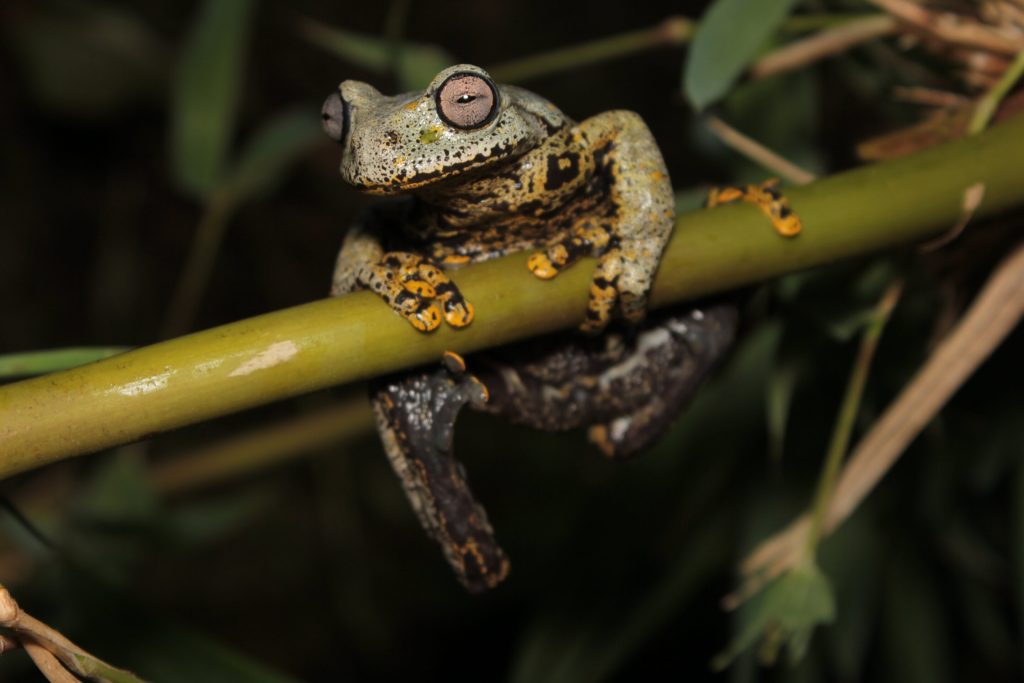 Hyloscirtus tolkieni. Credit: Juan Carlos Sánchez-Nivicela/Archives of the Zoological Museum, University of San Francisco de Quito
Researchers Juan S. Sanchez-Nivitzela, Jose M.Falcon-Reiban and Diego F. Cisneros-Heredia named the new frog Hyloscirtus tolkieni after one of their favorite writers, J. R. R. Tolkien, known as a writer, poet, philologist and academic. The amazing colors of the new species reminded them of the unusual creatures of Tolkien's fantasy worlds.
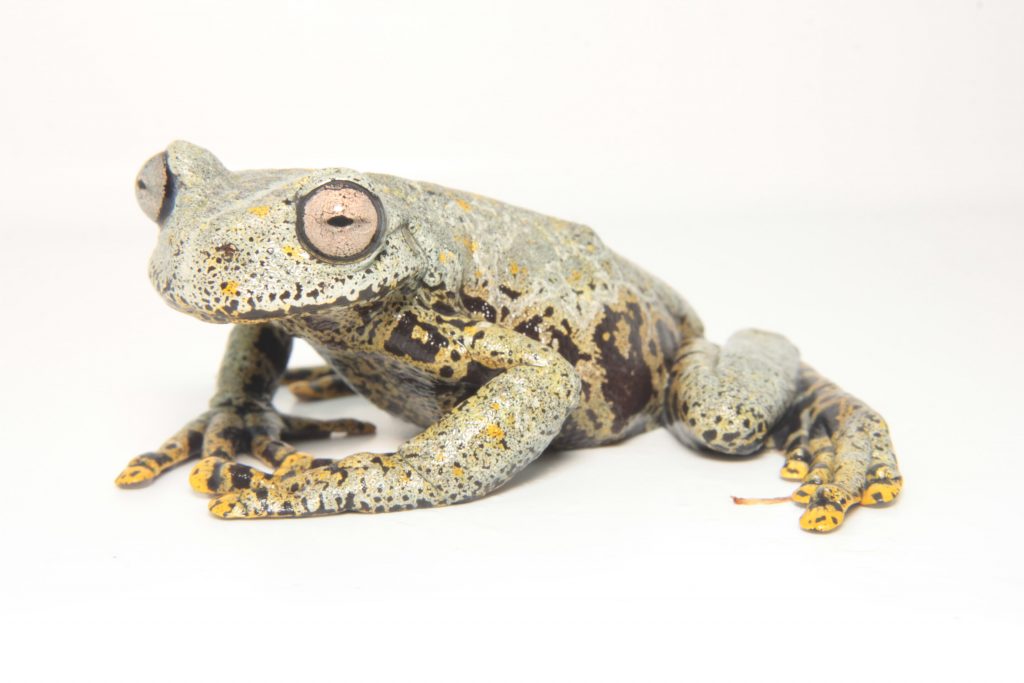 Hyloscirtus tolkieni. Credit: Juan Carlos Sánchez-Nivicela/Archives of the Zoological Museum, University of San Francisco de Quito
Expeditions conducted since 2020 at the NationalRio Negro Zopladora Park in Ecuador helped scientists discover a large number of species not yet known to science. Protected since 2018, this national park, located in the south of the country, is home to large areas of forest that remain unexplored.
Read more:
A powerful flare erupted on the Sun: it has already affected the Earth
Medieval fortress accidentally discovered in the forest: the find surprised scientists
Scientists have found a new genetic disease in children: how it manifests itself
On the cover: photo of Hyloscirtus tolkieni
Credit: Juan Carlos Sánchez-Nivicela/Archives of the Zoological Museum, University of San Francisco de Quito