Using a genetically engineered sensor, researchers determined changes in the concentration of peroxide in cells
In the study, scientists were the first to discover a method for increasing the amount of hydrogen in special compounds, which leads to the death of cancer cells.
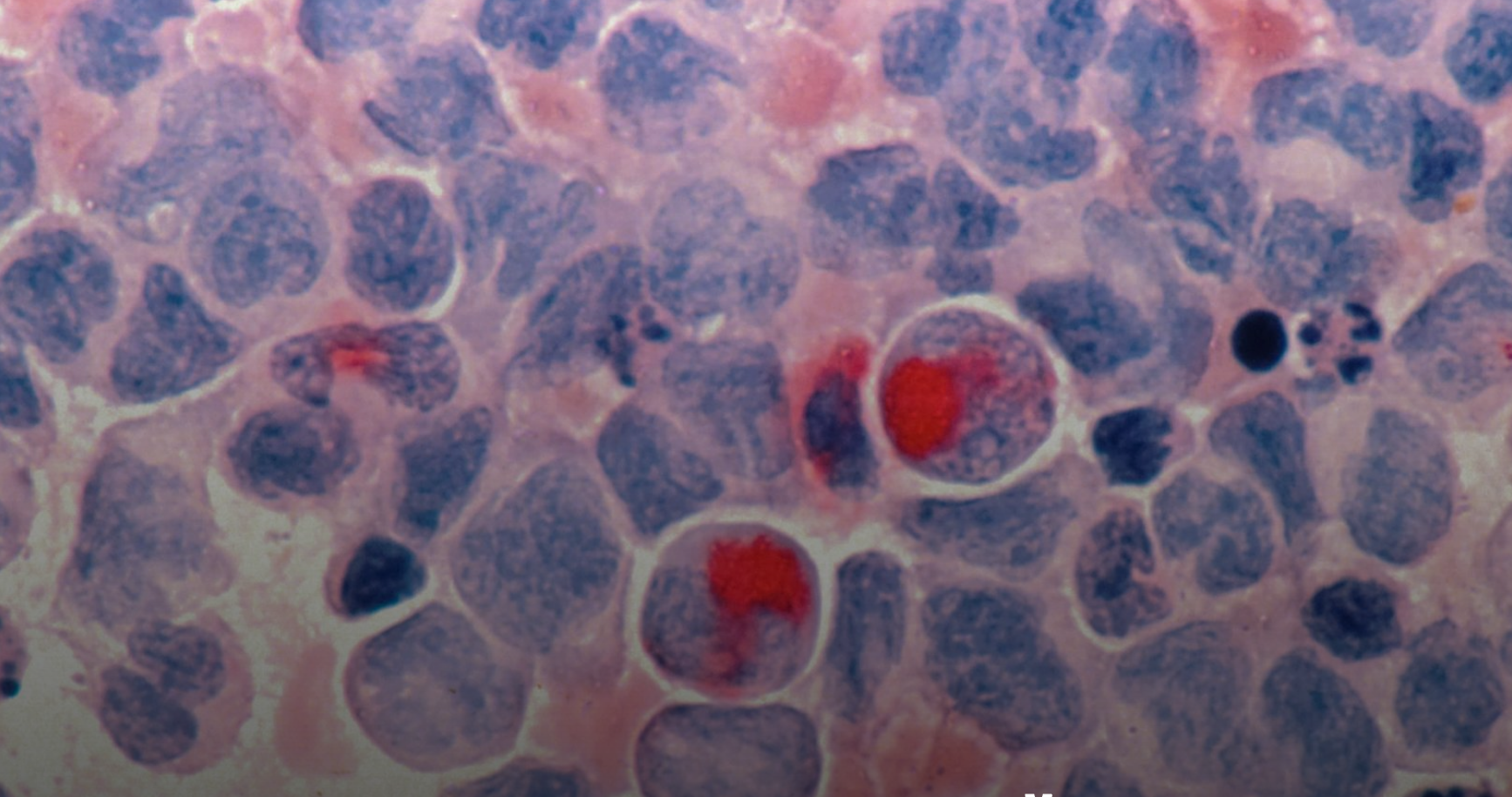
The first Russian drug with a cancer killer gene will be tested in Russia
In the fight against cancer, they have already trieduse medicinal methods that are based on increasing the level of an oxidizing agent in cells. But without a reliable method for detecting hydrogen peroxide in cancer cells before and after drug treatment, accurate therapy remained unavailable.
Malignant tumors often developa large number of reactive oxygen species (ROS), and in order to reduce the impact, they produce, among other things, hydrogen peroxide. However, a large number of them can lead to the destruction of cancer cells.
In addition to hydrogen peroxide, Sykes plansuse other molecules that also perform essential functions in cells. These are active nitrogen and sulfur species that must be studied in terms of fighting cancer cells.
Read more:
A huge "black hole" was found in the middle of the Pacific Ocean. The network is wondering what it is
Large reserves of organic matter were again discovered on Mars. Scientists are looking for traces of life
Divers have found the treasures of the legendary "Island of Gold". Artifacts cost millions of dollars