The researchers explained that in order for the device to adapt to a new circumstance, its “brain”
Therefore, in the new study, researchersintroduced Hebbian rules into the network - mathematical formulas that allow AI to continue learning. Instead of values that dictate how activity will spread from one simulated neuron to another, these values change as a function of experience.
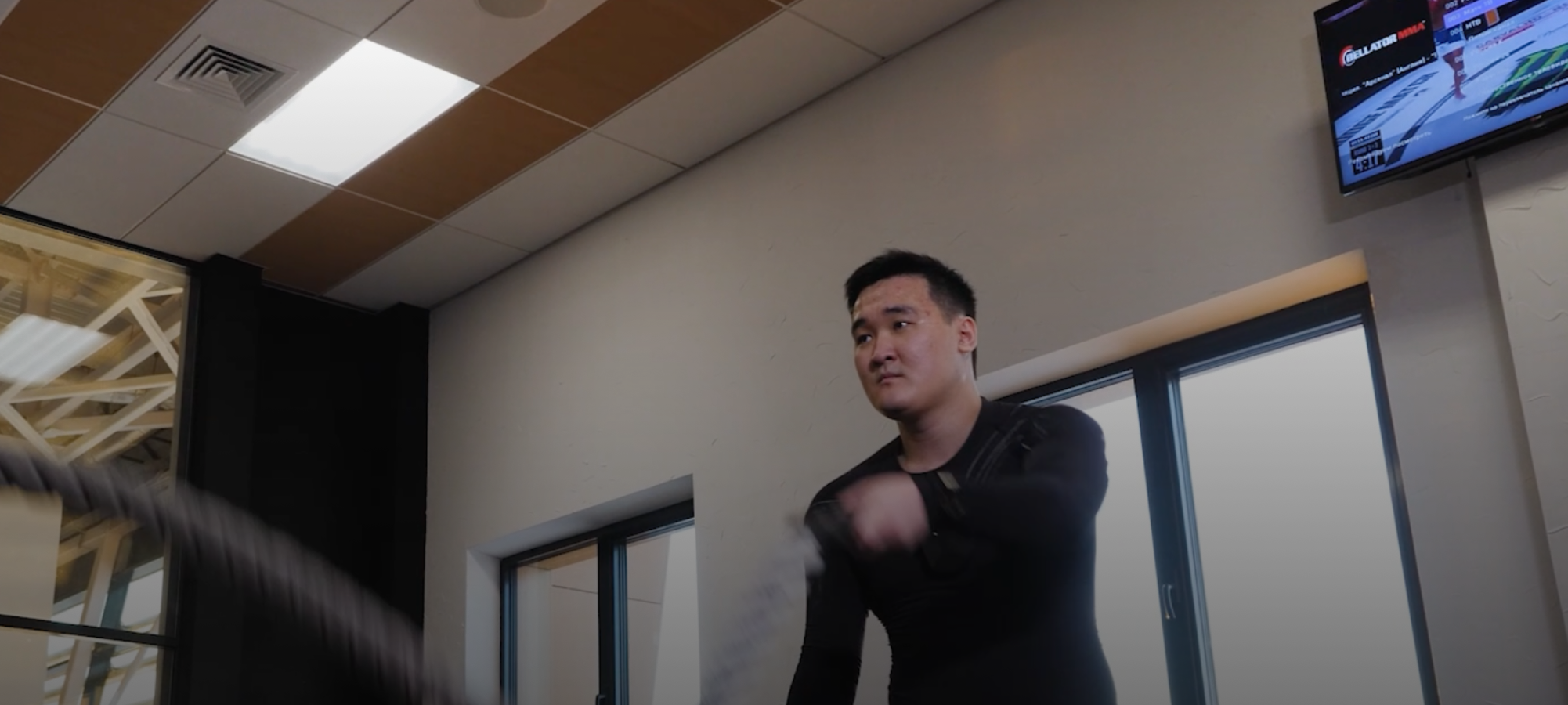
New smart jersey records athletes' activity during training
To test how their method works, the commandpartially removed the robot's left front leg, forcing it to compensate for the injury on the go. The device was able to travel seven times more than a conventional robot. The researchers reported this at a conference on neuro-information processing systems. Such training can improve algorithms for image recognition, language translation, or driving.
Earlier, researchers at MIT created an algorithm,who can define goals and plans, even if they may fail. This type of exploration will improve assistive technology, collaboration or grooming robots, and digital assistants like Siri and Alexa.
Read more:
Check out the most beautiful pictures of Hubble. What has the telescope seen in 30 years?
Research: Crops in Chernobyl are still contaminated with radiation
Scientists take the first high-quality pictures of coronavirus thorns