Researchers used AI-based machine learning to predict more than 20,000 people.Unknown
Scientists already knew that thousands of viruses infectmammals, while, according to the latest estimates, less than 1% of the viral diversity of mammals has been discovered to date. Some of these viruses, such as human immunodeficiency viruses and feline immunodeficiency viruses, have a very narrow host range, while others, such as rabies and West Nile viruses, have a very wide host range.
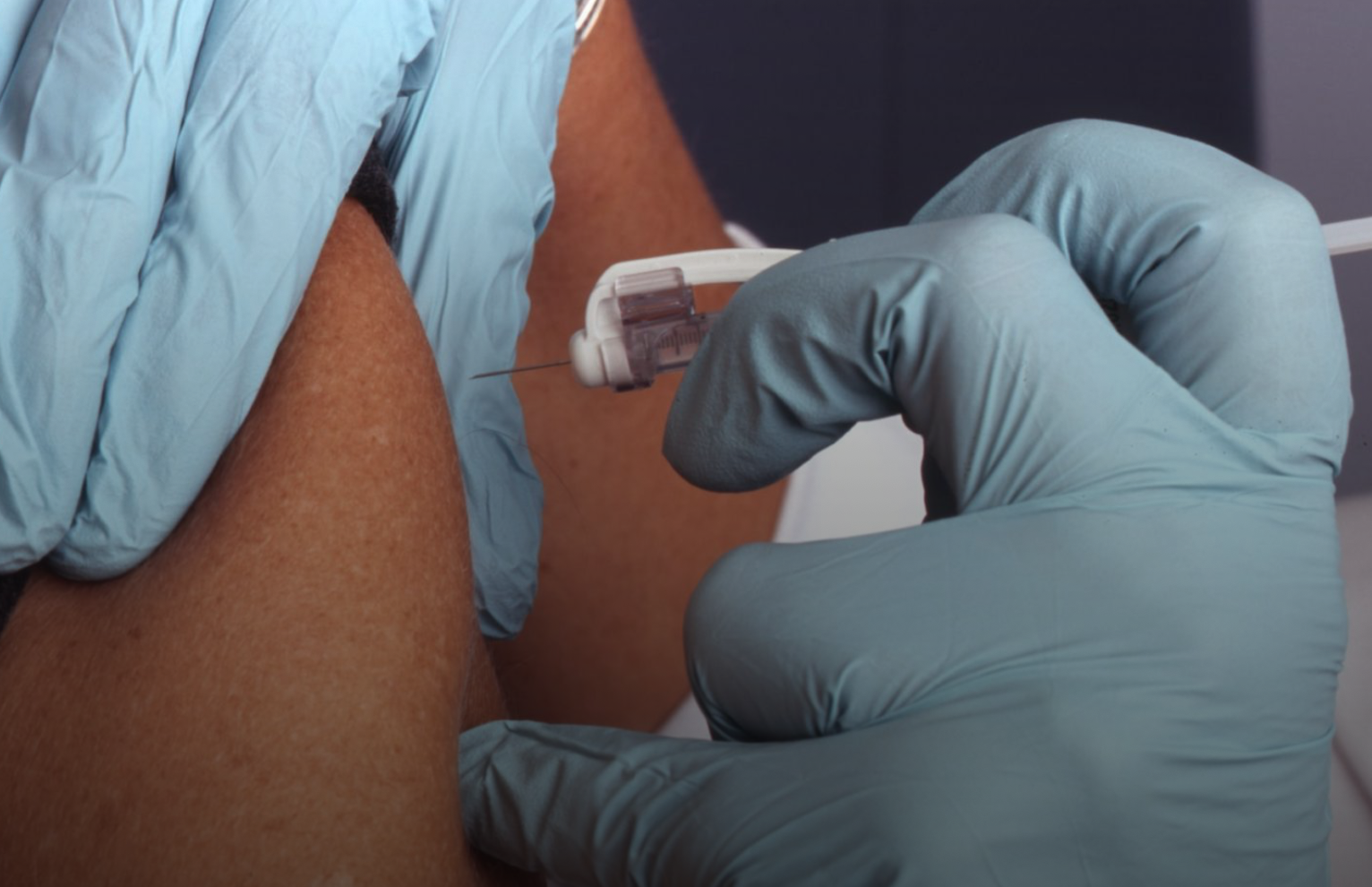
In Russia they began to vaccinate with the Sputnik Light vaccine
“Habitat is an important indicator ofwhether the virus is zoonotic and, therefore, is it a danger to humans. More recently, it was found that SARS-CoV-2 has a relatively wide range of hosts - this has contributed to its spread among humans. However, our knowledge of the habitat of most viruses remains limited, ”the researchers note.
To close this gap, the researchers developed a new machine learning system to predict unknown associations between viruses and susceptible mammalian species.
Their results indicate thatThere are five times more associations between known zoonotic viruses and wild and semi-domestic mammals than previously thought. In particular, bats and rodents, which have been linked to recent outbreaks of new viruses such as coronaviruses and hantaviruses, have been associated with an increased risk of contracting zoonotic viruses.
The model also predicts a five-fold increase in associations between wild and semi-domesticated mammals and viruses of economically important domestic species.
“As viruses continue to move throughglobe, our model provides an opportunity to assess potential hosts with whom they have yet to meet. Such foresight can help in identifying and mitigating the risks of animal diseases that can spread to the human population, ”the researchers added.
Read more
The largest comet in history is seen in the solar system: it is almost a planet
Scientists have calculated the "pulse" of the Earth: it is 27.5 million years
New method instantly turns carbon into graphene or diamonds