How Fintech Broke Into the Banking Sector
Fintech companies are bridging the gap between customer inquiries and
The real revolution was the appearance in the bankTinkoff remote account opening opportunities in 2016. Then everyone realized that quality service can be obtained not only in the office. Since then, the banking sector has been transforming at an exponential pace, with some bank apps turning into ecosystems where you can open an account, buy a movie ticket or read the news.
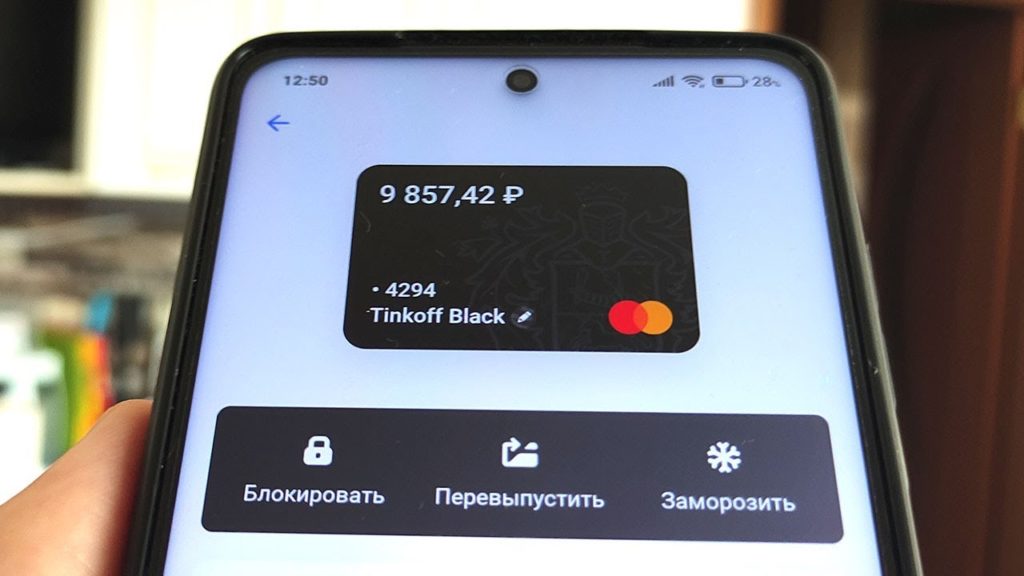 “A real revolution was the appearance in Tinkoff Bank of the possibility of remote account opening in 2016”
Fintech startups quickly respond to needsmarket. For this reason, large Internet companies are interested in them, which are also moving into the financial sector, offering additional services in the field of payments and lending. Apple, Google, Amazon, Yandex are developing in this direction.
Banking inquiries today
- Alternative lending
Due to the economic situation in the world, there is a great demand for new credit solutions.Small and medium-sized businesses are especially in need of them: all over the world, they are in short supply every yearThe problem is that traditional scoring models can'tassess the risks of such companies, and entrepreneurs receive refusals.
Fintech offers alternatives, they expand the scale of operations both among riskier retail clients and in the corporate sector.For example, IVITECH has developed a scoring model based on big data, which allowsfinance clients who previously could not claim anything.A similar path has been taken by the Brazilian neobank Nubank: based on its algorithms, it providescredit cards and loans to 50 million customers who could not get money from traditional structures due to lack of credit history.
- Strengthening of Payment Instruments
Fast-growing e-commerce spurs developmentfintech tools, especially in terms of payments, control and expense management. Recently, BNPL technology (buy now, pay later) came to Russia; it allows you to pay for goods and services in shares. In April, Tinkoff launched such a service, and Sberbank recently launched an analogue. According to experts, by 2030 they will become a traditional method of payment, and the market size will grow to $4 trillion.
Everything related to payment will evolve.Researchers expect the unification of payment solutions, their integration into cloud software, and an increase in the speed of transactions. There will be more competition among providers that process electronic payments.
- Post-Big Data and cybersecurity
Due to the departure of foreign vendors, new ones are neededdevelopments in the field of cybersecurity. For example, programs for biometric identification of clients have prospects. Companies integrating into ecosystems need high-quality analytics based on user scenarios.
Difficulties of interaction
But not all innovations are quickly integrated intobanking sector. For example, experts talk about the merits of Bank as a Service - rental of banking infrastructure, but so far this model is still very undeveloped. Banks are reluctant to share internal information through Open-API. There are two reasons for this: the tradition of not disclosing internal information and the lack of a legislative framework like the European PSD2.
Sometimes banks partner with a fintech company,study the proposed technology, and then try to make an analogue themselves. In most cases, nothing good comes out of this. It is difficult for a bank, even with a smart innovation department, to launch a new product due to internal regulations and pressure from the regulator. If a fintech company can implement some technology in a couple of months, it takes a bank a few years.
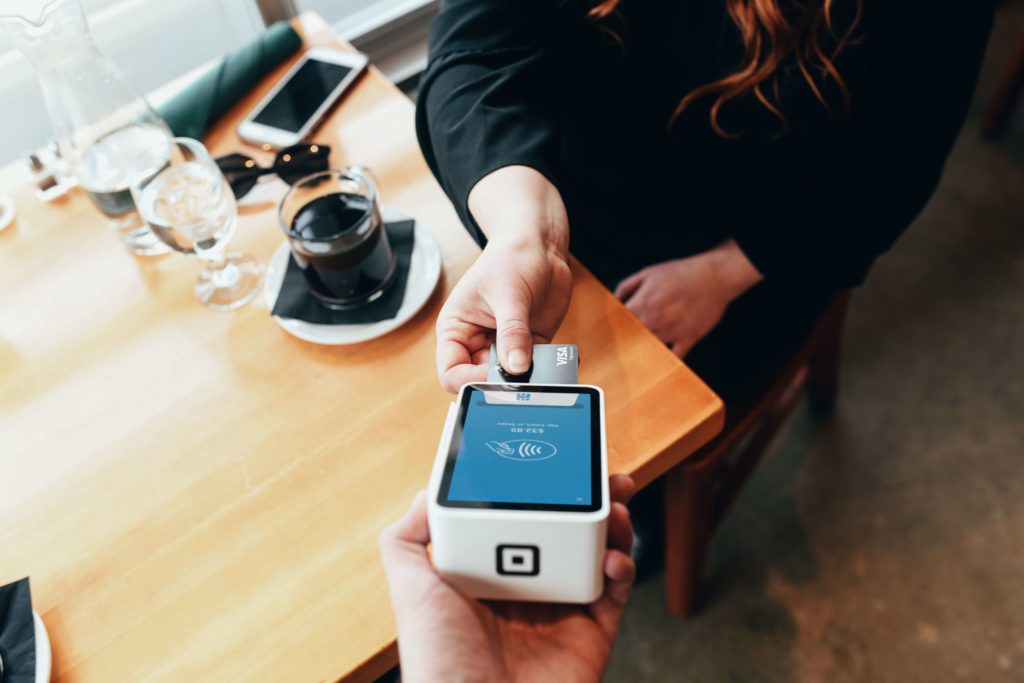 “But not all innovations are quickly integrated into the banking sector”
What lies ahead for banks
Traditional players are often seen in fintecha competitor who will come and take away all their functions. But there are no prerequisites for this. Of course, the sector will change - the rapid growth of neobanks is explained by the effectiveness of this model. For example, the Chinese digital bank WeBank, launched in 2014, already serves more than 200 million individuals and 1.3 million small and medium-sized enterprises, and its profitability exceeds 25%. WeBank's profit comes from digital platforms (WeiLiDai, Xiao'e Huaqian and WeiYeDai), aimed at lending to low-income people and start-up entrepreneurs. Creditworthiness is assessed using Big Data, and customer support is powered by artificial intelligence.
Behind traditional banks in the future 10-15 yearssome basic settlement functions will remain: keeping cash deposits, lending to large businesses, settlements under trade contracts. The industry will move along the path of building consumer ecosystems, because this approach allows it to compete with technology giants. Now Tinkoff and Sberbank are working in this direction. By integrating the services of various companies, they attract more customers, get high-quality analytics, increase the average check and the frequency of transactions. The power of innovation lies precisely in the fact that in the end they force all participants in the industry to raise the technological level.
Read more:
Einstein's prediction may come true: how an experiment with invisible atoms will change physics
On the pyramid in China found a portrait of the "king of ancestors". He ruled over 4,000 years ago
“This is science fiction”: scientists create a fundamentally new type of quantum computers