The Amazon rainforest has released more energy over the past decade, according to a new study.
Research team including specialistsfrom the University of Oklahoma and the University of Exeter, said large areas of rainforest have been degraded or destroyed by human activities and climate change, resulting in a dramatic loss of carbon.
Research results published in the journalNature Climate Change also showed a significant increase in deforestation in 2019 - 3.9 million hectares, up from about 1 million per year in 2017 and 2018.
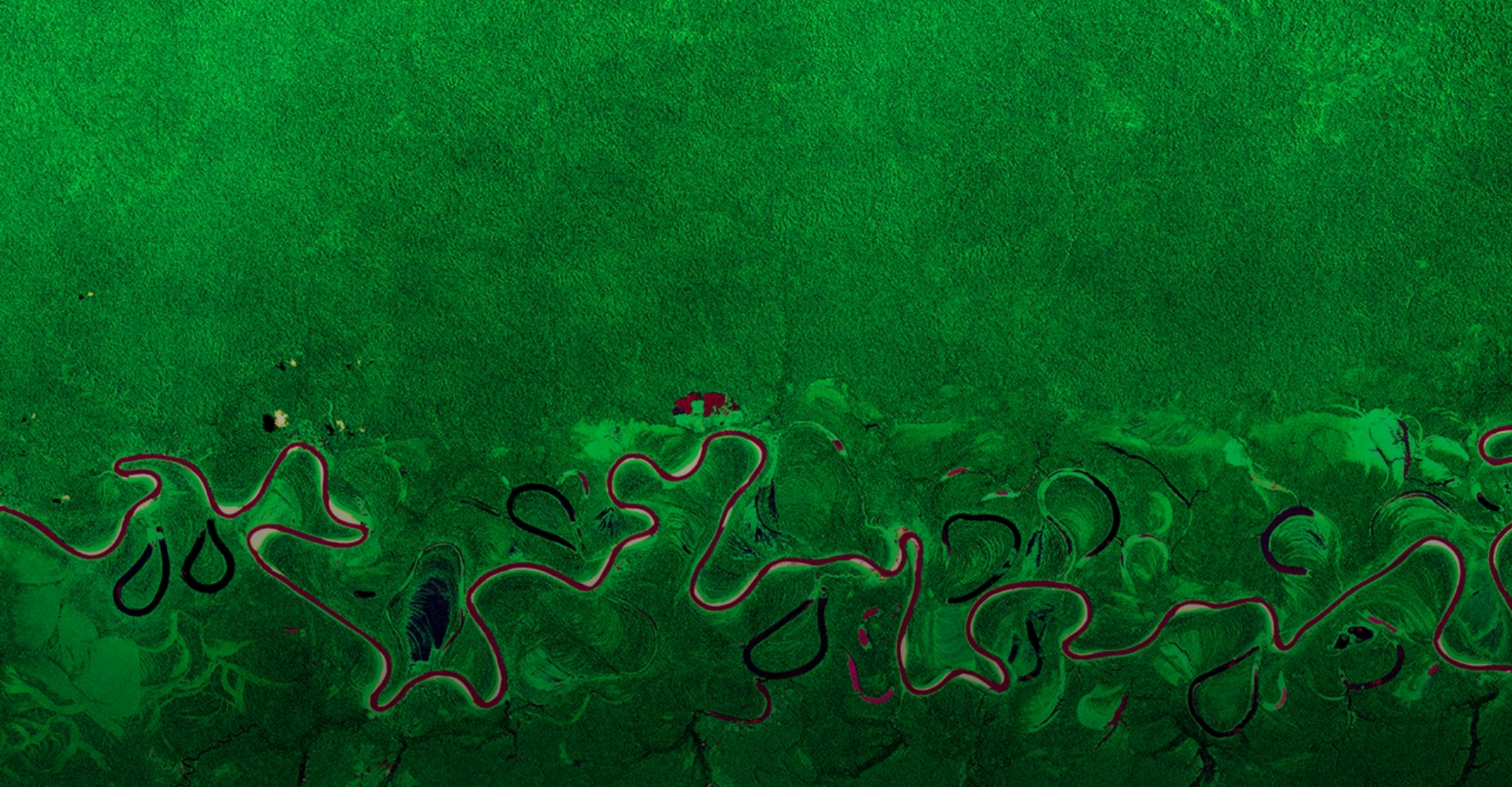
See in infrared as the Amazon makes its way
Professor Stephen Sitch of Exeter InstituteGlobal Systems noted: “The Amazon as a whole has lost some of its biomass and therefore released carbon. We all know about the importance of deforestation in the Amazon and the impact on global climate change. However, our research shows that emissions from associated forest degradation processes could be even greater. ”
Degradation is widelya widespread threat to the future integrity of forests and requires urgent attention from researchers, the scientists added. Degradation is associated with deforestation, especially in weakened parts of the forest, but it is also caused by tree felling and forest fires. Climatic events such as droughts further increase tree mortality.
The change of government in Brazil in 2019 alsoled to a sharp decline in the level of environmental protection in the country. Deforestation of 3.9 million hectares this year is 30% more than in 2015, when extreme El Niño droughts led to increased tree death and wildfires.
Read more
Elon Musk: the first tourists to Mars will die
The first accurate map of the world was created. What's wrong with everyone else?
A dead star has been discovered rotating on its axis in a second