How Apple's Health Services Got Started
Apple Vice President of Technology Kevin Lynch
It all started with the Apple Watch, where we collected heart rate data for activity calorimetry and also created activity rings that the user could "close". But we needed a place to put the heart rate data.That's why we created the Health app.
Kevin Lynch, Vice President of Technology at Apple
Apple Health was conceived as a companion app for storing Apple Watch activity data in 2014.
Next, Apple decided that the app could store not only heart rate data, but also other indicators.To do this, you need a system, as well as create an API and architecture that will allow you todevelopers to store related data there in a confidential-friendly manner.
In the early days, the health app was still essentially passive storage where users could monitor their health metrics, however, this was just the beginning.

How users suggested the ideal format for the application
According to Lynch, a key turning point in Apple's approach to health was that the company saw user activity on health apps, as well as how they used or used it.
Some users monitored their heart rate outside of exercise and had high heart rate readings.Next, such a user went to the doctor and began the examination forCompanies are getting letters about how this technology is being used even at seven meters in space.
Kevin Lynch, Vice President of Technology at Apple
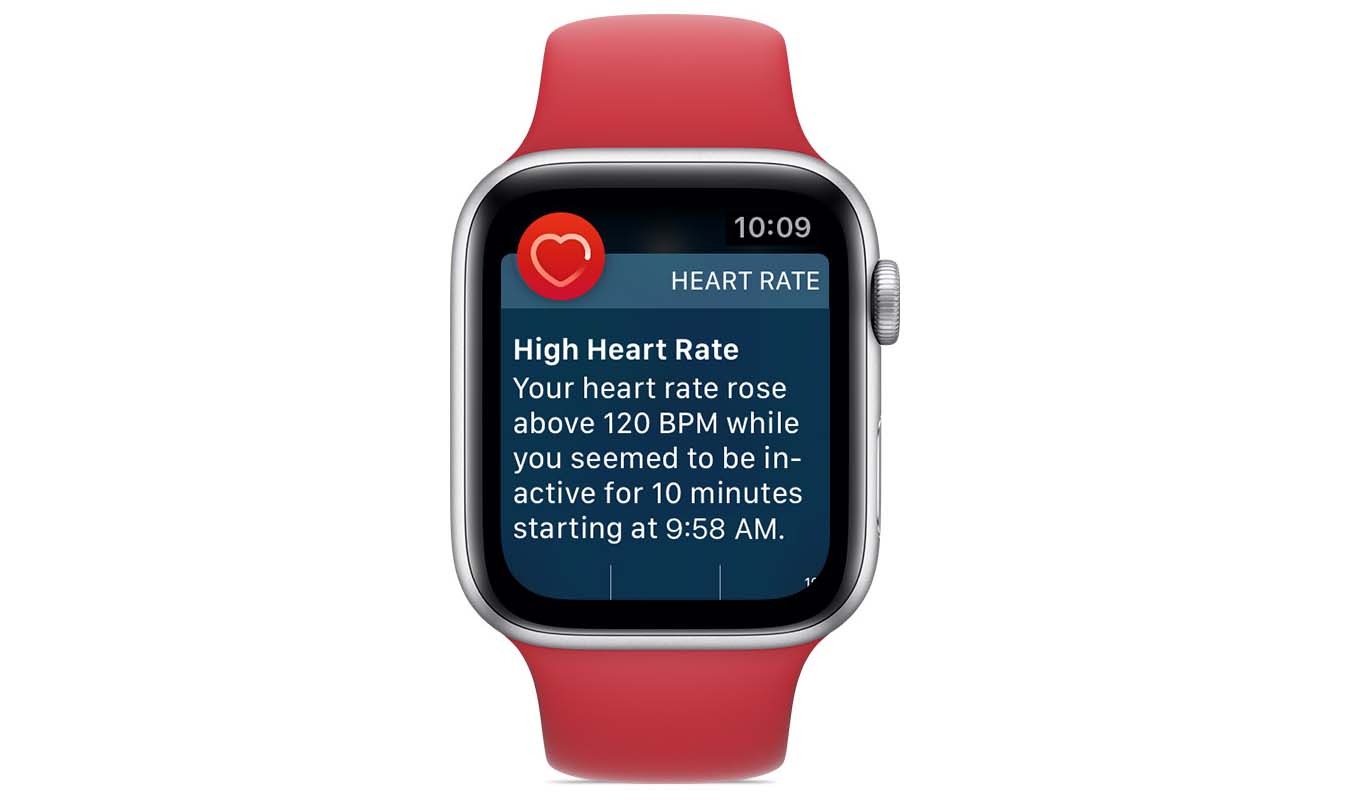
Next, the company has developed notifications that warn of a high heart rate: Apple Watch TracksAn unusually high heart rate that doesn't occur during exercise.
A high resting heart rate is one indicator of heart problems. Apple later added notifications for unusually low heart rates.
After that, the company hired more clinicians and medical researchers to develop the field of health care.
New metric
Later, users were asked to measure the stability of their gait: a new function assesses how stable the average gait of the watch wearer is.
We came up with a new metric when we tried to tweak the algorithms to calculate a sudden drop in the wearer's watch.We've been working on recording if a user suddenly falls.So far, we are working in this direction: how not only to fix, but also to help a person prevent it next time.
Kevin Lynch, Vice President of Technology at Apple
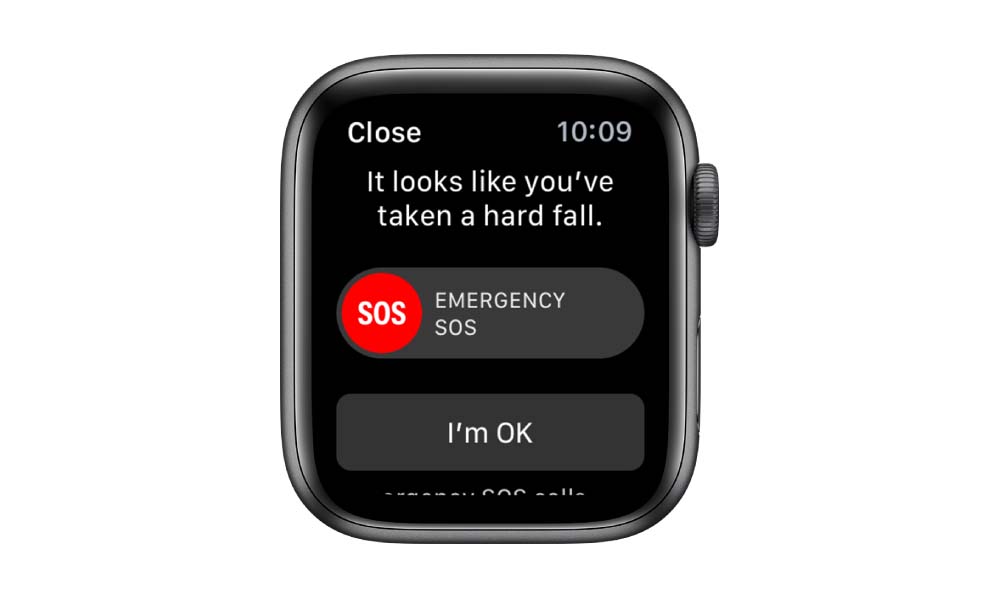
Apple introduced the fall detection function in 2018: sensor data reads the situation if the user suddenly and strongly falls.
Algorithm training on data of 100 thousand people
In order to study the fall detection data, Apple launched a study of 100,000 people.Humans: They were combined with data previously collected by iPhones on walking performance.
Next, sociologists conducted a focus study on falls when walking, and also recruitedStudy participants also completed questionnaires, underwent clinical observations, and met with doctors.And later, over the course of a year, the researchers monitored the volunteers' performance and identified predictors of ill health or the causes of the fall.
Apple has indeed made progress while studying a new stability feature when walking: the company has created a clinically validated new individual health metric.
The Health app assigns users a health score from low to normal based on motion data passively collected from iPhone sensors fromApple: The phone recognizes these metrics better because it's positioned at hip level.
In addition, users can start doing exercises that are collected in the Health app : they are specifically aimed at improving gait
How a watch saves lives
Lynch talked about one case when the Apple Watchsaved a life. One man bought a watch for his father. When he put them on and went for a bike ride, he accidentally fell into a ravine. Apple Watch detected the fall, as well as the fact that the owner was unconscious, and alerted emergency services. The watch also reported the location of the fall. The victim was able to recover and make a full recovery.
How to change the Health app
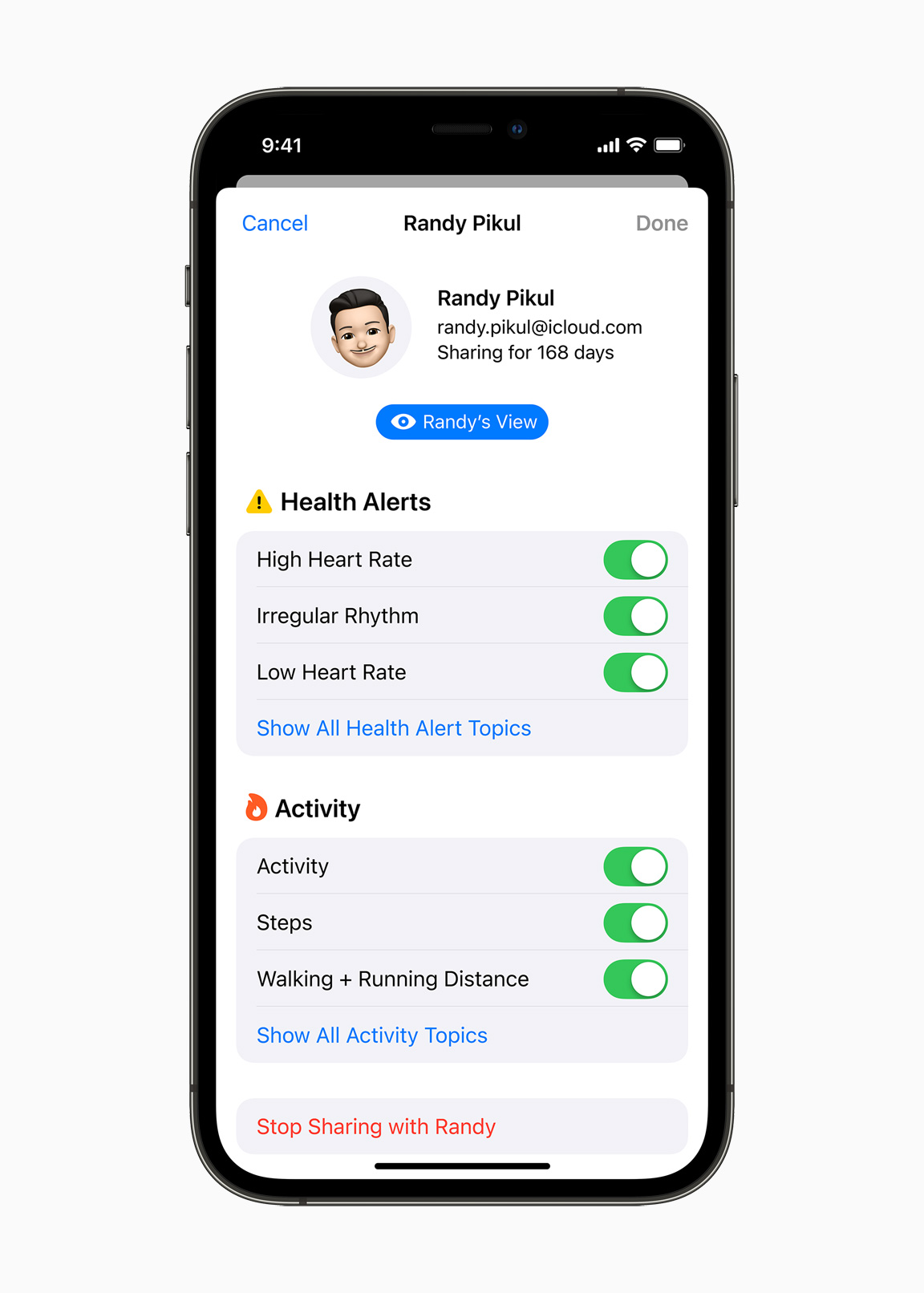
At the last annual WWDC21 developer conference, Apple announced a slew of updates to the Health app that allow you togadgets to collect more accurate metrics.
So, now the Apple Watch can measurestability when walking, transmit data directly to doctors, and also notify the owner of sudden changes in health indicators. In the future, Apple even plans to build sensors for measuring body temperature and blood sugar levels in its watches.
The idea of Apple's project is still relevant and the research that is being conducted on the interpretation of health from gadgets continuesFor example, according to researchers at Duke University and Stanford University School of Medicine, gadgets can alsopredict the results of your blood tests.
The Health app in iOS 15 also automatically notifies users of drastic changes in the long-term trends of their health data, which saysthat Apple continues to interpret the data.
Read more:
Damage to the skin, brain and eyes: how COVID-19 enters human organs
Unique material is not damaged when heated to 1000 ° C
It turned out that huge cosmic filaments in the Universe rotate like drills