Scientists are excavating the ruins of Tikal, an ancient Mayan city in what is now Guatemala, from the 1950s.
Once upon a time, Tikal was the main city of the regionMaya politically, economically and militarily. Now all that remains of it are ruins, which scientists have been studying for decades. B As part of a new study, they used lidar to study an area with strangely shaped hills. It was believed that the entire relief of the territory was created by nature, but as it turned out, the region was specially designed. The architecture is similar to structures in Teotihuacan, the largest and most powerful city in the ancient Americas.
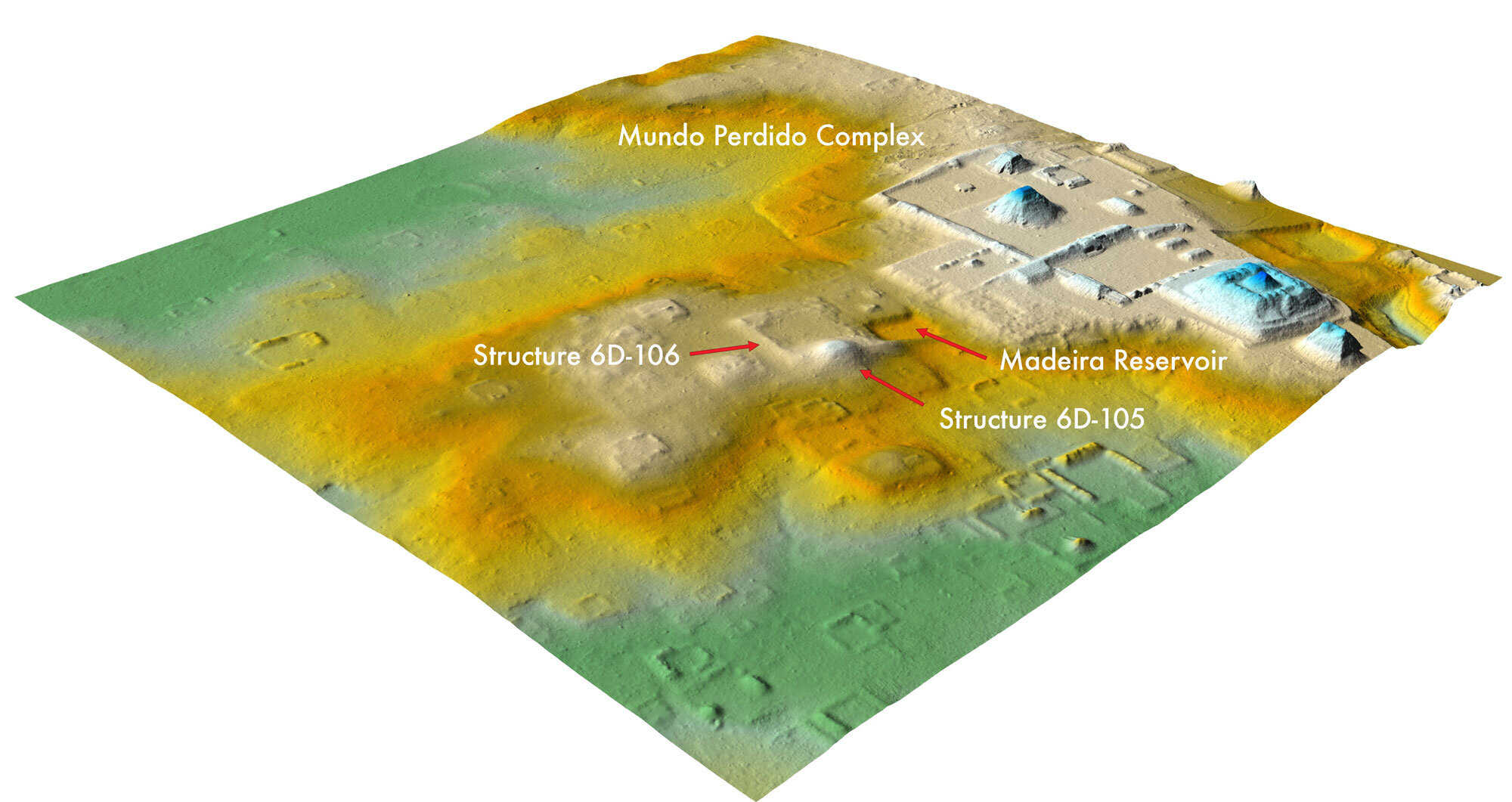 Credit: Thomas Garrison
What scientists initially accepted as naturalThe hills actually correspond to the shape of a particular citadel, an area that is similar to the imperial palace at Teotihuacan. Archaeologists are confident - this, without a doubt, shows that there was a special connection between Tikal and Teotihuacan. Regardless of who, why and what for, a small copy of the citadel was built.
According to archaeologists, Tikal and Teotihuacan -completely different cities. Tikal, the Mayan city, was densely populated, but relatively small in size - "one could walk from one end of the kingdom to the other in a day, maybe two." At the same time, Teotihuacan had all the signs of an empire. While little is known about the people who founded and ruled Teotihuacan, it is clear that, like the Romans, their influence extended far beyond their metropolitan center: evidence shows that they formed and colonized countless communities hundreds of kilometers away.
Read also
Astronomers accidentally find two galaxies at the edge of space and time
People first descended to the bottom of the "Hell's Well": what did they find there
Geneticists have found remains that will help scientists "resurrect" dinosaurs