Who is at greatest risk?
Research into the stories of patients who became infected with coronavirus
Meanwhile, from the performance reportPatients from the Italian National Institute of Health, published March 17, show that 99% of patients with COVID-19 who died in the country had at least one preexisting disease. Almost 50% of deceased patients had three pre-existing diseases.
This study shows that the new coronavirus may be dangerous not only for older people, but also for patients under the age of 45 who suffer from chronic diseases.
Among the diseases that representThe greatest threat to patients with a new type of coronavirus, scientists call heart disease, blood pressure problems, diabetes and various respiratory diseases.
Lungs
It is known that the new type of coronavirus most often poses a danger to the lungs - shortness of breath, coughing and difficulty breathing are considered common symptoms of the disease.
COVID-19 is dangerous for people with chronicrespiratory diseases such as asthma, cystic fibrosis, chronic obstructive pulmonary disease, allergies, and also for people with lung damage associated with smoking. Even mild cases of the common cold or flu can make things worse, increasing the chances of getting to the hospital.
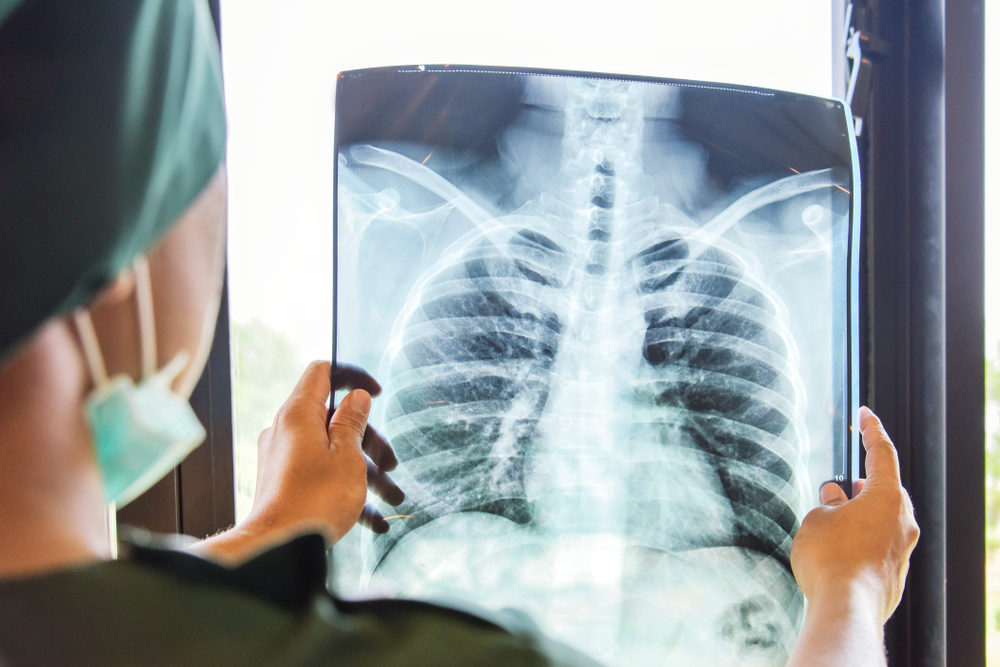
When infected, the SARS-CoV-2 virus provokesinflammation of the mucous membrane of the lungs and irritation of the nerve endings in it. In addition, the infection can cause inflammation of the air sacs in the lungs, alveoli. This can lead to pneumonia, a disease in which the lung is filled with fluid.
Inflammation of the alveoli preventsthe lungs received enough oxygen into the bloodstream and carbon dioxide was removed. This can lead to disruption of the oxygen supply of vital organs and can lead to death.
A heart
Cardiovascular disease suchas high blood pressure - or hypertension - contributes to the occurrence of atherosclerosis, as a result of which dense plaques of fat and tissue fibers form on the walls of a person’s blood vessels. If one of these plaques collapses, it can block a blood vessel, leading to a heart attack or stroke.
With a new type of coronavirus throughout the bodyhuman inflammation spreads, which can cause plaque rupture. This process can occur even in people who have not previously had any cardiovascular disease - for example, in patients with diabetes, which can stimulate atherosclerosis.
In addition, in people with cardiovasculardiseases have a relatively suppressed immune system - this can increase the severity of COVID-19 and make them more vulnerable to other infectious or bacterial complications.
Kidneys and liver
Patients with chronic kidney disease andliver (e.g., hepatitis) are also at increased risk. However, scientists do not know exactly how the SARS-Co-2 virus affects these vital organs.
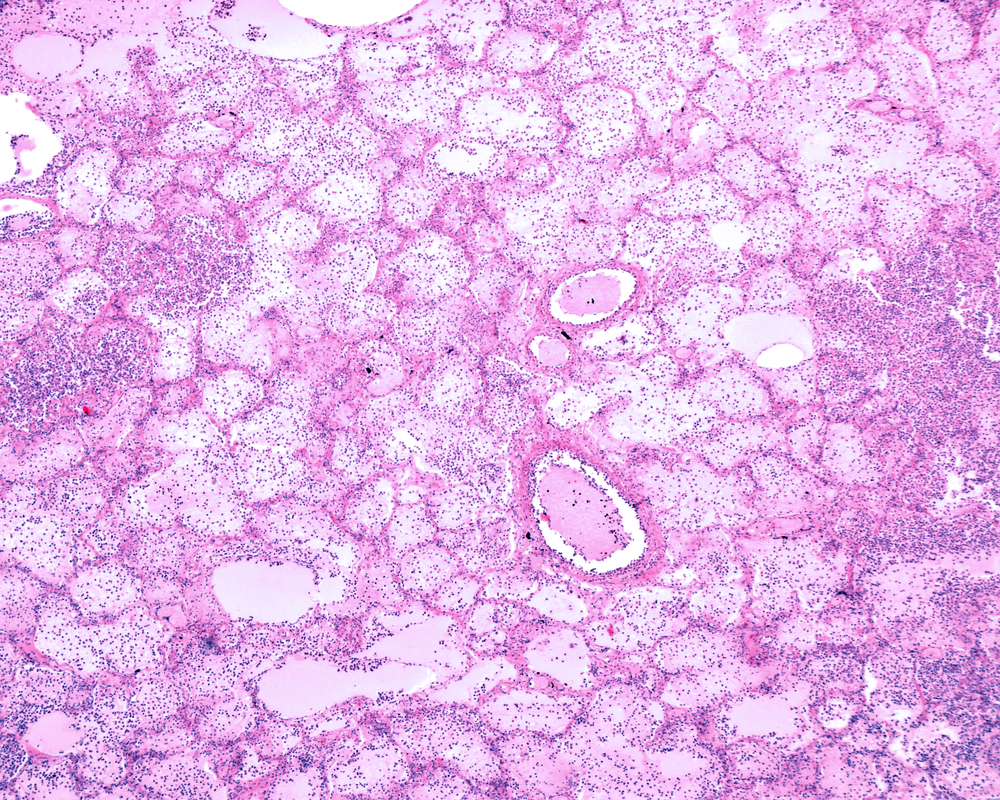
A general idea of this process looks like this:When the lungs are damaged, the heart muscle has to work harder to provide oxygen to the entire body - and it does not always cope with this task. Additional stress on the heart and lack of oxygen can lead to various negative consequences for internal organs, including multiple organ failure and death.
Diabetes
Most doctors call diabetes a diseasewhich leads to an increased risk of death from COVID-19. The fact is that viral infections increase inflammation in the body of patients with diabetes and increase the likelihood of blood oxidation, a condition that poses a danger to human life.
The immune system
A new type of coronavirus is also dangerous for people with an immune system weakened by diseases such as HIV and AIDS.
The risk group also includes patients whoundergo intensive care to treat leukemia or lymphoma, and those who have recently survived a bone marrow transplant. These categories are most prone to viral pneumonia. The fact is that their immune system is often suppressed as a result of the treatment they receive.