Content
- Video review
- Equipment and design
- Software
- Camera
- Performance and Benchmarks
- findings
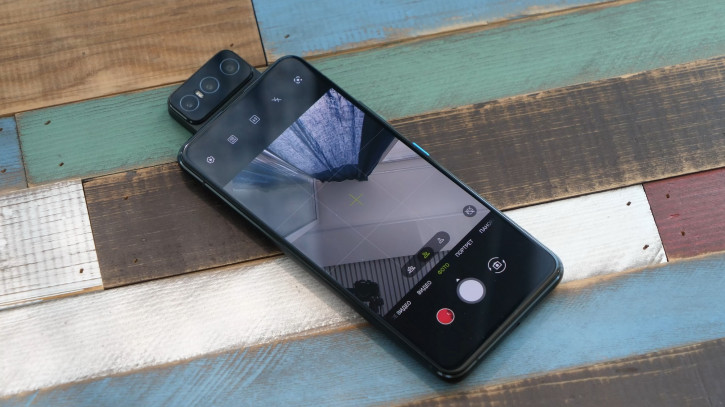
ASUS last year released as many as foursmartphone on top hardware. This is the awesome little Zenfone 8, interesting not only for its dimensions, the gaming series ROG Phone 5/5S, the most ridiculous Smartphone for Snapdragon Insiders and the Zenfone 8 Flip created by the laziest team in the world, which we will discuss today. It is almost no different from last year's Zenfone 7 (not Pro), so for those who are familiar with the “seven” I suggest a speedrun: at the beginning of each section of the review there will be a lazy version telling what has changed compared to last year's model.
 |
Specifications ASUS Zenfone 8 Flip | |
|---|---|---|
| Network | 2G, 3G, 4G, 5G | |
| Firmware | Android 11 with ZenUI | |
| Screen | 6.67″, 2400×1080 pixels, 20:9, AMOLED, 90 Hz, 1000 nits, Gorilla Glass 6 | |
| Chipset | Qualcomm Snapdragon 888, 5 nm CPU: 1 x X1 x 2.84 GHz + 3 x A78 x 2.42 GHz + 4 x A55 x 1.8 GHz GPU: Adreno 660 |
|
| Ram | 12 GB LPDDR5 |
|
| ROM | 128 GB UVS 3.1 |
256 GB UVS 3.1 |
| SIM and memory card | triple tray 2 x nano-SIM + microSD |
|
| Camera | Triple Main: 64 MP (-> 16 MP), IMX686, 1/1.7″, 0.8 µm (-> 1.6 µm), f/1.8, phase detection autofocus, video recording 4320p@30fps wide angle: 12 MP, IMX363, 1/2.55″, 1.4 µm, f/2.2, Dual Pixel, video recording 2160p@60fps telephoto: 8MP, 3x optical zoom, 1080p@30fps video recording |
|
| Selfie | ||
| Battery | 5000 mAh | |
| Charging | 30W USB Type-C | |
| Wireless interfaces | Wi-Fi 6E (802.11a/b/g/n/ac/ax) Bluetooth 5.2 GPS, GLONASS, Beidou, Galileo, QZSS, NaviC |
|
| NFC | there is | |
| Biometrics | Fingerprint scanner (on screen) | |
| Sound | Stereo speakers (main + spoken) | |
| Water protection | Not declared | |
| Dimensions and weight | 165.04 x 77.28 x 9.6mm 230 g |
|
Video review
Equipment and design
Lazy version of the review:instead of a big and beautiful box it is now gray and boring, the same with the colors. The transparent case has disappeared from the set, but the cool plastic case with a latch for the camera remains. The fingerprint scanner is finally on the screen (before series 8 it was in the power button), but it does not work very quickly, and fingerprint registration – It's absolutely torture.
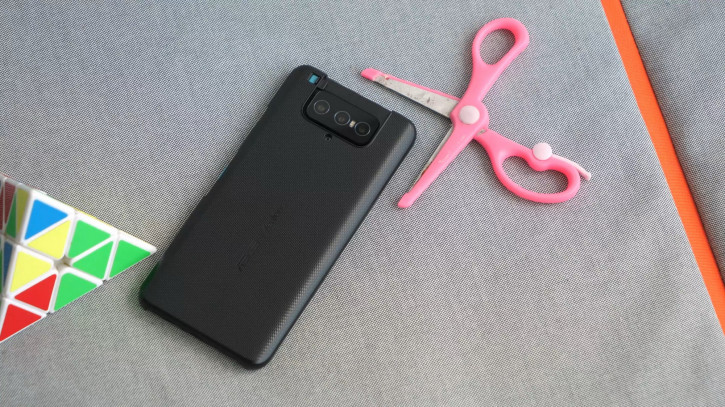
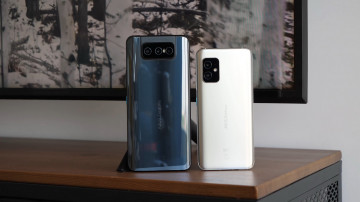
ASUS Zenfone 8 Flip comes in a cardboard boxbox, the gray color of which emphasizes the dullness of the novelty. But the kit is quite interesting: the smartphone itself, documentation, a SIM needle, a cable with USB-C on both ends, a 30-W charger with a USB-C port, and a hard plastic case with a corrugated texture and a latch to secure the camera.
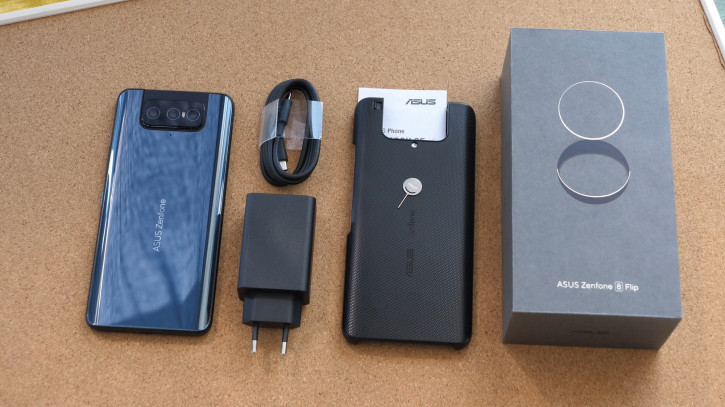
The last point may need clarification:Since the Zenfone 8 Flip has a flip-down camera, there is a problem that sometimes it has a little backlash. In order not to play, it can be stuck to the case with a latch. And although the latch is just a piece of plastic, the phone somehow magically tracks its position and displays it in the curtain.
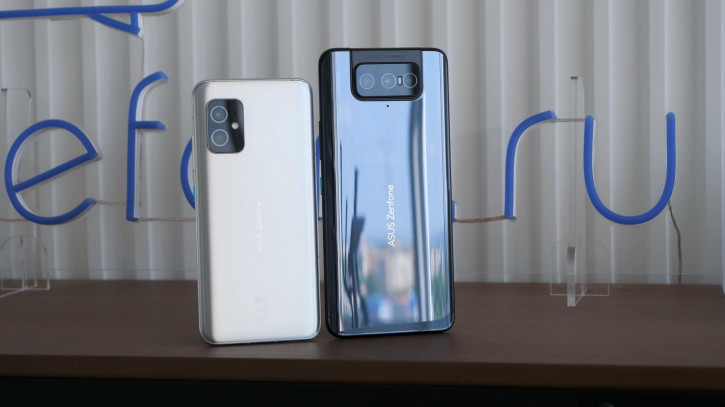
Body materials are standard, it is glass andaluminum. The glass is glossy, monotonous, mirrored, looks strict but boring. This boredom is diluted only by the lock button, which has a blue color. The case is heavy (230 g), but there are no problems with ergonomics because of this. Unfortunately, despite the impressive size of the device, the engineers did not place a 3.5 mm audio jack in the Zenfone 8 Flip, but there was room for a triple tray. And this is a unique feature: there are no other smartphones on the Snapdragon 888, where you can simultaneously insert a microSD and two nano-SIMs.
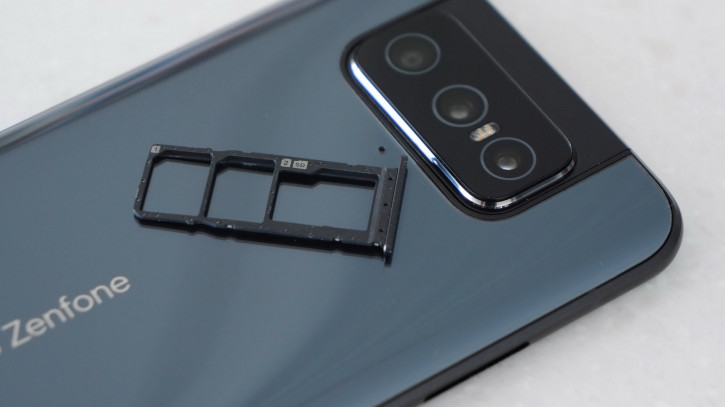
There is also an LED indicator thatlocated at the bottom end and shines so brightly that it can be seen from the next room. The fingerprint scanner is located under the glass, and this is one of the few differences between the Zenfone 8 Flip and the Zenfone 7, where it was on the end. And I don’t even know what’s better – poking at the screen is, of course, more convenient, but the speed of the under-screen scanner is much inferior. And the first input – It's generally a pain, the phone constantly asks me to wipe the scanner, so it took me 3-5 minutes to insert my finger.
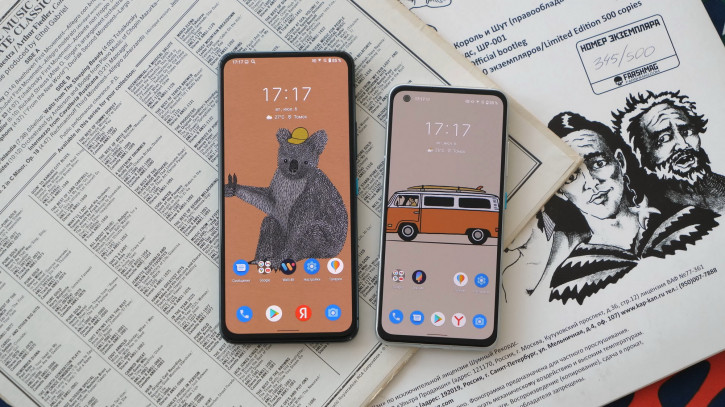
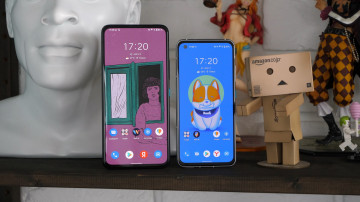
But what hasn't changed is 90 HzAMOLED screen with a resolution of 2400x1080 pixels and support for DC Dimming technology. True, “anti-SHIMilka” It only works at a frequency of 60 Hz, and without it the screen is PWMed, mother don’t cry, so your eyes will grieve – either from screen flickering or from 60 Hz in the 2021 flagship. The rest of the display is great, and Splendid’s proprietary chips allow you to fine-tune color reproduction. A special joy – that the display, thanks to the folding camera, has no cutouts or holes. The entire display is at your disposal, which is cool.
The sound is stereo, but “one and a half” –the only multimedia speaker plays in tandem with a conversational one, which, of course, in terms of quality and especially volume, cannot be compared with it. Surprisingly, the small Zenfone 8 sounds better. And then there’s the most ordinary vibration motor, which in 2021 is somehow not serious in the top segment. In 2022 – even more so. But they were too lazy to change it and left the vibration from Zenfone 7. Maybe Zenfone 9 will fix it?
Software
Lazy review version: nothing has changed, out of the box Android 11.
ASUS Zenfone 8 Flip comes with Android 11 fromboxes. The update to Android 12 arrived at the end of 2021. The operating system is dressed in the ZenUI shell, which differs little from the “vanilla” Android looks like it, but offers a huge amount of additional customization options. You can check out the menu in the carousel below where you can choose which icons are displayed in the status bar and which are not. I've never seen anything like this, to be honest.
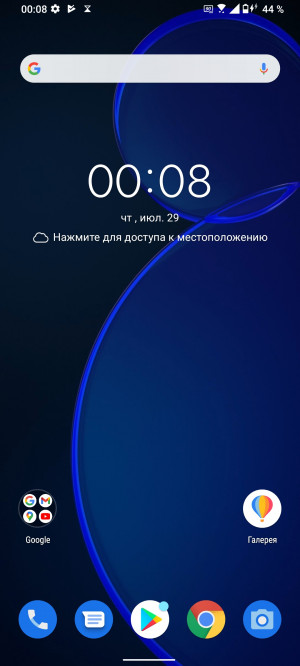
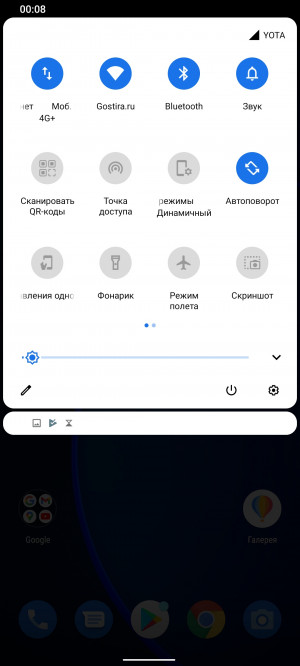
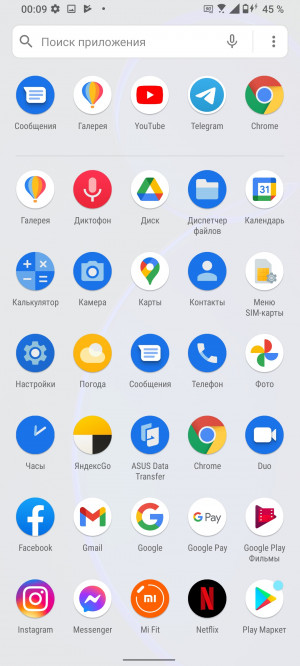
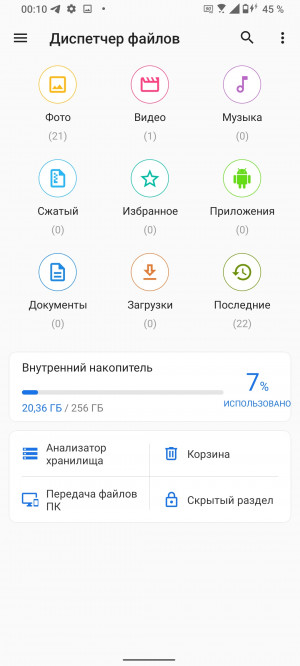
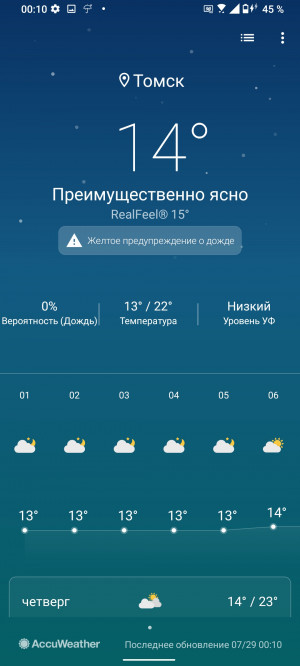
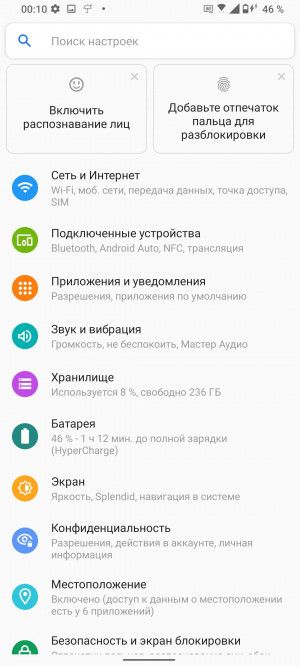
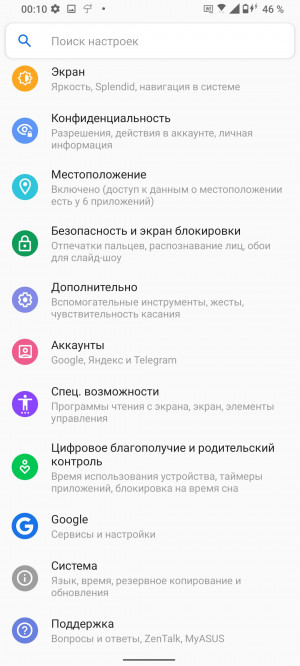
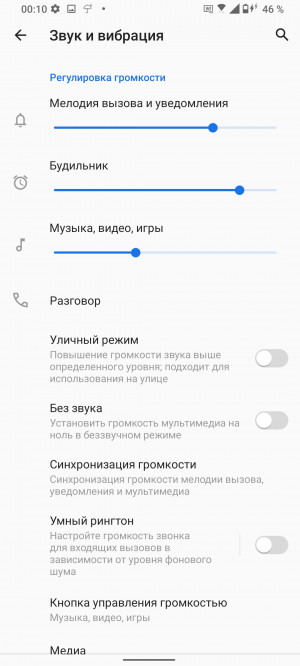
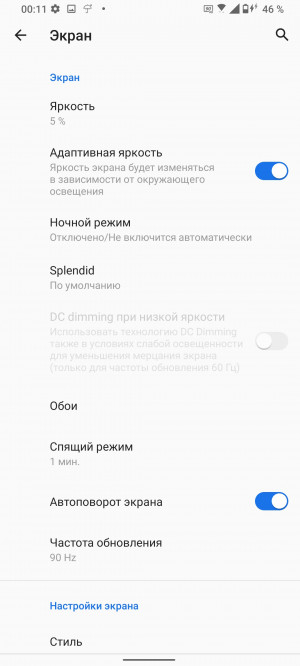
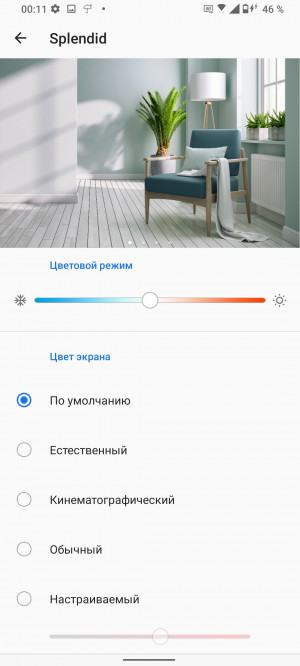
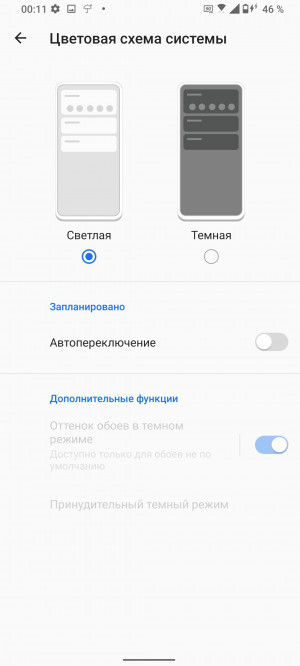
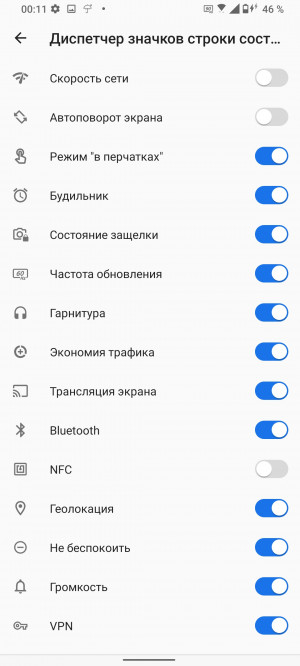
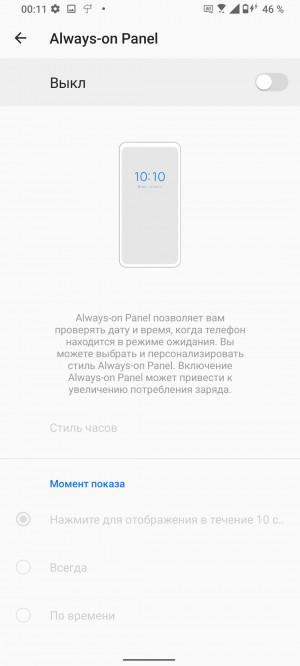
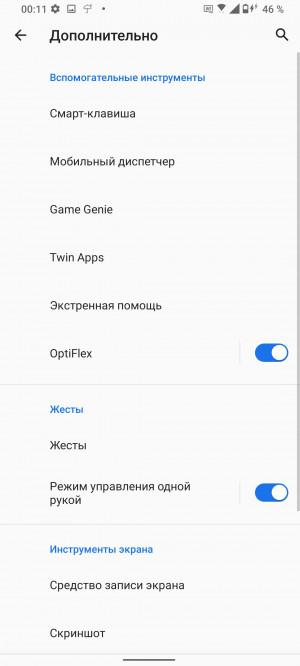
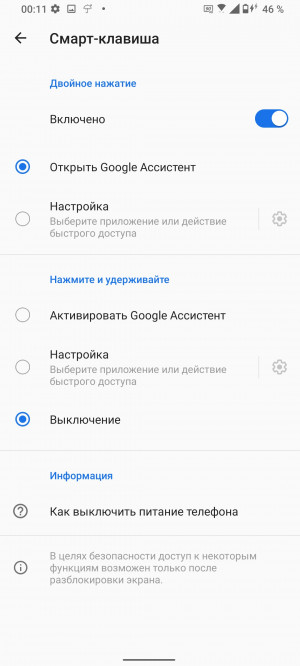
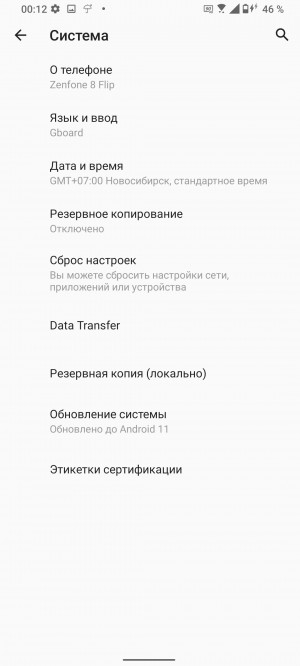
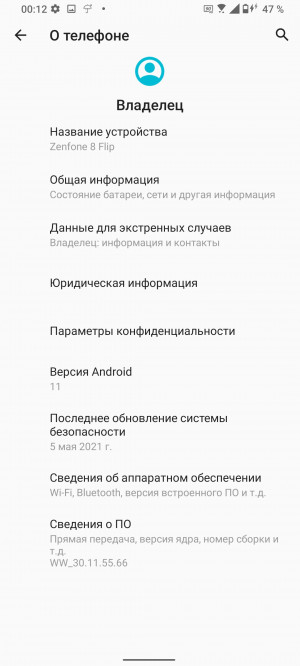

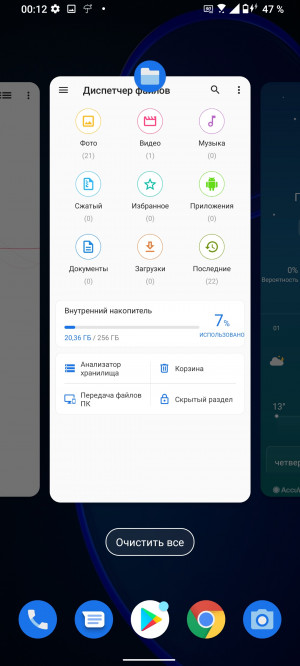
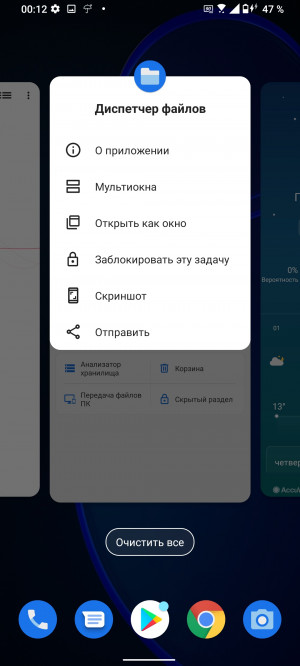
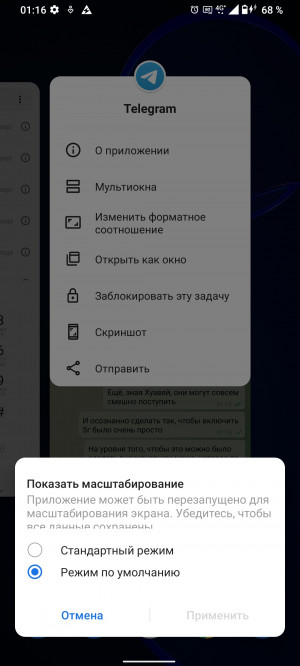
At the same time, ZenUI works very quickly and stably,a single style is maintained throughout the shell, there is no advertising in the firmware in any form, and there is very little pre-installed software. In general, I really like the proprietary ASUS shell. Although sometimes it has masterpiece menus like this one:
Cameras
Lazy version of the review: nothing has changed, and here the camera is from the usual seven – that is, without an optical stabilization system (OIS).
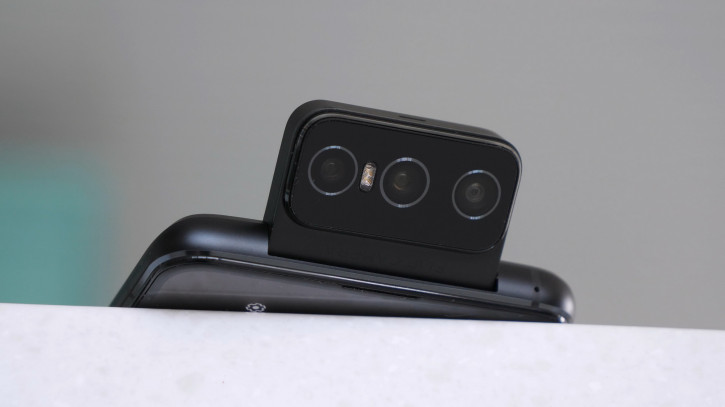
ASUS Zenfone 8 Flip is equipped with three cameras,combined into a Flip Camera module that can smoothly rotate 180 degrees, turning from the rear camera to the front one. Apart from ASUS, no one has been doing this for a long time (although once upon a time Huawei and OPPO had similar models), and this allows the Zenfone 8 Flip to stand out not only with its screen without cutouts, but also with a bunch of unusual shooting capabilities – for example, you can turn the camera 90 degrees, place the phone on the table and shoot video.
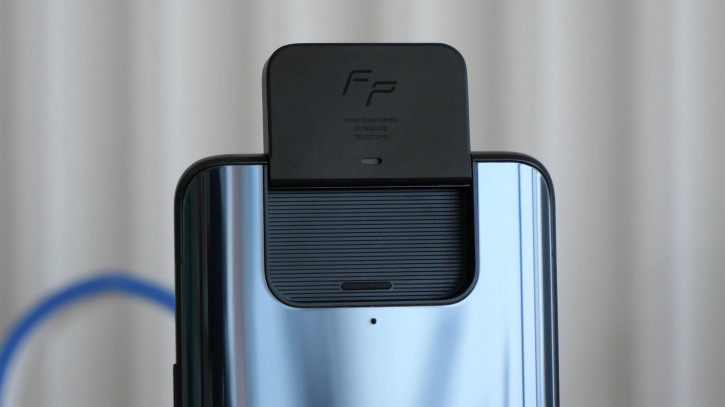
Let's get back to the features.The triple module consists of a 64-megapixel main camera, a 12-megapixel wide and an 8-megapixel telephoto lens with a triple optical zoom. All cameras have autofocus, but none have OIS. The camera system with optical stabilization on two modules, which the Zenfone 7 Pro flaunted, was installed only in Smartphone for Snapdragon Insiders in 2021, but it does not rotate there. And on the main module, the small Zenfone 8 has it, strange. Let's see how these modules cope without optical stabilization:


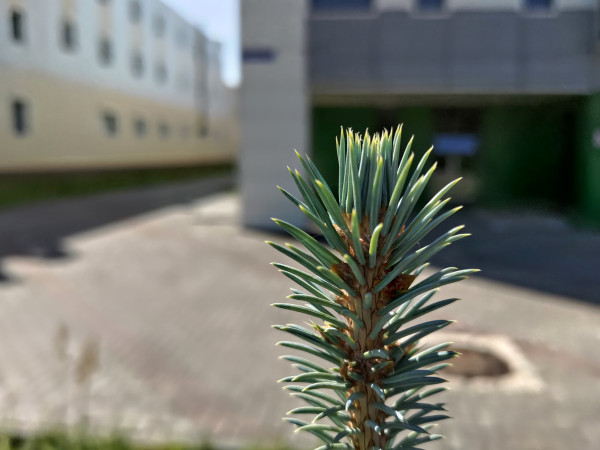
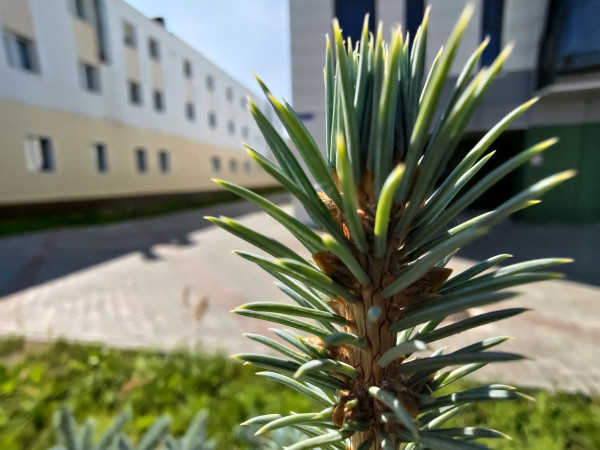










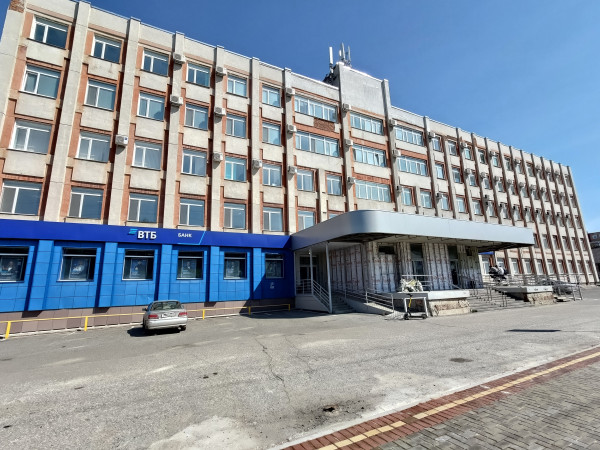

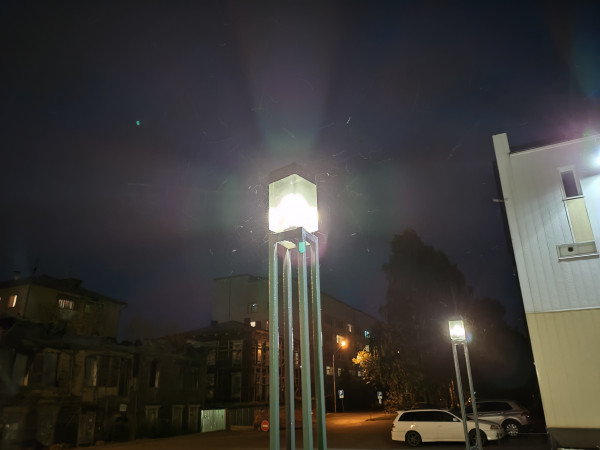
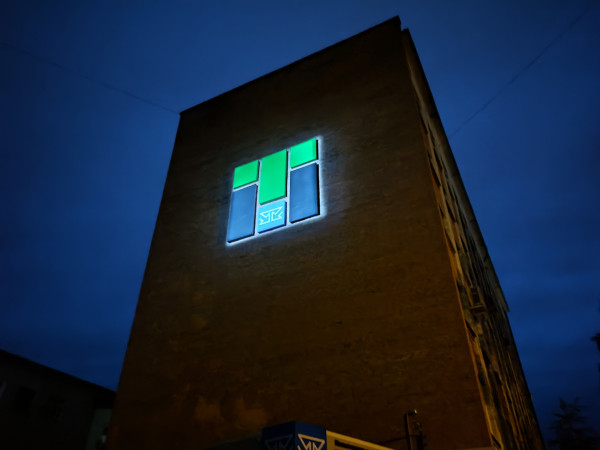
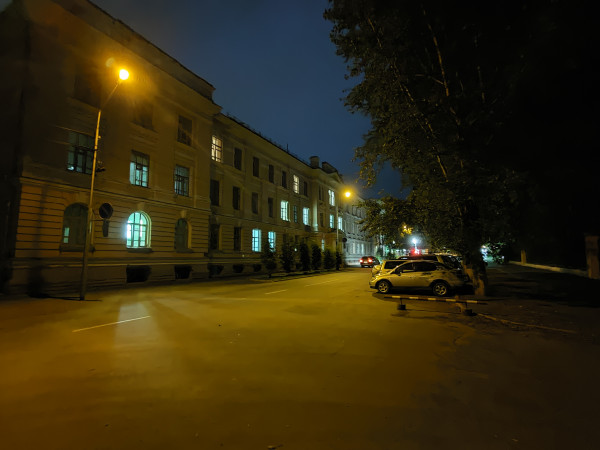
Zenfone 8 Flip has everything with daytime shotsAmazing. If I wanted, I could find something to complain about in a few frames, but overall everything is very good. But shooting in low light conditions suffers. Yes, ASUS has made an automatic night mode with a shutter speed of 4 s, but in the absence of optical stabilization, it is difficult for it to capture the details of subjects. Therefore, the frames turn out to be well-lit, with good color rendition, but poor detail or with blur. This is especially true for telephoto – it is three times more sensitive to the trembling of your hands and generally gives up at night.









One of the “family” Flip camera chipsASUS – This is shooting panoramas using flip rotation. Well, that is, you hold the phone motionless, and the camera turns and takes a panorama. This really works, and the result is very interesting, except that it lacks detail. The test panorama had a resolution of only 11.5 megapixels, although the panorama is several photos stitched together and its resolution should be much higher than that of a regular frame.

All examples of photos and videos from the ASUS Zenfone 8 Flip camera
The smartphone can record video in quality up to4320p@30fps, but with a bunch of caveats. Firstly, 8K is only available on the main camera, while the width is limited to 2160p@60fps. Secondly, in 4K you cannot switch between cameras while shooting – only in 1080p@60fps. Thirdly, the telephoto camera can shoot in quality no higher than 1080p@30fps, that is, in the minimum resolution you can switch between all three cameras. The main problem with the video – no OIS. Working alone, EIS may compensate for shaking, but at the cost of such strong ghosting that the result is just so-so. At the same time, you cannot disable EIS; you can only enable even stronger HyperSteady stabilization.
Performance and tests
Lazy review version:the chipset was replaced, now it's Snapdragon 888, which, of course, is more powerful than 865 at the start, but oh-oh-oh, how it heats up and throttles, so you won't feel its benefits. The autonomy was corrected with updates.
Hardware basis of ASUS Zenfone 8 Flip – chipsetQualcomm Snapdragon 888. Very powerful, but very hot and power hungry. We'll talk about autonomy a little lower, but for now about power and heating. You can see the benchmark results in the video review, and the conclusion is simple: the stability that the Snapdragon 865/865+ provided in the ASUS implementation is not even close. However, throttling is still less than that of some other smartphones based on “three eights.”
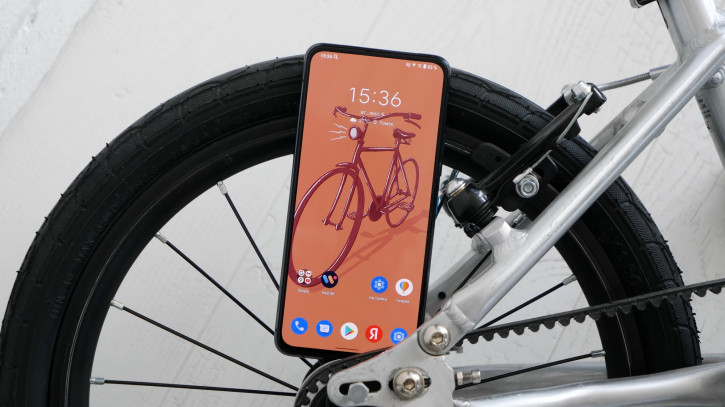
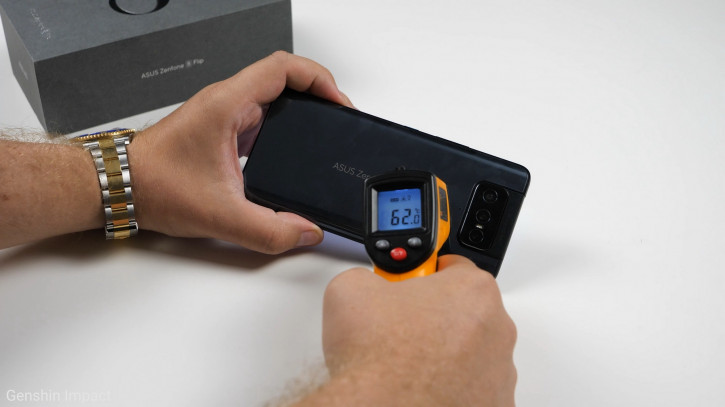
Due to what?What makes me happy – not by reducing the brightness of the screen, there is simply no such cooling mechanism here. What is not good is due to very strong heating. Eugene, simply leaving the phone on the table with Genshin Impact, caused it to heat up to 60-62 degrees (rear panel temperature). With a plastic case this would be tolerable, but holding a glass-metal sandwich at such a temperature in your hands is simply impossible. However, Genshin Impact is almost the most terrible test for modern smartphones, and in most other tasks the Snapdragon 888 does heat up, but not so much. The question remains: how long will the motherboard last under such temperature changes?
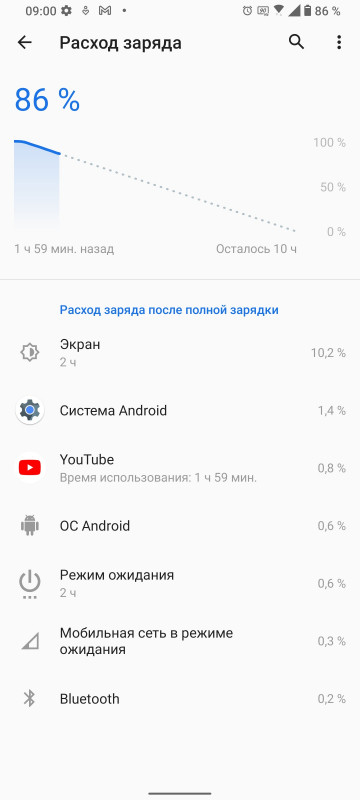
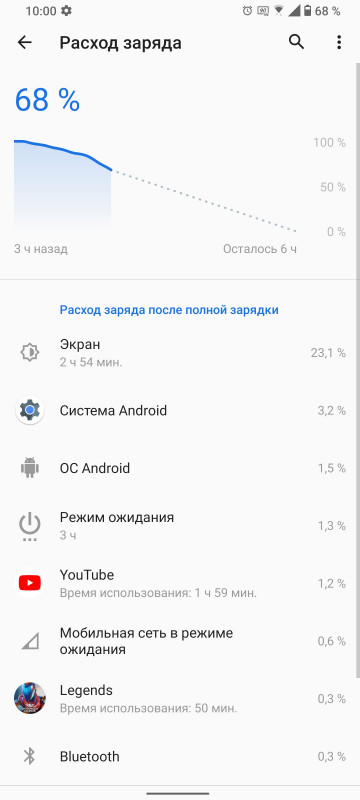
The battery capacity of Zenfone 8 Flip is5000 mAh On the first versions of the software, with one of which we shot a video review, the smartphone was discharged very quickly - it lost one and a half percent per minute in games and could be discharged in a couple of days in standby mode from 2-2.5 hours of screen for all time. But with one of the updates, ASUS improved the autonomy of the smartphone well, and now it is acceptable - an average of about 5 hours of screen time per day with 90 Hz turned on. For two hours of video, the smartphone was discharged by 14%, for an hour in the game - by 18%; these are pretty standard indicators for smartphones with powerful hardware.
Included 30W charger charges quicklythe smartphone is half full (in 29 minutes) and even 75% (in 50 minutes), but then it turns on the “I’m really afraid of exploding the battery” mode, and it takes more than an hour and a half to fully charge (in the end, each percent takes 3-4 minutes). So, if you need to quickly recharge your smartphone, you are welcome, but you will have to wait a long time for the 100% mark. According to the strange Asus tradition, wireless charging is not supported.
There are only two memory versions: 8+128 GB and 8+256 GB.Since there is a slot for a memory card, the cost of a mistake if you take 128 GB and suddenly they are not enough is small. Wireless communications, of course, are in full order: 5G, all existing navigation systems, Wi-Fi 6E, Bluetooth 5.2, NFC. There are no problems with the quality of cellular communication, except that when I turned on the Zenfone 8 Flip for the first time, it did not pick up the APN (I have Yota, there may be no problems with other operators), and for a long time I could not figure out why my mobile Internet does not work. But then I remembered about APN, entered the settings from memory and everything came to life. I don't remember the last time I encountered this; in my opinion, it was in some kind of budget for MT6739.
Conclusions
Lazy version of the review:The Zenfone 8 Flip doesn't get any major improvements over the Zenfone 7, so if you can find the older model – take it, because it will be cheaper. Better yet, take Zenfone 7 Pro, if you find it, it has a better camera.
Zenfone 8 Flip is a great smartphone.A screen without cutouts and holes, good materials, top-end stuffing, a bunch of unusual photo opportunities and an excellent ZenUI shell. But still, smartphones are developing, albeit not very quickly, and this smartphone is stuck in 2020. So if the Zenfone 5Z/6/7 could be safely recommended for purchase, now I have to ask: will ASUS chips be more important to you than competitors' chips? And if so, why not buy the Zenfone 7/7 Pro? Let's see what ASUS will show in the next generation. I hope it will not be a copy-paste with the Zenfone 7 Pro, since the vibration, sound, and charge speed need to be somehow tightened up.
Our Telegram with news
© Oleg Lazarev.