Content
- Video review
- Equipment and design
- Software
- Camera
- Performance and Benchmarks
- findings
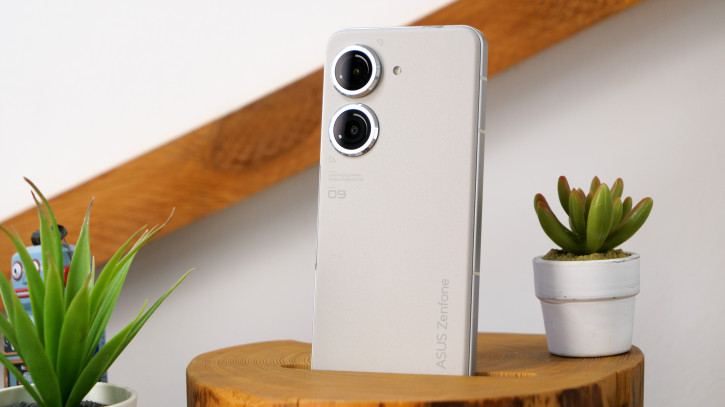
Mobile business ASUS in a big crisis.In 2021, the company introduced five models of flagship smartphones (ROG Phone 5 and 5S, Zenfone 8 and 8 Flip, and Smartphone for Snapdragon Insiders), but their total sales amounted to only 700,000 units, providing the company with a market share of about 0.05%. Not surprisingly, in 2022 the company has greatly reduced the range, and the main model - Zenfone 9 - turned out to be very similar to last year. Nevertheless, ASUS was able to offer a lot of new features in it, and the halo of the “only compact flagship” stirs up interest in the model. So let's study!
 |
ASUS Zenfone 9 Specifications | ||
|---|---|---|---|
| Network | 2G, 3G, 4G, 5G | ||
| Firmware | Android 12 with Zen UI | ||
| Screen | 5.9", 20:9, 2400×1080 dots, 445 ppi, 120 Hz, 1100nits, HDR10/10 , Delta-E< 1, 112% DCI-P3, 151.9%, AMOLED (by Samsung), Gorilla Glass Victus | ||
| Chipset | Qualcomm Snapdragon 8+ Gen1, 4 nm CPU: 1 x X2 x 3.2 GHz + 3 x A710 x 2.8 GHz + 4 x A510 x 2 GHz GPU: Adreno 730 |
||
| Ram | 8 GB LPDDR5 |
16 GB LPDDR5 |
|
| ROM | 128 GB UVS 3.1 |
256 GB UVS 3.1 |
|
| SIM and memory card | Two nano-SIM slots | ||
| Camera | Dual, 4320p@24fps video recording Main: 50 MP, IMX766, 1/1.56", 1μm, 6-axis gimbal (gimbal), 2×2 PDAF autofocus, 24mm, f/1.9 wide angle: 12 MP, IMX363, 1/2.55", 1.4μm, EIS, Dual Pixel Autofocus, 14mm, f/2.2 |
||
| Selfie | In the hole on the left, 12 MP, IMX663, 1/2.93", Dual Pixel autofocus, 28mm, f/2.45, 2160p@30fps video recording | ||
| Battery | 4300 mAh | ||
| Charging | 30 W, USB Type-C (Quick Charge 4+ / USB PD) Bypass charging |
||
| Wireless interfaces | WiFi 6E Bluetooth 5.2 GPS, GLONASS, Beidou, Galileo, QZSS, NaviC |
||
| NFC | there is | ||
| Biometrics | Fingerprint scanner (side) | ||
| Sound | Stereo speakers 3.5mm headphone jack OZO Audio |
||
| Water protection | IP65/68 | ||
| Dimensions and weight | 146.5 x 68.1 x 9.1mm 169 g |
||
| Price | 799 euros | 849 euros | 899 euro |
Video review
Equipment and design
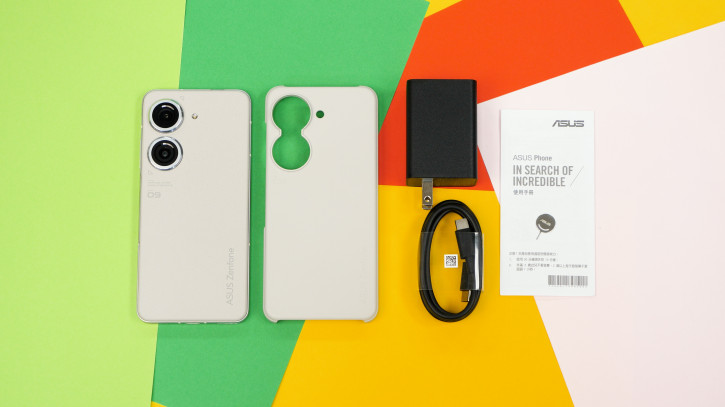
ASUS Zenfone 9 comes in gray cardboardbox with a standard set of accessories: SIM needle, charger (33 W), USB cable, documentation and case. True, which is very cool, the kit did not include a transparent silicone “smoker's case”, but a cool matte case made of a material that is pleasant to the touch. True, it leaves the ends open, but there are bumpers above the screen and cameras, so the level of protection is sufficient.
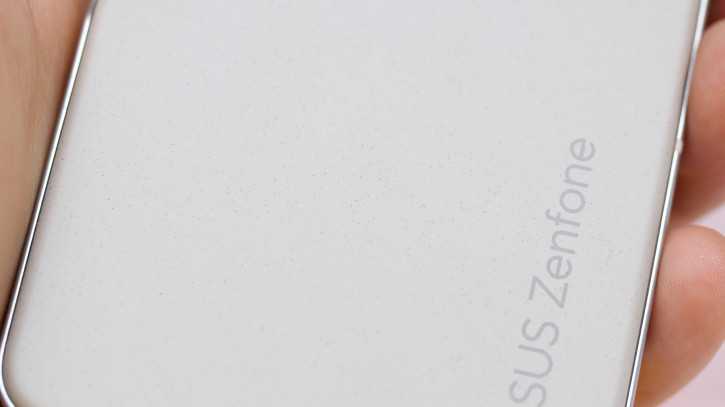
There are four colors of Zenfone 9:white, black, blue-gray and red. The ends are made of metal (silver in the white version and dark gray in all other colors), the back is plastic. But this is not some default glossy plastic, but a very peculiar material that most of all resembles craft cardboard or even sandpaper to the touch. I can not call it super pleasant to the touch, but it is very practical. Even if it gets dirty, you won't notice it. I'm looking at Zenfone 9 and I don't understand if it's still clean or not.
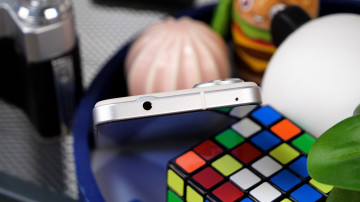
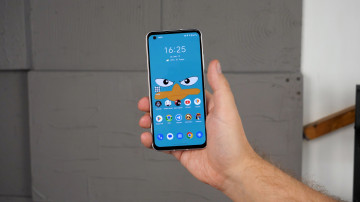
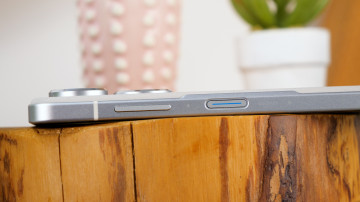
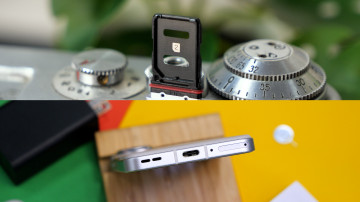
I will not list all the elements at the ends;I will focus only on what is really interesting. The slot, opened by a SIM needle, accepts only two nano-SIMs, there is no microSD support. The fingerprint scanner built into the power button works and is accurate, but only if the phone's screen is on. That is, you must first press the lock button, and then put your finger on it to unlock it. Haven't seen such a crooked implementation in a long time!
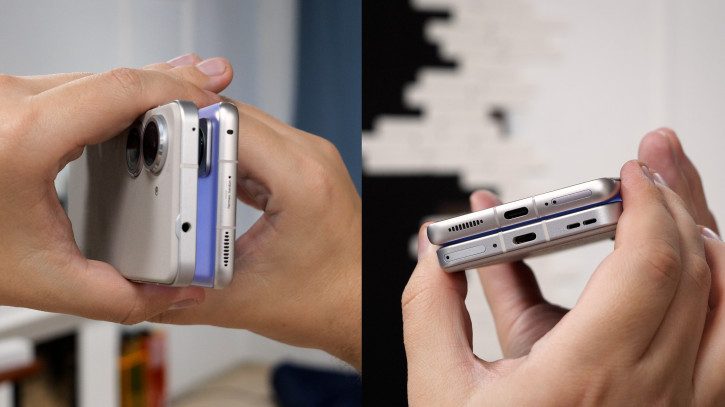
Next to Xiaomi 12X
Not only multimedia is responsible for sound outputspeaker from below, but also conversational. For even better sound, use the 3.5mm audio jack. It is located on the top end, which may seem unusual, but actually it is even more convenient if you put the phone in your pocket with the headphones inserted. By the way, apart from ASUS, only Red Magic, Sharp and Sony have the audio jack in flagships, so if this item is critical for you for some reason, you have no choice.
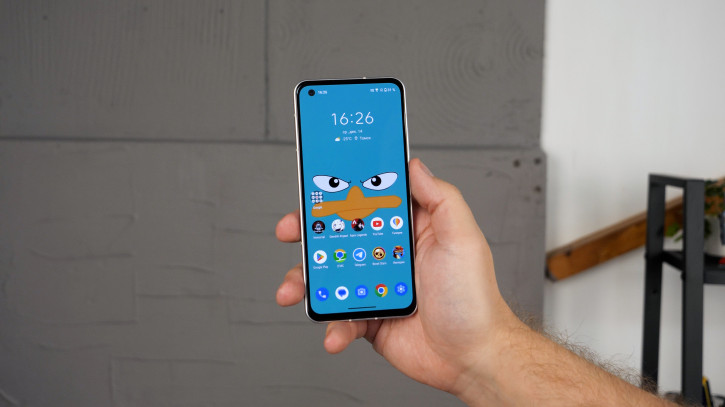
Now let's talk about the most important thing: ergonomics.This is the smallest flagship of 2022 and generally one of the most compact smartphones on the market, equipped with a screen with a diagonal of only 5.9" (84 sq.cm).This screen fits into a case with dimensions of 146.5 x 68.1 mm (100 sq.cm), which is much more pleasant to hold in your hands than any other.If you haven't switched to a "shovel" yet, you'll feel it right away; If you have already got used to 6.6" -6.8" screens, then you will need some time to get used to, but sooner or later you will also get high - and then you will not want to return to the big screen.The flat ends provide a very firm grip and the rounded back preventsAll elements are conveniently located, there is no need to reach anywhere.It's just a blast.
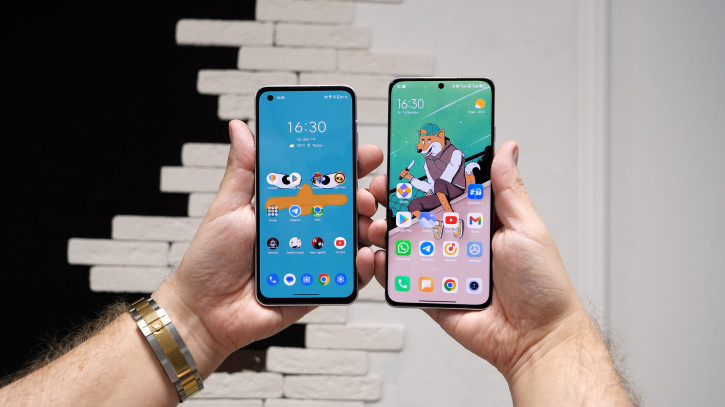
Next to Xiaomi 12X
There is only one problem.ASUS built around the Zenfone 9 the halo of "the only compact Android flagship", to put it mildly, untrue, because the market is full of smartphones that are just a little bit larger. So, Galaxy S22 is larger by 3%, Xperia 5 IV - by 5%, Xiaomi 12X - by 7%, Xiaomi 13 - by 9.5%. At the same time, except for the Xperia 5 IV, they all offer significantly larger screens. The Galaxy S22 has a 9% larger screen than the Zenfone 9, Xiaomi 12X has 13%, Xiaomi 13 has 16% (Xperia 5 IV has 3%). I think any fan of compact smartphones will agree that a large screen is good, as long as the size of the body has not changed. And then what is good about Zenfone 9, which is significantly behind other mini-flagships in terms of display size, having only slightly smaller dimensions?
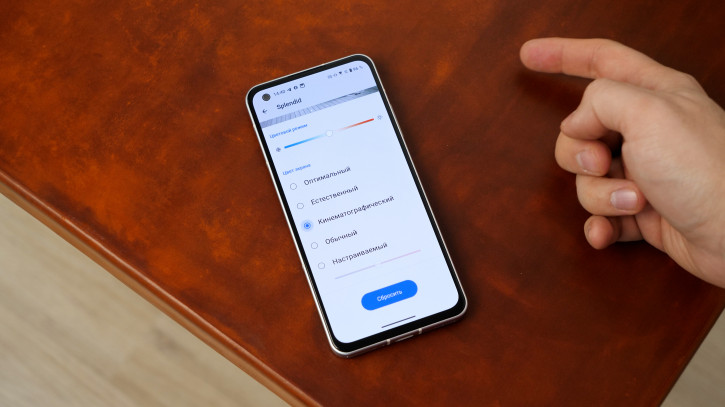
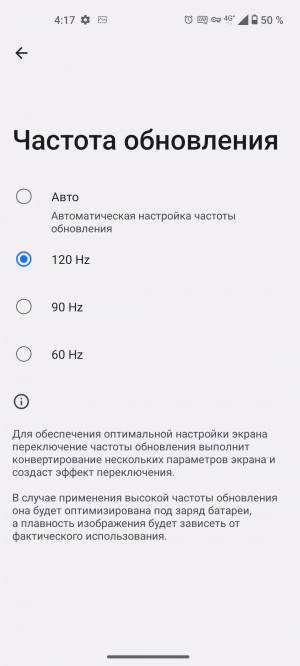
A few words about the screen itself.5.9", AMOLED, 2400x1080 pixels.An excellent panel with high brightness and accurate color reproduction, which, if anything, can be customized for yourself in Splendid.PWM is strong (from 30% on high brightness to 50% on low), but you can turn on DC Dimming, and it will beHowever, you can turn it on only if you force it to 60 Hz, and you don't want to do this on a 120 Hz phone.By the way, you don't need to install "auto" either - almost all applications work in this modeat 60 Hz, and the interface at 90 Hz.The maximum frequency in the car is not turned on at all!Touch – 120 Hz in the interface and apps and 240 Hz in games (if you add them to Game Genie).
Software
ASUS Zenfone 9 is based on Android 13 with proprietaryshell ZenUI - in other words, on a clean "robot" with minimal modifications from ASUS. Apparently, due to the very small sales of Zenfone, the company has practically stopped developing this shell. Look at the screenshots, and then open the Zenfone 6 review from three years ago and, as they say, find ten differences.
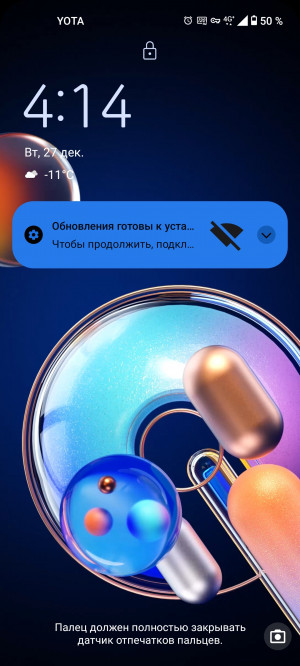
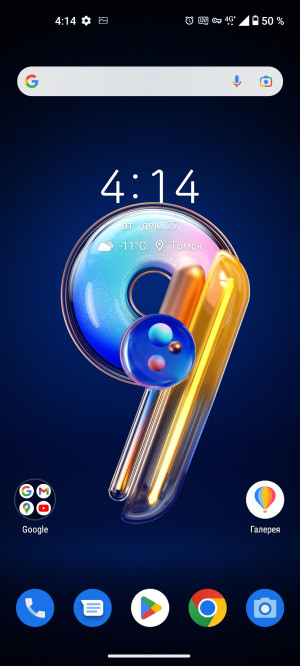
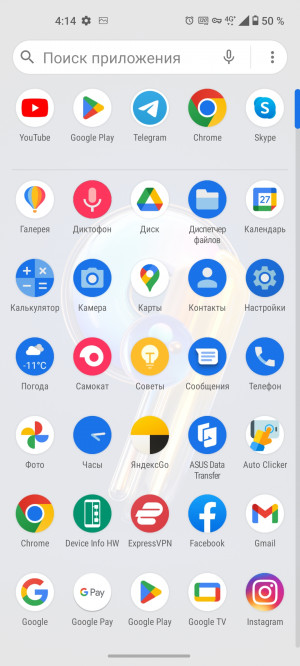
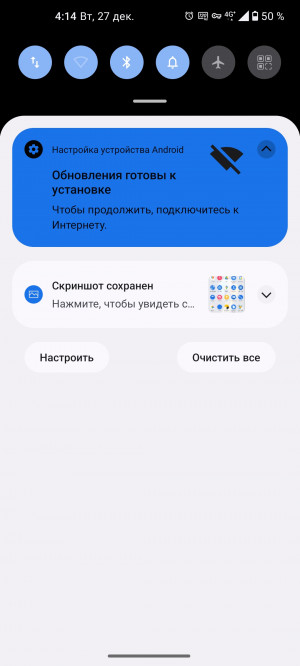
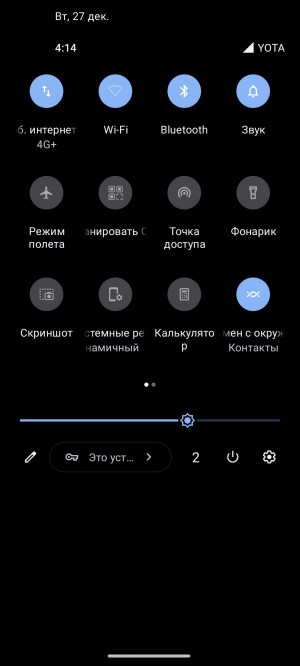
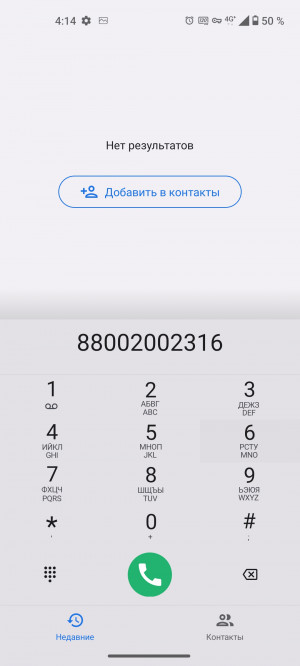

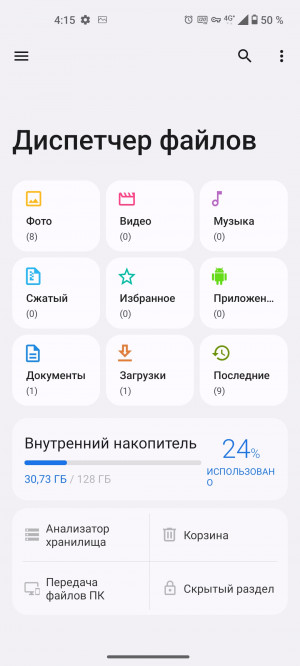
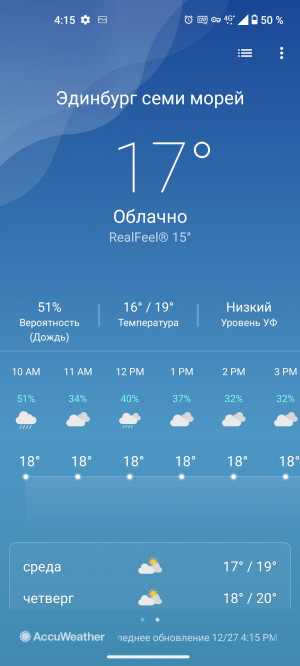
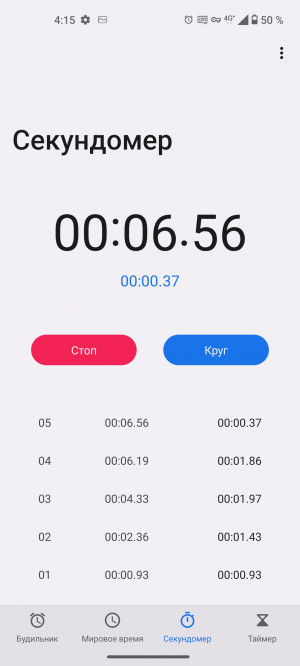
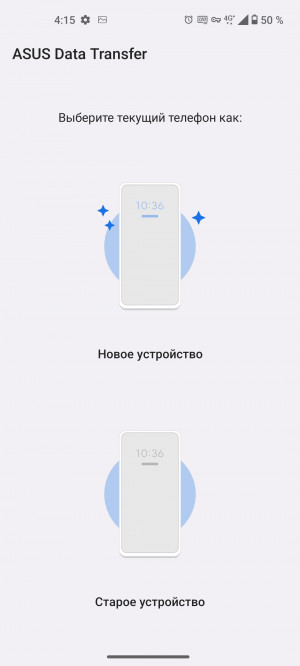
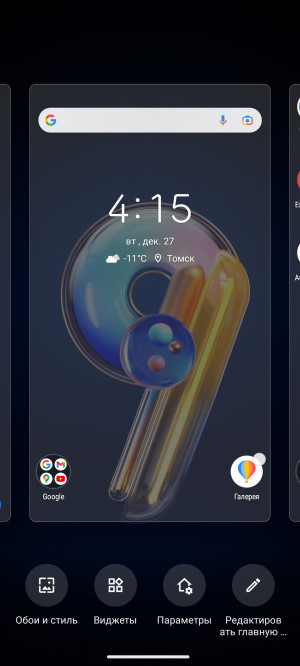
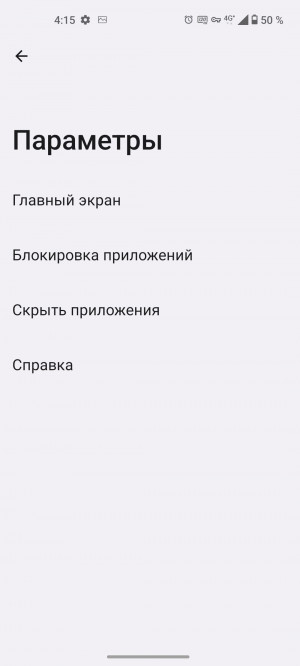
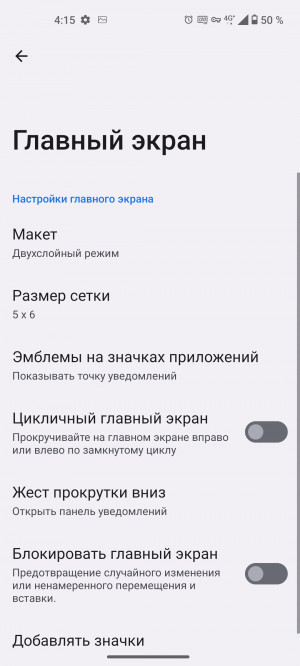
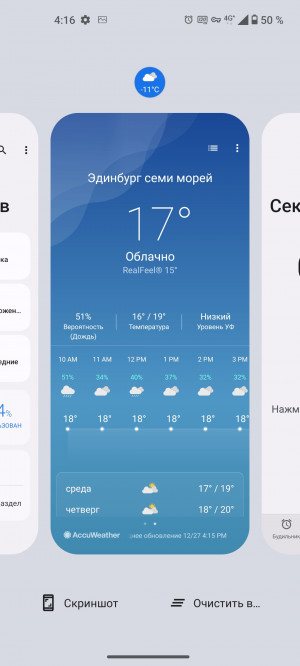
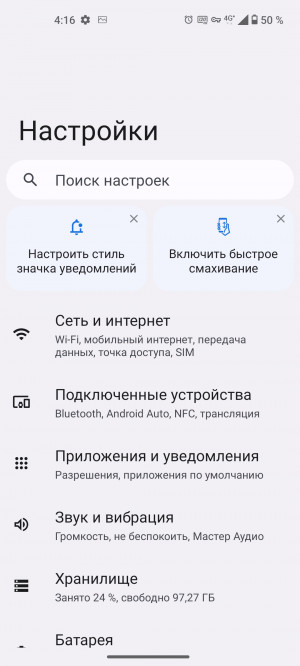
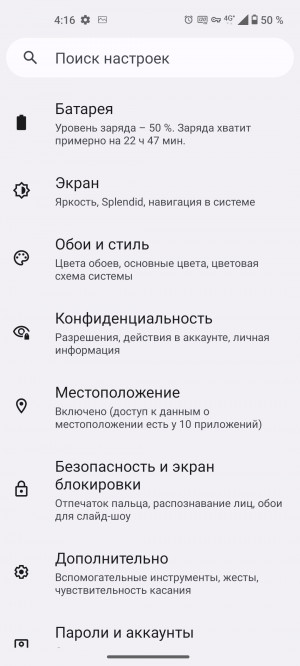
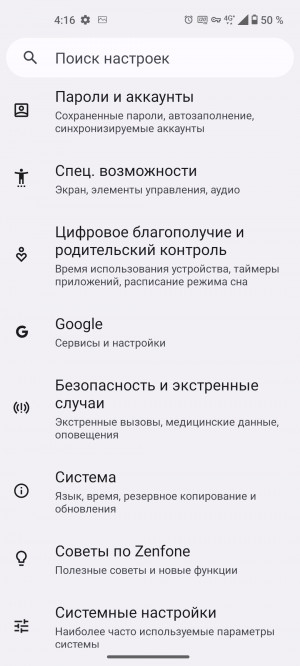
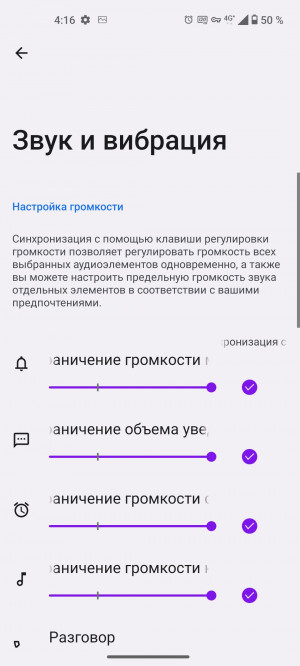
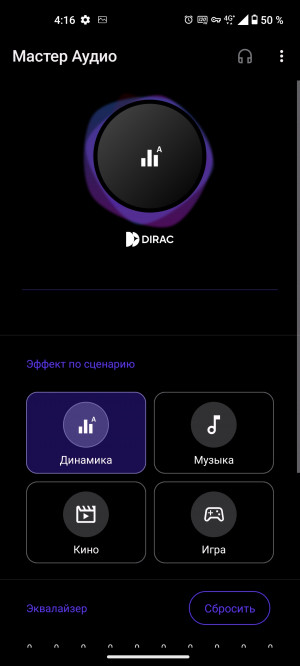

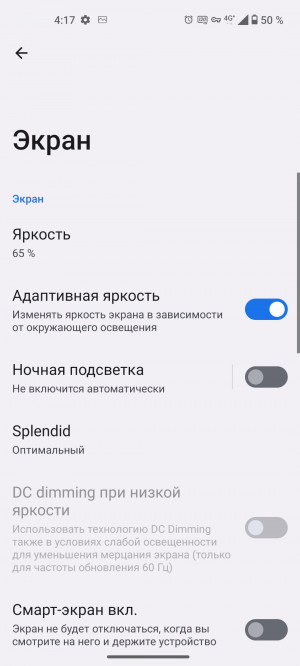
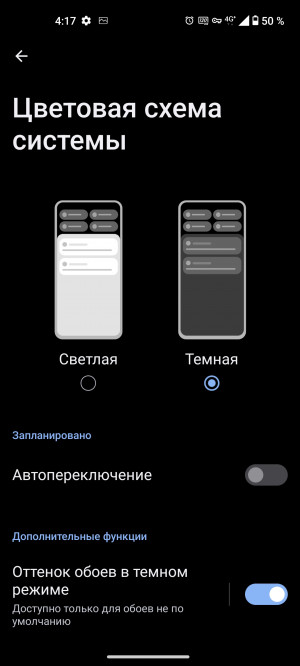
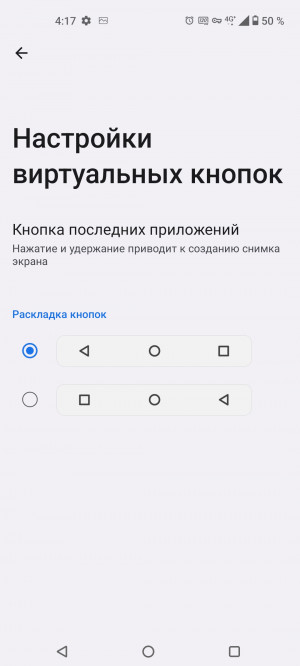
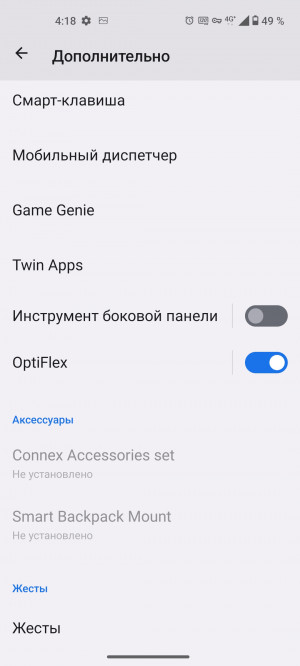
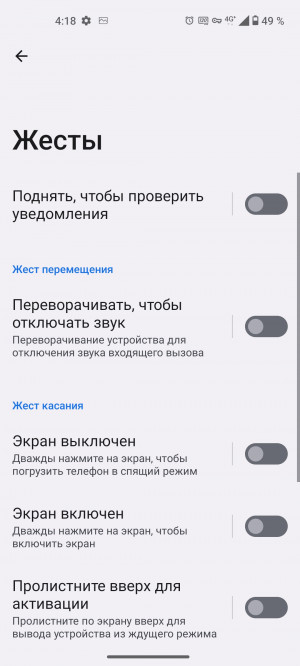
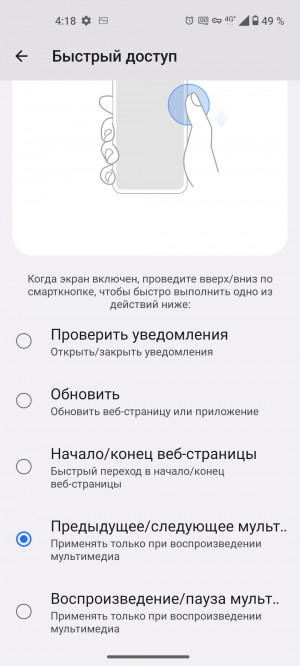
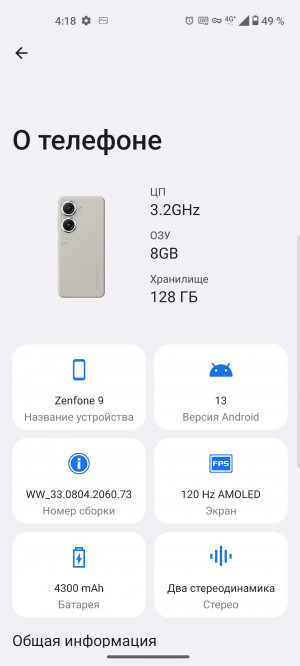
Of course, you will find them - after all, there was Android 10,and here is Android 13, and Google's interface innovations inevitably penetrate ZenUI. Only now, almost all ASUS branded softs have not changed since then, which is why the firmware began to look clumsy. Fonts dance, colors do not beat, the same interface elements look different in different places. However, the software is still nimble and stable; Apparently, this is a priority for the few remaining developers in ASUS.
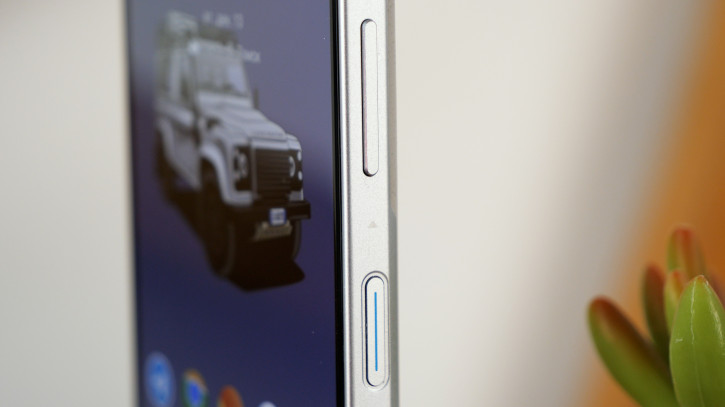
How much ASUS has scored on ZenUI is evidenced by the implementation of 120 Hz in this phone, and how the company has dealt with one of its main features - the ZenTouch touch panel built into the power button.The trick itself is blatantly stolen from FCNT (Fujitsu), which implemented it back in 2017 in arrows NX F-01K called Exlider.But if the Exlider can scroll through any interface, work as a digital zoom in the camera and enlarge the fontin the browser, ZenTouch is limited to five functions: opening the curtain, refreshing the page, scrolling to the end, scrolling through tracks, and pausing the player.Moreover, in the settings, you need to selectone of these items. Either you can scroll through the tracks in the player, or refresh the page in the browser, but not both at once. Some disgrace. Even in the ridiculous Lumigon T3 (review), the BackTouch touch area was more useful.
Cameras
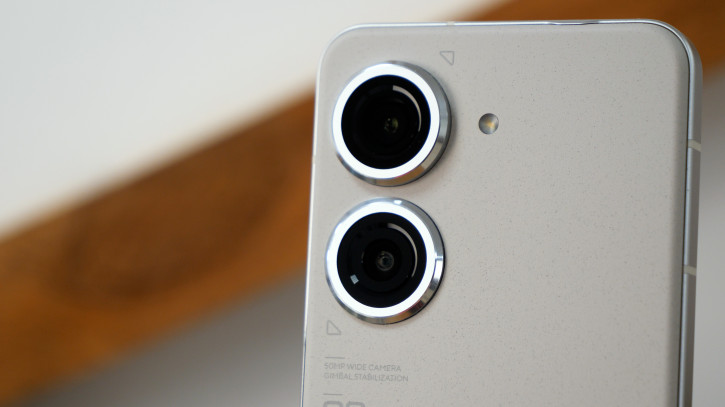
ASUS Zenfone 9 is equipped with a dual camera.The main module is based on the super popular 50-megapixel Sony IMX766 sensor and is equipped with very fast f/1.56 optics and gimbal stabilization. Shirik, on the other hand, has a resolution of 12 megapixels and is based on the legendary Sony IMX363 sensor (the main camera is Pixel 3/4/5), and is also equipped with autofocus for shooting macro scenes. No swivel mechanisms and other game from past generations of Zenfone, just a very efficient pair of cameras. Let's see what she can do:














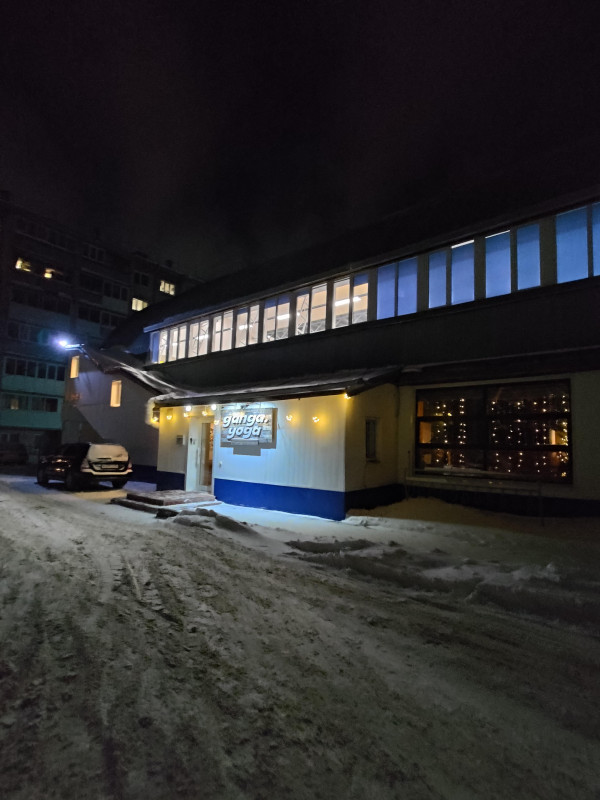
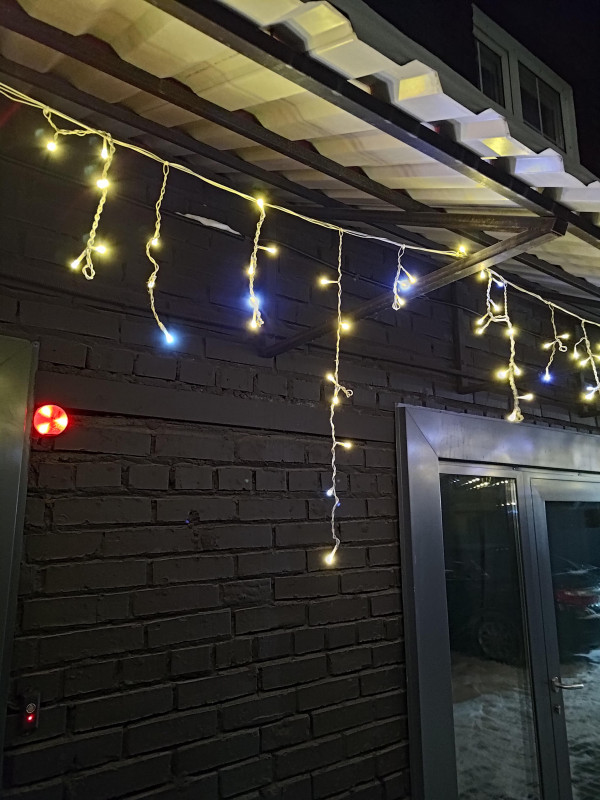






The main camera shoots very carefully, avoidingembellishments and oversharp. Color rendition is usually very accurate, but sometimes crap happens. I also have no complaints about detail and noise. Shirik does an excellent job with his scenes (landscapes and macro), and at night in auto mode sometimes shoots even better than the main camera. How so? It just captures much less light, so the night mode automatically turns on. And there is supposedly enough light on the main camera, and the night mode does not turn on by itself, it must be turned on separately. And then the main camera will also take a cool shot.
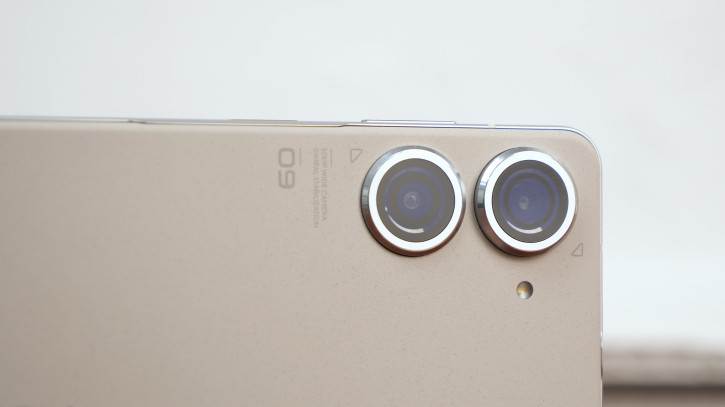
Video on the main and wide-angle cameras can be recorded in 2160p@60fps (switching between cameras is available).The main one can still do it 4320p@24fps, but it's more suitable for show-off than for real use.The sound is written sensitively and realistically, the detail is high, the color reproduction is good, but the most interesting issue is stabilization, of course.There are three options: "Off", "Medium" and HyperSteady.Gimbal only: Slight shaking is fully compensated, but occasionally jerks occur if the gimbal deflection angle stopsIn the "medium" mode, EIS is connected (in night conditions, there is a slight ghosting at moments when without the EIS there would be a jerk), and in HyperSteady, a strong crop of the frame is made for maximum stabilization.In this mode, the maximum resolution is 1080p, and switching between cameras does not work.In general, I advise the "medium" mode.

12 MP front camera based on Sony IMX663(telephoto from Vivo flagships). Despite the relatively modest resolution, it shoots very well. There is autofocus, which greatly expands the range of possible shots. Video on the front camera is written in quality up to 2160p@30fps.
Performance and tests
ASUS Zenfone 9 was released only in the second half of the year,but received a much more successful Qualcomm Snapdragon 8+ Gen 1 chipset manufactured by TSMC. For a compact body, the heat dissipation of a regular G8 would be a nightmare, so this ASUS decision is absolutely correct. True, it didn't help much. In Standard mode, the company had to throttle performance a lot to cope with the heat, and in Performance mode, it gets very hot (during the GPU test, the battery temperature reached 53.5 degrees).
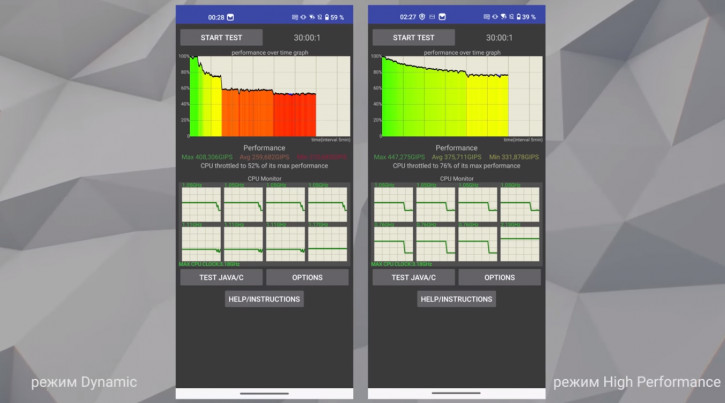
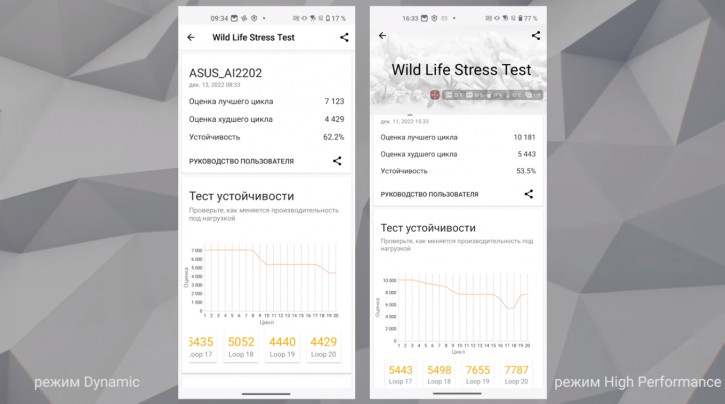
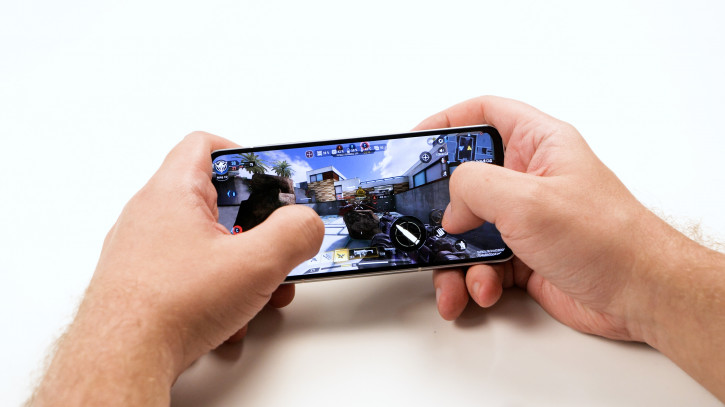
Despite these problems, the power of the "nine" iron is still enough for games.On a "warmed up" phone, the fps in Genshin Impact with maximum settings isabout 40-45; In simpler games, you can safely count on a stable 60 fps.First of all, in a heavy game, the Zenfone 9 can easilyget so hot that you won't be able to hold it in your hands for a long time (or you'll need medical attention).Secondly, many games aren't that comfortable on the Zenfone 9's small screen.And the ones that are comfortable usually don't require top-of-the-line hardware.
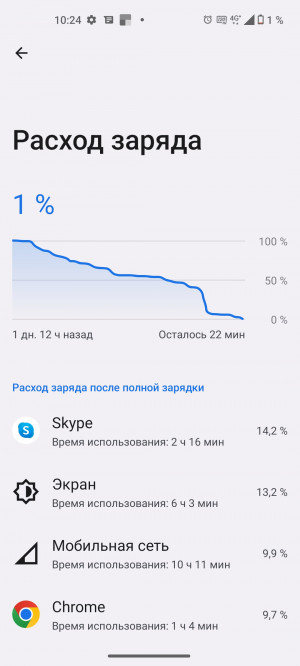
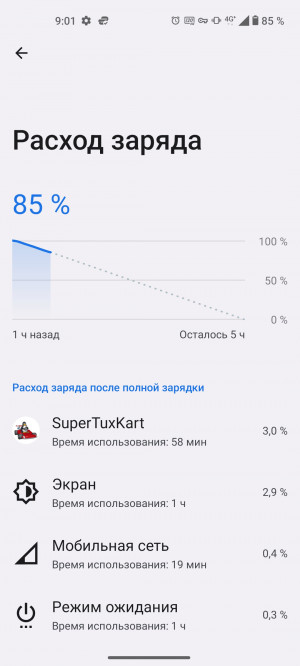
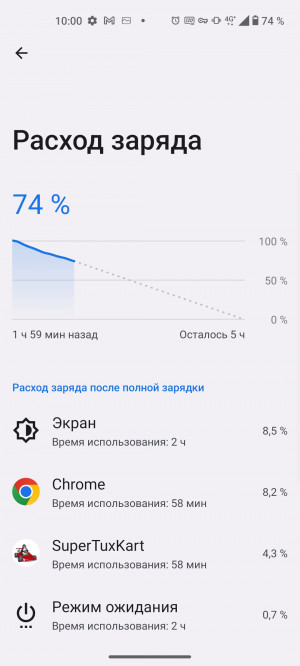
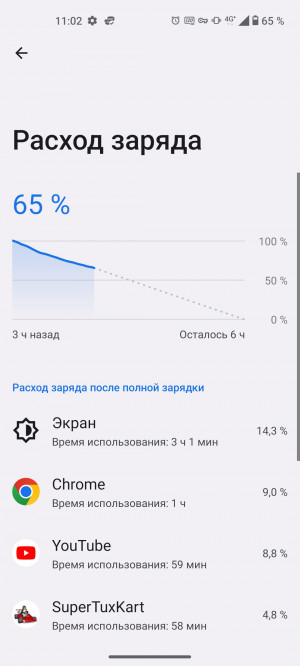
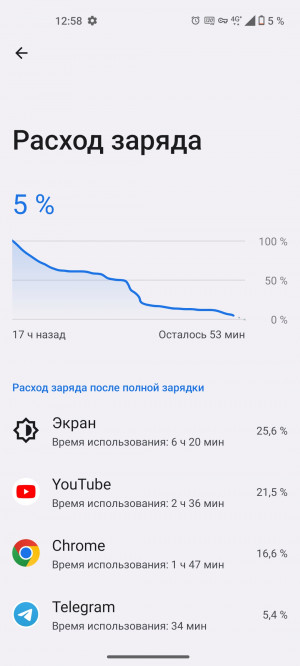
Now about the battery - it has in Zenfone 9excellent for such dimensions capacity of 4300 mAh. So, contrary to your expectations, the autonomy of the smartphone is all right. For an hour in SuperTuxKart, the discharge was 15%, for an hour in the browser - 11%, for an hour of video display - 9%. On average, in my usual usage scenarios (browser, telegram, Skype calls, a few games), the smartphone produced 6-6.5 hours of screen within 1-2 days. This is with 120 Hz turned on, if anything; if you switch to 60 Hz, it should be more, but I have not tested.
The complete charger has a verymodest for today's power of 30 watts. This is the worst charger you can find in a 2022 flagship box; but, in fairness, the iPhone and younger Galaxy S do not support such a charge rate either. In the case of the Zenfone 9, a full charge takes 79 minutes, and you can charge the smartphone halfway in 29 minutes. Not fast, but it will do.
The ASUS Zenfone 9 comes in three different memory versions: 8 128GB, 8 256GB, and 16 256GB.It probably makes sense to pay for additional disk space, butDo you know why?In the video review, Evgeny showed an example of how the game crashes if you open the video mode in the camera; I almost freaked out when I was thrown out of a Skype call when I was distracted to write a message on Telegram.And this problem has been consistently reproduced a couple of dozen times (I hope the bosses won'tread this review and won't know that I'm hereI sit so attentively on calls).There were no other applications in the background.Ehh...
Conclusions
The ASUS Zenfone 9 has two big problems: the first is the software, which the company simply forgot about.There is no other way to explain the curved hertz, the crooked RAM, the crooked fonts, and the very weak implementation of ZenTouch.All of these problems can be solved if solved, but it seems to be no longer a priority for ASUS.The second is the bezels, which make the 5.9" Zenfone 9 similar in size to the 6.1" Galaxy S22 and 6.28" Xiaomi 12X.For a compact flagship, this is a critical moment, and if Samsung and Xiaomi were able to do everything right, then ASUS is definitely lagging behind.
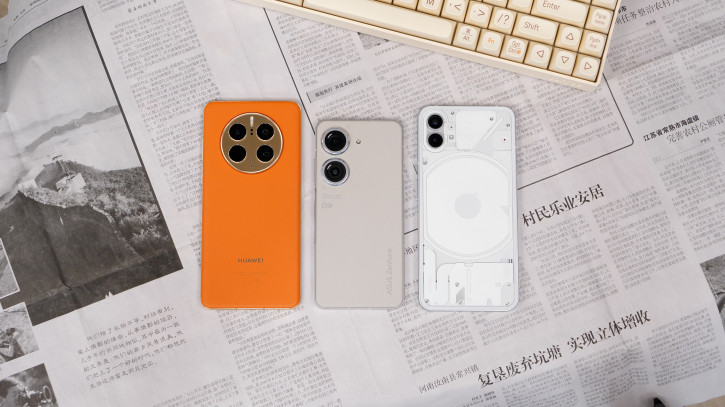
Huawei Mate 50 Pro, ASUS Zenfone 9, Nothing Phone (1)
However, I sincerely want to say ASUSthanks for this smartphone. This is a really cool compact flagship with its own unique features that make the market a bit more diverse. If you are looking for a small and very powerful smartphone, you can safely consider purchasing it - but only after weighing its shortcomings against the shortcomings of other smartphones in this format.
The best discounts on Telegram!
© Oleg Lazarev.