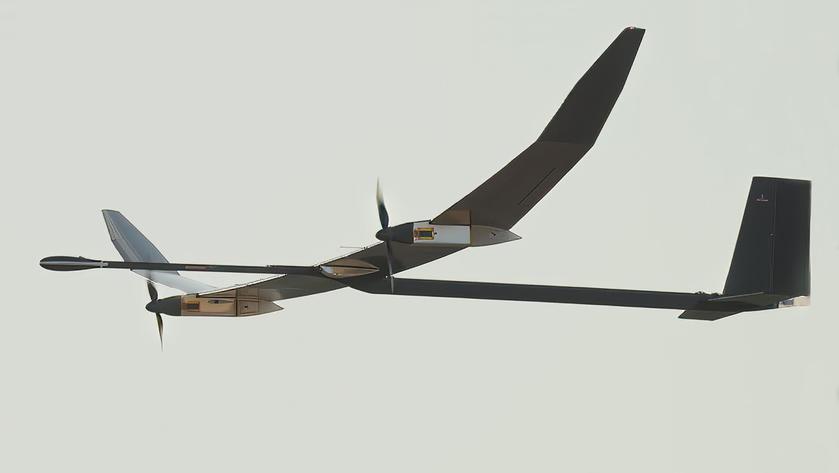
BAE Systems conducted a flight test of the PHASA-35 unmanned aerial vehicle this month. As part of the drone test
What is known
PHASA-35 tests took place in New Mexico,USA. The drone flew for 24 hours, rising to a height of about 20 km, after which it made a successful landing. BAE Systems engineers were able to evaluate the performance of a drone powered by solar panels.
PHASA-35 is bridging the gap between air and space ????️
Over a 24-hour period, PHASA-35 soared to more than 66,000ft, reaching the stratosphere, before landing successfully.
Find out more: https://t.co/vot1sXVhb2 pic.twitter.com/ED5rrOoAfh
— BAE Systems Air (@BAESystemsAir) July 14, 2023
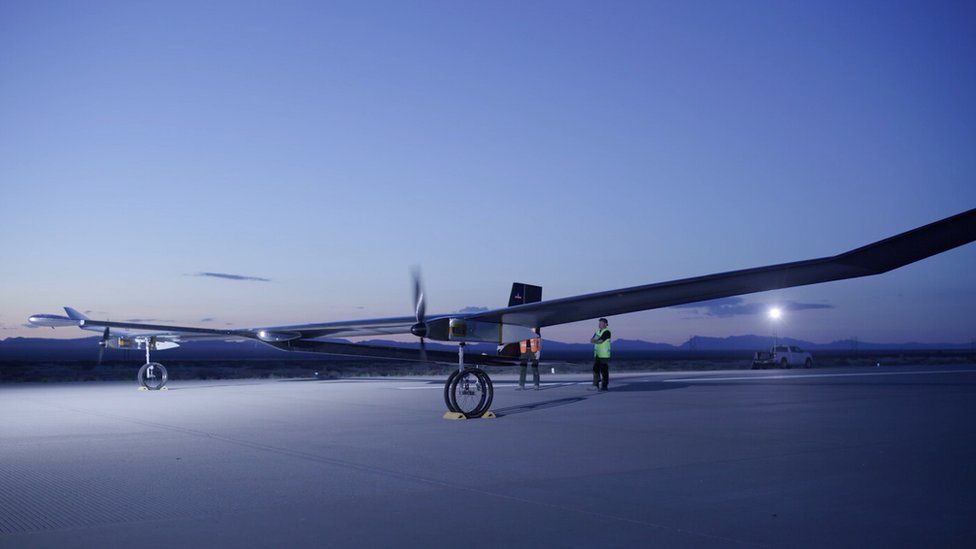
PHASA-35 was developed by Prismatic Ltd andmade its first flight three years ago. Work on the drone began in 2018. The drone has a wingspan of 35 meters and can carry up to 15 kg of payload. An unmanned aerial vehicle accumulates solar energy during the day, and uses it at night to continue flying.
Huge wings are needed to install the desirednumber of solar panels and provide the required lifting force in rarefied air conditions. It should also be noted that in the stratosphere PHASA-35 has to work at a temperature of -40 degrees Celsius and under the influence of solar radiation, which does not contribute to the stable functioning of electronic components.
</ img>
BAE Systems believes in the success of the drone.The company plans to put the PHASA-35 into service at the end of 2026. Meanwhile, the European concern Airbus predicts that the market for stratospheric services will reach $ 200 billion over the next 10-12 years.