Early diagnosis of Parkinson's disease can have a profound impact on treatment options and quality of life
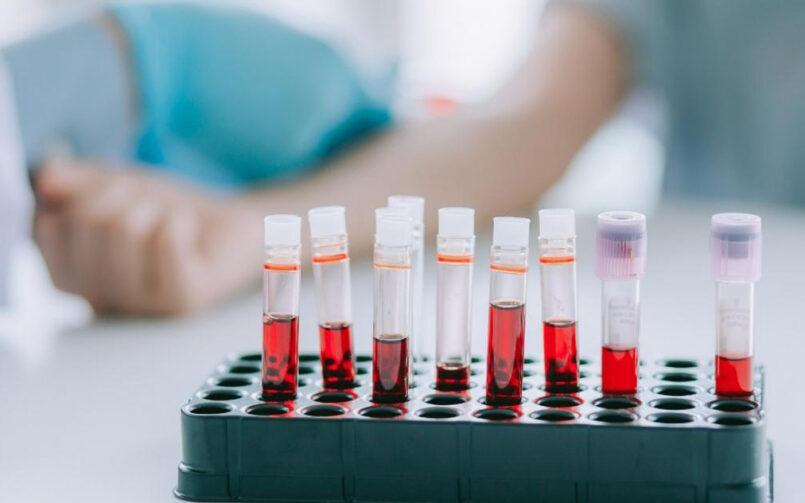
Biomarkers that are found in the blood oreven on the skin, are seen as very promising tools that could provide clear and early evidence of the onset of Parkinson's disease, and scientists are making some exciting strides in developing tests designed to detect them. The latest breakthrough in this area also focuses on blood, but on a different marker in a superfamily of enzymes called cytochrome P450.
They form a vital metabolica system that helps organisms safely metabolize chemicals and oxidize fatty acids, among other important functions. It is known that the expression of P450 enzymes is altered under the conditions of inflammation caused by cancer, cardiovascular disease and diabetes, which leads to a change in the corresponding metabolites in the patient's body.
Scientists from Japan's Kobe University previouslydeveloped a "P450 inhibition assay" – a test to detect these altered metabolites in serum samples. Scientists conducted experiments with blood serum taken from patients and rats suffering from Parkinson's disease. The assay is based on a chemical reaction that involves the oxidation of a fluorescent substrate. Altered metabolites in serum collected from sick patients and rodents inhibit this process, and this different rate of oxidation is the point of difference that distinguishes them from healthy patients.
News stories cannot be equated with a doctor's prescription. Before making a decision, consult a specialist.