First genetic evidence from Paleolithic humans, according to new research
Research by the UCL Institute of Archaeology, MuseumNatural History and the Francis Crick Institute showed for the first time that the recolonization of Britain consisted of at least two groups with different origins and cultures.
The remains for DNA analysis were taken from two places -Gough Caves in Somerset and Kendrick Caves in North Wales. Both samples belong to people who lived more than 13,500 years ago. it is remarkable that very few skeletons of this age exist in Britain, with only about 13 in six different locations.
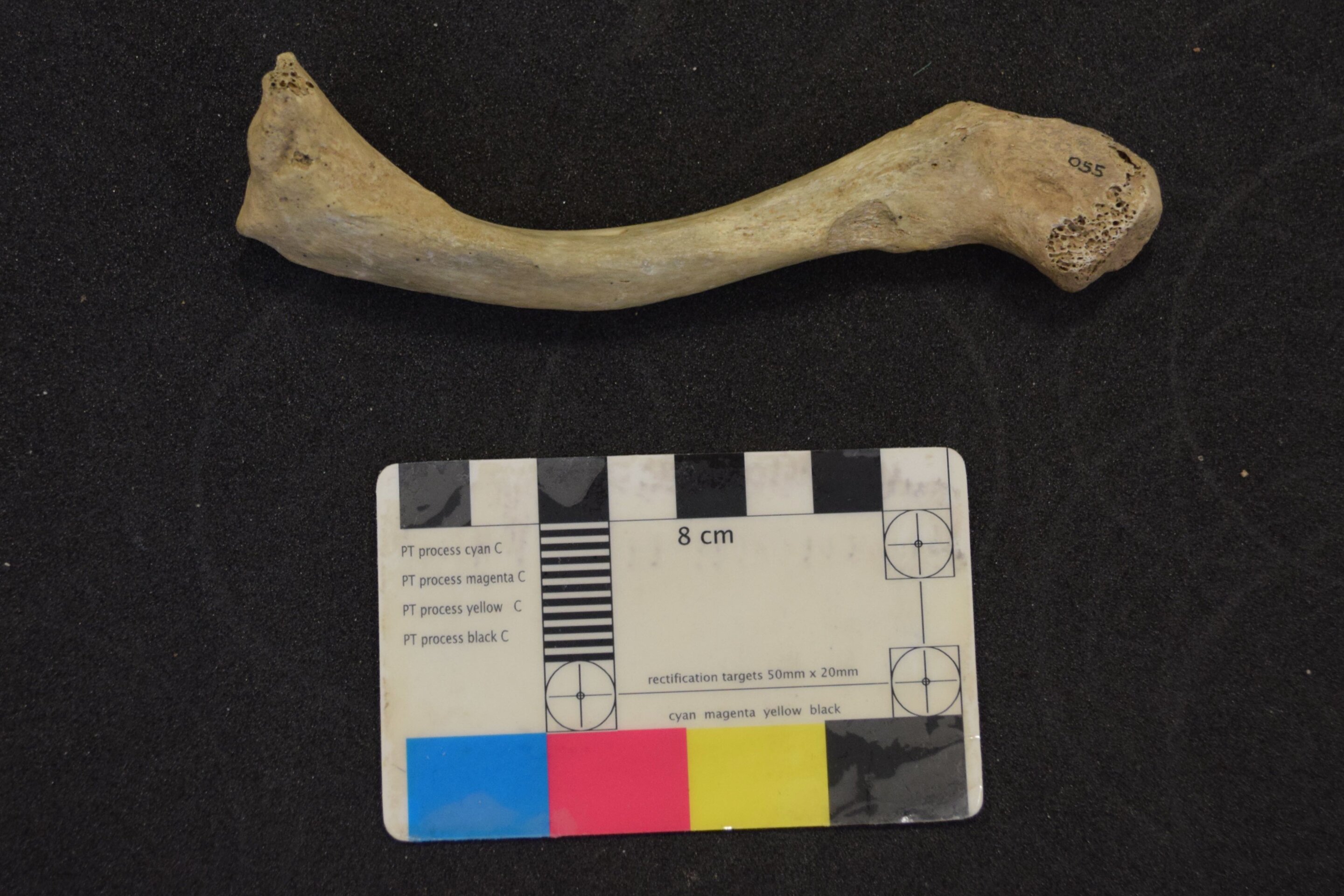 Human remains from Kendrick's Cave (North Wales) are approximately 13,600 years old.
Photo: R. Stevens
Research that included radiocarbon datingDating and analysis, as well as DNA extraction and sequencing, have shown that it is possible to obtain useful genetic information from some of the oldest human skeletal material in the country.
DNA from Gough's Cave, about 15,000 years ago.belongs to a man whose ancestors migrated to northwestern Europe about 16,000 years ago. However, the man from Kendrick's Cave lived in a later period, about 13,500 years ago. Its ancestors migrated to Britain from the Middle East around 14,000 years ago.
Read more:
Starlink signal hacked to be used as an alternative to GPS
NASA revealed the origin of Haumea - the most mysterious planet in the solar system
Physicists Break Standard Quantum Limit With 'Quantum Horror'