Despite the fact that only a week has passed since the start of sales of the Google Pixel Watch, the watch has already made serious progress
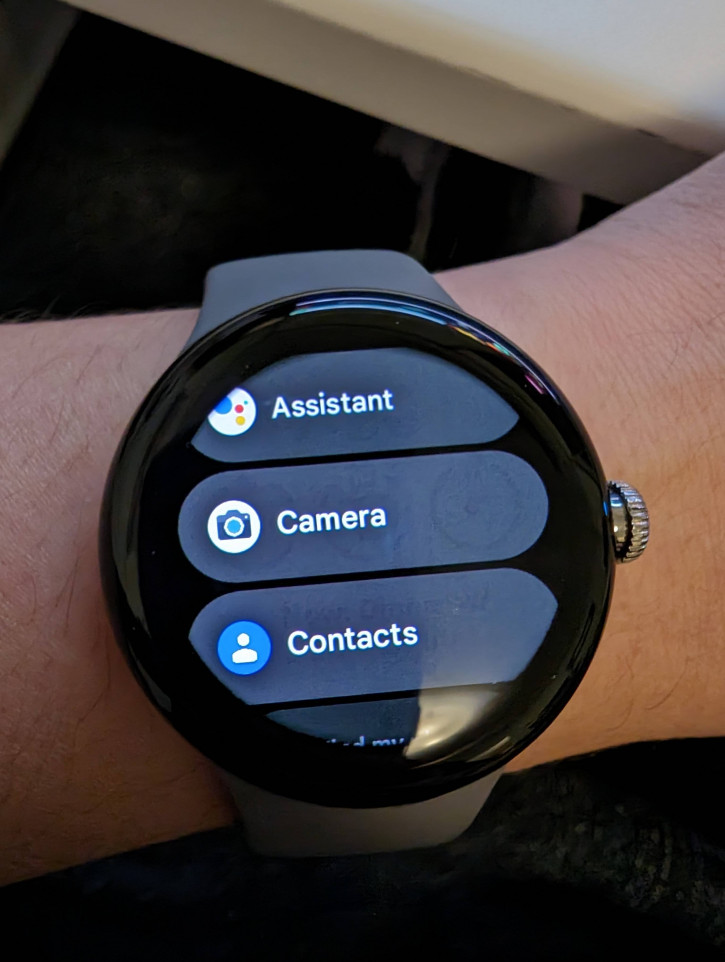
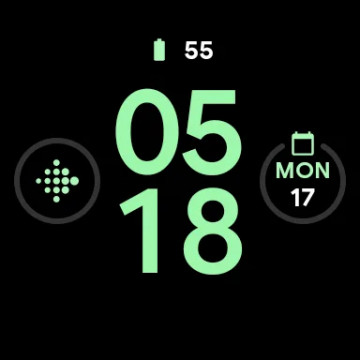
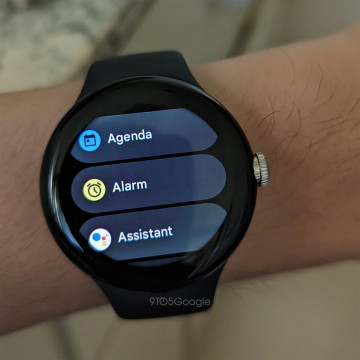
Screenshot of the AOD splash screen (left) and its trail over the interface (right)
Of course, modern AMOLED screens are notable to burn out so quickly, which means that the reason clearly lies in something else. It has been experimentally found that the afterimage disappears approximately 30 minutes after the AOD function is turned off and returns again when it is turned on again. Google itself decided to explain the situation, the full statement of which is given below:
“What you see is residualimage. This is an intermittent issue affecting OLED displays. It is not a precursor to burnout and should not be confused with burnout. The image retention will gradually disappear, but the longer the screen was in AOD mode, the longer it will take for traces of image retention to disappear. Google Pixel Watch uses a software algorithm to change the brightness of the glowing pixels every minute to reduce image retention. This increases the time until the afterimage appears and shortens the time until it disappears. If you experience this issue, it will go away over time, but you can also turn off AOD and/or use sleep mode to keep the screen off overnight.”
© Vladimir Kovalev.
Based on 9to5google.com