The share of female inventors among those applying for patents is growing every year, but if the case
- Globally, women are a minority in engineering and computer science and are consistently underrepresented in engineering and related fields (UNESCO, 2017).
- Only 12.37% of all UK engineers are women (WES, 2018).
- In the United States, only 13% of engineers and 26% of computer scientists are women. Overall, female engineers earn 10% less than male engineers (SWE, 2019).
- 186,000 engineers will be required annually in the UK until 2024 [IET, 2021].
But despite the depressing numbers, women engineers regularly participate in international and regional competitions and create inventions that can change the world for the better.
The inventions of women engineers that are changing the world for the better
Lucy Hughes, UK - MarinaTex Home Degradable Material.
MarinaTex is a home-biodegradable material developed as an alternative to disposable plastic wrap. Produced from fish waste and environmentally friendly algae.
After winning the competition, inventor LucyHughes, together with the laboratories of Durham (Great Britain), studied the properties of the material and the prospects for its application. In addition, she has attracted additional business and financial support by winning the UK's Start Up Sussex Social Impact award. In 2020, Lucy secured patent funding and registered MarinaTex as a trademark, and also spoke at conferences such as the European Commission's BlueInvest Day. Lucy is currently looking for sources of further funding for MarinaTex and is awaiting the results of the Green Alley Awards, in which she was among the top 20 finalists.
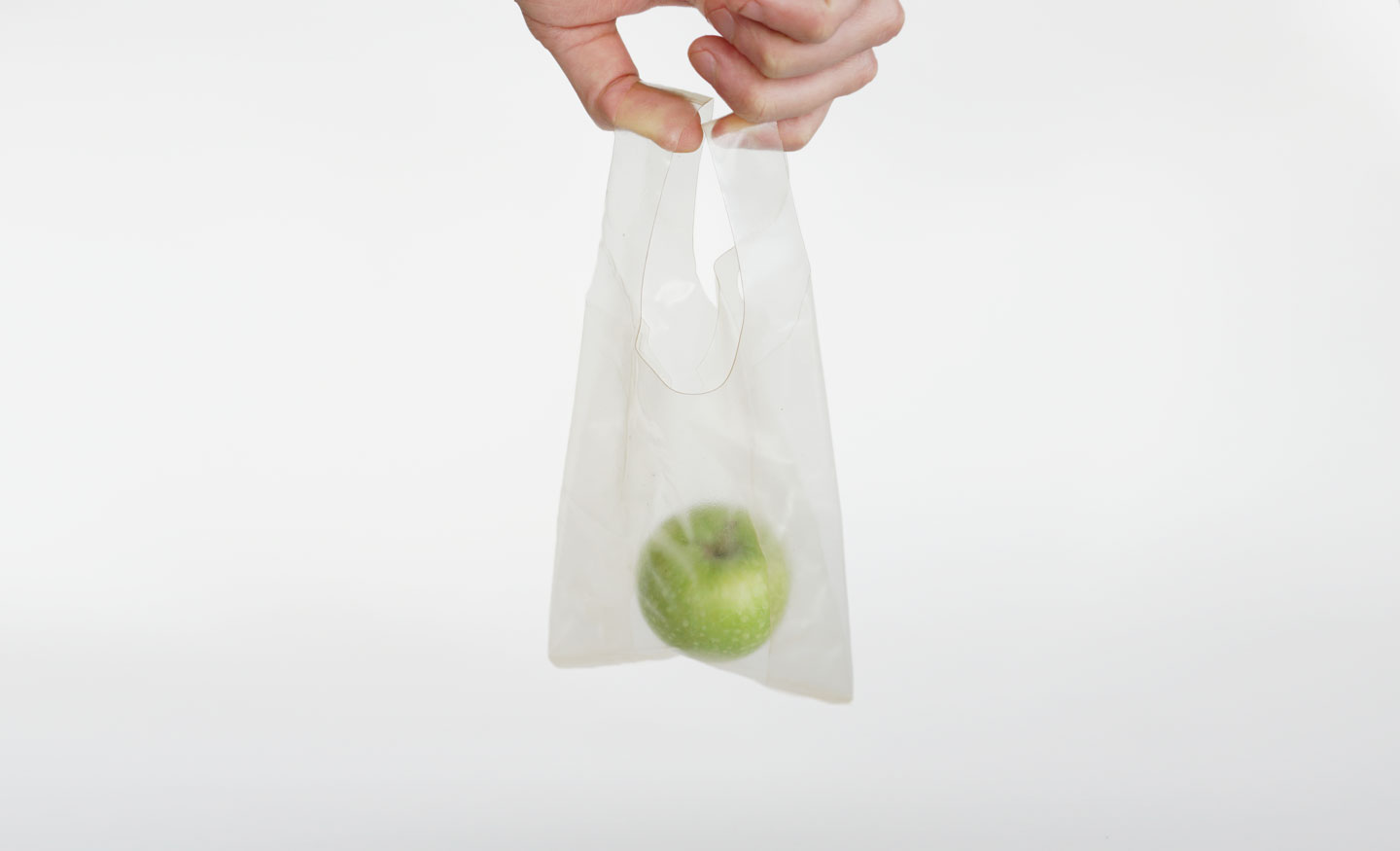 jamesdysonaward.org
MarinaTex is currently being finalized in laboratories.For Lucy, this is a very exciting time for the development of the project, as it sheds light on how the new material can be applied and transformed into final products. The development of MarinaTex is extremely relevant: the most serious challenge is to create a solution that was needed yesterday.
Shubham Issar, Yogita Agrawal and Amanat Anand, India - SoaPen soap pen
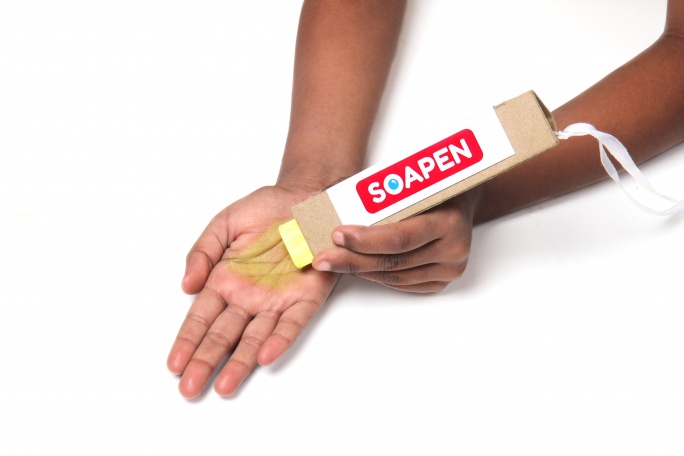
In 2017, the SoaPen invention appeared - thisA soapy pen allows children to draw and wash their hands, providing an alternative to basic hand sanitizer or soap. Inventors Shubham Issar, Yogita Agrawal and Amanat Anand developed SoaPen with soap in mind that hand washing can prevent one in three children from infectious diseases that lead to high infant mortality.
 jamesdysonaward.org
With SoaPen, kids can draw all over their handcolorful berry-scented soap sticks that wash off, leaving your hands clean. Playful handwashing prevents children from complaining about having to wash their hands before dinner.
For every three pens sold in the U.S.one that SoaPen donates to a school in a low-income area in India. The project has become so successful that its creators have made it onto the prestigious Forbes 30 list. SoaPen is currently supplying its expanding portfolio of products across America and most recently also released hand sanitizer to meet demand during the COVID-19 pandemic.
Tatiana Okhapkina, Russia - DropBox automated storage system
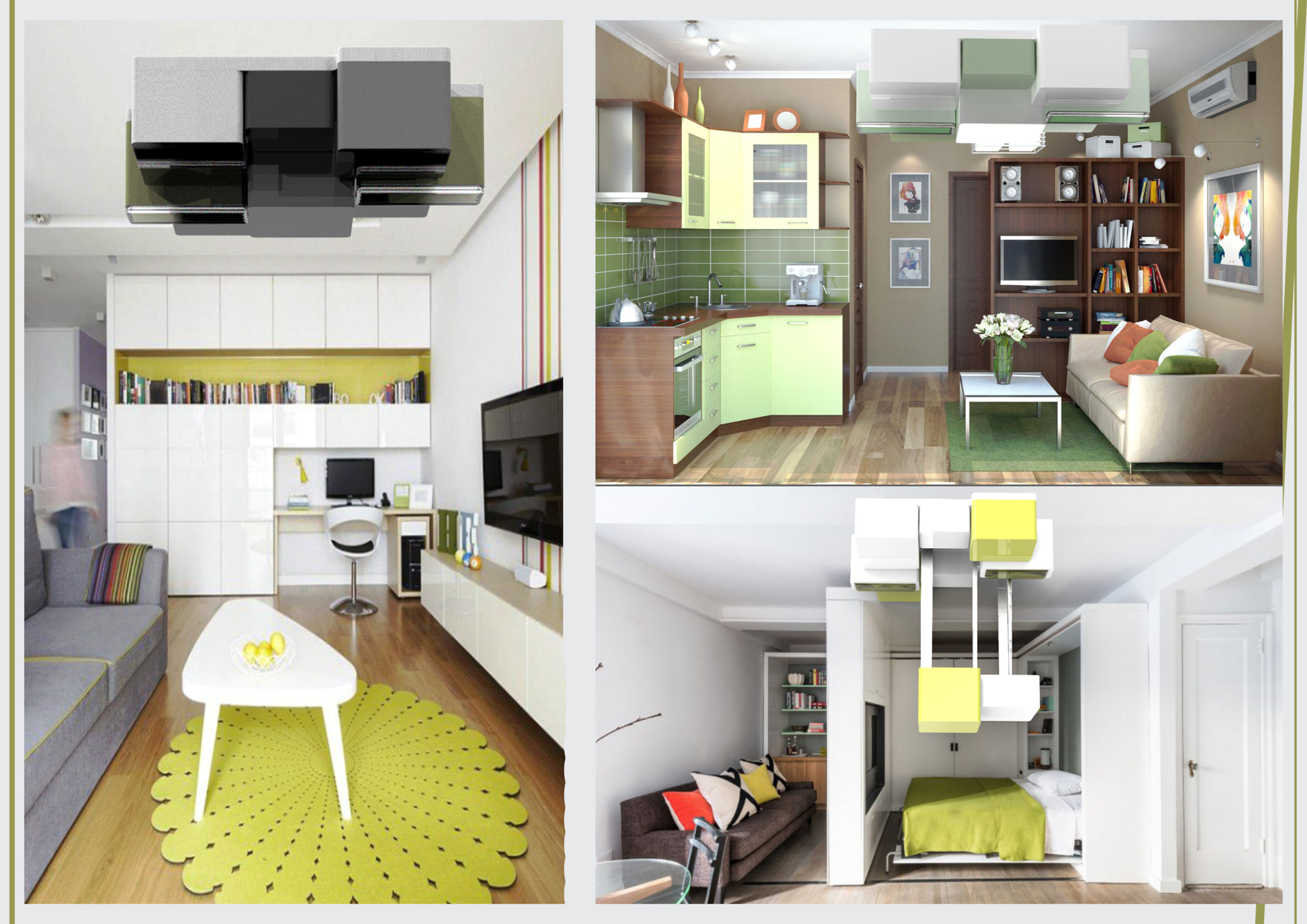
According to statistics, the area of apartments in Russiannew buildings in the period from 2012 to 2016 decreased by more than 25%. Young families often buy such small-sized housing, and there is a sorely lack of storage space. Garages, balconies, rented containers - everyone saves himself as best he can, but more often than not, things just accumulate in the corridor, on chairs and in the corners of rooms.
 jamesdysonaward.org
Tatyana Okhapkina from M.V. N. E.Baumana in 2018 created the Drop Box, an automated storage system that won the 2018 James Dyson Award nationally. Telescopic lifts attach to the ceiling by lowering and raising boxes using winches and electric motors. A mechanical lock fixes the boxes to the ceiling: it will hold them in place even if the electricity goes out. In addition, the Drop Box is equipped with lamps with diffusers, and the system also has a mobile application. In it, you can create a catalog of things, so as not to guess what was removed there. The number of boxes and bulbs in the Drop Box can be selected to suit the size of the room.
Irina Kosygina, Russia - Water Hope robot cleaning coastal areas from garbage
The World Ocean covers 70% of the Earth, and the WorldThe Wildlife Fund argues that water pollution seriously affects and destroys the marine ecosystem, ultimately harming people themselves, with the negative effects of pollution only increasing. Only 20% of garbage gets into the waters from ships, the remaining 80% is garbage carelessly left by people on the banks of reservoirs and washed away by a wave into the ocean. Bags, straws - plastic stays floating in water for decades.
 jamesdysonaward.org
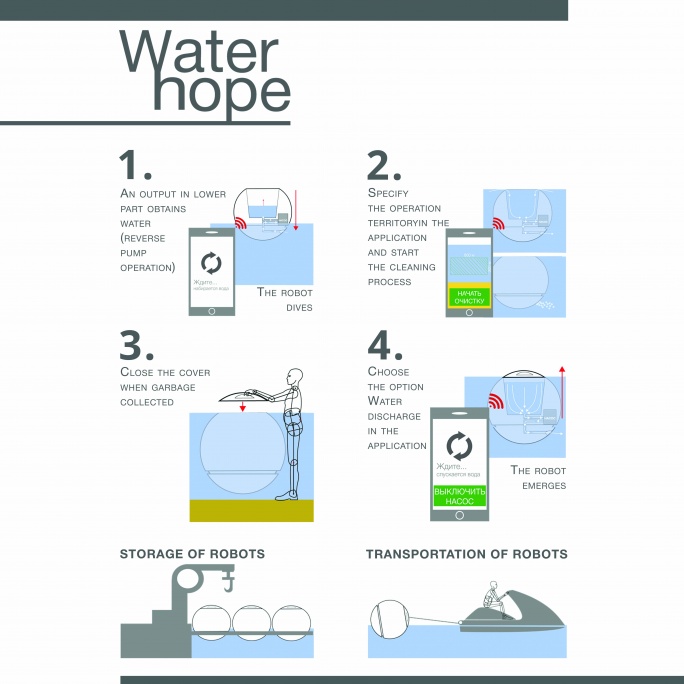
Irina Kosygina from M.V. N. E.Baumana in 2017 created Water Hope, a robot that cleans coastal areas from debris. It moves along a predetermined coastal area and collects floating debris and mud in a special container. The robot is controlled remotely from a smartphone.
Hudit Hiro Benet, Spain - The Blue Box biomedical device to screen for breast cancer at home
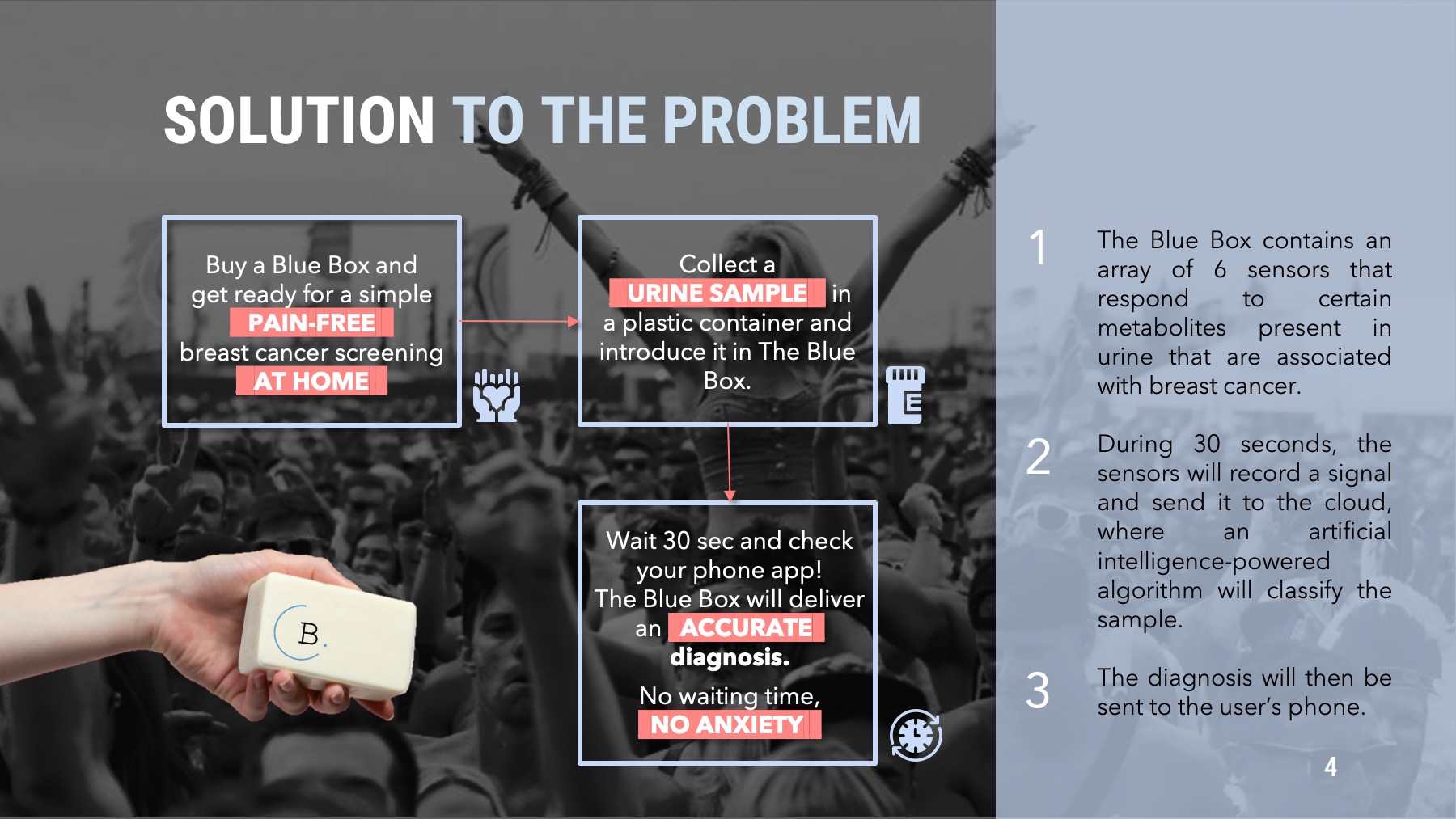
The Blue Box - International Winner JamesDyson Award 2020. The invention of 23-year-old Hudit Hiro Benet opens up a new way to recognize breast cancer at home. Using an artificial intelligence-based algorithm, The Blue Box recognizes early signs of illness from a urine sample. The solution enables women to take care of their health with a non-invasive, painless, non-irradiated and inexpensive alternative technology that can be used regularly at home.
 jamesdysonaward.org
The device performs chemical analysis of samplesurine and sends its results to the cloud storage. An AI-based algorithm recognizes specific metabolites in urine and quickly communicates a diagnosis to the user. The device is synchronized with the application, which is responsible for all communication functions and allows you to instantly contact a specialist if the test result is positive.
In the coming years, the winner will have to decideTasks that are key to the project: Hoodit and his team are completing a prototype and data analysis system at the University of California, Irvine, preparing for human and clinical trials, and about to file important patent applications.
Solveiga Pakštaite, Lithuania - Mimica Touch smart food shelf life label
Solveiga Pakstaite - Lithuanian industrialThe designer-entrepreneur, national winner of the 2014 James Dyson Award in the UK, was also shortlisted for the world's top 20 projects. She entered the competition with her invention, the Mimica Touch, formerly called the Bump Mark.
Mimica Touch - label or other partpackaging that becomes embossed when the food is about to spoil, taking into account the actual storage temperature. Mimica Touch contains a gel that adapts to the speed and conditions of spoilage of a particular type of food product. If food is stored refrigerated, the gel will also “like” this, and at elevated temperatures it will create a relief on the label much faster, synchronizing with when the product itself becomes unusable. Mimica Touch displays real-time, accurate food freshness information through a haptic interface. This system, which is more accurate and sensitive than alternative solutions, will reduce food waste and improve food safety.
After several years of development, the team thatheaded by Solveiga Pakštaite, decided to scale the production of Mimica Touch in bottle cap format to launch this solution in the beverage industry. Several large food manufacturers are already ready to cooperate with them.
Maria Isabel Angel Palma, Philippines - Air Cooling Technology Without Refrigerants
Maria Isabel Angel Palma invented technologyAirDisc and founded the company to develop revolutionary innovations in cooling. In 2019, the inventor became the national winner in the Philippines and was shortlisted for the top 20 projects worldwide.
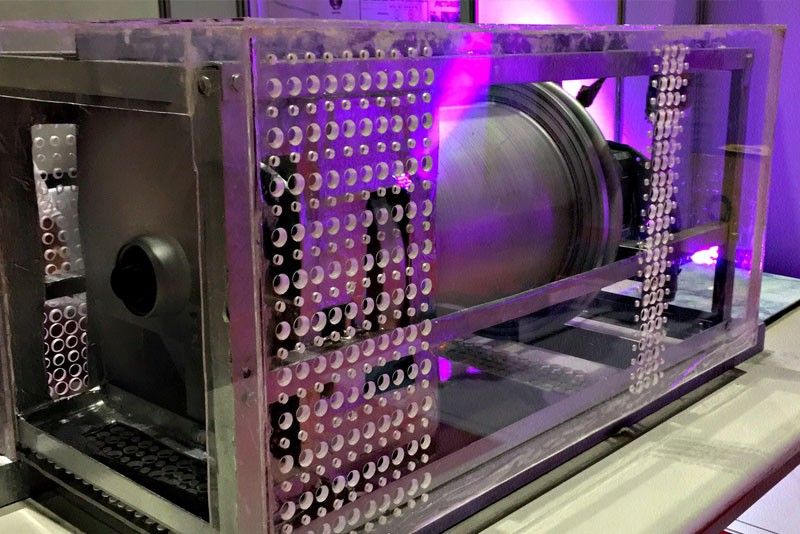
Maria Isabel's invention is based on a uniquean approach to refrigeration that uses air molecules rather than chemical refrigerants. AirDisc air conditioner has zero global warming potential, drastically reduces energy consumption and costs less than traditional counterparts. The AirDisc patent application is currently pending with the US Patent and Trademark Office and the Patient Cooperation Treaty to protect intellectual property rights in all countries.
After winning the Philippine national stageThe award has negotiated worldwide with organizations interested in AirDisc technology and has secured industrial manufacturing commitments. However, they are now facing the negative impacts of the COVID-19 pandemic that are limiting them, as it is important for them to develop without risk to human health.
Isis Schiffer, USA - EcoHelmet Cycling Foldable Helmet
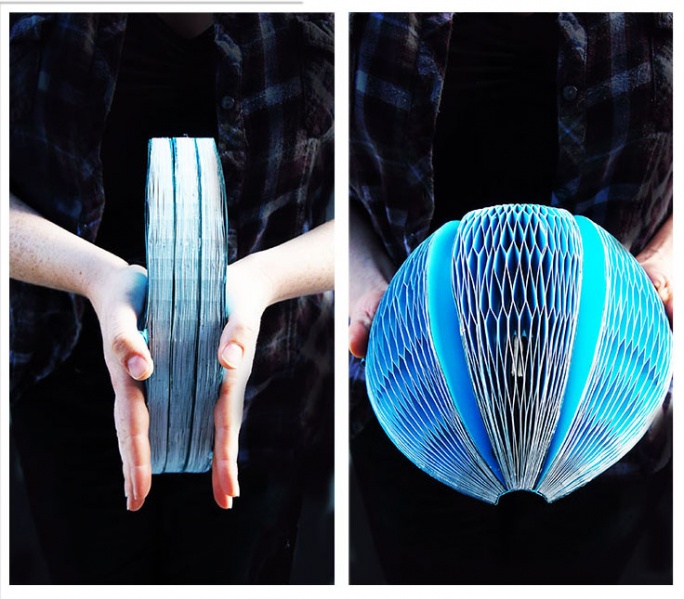
Isis Schiffer, James International WinnerDyson Awards 2016 and creator of EcoHelmet, a foldable and recyclable helmet for cyclists. Made from waterproof paper with a unique radial honeycomb pattern, EcoHelmet allows cyclists to ride more confidently, safely and more frequently.
Insert photo:
https://www.jamesdysonaward.org/Document/36faba03-cbdb-4a77-9c55-c3c153145dd4/usr-2636-img-1468938699-bed34.jpg
Sharing scooters, bicycles and moretransport has been actively developing in recent years. Isis was aware of the security issue back in 2016. Inspired by the knowledge that paper honeycombs are good at absorbing shocks, she decided to create a compact, lightweight, comfortable and eco-friendly helmet that can be carried in a bag or backpack. According to Isis' idea, EcoHelmet is especially convenient for bike rental users, because it can be purchased for a trip and disposed of afterwards. When folded flat, it is ideal for vending machines and does not require assembly to put on. All you need to do is just put it on your head, pull the straps and fasten. The elastic material is suitable for almost head sizes. The honeycomb structure evenly distributes any blow to the head as effectively as a traditional polystyrene helmet. Thanks to the radial nature of the cells, the helmet will protect the wearer from impacts from any direction. And the biodegradable coating makes it resistant to rain for up to three hours. EcoHelmet is completely recyclable.
Isis reckoned that special containersGarbage collection will become available at bike rental stations, allowing used eco-helmets to be recycled into new ones with minimal waste. It is important to note that the cost of materials (recycled paper, biodegradable coating and glue) is so minimal that individual units can be sold for less than $ 5.
Yulia Kamalova, Russia - SvetTex phototherapy nest for newborns
In 2016, a project by Yulia Kamalova from the BritishHigher School of Design - SvetTex - became the winner of the Russian stage of the international competition in the field of design and engineering James Dyson Award 2016, and also entered the top 20 projects around the world.
SvetTex is a phototherapy nestnewborns suffering from an excess of bilirubin in the blood, or, more simply, infant jaundice. The most common treatment for childhood jaundice is with ultraviolet radiation. Newborns are placed in a special box, over which UV lamps are hung. But for a baby, this is not the most comfortable option: you need to stay in the box for a long time, and the child's eyes should be covered with a mask or glasses, which are not easy to put on. SvetTex resembles an envelope for babies, only it is made of fiber optic strands that evenly distribute the UV light over the entire surface of the fabric, while the baby's face and eyes remain safe. The envelope hugs the baby, reminiscent of the womb: treatment is faster and with less stress.
Women face many problems withentering professions that have traditionally been considered masculine: from condescension and demoralizing attitudes in universities to glass ceilings in companies and discrimination in terms of pay. However, this has not stopped female inventors, and the share of inventions created by them continues to grow.
See also:
The largest comet in history flies to the center of the solar system: it's almost a planet
New software designs cities for free without harm to nature
Scientists have learned to remotely identify signs of life