The large hoard consisted of a dazzling collection of artifacts: two very high quality gold earrings
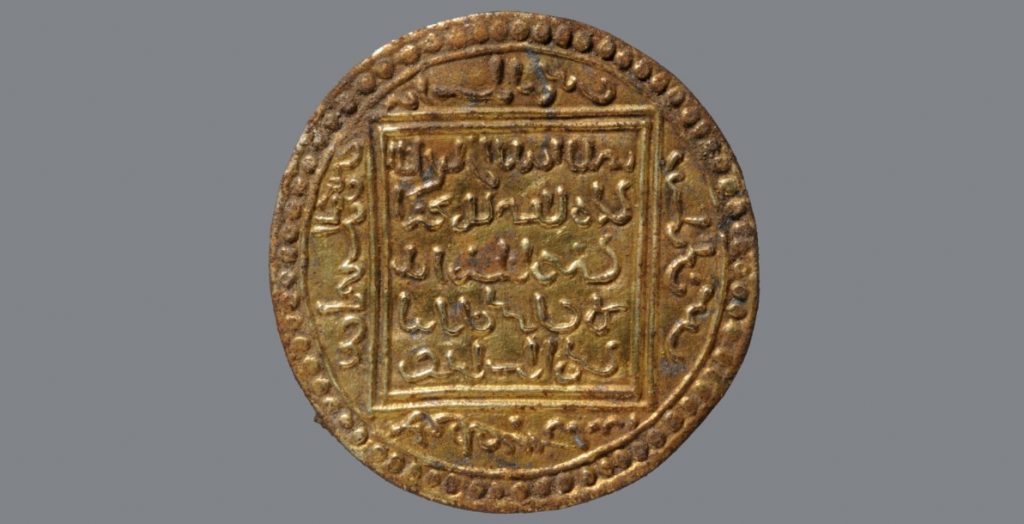 An imitation of an Islamic coin turned into a brooch. Image courtesy © ALSH
For decades, amateur archaeologistsand professional experts worked together to explore the Schleswig-Holstein region and, in particular, the UNESCO World Heritage site Haithabu. Known as Hedeby (in Danish), the site was the second largest Scandinavian city and was important to the Vikings between the 8th and 11th centuries. Haitabu was destroyed and abandoned around 1066, ending the Viking Age in the region. But a century or two later, someone purposefully buried a bag of valuables nearby.
Treasure hunters stumbled upon the artifacts while walking through a well-studied area of land. They reported the discovery to experts and a team of archaeologists carried out excavations at the site.
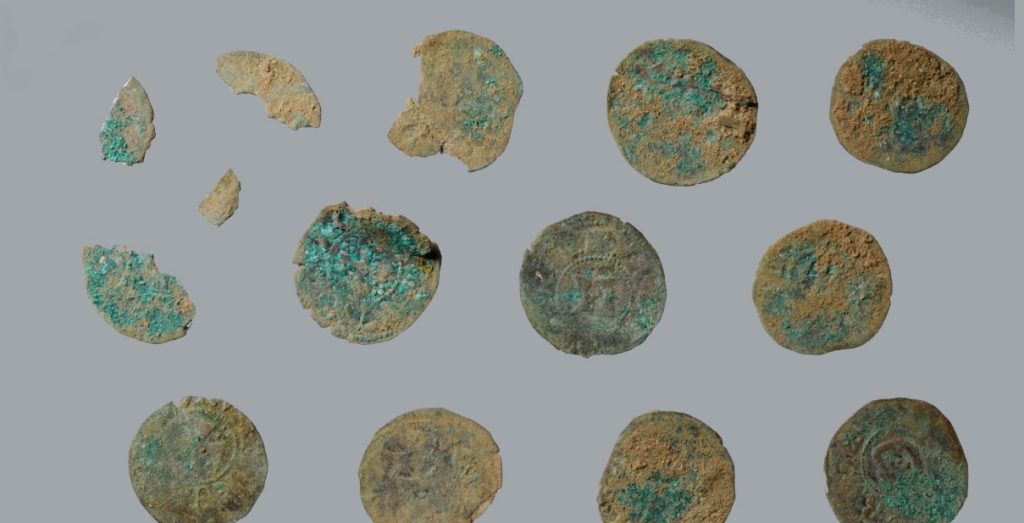 A selection of silver coins found in the treasure.
They date back to the time of King Valdemar II. Image courtesy © ALSH
The most remarkable items in the treasure are two.earrings. “They are the latest artifacts and correspond to the traditions of Byzantine goldsmiths,” the scientists explain. The treasure also contained an imitation Islamic coin, the Almohad gold dinar. A brooch was made from it. The Almohad Caliphate was a Muslim dynasty that ruled southern Spain and northern Africa between the 12th and 13th centuries. 30 silver coins minted during the reign of Danish King Valdemar II suggest that the treasure was buried some time after 1234.
Read more:
The mystery of the red stripes on the satellite of Jupiter is revealed
Found "impossible" planet. She defies modern science
Mysterious hexagonal "honeycombs" in salt deserts found an explanation
Cover photo: Front side of one Byzantine-style gold earring
Image courtesy © ALSH